
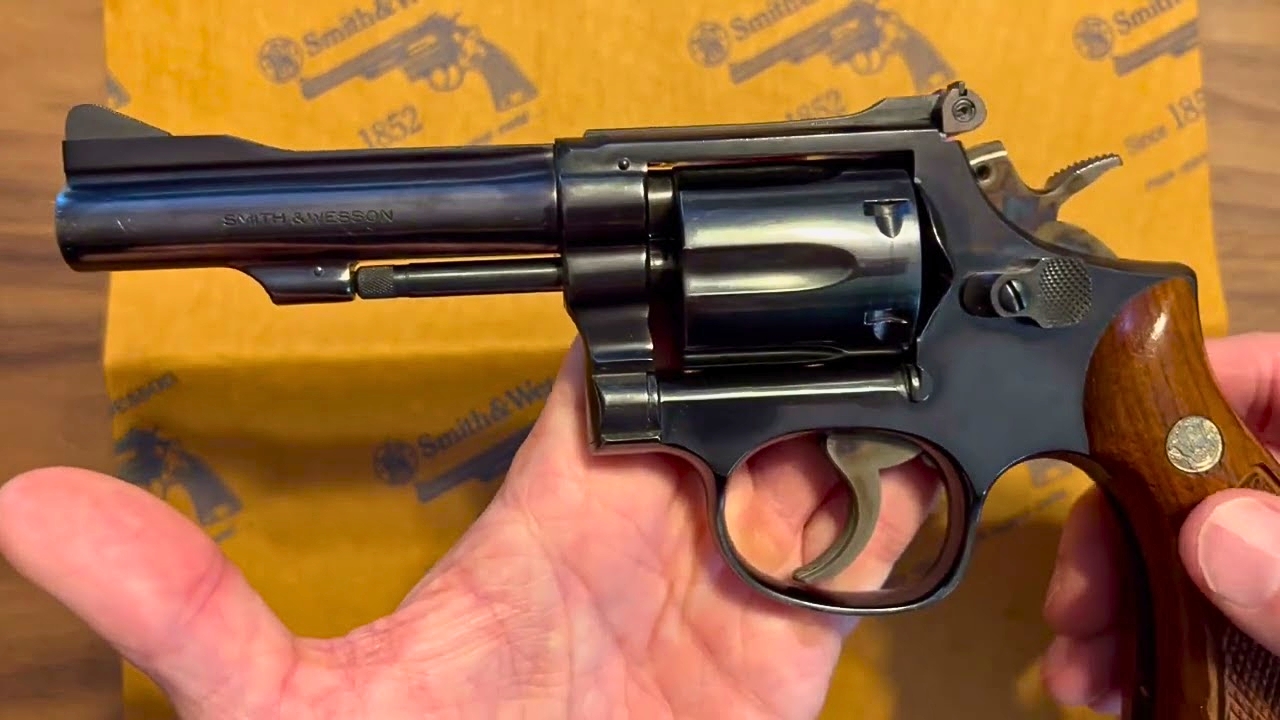
Photo credit: The Daily Defender/YouTube
Some firearms sit in the background for years because they seem too common, too plain, too odd, or too far outside the current trend. Buyers walk past them, assume they will always be cheap, and spend their money on whatever the market is praising at the moment.
Then prices start moving. Clean examples dry up, collectors circle back, old features become desirable again, or shooters realize newer replacements do not feel the same. That is when overlooked guns stop looking boring and start looking like missed chances.
Remington Model 788
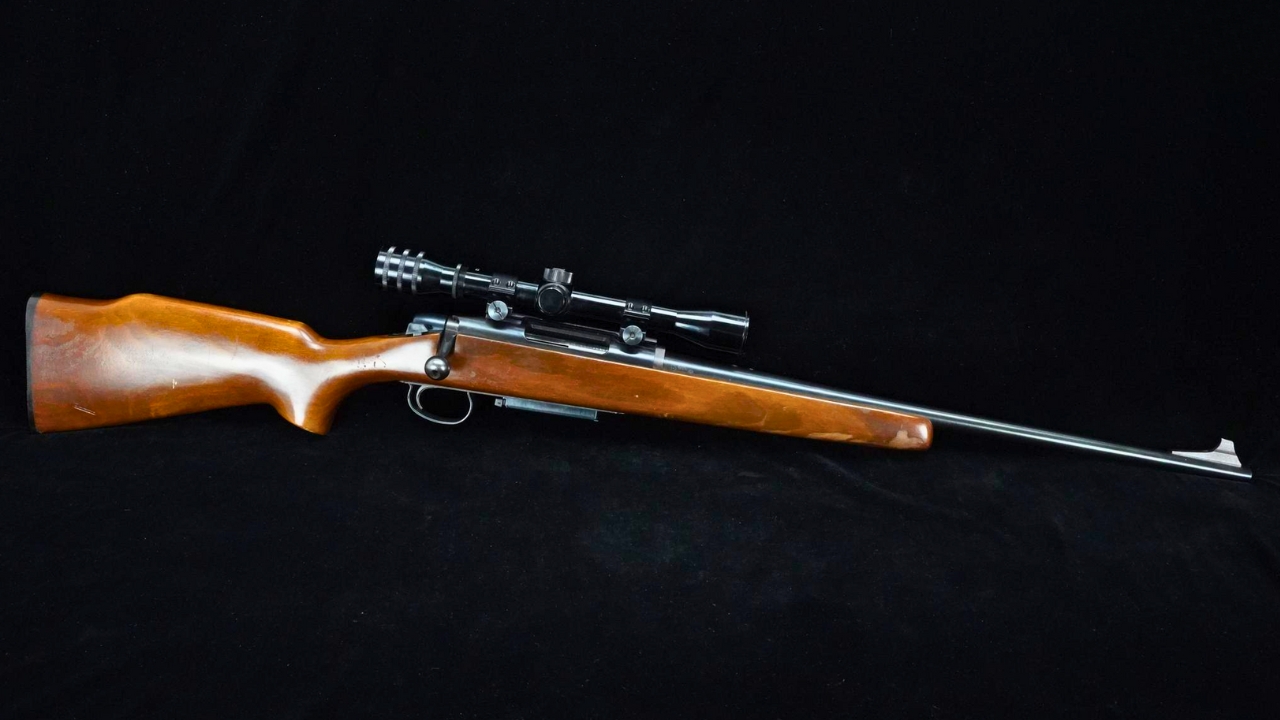
The Remington Model 788 spent much of its life in the shadow of the Model 700. It was the cheaper bolt gun, the plain rifle, the one people bought because it shot well and did not cost much. For years, that budget reputation kept it from getting the respect it deserved.
Prices changed once shooters started remembering how accurate many 788s were. The rear-locking action, short bolt throw, and practical chamberings gave it a reputation stronger than its looks. Clean rifles in .222 Remington, .243 Winchester, .308 Winchester, and 6mm Remington are no longer easy bargain-bin finds. People overlooked it because it was plain. Now that plain accuracy costs real money.
Marlin 39A
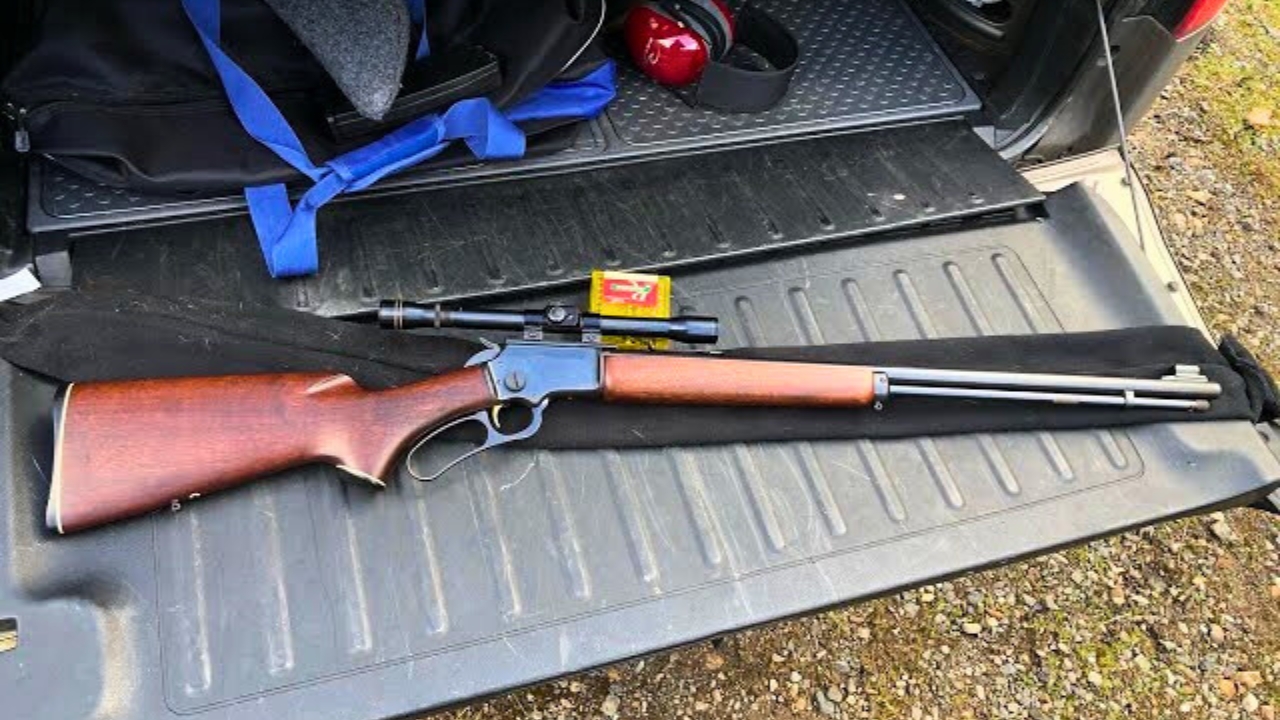
The Marlin 39A used to feel like a good old .22 lever gun that families simply kept around. It was useful for squirrels, cans, barnyard pests, and teaching younger shooters, but it did not always feel like something people had to chase.
That has changed in a big way. The 39A’s steel-and-walnut build, takedown design, smooth cycling, and long production history make it stand out from modern rimfires. Good examples bring attention because they feel like rifles built for generations, not product cycles. Plenty of owners who sold one cheap years ago now understand the regret. A quality rimfire lever gun is not as easy to replace as people assumed.
Ruger Security-Six
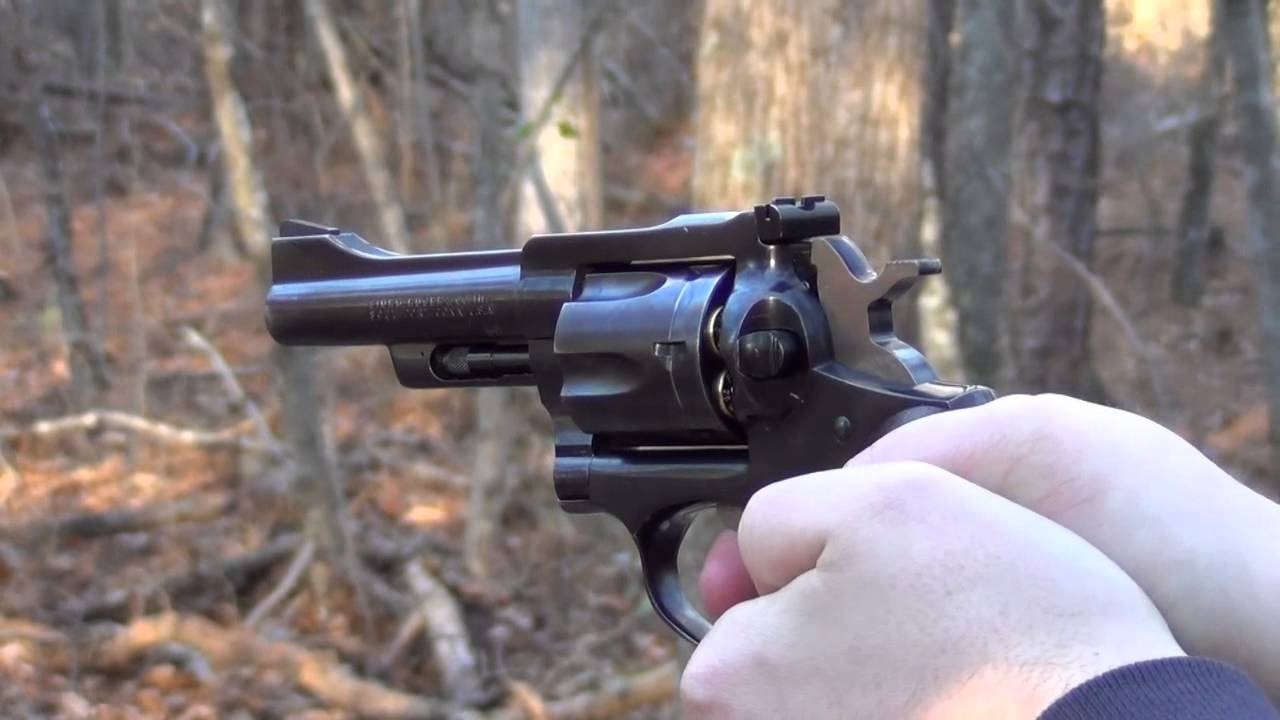
The Ruger Security-Six was once the practical .357 you bought when a Smith or Colt cost too much. It had a working-gun reputation, not a collector aura. That made it easy to overlook for years.
Now shooters appreciate what Ruger got right. The Security-Six is slimmer and handier than the GP100 but still strong enough for real use. That balance has become more valuable with time. Clean examples, especially with desirable barrel lengths, are getting harder to ignore. It may not have old Colt polish, but it has exactly the kind of honest utility that prices eventually reward.
Savage Model 99

The Savage Model 99 looked ordinary in plenty of deer camps because it was there for so long. Hunters knew it worked, but familiarity made it easy to take for granted. It was not another basic lever gun, though.
The rotary magazine and later detachable magazine models allowed pointed bullets in a lever-action rifle, which gave the Model 99 a different kind of usefulness. Chamberings like .250 Savage, .300 Savage, .308 Winchester, and others made it far more interesting than many buyers realized. Once collectors and hunters started chasing clean examples, prices reminded everyone that the 99 was never as ordinary as it looked.
Smith & Wesson Model 10
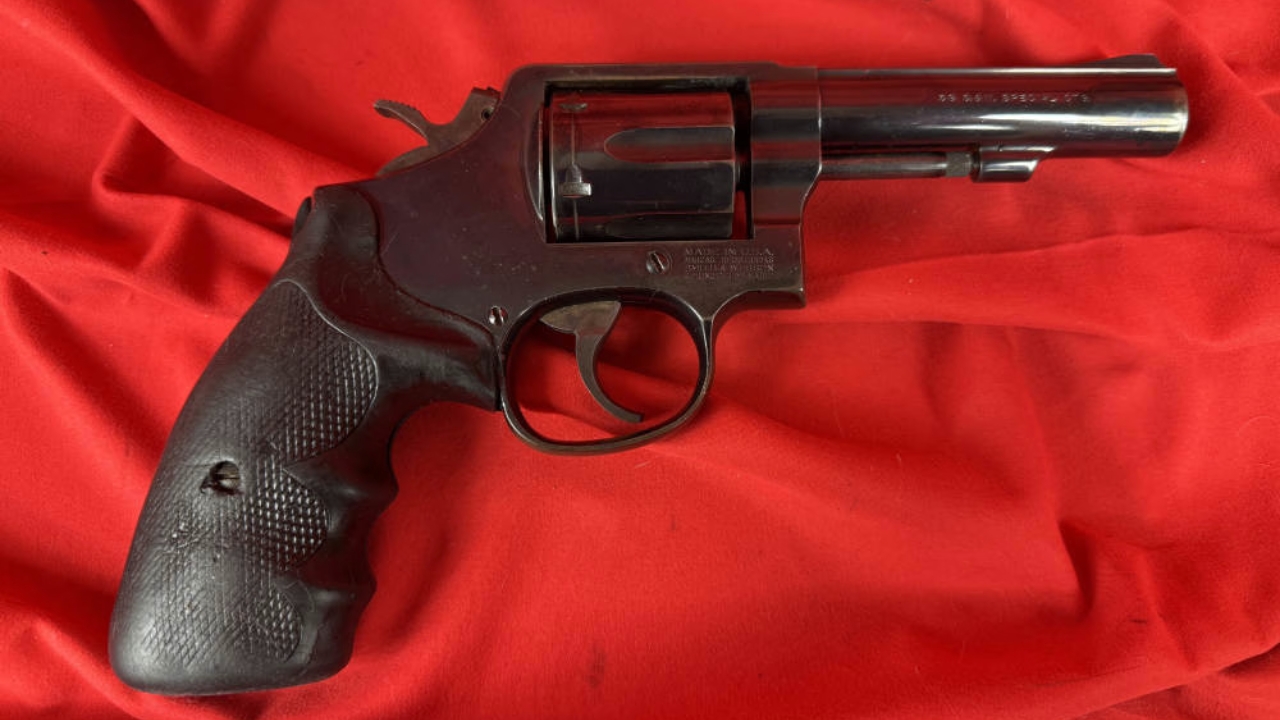
The Smith & Wesson Model 10 was so common that people almost stopped seeing it. Old police trade-ins, nightstand revolvers, and basic .38 Specials filled the market for years. A fixed-sight service revolver did not feel exciting when semi-autos were taking over.
Now the Model 10 looks different. Good double-action triggers, classic balance, and old Smith & Wesson craftsmanship have become harder to find at cheap prices. Shooters who once dismissed it as a plain .38 now realize it is one of the best training revolvers ever made. The market noticed too, especially when clean four-inch examples stopped being everywhere.
Winchester Model 94

The Winchester Model 94 used to be the normal .30-30 lever rifle that everyone seemed to know. Because so many were made, buyers often assumed they could grab one whenever they wanted. That kind of thinking made them easy to overlook.
Prices have taught a different lesson. Pre-64 examples, certain commemoratives, and clean older hunting rifles all draw more attention now than they once did. The Model 94 is light, handy, and deeply tied to American deer hunting. It may not be rare in the broad sense, but the right ones are not cheap anymore. Common guns can still become expensive when everybody wants the same clean examples.
Smith & Wesson 5906
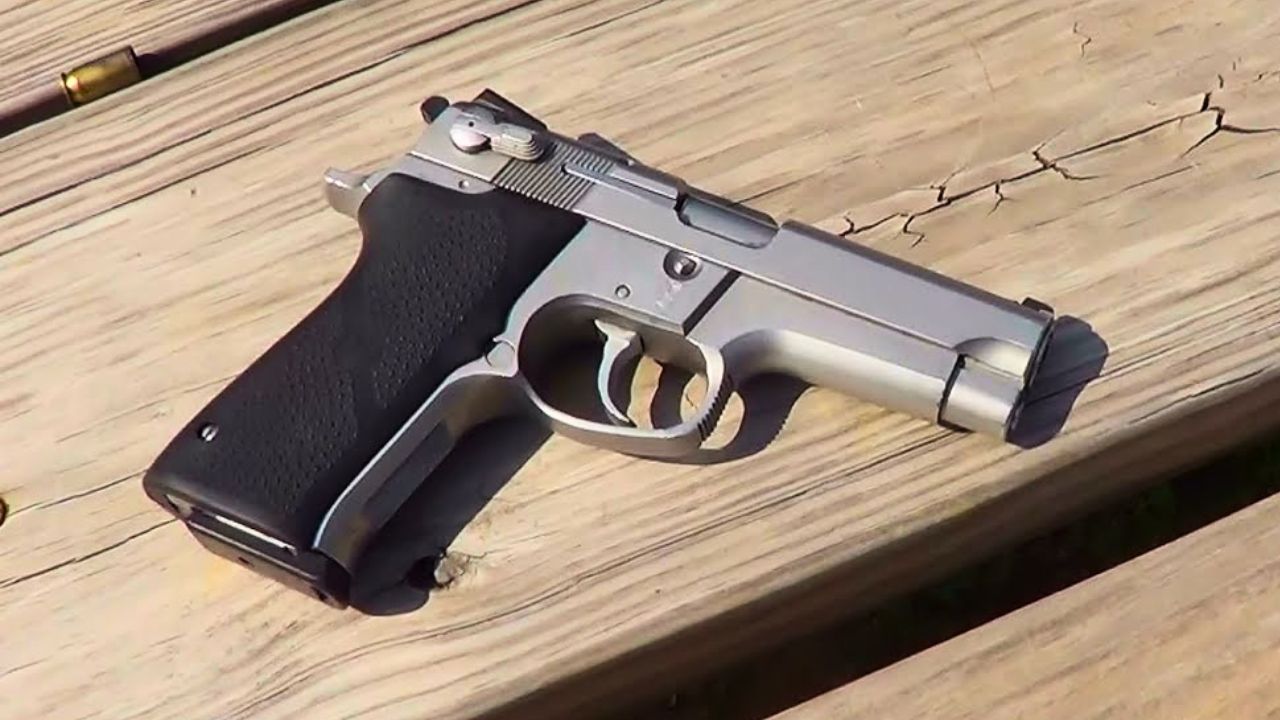
The Smith & Wesson 5906 looked like a heavy old duty pistol once polymer guns took over. Stainless steel, DA/SA controls, and double-stack weight made it seem outdated beside lighter striker-fired pistols. For a while, prices reflected that.
Then shooters started appreciating third-generation Smith autos again. The 5906 is tough, soft-shooting, and built with a level of metal-frame confidence that has become less common. It is not ideal for modern concealed carry, but as a range, collection, or service-pistol piece, it has real appeal. People overlooked it when it was cheap. Now the good ones get attention fast.
Marlin 336

The Marlin 336 spent years being treated like a normal deer rifle. A .30-30 lever gun was not flashy. It was something hunters used hard, kept behind truck seats, and passed around without thinking too much about future value.
Then older Marlins became more desirable. The fit, wood, smooth actions, and classic North Haven feel started mattering more after production changes and market demand shifted. Clean JM-marked rifles, especially in nice condition, made people look twice. The 336 proves that a working rifle can become valuable because it did its job so well for so long.
Browning Auto-5
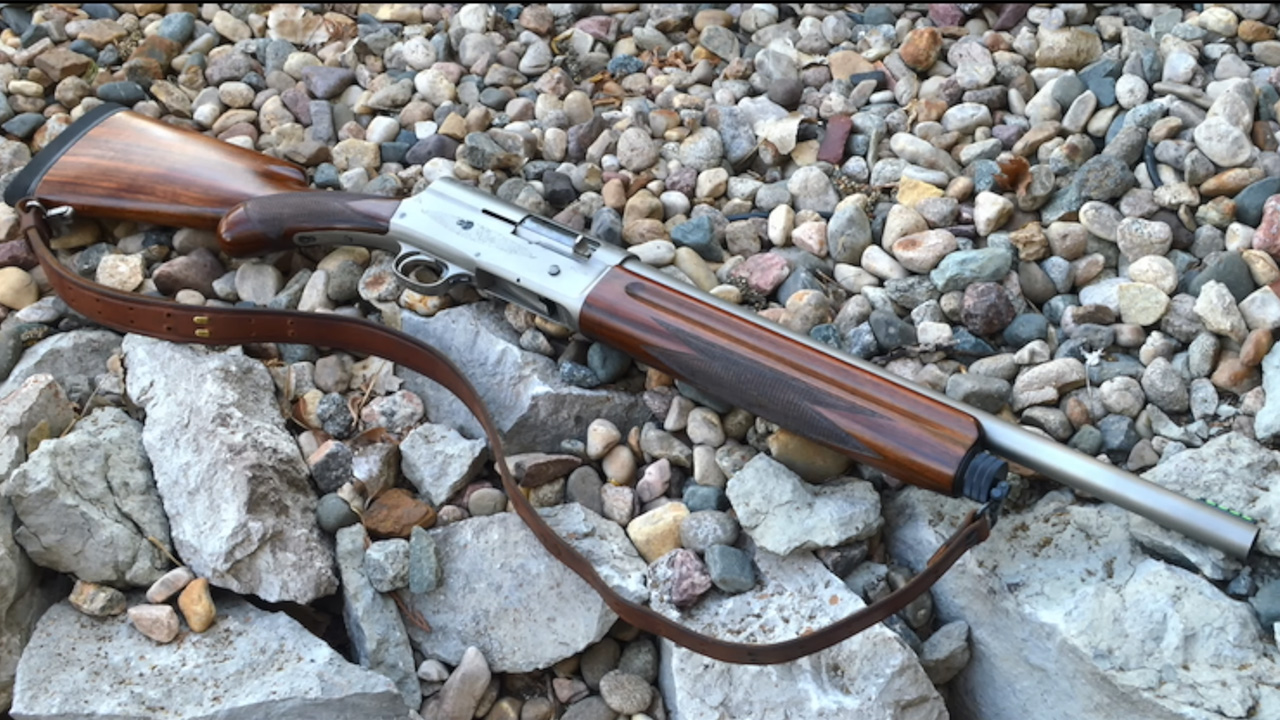
The Browning Auto-5 was once simply an old semi-auto shotgun with a humpback receiver and a loyal following. Many hunters respected it, but plenty of buyers moved on to softer-shooting, lighter, more modern designs.
Prices climbed as people started appreciating what the Auto-5 really represented. The long-recoil action, distinctive profile, and deep hunting history give it character newer shotguns rarely match. Sweet Sixteen models and clean Belgian examples especially caught attention. It may not be the most modern shotgun in the blind, but the market has made one thing clear: personality and history can be worth real money.
Ruger No. 1

The Ruger No. 1 has always been a little different. A single-shot falling-block hunting rifle was never going to appeal to everyone, especially when bolt guns were faster, cheaper, and easier to justify. That kept many buyers from taking it seriously.
Now certain No. 1 chamberings and configurations are far from easy to find. The rifle’s classy lines, strong action, and unusual role make it stand apart in a market full of similar bolt guns. It is not the most practical choice for every hunt, but that is partly why people want it. Overlooked niche guns can get expensive once the niche starts paying attention.
Colt Detective Special
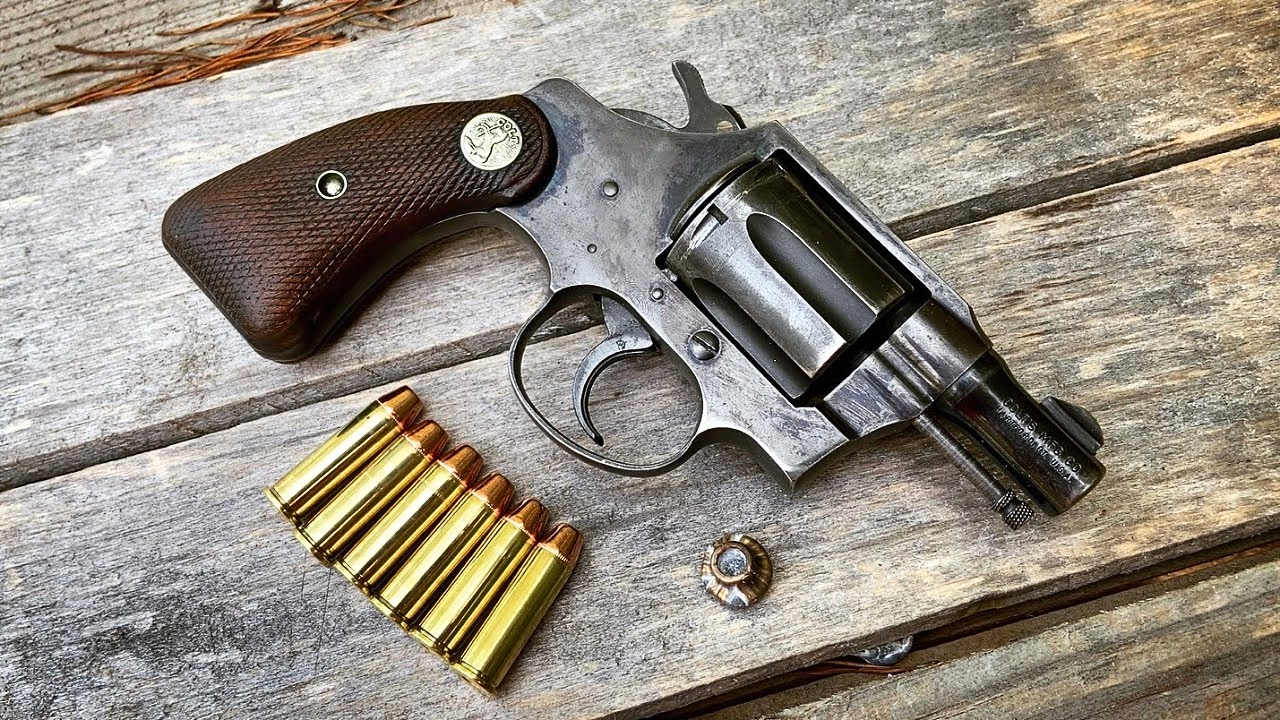
The Colt Detective Special used to be a common carry revolver from another era. It lived in drawers, coat pockets, and old holsters before micro-compacts became the default answer. For years, it was easy to see it as outdated.
Then Colt snubnoses started getting harder to ignore. Six shots in a compact revolver, classic Colt styling, and real carry history all work in its favor. Clean Detective Specials are not the casual pawnshop finds they once were. Shooters who dismissed them as old .38s now see a small revolver with character, practicality, and collector pull.
Remington Nylon 66

The Remington Nylon 66 looked strange enough that some shooters never took it seriously. The synthetic stock, lightweight feel, and semi-auto .22 role made it seem more like a curiosity than a gun people would chase later.
That view changed once nostalgia, reliability, and scarcity started working together. The Nylon 66 has a reputation for running well, carrying easily, and being more durable than its odd appearance suggests. Clean examples in desirable colors have drawn more interest over time. It was overlooked because it seemed cheap and unusual. Now that same unusual design is exactly what makes it collectible.
Smith & Wesson Model 15
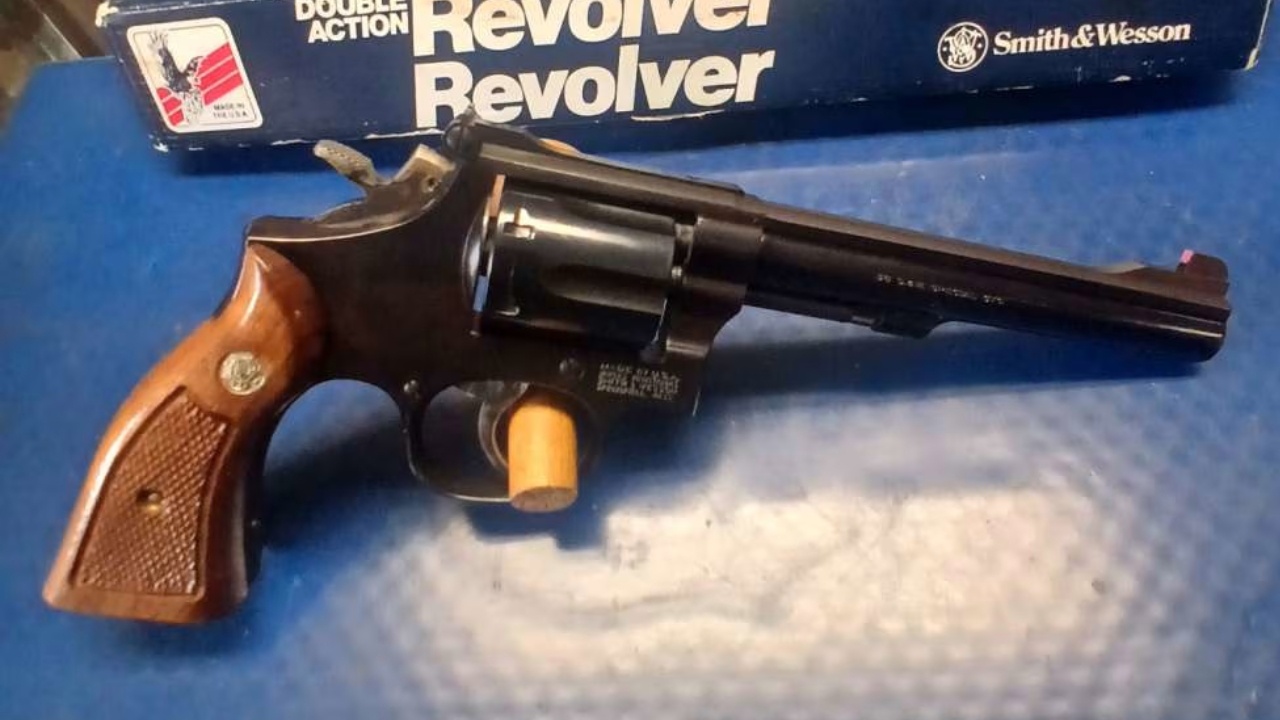
The Smith & Wesson Model 15 was a target-sighted .38 Special that did not always get the same excitement as magnum revolvers. Many shooters wanted .357 power, so a K-frame .38 seemed a little too modest.
Today, the Model 15 looks much smarter. It has excellent balance, adjustable sights, and the kind of trigger that makes range time feel productive. It is one of those revolvers that teaches you how to shoot without beating you up. As clean old Smiths became more desirable, the Model 15 finally got more attention. Sometimes the mild gun ages better than the loud one.
Winchester Model 88

The Winchester Model 88 never fit neatly into one category. It was a lever-action rifle with a rotating bolt and detachable magazine, built for modern high-pressure cartridges. Because it was different, some buyers did not know what to do with it.
Now that difference is exactly why people pay attention. The Model 88 offers lever-gun handling with bolt-rifle-like chambering flexibility, and it carries a sleek mid-century feel that stands out. Clean examples in .308 Winchester, .243 Winchester, .284 Winchester, and .358 Winchester can draw serious interest. It was overlooked because it was unusual. Prices caught up once people realized unusual could also mean hard to replace.
Ruger Old Model Blackhawk
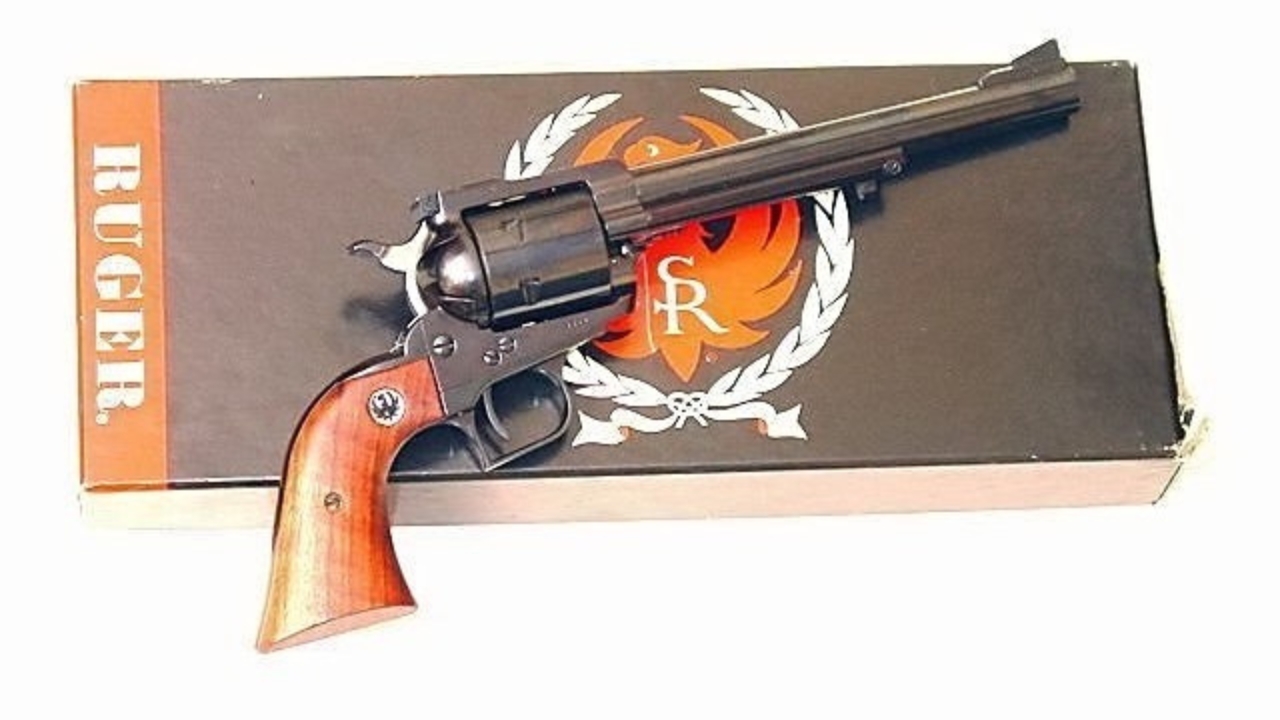
The Ruger Old Model Blackhawk spent years as a practical single-action revolver for shooters who wanted strength without Colt prices. It was respected, but many owners treated it like a working gun rather than something to preserve.
Now unconverted Old Models, desirable chamberings, and clean examples get much more attention. The four-click action, old Ruger feel, and strong single-action design give them an appeal newer revolvers do not fully duplicate. They are still usable guns, but they have also become pieces buyers look for with more care. The market has a way of making overlooked single-actions look smarter every year.
Like The Avid Outdoorsman’s content? Be sure to follow us.
Here’s more from us:


