
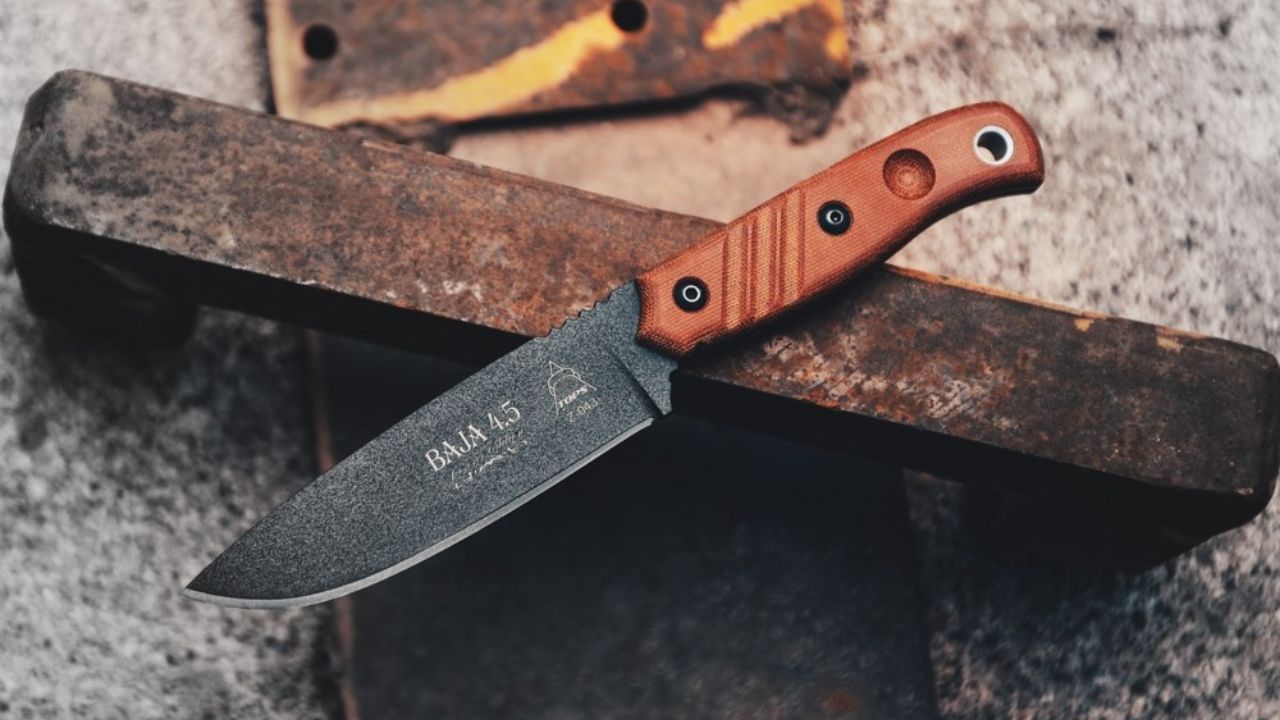
Photo credit: TOPS Knives
Not every knife has to be high-dollar or flashy, but certain features really do make a difference when you’re actually using one. Whether you’re slicing rope, field dressing a deer, or just opening packages, the right details can turn a decent knife into one you actually reach for. It’s easy to overlook the little things until they’re not there—then you notice fast. Here are ten knife features that are worth paying attention to, especially if you actually use your knives instead of just collecting them.
A 90-Degree Spine
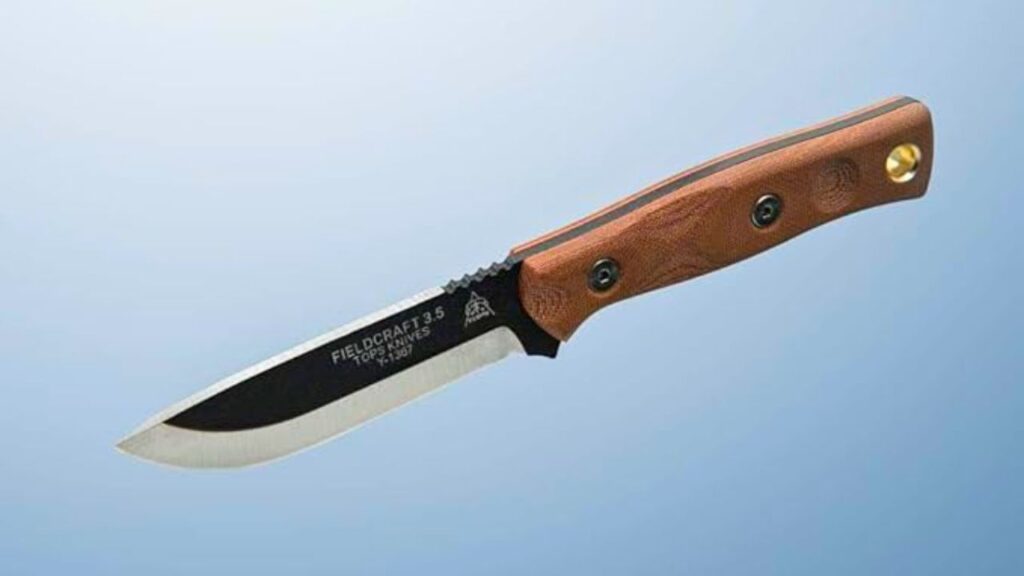
If you ever use a ferro rod or scrape bark for tinder, a squared-off spine makes all the difference. Rounded spines won’t throw sparks worth a dime.
A 90-degree spine also helps with general scraping tasks—think fish scales or dried sap. It’s a simple feature that adds real utility, especially in the field. You won’t notice it much until you don’t have it.
Thumb Jimping

Thumb jimping gives you traction right where you need it—on top of the blade for control during cuts. It’s not always pretty, but it makes finer work way easier.
Especially when your hands are wet, cold, or slick, that little bit of texture keeps you from slipping forward. If you ever carve or baton, this feature is one of those things you’ll be glad to have.
Comfortable Handle Scales
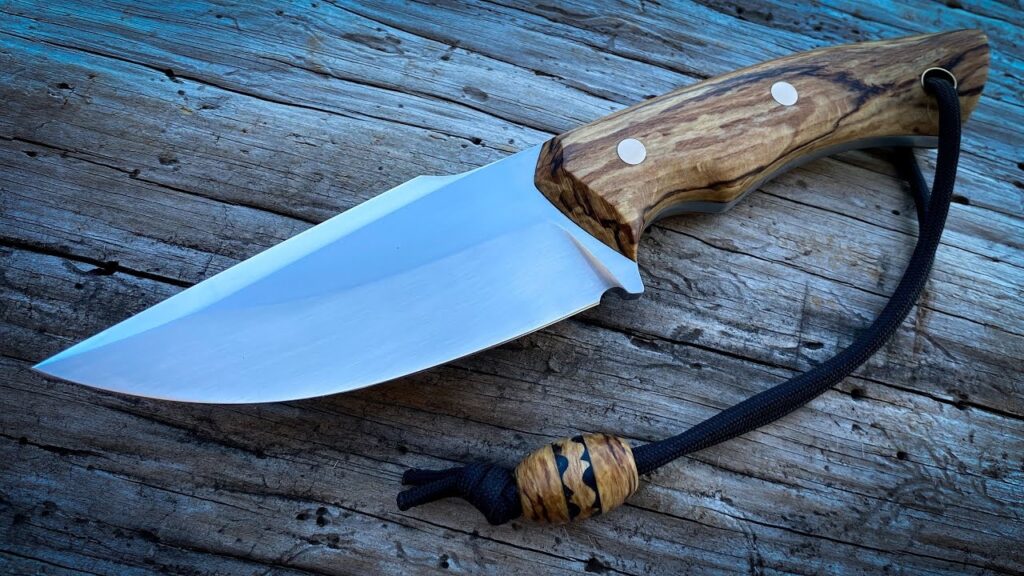
It doesn’t matter how great the steel is—if the handle sucks, the knife will sit in a drawer. Scales that fit your hand, don’t get slick, and don’t create hot spots are key.
Micarta, G-10, rubber, even contoured wood can all work. The shape matters more than the material. If it doesn’t feel good after five minutes of carving or cutting, you’ll end up leaving it behind.
A True Full Tang

For fixed blades, a real full tang—where the steel runs the length and width of the handle—is essential for durability. Partial tangs snap. Hidden tangs twist.
You may never stress-test a knife on purpose, but it’s good to know it won’t fail if you need to baton wood, pry, or dig. Full tang knives just hold up better when things get rough.
Easy Field Sharpening
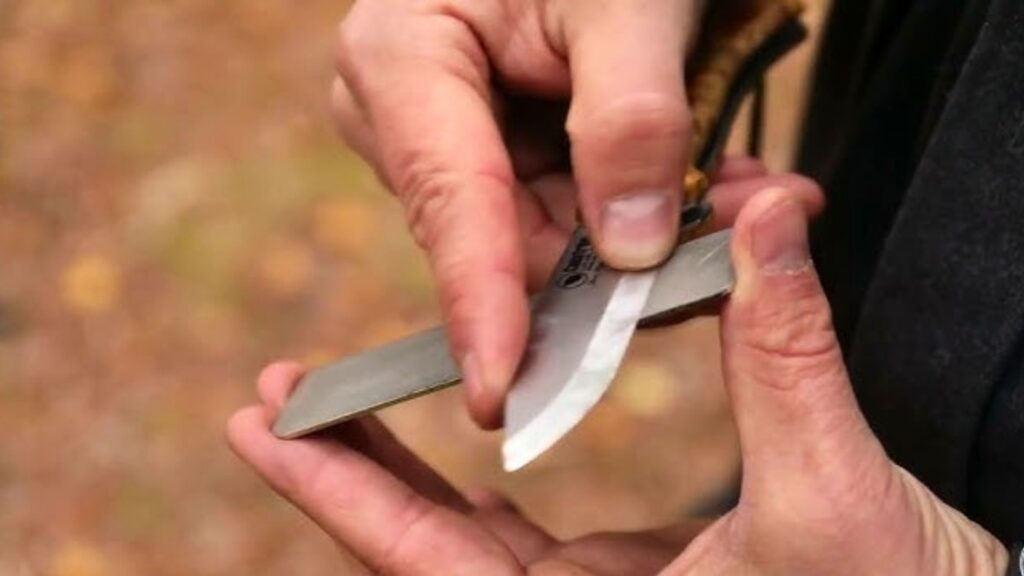
Some steels get razor sharp but take forever to touch up in the field. Others sharpen fast but don’t hold an edge. A balance between those two makes a real difference.
If you can strop or hone your blade back to sharp with a simple stone or ceramic rod, that’s a huge plus. You don’t need mirror polish in the woods—just an edge that stays useful and comes back quick.
Blade Thickness That Matches the Job
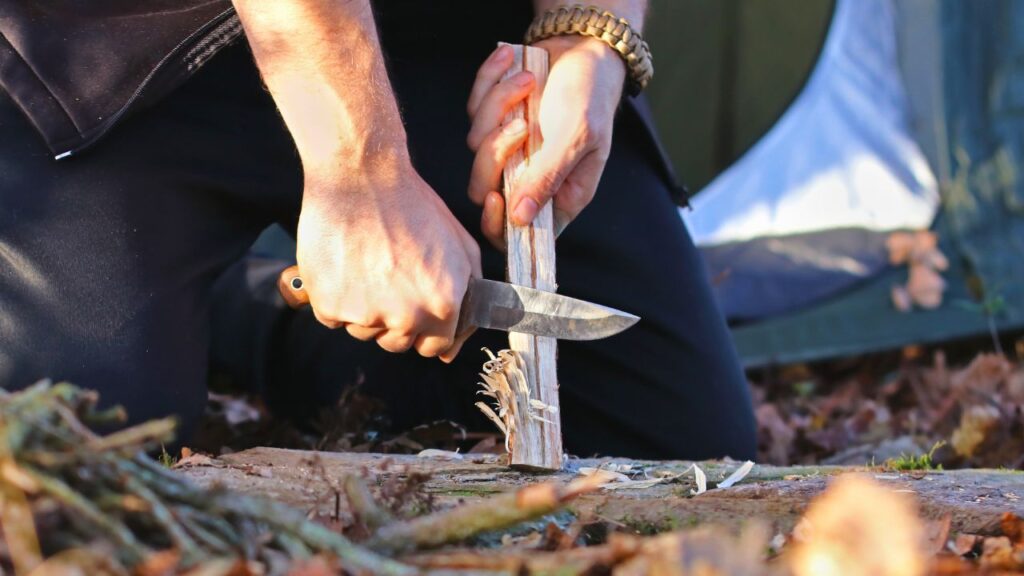
A thick spine is great for durability, but it’s not always ideal for slicing. Thin blades glide through food and game better, while thicker ones are better for batoning or abuse.
Getting the right thickness for how you actually use the knife can change everything. If you’re not splitting logs, don’t haul around a sharpened pry bar. If you are, that extra beef matters.
A Solid Lock (for Folding Knives)
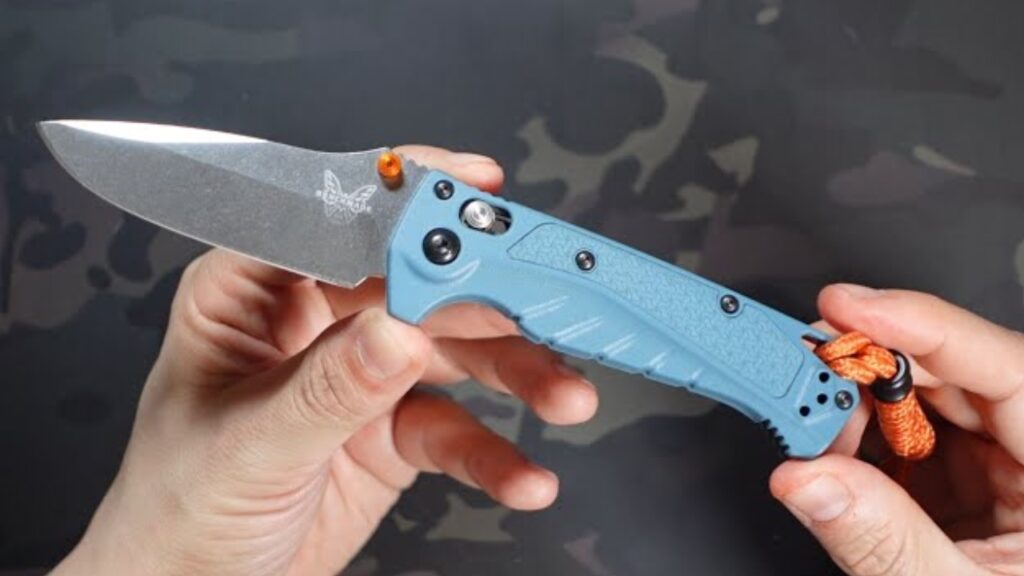
On a folding knife, the lock matters just as much as the blade. Flimsy locks are dangerous and frustrating. Liner locks, frame locks, and back locks all work—if they’re well made.
You want something you can trust one-handed, with gloves on, or in wet weather. It doesn’t have to be fancy. It just has to hold firm when the blade’s working hard.
A Tip That’s Actually Useful
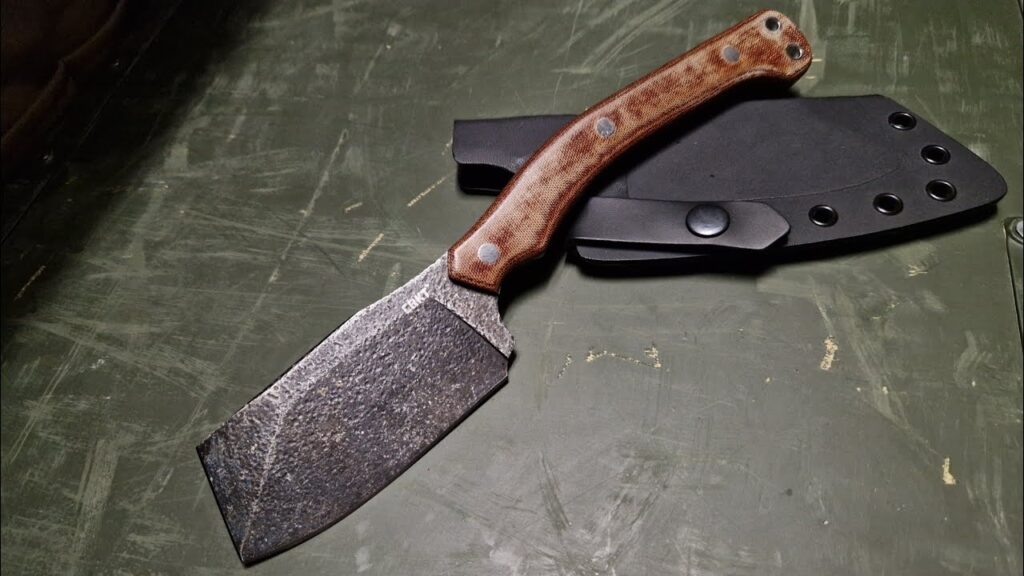
Overly fat or stubby tips might look cool, but they’re not much help when you need to pierce or do detailed work. A fine but strong tip is more versatile overall.
Whether you’re opening packages or field dressing a deer, a good tip gives you control where it counts. Avoid anything that looks more like a wedge than a blade—unless all you’re doing is splitting wood.
A Practical Sheath
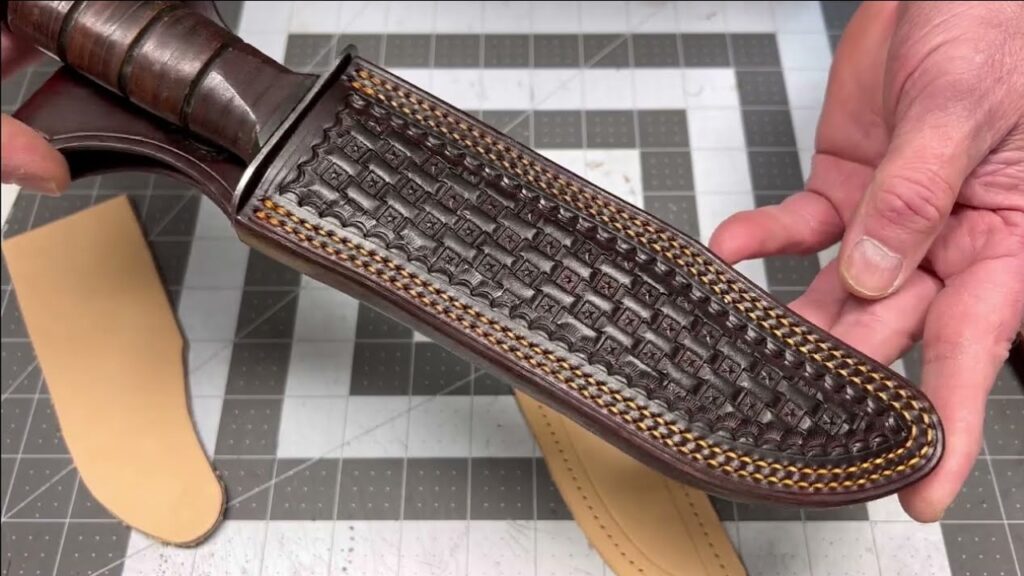
A great knife deserves a sheath that doesn’t make you hate carrying it. Kydex, leather, or nylon—whatever the material, it should hold the knife securely and ride well on your belt or pack.
If the sheath rattles, flops around, or makes the knife hard to draw, it’s not doing its job. A solid sheath is often the difference between carrying a knife every day or leaving it behind.
A Lanyard Hole (Done Right)
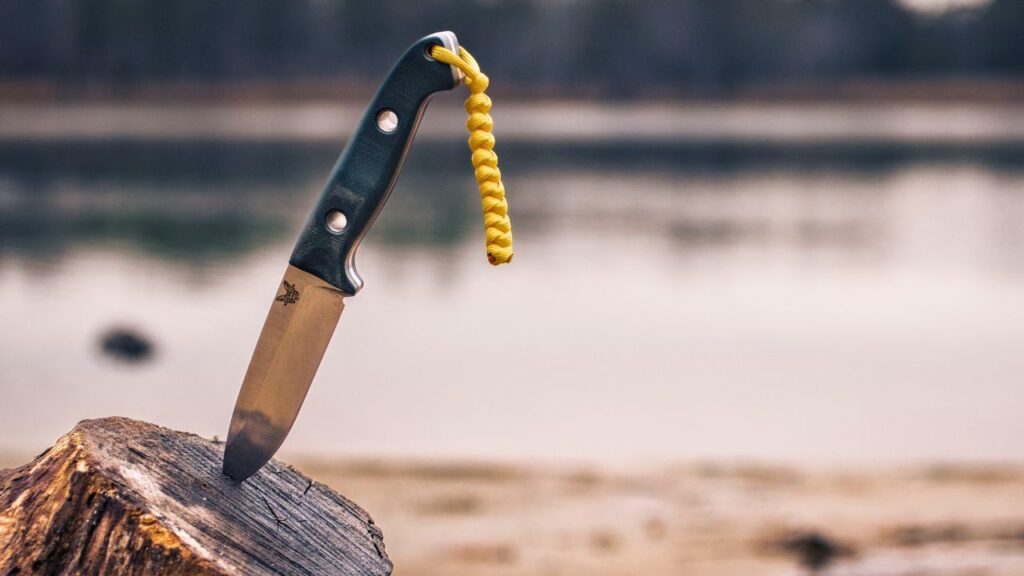
It sounds small, but a good lanyard hole adds security and convenience. Tie on a length of paracord and it’s easier to hang, clip, or draw the knife from deep sheaths or pockets.
It’s especially helpful with gloves or when your hands are cold. Just make sure the hole’s placed where it doesn’t interfere with your grip—too many are added as an afterthought and end up getting in the way.
*This article was developed with AI-powered tools and has been carefully reviewed by our editors.


