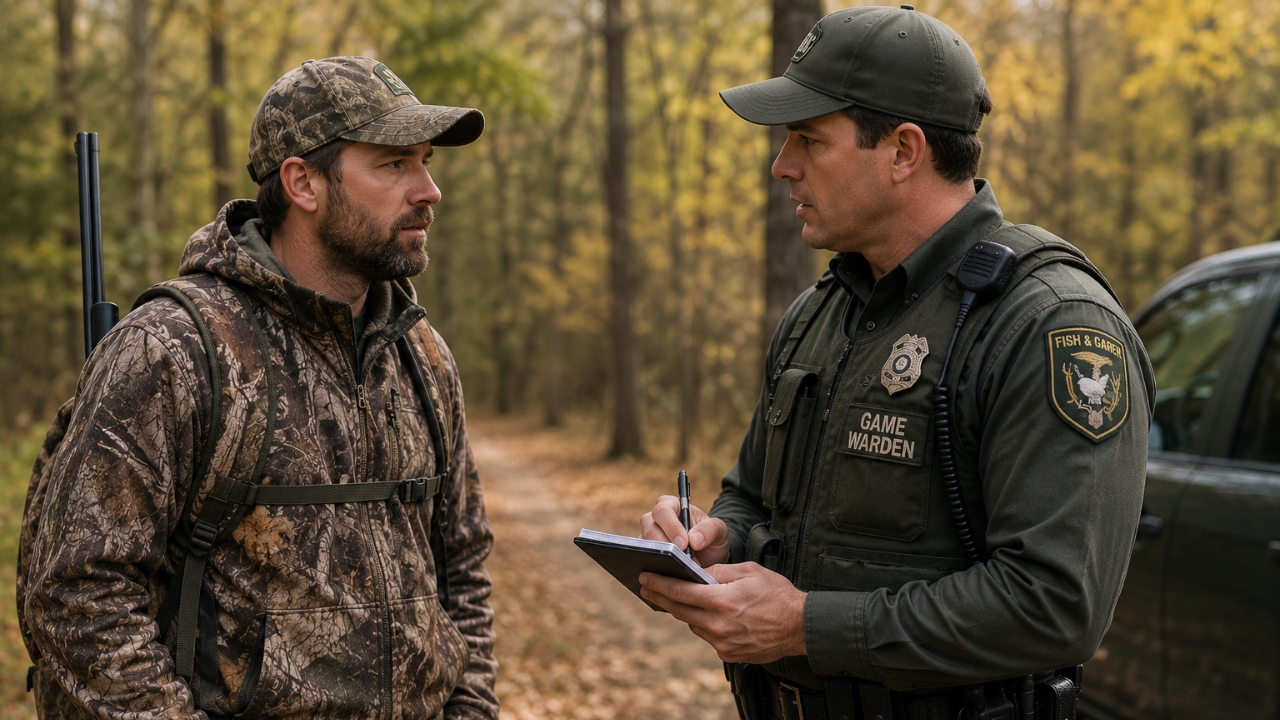
Photo credit: The Avid Outdoorsman
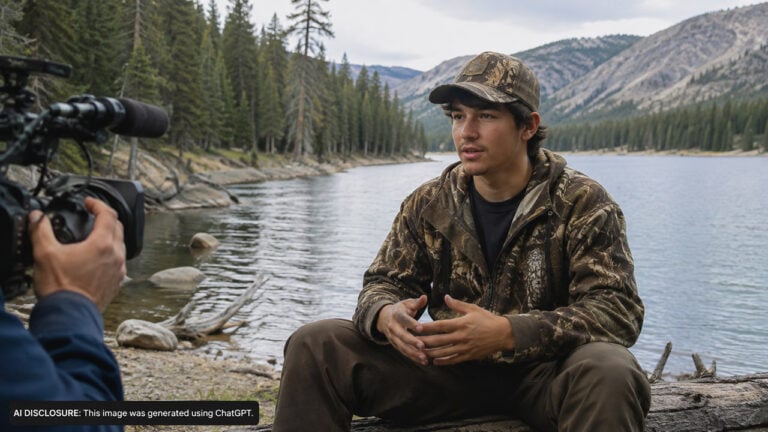
The hunter’s question was not about one specific ticket or one dramatic encounter. It was broader than that. According to the Reddit post, he wanted to know what rights people have when dealing with fish and game wardens.
The original Reddit post can be found here: https://www.reddit.com/r/legaladvice/comments/2pdg2n/are_my_rights_when_dealing_with_game_wardens/
That is a fair question, because game wardens often meet people in places where normal assumptions can feel different. They are checking hunters, anglers, boaters, trappers, and people using public or private land for regulated outdoor activities. The people they contact may be carrying firearms, hauling game, cleaning fish, launching boats, or coming out of remote areas where there are no witnesses nearby.
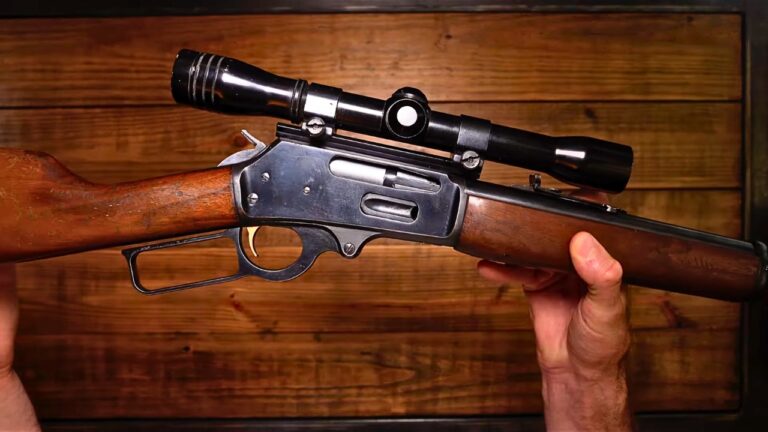
For hunters and fishermen, the uncertainty usually comes from the warden’s authority. Can they check a license? Can they inspect a cooler? Can they look at harvested game? Can they check a firearm or fishing gear? Can they come onto private land? What happens if you refuse?
Those questions matter because hunting and fishing are regulated activities. When someone chooses to hunt or fish, they are usually agreeing to follow rules about seasons, bag limits, tags, methods, species, and licensing. Wardens are the people tasked with enforcing those rules. That can give them inspection authority that feels broader than what someone expects from an ordinary police stop.
At the same time, hunters and anglers do not stop having rights just because they are outdoors. A warden’s job does not erase every limit. The exact rules can depend on the state, the location, the activity, and what the warden is trying to inspect. A license check in the field is one thing. A broad search unrelated to hunting or fishing can raise different questions.
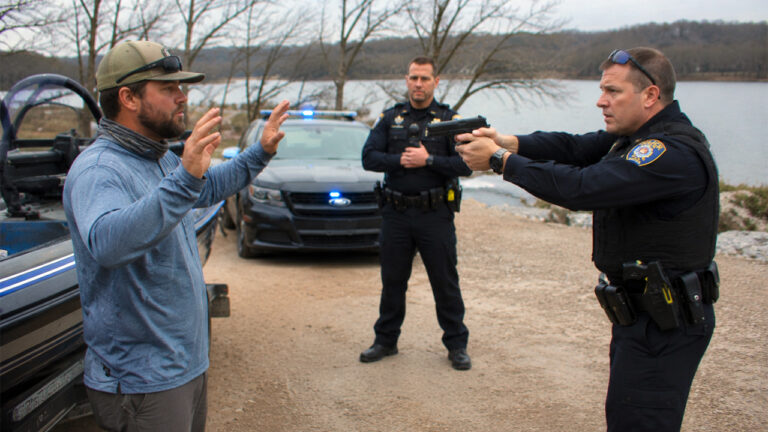
The post captured a common tension among outdoorsmen. Most people want wildlife laws enforced because poachers, illegal dumping, overlimits, trespassers, and unsafe hunters ruin things for everyone else. But they also want to understand where the line is, especially when an armed officer walks up in the woods or at the boat ramp.
The best answer is usually not to turn a routine warden check into a roadside-lawyer argument. It is to know the rules ahead of time, keep licenses and tags ready, keep firearms pointed safely, answer basic compliance questions calmly, and save any legal dispute for later if something truly feels wrong.
Commenters generally explained that game wardens often have authority to check compliance when someone is actively hunting, fishing, or transporting game. That can include licenses, tags, bag limits, harvested animals, fish, and equipment used for the activity.
Others stressed that the details vary by state. Some states give wardens wider authority than people expect, especially around wildlife resources. Several commenters suggested reading the state hunting and fishing regulations directly or calling the agency for clarification.
Some commenters also pointed out that being polite and cooperative during a normal check is usually the easiest route. If a hunter or fisherman believes the warden overstepped, they can document names, badge numbers, time, location, and what happened, then challenge it later through the proper process.
A few people warned against assuming private property always blocks warden contact. Depending on state law and the circumstances, wardens may still be able to enforce wildlife rules on private land, especially if someone is actively hunting or if there is evidence of a violation.
The post ended with a practical lesson more than a dramatic outcome. Hunters and anglers should know the rules before they are standing in front of a warden. Understanding what can be checked, what must be shown, and how to handle disagreements calmly can keep a normal field contact from turning into a bigger problem.
Like The Avid Outdoorsman’s content? Subscribe to our newsletter so you never miss an article.
Here’s more from us: