
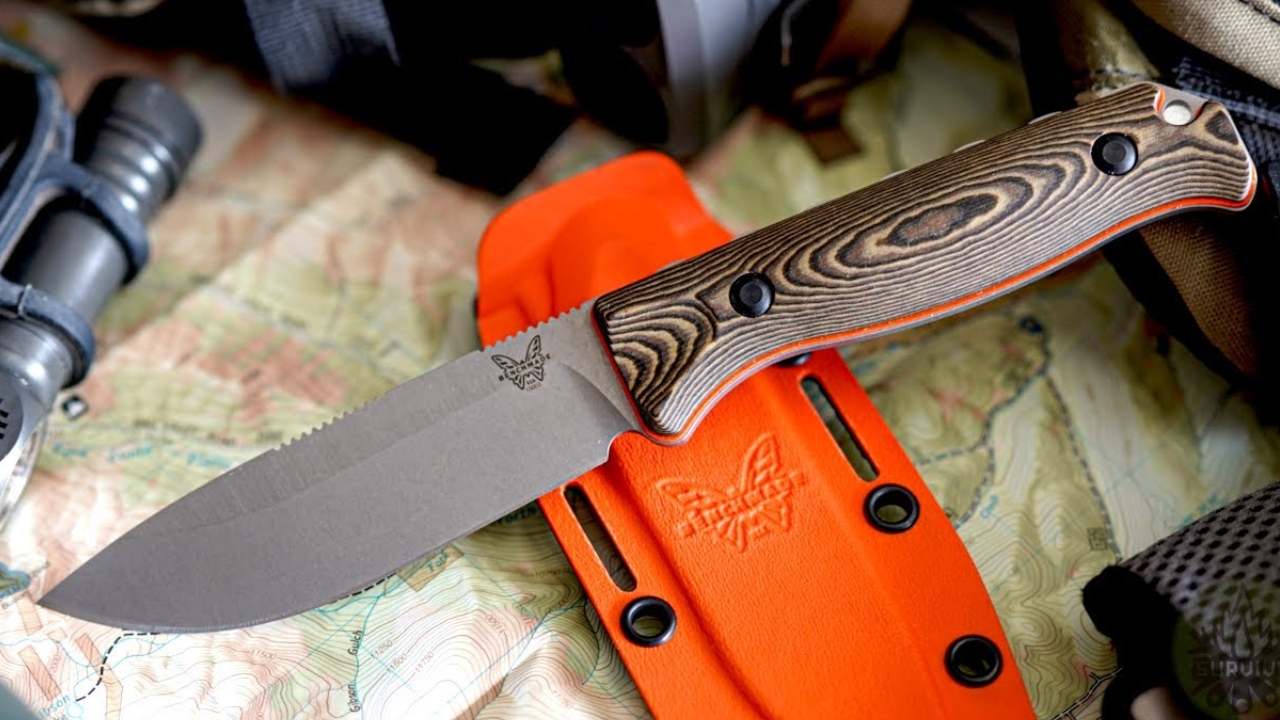
Photo credit: Survival Gear/YouTube
When it comes to field dressing big game, the knife you bring along really matters. You don’t need a drawer full of options—just one solid knife that does the job right. The right tool can make the difference between a clean, quick process and a frustrating mess.
If you’re new to this or just looking to upgrade, it’s worth taking a few things into consideration. Blade shape, handle grip, size—it all plays a role. Here’s what to look for when picking the right knife for the field.
Choose a Fixed Blade Over a Folder

A fixed blade is just stronger and more dependable out in the field. There’s less to go wrong—no hinges, no moving parts—just a solid piece of steel that won’t fail you when things get messy.
You’ll also appreciate the ease of cleaning. Blood, fat, and debris can gunk up a folding knife fast, while a fixed blade rinses off clean. It’s just one less thing to worry about when you’re elbow-deep in your work.
Pay Attention to Blade Length

A blade that’s too long can feel clumsy, especially when you’re working around bone or tight spots. Something in the 3.5 to 5-inch range usually hits the sweet spot. It’s long enough to be useful but short enough to stay precise.
Oversized blades might look cool, but they’re more trouble than they’re worth for field dressing. You want something nimble and easy to control, not something you’re fighting to maneuver.
Go With a Drop Point Blade

There are all kinds of blade shapes out there, but for big game, a drop point just makes the most sense. It gives you a strong tip without being too sharp or “pokey,” which helps avoid accidentally puncturing organs.
The curved edge also makes skinning smoother. It gives you more control, which matters when you’re working on something that took you hours—or days—to track down.
Pick a Knife with a Comfortable, Non-Slip Handle

Things get slick fast once you’re field dressing, and a handle that slips can turn dangerous in a hurry. Look for rubberized, textured, or grippy materials that still feel good in your hand after a while.
A knife might look great on a shelf, but if it’s awkward or slippery in the field, you’ll regret bringing it. Comfort and control are way more important than looks when you’re elbow-deep in a deer.
Avoid Serrated Blades for Field Dressing

Serrated edges have their place, but field dressing isn’t one of them. They tear more than they slice, and that makes a mess. You want clean, smooth cuts—not ragged ones.
Plus, serrated blades are a pain to sharpen, and they’re not much help when you’re trying to do delicate work like caping or cutting around joints. Stick with a plain edge for better control and cleanup.
Consider a Knife with a Gut Hook (Optional)

Some hunters swear by a gut hook—it helps open the belly cleanly without slicing into the guts. It can speed things up if you like using it. But it’s not essential, and some folks find it gets in the way.
If you go this route, make sure it’s sharp and small enough to be useful. A dull or oversized gut hook will do more harm than good. Totally optional, but nice if it fits your style.
Don’t Overlook Steel Type

Not all steel is created equal. You want something that holds an edge but doesn’t take forever to sharpen. Stainless steels like 440C or AUS-8 are popular for a reason—they’re easy to maintain and won’t rust fast.
If you’re fine with a little extra upkeep, high-carbon steels will stay sharper longer. Just know you’ll need to wipe them down and oil them once in a while. Pick what fits your level of patience and experience.
Make Sure It Comes with a Solid Sheath

A good sheath matters more than people think. If it doesn’t hold the knife securely or clips awkwardly to your belt, it’s going to be a problem out in the woods. You don’t want to be fumbling with it when your hands are cold or bloody.
Look for something that’s snug, easy to access, and durable enough to take a beating. Leather and hard plastics are solid choices—just avoid anything flimsy or loose-fitting.
Test How It Feels Before You Buy

You can read reviews all day, but nothing beats holding the knife in your hand. Everyone’s grip is different, and a knife that works great for one person might feel wrong for someone else.
Check the balance, the weight, the grip—make sure it feels natural. If it doesn’t feel right in the store or in your hand at home, it definitely won’t feel right when you’re halfway through a field dressing job.
*This article was developed with AI-powered tools and has been carefully reviewed by our editors.


