Photo credit: Morakniv
A lot of “name brand” knives earn their reputation, but price tags don’t cut rope, carve kindling, or dress a deer—steel and geometry do. When you actually use a knife day after day, you start caring less about the logo and more about simple stuff: does it hold an edge, does it sharpen easily, does the lock feel solid, and does the handle stay comfortable when your hands are cold, wet, or tired.
Budget knives have gotten better fast, mostly because heat treats improved and designers stopped chasing weird shapes. You can buy a sub-$50 blade today that will outwork a knife twice the price if you pick the right steel and a sensible grind. These are budget knives that routinely punch above their weight when you put them to real use.
Morakniv Companion

If you do any actual work outside—camp chores, cardboard, food prep—the Mora Companion keeps showing up for a reason. The scandi grind bites into wood without skating, and it’s easy to touch up even with a basic stone. You don’t need fancy gear to keep it shaving sharp.
The handle looks plain until you use it for an hour. It fills your hand, doesn’t create hot spots, and the traction is solid when things get wet. The sheath is light and secure, too. Plenty of “premium” fixed blades cost more because they look tough, not because they cut better. For simple field tasks, the Companion flat-out performs.
Morakniv Kansbol

The Kansbol is a smart step up from the basic Mora without jumping into boutique pricing. You get a blade shape that’s more versatile—fine enough at the tip for detail work, but still stout enough for camp chores and light batoning when you’re careful about technique.
In real use, it’s the balance that stands out. It carries light, rides well in the sheath, and doesn’t feel like a crowbar on your belt. The grind works on wood and food, and it sharpens fast. A lot of higher-dollar knives start with thicker stock and call it “hard use,” then cut poorly. The Kansbol starts with cutting performance and still holds up.
Cold Steel SRK Compact

Cold Steel’s SRK Compact has been overlooked for years because it doesn’t look flashy. But if you want a tough, affordable fixed blade that doesn’t fight you when you cut, this one earns its keep. The blade profile is practical, and it’s sized for actual carry.
What makes it beat pricier knives is how predictable it is. The handle gives you control, the guard keeps your hand honest, and the overall package doesn’t pretend to be something it’s not. It’s a working knife you can throw in a pack, strap to a vest, or keep in a truck kit without babying it. You’re paying for function, not branding.
Ontario RAT Model 1

The RAT 1 is the classic “one knife does most things” folder, and it stays popular because it’s built around real ergonomics. The handle fits a wide range of hands, the blade shape is useful, and it’s easy to maintain. It’s not trying to be a fashion piece.
In use, it wins on comfort and consistency. You can break down boxes, cut rope, whittle stakes, and do everyday tasks without the knife feeling awkward. Plenty of more expensive folders have sharper edges out of the box but end up annoying you to carry or grip. The RAT 1 just works, and that’s why it outperforms a lot of “nicer” knives once you put hours on it.
Ontario RAT Model 2

The RAT 2 takes the same strengths as the RAT 1 and puts them in a more pocket-friendly size. If you actually carry a knife daily, that matters. It disappears in jeans, rides well in athletic shorts, and doesn’t feel like a brick in your pocket.
In real use, it’s still big enough to do actual work, which is where a lot of small “premium” knives fall short. You get a solid grip, a useful belly, and an edge that’s easy to bring back. The RAT 2 is one of those knives that makes you wonder why you ever spent more just to get a logo. When your knife is a tool, this is the kind of tool you want.
QSP Penguin

The QSP Penguin is a budget knife that feels like it was designed by someone who actually cuts things. The sheepsfoot-ish blade shape gives you control, especially on cardboard, food, and detailed slices where a pointy tip isn’t doing you favors.
What makes it outwork pricier blades is the way it carries and cuts. It sits flat in the pocket, the handle feels stable, and the blade geometry tends to be efficient for everyday tasks. A lot of expensive knives chase aggressive shapes and end up cutting like wedges. The Penguin is simple and practical, and that shows up the first time you do real chores instead of just flipping it open at your desk.
CJRB Pyrite

The Pyrite is one of the best examples of how far budget folders have come. You get a clean, useful blade shape and a lock that’s easy to run when your hands are tired or gloved up. The action is usually smooth without needing to “tune” anything.
Where it beats pricier knives is the way it disappears until you need it, then works without drama. It’s comfortable in hand, the edge is easy to maintain, and the design avoids weird gimmicks that don’t help you cut. Plenty of higher-end knives feel like they were built to impress other knife guys. The Pyrite feels like it was built to be carried.
Civivi Elementum

The Elementum is a budget staple because it nails the basics: good ergonomics, a useful drop point, and a size that actually carries well. It’s not too big, not too small, and it doesn’t feel fragile when you put pressure on it.
In real use, the Elementum wins because it doesn’t punish you. It’s comfortable through long cutting sessions, it sharpens easily, and it’s the kind of knife you can hand to someone else without a long lecture. A lot of “name brand” knives cost more but don’t cut better—they just have more marketing behind them. The Elementum earns its spot the honest way: it does the work.
Civivi Praxis

If you want a bigger folder that still cuts well, the Civivi Praxis is hard to beat for the money. The blade has enough length for real tasks, but it still feels controllable. The handle gives you a full grip without forcing weird angles.
The Praxis outperforms pricier knives because it’s comfortable and capable at the same time. Some larger “premium” folders go thick and heavy, then slice poorly and carry worse. The Praxis keeps the cutting geometry reasonable and the carry manageable. It’s the kind of knife that makes sense for a truck, a pack, or a daily carry if you like a little more blade without stepping into bulky territory.
Kershaw Leek

The Leek has been around forever, and that’s not an accident. It’s slim, easy to carry, and the blade shape is great for everyday cutting. It’s one of those knives you can forget you’re carrying until you need it.
In real use, it often beats chunkier “name brand” knives because it actually cuts like a knife, not like a wedge. It’s especially good for packages, food, light rope, and general chores. The Leek also sharpens up fast, which matters if you use your knife daily. A lot of expensive knives are built to survive abuse most people never do. The Leek is built for the work you actually do.
Kershaw Blur
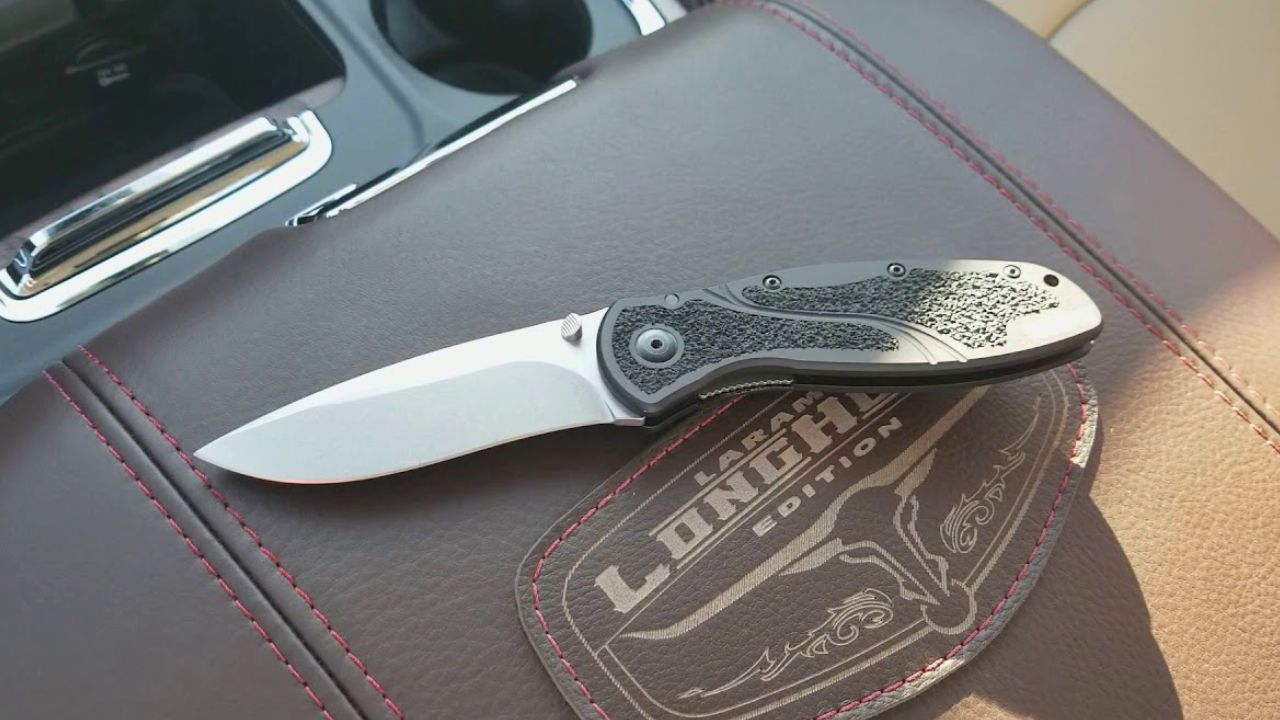
The Kershaw Blur is a budget workhorse that holds up to rough daily life. The handle traction is real, the blade shape is practical, and it’s one of those knives that feels secure when you’re cutting hard materials or working with gloves.
What makes it outperform pricier options is confidence. It locks up solid, gives you control, and doesn’t feel delicate. Some “name brand” knives get expensive because of fancy materials, then feel too precious to use. The Blur is the opposite. It’s meant to be used and carried, and it stands up to the kind of wear that actually happens—pocket grit, sweat, grime, and being tossed in a console or tool bag.
Kizer Begleiter

Kizer’s Begleiter is a great example of a budget knife that doesn’t feel budget in your hand. The blade profile is useful, the handle is comfortable, and it’s sized right for daily carry without being dainty. It’s an easy knife to live with.
In real use, it shines because it’s balanced. It’s not overly thick behind the edge, so it slices better than a lot of “tactical” knives that cost more. It also sharpens back up without a fight. You’re not paying for a fantasy scenario—just a smart design that works for normal people doing normal chores. That’s why it keeps surprising folks who assume price equals performance.
Kizer Sheepdog Mini

The Mini Sheepdog looks goofy until you use it, then you get it. That cleaver-style blade shape is a cardboard assassin. It gives you a ton of control on straight cuts, and the edge length works harder than the overall size suggests.
What makes it beat pricier knives is how effective it is for common tasks. It’s not trying to be a bushcraft knife in a folding package. It’s a daily cutter that makes short work of boxes, straps, and food prep. Many expensive knives feel “cool” but don’t cut as well because of thick grinds and pointy shapes that aren’t actually useful. The Mini Sheepdog is honest: it’s built to cut.
Sencut Sachse

Sencut has become the quiet budget answer for people who want a knife that feels dialed without spending a pile. The Sachse, in particular, tends to have good ergonomics and a blade shape that works across everyday tasks without any weird compromises.
In real use, it beats plenty of pricier knives because it’s easy to carry and easy to use. The grip doesn’t punish you, the edge is straightforward to maintain, and you don’t feel like you’re carrying a pocket anchor. Some “name brand” knives charge extra for materials you won’t notice once you’re cutting rope in the rain. The Sachse wins because it focuses on the stuff that matters.
Buck 110 Slim Select

The Buck 110 is a legend, but the Slim Select version is what makes it realistic for normal carry. You still get that classic blade shape and a lockback you can trust, without the brick-in-your-pocket weight of the original.
In real use, it outperforms fancier knives because it’s dependable and easy to control. The blade geometry is practical, it sharpens up nicely, and it doesn’t feel fragile when you’re cutting tough materials. A lot of pricier folders have smoother actions and more hype, but they don’t necessarily give you more confidence. The Slim Select is a simple working knife you can carry all day and actually use.
Spyderco Byrd Cara Cara 2

The Byrd line doesn’t get the respect it deserves because it’s not stamped with the “right” logo. The Cara Cara 2, though, is a genuinely capable budget folder with a useful blade shape and a grip that feels secure, even when your hands are wet.
In real use, it’s a cutter first. The leaf-shaped blade tends to slice well, the handle gives you control, and the overall design is practical. Plenty of more expensive knives lean on exotic steels and fancy finishes, then come with awkward ergonomics. The Cara Cara 2 is straightforward. If your knife is a tool you actually lean on, that matters a lot more than brand clout.
Ganzo Firebird FH Series (FH41/FH91 style)

Ganzo’s better Firebird models get called “copycat” knives, but in real use they often outperform more expensive blades because the basics are there: solid lockup, decent ergonomics, and blade shapes that make sense. For the money, they’re hard to ignore.
What makes them shine is that you’re not afraid to use them. You can beat them up on dirty work—cardboard, zip ties, light wood—and not feel like you’re ruining something precious. They sharpen easily, and the overall build is usually more consistent than people expect. Plenty of “name brand” knives cost more because of reputation. A good Firebird costs less and still does the daily grind without complaining.
Schrade SCHF Series fixed blades (like SCHF36)

If you want a budget fixed blade that you can actually work with, some of Schrade’s SCHF models are surprisingly capable. They’re not light, but they’re tough, and the blade shapes are generally practical for camp chores and messy jobs.
In real use, they can beat pricier blades because they’re built for abuse you’ll actually do—batoning kindling, scraping, cutting dirty rope, and living in a pack or truck. You can sharpen them without specialized gear, and you won’t hesitate to use them hard. A lot of expensive fixed blades sell a lifestyle. These Schrades are more like a tool you grab when something needs doing and you don’t want to think about it.
Like The Avid Outdoorsman’s content? Subscribe to our newsletter so you never miss an article.
Here’s more from us: