Photo credit: ZenitX/Shutterstock.com
When it comes to the history of this country, rifles played a bigger role than most people realize. From the backwoods of the frontier to the battlefields of world wars, certain rifles helped shape how America fought, hunted, and survived. These weren’t just tools—they were trusted companions. Here are 12 rifles that helped build the nation, one round at a time.
Kentucky Long Rifle

This one goes all the way back to the early frontier days. It had a long barrel, solid accuracy, and was made for the woods. Back then, being able to drop a deer or a Redcoat from far off wasn’t just impressive—it was survival.
The Kentucky Long Rifle became a symbol of early American independence. It was slow to reload, sure, but it made every shot count. That kind of precision made a real difference in the hands of settlers and soldiers alike.
Springfield Model 1861

If you picture a Civil War soldier, odds are he’s carrying this rifle. The Springfield Model 1861 was the workhorse of the Union army. It was a muzzleloader, and yes, reloading took time, but it could reach out past 500 yards with the right shooter.
More than a million were made, which tells you how relied-on it was. It wasn’t fancy, but it was dependable, and that mattered more than anything on the battlefield.
Winchester Model 1873
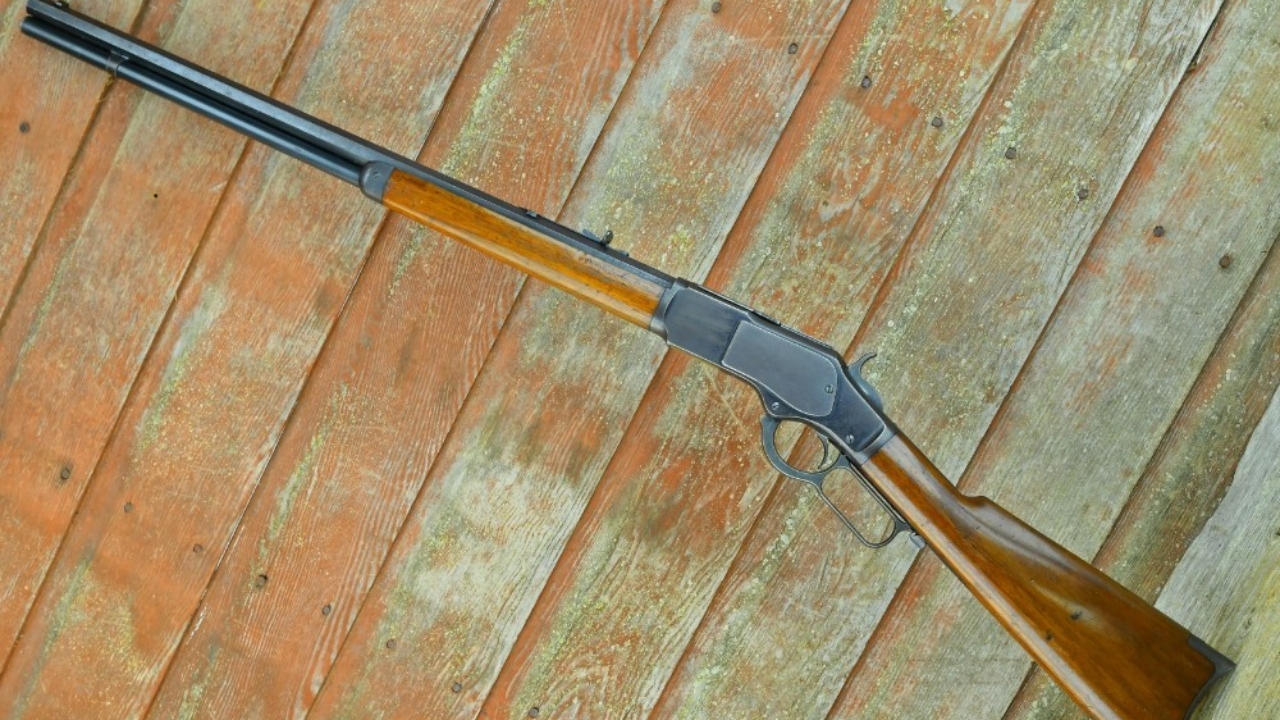
They called it “the gun that won the West,” and there’s a reason for that. The Winchester 1873 was handy, fast to shoot, and chambered in the same rounds as your revolver. That made life easier for cowboys and lawmen alike.
It wasn’t just popular—it was everywhere. From cattle drives to railroads, folks carried this lever-action rifle through some of the toughest terrain the country had to offer.
Sharps Rifle

The Sharps was known for its reach. Long-range buffalo hunters, scouts, and even some Civil War sharpshooters counted on it. It fired big, heavy rounds that could put down large game or ring steel way out past where most rifles gave up.
What set it apart was how accurate it stayed at distance. That mattered a whole lot when your meat or your life depended on one well-placed shot.
Spencer Repeating Rifle
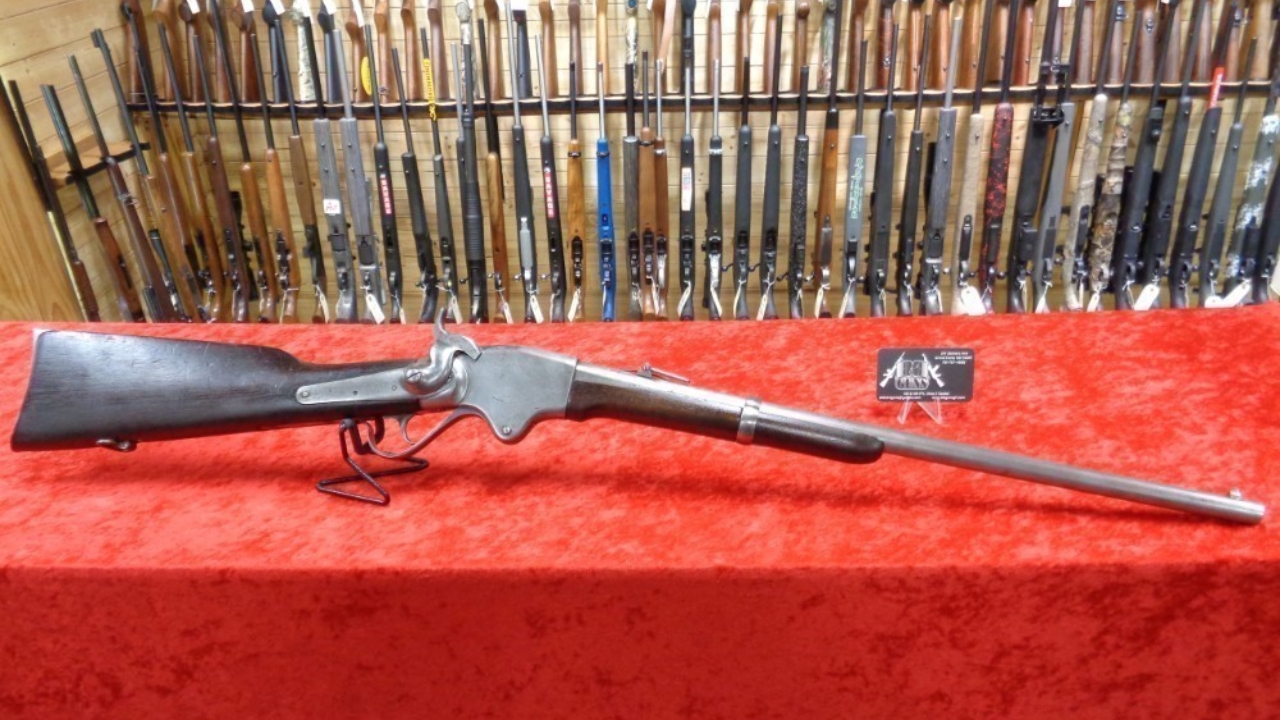
The Spencer wasn’t the first repeating rifle, but it was the one that changed the game during the Civil War. Seven shots without reloading might not sound like much today, but back then, it was a serious edge.
Union troops with Spencers could lay down fire that overwhelmed muzzleloaders. President Lincoln himself gave it the green light after seeing it in action—and it earned its place in history from there.
Springfield Model 1873 “Trapdoor”

This rifle bridged the gap between muzzleloaders and modern repeaters. The trapdoor mechanism let soldiers reload faster, using cartridges instead of loose powder and ball.
It served through the Indian Wars and even showed up in early frontier skirmishes. While not the fastest or flashiest, it helped move the U.S. military into a new era of firepower.
Winchester Model 1894
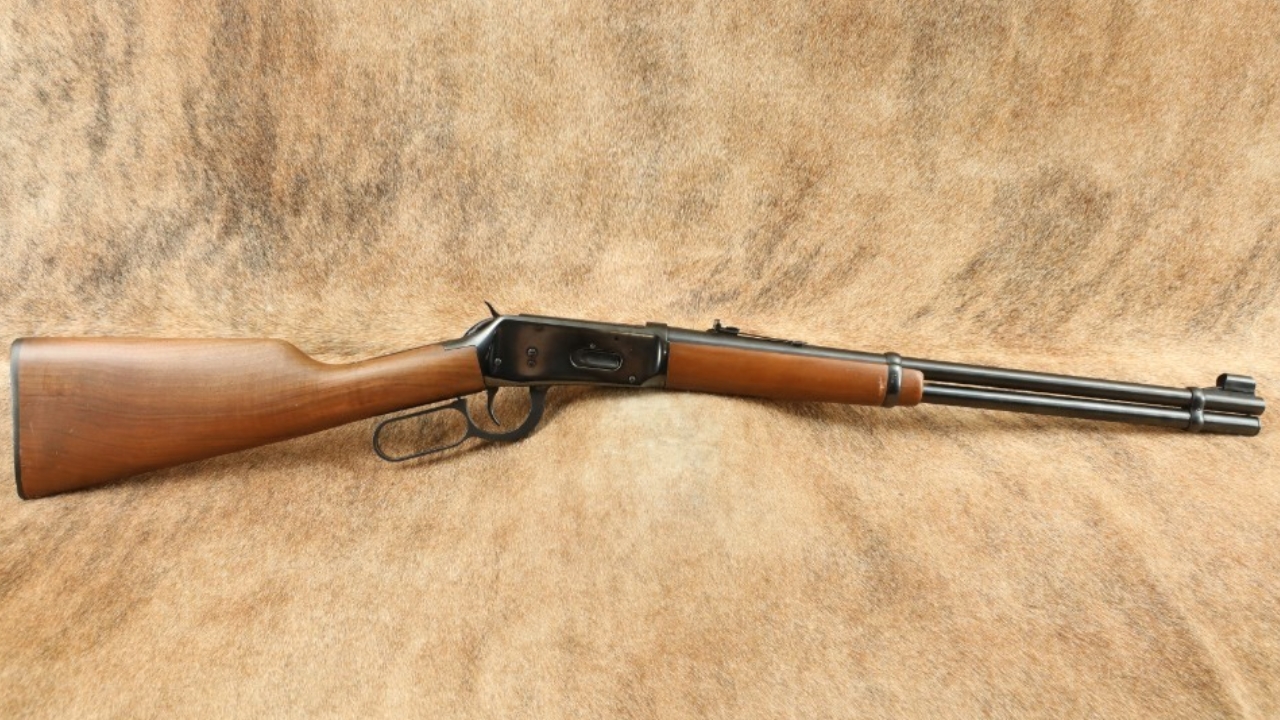
This lever gun kept the Winchester name strong. It was chambered in modern smokeless powder rounds, and that gave it better range and power than its older siblings.
Hunters loved the 1894, especially in .30-30. It was a go-to for whitetail in the woods, and it’s still around today for good reason—it works, plain and simple.
Krag–Jørgensen

The Krag may not be a household name now, but it was the U.S. military’s first bolt-action service rifle. It had a unique side-loading magazine that made topping off easy, even in the middle of a fight.
It didn’t last long before being replaced by the Springfield 1903, but it marked an important step forward in how the U.S. fought at the turn of the century.
Springfield M1903

This rifle served through two world wars and is still one of the most accurate bolt-actions the U.S. ever issued. Chambered in .30-06, it had punch, range, and solid optics compatibility when scoped.
Soldiers, Marines, and even snipers trusted this rifle. It was the go-to for precision shooting until the M1 Garand came along—and even then, it stayed in service for decades.
M1 Garand

This one changed everything. The M1 Garand gave American troops a semi-automatic rifle in World War II, while most enemies were still using bolt-actions. It was reliable, powerful, and made follow-up shots way faster.
General Patton called it “the greatest battle implement ever devised.” While that’s high praise, anyone who carried one into combat would probably agree.
M14

The M14 didn’t stick around long in frontline use, but it had a big impact. Chambered in 7.62 NATO, it offered full-auto fire with rifle-caliber punch. It saw combat in Vietnam before being phased out for the M16.
Even after that, the M14 stuck around in sniper and designated marksman roles. It had the range and stopping power many shooters still wanted when things got serious.
AR-15 / M16
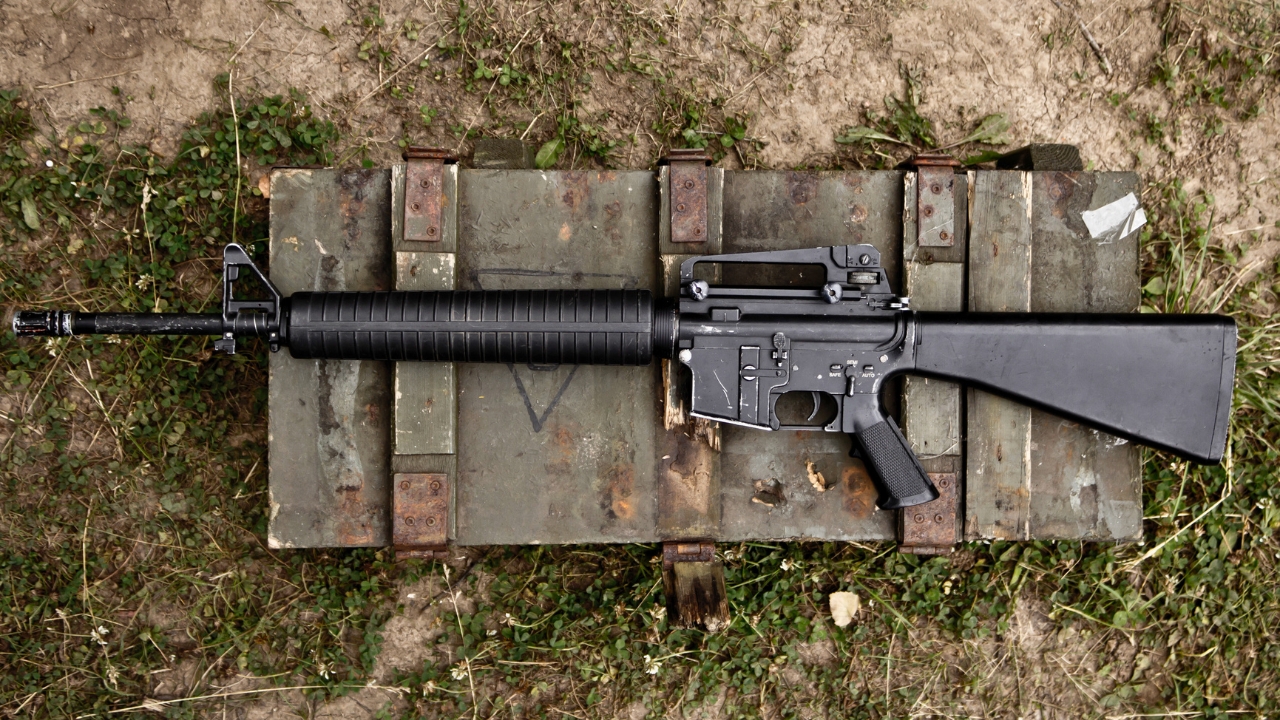
Love it or hate it, there’s no ignoring its role. The M16 replaced the M14 and became the standard rifle for U.S. troops starting in the Vietnam era. Lighter, faster-shooting, and easier to carry, it marked a shift in military thinking.
The civilian AR-15 shares the same DNA and has become one of the most used rifles in America today. From defense to sport shooting, it’s not going anywhere.
*This article was developed with AI-powered tools and has been carefully reviewed by our editors.