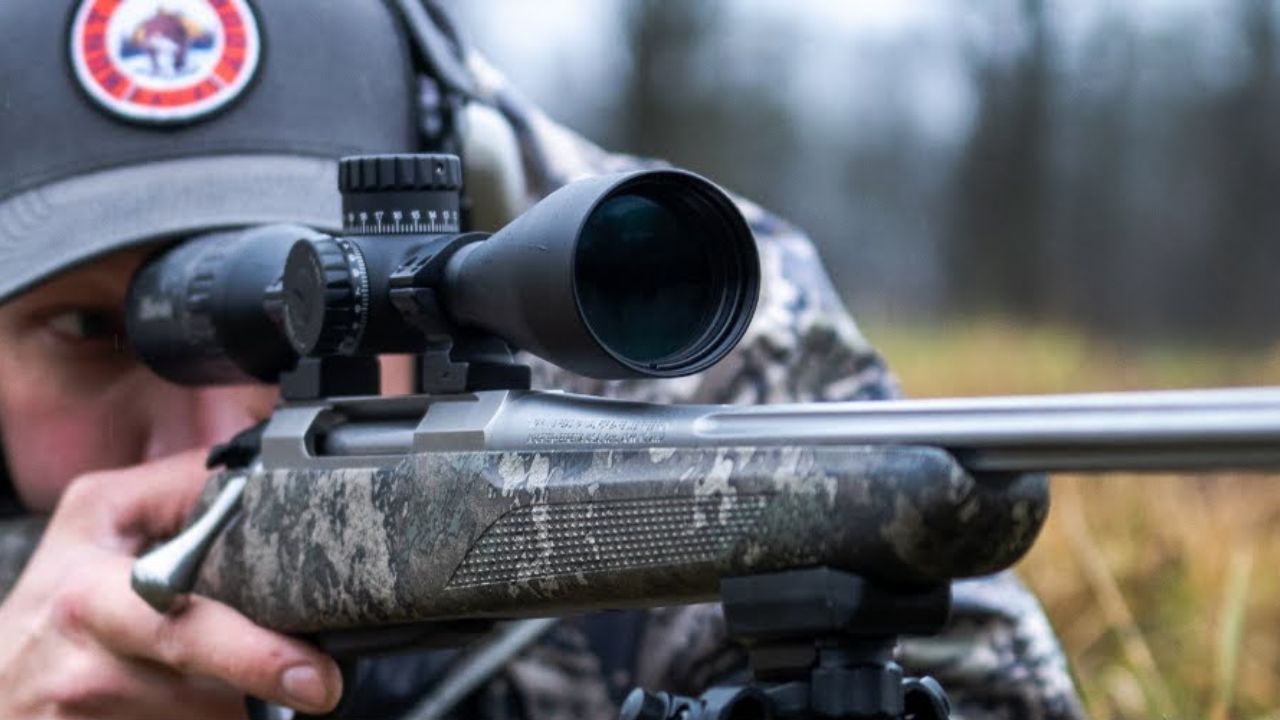
Photo credit: Hunt Fish Shoot/YouTube
There’s a strange obsession in the rifle world with making guns lighter every year. Hunters brag about shaving ounces like it’s a competition, even when it costs them real performance. Sure, a five-pound rifle sounds great on paper—until you start missing shots, fighting recoil, or watching groups open up after two rounds. Some of these ultralight rigs look incredible in the catalog and feel great on your shoulder, but they give up too much when it’s time to shoot. These are the rifles that get carried more than they’re ever fired—the ones whose only real selling point is the number on the scale. If you’ve ever chased ounces at the expense of accuracy, you’ve probably met a few of these already.
Kimber Montana

The Kimber Montana was one of the first factory rifles to go ultralight without costing custom money. It weighs next to nothing and carries like a dream up the mountain. But that same lack of heft comes back to bite you. The recoil is punishing, and accuracy often drifts as the thin barrel heats.
Shoot it off a bench, and you’ll feel every bit of that weight loss. It’s a rifle built to carry all day, not to shoot comfortably. For hunters who value portability above all else, it makes sense—but everyone else soon learns that light rifles magnify every mistake.
Weatherby Mark V Backcountry Ti

The Backcountry Ti might be the lightest production magnum rifle ever built. It looks like the future—titanium action, carbon barrel, skeleton stock—but it’s a handful. Chambered in heavy hitters like .300 Weatherby and 6.5 RPM, it kicks like a mule.
Even with a brake, follow-up shots are tough, and precision past the first cold bore shot suffers. It’s the rifle version of a sports car that’s too fast for its tires. Carry it up a ridge, and you’ll love it. Fire it from prone, and you’ll wish it weighed a pound or two more.
Christensen Arms Ridgeline FFT

Christensen Arms built its name on carbon fiber barrels and featherweight builds, and the Ridgeline FFT pushes that concept to the edge. It’s light, pretty, and expensive—but the lightness can make it twitchy. Small shifts in grip or rest pressure can change your point of impact.
Accuracy is solid when conditions are perfect, but consistency takes effort. It’s a rifle that rewards careful form and penalizes bad habits. While it’s great for backcountry hunters chasing ounces, most shooters find it unforgiving when the real work starts.
Barrett Fieldcraft
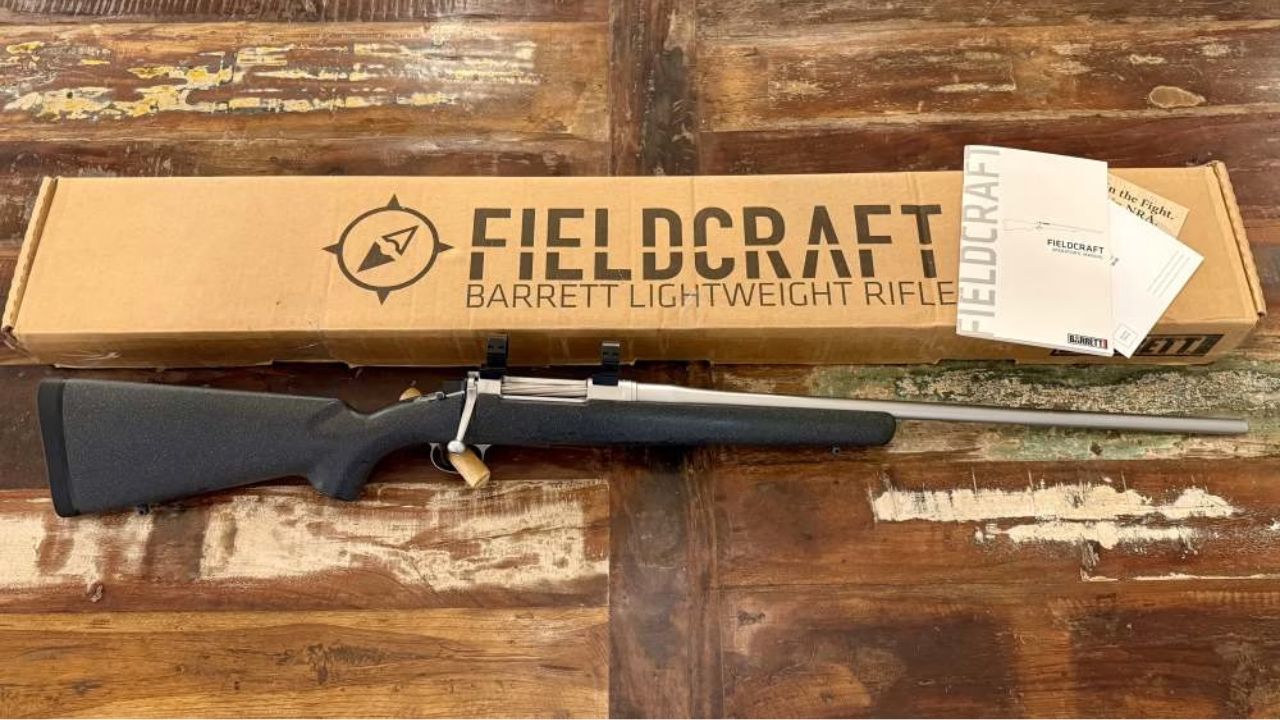
The Fieldcraft was Barrett’s entry into the lightweight bolt-action world, and it nailed the scale—barely over five pounds in most calibers. But like many rifles this light, it demanded perfection from the shooter. Every breath, every trigger press, every bit of flinch showed up on target.
It’s a joy to carry and a headache to shoot well. The accuracy potential is there, but extracting it takes practice and patience. Barrett built a great mountain rifle—but one that makes you earn every group you shoot.
Savage 110 Ultralite

The Savage 110 Ultralite trims weight everywhere it can with a Proof carbon barrel and skeletonized action. It still shoots decently for its class, but once the barrel warms up, groups start to wander. The lighter weight also means noticeable recoil even in mild calibers.
The AccuTrigger helps you hold tight groups, but this rifle isn’t for long strings or heavy shooting sessions. It’s perfect for one or two careful shots in the field, but not for practice days or range work. It’s the definition of a rifle built to carry, not to enjoy shooting.
Tikka T3x Superlite

Tikka’s Superlite rifles have earned plenty of praise for smooth actions and great triggers, but they push the limits of how light a hunting rifle can be. Weighing under six pounds, they’re incredible in the field—but that thin barrel moves fast under heat, and recoil feels sharp even in standard calibers.
Shooters love the way it carries, but many admit that it’s hard to shoot accurately for extended sessions. It’s a rifle designed for the guy who values every ounce more than comfort. When the first shot counts, it’s fine—but that second shot might not hit the same place.
Nosler Model 21 Mountain Carbon
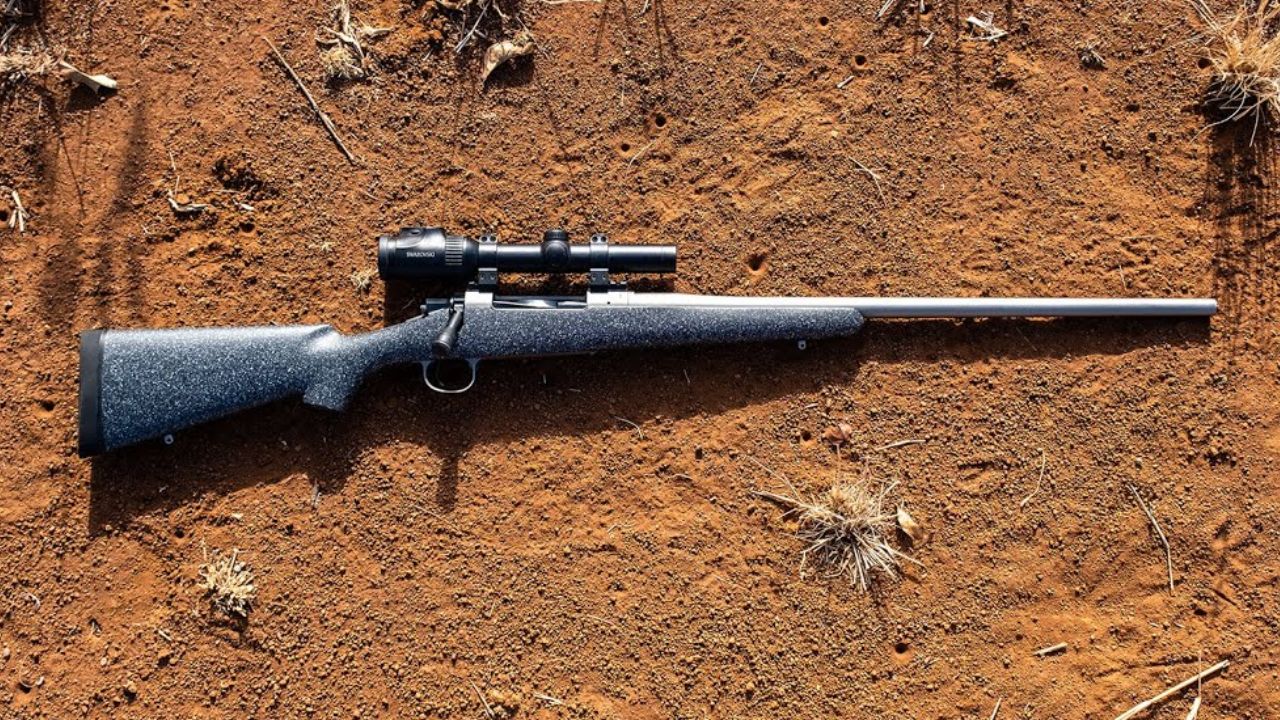
Nosler’s Model 21 Mountain Carbon checks every box for a modern lightweight rifle—carbon barrel, composite stock, slick action. But when you strip down that much weight, you lose stability. It’s not a gun that forgives sloppy form or fast strings of fire.
It can be accurate, but only when handled with care. A few ounces more mass would help it settle better under recoil and maintain consistency. As it stands, it’s a rifle that looks incredible on paper but can frustrate anyone who isn’t picture-perfect behind the trigger.
Fierce Edge
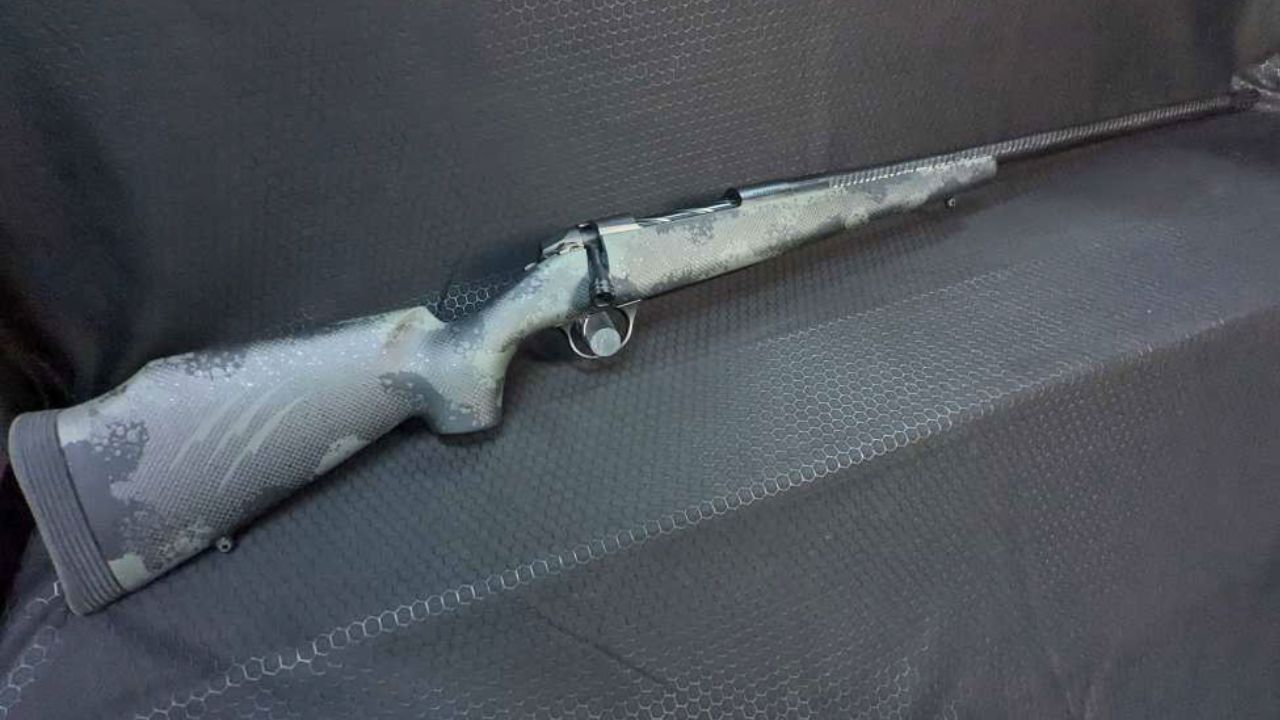
The Fierce Edge rifles are marketed as precision-grade mountain rigs, and they are undeniably light and accurate—but they’re also temperamental. The carbon-fiber stock and lightweight contour barrel don’t manage heat well, so accuracy falls off after two or three shots.
At under six pounds, it’s meant to be carried up mountains, not hammered from a bench. It’s a specialized tool, not an all-around rifle. For hunters who take one clean shot a season, it’s ideal. For anyone else, it’s a lightweight headache waiting to happen.
Remington Model Seven

The Model Seven has been around for decades, known for its compact size and carry comfort. But it’s never been famous for stellar accuracy. Its shorter barrel and reduced weight make it jumpy off the bags and inconsistent under pressure.
It’s a fine truck or woods gun, but you won’t win any range bets with it. The rifle’s best feature is how easy it is to carry all day without complaint—which also happens to be the reason it’s hard to shoot precisely.
Howa Super Lite
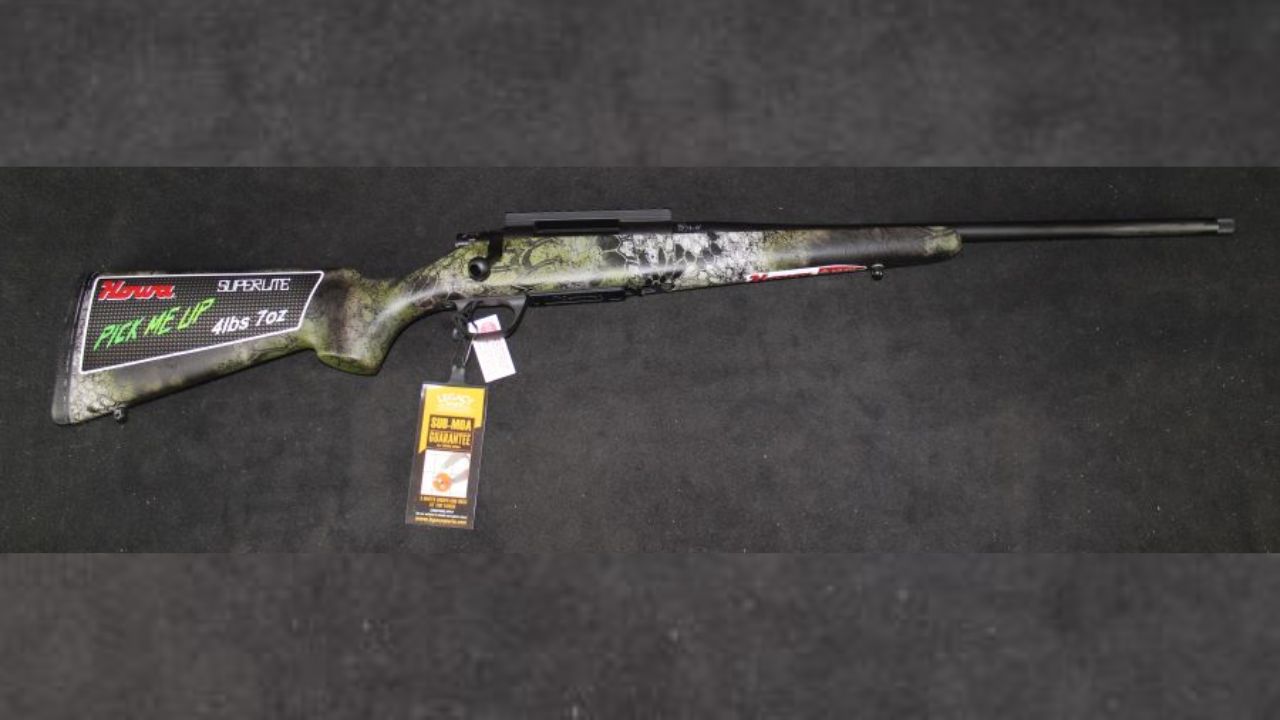
Howa’s Super Lite rifles took the already reliable 1500 platform and stripped it down to nearly nothing. It’s impressively light and affordable, but recoil hits harder than you expect, especially in larger calibers.
Accuracy is respectable for a first shot, but the barrel heats fast, and the balance feels a bit nervous off-hand. It’s one of those rifles that works fine if you take your time—but demands concentration you don’t always have in the field. It’s more of a proof of concept than a practical rifle.
Winchester Model 70 Extreme Weather SS
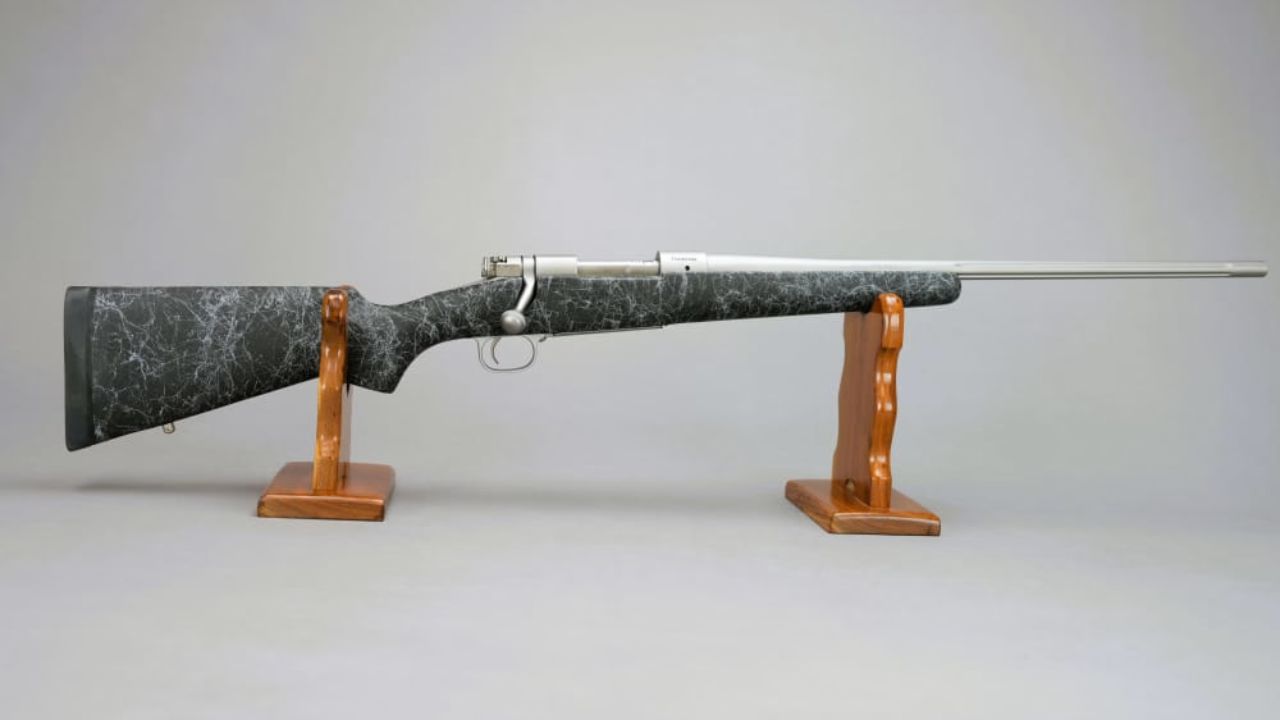
The Model 70 Extreme Weather is built tough but designed to shave weight wherever possible. It carries beautifully, but that light barrel can make accuracy inconsistent in changing temperatures. Recoil is manageable, yet it’s not as stable as the heavier classics.
It’s a rifle made for hunters who care more about comfort than precision. While it still wears the Model 70 name proudly, it doesn’t deliver the same rock-solid feel that made earlier versions legends. It’s a mountain rifle first, a shooter second.
Kimber Mountain Ascent

The Mountain Ascent is the ultimate expression of Kimber’s obsession with lightness. It’s absurdly light, well under five pounds, and shoots powerful cartridges that make it tough to control. Even with a brake, the recoil is sharp, and the thin barrel heats instantly.
It’s not a rifle you shoot for fun—it’s one you carry when every ounce counts. Accuracy can be excellent, but it’s fragile under real-world use. It’s a rifle that wins the weight contest but loses the comfort category by a mile.
Browning X-Bolt Hells Canyon Speed
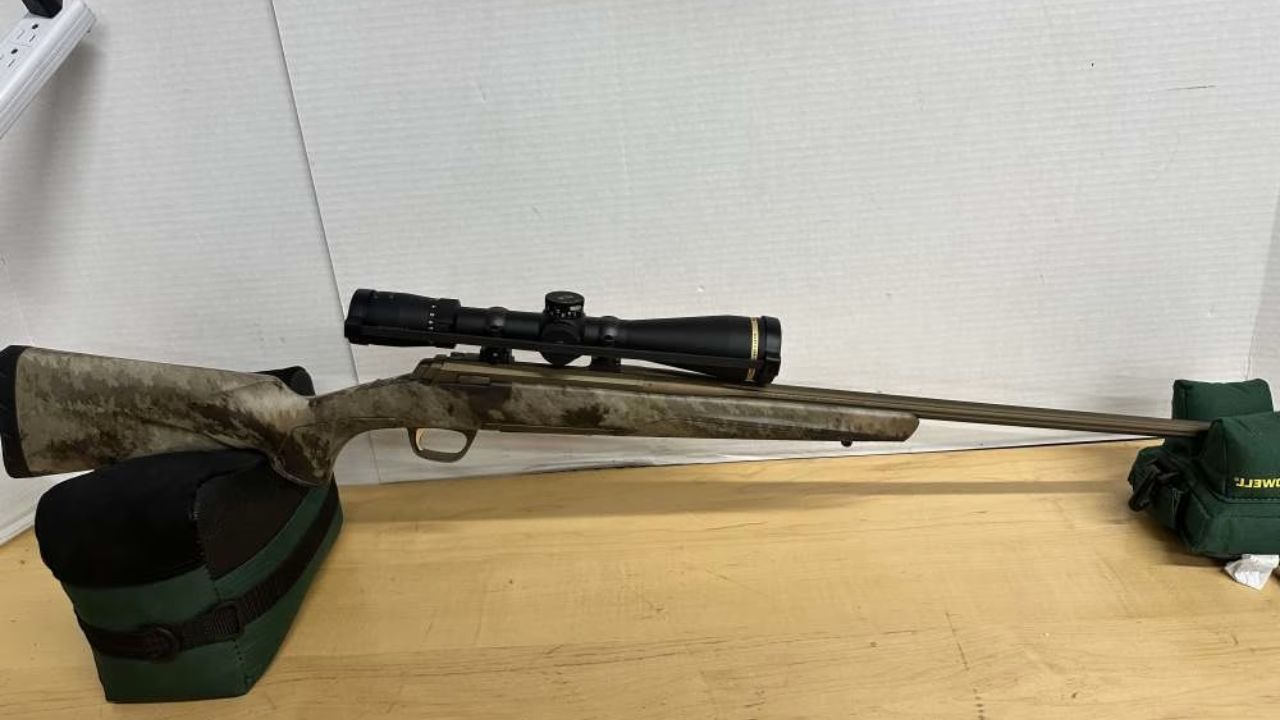
The Hells Canyon Speed rifles look and feel premium, but their biggest talking point is still weight. They’re quick-handling and attractive but tend to be finicky about ammo and rest position. The featherweight design makes it tough to hold steady for longer shots.
It’s a solid hunting rifle, but you’ll work harder for tight groups than you should. It’s another example of a modern rifle where marketing focused more on the scale than the target.
Ruger American Predator Go Wild

Ruger’s Go Wild edition of the American Predator is affordable and portable, but it’s far from refined. The lightweight build means every trigger pull and heartbeat shows up in your sight picture. Accuracy is decent but rarely exceptional.
It’s a rifle built for hiking more than shooting. Great to carry, rough to master. It proves that shaving ounces doesn’t automatically make a rifle better—it just makes you more aware of your flaws.
Savage Axis XP Lightweight

The Savage Axis XP Lightweight is an entry-level rifle that appeals to new hunters for its easy handling and price. It’s light, sure—but that’s about all it brings to the table. Triggers are mushy, stocks flex, and accuracy falls apart with heat.
It’s a rifle that’s convenient to carry and frustrating to trust. You can hunt with it, but you’ll never love shooting it. It’s a reminder that weight alone doesn’t make a rifle good—balance, stability, and consistency do. This one forgot that part somewhere in the design room.
Like The Avid Outdoorsman’s content? Be sure to follow us.
Here’s more from us:
The worst deer rifles money can buy
Sidearms That Belong in the Safe — Not Your Belt
*This article was developed with AI-powered tools and has been carefully reviewed by our editors.