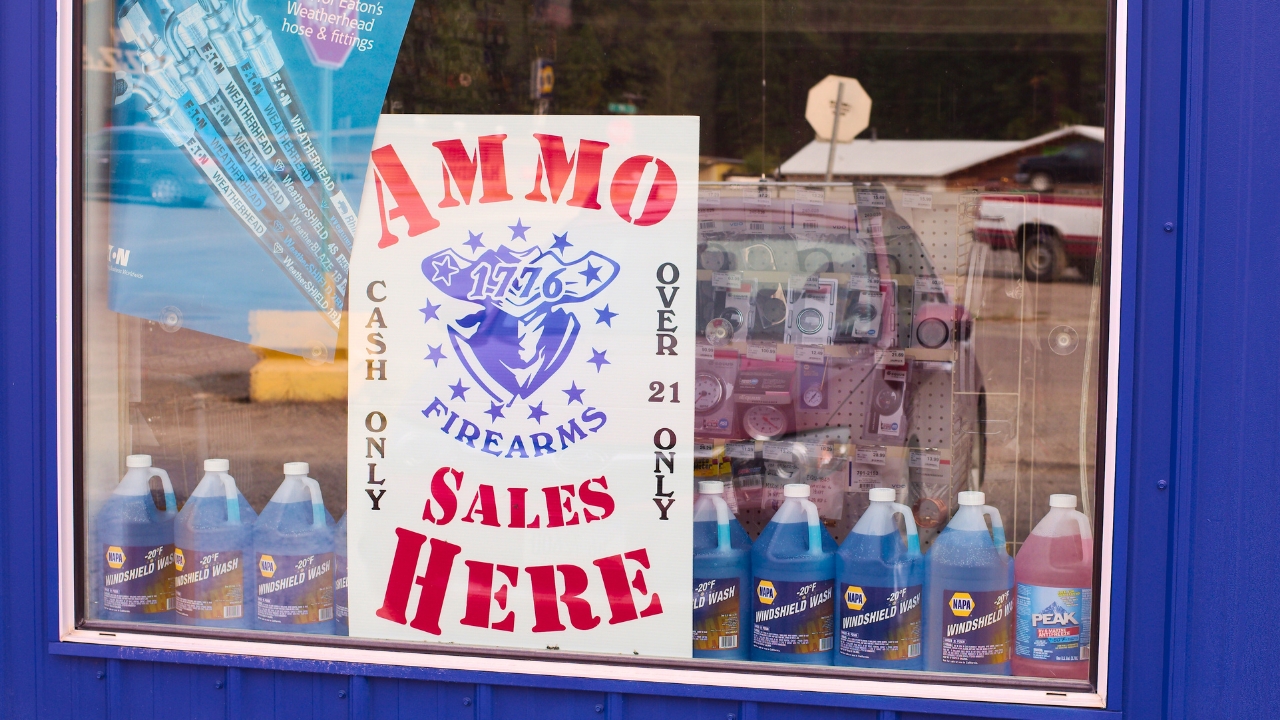
Photo credit: Del Harper/Shutterstock.com
Finding hard-to-get ammunition at a reasonable price has become less about luck and more about understanding how supply moves, how retailers release inventory, and how to avoid the traps that turn a “deal” into a costly mistake. For most shooters, the goal is not hoarding. It is staying supplied enough to train and hunt without paying panic-era pricing, and that requires a strategy that is disciplined, repeatable, and resistant to scams.
The first “secret” is timing: learn how inventory actually drops and moves
Ammunition that feels rare often is not produced in tiny quantities; it simply hits the market in bursts, gets absorbed quickly, and disappears until the next allocation cycle. Shooters who consistently buy at lower prices tend to do three things: they monitor restock patterns, they act quickly when inventory appears, and they avoid the emotional decision to buy the moment prices spike. Many major retailers release stock early in the day or in predictable windows, distributors often allocate to partners on a schedule, and local shops receive shipments that may never show up in online searches. The practical approach is to set alerts for specific SKUs, not generic caliber searches, because “in stock” pages update faster than newsletters and because some retailers throttle visibility when traffic surges. Timing also includes seasonality: hunting calibers often tighten before major seasons, and niche defensive loads can disappear after high-profile news cycles, so buying calmly in the off-peak months is frequently the cheapest path.
The second is flexibility: expand your “acceptable” list without compromising safety
Shooters who only accept one exact load, one bullet weight, and one brand are more likely to pay premium prices, because they have no alternatives when that SKU dries up. Flexibility does not mean buying unknown ammunition from questionable sources; it means understanding functional equivalents and being willing to test them. For example, a hunter who normally uses a single premium bonded load might identify two other reputable loads that meet the same performance goal and then confirm point of impact and reliability before the season. A defensive shooter might verify multiple reliable hollow points that cycle in their firearm and keep enough on hand so they are not forced into overpriced last-minute purchases. Flexibility also applies to packaging: buying 20-round boxes instead of waiting for bulk packs, or buying a case when price per round is fair rather than chasing the theoretical “best” deal that rarely appears. The affordable buyers are usually the ones who can say “this works” instead of “this exact SKU or nothing.”
The third is verification: cheap ammo is not cheap if it is mislabeled, damaged, or risky
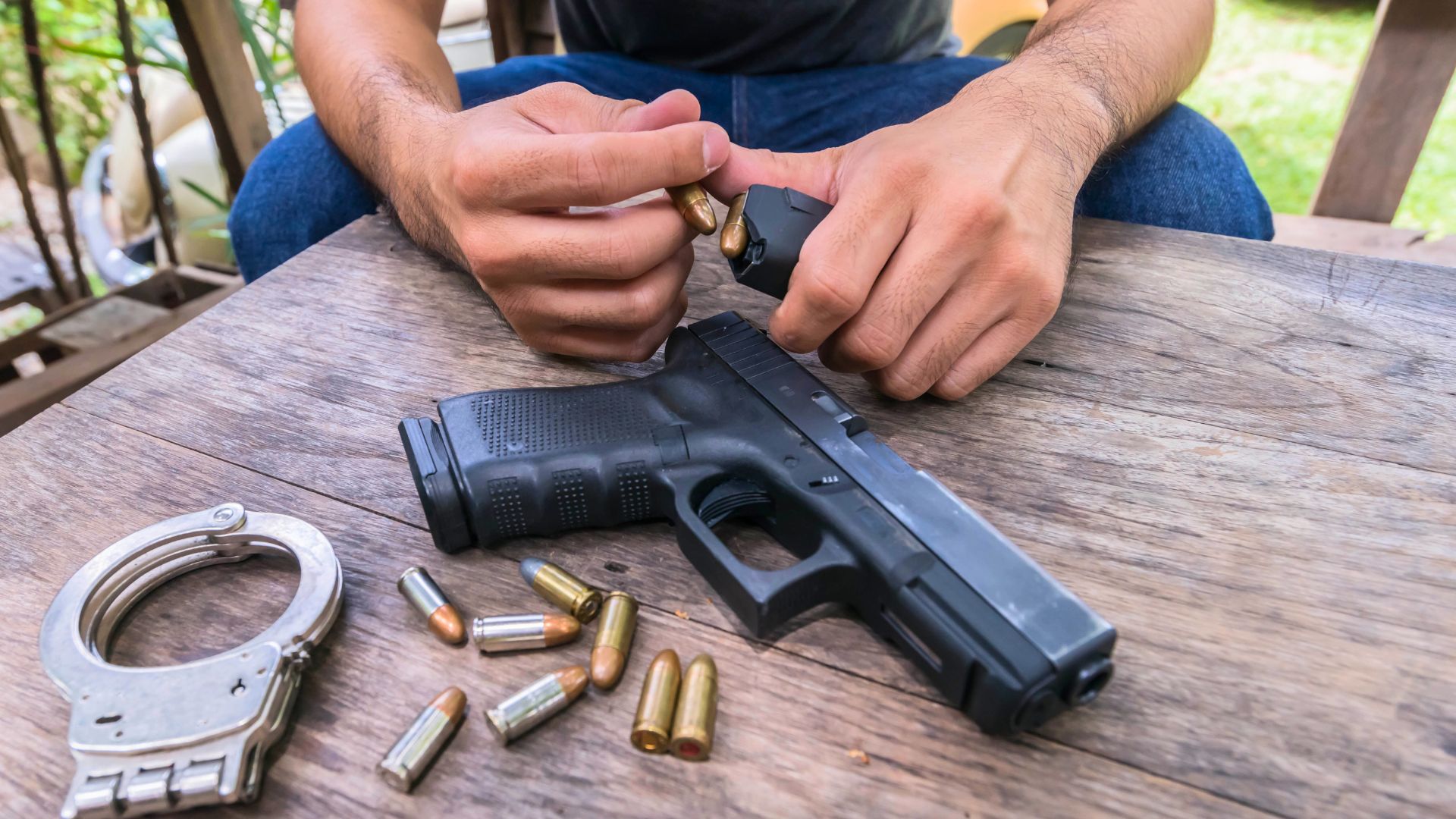
The fastest way to turn rare-ammo shopping into a loss is to chase suspiciously low pricing from sources that cannot be vetted. Scams spike whenever ammo is tight, and the common red flags are familiar: new websites with no track record, payment methods that remove buyer protection, vague product descriptions, and “limited time” pressure tactics. Even legitimate secondary-market purchases carry risk if the buyer does not confirm what they are receiving. Ammunition should be inspected for obvious problems like corrosion, damaged primers, dented cases, inconsistent seating depth, and packaging that does not match the listing. Lot tracking matters for recalls and performance consistency, and reputable sellers will not resist basic questions about storage conditions or provenance. For remanufactured ammunition, the standard should be even higher: buyers should know the producer, keep packaging for lot identification, and treat unfamiliar reman sources as a higher-risk choice. The affordable path is the verified path, because one ruined range trip or a damaged firearm erases the savings instantly.
The fourth is relationships: local shops and small networks often beat the open market
The quiet advantage many shooters have is not a special website, but a reliable local supply line built through relationships. Local shops often get small allocations of harder-to-find calibers that never appear online, and they may hold product for regular customers who buy consistently rather than only during shortages. Gun clubs and training groups can also provide information advantages: members share restock tips, coordinate bulk buys, and trade within a trusted network, which can reduce exposure to inflated secondary-market pricing. Another underused tool is special ordering through a shop that already has distributor relationships; even if the shop cannot guarantee timeline, it can sometimes place a backorder that fills when online buyers are still refreshing webpages. The larger point is that the open market is the most competitive and often the most overpriced environment during tight periods, while small networks can remain relatively stable because they operate on trust, repeat business, and predictable behavior.
Like The Avid Outdoorsman’s content? Subscribe to our newsletter so you never miss an article.
Here’s more from us: