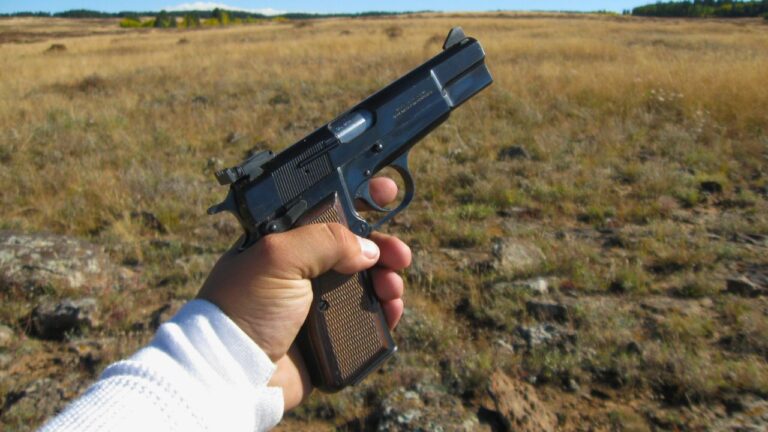
The phrase “duty pistol” gets thrown around like it’s a magic stamp. As if a handgun is automatically tougher, more reliable, and more shootable because the internet says it’s “duty-grade.” The truth is simpler: a real duty pistol is one you can run hard, maintain easily, feed with common mags, and trust when you’re tired, cold, and not shooting your best.
Where owners get disappointed is when hype sets unrealistic expectations. A gun can be reliable and still frustrate you with a mushy trigger, a weird recoil feel, expensive magazines, an awkward optic system, or a grip that never quite fits. None of that means the pistol is worthless. It means it didn’t earn the pedestal people put it on.
Here are the “duty pistols” that get talked up big—and too often leave owners shrugging afterward.
SIG Sauer P320

The P320 gets pitched as the modern duty standard: modular, proven, easy to configure for any role. You buy one expecting a clean, confidence-inspiring experience—especially because so many agencies adopted it and so many shooters swear it’s the future.
Then you live with the baggage that never fully goes away. Even if your example runs fine, the platform’s public safety controversy history makes some owners uneasy, and that’s a confidence tax you shouldn’t have to pay. Add in the reality that a lot of people end up chasing their preferred trigger feel, grip modules, or optic setup, and the “plug-and-play duty pistol” idea starts to look optimistic. The P320 can be a solid tool. It’s the nonstop hype that sets owners up to expect perfection.
Springfield Armory XD (XD9/XD40 family)

The XD line gets marketed and recommended like a straightforward duty choice—reliable, safe, easy to shoot. It’s also a common “first duty pistol” buy because the price can look attractive and the gun feels comfortable in the hand at the counter.
What disappoints owners is how quickly the platform can feel like a side road instead of the main highway. Aftermarket support, holster availability, and long-term parts ecosystem often don’t feel as deep as the big duty staples. Some shooters also never fall in love with the trigger feel or the overall recoil character compared to newer striker options. Plenty of XDs run, and they’ve served people well. The letdown comes when you realize you bought into a “duty” pitch, then end up working harder to support the gun than you expected.
FN 509

The 509 gets recommended like you’re buying a hard-use service pistol with serious pedigree. It looks the part, feels durable, and carries the FN name—so you expect a pistol that shoots great right away and needs nothing.
Then many owners run into a simple issue: it’s not always as enjoyable as the reputation suggests. Trigger feel is a frequent sticking point for shooters who expected something crisper, and some people never bond with the way it returns in recoil compared to other striker guns. The pistol can be dependable, but “dependable” isn’t the same as “worth the hype.” A duty gun still has to be a gun you shoot well, and a lot of owners end up feeling like the 509 is more respectable than lovable. That gap is where the disappointment lives.
Beretta APX

The APX shows up in “best duty pistol” lists because it’s built like a brick, priced competitively, and comes from a brand with real service-gun history. You buy it expecting a sleeper hit—something that runs forever and outperforms its price.
The letdown is usually support and momentum. The APX can feel chunky, and many owners find the aftermarket and holster ecosystem thinner than what you get with the usual duty giants. Some shooters also don’t love the trigger feel compared to newer striker options, especially if they’re used to cleaner breaks. The APX is often a perfectly usable pistol. It disappoints owners who expected it to be the “better Glock for less money,” then realize the market doesn’t treat it that way when it’s time to find mags, parts, and accessories fast.
Walther PDP

The PDP gets praised like it’s the striker pistol that finally gives you everything: great ergonomics, excellent trigger feel, and modern optics readiness. You buy one expecting it to instantly become your best-shooting duty-sized gun, with no learning curve and no tradeoffs.
What catches owners off guard is that “shoots great” can come with its own quirks. Some shooters find the recoil feel snappier than they expected for a duty-size pistol, and the slide profile can feel lively in fast strings depending on how you grip it. Others realize they love it as a range pistol but don’t love the carry bulk or how it fits their duty holster setup. The PDP is a strong pistol. It disappoints when you expect it to be a cheat code instead of a modern striker with a personality.
HK VP9

The VP9 has been sold as the duty-ready HK that regular shooters can afford, and the reputation makes it sound like a guaranteed win. You buy it expecting typical HK durability plus a striker feel that makes training easy.
Then the ownership annoyances add up. Magazines can feel pricey, and depending on your setup, the control layout can be a love-it-or-hate-it situation. Some owners also discover that “nice to shoot” doesn’t automatically mean “best duty choice,” especially if your department, your holster needs, or your parts pipeline favors more common platforms. The VP9 can run very well. The disappointment comes when you realize the hype made it sound universally perfect, but in your hands it’s simply “good”—and “good” doesn’t always justify the premium you paid.
CZ P-10 C

The P-10 C gets recommended like the quiet striker pistol that outclasses the big names: great ergonomics, strong trigger feel, and real duty reliability. You buy it thinking you’re getting a smarter version of the mainstream choice.
The frustration often comes from the stuff around the gun, not the gun itself. Depending on where you live and what’s on shelves, magazines and small parts can feel less plug-and-play than the major duty standards. Some owners also get tired of “chasing the right holster” compared to platforms with endless options. And if you expected it to be a dramatic upgrade, you may realize it’s more like a different flavor of competent. The P-10 C can be excellent. It disappoints when hype makes you believe it’s a guaranteed step above everything else instead of a solid alternative.
Smith & Wesson M&P 2.0

The M&P 2.0 gets pushed as the “best duty pistol nobody talks about,” and that recommendation usually comes with a tone like you’re finally joining the in-the-know crowd. You buy it expecting reliability plus better ergonomics than the typical duty options.
The disappointment is usually expectation management. Many owners love the grip texture and how it points, but some don’t love it against skin for daily carry. Others expect a trigger that feels like a tuned competition striker gun and then realize it’s still a duty trigger—serviceable, not magical. It can also be a pistol where people immediately start swapping parts because the internet told them they “need” to. The M&P 2.0 can be a great duty pistol. It disappoints owners who expected it to be the one gun that requires no compromises.
Glock 19

The Glock 19 is the default duty recommendation, and that’s exactly why it can disappoint. You buy it expecting the legend: perfect reliability, perfect shootability, perfect everything. It’s the handgun people talk about like it’s beyond criticism.
Then you realize it’s still a mass-produced service pistol with a very specific feel. Plenty of shooters never love the factory sights, the trigger, or the grip angle, and they end up spending money to make it “their” Glock. None of that means the gun is bad—it means the reputation set you up to expect instant love. The Glock 19 is often a smart choice. It becomes an overhyped disappointment when you thought it would feel custom, shoot like a tuned pistol, and fit you perfectly without any work.
Glock 17

The Glock 17 gets recommended as the full-size duty answer—soft shooting, easy to run, and proven. You buy it expecting it to be the easiest gun in the world to shoot well under pressure.
For a lot of owners, the reality is that it’s “fine,” not special. If you expected the longer grip and slide to transform your performance, you may be underwhelmed. You also end up in the same Glock loop: sights, trigger preference, and the whole “make it yours” economy. Some shooters prefer other platforms’ grip shape and trigger feel and never fully bond with the Glock’s personality. The Glock 17 is one of the most proven duty pistols ever. The disappointment comes when hype tells you it’ll feel like a tailored suit, and you discover it feels like a standard-issue uniform.
SIG Sauer P226

The P226 carries a reputation like a badge. You buy it expecting a tank of a pistol—smooth, accurate, durable, and worth every dollar because it’s a classic service gun with real history behind it.
Then you remember you’re the one who has to carry and shoot it. The weight is real, and some owners don’t enjoy living with a DA/SA system if they don’t train enough to stay sharp on the first shot. The cost of magazines and parts can also feel like a throwback to another era. The P226 can be an outstanding pistol in trained hands. It disappoints owners who bought it for the legend, then realize their actual life would be better served by a lighter striker pistol they’ll practice with more.
Beretta 92FS / M9

The 92FS gets recommended because it’s iconic, reliable, and soft shooting for a 9mm. You buy it expecting a smooth, easy-to-run duty gun with that classic Beretta feel—something that makes range days effortless and defensive use confident.
Then the practical stuff shows up. It’s a big pistol, and a lot of owners struggle to make it fit modern carry habits without compromises. The trigger system rewards training, but if you’re not putting in the reps, the DA first shot can feel like work. Some shooters also find the grip too large depending on hand size. None of that makes the Beretta bad—it’s a proven service gun. The disappointment happens when hype makes it sound like a universal answer, when it’s really a specific answer that fits some shooters better than others.
HK P30

The P30 gets praised as a duty pistol built for real-world abuse, with ergonomics that feel like they were designed by adults who actually carry guns. You buy it expecting it to be the ultimate service pistol—comfortable, durable, and easy to shoot well.
Then you hit the trigger reality, especially if you’re in traditional DA/SA. A lot of shooters respect the P30 but never fall in love with the trigger feel compared to other duty pistols, and that matters more than people admit. Add the cost of magazines and the fact that you’re not swimming in cheap parts the way you are with more common platforms, and some owners start wondering if they paid extra for “HK vibes” more than performance. The P30 is a serious pistol. The disappointment comes when you expected the premium price to automatically deliver a premium shooting experience.
Springfield Armory Echelon

The Echelon gets recommended hard because it’s new, optics-ready, and marketed as a modern duty answer that fixes a lot of old annoyances. You buy it expecting a fresh platform that immediately earns trust, runs with everything, and doesn’t need you to tinker.
New platforms can be solid, but they also come with a real-world truth: you’re sometimes along for the early ownership ride. Support, small parts availability, and long-term track record don’t appear overnight, and some owners don’t like being early adopters when the gun is meant for duty use. Even when the pistol runs, you may realize the “new hotness” feeling fades fast, and you’re left judging it by the same standards as everything else. The Echelon can be a strong entry. The disappointment comes when hype pretends time and volume don’t matter.
Ruger American Pistol

The Ruger American Pistol has been recommended as an affordable duty-style option from a respected manufacturer. You buy it expecting practical reliability, rugged construction, and a working-gun attitude that doesn’t care about trends.
Then you run into the problem of momentum and ecosystem. It never became a dominant duty platform, and for owners that can mean thinner holster options, less common magazine availability, and fewer long-term support perks compared to the big players. Some shooters also don’t love the trigger feel or the overall ergonomics once they compare it side-by-side with more refined striker pistols. The Ruger can run and serve. The disappointment is realizing that “duty-style” isn’t the same as “duty-standard,” and the difference shows up every time you shop for gear.
Canik TP9 (duty-size models)

Canik TP9 pistols get recommended aggressively because the value is obvious: you get features, capacity, and a lot of gun for the money. You buy one expecting it to embarrass the expensive duty pistols and make you feel like you outsmarted the market.
Where owners get disappointed is when the “value champion” doesn’t feel as duty-ready as the hype suggests for long-term, hard use. Holster and accessory fit can be more finicky depending on the model, and some owners find they’re not getting the same deep support ecosystem as the mainstream duty standards. You can also end up with a pistol you love on the range but don’t fully trust as your one-and-only defensive tool if you don’t have the round count to prove it to yourself. Caniks can be impressive. The disappointment comes when hype promises “duty” certainty on a budget.
Like The Avid Outdoorsman’s content? Be sure to follow us.
Here’s more from us: