Photo credit: S&R BALLISTICS/YouTube
Some handguns make you work way harder than you should have to. You get through one box of ammo and your hand feels like it went a few rounds with a belt sander… and you didn’t even shoot that well. That’s usually a mix of light weight, short grips, sharp recoil impulse, blowback actions, or just plain bad ergonomics. And here’s the real issue: if a gun hurts to shoot, guys don’t train with it. They “carry it” and never put real reps on it. That’s a bad trade.
Polish P-64 (9×18 Makarov)

The P-64 is small, cheap, and kind of cool as a surplus piece. It also smacks your hand like it’s mad at you. It’s a straight blowback pistol, and that recoil impulse is sharp and fast. The grip is tiny and the backstrap doesn’t spread anything out, so all that recoil energy hits the same little spots in your palm every shot. Most guys end up death-gripping it just to keep it from shifting, which makes it feel even worse.
Then you add the trigger. The double-action pull on a lot of these is heavy enough that you’ll yank shots low while you’re also bracing for recoil. So your target looks mediocre and your hand hurts. That’s how a “fun little surplus buy” turns into a gun that sits in the safe.
Makarov PM (9×18 Makarov)

The Makarov has a reputation for running, and it usually earns that. But people who haven’t shot blowback pistols much get surprised by how punchy it feels. It’s not a big cartridge, but the gun is doing blowback things: quick slide movement, sharp snap, and more sting than you expect for the size. The grip shape is also not exactly built for modern, high-control shooting. You’re basically holding a compact slab and trying to clamp it down.
Plenty of guys can shoot a Makarov well, but a lot of buyers don’t. They shoot a couple mags, realize the recoil feels rude, and then they stop practicing with it. Reliability doesn’t matter much if the gun makes you avoid training. A carry gun needs to be something you’ll actually shoot.
Hungarian PA-63 (9×18 Makarov)

The PA-63 is another blowback 9×18 that looks like it should be easy to carry and easy to shoot. Then you run it and realize it’s thin, light, and not interested in being comfortable. That alloy frame keeps weight down, but it also keeps recoil from getting absorbed. The gun snaps, and the grip can feel like it’s concentrating recoil into the web of your hand. It’s the kind of pistol that makes guys start flinching without even noticing.
A lot of PA-63s also have triggers that aren’t doing you any favors. The combo of snappy recoil and a trigger that’s not smooth makes it harder to shoot well than it should be. So you end up with sore hands and average groups. If you love surplus, fine. Just don’t pretend this is some easy, friendly trainer pistol.
SIG Sauer P232 (.380 ACP)

The P232 feels like a “nice gun” the second you pick it up. It’s slim, it points well, and it feels like it should shoot soft because it’s a .380. Then you remember it’s a blowback .380. Blowback .380s don’t recoil like locked-breech .380s. They recoil sharp. The slide is doing more work, and that impulse feels like a quick slap into your hand instead of a smooth push.
On top of that, the grip is slim, which sounds great for carry until you’re shooting a lot. Slim grips concentrate recoil. So guys leave the range thinking, “Man, why did that feel worse than my compact 9?” That’s why P232s often end up as “carry occasionally, shoot rarely” guns. They’re classy, but they’re not gentle.
Tokarev TT-33 (7.62×25 Tokarev)

Tokarevs are a blast from a history standpoint, and the round is fast and spicy. But the gun itself is not built around comfort. The grip is narrow and blocky, the ergonomics are old-school, and the recoil impulse feels sharp and snappy—especially with surplus-style ammo. It doesn’t always “hurt,” but it wears on you because the gun doesn’t sit in the hand like a modern pistol. It wants to shift.
Then there’s the controls and overall handling. A lot of Tokarev variants aren’t something you’d call user-friendly, and the sights are usually basic. So you’re shooting a snappy pistol with small sights and not much refinement. That’s a recipe for mediocre groups and a sore hand. Fun range toy? Sure. “I’m going to train hard with this”? Most guys quit that idea fast.
CZ 52 (7.62×25 Tokarev)

The CZ 52 has a reputation for being tough and interesting, and it is. But it’s also one of those pistols that can punish hands in a different way: weird recoil feel, odd grip fit, and a slide/frame setup that isn’t friendly to everyone. The gun can feel top-heavy, and the impulse is quick. If your grip isn’t locked in, it feels like the gun is bouncing around instead of tracking straight.
A lot of shooters also don’t love how the CZ 52 interacts with the hand under recoil. Depending on how you grip it, it can bite or just feel awkward. And the sights aren’t exactly helping you keep tight groups at speed. So guys buy it because it’s cool, then realize it’s not something they want to run for 200 rounds. It’s a “shoot a little, talk about it a lot” pistol.
Smith & Wesson 342PD

Ultra-light snub revolvers sound smart until you actually shoot them. The 342PD is crazy light, which makes it easy to carry and miserable to practice with for most people. Even standard pressure .38s can feel sharp because there’s not enough mass to soak up anything. Add +P and you’ve got a gun that makes your hand tired fast. It’s not “tough guy” recoil. It’s just concentrated recoil in a tiny grip.
The other thing is the trigger. You’re doing a long double-action pull while the gun is trying to jump. That combination makes people shoot worse than they should. So now you’ve got wide groups and a sore hand. These guns get carried a lot and shot a little, which is backwards. If you carry an AirLite, you’ve got to commit to practice, or you’re just wearing a gun.
Charter Arms Bulldog (.44 Special)

The Bulldog is one of those revolvers that makes sense on paper: big bore, relatively compact. In real life, it can be a hand beater, especially with defensive loads. A .44 Special out of a small revolver can smack pretty good, and the grip shape on many Bulldogs doesn’t always spread recoil out in a comfortable way. You feel it in the palm and the web of the hand fast.
It also tends to encourage “one cylinder and done” behavior. Guys shoot a handful, decide it’s enough, and don’t get the reps they’d get with a more shootable platform. Can it work? Sure. But if you’re buying it for defense, you need to be honest about practice. If the gun hurts, you won’t train. And if you won’t train, the caliber doesn’t matter.
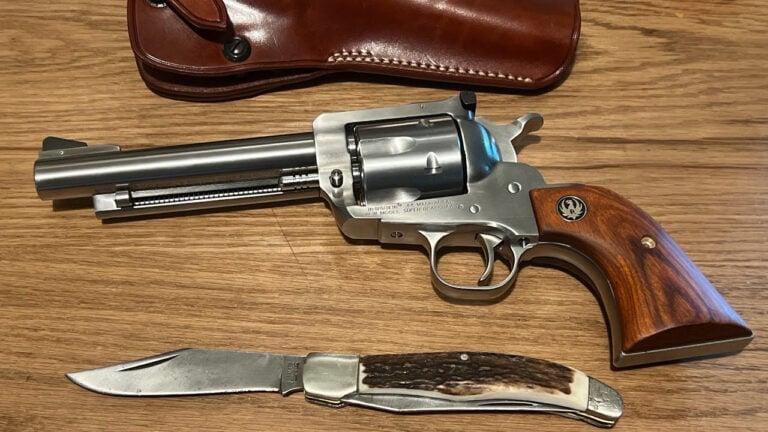
Ruger Super Redhawk Alaskan (.454 Casull)

This is a serious gun, and it’s not pretending to be polite. The Alaskan is built for hard-hitting cartridges, but when you run it with real loads, it punishes hands—especially if your grip isn’t perfect. Even with good technique, the recoil is heavy and abrupt. And because the gun is short, you don’t get the same leverage and “roll” you might get from a longer barrel revolver.
A lot of people buy these for bear protection and then don’t practice much because it’s not fun. That’s a problem, because wilderness guns need confidence more than anything. If you carry something like this, you’ve got to train with it enough that recoil doesn’t surprise you. Otherwise it’s just a heavy comfort blanket on your belt.
Smith & Wesson 329PD (.44 Magnum)

The 329PD is famous for one thing: being brutally light for what it is. It’s a mountain carry dream and a range day nightmare. .44 Magnum out of a lightweight revolver is not a gentle experience. The recoil doesn’t just push—it snaps. The gun moves, the grip slaps the hand, and guys start flinching early. It’s one of the fastest ways to make a good shooter look sloppy.
Most owners end up shooting lighter loads, and that’s fine, but you still need to know what your carry load feels like. The 329PD is the definition of “easy to carry, hard to master.” If you don’t put in time, it’ll punish you more than it helps you. And the target will show it.
Glock 29 (10mm Auto)

Compact 10mm pistols sound awesome. Then you shoot one with real 10mm loads and realize the recoil impulse is quick and heavy in a small frame. The Glock 29 is reliable and it can be a great backcountry sidearm, but it’s not a soft shooter. Even when you try different ammo, it tends to stay “snappy” because you’re still pushing a lot of energy through a compact grip.
What makes it tricky is that many guys don’t actually practice with full-power ammo. They shoot watered-down range stuff and tell themselves they’re ready. Then they load hot defensive ammo and it feels like a different gun. If you’re going to carry a G29 seriously, train with what you carry. Otherwise the first time you feel that real recoil is the worst time.
Springfield XD-M Elite Compact 10mm
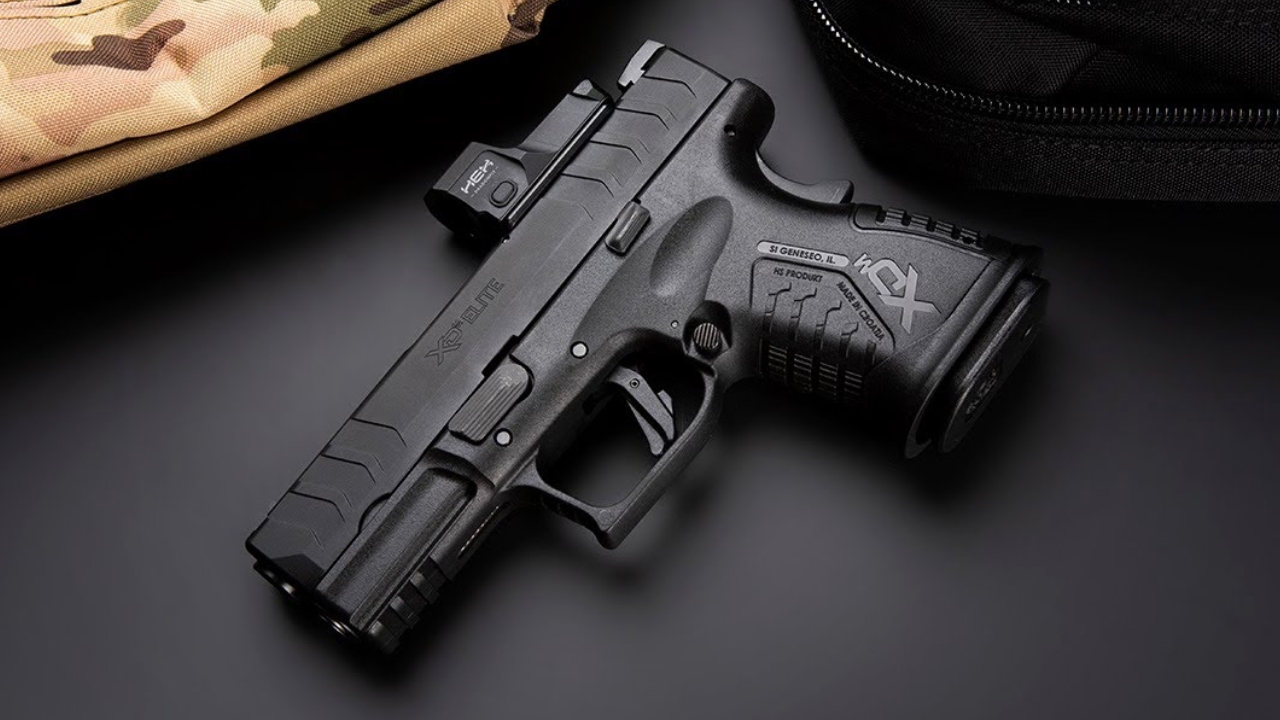
Another compact 10mm that can beat hands up if you’re not prepared. The platform can run well, but 10mm in a compact package is still 10mm. The recoil can feel sharp, and with smaller grips, guys tend to clamp harder, which turns recoil into fatigue fast. Even if the gun isn’t “hurting” you, it’ll wear your hands out quicker than a normal carry 9.
The bigger issue is follow-up speed. A lot of shooters can shoot one good shot, then struggle to keep the gun flat enough to stack hits quickly. That’s where you see the “punish your hands more than your target” problem: you’re fighting recoil instead of shooting clean strings. It can be a solid backcountry tool, but it rewards training.
Bond Arms Roughneck (.357 Magnum derringer)

Derringers are the definition of “cool idea, rude reality.” The Roughneck is built like a little tank, but it’s tiny and has almost no grip to work with. In .357, it can feel like it’s trying to jump out of your hands. The recoil is sharp and unpleasant, and the ergonomics don’t give you much control. One or two shots can be “fun.” Ten shots is usually enough to remind you why most people don’t train with these.
This kind of gun also teaches bad habits fast. You start anticipating recoil, your grip gets weird, and your accuracy goes downhill. If you carry something like this, it needs to be an honest last-ditch tool—not something you pretend is a “real” fighting pistol. Your hand will tell you the truth.
North American Arms Mini Revolver (.22 WMR)

A tiny revolver in .22 Magnum doesn’t sound like it should be punishing… until you shoot one. The grip is so small that it concentrates everything into a couple pressure points. It’s not the recoil that’s huge. It’s the lack of grip and control. Your fingers are cramped, the gun shifts, and it’s hard to hang onto the thing in a consistent way.
Because it’s awkward, guys shoot it poorly. And because they shoot it poorly, they don’t practice. That’s the theme. NAA minis fill a niche for deep concealment, but they are not “easy shooters.” They punish the hand with cramped control and punish the target with inconsistent hits. If you’re buying one, go in with eyes open.
Ruger LCP II (.380 ACP)

The LCP II is compact and easy to carry, but it can still be a hand beater for the average shooter—especially in long sessions. Tiny .380s have that fast slap recoil, and the short grip makes the gun shift. Even though the caliber is mild, the platform isn’t. You feel it in the web of your hand and along your fingers because there’s not much surface area to spread the force.
The practical issue is training volume. Most guys don’t want to shoot 150 rounds through an LCP II, so they don’t. Then they carry it anyway. If this is your daily gun, you’ve got to carve out practice time and accept shorter sessions. Or move up to a slightly larger pistol that you’ll actually shoot.
Kahr CM40 (.40 S&W)

Small .40s can be rough, and the CM40 is a good example of how that plays out. The gun is light and compact, and .40 has a snappy impulse that doesn’t feel forgiving in small frames. Even if you experiment with ammo, it still tends to feel sharp because the grip is short and the gun moves fast in recoil. The shooter ends up doing a lot of work to keep it from shifting.
The other part is that small guns like this demand clean technique. If you’re sloppy, you’ll see it in your groups immediately. So you’ve got a pistol that’s uncomfortable for volume and also punishes mistakes on target. That’s why a lot of people try it, respect it, and then move to something they can train with more comfortably.
Like The Avid Outdoorsman’s content? Subscribe to our newsletter so you never miss an article.
Here’s more from us: