Photo credit: J Edwards Photography/Shutterstock.com
Weekend plans in the blind or on the back forty only work if you know what is actually in season. With Texas and Wisconsin running some of the country’s most layered hunting calendars, you need a clear, species‑by‑species snapshot of what is still fair game right now. Consider this your streamlined field cheat sheet so you can match your tag, your spot and your expectations before you ever load the truck.
How to read this weekend cheat sheet without getting burned by dates
You are juggling overlapping seasons, shifting zones and a long list of species, so the first step is to treat this guide as a map, not a legal code. The focus here is on what is typically open in late fall and winter for Texas and Wisconsin, built around the official season structures that agencies have already laid out for White‑tailed Deer, javelina and other headline species. You should use it to narrow your options, then confirm the exact dates and any local exceptions before you hunt.
Both states publish detailed tables that spell out the Season, Zone and Dates for each major game animal, and those tables are the final word on what is legal on a given weekend. Texas lists General seasons by North and South zones for deer and javelina in its statewide hunting season dates
Big‑game anchors: deer and javelina in Texas and Wisconsin
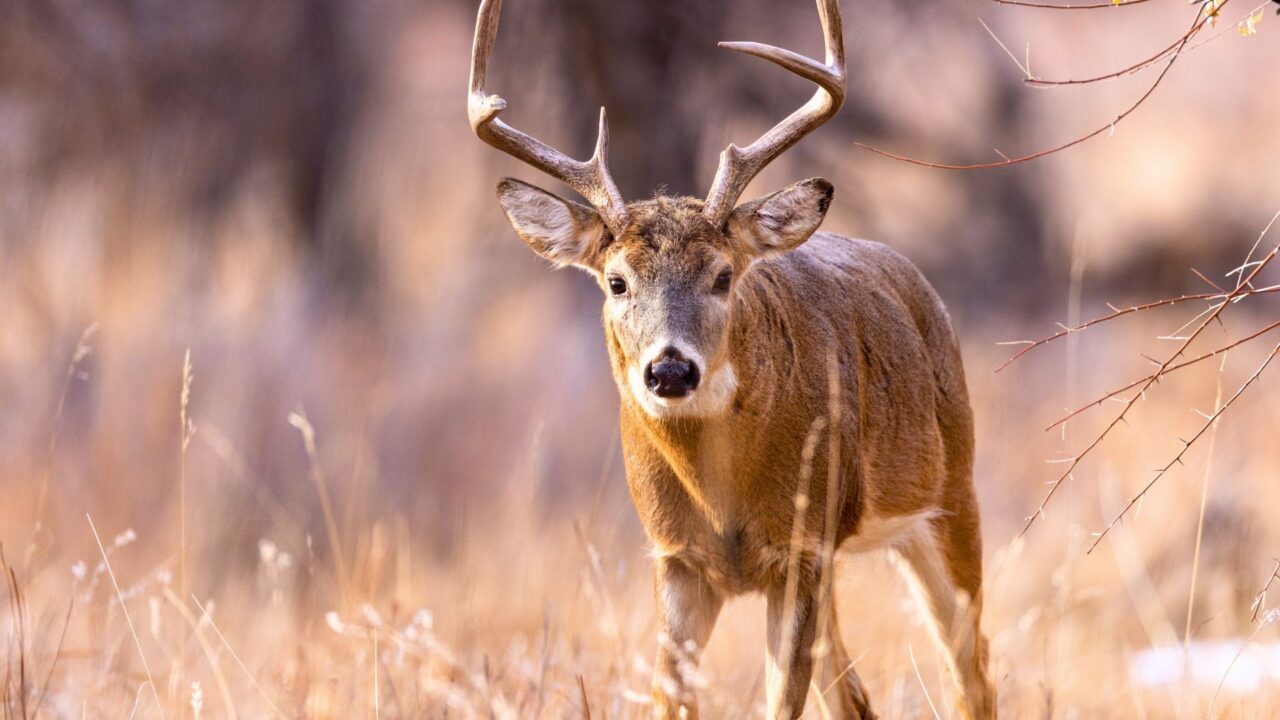
If your weekend revolves around big game, your first decision is whether you are chasing classic Midwestern White‑tailed Deer in Wisconsin or working Texas brush country for the same species and javelina. Texas lays out White‑tailed Deer season dates by Season and Zone, with a General season in the North zone and a separate General season in the South zone, so your weekend options depend heavily on which side of that line you hunt and whether you are inside any special late antlerless windows listed in the Texas Hunting Season Dates. Wisconsin, by contrast, leans on a long Archery and Crossbow window that stretches from mid‑September into early January, giving you more flexibility if you prefer to stay in the stand after the main gun rush.
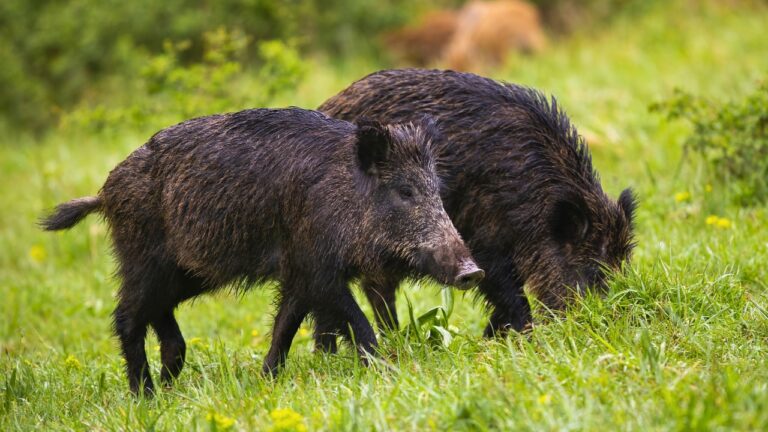
On the Texas side, javelina are a uniquely southwestern option that can keep your season going after other tags are filled. The state’s table for Javelina spells out a General Season in the North zone with specific Dates that run deep into the cool months, and a separate structure for the South. That means a weekend that might be too late for a buck in one county can still be prime time for javelina in another, as long as you match your Zone correctly. In Wisconsin, the big‑game focus stays squarely on deer, with the Department of Natural Resources highlighting multiple opportunities for Hunters through Archery and Crossbow, Youth Deer Hunt and gun seasons on its main deer hunting page, so your weekend plan there is more about which weapon and unit you choose than about switching species.
Deer specifics: archery, crossbow and late firearm chances
Once you decide deer are your priority, the details of weapon type and timing start to matter. Wisconsin’s Season Dates show that Archery and Crossbow run from Sept. 13 to Jan. 4, 2026, which means that on any weekend inside that window you can legally be in a tree with a bow or crossbow as long as you respect local antlerless‑only periods and county quotas listed in the statewide Seasons schedule. The same calendar carves out a Youth Deer Hunt and a Gun Deer Hunt For Hunters with Disabilities, followed by the main Gun season and a Muzzleloader period, all of which create short, intense windows where pressure spikes and your weekend strategy may shift toward thicker cover or overlooked public parcels.
Wisconsin also layers in late firearm opportunities that can keep your deer season alive after the traditional blaze‑orange rush. A breakdown of Late Season Firearm Deer Hunting Seasons In Wisconsin notes that some of these periods are antlerless‑only, which changes how you use your remaining tags and where you focus your scouting. On top of that, the DNR’s reminder to “Hunt Smart And Safe This Deer Season” in its Archery And Crossbow advisory underscores that, even when Archery and Crossbow seasons stay open into late January, you still need to follow the same safety rules and registration requirements spelled out in the Hunt Smart And Safe This Deer Season notice.
Small‑game staples: squirrels, rabbits and hares
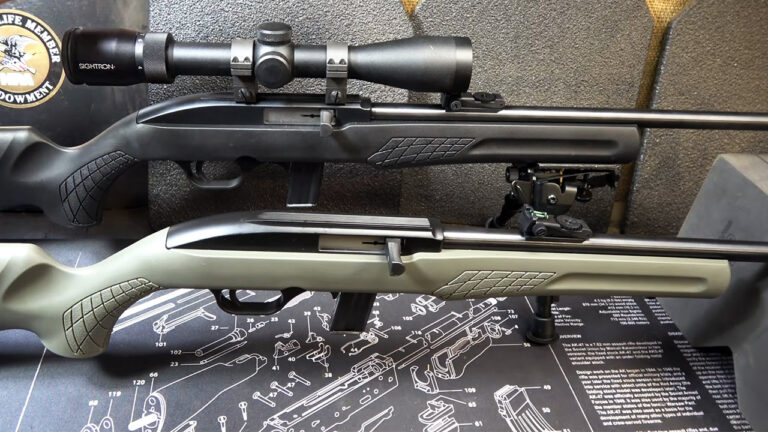
If your deer tag is already punched or you want a lower‑pressure weekend, small game can keep you in the woods with far less competition. In Texas, the Outdoor Annual lists a General Season for Squirrel in the East Texas zone with Dates that typically run from early October into late winter, while many other counties allow year‑round take. That gives you a wide window to chase gray and fox squirrel with a .22 or small‑gauge shotgun when big‑game pressure has cooled off, especially on public lands that see less traffic after rifle season.
Wisconsin’s small‑game calendar is just as forgiving, with the DNR listing Seasons for Squirrels (Gray and Fox) from Sept. 13 through Feb. 28, 2026, and a long run for Cottontail Rabbit in both the Northern and Southern zones. That means you can spend a midwinter weekend following fresh tracks for rabbits or working brush piles for Cottontail Rabbit long after the last deer gunshot has faded. For many families, these hunts are also a way to introduce kids to the woods, since the stakes are lower and the action can be steadier than waiting out a mature buck. If you hunt both states, you can even compare how Wisconsin’s focus on Squirrels, Gray and Fox, lines up with Texas counties that treat Squirrels as a near‑year‑round opportunity.
Upland birds: quail, pheasant, partridge and turkey
For many hunters, a winter weekend is defined by the sound of a bell collar and the flush of upland birds rather than a whitetail slipping through timber. Texas has leaned into that tradition by setting New statewide dates for Quail from Nov. 1, 2025, to Feb. 28, 2026, which gives you a long, predictable window to run dogs on bobwhites across much of the state. Those dates sit alongside other upland options like pheasant and chachalaca in the Outdoor Annual, and they are part of a broader push to align bird seasons with habitat conditions and hunter demand. If you are planning a Texas road trip, you can build an entire weekend around quail in the morning and a deer sit in the evening, as long as both seasons are open in your chosen county.
Wisconsin’s upland mix looks different but offers just as much variety. The state supports wild Pheasant and stocked birds on public properties, along with Hungarian Partridge in select areas, and it layers those opportunities around a robust Turkey program that includes fall tags. Texas, for its part, also manages Rio Grande and Eastern turkey seasons alongside quail and deer, with some of the 2025‑2026 changes to deer and quail regulations detailed in a rundown of Mule and other seasons. The key for your weekend is to match your bird plans to the specific county and zone rules, since pheasant, partridge and turkey often have tighter frameworks than quail.
Waterfowl and marsh birds: ducks, geese, cranes and more
If you are drawn to cold mornings over decoys, both Texas and Wisconsin give you layered waterfowl options that can stretch a weekend from first light to last shooting time. Texas coastal and Panhandle hunters often build their winter around Duck and Goose splits, while some zones also allow carefully regulated hunts for Sandhill Crane. A Texas bird‑hunting overview notes that Season dates for other species including pheasant, common Snipe and geese are laid out alongside bag limits and license requirements in the Outdoor Annual, which means your weekend marsh plan should start with a close read of the Season tables for your flyway zone.
Wisconsin waterfowlers juggle a similar mix of ducks, geese and marsh birds, but they also enjoy strong woodcock and snipe flights in the right cover. American Woodcock and common snipe seasons are typically shorter than duck splits, so if you want to add them to a weekend bag you need to pay close attention to the small‑game and migratory tables in the state’s regulations. Texas bird hunters face the same balancing act, especially if they are trying to combine a morning teal or big‑duck hunt with an afternoon pass‑shoot for cranes or a walk for snipe along flooded edges. In both states, your best move is to lock in the exact duck and goose frameworks for your zone, then layer in cranes, snipe or woodcock only if the dates clearly overlap with your chosen weekend.
Dove, snipe and other overlooked Texas bird options
While Wisconsin’s migratory focus leans heavily on ducks and geese, Texas offers a broader menu of wingshooting that can fill almost any weekend from late summer into winter. South Texas has built a reputation around Premier South Texas Dove Hunts, with outfitters like Allan Brothers Outdoor Dove Hunts structuring their packages around the state’s split dove seasons in September and December and January. Those hunts are timed to match the official dates for white‑winged and mourning doves, so if you are planning a weekend shoot over sunflowers or milo you need to double‑check that your chosen Saturday falls inside the current split for your zone.
Beyond doves, Texas gives you a surprising number of “bonus” bird options that can turn a slow deer weekend into a productive mixed bag. The Outdoor Annual’s migratory tables include common snipe, rails and gallinules alongside ducks and geese, and the state’s bird‑hunting overview emphasizes that Season dates for species like pheasant and snipe come with specific bag and possession limits that you must follow. A Texas hunting guide notes that Bag & Possession Limits for Each species vary by county and region, and it urges hunters to use the TPWD Outdoor Annual to ensure compliance, a reminder that your weekend plan has to account for both daily and total take if you are chasing multiple species across several days, as outlined in the Bag and Possession Limits guidance.
Predators and furbearers: coyotes, foxes, raccoons and bobcats
When big‑game tags are filled and bird seasons are between splits, predator and furbearer hunts can keep your weekend calendar full while also helping local game populations. Both Texas and Wisconsin allow hunting for Coyote, Fox and Raccoon, often with longer seasons and more flexible shooting hours than big game. In Texas, many counties treat coyotes as nongame animals that can be hunted year‑round, while Wisconsin’s regulations for furbearers and predators are laid out alongside small‑game seasons in the state’s hunting digests and online tables. For a weekend hunter, that means you can often pivot from a morning deer sit to an afternoon predator stand without running afoul of season closures, as long as you have the correct license and follow any night‑hunting restrictions.
Bobcats add another layer of opportunity, particularly in Texas brush country and parts of northern Wisconsin. The species is managed more tightly than coyotes, but both states recognize Bobcat as a legitimate game or furbearer animal with defined seasons and, in some cases, quotas or tagging requirements. If you are planning a predator‑heavy weekend, you should study the furbearer sections of the Wisconsin small‑game regulations and the nongame and furbearer rules in the Texas Outdoor Annual, then build your stands around travel corridors that also hold deer and small game. That way, even if the predators do not cooperate, you are still scouting productive ground for your next Deer or rabbit hunt.
Planning your weekend: licenses, apps and cross‑state strategy
All of these open seasons only matter if your paperwork and planning are just as dialed in as your shooting. Texas Parks and Wildlife packages its 2025 – 2026 Texas Hunting Season Dates in a single reference that covers everything from White‑tailed Deer and javelina to chachalaca, and it pairs those dates with license and endorsement requirements in the Outdoor Annual and app. Wisconsin does the same through its Go Wild system, which publishes a consolidated season sheet listing Archery, Crossbow, Youth Deer Hunt, Gun Deer Hunt For Hunters with Disabilities, Gun and other categories in a single PDF so you can see at a glance what is open on any given weekend, as laid out in the Archery and Crossbow season sheet.
For a hunter who splits time between the two states, the smartest move is to treat each weekend as a puzzle that you solve with those official tools. Start by checking the high‑level hunting seasons and dates for Wisconsin in the online regulations, which summarize Deer, Archery and Crossbow, Youth and Gun periods for Hunters with Disabilities and others in one place, as shown in the hunting seasons and dates overview. Then, cross‑reference that with Texas’s Outdoor Annual tables for White‑tailed Deer, Javelina, Squirrel, Quail and more, making sure you note the Season, Zone and Dates for each species you care about. With that information in hand, you can decide whether this weekend is best spent on a late‑season Wisconsin bow sit, a Texas quail and javelina combo, or a small‑game and predator swing that keeps you in the field from dawn to dark.
Supporting sources: Untitled, Untitled, Untitled, Untitled, Untitled, Untitled, Untitled, Untitled, Untitled, Untitled, Untitled, Untitled, Untitled, Untitled, Untitled, Untitled, Untitled, Untitled, Untitled, Untitled, Untitled, 2025 – 2026 Hunting Season Dates – Texas Parks and Wildlife, Deer hunting – Wisconsin DNR, 2025 – 2026 Hunting Season Dates, Season dates and application deadlines – Wisconsin DNR, 2024 – 2025 Hunting Season Dates – Texas Parks and Wildlife, 2025 Wisconsin Hunting And Trapping Seasons, Archery And Crossbow Hunting Seasons Open Sept. 13, New This Year for Hunting – Texas Parks and Wildlife, Texas to see changes in dates, regulations for 2025-26 …, 2025 – 2026 Texas Hunting Season Dates, Hunting Seasons and Dates – Wisconsin Hunting, Small game hunting – Wisconsin DNR, Late-Season Firearm Deer Hunting Seasons In Wisconsin – B105, South Texas Dove Hunts, News Release: Dec. 8, 2020: Winter Season Offers Multiple Opportunities for T…, 2024-2025 Hunting Season in Texas.
Like The Avid Outdoorsman’s content? Be sure to follow us.
Here’s more from us: