
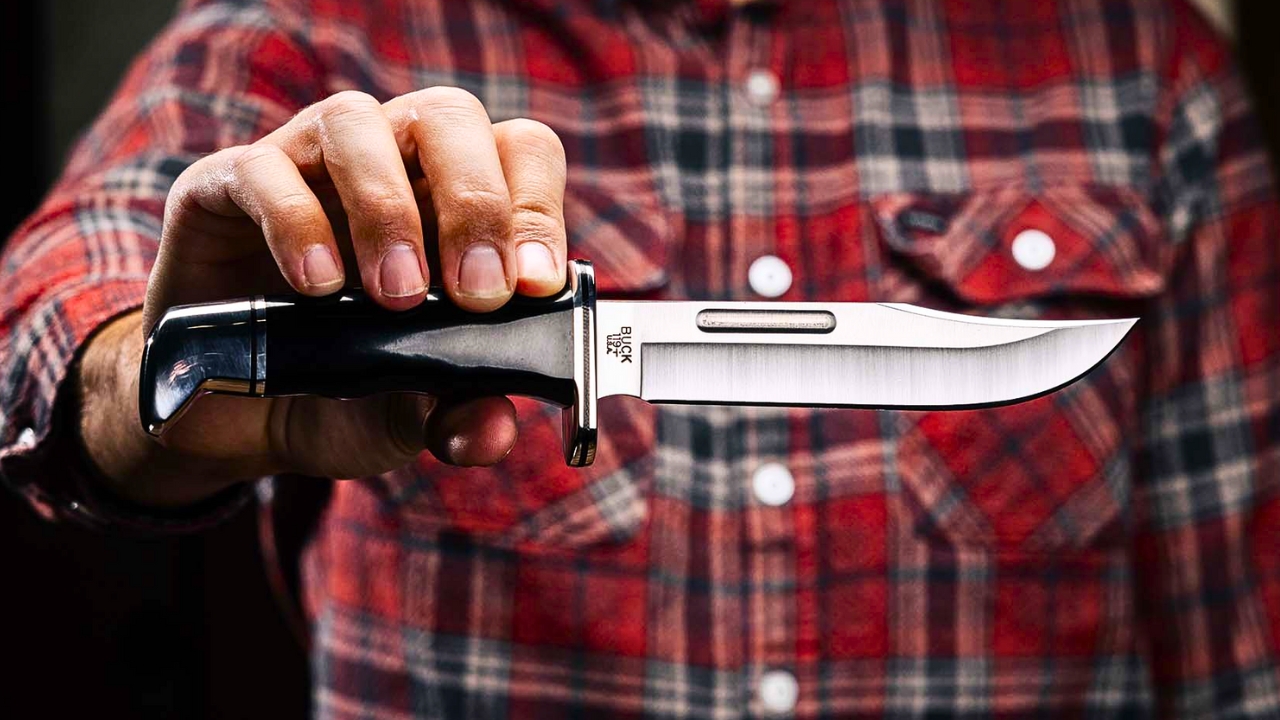
Photo credit: Amazon.com
A fixed blade doesn’t have to be fancy to earn a spot on your belt during deer season. It has to work when your hands are cold, your knife is slick, and you’re already committed. You want a blade that bites on the first cut, stays controllable around hide and hair, and doesn’t make you fight it while you’re opening up a chest cavity or splitting a pelvis. You also want a handle that stays put when everything gets wet, and a sheath that doesn’t turn into a liability in the dark.
Serious hunters tend to trust the same knives for a reason. They’re proven shapes, proven steels, and proven designs that hold up to real work. These are fixed blades you’ll see on actual belts, not just in photos.
Benchmade Hidden Canyon Hunter

The Hidden Canyon Hunter is popular because it lives in that sweet spot between compact and capable. You can keep it on your belt all day without noticing it, but it still gives you enough blade to do real field work. The blade shape is friendly for skinning and detail cuts, and it’s easy to control when you’re working close to hide and meat.
Where it earns trust is in the handle and the overall balance. It feels planted even when your hands are wet, and the knife doesn’t fight you when you choke up for careful work. It’s not a splitting knife and it’s not a hatchet substitute. It’s a “do the job cleanly” knife that’s easy to carry and easy to use. That’s exactly what most hunters need more than they admit.
Buck 119 Special

The Buck 119 is a classic hunting knife because it still works the way it always has. The blade length gives you reach for opening, quartering, and general camp tasks, and the overall profile feels familiar the first time you pick it up. A lot of hunters trust it because it’s been trusted for generations.
The real-world benefit is simplicity and availability. You can find it anywhere, replace it easily, and you don’t feel like you’re carrying a museum piece. It’s not the best for delicate skinning compared to shorter blades, and you can overcut if you’re sloppy. But if you want one knife that covers a lot of hunting tasks and doesn’t quit, the 119 keeps showing up for a reason. It’s dependable and easy to live with.
Buck 110 Fixed Blade Hunter (or 105 Pathfinder)
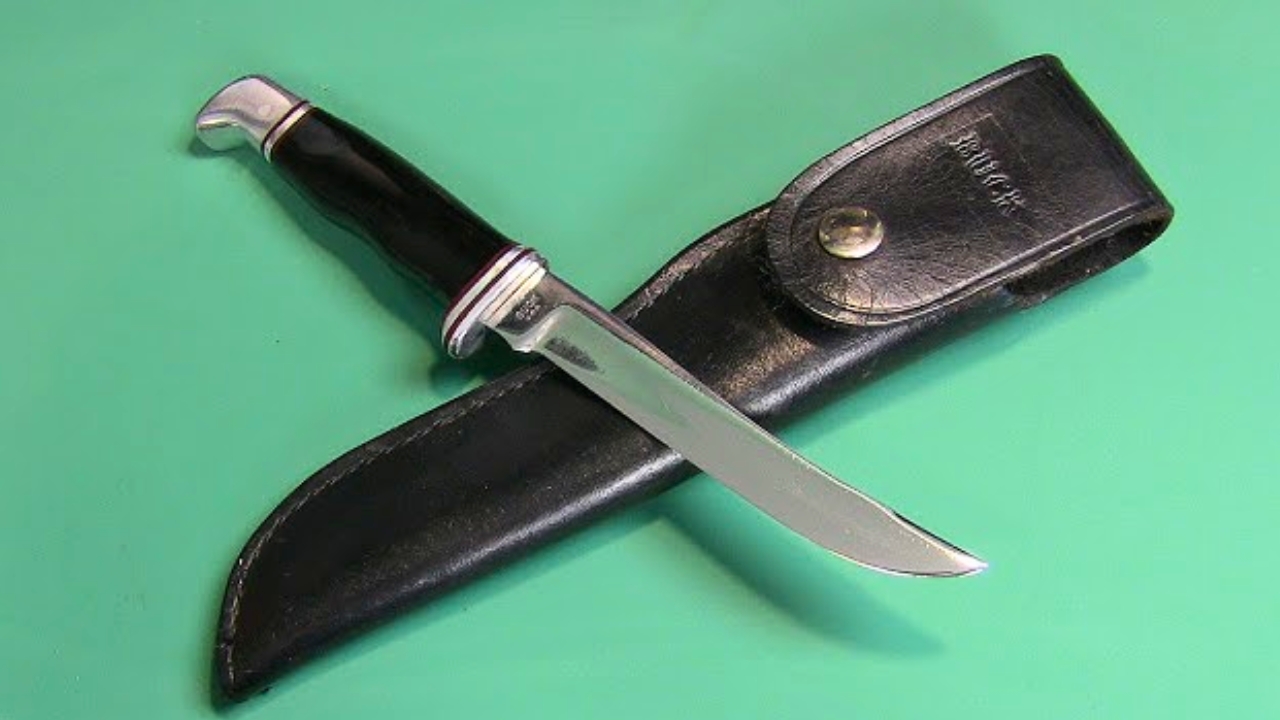
Buck’s shorter fixed blades like the 105 Pathfinder hit the mark for hunters who want control more than reach. The blade is long enough to open a deer and work through joints, but it’s short enough to stay precise around hide and meat. It’s the kind of knife that feels “right” when you’re working close and trying not to waste anything.
What makes it trusted is how predictable it is. The knife tracks well through cuts, the handle shape makes sense, and you don’t feel like you’re wrestling a big blade in a tight space. It also carries well and doesn’t beat you up on the belt. If you’re the type who wants one fixed blade that can do most field work without drama, this style of Buck earns loyalty. It’s not flashy. It’s practical.
Morakniv Companion (and Mora hunting models)

A Mora doesn’t look like a trophy knife, but serious hunters trust tools that work. Mora’s basic fixed blades are sharp, easy to maintain, and light enough that you don’t mind actually using them hard. The edge geometry is typically slicey, which is exactly what you want when you’re dealing with hide, hair, and long cuts.
The appeal is that you don’t baby it. If you drop it in the leaves or nick the edge on bone, you clean it up and keep going. The handle gives you good grip, and the sheath system is simple and functional. No, it’s not a heavy-duty prying knife, and it won’t satisfy collectors. But if you want a field knife you can beat up, clean, and keep moving with, Mora earns its spot by being honest and effective.
ESEE-4
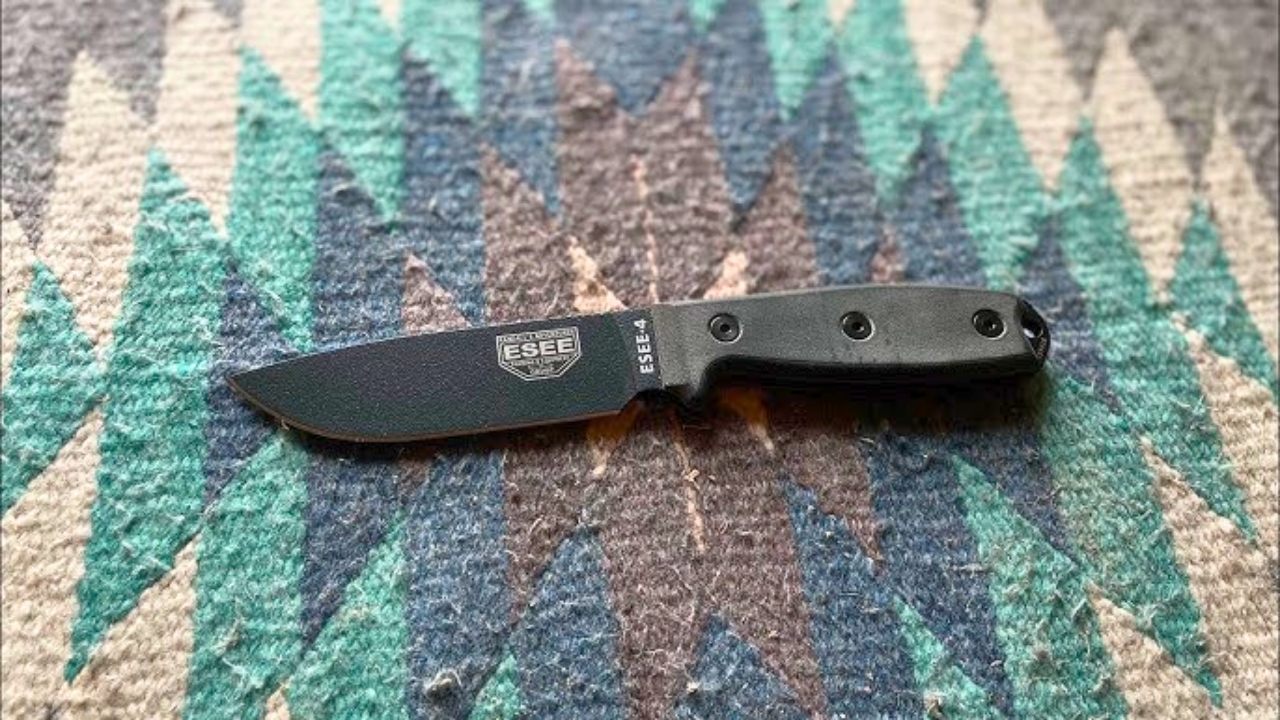
The ESEE-4 gets trusted by hunters who want a fixed blade that can do more than just skin. It’s a compact, stout knife that handles camp chores, light batoning, and rough use without feeling fragile. The blade length is manageable, and the handle fills the hand in a way that stays secure when you’re tired.
In the field, it shines as a “one knife on your belt” option for hunters who do a little of everything. It’s not the thinnest slicer, so it won’t feel as effortless on hide as a dedicated skinner. But it’s tough, predictable, and easy to run hard without worrying about babying the tool. If you want a knife that can help you process an animal and still handle camp tasks after, the ESEE-4 fits that real-world need.
Bark River Bravo 1.25

Bark River knives get trusted because they’re built for real use and they feel like real tools. The Bravo 1.25 is a strong example: enough blade to handle hunting and camp chores, a handle that locks in, and a shape that can be pushed through a lot of work without feeling awkward.
What hunters appreciate is the comfort and control over long sessions. When you’re skinning, trimming, or breaking down quarters, handle comfort becomes a bigger deal than steel arguments. The Bravo’s ergonomics tend to keep hot spots away. It’s not a tiny belt knife, and it’s not cheap, so it’s not for everyone. But if you want one fixed blade that feels confident in the hand and doesn’t feel fragile in hard use, it’s a trusted pattern.
Gerber Vital Fixed Blade

The Gerber Vital is trusted by hunters who prefer replaceable-blade efficiency without going to a folding scalpel-style knife. It gives you the convenience of a fresh edge in a fixed-blade package, which matters when you’re processing multiple animals or you don’t want to fight a dull edge in the field.
Where it earns points is speed and control. It’s light, easy to carry, and easy to keep sharp because you’re swapping blades, not sharpening. The downside is that it’s not a prying or twisting tool, and you need to manage spare blades like any replaceable system. But for skinning and clean meat work, it does exactly what it’s meant to do. If your priority is clean cuts and minimal fuss, this is the kind of knife that makes sense.
Havalon Piranta-style fixed systems (replaceable blade setups)
A lot of serious hunters end up trusting replaceable-blade systems because they’re brutally effective on hide and meat. If you’ve ever tried to finish a clean skinning job with a knife that’s losing its bite, you understand why. A fresh scalpel-style blade makes the work feel controlled and precise, especially for caping and detail cuts.
The tradeoff is durability. You don’t twist these blades in joints or pry with them. You use them like a scalpel, because that’s what they are. Hunters who trust this system usually pair it with a sturdier fixed blade for heavier tasks. As part of a kit, it’s hard to beat for clean, efficient processing. If you want the cleanest cuts and you’re disciplined about using the right tool for the right job, this approach earns trust fast.
Ka-Bar Becker BK2 (for camp + processing)

The Becker BK2 isn’t a classic “skinning knife,” but it earns trust in a hunting camp because it’s hard to break and easy to use for heavy chores. It’s thick, tough, and confident in the hand. If your hunt involves wood processing, making kindling, and general camp work, that toughness starts to matter.
For processing game, it’s more of a support knife than a dedicated skinning blade. The thickness can make fine slicing less graceful, but it will handle joints, rough cuts, and camp chores all day. Hunters who carry it usually like having one tool that doesn’t feel precious. If you’re rough on gear and you want a fixed blade that can handle camp life without complaint, the BK2 earns its reputation. Pair it with a slimmer skinner and you’re covered.
Cold Steel SRK
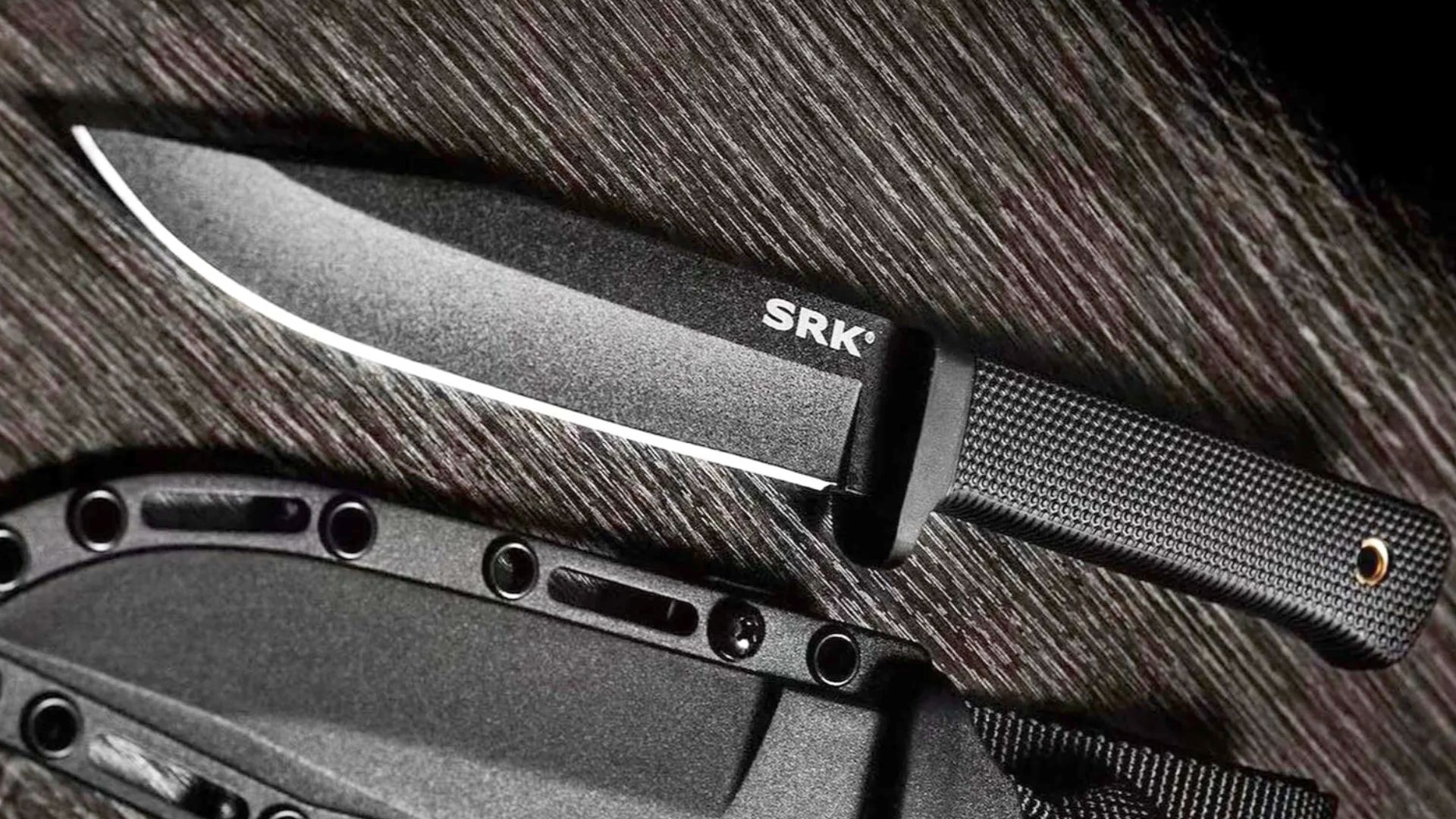
The Cold Steel SRK gets carried because it’s a practical fixed blade that doesn’t ask for special treatment. It’s long enough to be useful, strong enough to be trusted, and common enough that you don’t worry about it like a collector knife. For hunters who want a straightforward belt knife that can do more than one job, it’s an easy pick.
In the field, it’s a generalist. You can open an animal, handle camp chores, and do the unglamorous cutting jobs that happen around a hunt. It’s not the most refined skinning shape, and it can feel like more knife than you need for delicate work. But it’s dependable and easy to run. If you want a fixed blade that feels like a real tool and you don’t want to spend premium money to get there, the SRK is trusted for a reason.
Spyderco Bow River

The Bow River earns trust because it’s built around slicing. The blade shape and grind make it feel eager on hide and meat, and it stays controllable when you’re working close. For hunters who value clean cuts and less effort, a slicey blade is a big deal.
What makes it practical is carry and comfort. It’s not a thick, pry-ready knife—it’s a hunting knife that behaves like one. The handle gives you good purchase, and the knife feels light enough to forget until you need it. It’s a solid option for hunters who want a fixed blade that performs like a dedicated cutter without being fussy. If your hunting knife spends most of its life opening, skinning, and trimming—not splitting wood—this is the kind of design that earns a place in your kit.
Case Fixed Blade Hunters (traditional patterns)
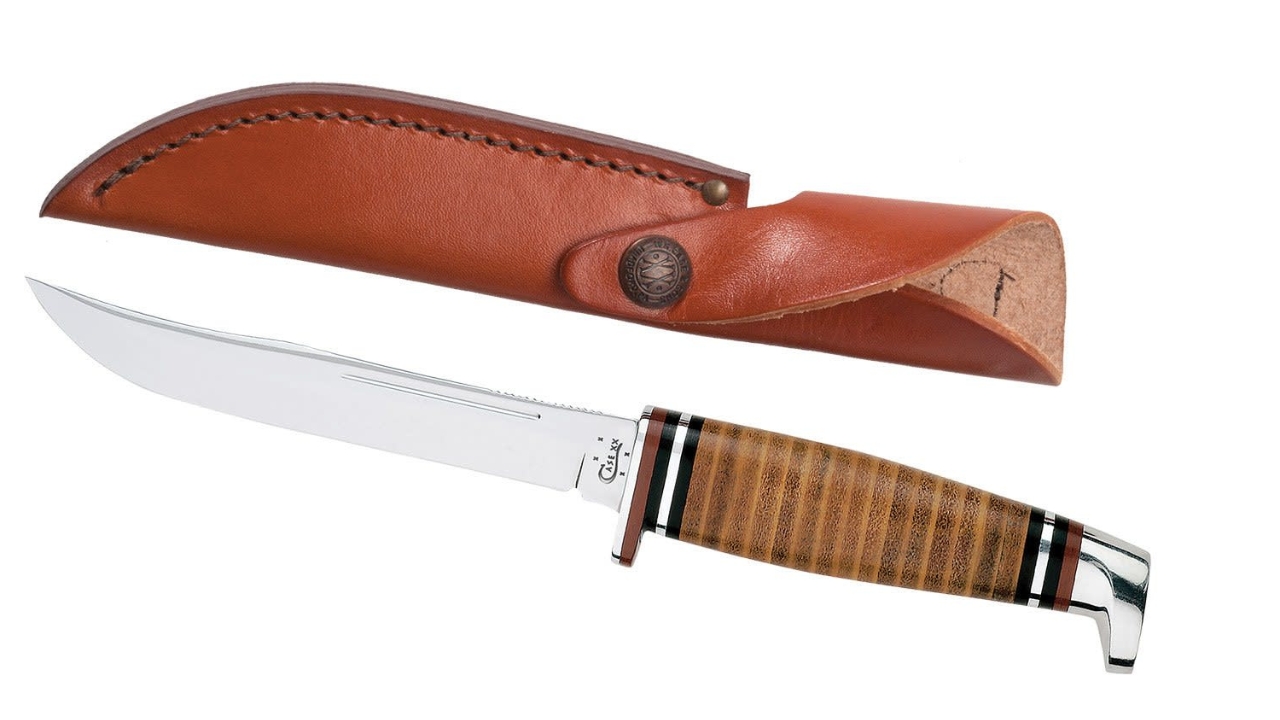
Case fixed blades keep showing up because traditional patterns still work. You get a familiar handle shape, a blade profile designed for hunting tasks, and a tool that feels like it belongs in a hunting camp. Serious hunters often trust what they grew up seeing used, especially when it proved itself year after year.
The appeal is straightforward utility. These knives tend to be comfortable in the hand and easy to control. You’re not buying a modern tactical profile—you’re buying a hunting blade that does hunting blade work. The steel and edge holding are adequate when you maintain it, and many hunters prefer that kind of predictable sharpening and use. If you want a knife that feels classic, rides well, and does the job without drama, traditional Case fixed blades are still trusted.
Helle (Nordic-style fixed blades)

Helle knives get trusted by hunters who like a lighter, slicier fixed blade with excellent hand feel. Nordic-style knives often prioritize control and comfort, and that shows up when you’re doing long, careful cuts. The blades tend to feel lively rather than chunky, which many hunters prefer for actual processing work.
In the field, the big advantage is how pleasant they are to use. A knife that doesn’t tire your hand matters when you’re skinning and trimming for a while. The limitation is that many of these knives aren’t meant for hard prying or heavy batoning. They’re cutters. If your hunting knife is mainly for processing and camp food prep, and you carry a separate tool for rough chores, a Helle makes a lot of sense. It’s a serious hunter choice for clean, controlled work.
TOPS Knives (e.g., Fieldcraft style)
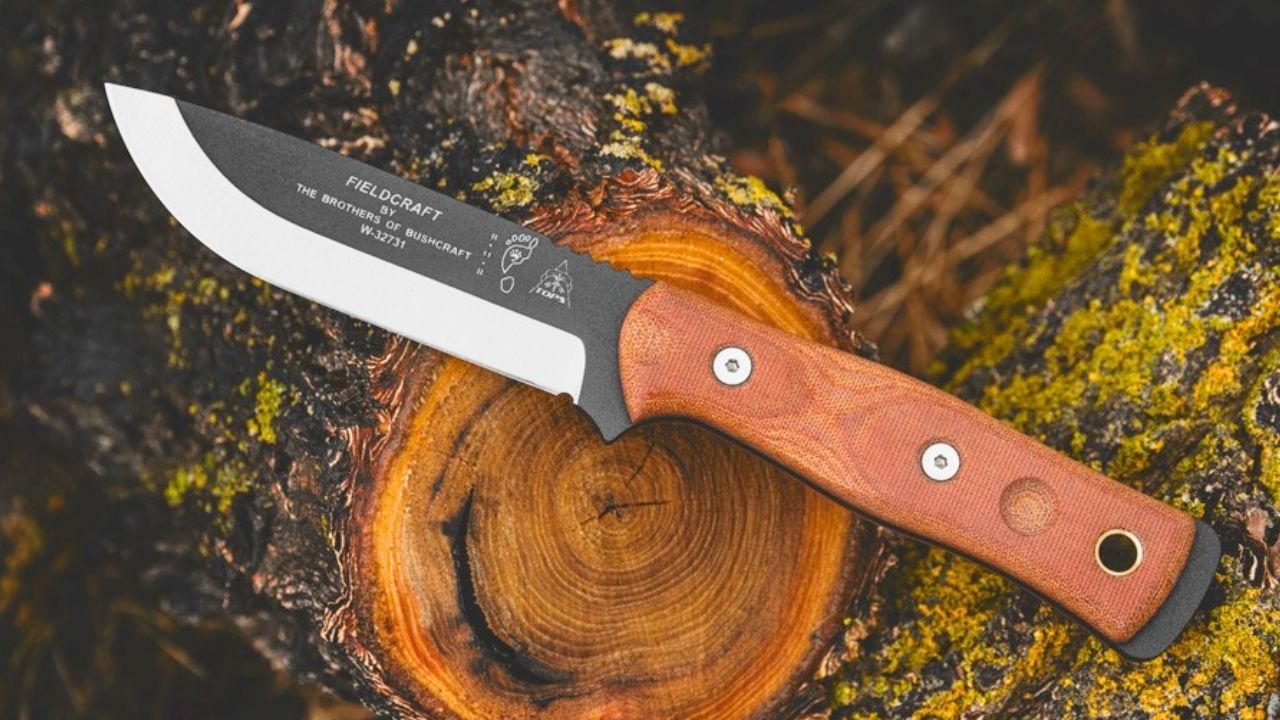
TOPS earns trust with hunters who want a fixed blade that can handle both field work and rough camp chores. Many TOPS models are built thick and feel durable, with handles that lock in when your hands are wet or cold. If you’re the type who wants one knife that can live on your belt all season, that toughness is appealing.
The tradeoff is slicing finesse. Thicker blades don’t glide through hide and meat the way a thinner hunting knife does, and that matters if you care about efficiency. But if your hunts involve more than processing—batoning kindling, cutting brush, improvising tasks around camp—the extra strength feels worth it. TOPS knives often earn loyalty because they feel ready for abuse. Serious hunters who are hard on gear tend to appreciate that.
Montana Knife Company Speedgoat (or similar lightweight hunting fixed blades)
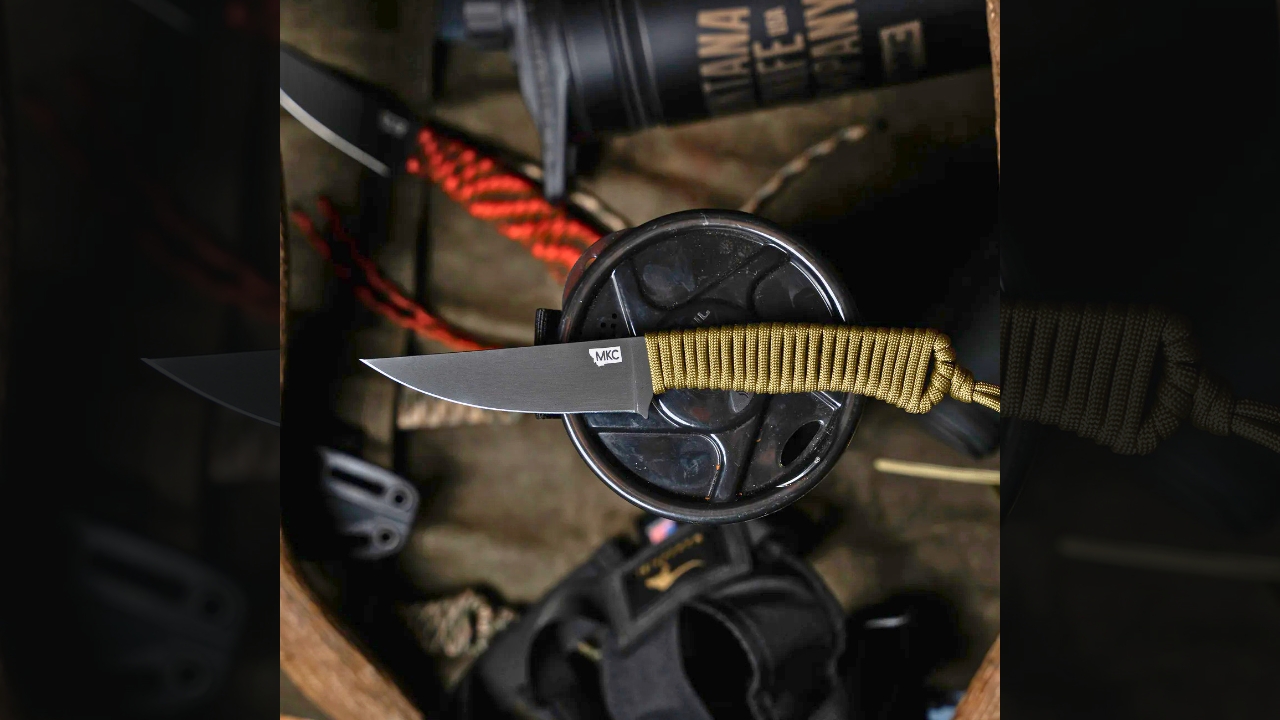
Lightweight hunting fixed blades have become popular because serious hunters are tired of carrying extra ounces they don’t need. Knives like the MKC Speedgoat focus on being easy to carry and effective at processing, with blade shapes designed to keep the work controlled and clean.
What makes them trusted is how often they actually get worn. A heavy knife that lives in your pack doesn’t help you when you need a quick cut. A light, belt-friendly knife tends to stay on you, and that’s half the battle. The limitation is that lightweight knives aren’t meant for rough prying or heavy camp abuse. They’re hunting knives, built for cutting. If your priority is processing an animal efficiently and carrying the tool all day without feeling it, this style earns serious hunter trust quickly.
Like The Avid Outdoorsman’s content? Subscribe to our newsletter so you never miss an article.
Here’s more from us:


