Photo credit: Gunners Den/YouTube
Some pistols earn massive attention the second they hit the market, and plenty of them look impressive enough on first inspection. But once the excitement fades and rounds start going downrange, a few models reveal accuracy problems that aren’t so easy to ignore. Whether it’s poor barrel lockup, rough triggers, wandering sights, or inconsistent manufacturing, these pistols built big reputations without delivering the performance that real shooters expect. If you’ve ever walked away from the range wondering why a pistol with so much hype shoots like it’s guessing, you’re not alone. These are the pistols that promised the world and couldn’t hold a tight group when it mattered.
Taurus G3C

The Taurus G3C sold fast because of its price and feature set, but accuracy has always been a weak point. Many shooters report flyers that make no sense, even when they’re holding solid fundamentals. The barrel-to-slide fit feels loose on some examples, and that inconsistency shows up when you stretch past typical defensive distances.
The trigger also contributes to accuracy issues. It’s long, spongy, and breaks in an odd spot if you’re used to cleaner striker-fired triggers. While the gun cycles fine for many people, it struggles to stack shots when accuracy matters. If you’re expecting tight groups or predictable performance, the G3C often leaves you frustrated.
SCCY CPX-2

The SCCY CPX-2 gets attention for its size and price, but the accuracy complaints are widespread. The long, heavy double-action trigger overwhelms new shooters and makes slow, deliberate shooting harder than it should be. Even experienced shooters often see their groups drift because of the heavy pull weight.
Barrel lockup varies from pistol to pistol, which means two identical CPX-2 models can shoot completely differently. That inconsistency makes training unpredictable. The pistol is easy to carry, but when it comes to shooting straight, it falls behind nearly every other compact 9mm in its class.
Ruger Security-9

The Security-9 looks great on paper, yet many shooters notice accuracy issues once they start putting rounds downrange. The hammer-fired system disguised within a striker-style frame feels unusual, and the trigger doesn’t lend itself to predictable shots. The break can feel vague, especially when you’re trying to hold a steady sight picture.
Groups often open up as distances increase, and some users report vertical stringing when the gun warms up. The pistol handles recoil well, but accuracy is where it struggles. For a gun that arrived with strong marketing momentum, the real-world results never matched the early excitement.
Hi-Point C9

The Hi-Point C9 draws a lot of attention for being one of the cheapest 9mm pistols available, but accuracy isn’t exactly a selling point. The heavy slide and basic barrel design make it tough to keep shots consistent. Even at moderate distances, groups tend to spread wider than most shooters expect.
The trigger is stiff and unpredictable, and the sights aren’t refined enough to help compensate for the pistol’s shortcomings. While the C9 can function dependably for many owners, it’s not a gun you pick when accuracy is your priority. The hype around its “budget performance” quickly disappears once you try to shoot tight groups.
KelTec PF-9

The KelTec PF-9 gained popularity for its slim size and weight, but accuracy has always been hit or miss. The short sight radius and heavy recoil for such a small pistol make steady shooting difficult. Many shooters see horizontal drift or inconsistent vertical impact when they try to practice beyond seven yards.
The trigger also works against precision. It’s long and gritty, with a reset that doesn’t encourage controlled follow-up shots. Even though the PF-9 fits nearly anywhere, its accuracy limitations show up quickly. For something so widely carried, its real-world shooting performance rarely matches the early praise.
Smith & Wesson SD9 VE

The SD9 VE built a loyal following because of its affordability, but accuracy issues are a recurring complaint. The factory trigger is one of the biggest problems—it’s heavy, long, and doesn’t provide the clean break you want when shooting deliberately. That alone makes grouping difficult.
The barrel fit is also looser than many modern striker-fired designs, which plays a role in widening groups. While the pistol is reliable enough for most everyday use, it doesn’t shoot anywhere near as cleanly as its competitors. A gun that once drew plenty of buzz ends up falling short once accuracy comes into the conversation.
Glock 42

The Glock 42 arrived with massive anticipation, but accuracy wasn’t its strong suit for many shooters. The small frame and light weight amplify every movement in your hands, making slow-fire precision harder than expected. Many shooters also struggle with sight alignment because of the short slide.
While later production runs improved overall consistency, the early reputation stuck. Some examples shoot well, but others show noticeable grouping variation. For a pistol that came with the Glock seal of approval, its accuracy record doesn’t stand up to the hype it received at launch.
Kimber Solo
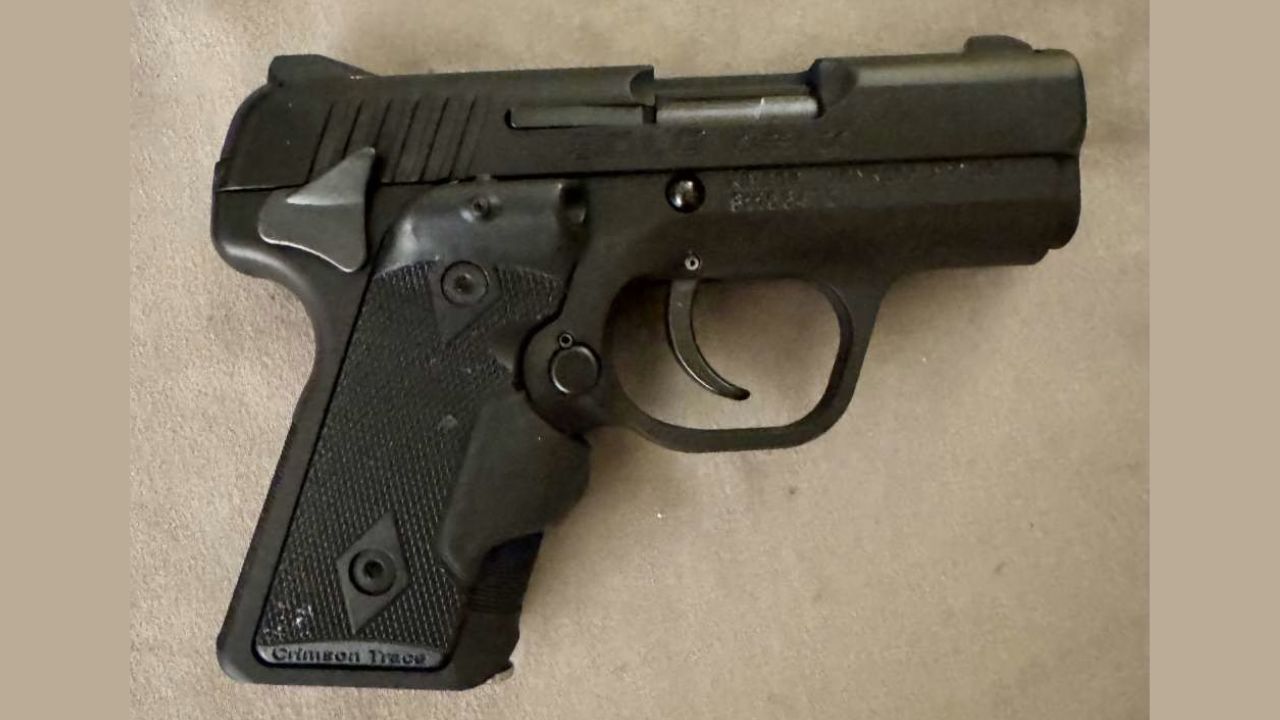
The Kimber Solo turned heads with its sleek design and premium branding, but accuracy issues plagued it from the start. The stiff recoil spring and finicky ammunition preferences made the gun hard to shoot consistently. Many shooters reported unreliable cycling paired with inconsistent point of impact, which only made accuracy worse.
Even when the pistol ran cleanly, groups were rarely impressive. The short grip and aggressive recoil for its size made controlled shots challenging. The Solo looked fantastic in photos, but its performance never matched the buzz that surrounded its release.
Remington R51

The first-generation Remington R51 launched with some of the biggest hype in modern handgun marketing, but accuracy failures quickly overshadowed everything else. Many shooters couldn’t get consistent groups because the hesitation lock system created unpredictable behavior under recoil.
The trigger didn’t help—it felt mushy and inconsistent from shot to shot. Even when the pistol functioned, the groups were broader than they should’ve been. While later versions improved, the original R51 remains one of the most overhyped, underperforming pistols in recent memory.
Beretta Nano

The Beretta Nano hit the market with strong branding and sleek styling, but accuracy complaints started almost immediately. The long, heavy trigger made slow fire difficult, and many shooters reported drifting groups even at close distances. The compact frame provides little forgiveness for inconsistent trigger pulls.
The lack of external controls and minimal grip texture also work against precise shooting. While the Nano functions well enough for basic carry, its accuracy issues kept it from ever reaching the level of praise it initially received. For many, it remains a pistol that didn’t live up to its early promises.
Springfield XD-S 3.3

The XD-S 3.3 gathered a lot of initial momentum because of its size and ergonomics, but accuracy inconsistencies held it back. Some shooters saw tight groups, while others struggled with vertical stringing or unpredictable impacts. That kind of inconsistency makes training frustrating.
The trigger, while improved over earlier XD models, still isn’t ideal for slow-fire work. It feels slightly vague, which matters when you’re trying to break a precise shot. The XD-S family has loyal fans, but the 3.3-inch variant never earned the accuracy reputation its early hype suggested.
Walther CCP (Original)

The original Walther CCP drew excitement because of its soft-shooting gas-delayed design, but accuracy was one of its shortcomings. The mushy trigger made precision work difficult, and many shooters struggled to keep groups tight. The pistol’s tendency toward mechanical variance only made things worse.
The early CCP models also had issues with heat buildup, which affected consistency as the gun warmed up. Later versions fixed most of these problems, but the first generation didn’t deliver the accuracy performance the marketing claimed.
Bersa Thunder 9 UC Pro
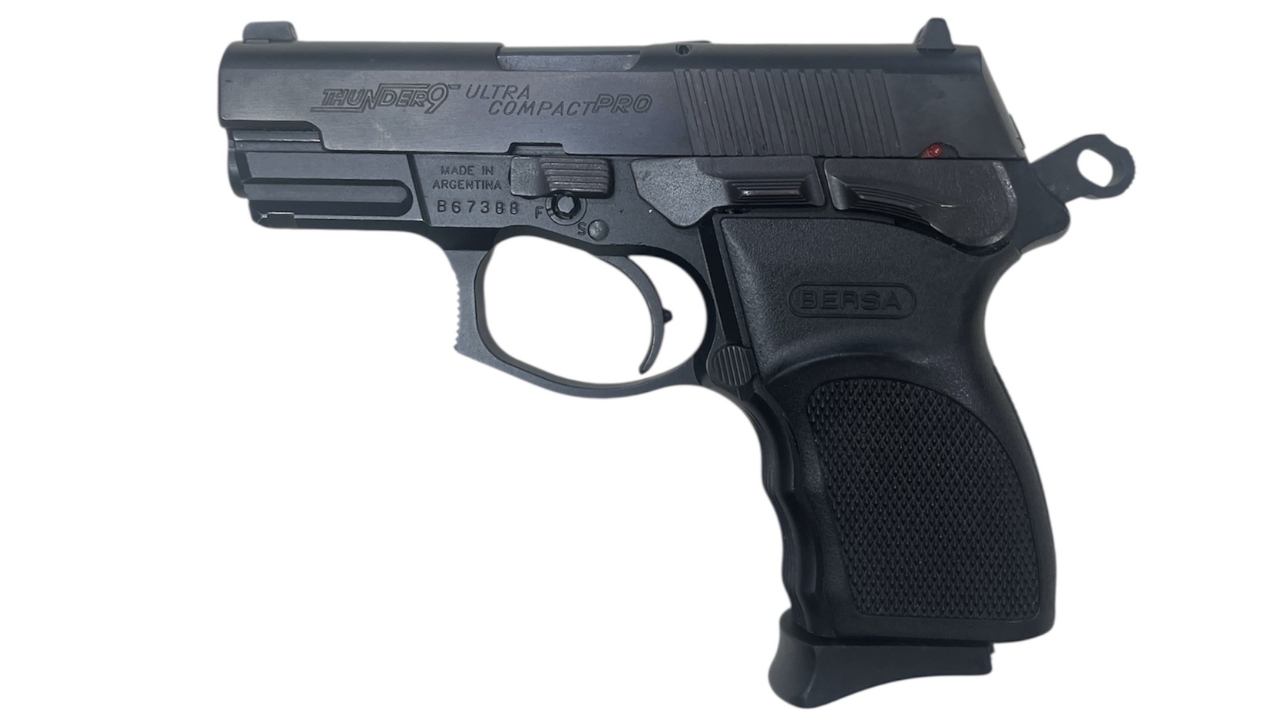
The Bersa Thunder 9 UC Pro earned a following because of its size and price, but accuracy wasn’t its strongest attribute. The DA/SA trigger has a heavy initial pull, making the first shot tough to keep centered. Follow-up shots are better, but the overall barrel fit still limits precision.
Some users also report sight drift and loose tolerances between slide and frame. The gun works well for basic defensive ranges, but once you extend your distance, the groups widen quickly. For all the hype it gets from budget-minded shooters, it doesn’t deliver the accuracy some expect.
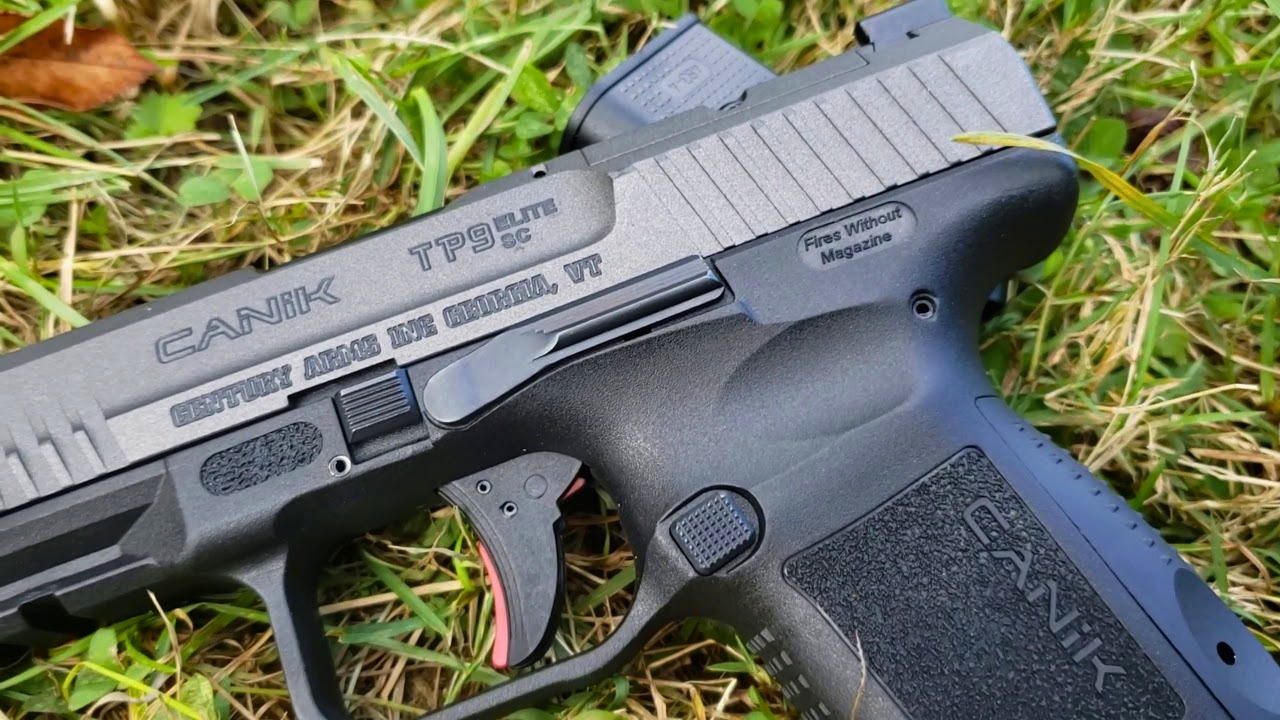
Canik TP9 Elite SC

The Canik TP9 Elite SC gets praised loudly online, often more loudly than it should. While it has one of the better triggers in its class, some shooters notice accuracy inconsistencies between ammunition types. At times, the pistol shows noticeable point-of-impact shifts with hotter loads.
The short barrel and compact grip can also magnify shooter error. While the gun is reliable and enjoyable to shoot, it doesn’t always deliver the accuracy people expect after hearing the hype. It’s a solid pistol—just not the tack-driver some claim it to be.
Mossberg MC1sc

The MC1sc launched with strong branding and plenty of media buzz, but accuracy issues quickly surfaced among everyday shooters. The trigger feels hollow and vague, which is tough when trying to shoot clean groups. Some examples show noticeable muzzle flip that disrupts steady strings.
The short sight radius doesn’t help, and the barrel fit on some early units wasn’t as tight as it needed to be. While the MC1sc functions reliably for many owners, its accuracy reputation lags behind other compact 9mm pistols. It’s a prime example of a gun that had all the hype and not enough consistency when the shooting started.
Like The Avid Outdoorsman’s content? Be sure to follow us.
Here’s more from us:
The worst deer rifles money can buy
Sidearms That Belong in the Safe — Not Your Belt
*This article was developed with AI-powered tools and has been carefully reviewed by our editors.