Photo credit: SvetlanaSF/Shutterstock.com
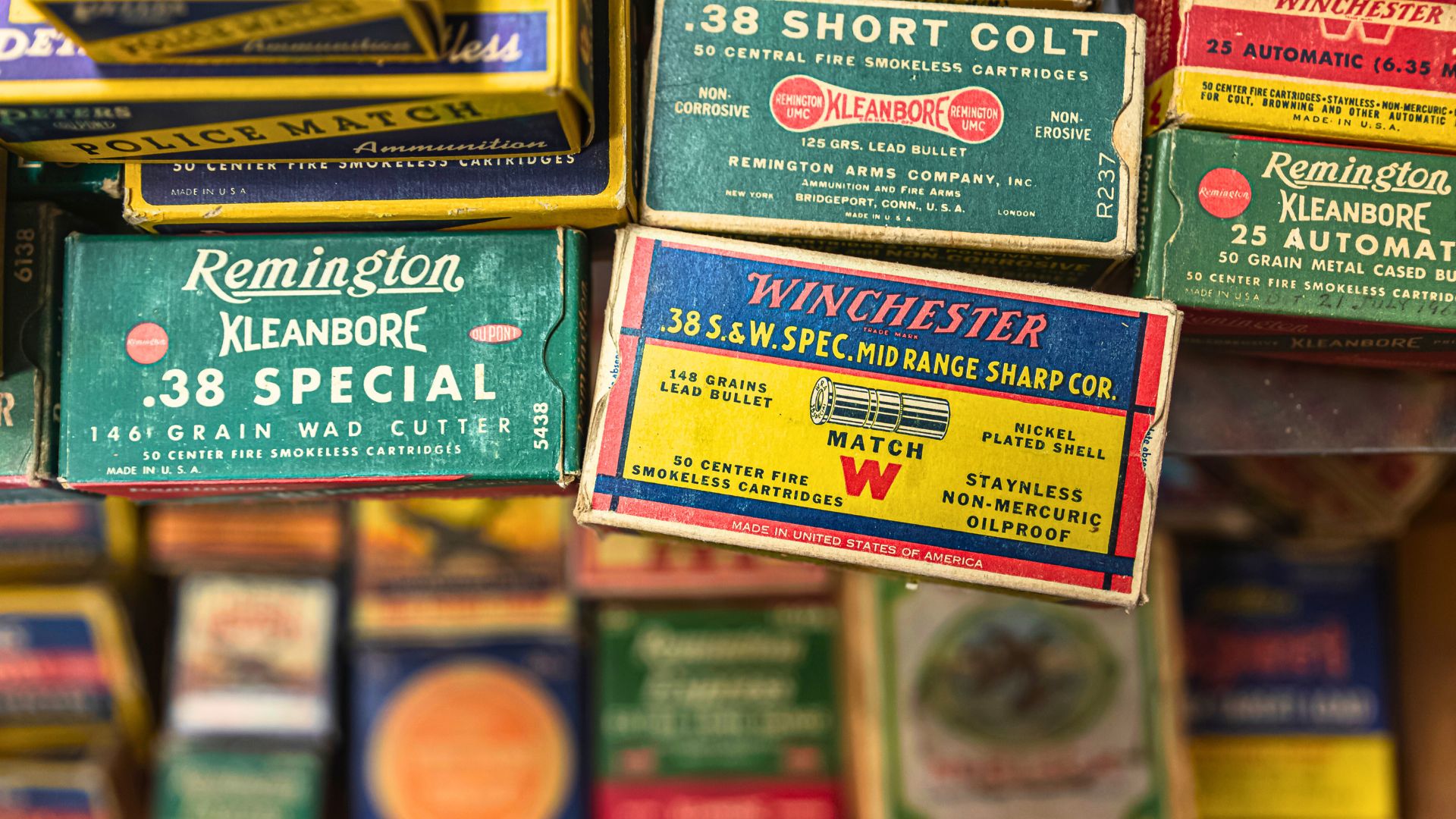
You know the feeling: you’re standing in a small-town shop or scrolling a dusty shelf at a big retailer, and there’s a stack of ammo you haven’t seen in forever. Not “rare because it’s trendy,” but rare because it’s tied to older rifles, niche hunters, or cartridges that never went fully mainstream. Most folks shrug and walk past it because it isn’t the hot new thing and the box price looks a little steep compared to the piles of 9mm or .308. Then deer season rolls around, or you finally drag that old rifle out of the safe, and you remember why those cartridges matter—because when they’re right, they’re really right, and when they’re gone, you can’t just grab more next week.
The trick is knowing which hard-to-find cartridges are actually worth buying when you see them, and which ones are just nostalgia bait. “Worth it” means you can realistically use it, or it keeps your rifle viable for years, or it gives you a hunting performance lane that’s hard to replace without changing guns. It also means you have a plan: the right bullet style for your distances, enough of the same load to re-zero and confirm, and storage that doesn’t turn your lucky find into a box of corrosion. This isn’t about hoarding. It’s about keeping good rifles and good hunting setups alive in a world where shelf space always goes to the highest-volume sellers.
When a cartridge is tied to a classic deer rifle, ammo becomes “rifle insurance”
Some cartridges are worth buying because they keep a specific rifle relevant, and that rifle might be the one you trust most in nasty weather or thick woods. Think about the older lever guns and classic short-action hunting rifles that were built around cartridges like .35 Remington or .300 Savage. Those rounds aren’t “better on paper” than the modern standards, but they do honest work at real deer distances—40 yards in brush, 120 in timber lanes, maybe 180 across a cut—without asking for fancy optics or perfect conditions. When you stumble across a couple boxes, you’re not just buying ammo, you’re buying years of usability for a rifle that might already be sighted in, already proven, and already familiar in your hands when you’re wearing gloves and your shoulders are tight from cold.
If you own one of those rifles, treat the ammo you find like a maintenance item, not a one-off novelty purchase. Buy enough to confirm zero from a cold barrel, shoot a few from field rests, and still have hunting ammo left that matches the same load and bullet construction. A soft-point that behaves predictably at modest velocities is often the smart play here, because these cartridges usually live in the 150-yard world where reliable expansion and straight-line penetration matter more than high-BC fantasy. And once you buy it, store it like you mean it: cool, dry, sealed, and labeled by load so you don’t mix lots and wonder why your point of impact shifted on the first crisp morning of November.
The “quiet winners” are often mild recoilers that make you shoot better than you expect
A lot of hard-to-find cartridges earn their keep because they’re easy to shoot well, and that’s the part hunters forget when they get caught up in velocity talk. Rounds like .257 Roberts or 7mm-08-sized performance in older or less common chamberings have a way of turning average shooters into better shooters, because recoil doesn’t bully you into flinching and you can actually practice without dreading the next shot. When you see those boxes, what you’re buying is opportunity: more reps, more confidence, and cleaner shot placement when a deer steps out and you don’t have a benchrest under your elbow. In the real world, a cartridge that keeps you calm under pressure is a cartridge that “hits harder” in the only way that matters—better hits, faster follow-ups, and fewer bad decisions.
The reason these get ignored is simple economics. Manufacturers prioritize what sells in huge volume, and mild, older cartridges don’t always win the marketing contest. But if you hunt whitetails in the 60–250 yard lane, these rounds can be a perfect fit when paired with a sane hunting bullet. Look for loads that are built to hold together if you clip shoulder, not fragile varmint-style options that can turn a close-range hit into a shallow mess. If you reload, these cartridges are even more worth grabbing because factory ammo can be your source of brass for years. If you don’t reload, the rule is still the same: buy enough of one load to keep your zero consistent, because bouncing between different bullet weights and constructions is how people convince themselves a rifle “lost accuracy” when it’s really just shifting point of impact.
European classics are worth snagging because they deliver modern results without modern drama
Cartridges like 6.5×55 and 7×57 are hard to find in some regions, but when you see them, they’re often worth buying for one big reason: they’re inherently practical hunting rounds with a wide comfort zone. They tend to run moderate pressures and moderate velocities with long-for-caliber bullets, and that combination can penetrate extremely well on deer-sized game without beating you up. In real use, that means a rifle you can carry all day, shoot accurately from awkward positions, and still trust when the shot is quartering and you need the bullet to keep driving after it meets rib and a bit of shoulder. They also tend to be accurate in the rifles that chamber them, especially older sporters that were built with care, and a cartridge that encourages confidence tends to get carried more—and carried rifles kill more deer.
There’s one important caveat that keeps this technically honest: some older rifles in these chamberings may not be intended for the hottest modern loads. That’s not a scare tactic, it’s a reality of action strength, headspace, and how different eras were built. The smart move is to buy reputable factory ammo, stick to standard hunting loads, and avoid chasing “max velocity” claims unless you truly understand your rifle’s condition and what it was designed around. If you do that, these rounds can be incredibly consistent in the field. They don’t need gimmicks to work; they just need decent bullets and a hunter who knows his holds at 100, 200, and whatever the far edge of his comfort zone really is on a cold barrel.
The oddball woods thumpers are worth it when your hunting is close, fast, and messy
Some cartridges are worth buying precisely because they aren’t trying to be everything. Rounds like .35 Remington sit in a lane where the job is straightforward: put a solid bullet through vitals at woods ranges and leave a trackable trail when the deer runs into ugly cover. That kind of hunting doesn’t reward a laser-flat trajectory nearly as much as it rewards momentum, straight-line penetration, and bullet behavior that stays predictable when things aren’t perfect. When you find these loads, you’re buying a tool for the kind of season most people actually live—wet leaves, tight lanes, quick shots, and animals that rarely pose broadside on a sunny range berm.
What makes these cartridges “worth it” is how they fit real rifles and real habits. The guns are usually handy, quick to shoulder, and comfortable to carry, which means you’re more likely to have them in your hands when a deer surprises you at 35 yards. The ammo is harder to find, yes, but that’s exactly why you buy it when you see it. If you hunt with one of these setups, it’s smart to keep a small reserve of your chosen load—enough to verify zero each year and still hunt with the same bullet. Consistency matters more in this lane than people admit, because short-range hunting often involves shooting from odd rests and odd angles, and the last thing you need is a surprise shift in point of impact because you grabbed a different load at the last minute.
Sometimes the “worth buying” part is really about brass and long-term support, not this season
Hard-to-find cartridges become truly valuable when you treat them as a long-term supply problem, not a weekend shopping opportunity. If you reload, factory ammo can be a brass source that keeps a rare rifle alive long after shelves go bare, and that’s where buying a couple boxes can be smarter than buying a new rifle you don’t actually need. Even if you don’t reload today, you might later, or you might trade brass to someone who does. That’s not hoarding; it’s recognizing that certain chamberings are only “dead” because people can’t feed them conveniently, not because they stopped working on game. A cartridge doesn’t become ineffective because it’s uncommon—it becomes inconvenient, and inconvenience is what pushes people away.
This is also where quality matters. When you do find uncommon ammo, it’s worth paying attention to who loaded it and what bullet is in it. Ammo from a reputable maker like Hornady, Winchester, Remington, Federal Premium, Nosler, or Barnes is usually a safer bet than mystery boxes with unknown storage history, because you’re trying to reduce variables, not add them. The goal is to end up with ammo you can trust across temperature swings and normal hunting wear, not ammo that makes you wonder if the powder has absorbed moisture or if the primers have been compromised by years in a damp garage.
How to buy smart when you spot rare ammo, without turning it into a junk drawer project
When you see a scarce cartridge, the first question is simple: do you actually have the rifle, or do you have a realistic plan to get it? Buying random rare ammo “because it’s rare” is how guys end up with closets full of calibers they don’t shoot. The second question is practical: is it a load you’d hunt with, or is it a specialty load that doesn’t match your needs? For deer hunting, you generally want controlled expansion and enough penetration to handle ribs and modest shoulder, not explosive performance meant for varmints. For older rifles, you want standard-pressure, sane loads, because reliability and repeatability matter more than chasing the last 100 feet per second. And you want enough of the same load to actually use it: one box is a curiosity, two or three boxes can be a season plus a confirmation plan.
Once you buy it, treat storage like part of the purchase. Put the boxes in a sealed ammo can with a simple desiccant pack, label the can with cartridge and load, and keep it somewhere cool and stable—not a truck toolbox that bakes all summer and freezes all winter. Temperature cycling and humidity are what turn good ammo into questionable ammo over time. And if you’re building a small reserve, rotate it: shoot a box occasionally, replace it when you find more, and keep your “known good” lot consistent for hunting. Scarce cartridges are worth buying when you see them because they keep great rifles and proven hunting setups alive, but they only stay “worth it” if you handle them with the same seriousness you expect from them in the field.
Like The Avid Outdoorsman’s content? Subscribe to our newsletter so you never miss an article.
Here’s more from us: