Photo credit: 704 TACTICAL/YouTube
Some pistols get respect because they were marketed well, showed up in the right movie, or landed in people’s holsters at the right moment. Others had to earn it the slow way. They had to run through years of carry, qualification, classes, rough handling, police service, military use, cold weather, bad magazines, indifferent maintenance, and thousands of rounds in the hands of people who were not interested in excuses. That kind of respect is worth more because it was not handed out cheaply.
The pistols here built their reputations the hard way. They proved themselves over time, often long before social media started flattening every gun discussion into the same recycled opinions. Some are still common, some are a little less fashionable now, and a few have been pushed aside by newer designs. But the respect never really left, because once a pistol proves itself that thoroughly, people tend to remember. These are the pistols that earned respect the hard way and never gave it back.
Glock 19

The Glock 19 earned its standing by doing one thing over and over in the real world: making sense. It was not the prettiest pistol, and it never needed some dramatic personality to sell itself. It was the gun people kept finding workable for carry, home defense, training, and duty-adjacent use without feeling like they had made a compromise in every direction. Plenty of pistols are good in one lane. The Glock 19 became respected because it kept doing enough of everything without turning into a burden anywhere.
That respect hardened over time because the gun proved easy to live with. It ran dirty, handled abuse, took support gear well, and stayed simple enough that shooters could spend their time learning the gun instead of managing the gun. That is a big reason it never really lost ground in people’s minds. Even when newer pistols started offering more capacity, more texture, or better stock sights, the Glock 19 still had that same hard-earned reputation for being one of the least dramatic serious pistols a person could own.
SIG Sauer P226
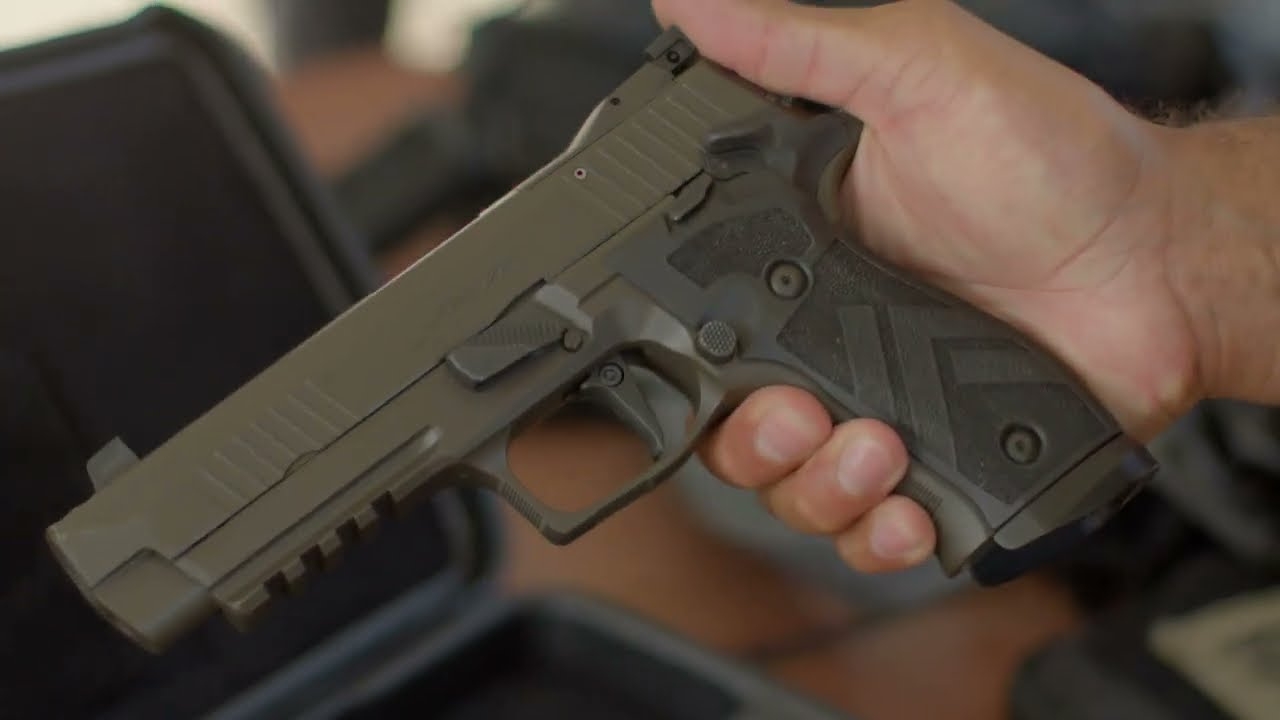
The P226 earned respect the old-fashioned way by surviving serious use in serious hands for a very long time. It was not a bargain gun, and it was never meant to win people over through simplicity alone. It had to prove that the added size, weight, and DA/SA system were worth learning and worth carrying. For a lot of shooters, agencies, and units, it did exactly that. The pistol developed a reputation for accuracy, durability, and composure under hard use that did not depend on trends.
That matters because the P226 was respected by people who actually had to perform with it, not just admire it. It built trust through range time, qualifications, duty use, and repetition, and that kind of trust tends to age well. Even now, when lighter polymer options dominate most conversations, the P226 still gets immediate credibility from experienced shooters. That is not nostalgia. That is what happens when a pistol spends decades proving it can keep up with people who push their equipment hard and expect very little sympathy when it fails.
Beretta 92FS

The Beretta 92FS earned its reputation by staying in front of shooters long enough for the truth to come out. If it had been weak, awkward beyond saving, or unreliable, years of service and range time would have exposed it brutally. Instead, the pistol built loyalty through soft recoil, solid accuracy, and a kind of smoothness that people often appreciate more after they have shot rougher handguns for a while. It is a big pistol, yes, but it earned real respect by being shootable and dependable when it counted.
What kept that respect intact was how often the 92FS performed better in actual use than its critics expected. People would complain about the size, the slide-mounted safety, or the overall profile, then go shoot one well and leave with a different tone. That happened for years. It became one of those pistols that won arguments not through internet myth, but through actual range sessions. When a gun survives that many chances to disappoint and keeps coming out respected, the reputation becomes hard to shake.
Smith & Wesson Model 5906
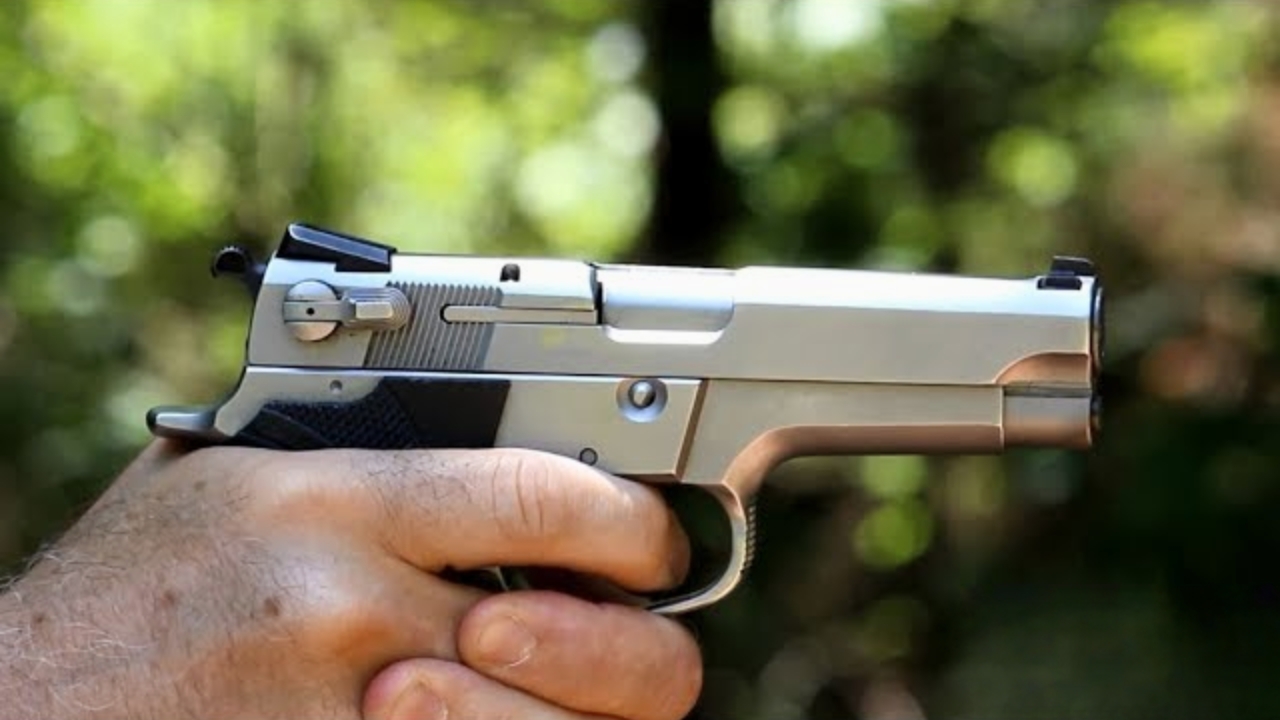
The 5906 earned respect in the era when duty pistols had to feel like tools before they felt like accessories. It was heavy, all stainless, and not especially interested in charm. But that was part of the appeal. The gun developed a reputation for being durable, reliable, and steady in a way that inspired confidence from officers and shooters who valued toughness over fashion. It was not trying to be sleek. It was trying to keep working, and that goal came through clearly every time one got used hard.
That kind of pistol does not build respect overnight. The 5906 got there by staying trustworthy in holsters, patrol cars, lockers, and on ranges where guns were judged by what happened after thousands of rounds, not by what looked best in a display case. People still respect it because it came from a time when service pistols had to prove they could absorb punishment without becoming delicate or temperamental. The gun may feel old-school now, but respect built that honestly tends to stick around a long time.
CZ 75 BD

The CZ 75 BD earned its respect in a quieter way than some of the bigger service names, but that almost makes the reputation stronger. It was one of those pistols shooters often discovered rather than inherited from the culture. Once they spent time with one, the accuracy, balance, and natural pointing qualities did a lot of the talking. The pistol did not need to dominate headlines to earn loyalty. It simply kept impressing people who actually ran it and realized how well sorted the platform felt in the hand.
That respect deepened because the gun did not fall apart once expectations rose. Plenty of pistols feel impressive at first, then reveal tradeoffs the longer you own them. The CZ 75 family tended to do the opposite. The more people shot them, the more the design made sense. That is a big reason the respect never left. It was not manufactured by hype. It was built by shooters realizing, often with some surprise, that the pistol really was as capable and shootable as its quiet fans claimed.
Browning Hi-Power

The Hi-Power earned its respect by staying relevant across generations of serious use. It did not become admired because it was exotic or because it had to be rescued by modern marketing. It became respected because it offered excellent handling, solid capacity for its time, and the kind of pointability that made people shoot it well. Soldiers, police, and armed professionals across different countries spent real time with the platform, and that broad record gave its reputation real weight instead of nostalgia fluff.
What makes the respect feel permanent is that the Hi-Power still teaches the same lesson when you shoot a good one today. The grip feels right, the gun points naturally, and you can still understand why so many people stayed loyal to it for so long. Yes, newer pistols surpass it in some areas, but that does not undo what it earned. The respect remains because the Hi-Power was not just important historically. It was genuinely good enough to keep winning people over whenever they spent enough honest time behind it.
1911 Government Model

The 1911 earned respect in the harshest possible way: by surviving generations of scrutiny. Few pistols have been praised, criticized, copied, improved, misbuilt, customized, abused, and retested as much as the 1911. If the design had not brought real value to the table, it would have collapsed under the weight of all that attention. Instead, it kept building respect through shootability, trigger quality, practical accuracy, and a feel in the hand that still makes many newer designs seem clumsy by comparison.
That does not mean every 1911 deserves blind admiration. It means the platform as a whole earned its standing through repeated proof, not empty mythology. Serious shooters kept returning to it because when the gun is built right and fed right, it delivers a shooting experience that is still hard to dismiss. That reputation was not preserved by sentiment alone. It was reinforced every time somebody ran a good one and remembered why the design still holds so much gravity. Respect that survives that many decades is respect that was never cheaply earned.
SIG Sauer P220

The P220 earned respect by being the sort of pistol people trusted once they had actually lived with it. It was not the highest-capacity answer, and it was not the lightest thing on the belt, but it developed a real following among shooters who valued accuracy, reliability, and a .45 that felt more disciplined than dramatic. The pistol gained credibility because it kept shooting well, carrying its weight honestly, and avoiding the kind of nonsense that ruins confidence in a serious sidearm.
A lot of the P220’s respect came from how composed it felt in use. It was not trying to overwhelm the shooter with recoil or personality. It just worked, and it often shot better than people expected. That matters in a .45, where the line between reputation and real performance can get blurry fast. The P220 stayed respected because it felt like a grown-up pistol in the best sense. It was solid, accurate, and dependable in a way that made people trust it more the longer they spent with it.
Heckler & Koch USP Compact

The USP Compact earned respect because it was built for people who wanted a pistol to work first and impress later. It came from a family of guns known for durability, and the compact version managed to keep much of that seriousness while trimming the size into something more carry-friendly. That was not an easy balance to hit. Plenty of compact pistols ask you to give up too much shootability, too much durability, or too much confidence. The USP Compact built its name by avoiding that trap better than most.
Its respect stuck because owners kept seeing the same thing over time: it was tough, reliable, and more capable than its plain looks suggested. It did not need to win beauty contests or dominate every recommendation thread. People who used one hard usually came away speaking about it with a certain tone, the kind that comes from a pistol proving itself instead of begging for approval. That tone has never really disappeared. The USP Compact still gets respect because it earned it from people who cared more about function than excitement.
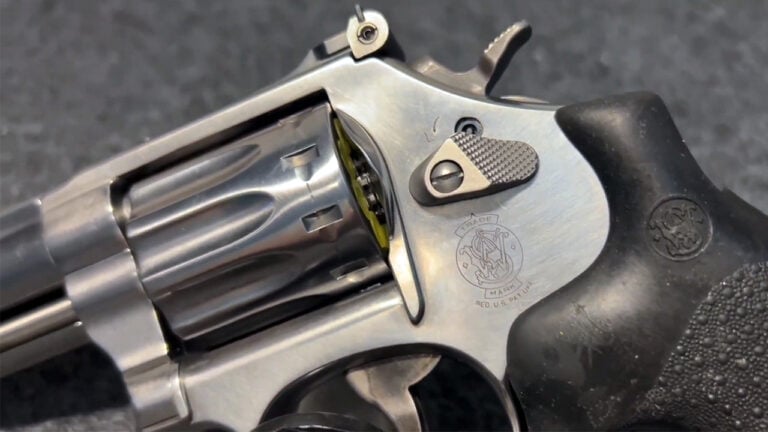
Smith & Wesson Model 686

The 686 earned respect by showing that a revolver could still be serious, durable, and broadly useful even as the handgun world kept shifting toward semi-autos. It was not fragile, and it was not built to be admired from across the room. It was built to absorb real use with magnum loads while still giving the shooter enough control to actually want to practice. That balance helped it win over law enforcement, revolver enthusiasts, and regular shooters who wanted a .357 that felt substantial without feeling miserable.
That respect never really went away because the 686 keeps delivering the same lessons every time somebody shoots one honestly. The weight helps, the trigger can be excellent, and the gun usually feels more capable than modern shooters expect if they have spent too much time thinking revolvers are purely nostalgic objects. It earned its place because it was not some delicate collector piece. It was a working revolver that people trusted. When a handgun proves itself in that practical, repeatable way, the respect tends to hold for life.
Ruger GP100

The GP100 earned respect because it never tried to charm its way into the conversation. It was respected because people realized they could shoot it hard, feed it real magnum loads, and keep expecting it to stay together. That matters. A lot of revolvers look good in a display case. Fewer earn a reputation for being the one you buy when you actually plan to use the thing a lot. The GP100 developed exactly that identity, and it did so by staying rugged in ways owners could feel.
That hard-earned trust is why shooters still talk about the GP100 with such plain confidence. It is not always the prettiest .357, and it is not the most graceful one either. But it built respect through toughness, controllability, and the sense that it was made for honest work instead of gentle admiration. That kind of reputation holds up well because it is tied to lived experience. Shooters did not keep respecting the GP100 because somebody told them to. They respected it because the gun gave them no real reason not to.
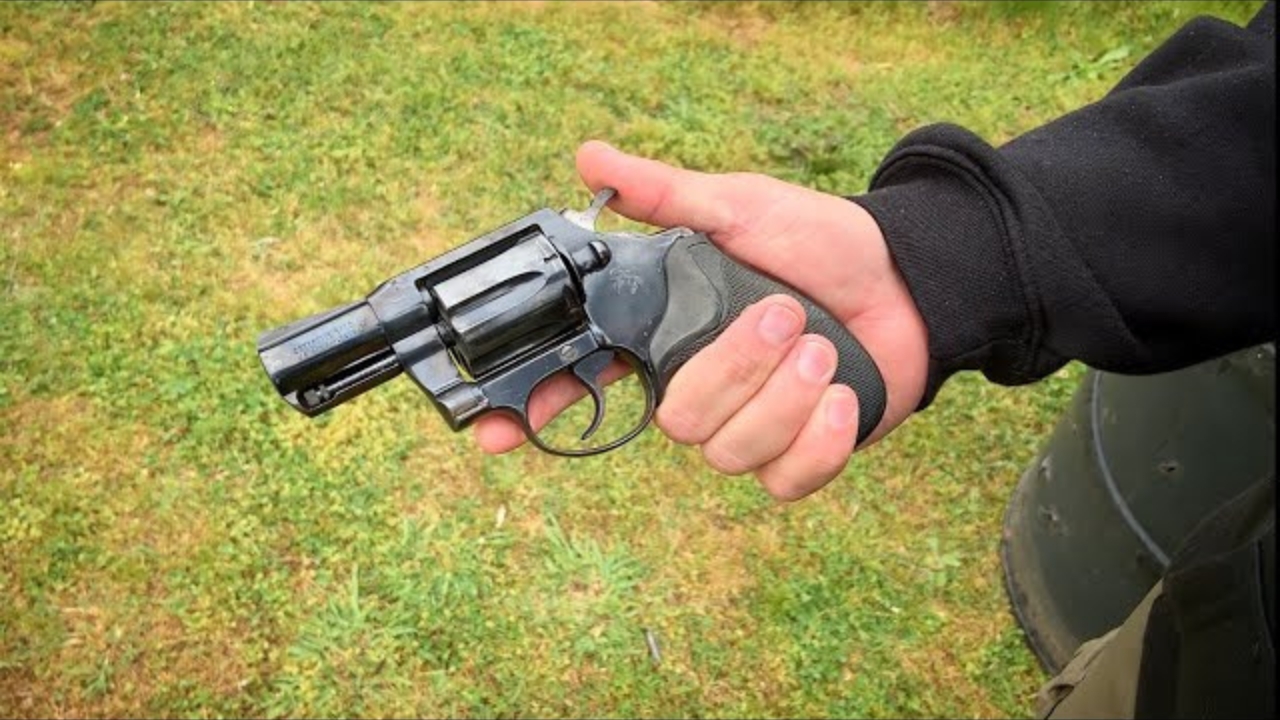
Colt Detective Special

The Detective Special earned respect long before small carry guns became their own full-blown cultural obsession. It proved there was real value in a compact revolver that still gave you six rounds and a form factor people could actually carry. That mattered in the real world. It was a practical gun that solved practical problems, and it did it in the hands of detectives, plainclothes carriers, and everyday owners who judged a weapon by whether it could be trusted when nothing else about the moment felt calm.
What keeps the respect alive is that the Detective Special still feels like a smart design, not just an old one. It carries well, points naturally, and reminds you that compact defensive handguns do not have to feel disposable to be useful. The little Colt earned its place by being more than a novelty and more than a backup. It became one of those rare handguns that people trusted because it kept making sense in real life, and once a pistol earns that kind of trust, it is hard to push it aside completely.
Ruger Mark II
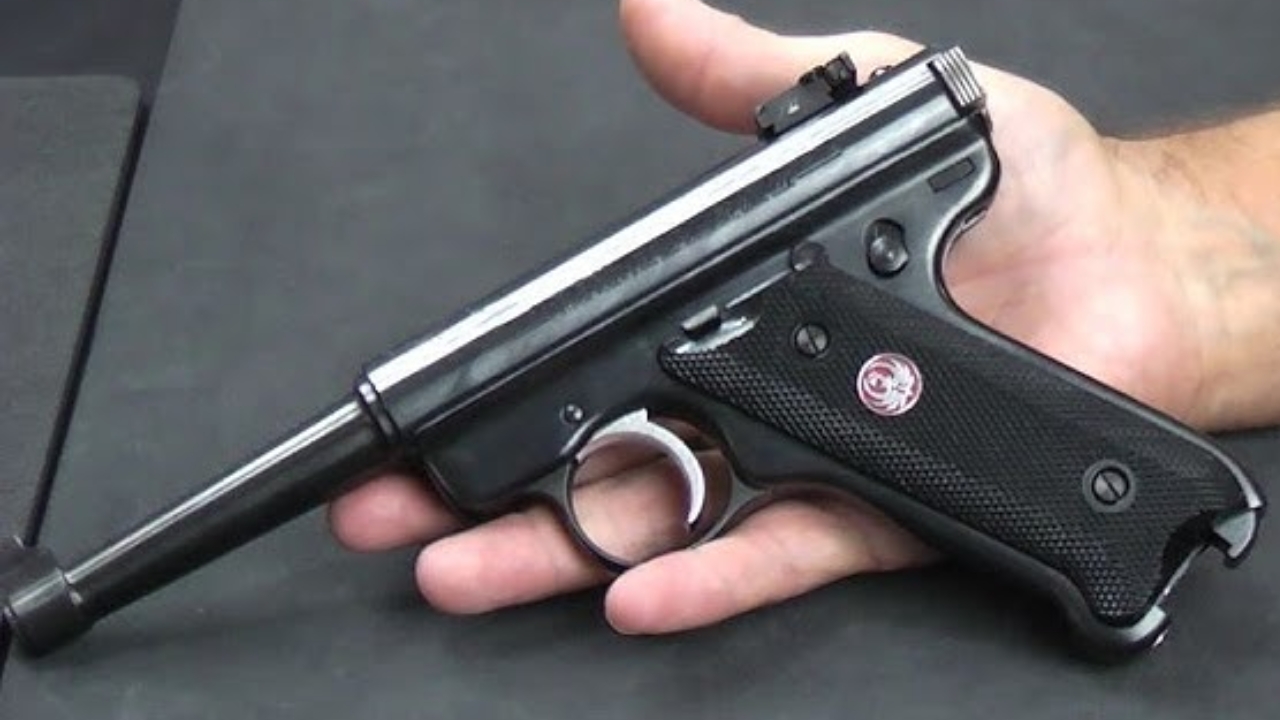
The Ruger Mark II earned respect through repetition, plain and simple. It was the sort of .22 pistol people actually shot, and shot a lot. That matters more than a polished reputation ever could. The gun developed credibility because it proved accurate, durable, and worth dragging to the range again and again without feeling cheap or fragile. A rimfire earns respect differently than a service pistol does, but it still has to earn it. The Mark II did that by staying useful and dependable for serious practice and plain enjoyment.
That respect held because the pistol was more than fun. It became a training tool, a field companion, a plinker, and a standard by which many other rimfires got judged. Shooters learned fundamentals on them, kept them for decades, and often found that the gun’s value only grew the more time they spent with it. That is the kind of respect no trend can fake. The Mark II was never just popular. It became a trusted part of people’s actual shooting lives, and that is a much harder thing to win.
Smith & Wesson Model 10

The Model 10 earned respect one holster at a time. It did not need a dramatic origin story or some aura of elite use to become trusted. It became respected because it was carried, qualified with, trained with, and depended on by an enormous number of people for a very long time. That sort of widespread real-world use exposes weaknesses fast. Instead of collapsing under that pressure, the Model 10 built one of the steadiest reputations any revolver ever had.
That reputation never really left because the reasons for it were so grounded. The gun was simple, reliable, and shootable enough that people learned to trust it deeply. Even now, when people handle a good Model 10, the design still makes immediate sense. It points well, the balance feels right, and the whole revolver reflects a kind of practical competence that is hard not to respect. It did not earn admiration through romance first. It earned it through service, familiarity, and the kind of consistency shooters never forget.
Glock 17
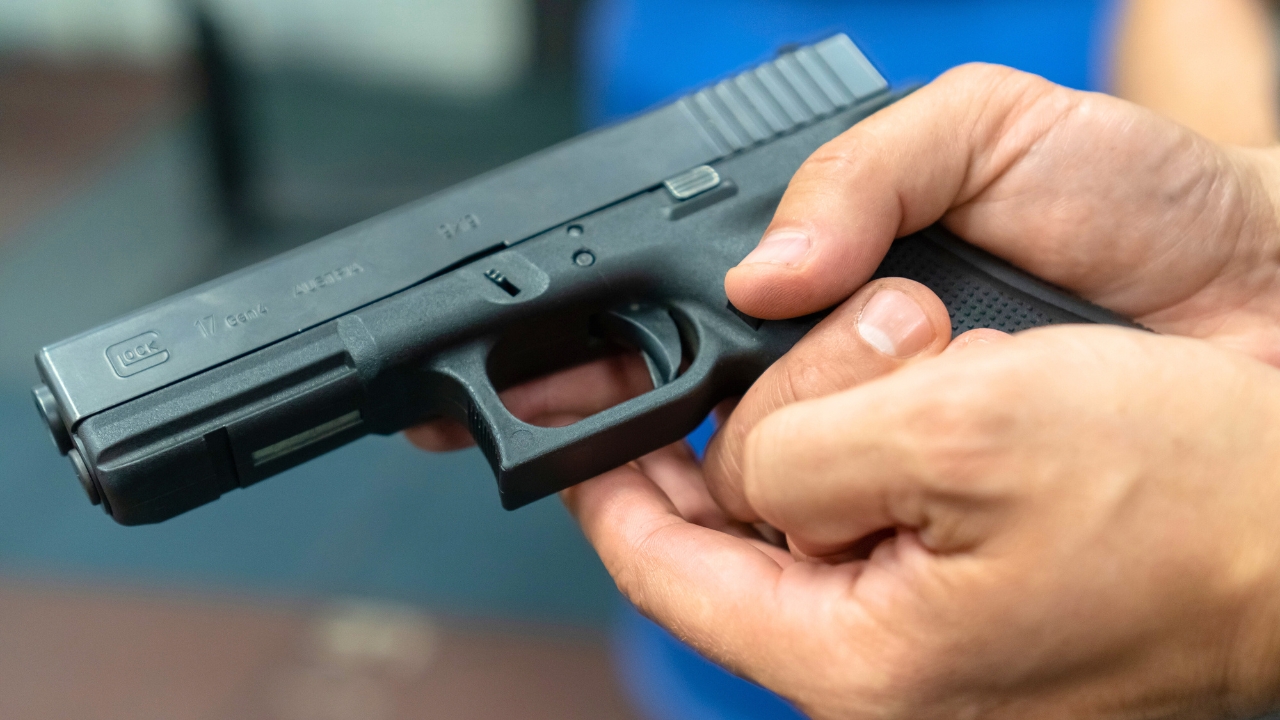
The Glock 17 earned respect the hard way because it had to overcome skepticism before it became the standard answer for so many people. Polymer sounded cheap to some shooters at first. The trigger system looked strange. The styling did it no favors. But then the gun kept running. It kept surviving hard use, high round counts, rough treatment, and environments that punish weaker designs. Over time, that repeated proof mattered more than everybody’s early opinions, and the pistol built one of the hardest reputations in the modern handgun world.
What makes that respect feel permanent is that the Glock 17 did not just succeed in theory. It succeeded where failure would have been obvious. Duty use, training classes, agency adoption, and nonstop civilian use gave it more than enough chances to fall apart as a serious option, and it never really did. That does not mean it is perfect. It means the respect is rooted in evidence. Shooters may move to different models or different brands, but the Glock 17 still gets automatic credibility because it paid for that credibility in full.
SIG Sauer P365

The P365 is newer than many of the pistols on this list, but it still earned respect the hard way because the category it entered was brutally unforgiving. Small carry guns are easy to sell and hard to truly trust. They are often snappy, compromised, or not especially enjoyable to practice with, which means they live and die by whether people actually stick with them. The P365 earned its place by changing what shooters expected a small carry pistol to do. It offered real capacity in a genuinely compact package without feeling like a joke on the range.
That respect stuck because the pistol kept showing up in actual carry lives, not just spec-sheet debates. People carried it daily, trained with it, and found that it often made sense in ways other small pistols did not. Yes, the platform had to work through early scrutiny, and yes, the market responded with endless imitators. But the respect remained because the P365 forced the whole category forward through actual usefulness. A pistol earns lasting credibility when it changes people’s standards and then keeps surviving honest use afterward.
Like The Avid Outdoorsman’s content? Subscribe to our newsletter so you never miss an article.
Here’s more from us: