Photo credit: NewLibertyFirearmsLLC/GunBroker
In the gun world, “recall” isn’t always a clean, standardized thing like it is with cars. A lot of companies use terms like safety bulletin, upgrade program, retrofit, or return-and-replace instead of a traditional consumer recall system, and it’s on the owner to find out. There’s no universal, single federal consumer-safety process that treats firearms like toasters or cribs, so the burden lands on you to check serial numbers and read the fine print.
Below are guns that—based on how the issues were handled—left a lot of shooters feeling like, “Man, this should’ve been a simple recall,” even if the company framed it as an “upgrade” or a “bulletin.”
SIG Sauer P320 (the “voluntary upgrade” that felt like a recall)

SIG’s P320 voluntary upgrade program is a perfect example of how gun-industry language works. SIG called it a voluntary upgrade, offered it free, and laid out changes like a lighter trigger and additional internal revisions as part of the program. If you’re a normal gun owner, that reads like recall behavior—even if the company doesn’t want to call it one.
If you own an early P320 (pre-upgrade), don’t play games with it. Check your serial, see if it’s eligible, and get it updated. The important part isn’t winning an internet argument. The important part is having a pistol that’s been through the factory program and is set up the way the manufacturer says it should be. SIG has kept the program information and sign-up process public for years, which tells you it’s not a “nothing burger.”
CANiK TP9 series (Severe Duty Upgrade instead of “recall” language)
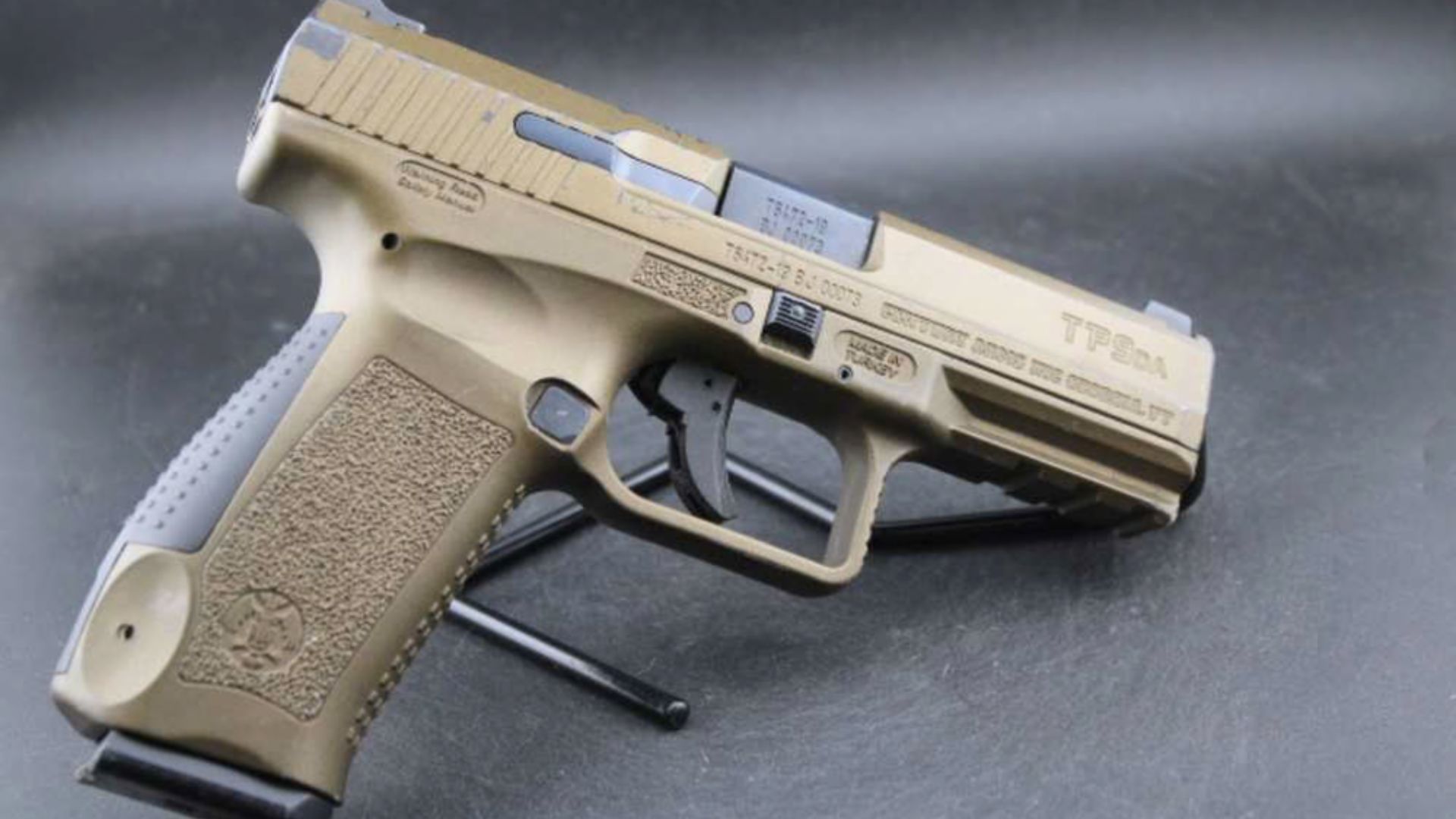
CANiK/Century put out what they called a “Severe Duty Upgrade” tied to abusive drop/impact conditions and spring durability, along with drop-discharge prevention improvements. Again: the language matters. It’s framed like an upgrade, but to a lot of owners it felt like something you’d want addressed before trusting the gun for hard use.
If you have a TP9 model covered by the program, it’s worth checking and doing the upgrade if you plan to run it hard or carry it. This isn’t about panic. It’s about being realistic: when a manufacturer offers a durability and drop-safety related update across a line, you don’t ignore that if you care about reliability. Take advantage of the program, then test the pistol with your carry ammo and your actual mags.
Ruger-57 (safety lever cracking bulletin)

Ruger issued a product safety announcement for certain Ruger-57 pistols involving right-side safety levers that may be prone to cracking and offered a process for owners to determine if their pistol is affected. That’s exactly the kind of thing most people expect to hear about as a recall—yet it lives under “announcements” and “bulletins.” Ruger+1
If you own a Ruger-57, don’t guess. Check the safety lever and go through Ruger’s process if your gun is in the affected range or you see anything suspicious. And don’t keep shooting it “until it breaks.” Small parts failures can turn into bigger problems fast, especially around controls. Ruger’s been clear that they want affected owners to contact them and get it handled. Ruger+1
Ruger Precision Rifle (bolt shroud / cocking piece interference bulletin)

Ruger’s Precision Rifle bulletin addresses a condition where the bolt shroud can potentially interfere with the cocking piece, and Ruger provided instructions and support for affected rifles. That’s not a cosmetic issue. It’s a functional interaction in the firing system—exactly the kind of thing that makes shooters nervous when it shows up in a “bulletin.”
If you run a Ruger Precision Rifle, especially for long-range work where consistency matters, take the bulletin seriously. Follow Ruger’s guidance to determine if your rifle is involved and get the fix done. Don’t “make it work” with homebrew filing or swapping random parts. If the factory is offering inspection/repair for a specific condition, let them own it. Your rifle should be boring, predictable, and safe—especially on a precision platform.
Ruger SR22 (retrofit tied to decocking / discharge conditions)
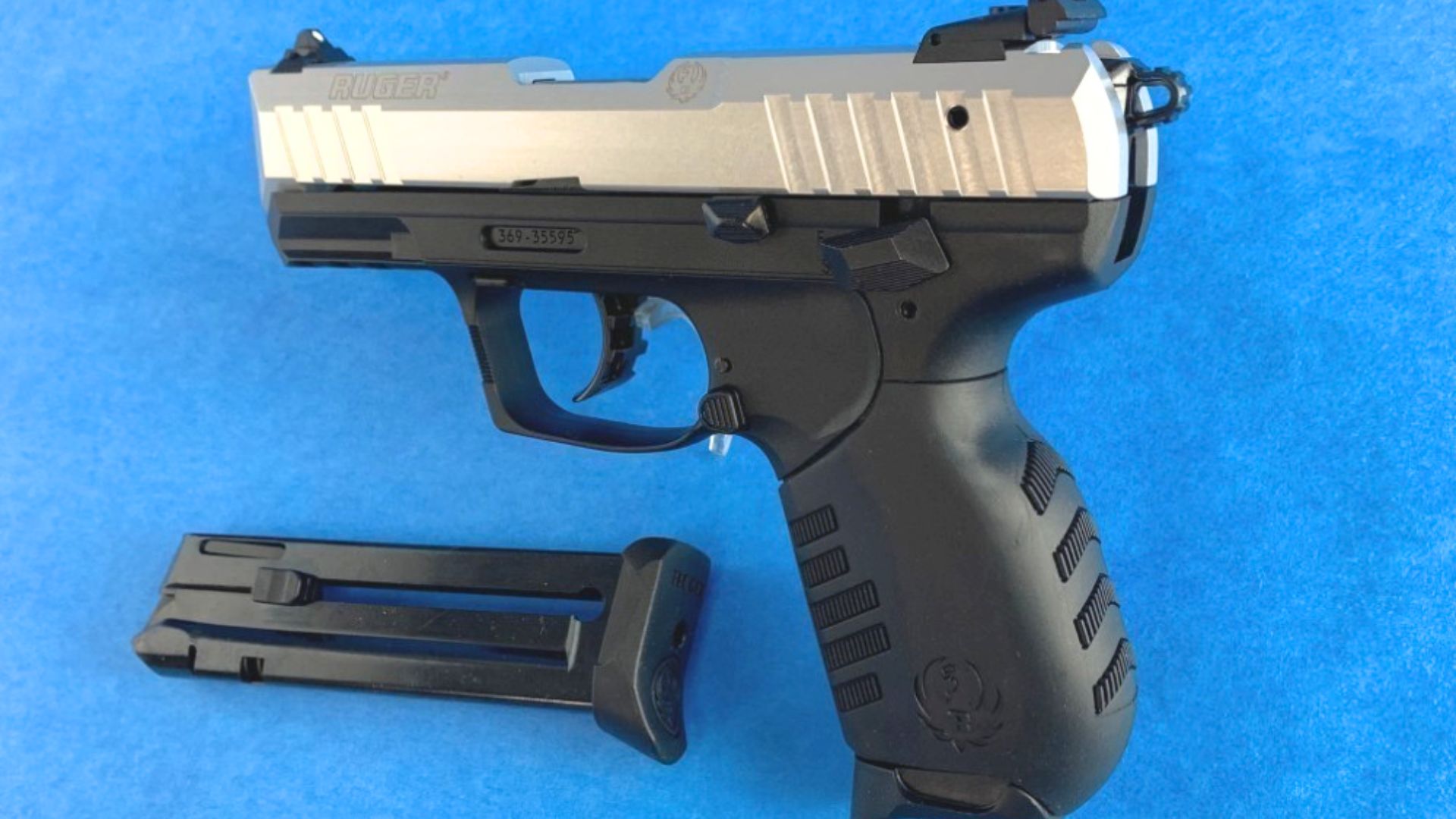
The SR22 safety bulletin is one that makes people’s eyebrows go up because it involves specific conditions where the pistol could discharge when decocking, and Ruger provided a retrofit path. It’s also tied to identifiable behavior like a slack single-action trigger condition in the described setup. That’s a “stop and address it” kind of bulletin, not a “file it away” kind of bulletin.
If you own an SR22 in the affected range or you’ve seen anything even close to the described behavior, don’t keep messing with it. Follow the retrofit process and let Ruger correct it. Rimfires get treated like toys sometimes, and that’s how bad habits start. A .22 can still hurt someone just as badly as anything else if it discharges when it shouldn’t. Handle it like a real firearm and get the retrofit done.
Ruger American Pistol 9mm (locking surface wear / slide crack retrofit)

Ruger issued a safety bulletin for certain Ruger American Pistols in 9mm involving premature wear in the slide/barrel locking surfaces that can lead to a crack near the ejection port if ignored, and Ruger set up a retrofit process. The company’s own wording makes it clear they want owners inspecting and signing up if there’s any doubt.
If you own one, inspect it the way Ruger describes and don’t talk yourself out of it. This is one of those “it’s fine until it isn’t” situations. If you see excess wear or cracking, stop using it and sign up. Even if you don’t see it, if your gun is in the group Ruger calls out, it’s smart to let the factory inspect and handle the retrofit. Slide cracking isn’t a problem you want to discover mid-range trip.
Ruger “Old Model” single-action revolvers (carry-5 + free safety conversion)
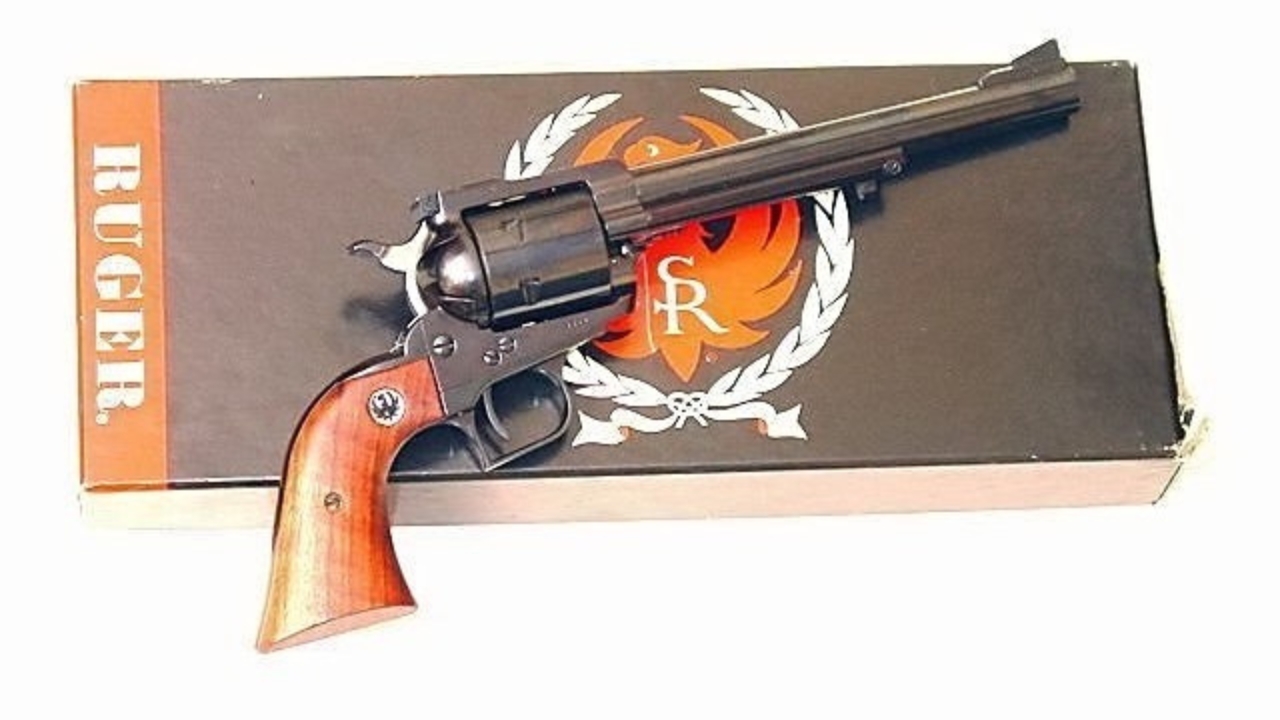
Old single-actions (pre-transfer bar) are the classic “this should’ve been handled more clearly” situation. Ruger has long advised that the safe way to carry old-style single-actions is with five loaded chambers and the hammer down on an empty chamber, and they’ve offered a safety conversion for certain older models. That’s a major design-era safety reality, and plenty of people still don’t know it.
If you’ve got an old Ruger single-action that hasn’t been converted, treat it like an old Colt-style system: don’t carry it with a live round under the hammer. If you want the conversion, use the factory pathway and document what you have. This is the kind of thing that doesn’t feel urgent… right up until someone bumps a hammer, drops a revolver, or gets sloppy around the truck. Old guns are cool. Old guns also demand old-gun discipline.
Taurus “Class Pistols” settlement models (repair/replace path that looked like a recall workaround)
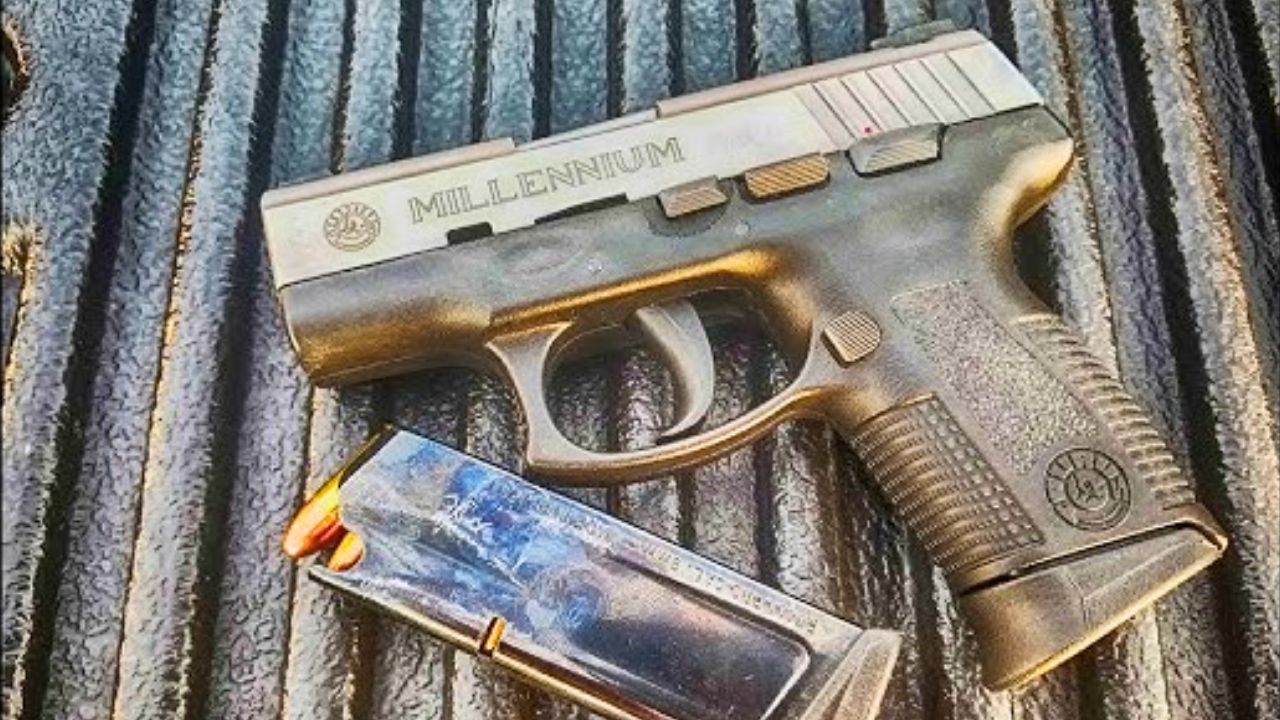
The Taurus class action settlement covered specific pistol models (PT-111 Millennium, PT-140 Millennium, PT-24/7 and others) and laid out options like return-for-payment (deadline-driven), plus an enhanced warranty process where Taurus would inspect at no cost and repair or replace under the settlement terms. That’s not a normal consumer experience. It’s a legal/administrative structure that, to many owners, felt like “recall behavior” without being called a recall.
If you own one of the listed models, don’t assume the internet remembers the details correctly. Go by the settlement documentation and Taurus’s current support guidance. Even if old deadlines have passed, the model list and the underlying concern still matter for how you treat the gun. If it’s a range toy, fine—run it carefully and pay attention. If it’s something you were counting on for defense, be honest about that risk and consider moving to a platform with a cleaner track record and clearer factory support.
Remington R51 (return-and-replace after launch issues)
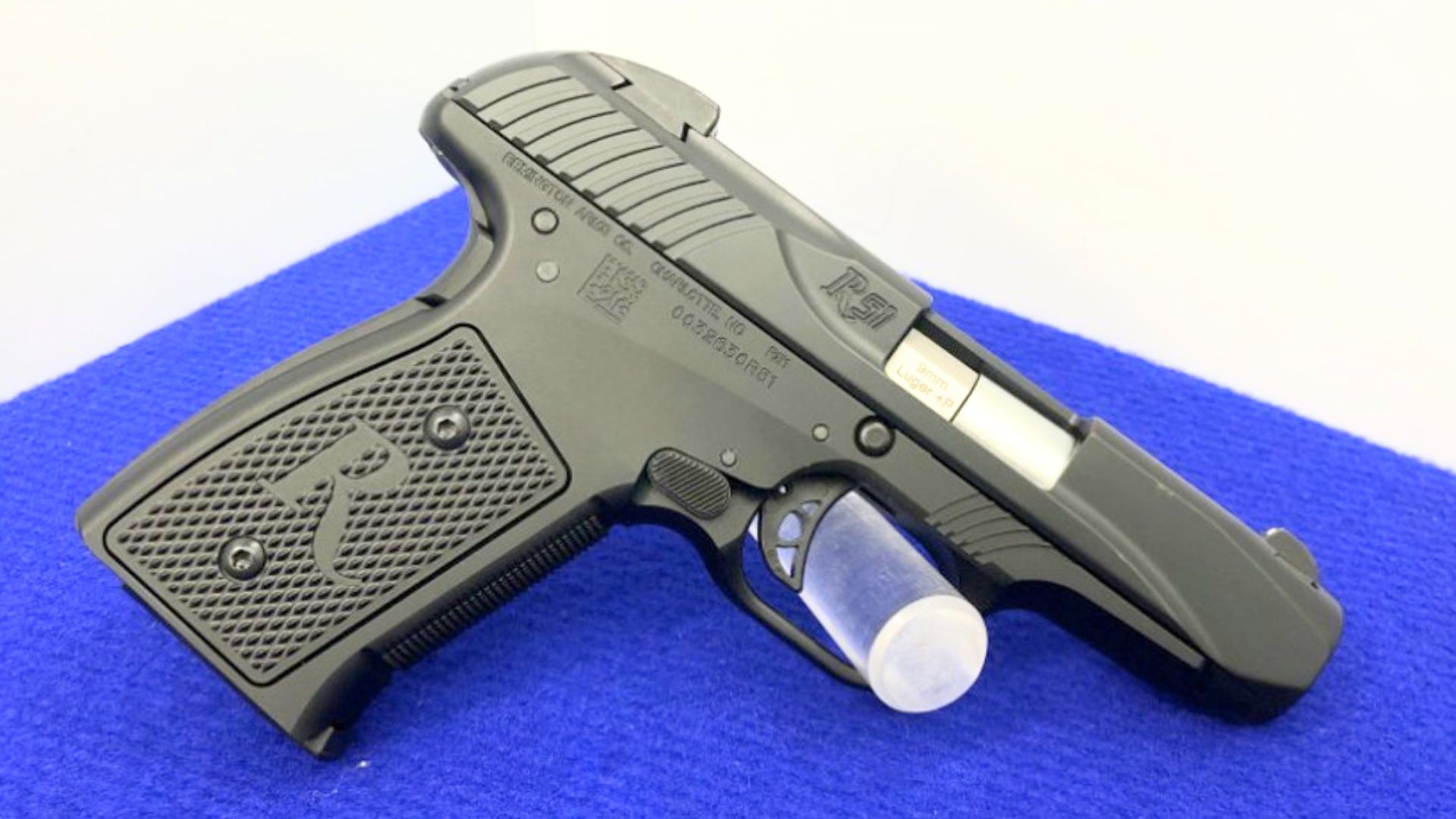
The Remington R51 situation is a classic “this should’ve been simpler” story. After the launch, Remington acknowledged customer-reported performance issues, halted production, and announced owners could return the pistol to receive a replacement from new production—plus magazines and a case. They also stated the pistols were safe but didn’t meet performance criteria. That’s basically a recall-shaped program, even if it’s framed as return/replace.
If you run into an R51 in the wild, treat it like a “verify the exact production context” gun. Don’t assume it’s the later corrected version. Don’t assume the previous owner handled the return program. If you already own one, document what you have, confirm what Remington offered at the time, and decide if it’s worth keeping in your rotation. Some guns never recover from a messy launch, even if later examples are improved—confidence is part of reliability.
Winchester XPR (retrofit-for-all approach that owners still miss)
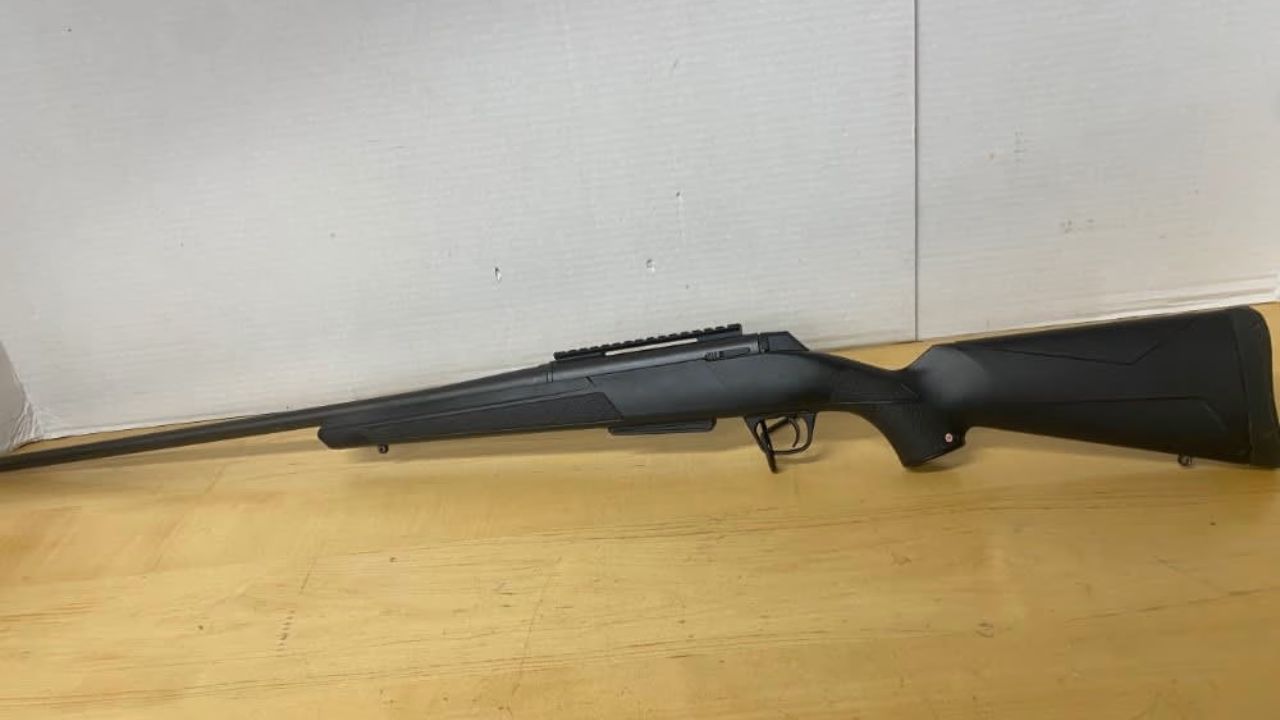
Winchester’s XPR notice is a full-on “send it in for a retrofit” situation across XPR owners, with the company stating they decided to replace certain trigger group parts at no charge and requiring return for the retrofit. In practice, a lot of owners never find out unless they stumble onto the recall page or hear it at a gun counter.
If you own an XPR, don’t rely on memory or rumor—use the serial number recall lookup and follow Winchester’s instructions. And if you’re buying one used, make the retrofit status part of the deal. This is exactly why the phrase “should’ve been recalled” resonates: the fix might exist, but it doesn’t land in your lap. You have to go looking, and plenty of people never do until something bad happens.
SIG Sauer CROSS (recall applies broadly; owners must check and act)

SIG announced a safety recall for the CROSS bolt-action rifle and told consumers to discontinue use, with a serial-check process and return instructions. This recall applied broadly to CROSS rifles at the time, which is rare in the rifle world and shows how serious they wanted owners to take it.
If you own a CROSS, the right move is simple: stop using it until you confirm serial status through SIG’s recall portal and follow the return process if needed. Don’t “test it out” to see if it’s fine. Don’t let a buddy talk you into ignoring it because his runs great. When a company says unload it and check it, that’s the whole ball game. A bolt gun is supposed to be the definition of predictable—if there’s any question in the firing system, you handle it at the factory level.
SIG716 DMR / SIG516 Carbon Fiber / SIGM400 Predator (heat-treated hammer recall notice)
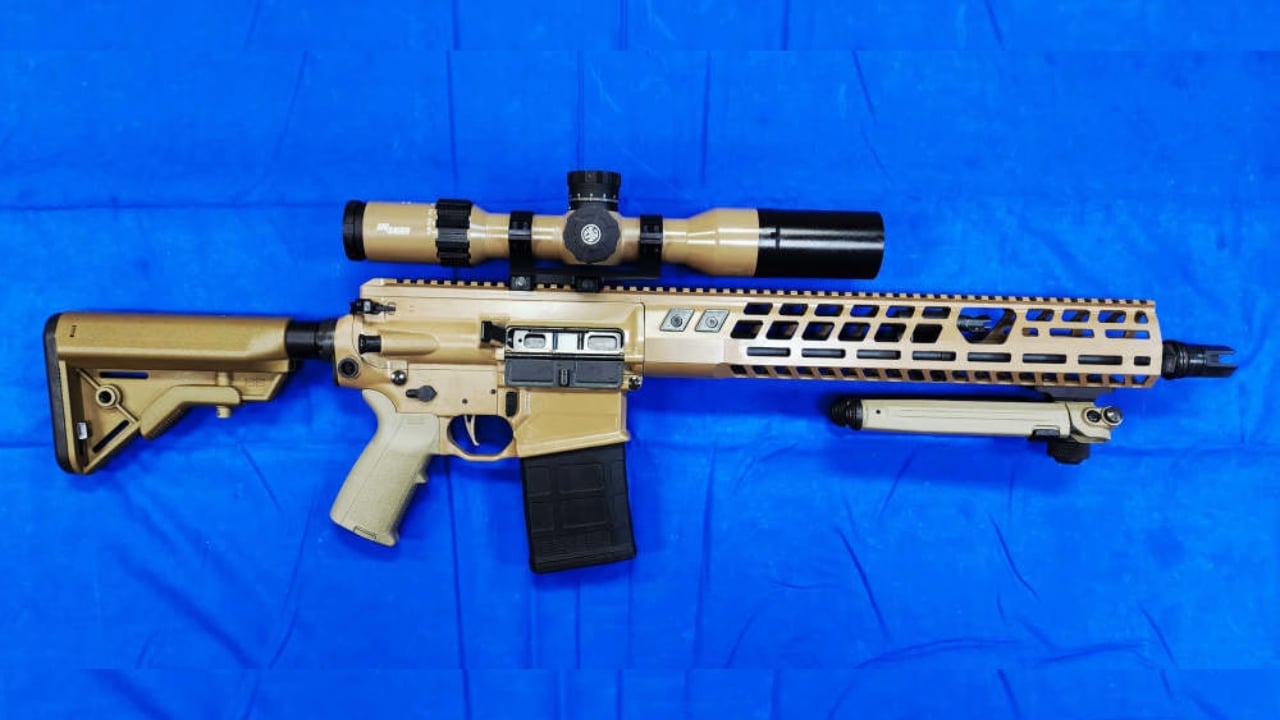
SIG issued a safety warning and recall notice for specific rifles built with a two-stage trigger that may have an improperly heat-treated hammer, noting it could lead to trigger malfunction and a significant safety hazard, with a serial-check process. Again, the fix exists—but only if you know to check.
If you own any of these models, treat serial verification like part of basic ownership. A trigger/hammer issue is not a “see if it happens” gamble. Run the serial check, follow SIG’s instructions, and get it corrected. If you’re buying one secondhand, ask for documentation. Too many people buy used rifles and assume, “If it was a problem, it would’ve been handled.” That’s not how this industry works. The owner has to do the homework.
Henry .45-70 lever actions (safety recall tied to unintended discharge conditions)
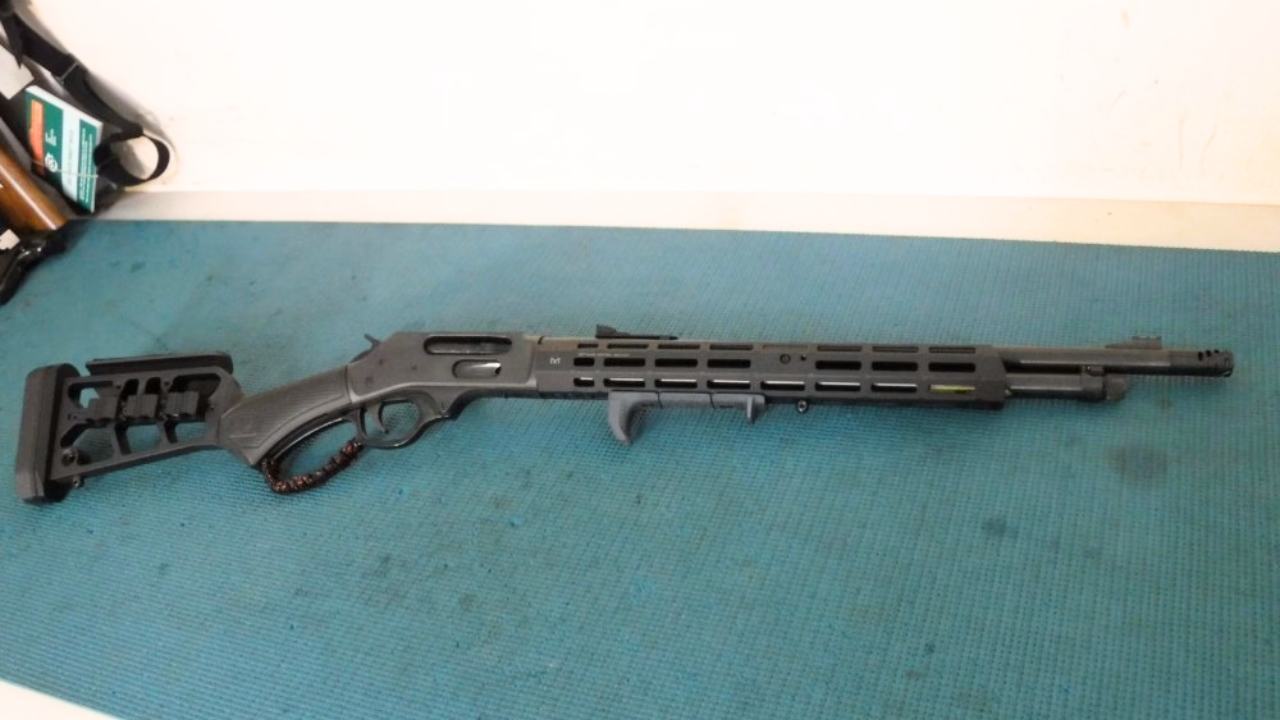
Henry issued a safety recall for certain lever-action .45-70 rifles from a defined production window and warned owners to stop using them until determining if the rifle is subject to the recall. The company’s recall page makes it clear this is not optional if your rifle is affected.
If you own a Henry .45-70, check it—especially if it was bought around that time window. If it’s affected, follow the recall instructions and don’t load it until the fix is done. Lever guns get used in the woods, around trucks, around buddies, around camps—exactly the environments where people get casual. That’s why you treat recall notices like gospel. It’s not about brand loyalty. It’s about not getting somebody hurt because you didn’t feel like typing a serial number into a website.
Henry H015 single shot rifles/shotguns (recall + upgrade program)

Henry also issued a safety recall and upgrade notice for H015 single shot rifles and shotguns, warning owners not to load or fire until the upgrade is completed. They framed it as a recall and upgrade process, with clear owner action steps.
If you have an H015, don’t assume “mine is fine.” Follow the company’s instructions and get it handled. Single-shots often get treated like the safest, simplest guns in the safe, so owners sometimes get lazy. That mindset is exactly what turns a known issue into a real-world incident. Run the recall check, ship it in per the program, and get it back upgraded. Then verify function and store it like you would any other firearm: loaded status confirmed, chamber checked, and no assumptions.
Mossberg International SA-410 (shotshell detonation hazard during loading/unloading)
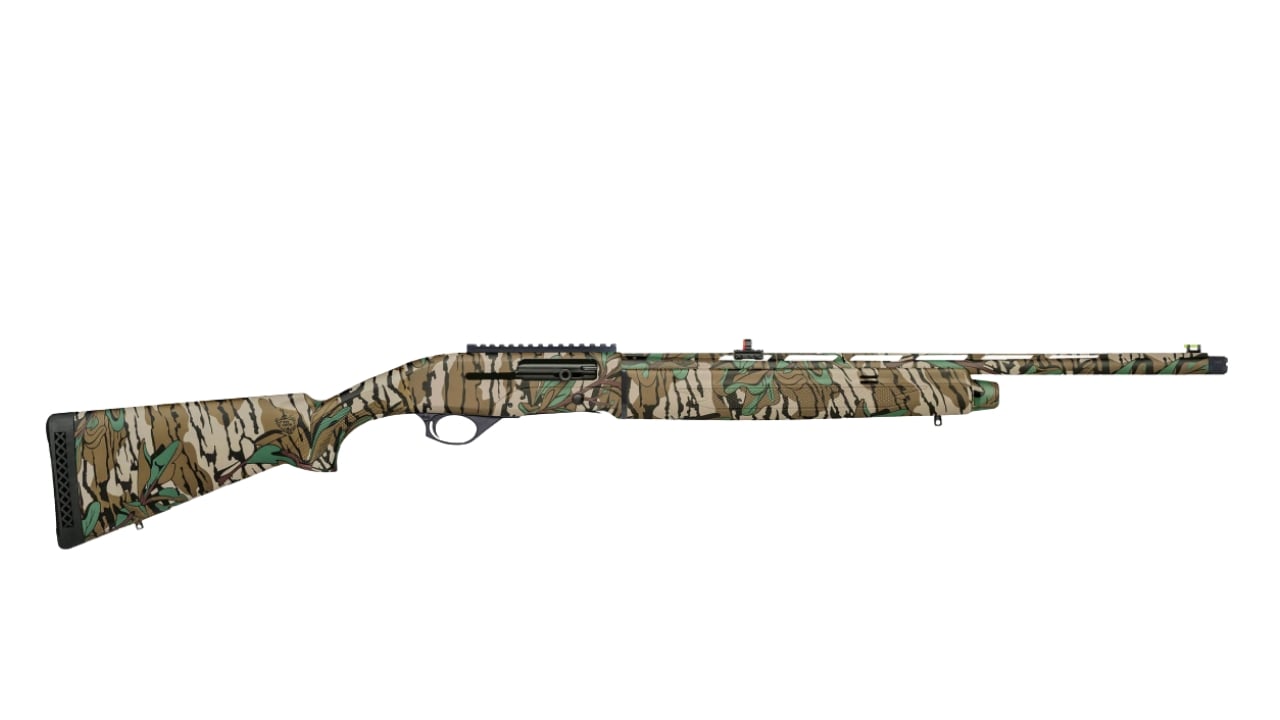
Mossberg’s SA-410 recall notice describes a scenario where an unretained shotshell could contact a bolt lock button inside the loading port and detonate during loading/unloading if a user prematurely releases a shell. That’s a very specific, very real hazard, and Mossberg instructed owners not to use affected shotguns until the upgrade is completed.
If you own one, treat it like a “stop now” recall until proven otherwise. Verify with the serial process Mossberg provides. The scary part about issues like this is they don’t require you to be doing anything “crazy.” They can happen during routine handling, which is when people let their guard down. Follow the recall instructions, get the upgrade, and then practice safe loading/unloading habits every time—because the safest fix in the world doesn’t help if someone still handles a shotgun casually.
Savage B.MAG 17 WSM bolt recall (bolt may catch safety and move to “fire”)
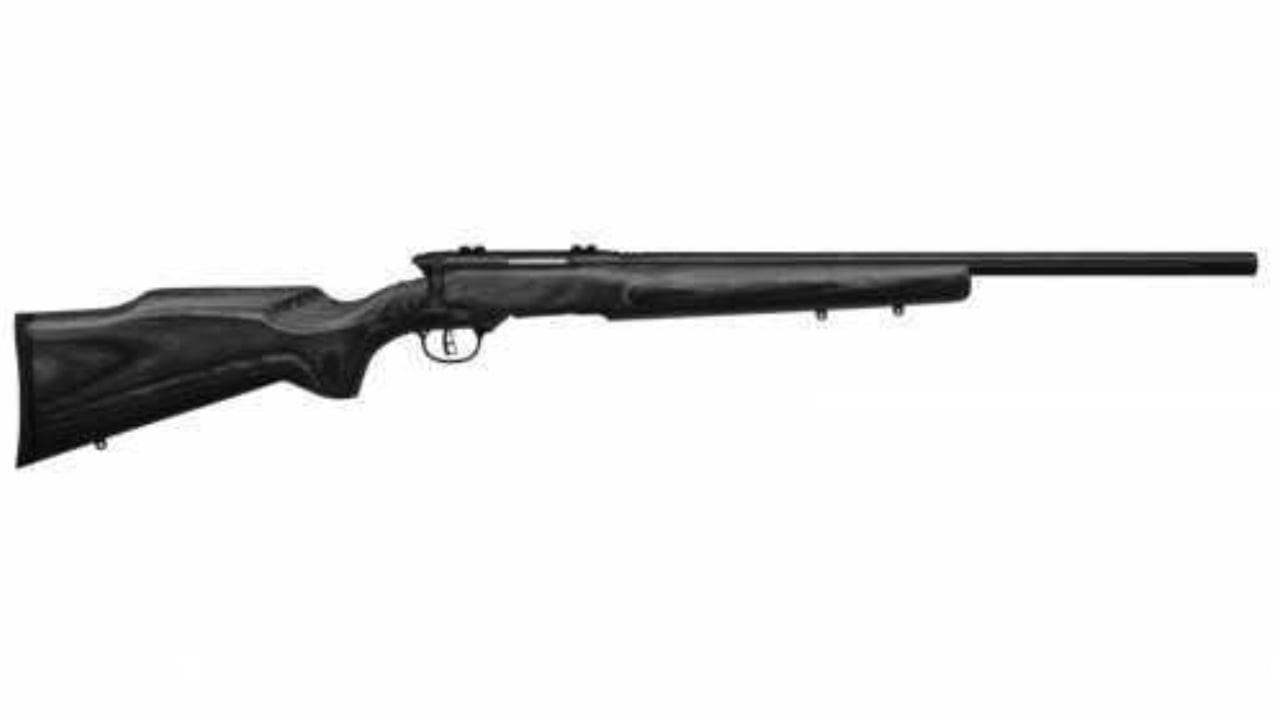
Savage issued a recall notice for certain B.MAG rifle bolts after discovering a condition where the bolt may inadvertently catch the safety button and slide it forward into “fire.” That’s the kind of mechanical interaction that should make any shooter pay attention, because it changes the status of the gun without you doing it intentionally.
If you own a B.MAG 17 WSM, don’t rely on a quick visual check. Follow the recall notice process and get the retrofit parts installed as instructed. And until it’s handled, don’t use the rifle. Rimfires and “small” calibers still deserve full respect—mechanical surprises are how accidents happen. The fix is usually free and direct; the only real question is if the owner takes the time to do it. Be the guy who does.
Like The Avid Outdoorsman’s content? Subscribe to our newsletter so you never miss an article.
Here’s more from us: