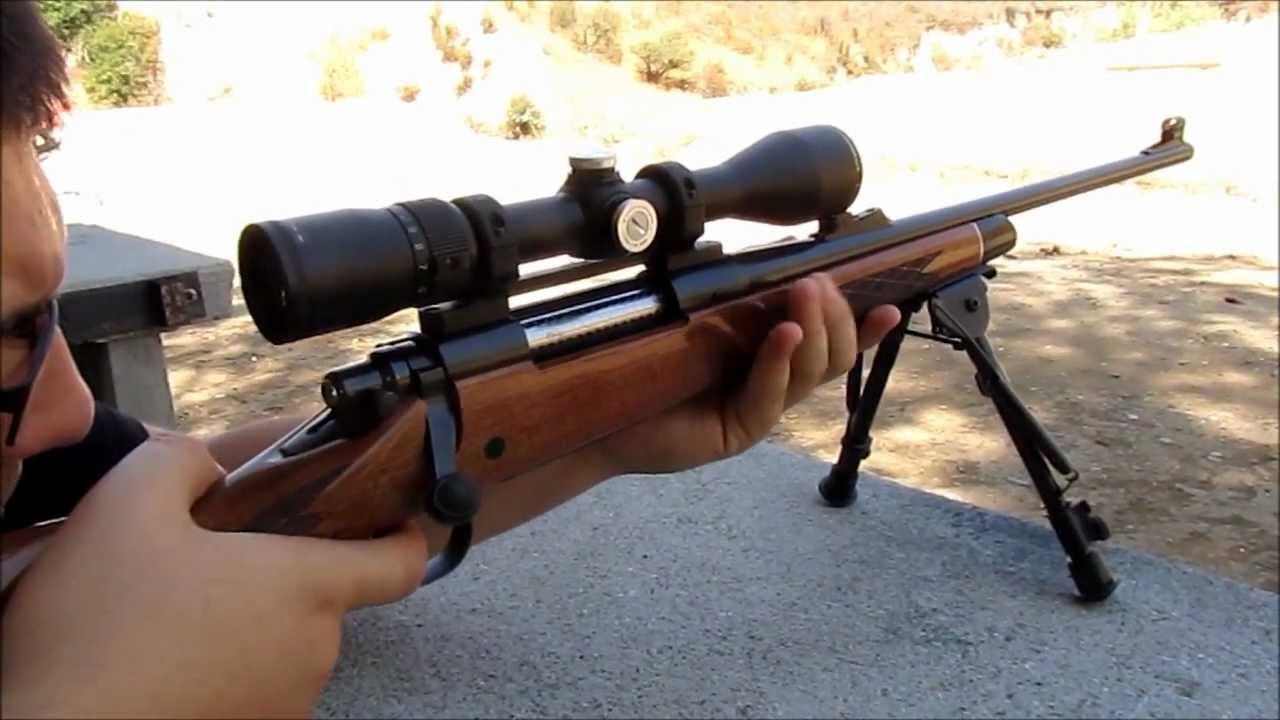
Photo credit: MikeandKyle SoCalGunBros/YouTube
The Remington 700 is one of those rifles people talk about like it has always just been the standard American bolt gun and nothing more needs saying. Strong action. Good trigger. Tons of aftermarket parts. End of story. But the real story is a lot more interesting than that. The Model 700 was introduced in 1962, and RemArms still describes it as one of the defining bolt-action rifles in company history. American Rifleman goes even further and calls it one of the most recognizable and celebrated sporting rifle lines Remington ever produced.
What makes the 700 such a big deal is not just that it sold well. It became a reference point. Hunters, target shooters, tactical shooters, gunsmiths, and chassis makers all built around it until the “700 footprint” became almost its own language. Here are 15 little-known facts about the Remington 700 that a lot of shooters either never learned or do not think about enough.
1. It was introduced in 1962, not in some earlier golden age of bolt guns

A lot of people mentally place the Remington 700 earlier than it really belongs, probably because it feels so established. But RemArms says the Model 700 was introduced in 1962.
That matters because it puts the rifle in a very specific postwar context. The 700 was not a prewar classic that just drifted forward. It was a modernized American bolt action built for a very different manufacturing era than rifles like the pre-64 Model 70.
2. It did not come out of nowhere. It came from the 721 and 722
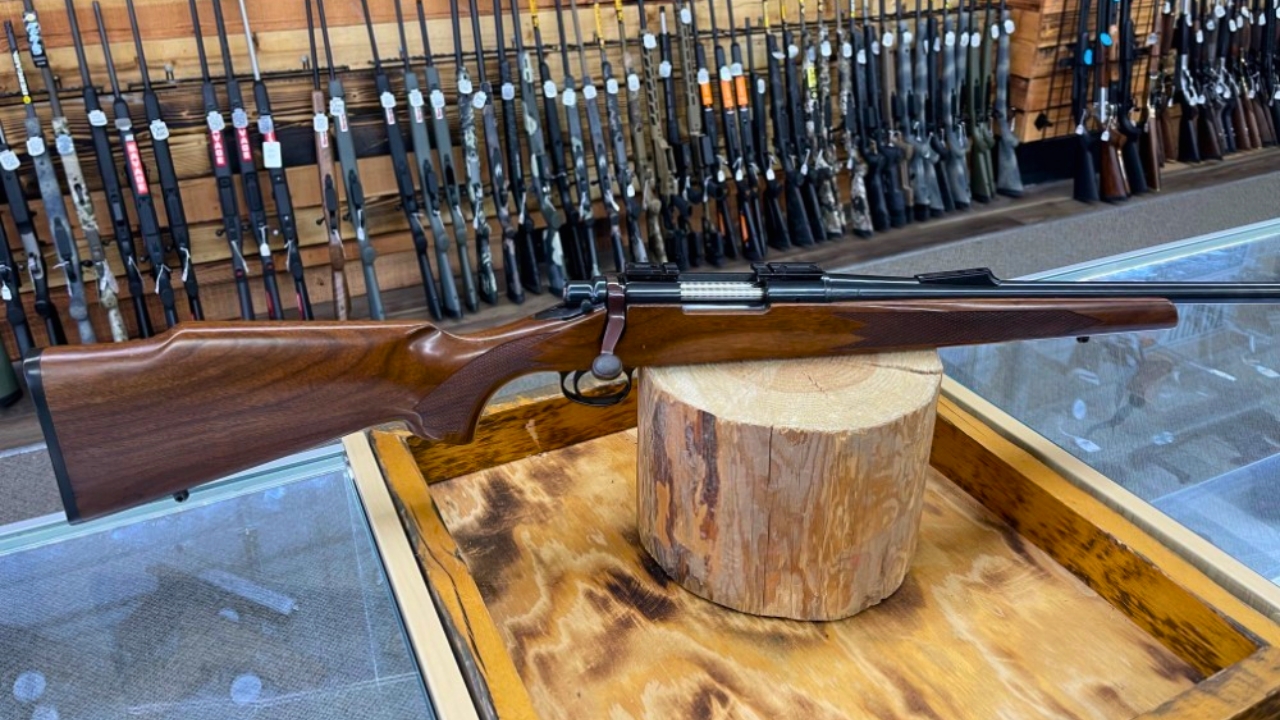
The 700 was not a clean-sheet invention. American Rifleman says the Model 700 was based on the proven design of the earlier Models 721 and 722, which had been introduced in 1948 and produced through 1962.
That is important because it explains why the 700 felt so sorted out so quickly. Remington had already worked through a lot of the basic sporting-bolt-gun formula before the 700 officially arrived. The 700 was a refinement and continuation, not a wild leap into the unknown.
3. Its roots go back even farther to the U.S. Model of 1917

This is one of the better deep-cut facts about the rifle. American Rifleman says the Model 700’s roots trace back to one of the most forgotten U.S. service rifles in history: the Model of 1917.
That is a cool piece of history because most shooters do not connect the 700 to old military bolt-gun lineage at all. They think of it purely as a commercial sporting rifle. But like a lot of American bolt actions, it has deeper historical DNA than the catalog summary suggests.
4. Mike Walker is the name most tied to the design

RemArms lists Mike Walker as the designer and inventor behind the Model 700.
That matters because the 700 got so big that a lot of people stopped thinking about it as a designed object with a real origin story. They just think of it as “the Remington bolt gun.” But one engineer’s decisions helped define what became one of the most influential sporting-rifle actions in America.
5. It became famous partly because it was accurate right out of the box
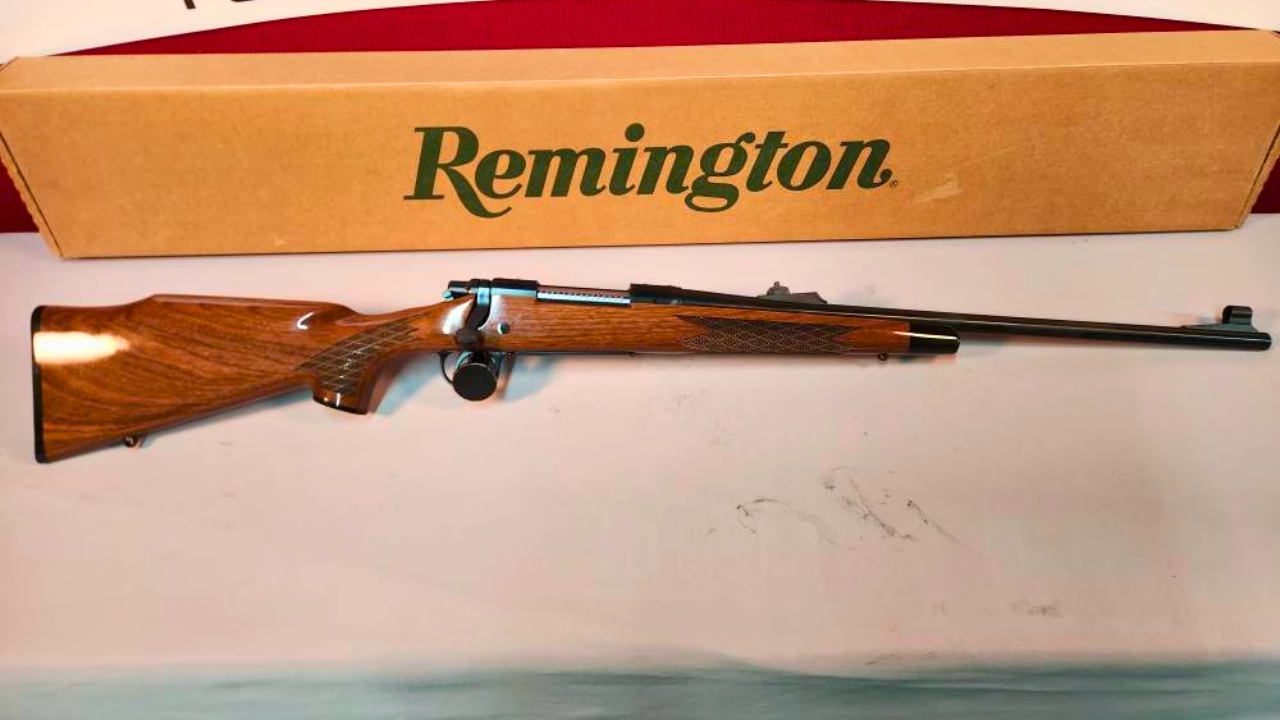
RemArms still describes the Model 700 as “the most accurate out-of-the-box production rifle on the market today,” and whether or not someone agrees with that exact modern marketing claim, the rifle’s reputation for strong factory accuracy has been a huge part of its identity for decades.
That is one reason the 700 stuck so hard. It was not just a decent hunting rifle. It was a rifle people expected to shoot well without needing a full custom build, and that expectation became self-reinforcing over time.
6. The action became more important than the rifle itself
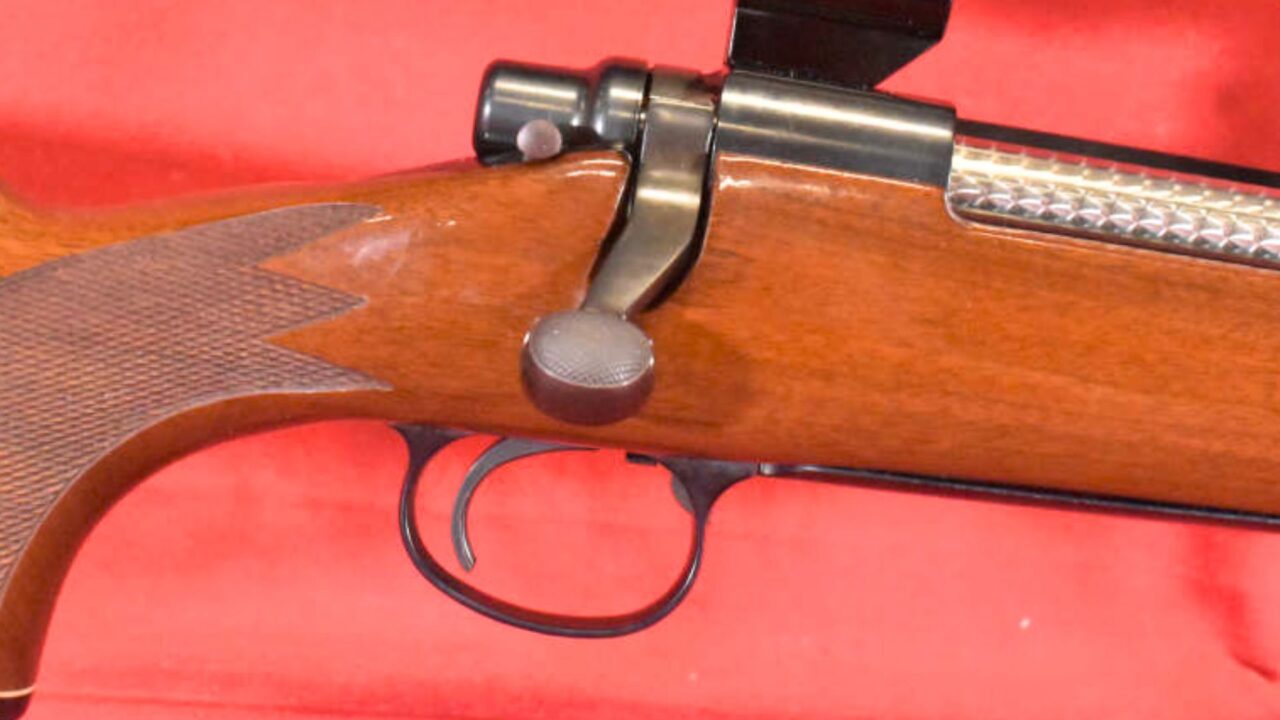
At some point the Remington 700 stopped being just one rifle line and became an action standard. Shooting Illustrated’s 2025 chassis-build article refers to the “combat-proven Remington Model 700 action,” and modern chassis systems and custom rifles are constantly advertised as fitting the 700 footprint.
That is a huge deal. Plenty of rifles sell well. Far fewer become the pattern other manufacturers copy and support. The 700 crossed that line long ago.
7. It helped define both hunting rifles and tactical rifles
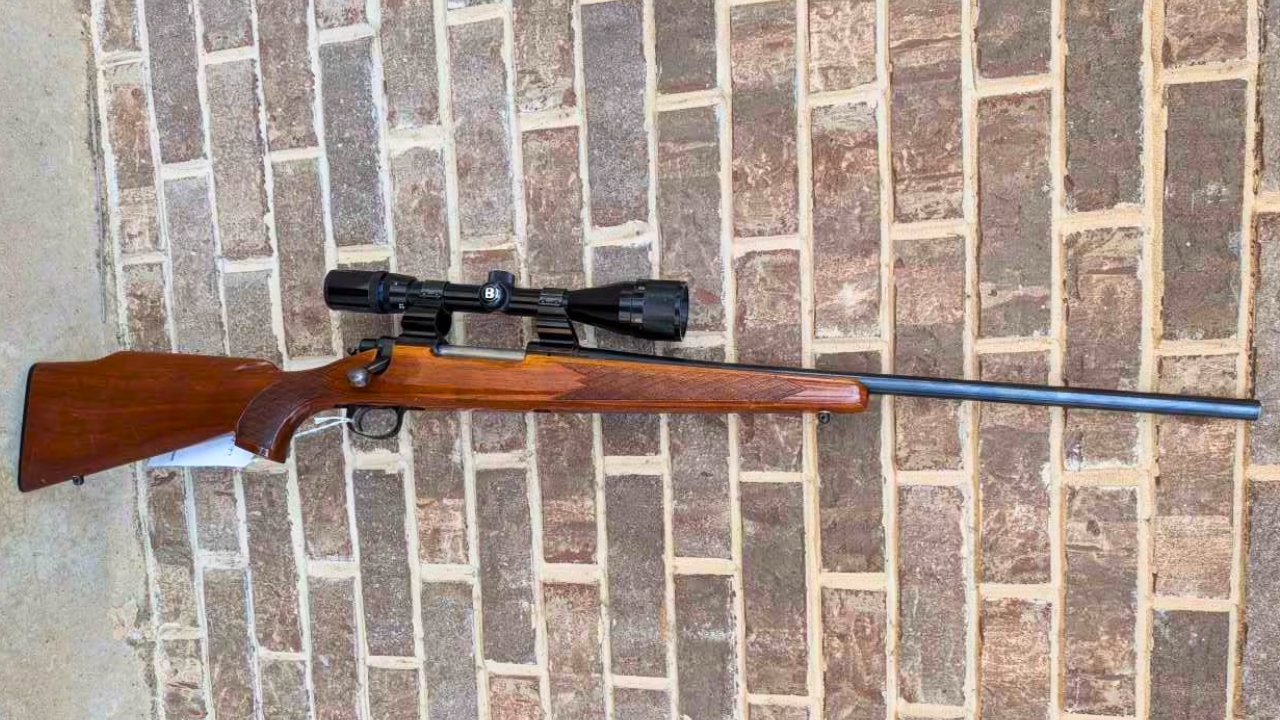
The 700 is often thought of first as a hunting rifle, and that is fair. But Shooting Illustrated’s chassis and long-range pieces also treat it as a major tactical and precision-rifle foundation.
That crossover matters because it explains why the rifle stayed relevant so long. It was not trapped in one lane. The same action that sat in deer camps also became a baseline for police and precision rifle development.
8. The 7 mm Remington Magnum and the Model 700 rose together
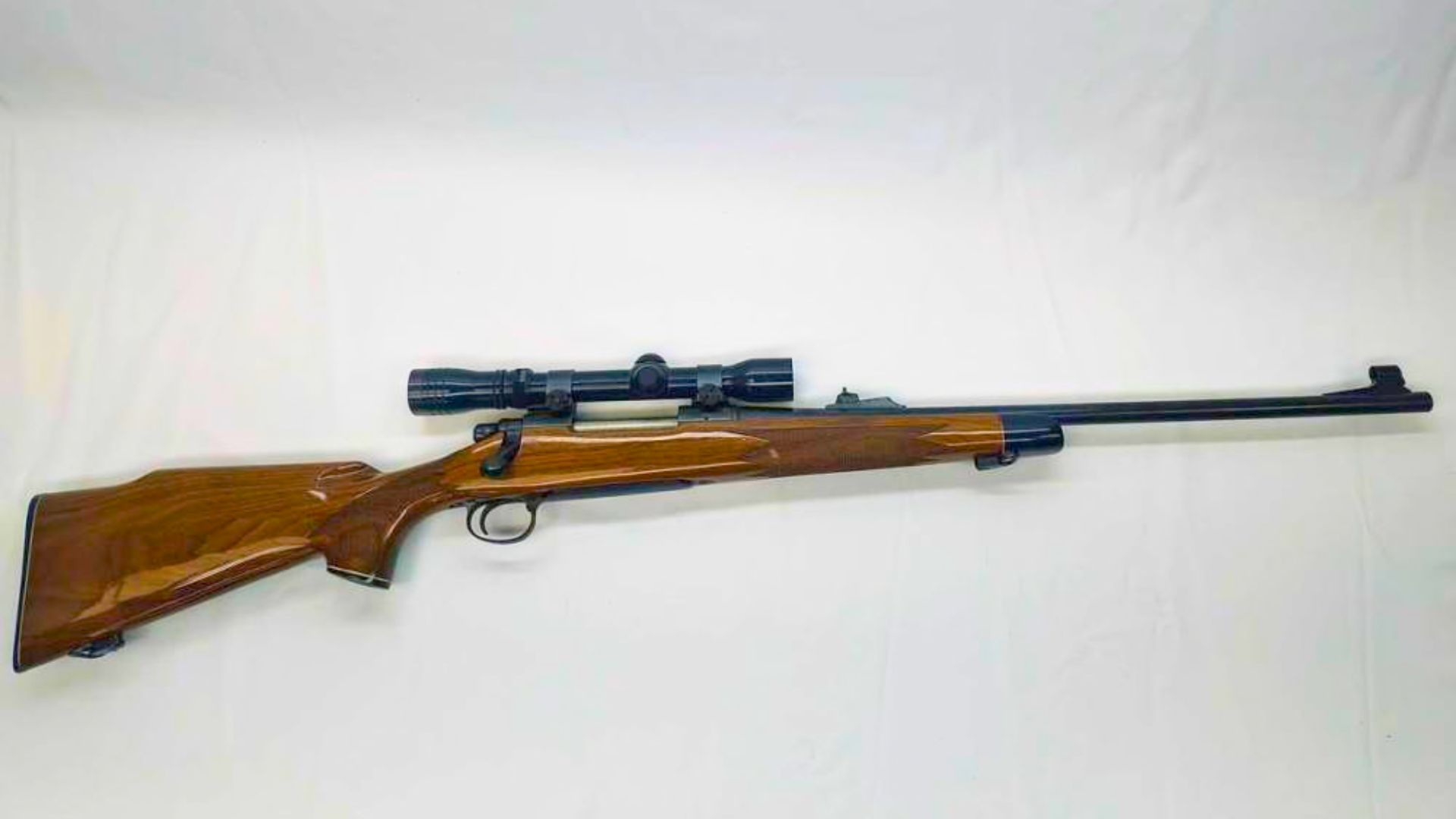
This is one of the more important historical facts many shooters forget. The 7 mm Remington Magnum was introduced in 1962, the same year as the Model 700, and the cartridge’s success became tightly tied to the rifle. American Rifleman’s 7 mm Rem. Mag. history places its debut in that same year.
That pairing mattered a lot. The cartridge helped the rifle look modern and exciting, and the rifle gave the cartridge a strong launch platform. Together they became one of the great American hunting combinations.
9. It became one of the most popular actions for both short and long cartridges

Shooting Illustrated notes that the Remington 700 action became one of the most successful and popular actions for both short/standard and long/magnum cartridges.
That versatility is a big part of the rifle’s staying power. It was not limited to one cartridge family or one role. It could be scaled and chambered across a wide spread of hunting and shooting needs without losing the identity that made it famous.
10. More than 5 million had already been sold by 2010
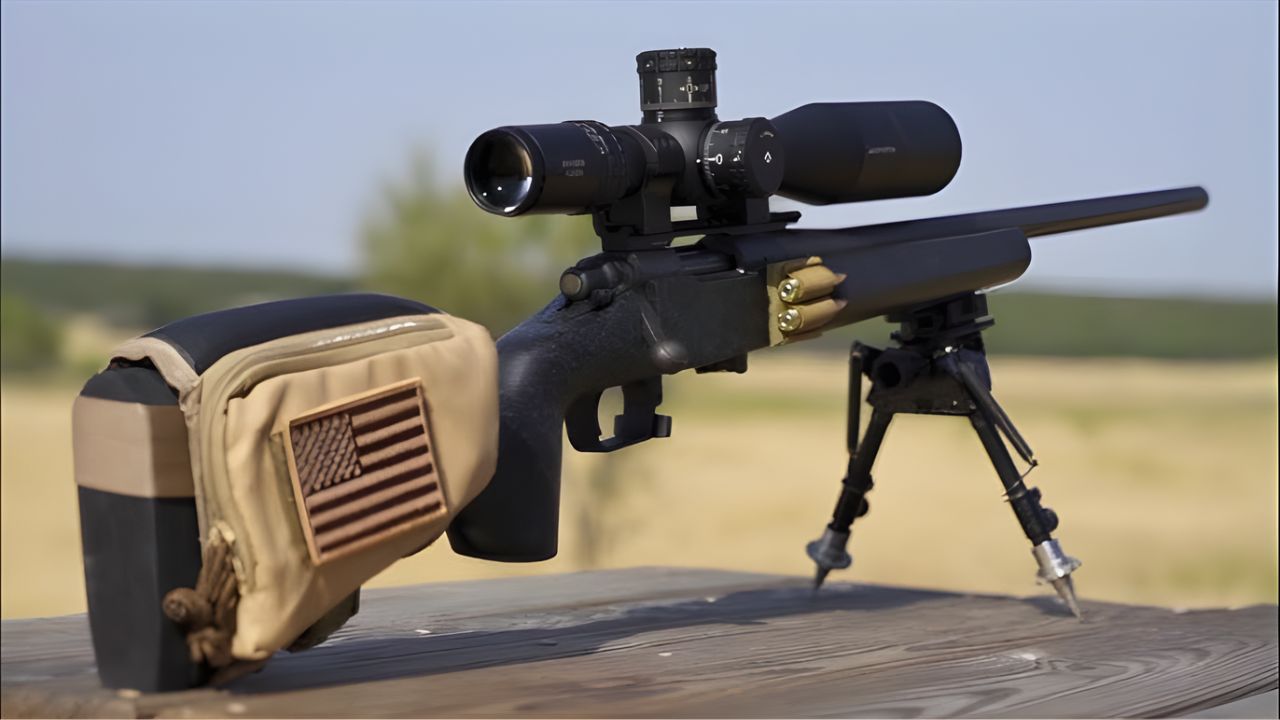
American Rifleman reported in 2010 that since its 1962 introduction, more than 5 million Remington Model 700s had been sold, not even counting the earlier 721 and 722 models.
That is a massive number for a centerfire bolt-action rifle. It helps explain why the 700 feels less like a single model and more like part of the furniture in American rifle culture.
11. “America’s most popular bolt-action” is not just nostalgia talk
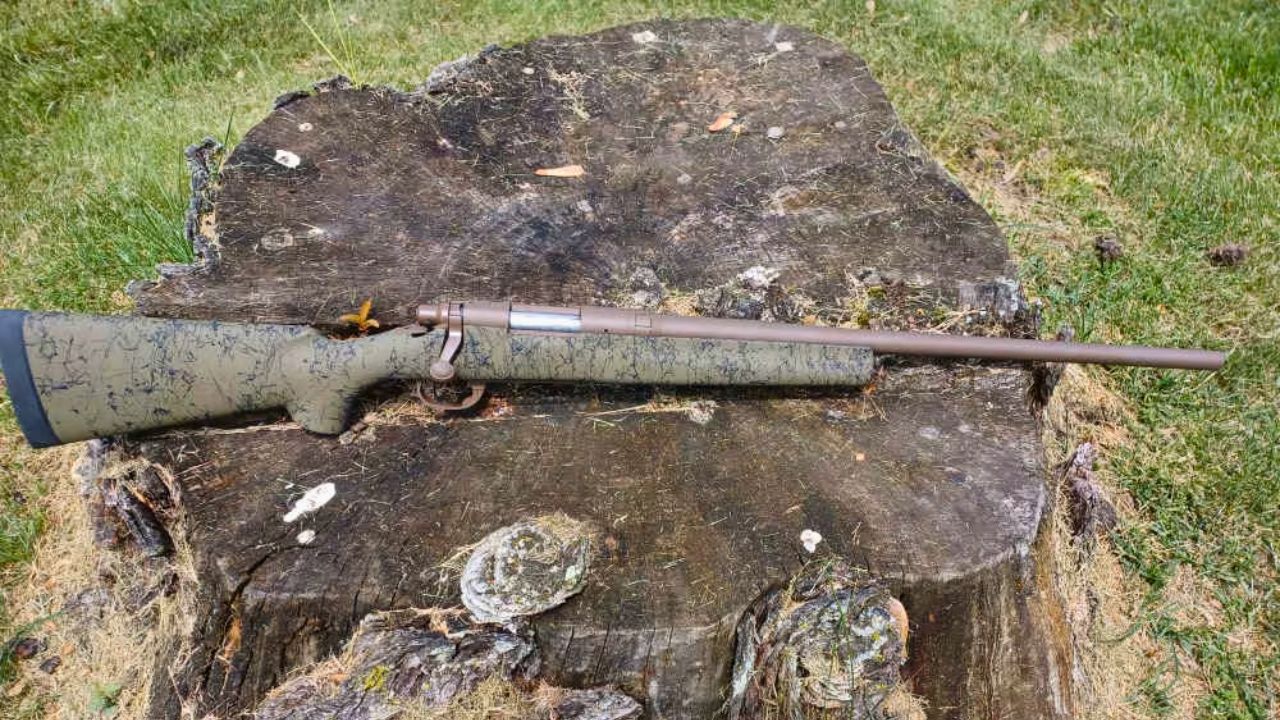
RemArms’ current BDL page literally calls the Model 700 BDL “America’s most popular bolt-action of all time.” That is obviously company language, but it lines up with the rifle’s sales scale, platform influence, and cultural footprint.
That kind of claim would sound hollow on a lot of guns. On the 700, it sounds plausible because so much of the American bolt-rifle world has orbited this action for decades.
12. The trigger became such a big deal that other companies built a business around replacing it
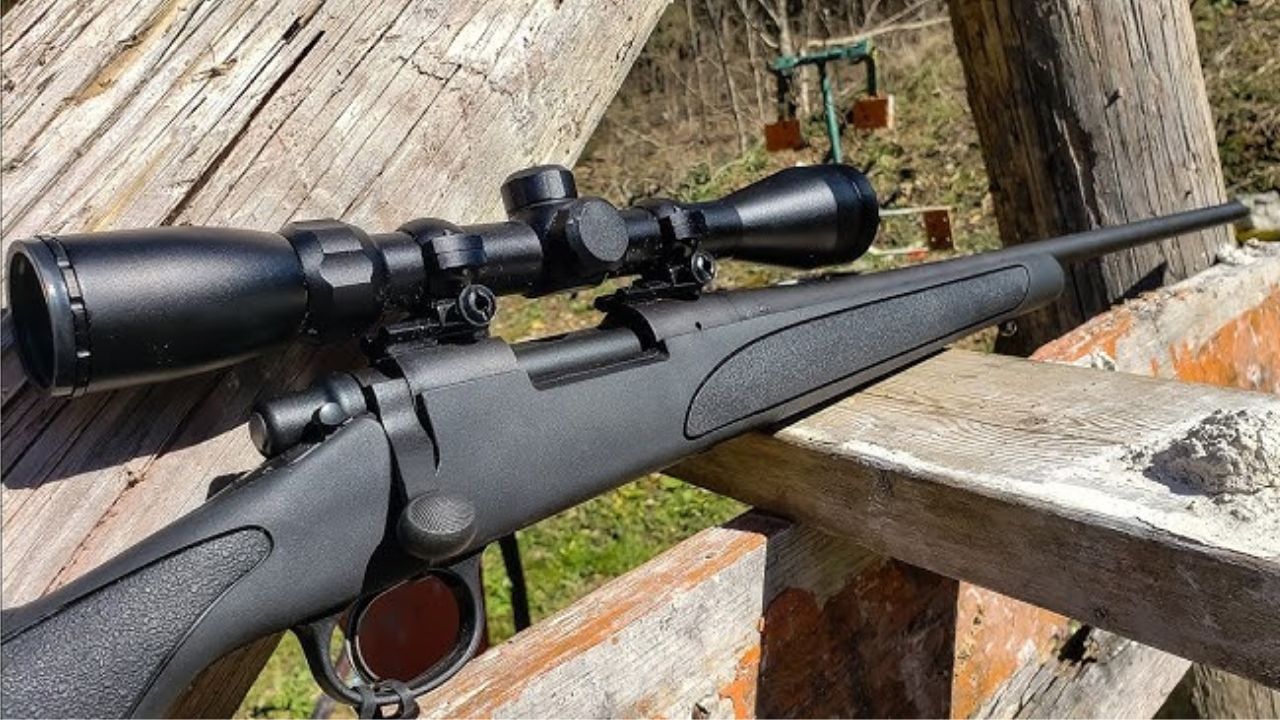
RemArms’ current Model 700 page specifically notes that Timney has been making versions of the Model 700 trigger since 1965.
That is a really telling detail. The 700 became such a major platform so quickly that aftermarket trigger makers were already staking a claim on it just a few years after launch. That is not normal rifle behavior. That is platform behavior.
13. It became a custom-build favorite partly because everything started getting made around it

Once stocks, triggers, bottom metal, scope bases, chassis systems, and clone actions started being built around the 700 footprint, the rifle gained a second life beyond factory guns. Shooting Illustrated’s 2025 chassis-build piece is basically a snapshot of that reality.
That is why “Remington 700” now means more than a rifle with a green box and factory stock. It also means a whole design standard that many builders and manufacturers still use as a starting point.
14. It stayed alive by branching out into many configurations

The 700 never survived by remaining one plain hunting rifle. There were BDLs, SPS rifles, police guns, tactical models, American Hunter variants, chassis builds, and endless other configurations. American Rifleman’s coverage of the American Hunter rifle and other modern 700 variants shows how broad that family became.
That matters because the 700 did not become a classic by freezing in place. It stayed commercially relevant by stretching into different shooter worlds while keeping the same recognizable action underneath.
15. Its biggest little-known fact may be that the action outgrew the brand
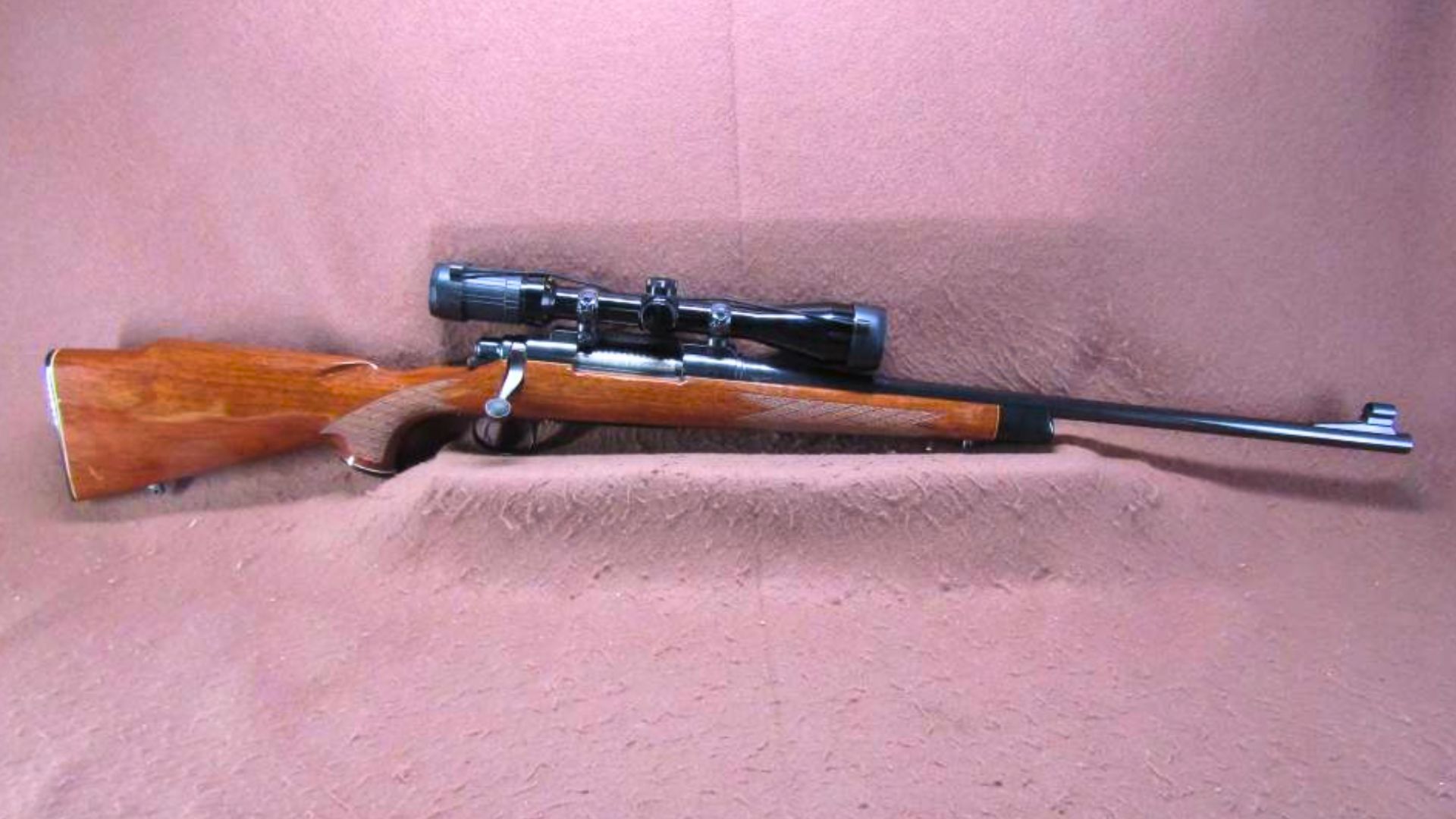
This is probably the most interesting truth about the Model 700 now: the action became so influential that even rifles not made by Remington get sold as 700-pattern guns. Shooting Illustrated’s 2025 build article and multiple chassis pieces make that plain.
That is rare. Most rifles stay tied to one maker. The 700 became something larger—a pattern, a standard, a blueprint. That may be the biggest little-known fact of all: the Remington 700 did not just become a successful rifle. It became a language other rifles now speak.
Like The Avid Outdoorsman’s content? Subscribe to our newsletter so you never miss an article.
Here’s more from us: