Photo credit: 22plinkster/YouTube
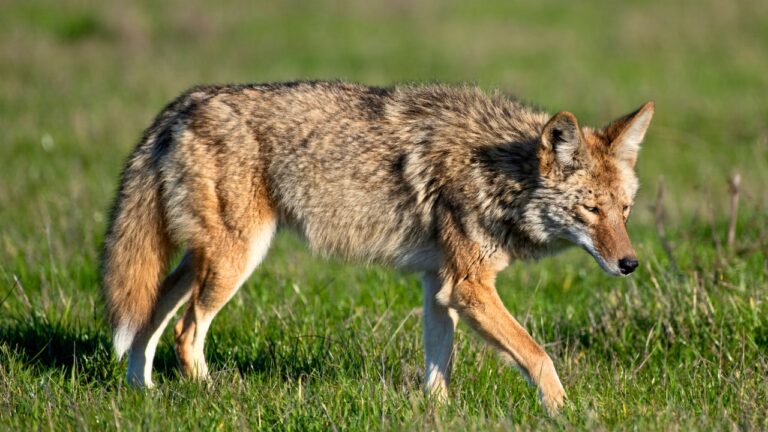
Some calibers just don’t cut it when you’re trying to put down a coyote cleanly. Whether it’s poor velocity, limited range, or lack of punch, these rounds have a way of leaving coyotes limping off instead of dropping on the spot. If you’re serious about predator control, you’ll want to steer clear of these underwhelming choices.
.22 LR

A lot of folks try the .22 LR because it’s cheap and easy to shoot. But when it comes to coyotes, it just doesn’t have the reach or stopping power to anchor them reliably—especially past 50 yards.
Even with good shot placement, you’re likely to end up tracking a wounded animal. It’s fine for squirrels and rabbits, but for coyotes? There are better options that’ll get the job done faster and more humanely.
.17 HMR
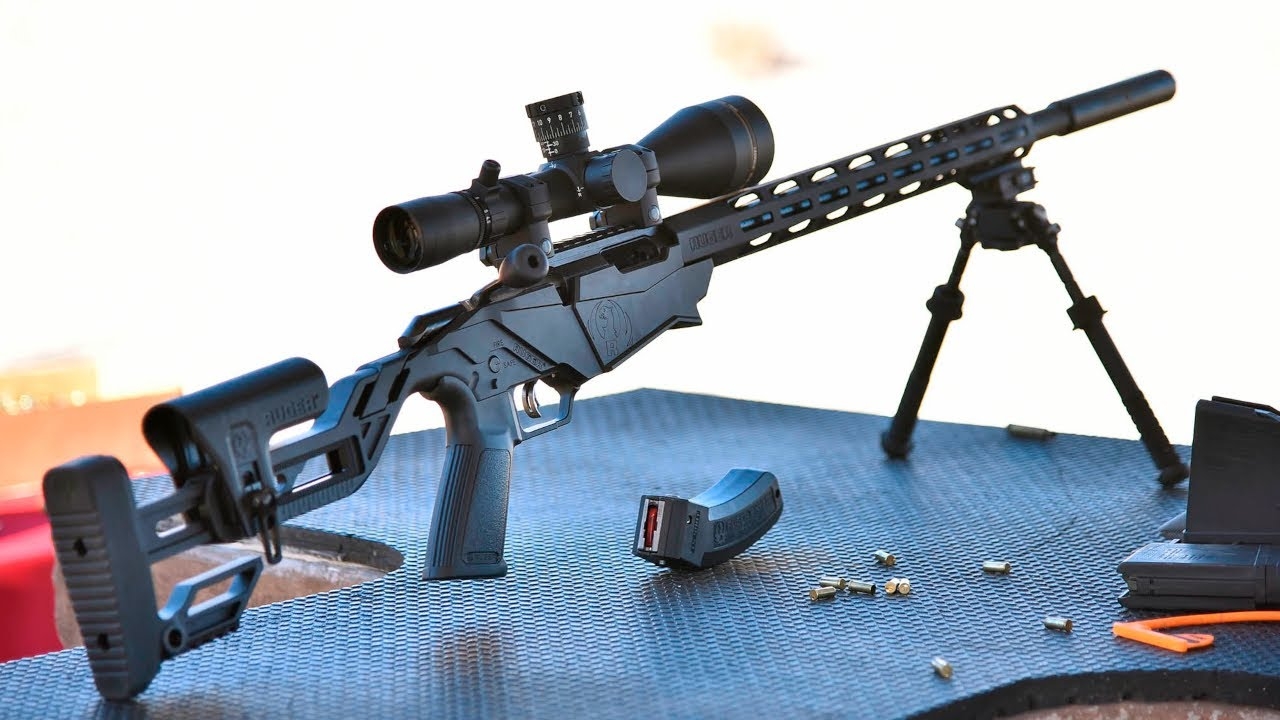
The .17 HMR has fans thanks to its flat trajectory and speed, but it’s still a small rimfire round. On paper it looks capable, but real-world results on coyotes are mixed at best.
It can work with a perfect shot to the head or vitals, but coyotes don’t always stand still for that. Too many escape wounded when the shot isn’t perfect, and that’s not something you want to gamble on.
9mm

The 9mm is everywhere, and plenty of folks try to make it work for everything—including coyotes. But this round was built for handguns, not small, fast-moving predators at distance.
Unless you’re using a carbine and taking shots inside 25 yards, you’re pushing the limits. The energy just drops off too fast, and coyotes rarely give you an easy follow-up.
.410 Bore

It might be handy and lightweight, but the .410 is underpowered for most coyote scenarios. Pattern size, pellet count, and range all work against you, especially with standard loads.
Even with specialty coyote loads, the margin for error is tiny. If your pattern isn’t tight or your range is off, you’re just going to educate that animal instead of taking it down.
.380 ACP

Some folks carry a .380 for personal defense and figure it might do in a pinch on a coyote. The problem is, it’s barely effective on humans in many cases, let alone a running predator with a tough hide.
You’ll struggle with penetration and accuracy, especially outside of spitting distance. This one’s better off staying in the holster unless it’s all you’ve got—and even then, don’t expect much.
.32 ACP

This round might’ve had its place in the early 1900s, but it’s not up to the task today. It’s weak, has limited bullet selection, and isn’t designed for anything beyond up-close use.
Coyotes are too quick and too tough for the .32 ACP to handle responsibly. It’s more likely to wound than kill, and that’s a poor outcome for everyone involved.
.25 ACP

The .25 ACP is often laughed off in self-defense circles—and for good reason. Now imagine trying to use it on a coyote. You might as well be throwing pebbles at them.
Even perfect placement likely won’t be enough to anchor a coyote. This caliber just doesn’t belong in any predator-hunting conversation, period.
.38 Special (Standard Loads)

The .38 Special isn’t terrible, but with standard loads and a short barrel, it loses steam fast. If you’re using it out of a snub-nose revolver, you’re really limiting your chances.
It could work at extremely close range, but you’re pushing the edge of what’s ethical. It’s not meant for fast-moving targets beyond a few yards.
.22 Short

Yes, people still shoot .22 Short. No, it shouldn’t be used on coyotes. It’s even weaker than the .22 LR, and unless you’re five feet from a sleeping animal, it’s not going to do the trick.
Using it on a coyote is almost guaranteed to result in a wounded animal. It’s meant for target shooting or very small pests—nothing more.
.45 ACP

It’s a big bullet, sure—but it’s slow and doesn’t carry well over distance. The .45 ACP drops like a rock past 50 yards, making precise hits on something as quick as a coyote pretty unlikely.
In a pinch, it could do the job up close, but there are far better calibers out there that offer the speed and flat trajectory needed to tag a coyote cleanly.
*This article was developed with AI-powered tools and has been carefully reviewed by our editors.