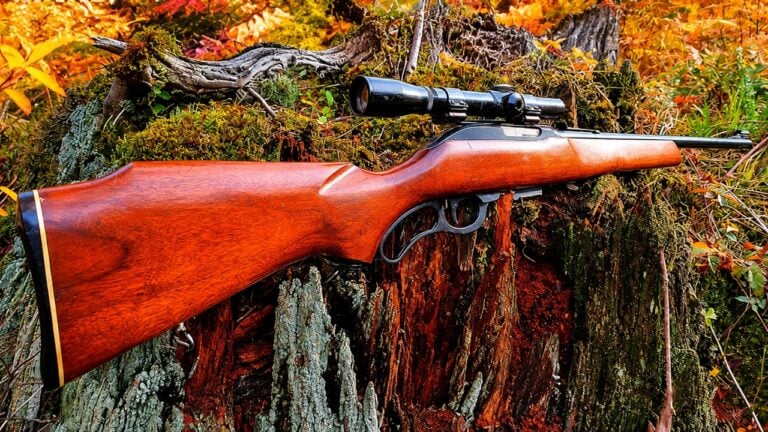
Photo credit: OzzieReviews/Youtube
If you told me I had one calendar year to hunt the whole country—mountain elk, swamp hogs, pronghorn on the flats, blacktails in the brush, and whitetails everywhere in between—I would not try to do it with one “do-it-all” rifle. That idea sounds good until you’re on a windy ridge with a rifle that won’t hold zero after a baggage-handler toss, or you’re belly-crawling through cactus wishing you left eight pounds of walnut and steel back at camp.
I’d build a small, hard-working lineup. Stuff that’s accurate without being fragile, common enough to find parts and mags, and chambered in cartridges you can actually buy in a small town when your airline loses the ammo box. Here are the 20 rifles I’d put in the truck if I was chasing tags across every kind of terrain we’ve got.
1. Tikka T3x Lite

This is the rifle I’d grab first when the trip starts to get complicated. It carries easy, it feeds slick, and the factory barrels tend to shoot better than they have any right to for the money. It’s not fancy. That’s a compliment.
If I’m bouncing between whitetails, mule deer, and an elk hunt that popped up last-minute, a T3x in a sensible chambering is the least dramatic way to stay in the game. Also, if something goes wrong, you’re not hunting for boutique parts. You can keep moving.
2. Winchester Model 70 Featherweight

When you’re in steep country all day, ounces feel like pounds. The Featherweight balances right between the hands, points naturally, and still feels like a real rifle instead of a hollow stick. I like a controlled-round-feed action when the weather turns ugly and you’re loading fast with cold fingers.
It’s not the cheapest route, and wood stocks can get dings on long trips. Still, I’d rather touch up honest wear than fight a rifle that never quite settles in for a good shot.
3. Browning X-Bolt Hell’s Canyon Speed
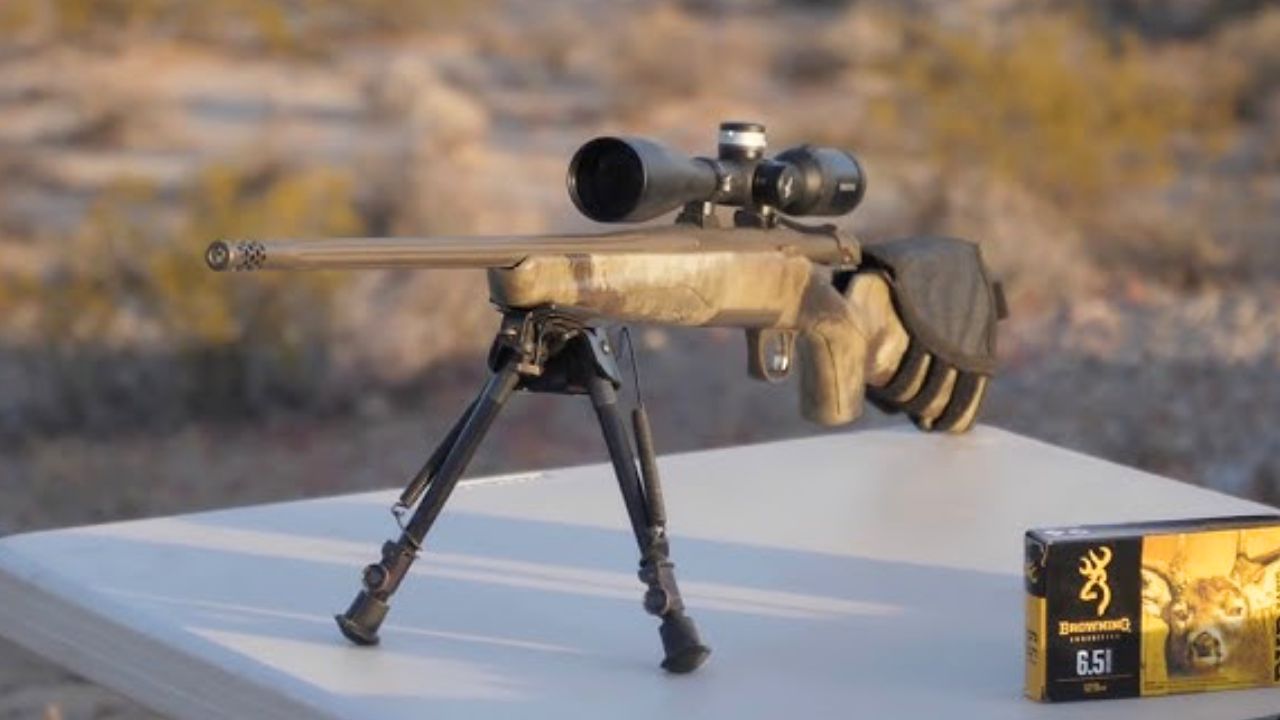
This one is for the guy who wants a modern hunting rifle that doesn’t feel clunky. The bolt lift is short, the fit and finish is usually solid, and they tend to shoot. In bad weather, the coatings matter more than folks admit.
I’ve carried rifles that looked “tough” online and then got rust freckles from two wet days and a soft case. That one hurts. The Hell’s Canyon models are a good answer if you’re living out of a truck and a motel for weeks.
4. Ruger American Rifle
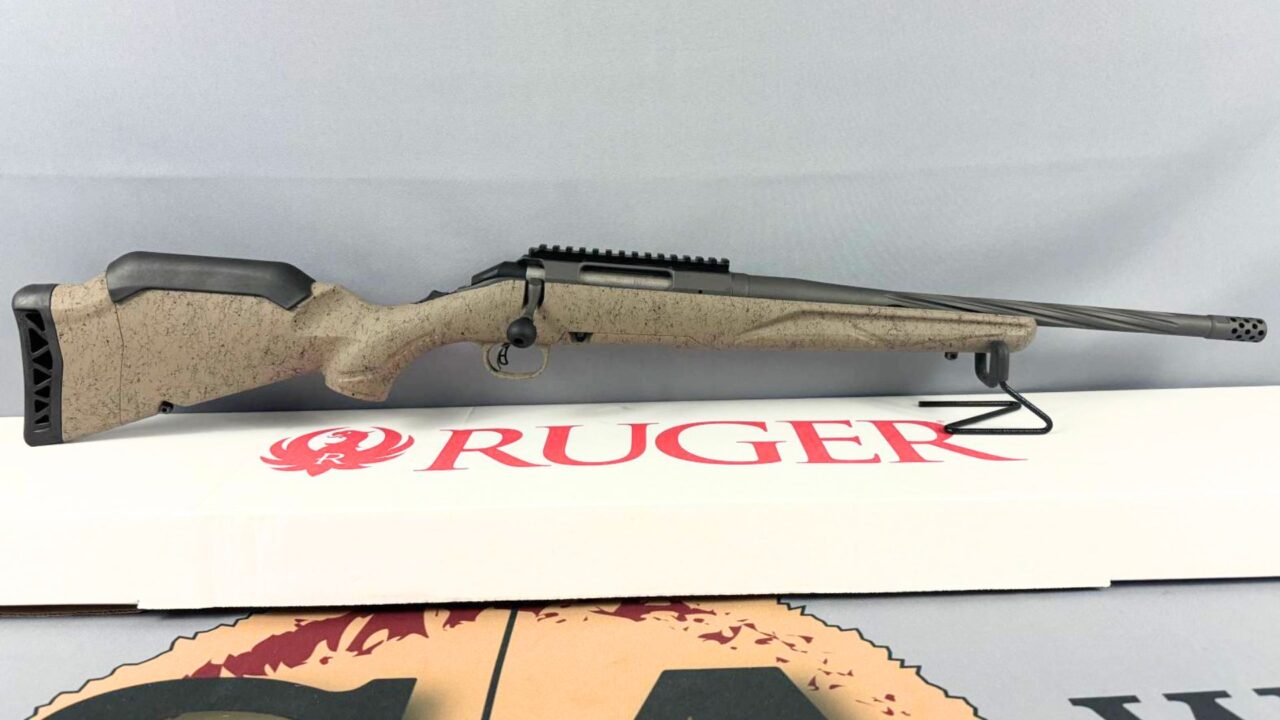
If I’m picking a budget rifle to go everywhere, this is the one. The stock is nothing to write home about, but they flat-out work. They also don’t make you nervous when they ride in the back seat next to a muddy cooler and a wet dog.
This would be my “backup that could become the primary” rifle. If your main rig takes a scope hit or your airline treats your case like a shipping pallet, having something simple that you trust is a big deal.
5. Savage 110 Ultralite
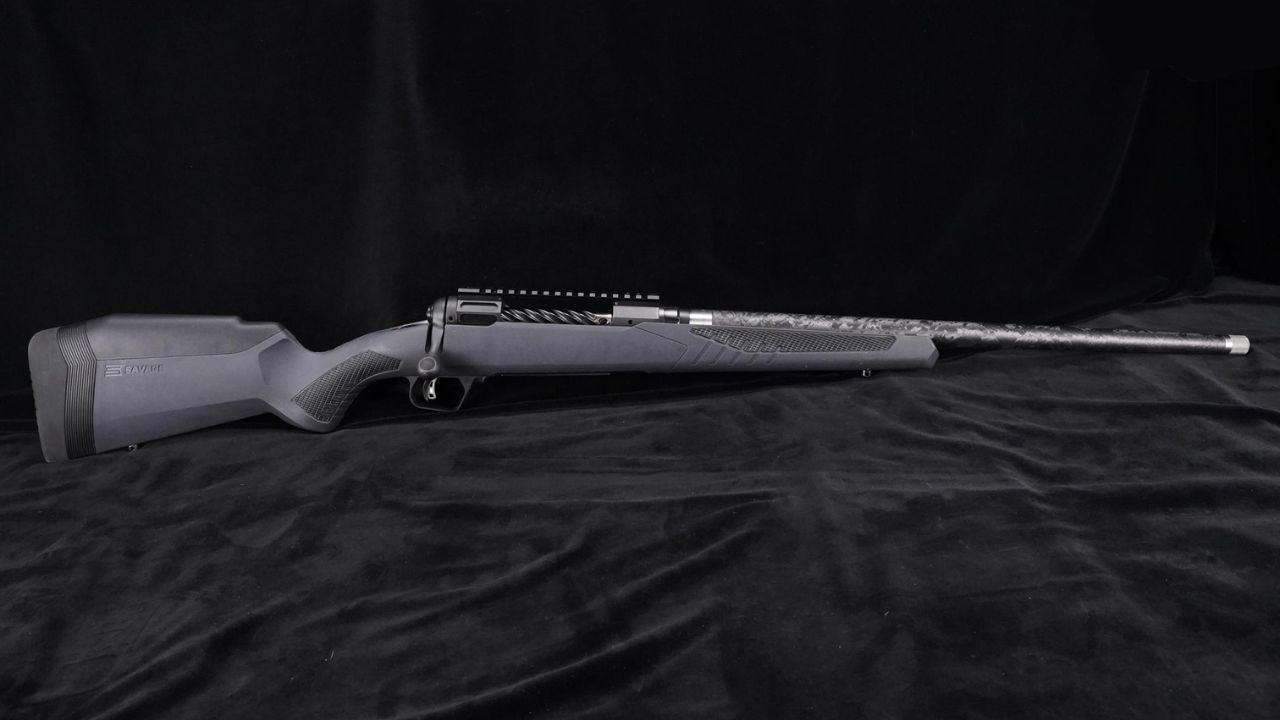
There’s light, and then there’s “I’ll actually carry this all day and still be happy” light. The 110 Ultralite makes sense for western miles and high elevation hunts where you’re already hauling optics, water, and layers.
I don’t baby rifles, but I do respect light ones. You have to shoot them well and not get sloppy. If you can handle a little more recoil and you practice from field positions, this is a serious tool.
6. Remington Model 700 (older production)
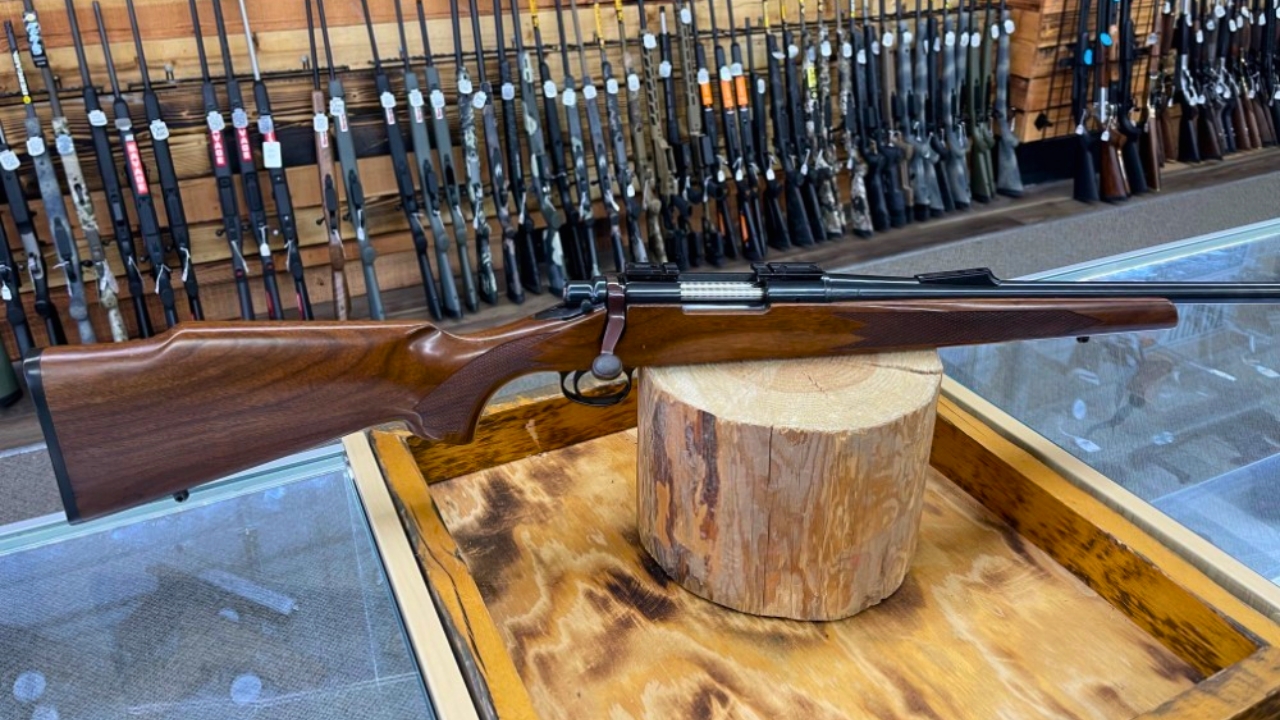
I’m not interested in internet arguments about this rifle. I’m interested in the fact that older 700s have probably taken more game than most of the rifles people shout about. The footprint is standard, stocks and triggers are everywhere, and any decent smith knows them.
If you’re doing a year-long run, the “ecosystem” matters. Something breaks, you can fix it without waiting on a hard-to-find part. Just don’t buy one blind and assume every era is the same. Handle it, inspect it, and make sure it runs right.
7. Weatherby Vanguard
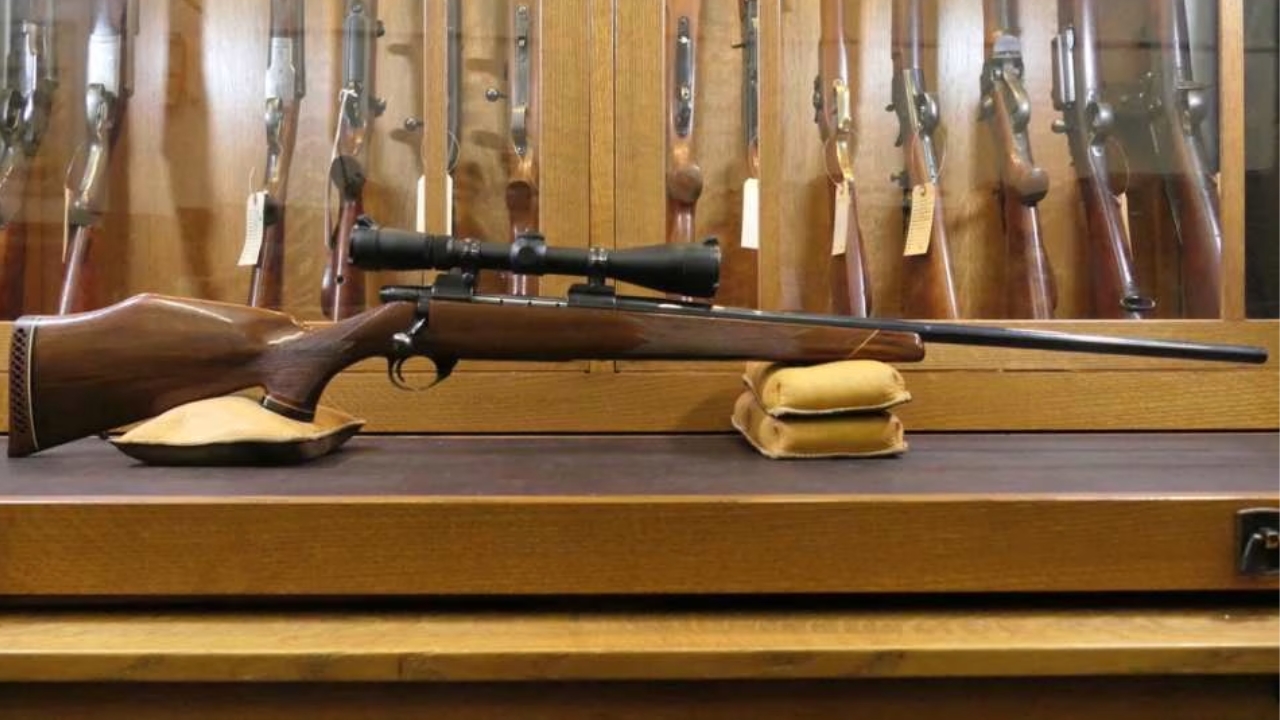
This is one of those rifles that rarely gets bragged about at camp and then quietly stacks animals. They’re typically accurate, the action is smooth enough, and the price-to-performance is hard to argue with.
It’s a little more “rifle” than some featherweights, but that can be a good thing when you’re shooting from awkward rests or dealing with recoil. If I’m bringing a rifle to cover bigger-bodied game without drama, this one’s on the short list.
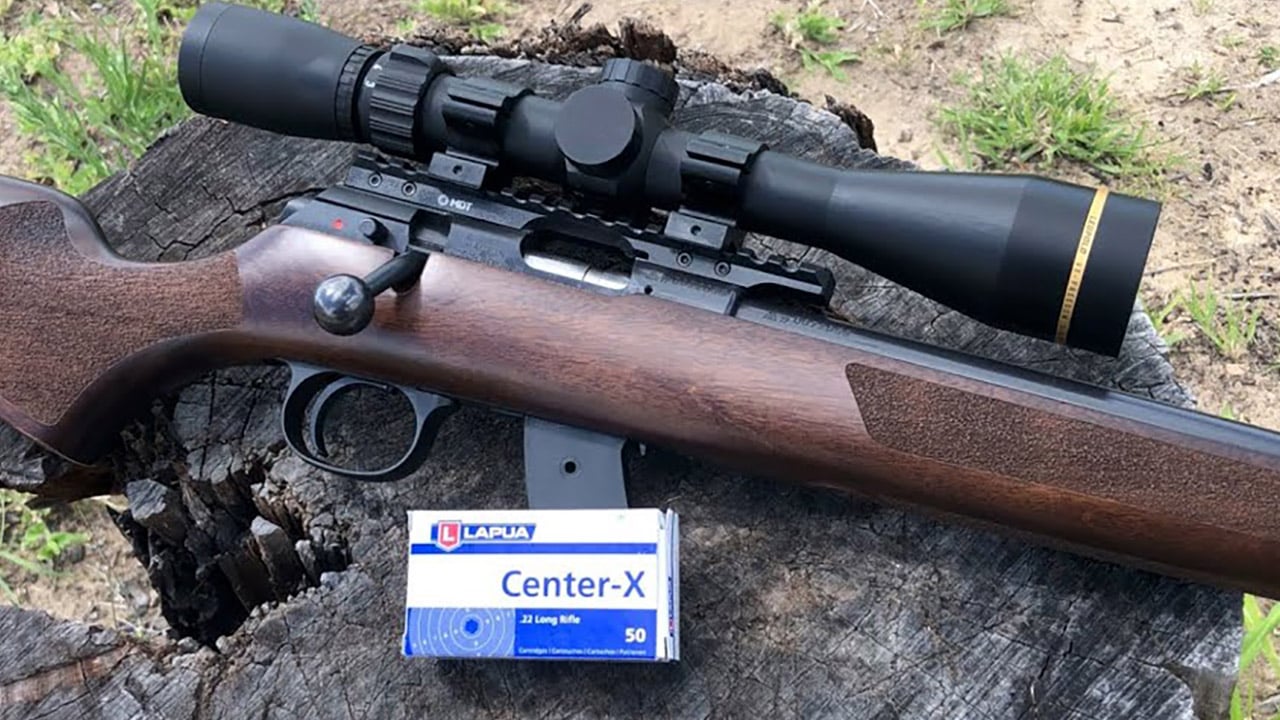
8. CZ 457 Varmint
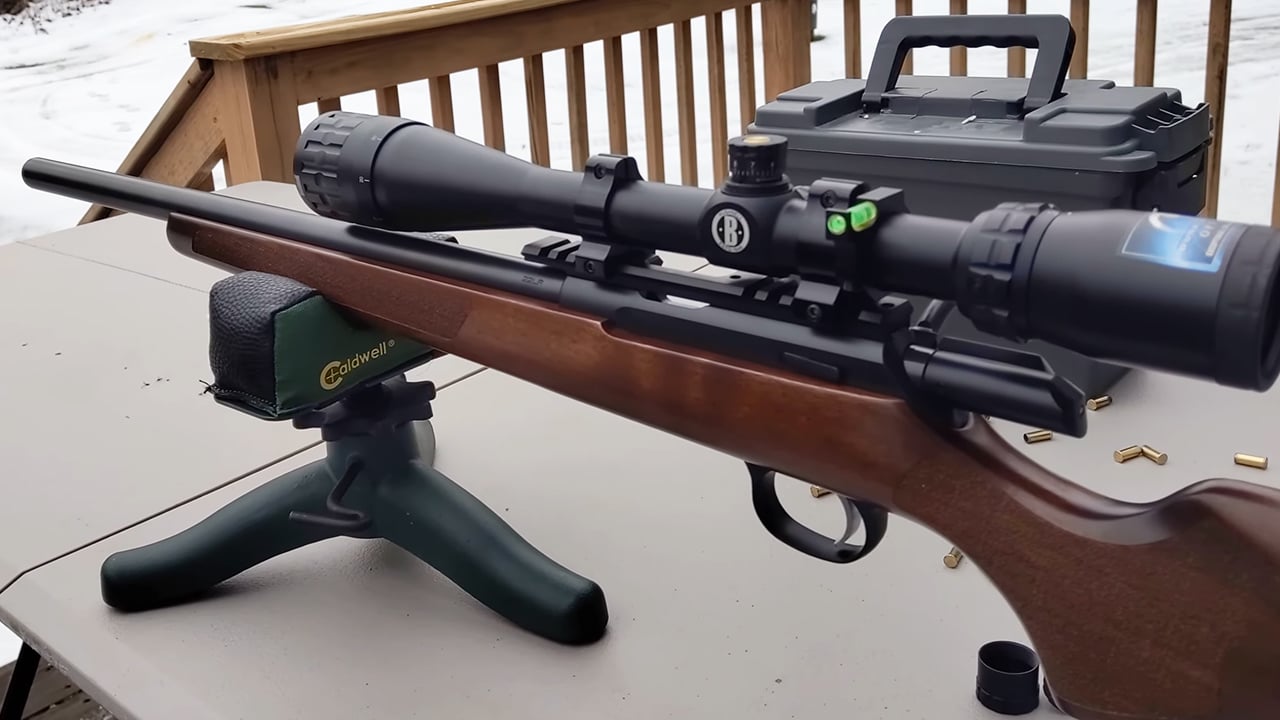
A rimfire earns its spot on a road-year. Squirrels, rabbits, camp meat where legal, and cheap practice when you don’t feel like burning centerfire ammo—this is how you stay sharp without going broke.
The 457 is accurate and well-made, and it feels like it’ll still be running when your grandkids find it in the safe. Toss a good rimfire scope on it and you’ll wonder why you didn’t take a .22 on more trips.
9. Ruger 10/22
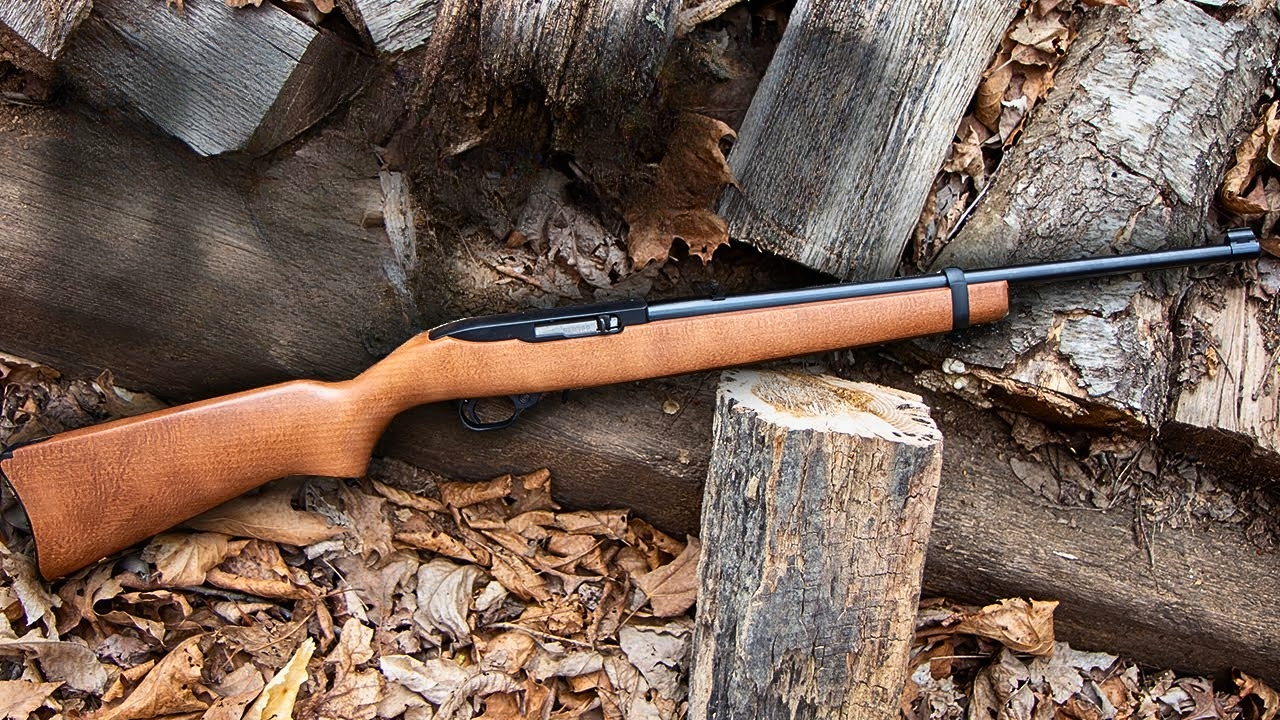
If the 457 is the nice hammer, the 10/22 is the one you’re not afraid to use. Magazines are everywhere, parts are everywhere, and it’s the easiest rifle in America to keep fed and running.
For a year of travel, this is the “grab it for the afternoon” gun. It’s also handy for introducing a new hunter you meet along the way, because it’s familiar and forgiving.
10. Marlin 1895 SBL

There are places in this country where a fast-handling lever gun just makes more sense. Thick timber, bear country, short shots, steep angles. A .45-70 lever gun isn’t about long-range anything. It’s about authority up close.
The SBL carries well and cycles quick. The ammo isn’t cheap, and recoil isn’t for everybody. But for big critters at sane distances, it’s comforting in a way a light magnum bolt gun isn’t.
11. Henry All-Weather .30-30
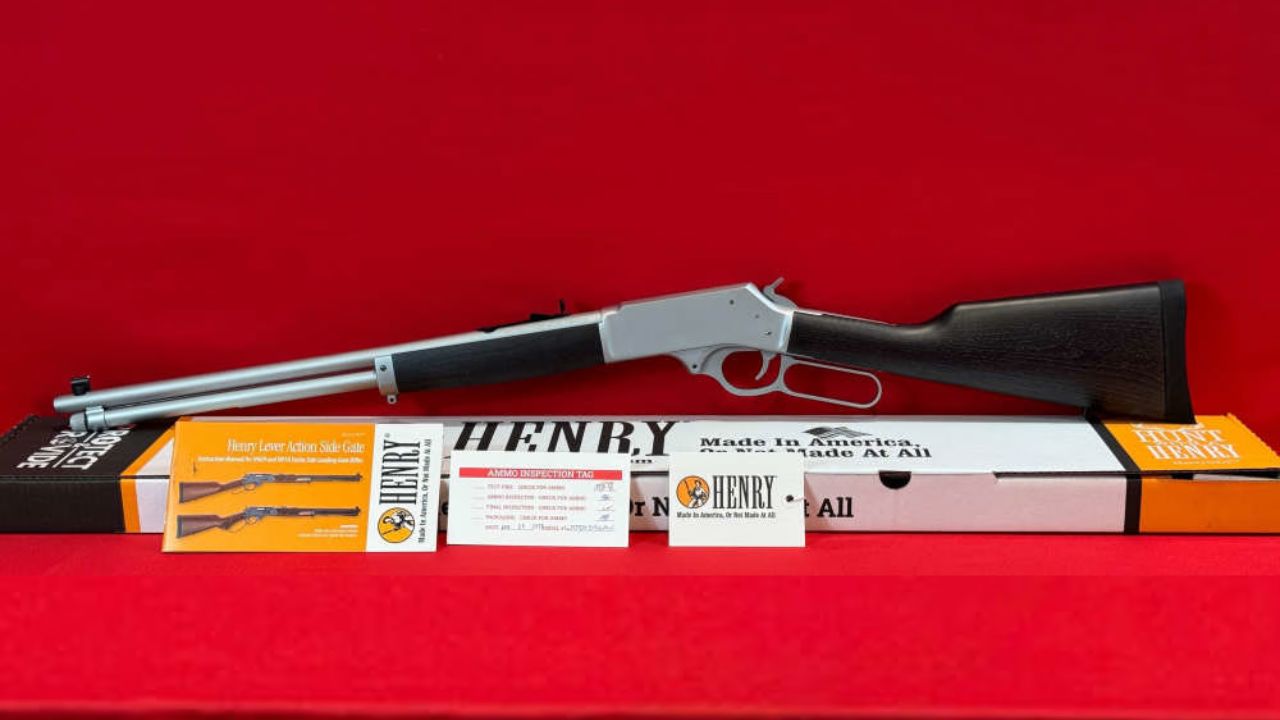
A .30-30 is still one of the best “walk and hunt” setups ever made. It’s light, it points where you look, and it doesn’t blow up meat at woods ranges. The All-Weather finish is a real perk when you’re hunting rain, snow, and swamp in the same month.
There’s nothing tactical about it. It’s just useful. If I had to pick a rifle for whitetails in brushy country and never think about it again, this is the vibe.
12. Ruger Gunsite Scout Rifle

This rifle catches flak because it sits in a weird middle ground. I get it. Still, if I’m traveling hard and might need one rifle to do multiple jobs, the scout concept starts to make sense. Handy length, rugged build, and detachable mags.
It’s not the lightest option, and you’re not buying it to win a benchrest match. You buy it because it carries and handles like a working rifle, and it doesn’t feel delicate.
13. Springfield Armory M1A (Standard)
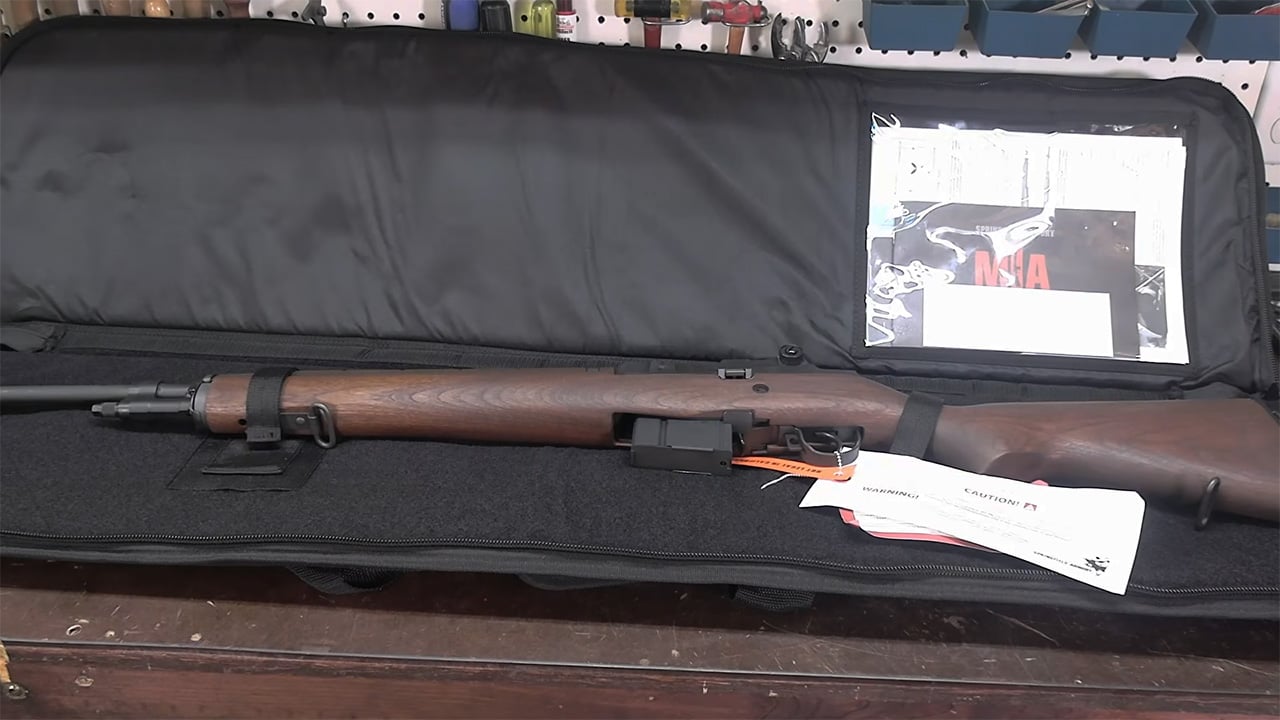
There are better “precision semi-autos” if you want to spend more money and treat it like a system. But if you want a full-power semi-auto that’s familiar, capable, and can hunt where legal, the M1A is still a real rifle.
It’s heavier than most bolt guns you’d pick for a year of travel. No sugarcoating that. But in states and seasons where a semi-auto makes sense for follow-up shots, it’s a tool I trust if it’s been vetted at the range.
14. Ruger AR-556

For predators, hogs, and general-purpose shooting where legal, an AR is hard to beat. The AR-556 is not a boutique build, and that’s fine. It’s common, it’s serviceable, and magazines are as easy to find as bottled water.
On a long year, simplicity wins. You can run a basic optic, keep a spare bolt and springs, and you’re covered. Just confirm your local rules—some places get particular about what’s allowed for certain game.
15. Daniel Defense DDM4 V7
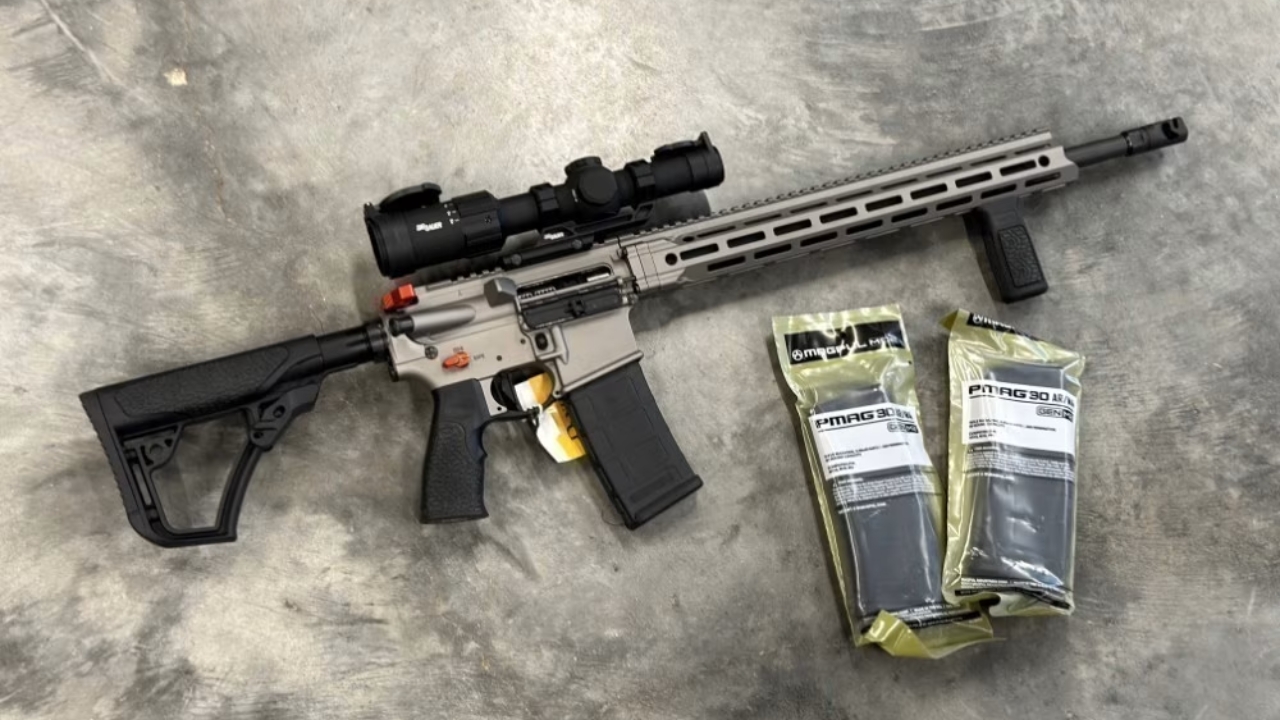
If I’m taking a “nice AR” for a year of hard travel, I want one that stays tight, runs clean enough, and doesn’t feel like it’s built from mystery parts. The DDM4 V7 has a reputation for being boringly reliable, and boring is good when tags and time are on the line.
You pay for it. No way around that. But I’ve watched cheaper rifles turn range days into troubleshooting sessions. When you’re crossing time zones chasing seasons, I’d rather be hunting than swapping buffers.
16. CZ 600 Alpha

The 600 series is one of those newer lines that feels like it was designed by people who actually hunt. The Alpha isn’t fancy, but it’s solid, accurate, and built to be used without worrying about every scratch.
For a one-year run, I like “modern but not weird.” This fits. It’s a practical rifle for deer and elk-sized work, and it doesn’t demand special treatment.
17. Bergara B-14 HMR

Not every hunt is a backpack hunt. Sometimes you’re glassing from a ridge, shooting across a cut, or setting up on a field edge where the rifle can be heavier and steadier. That’s where the HMR shines.
It’s not a mountain rifle. It’s a “shoot well when it matters” rifle. If I’m planning at least a couple trips where longer, careful shots are likely, I want one rifle built around stability and consistency.
18. Sako 85 Finnlight
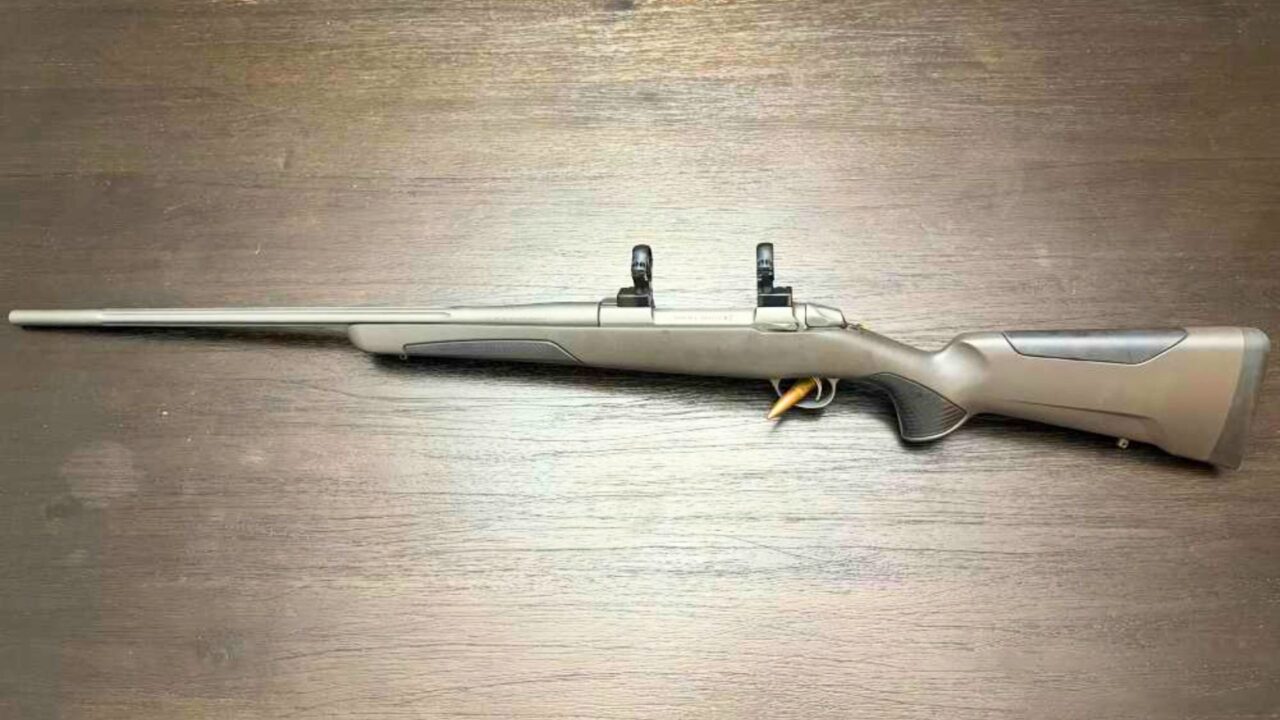
This is the “buy once, cry once” pick. The action feels like it’s on bearings, the balance is excellent, and it carries the way a serious hunting rifle should. If you’ve ever toted a rifle for ten miles and then tried to settle in for a shot with shaky legs, you start to appreciate good balance.
Is it necessary? No. Is it nice? Absolutely. If I’m committing to a huge year of hunting, I’d want at least one rifle that feels like a lifetime companion.
19. Blaser R8 Professional
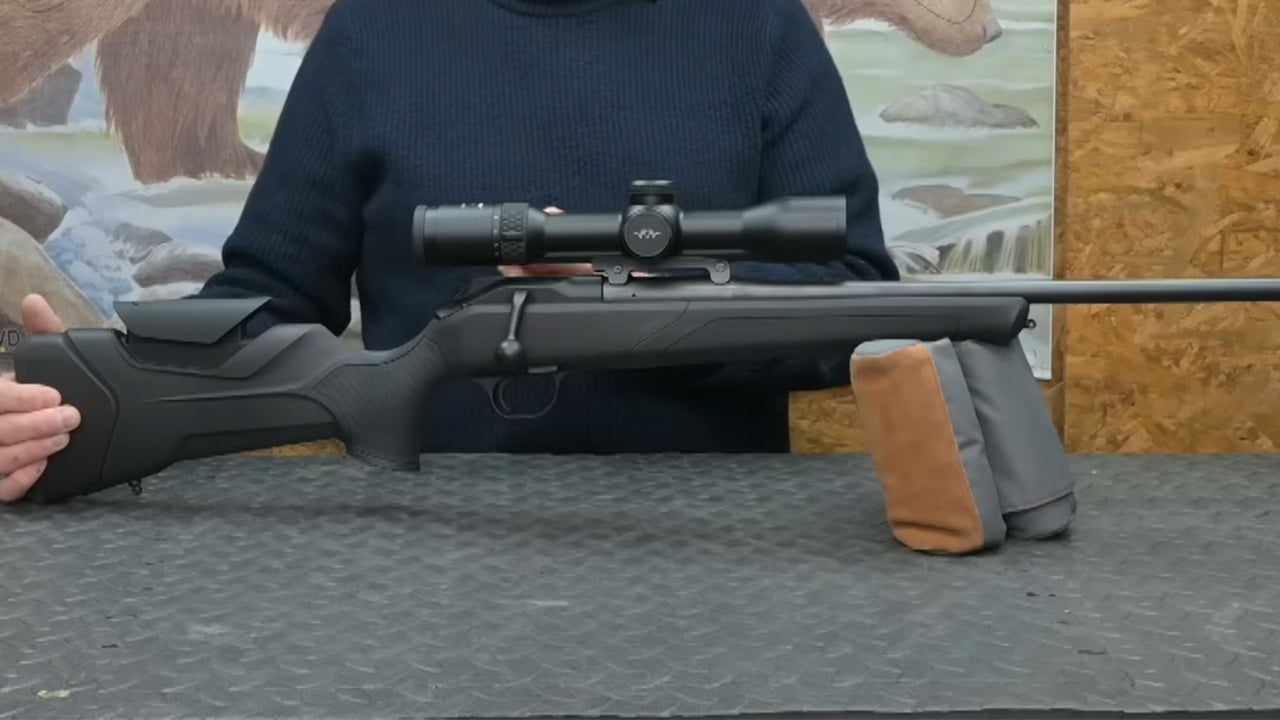
This is the travel cheat code if you can afford it. The quick-take-down setup and the ability to swap barrels (staying within legal requirements and keeping everything properly sighted) is tailor-made for the guy trying to hunt multiple regions without dragging a whole gun room along.
It’s expensive enough to make you swallow hard. But if your plan involves flights, rental cars, and tight storage, the compact packability is real. This is one of the few “fancy” rifles where the fancy part actually solves a problem.
20. Mossberg MVP Predator

I like a bolt gun that takes common magazines when I’m thinking coyotes and hogs. The MVP Predator gives you that option in a format that’s easy to scope, easy to carry, and generally straightforward to live with.
It’s not perfect, and you want to confirm feeding with the exact mags you’ll use. Still, for a year of bouncing around and calling predators in a dozen different landscapes, it’s a handy, practical rifle that doesn’t try to be something it’s not.
If I actually tried to hunt that much ground in one year, the rifles wouldn’t be the hard part. The hard part would be logistics, weather, access, and keeping your head straight when you’re tired. But good rifles remove problems instead of creating them. Pick stuff that you can feed, maintain, and trust when the window opens—because on a year like that, you don’t get many second chances.
Like The Avid Outdoorsman’s content? Be sure to follow us.
Here’s more from us: