Photo credit: Texas Plinking/YouTube
A lot of rifles get defended on performance. A lot more get defended because the owner paid too much, waited too long, or bought too hard into the story to turn around and say the thing never really delivered. That is a real part of gun culture whether people want to admit it or not. Once a rifle costs enough, wears the right name, or comes wrapped in enough hype, plenty of buyers start protecting the purchase instead of judging the rifle honestly.
That does not mean every expensive or famous rifle is bad. Some are excellent. But some rifles keep their reputation alive because the shooter would rather keep explaining the rifle than explain why he spent that much to end up frustrated. These are the rifles people cling to because admitting disappointment feels expensive, and in most cases the excuses start long before the honesty does.
Christensen Arms Mesa

The Christensen Mesa sells on weight, looks, and the promise that you are getting mountain-rifle performance without stepping all the way into custom-rifle money. On paper, that sounds like a smart move. In the store, it feels even smarter. It is trim, attractive, and easy to imagine on a sheep hunt or strapped to a pack in rough country. That first impression does a lot of work, especially for buyers who want a rifle that feels modern and serious right out of the box.
Then range time starts stacking up, and that is where the conversation can get a little uncomfortable. Some shooters end up happy, but others start chasing inconsistent groups, sensitivity to ammo, or a rifle that never quite settles into the accuracy level they expected for the money. At that point the excuses usually show up fast. People talk about barrel break-in, scope issues, weather, bipod pressure, or anything else that keeps the blame moving. That is usually a sign the price tag is still doing part of the talking.
Springfield Armory 2020 Waypoint
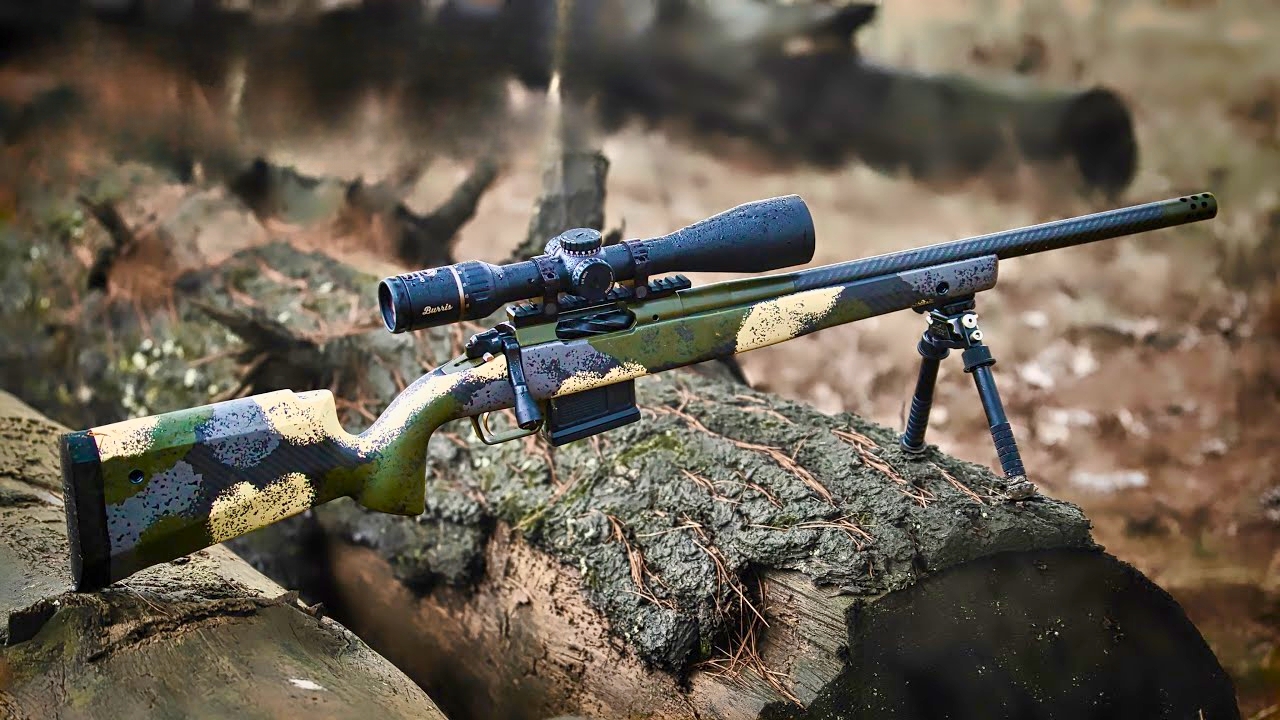
The 2020 Waypoint has all the right ingredients to make buyers feel like they are stepping into the modern precision-hunting crowd. It is light, sleek, and sold with a lot of confidence. Carbon-fiber furniture, premium styling, and the kind of fit and finish that tells you this is not supposed to be an ordinary deer rifle all help justify the number on the box. A buyer does not just feel like he bought a rifle. He feels like he bought into a higher class of rifle.
That is exactly why disappointment gets so hard to admit when the rifle turns out to be merely decent instead of clearly excellent. At that price, “fine” starts to feel like failure. Some owners get great results, but others spend a whole lot of time trying to convince themselves that respectable groups are the same thing as impressive ones. Once a rifle gets sold as a premium solution, admitting it did not outperform simpler and cheaper options starts to feel like confessing you paid for a story.
Q Fix
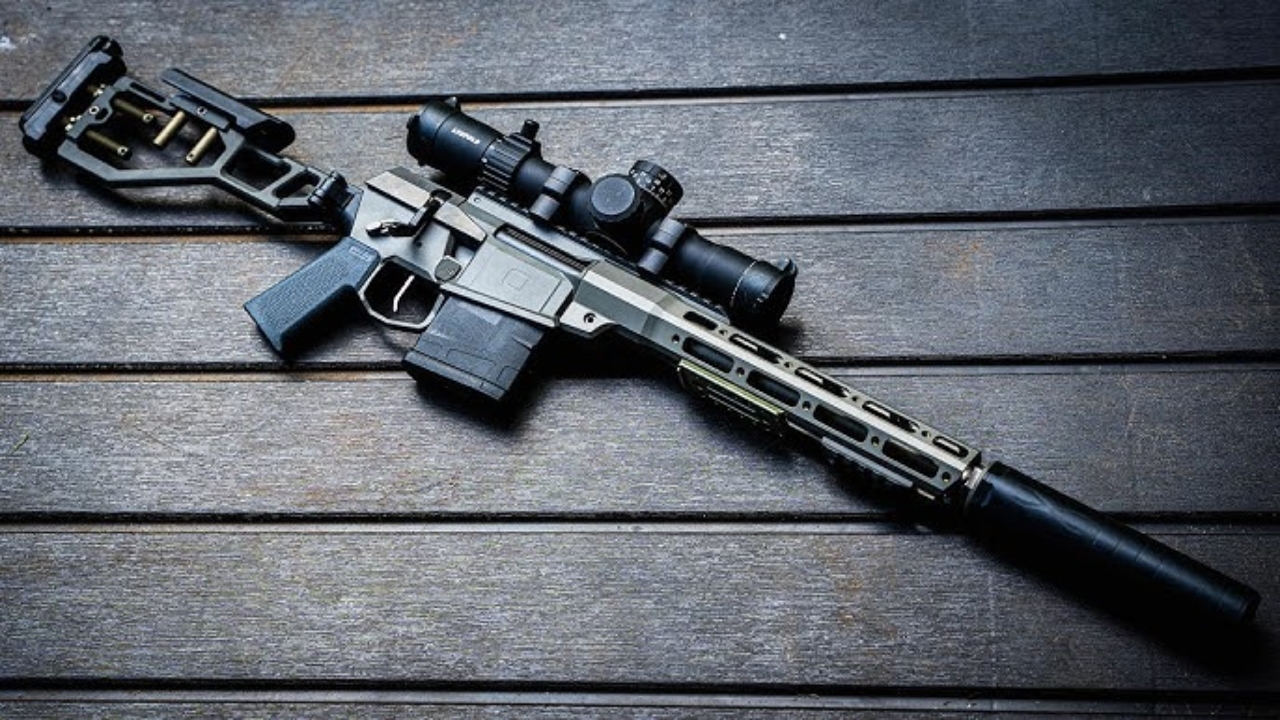
The Q Fix is one of those rifles that attracts buyers who love innovation, compactness, and the idea that they are smarter than the average bolt-gun crowd. It looks different, feels different, and promises a more modern answer to old rifle problems. For the right shooter, that is a big part of the appeal. The rifle says you are not stuck in the past. It says you understand light weight, modularity, suppression, and a new way of thinking about practical bolt rifles.
That same appeal makes disappointment hard to own when the rifle leaves someone cold. Not every shooter bonds with the ergonomics, the feel, or the price-to-performance equation. Some buyers eventually realize they paid a lot for novelty and packaging that did not actually make them shoot better or hunt better. But admitting that means admitting the cool factor may have mattered more than field results. A lot of people would rather defend the concept than say the rifle never really justified the bill.
FN SCAR 17S

The SCAR 17S has been living off serious-guy energy for years, and a lot of shooters buy one because it looks like the kind of rifle that should be above criticism. It carries military cachet, unmistakable styling, and a reputation built on hard-use imagery that is almost impossible to ignore. When somebody brings one home, there is usually more going on than a simple rifle purchase. He is buying into the whole identity package that comes with owning a SCAR.
That is exactly why owners can get defensive when the rifle does not feel worth what they paid. The reciprocating charging handle annoys some people, the trigger is nothing magical out of the box, optics setup can become a budget problem fast, and the total investment gets painful in a hurry. Once you are that deep, disappointment feels expensive in more ways than one. A lot of owners keep selling the legend long after they stop being excited about actually shooting the rifle.
Daniel Defense Delta 5

The Delta 5 came in carrying a strong brand name and a lot of implied credibility. Daniel Defense built a reputation in the AR space, so plenty of buyers assumed the bolt-gun side would feel just as automatic. That is how brand gravity works. A shooter sees the name, sees the precision-rifle styling, and expects the whole thing to land with authority. It is easy to believe you are buying a rifle that will simply outclass less fashionable options because the company already earned your trust elsewhere.
But bolt guns do not get graded on logos, and that can be a rude surprise. Some shooters like the Delta 5, but others come away feeling like it never separated itself enough to justify the cost, weight, or excitement. When that happens, owners often shift into explanation mode instead of evaluation mode. They start telling you what the rifle should mean rather than what it is actually doing for them. That is usually what happens when someone is trying not to admit the purchase hit harder than the performance.
Sig Sauer Cross

The Sig Cross is exactly the kind of rifle that draws attention fast. It is light, foldable, modern-looking, and clearly aimed at shooters who want a backcountry rifle that also feels current and modular. For a lot of buyers, it checked every mental box at once. It looked like the rifle of the future without asking them to give up bolt-action familiarity. That is a powerful combination, and it made the Cross easy to want before many people had enough rounds through one to speak with real confidence.
That early excitement is what makes later disappointment so awkward. Once a rifle arrives with that much expectation, any inconsistency or lack of spark starts feeling bigger than it might on a plain rifle. Some owners came away very satisfied, while others seemed to spend a lot of energy defending the platform harder than they were enjoying it. The more a rifle sells as an idea, the harder it becomes for buyers to admit that the real-world experience felt flatter than the pitch.
Barrett MRAD
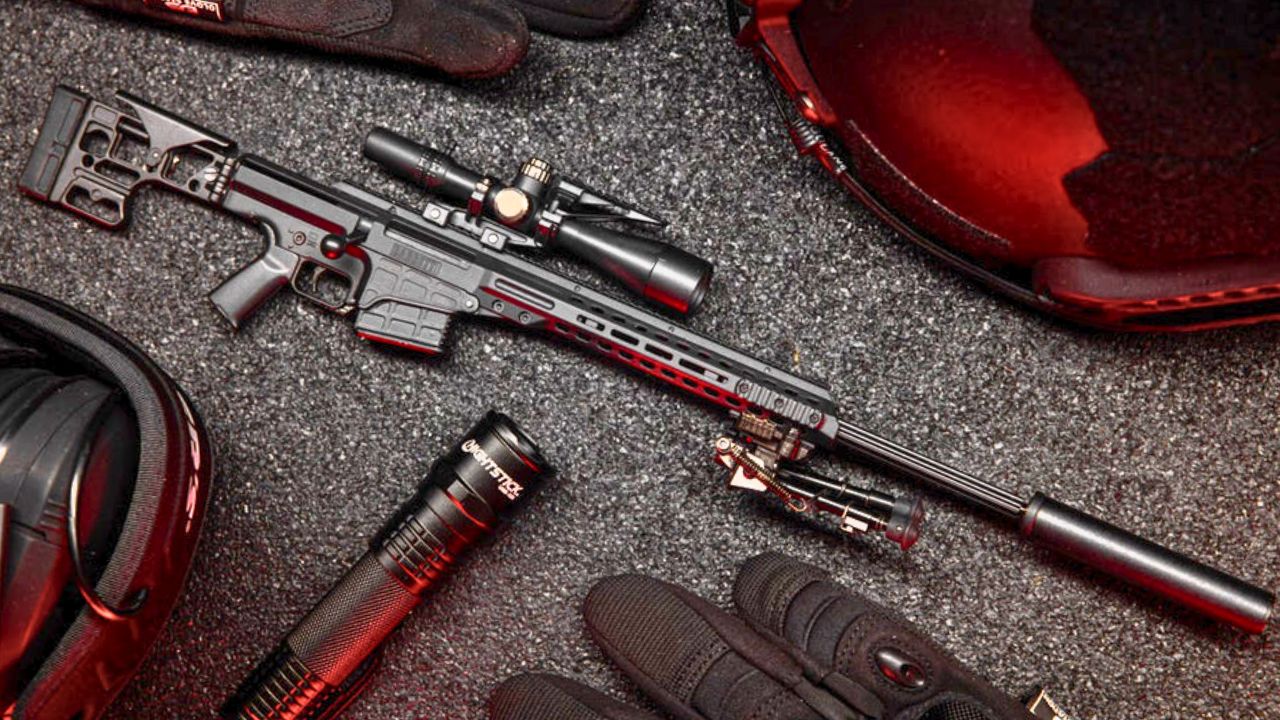
The MRAD is one of those rifles that almost dares people to criticize it. It looks elite, carries Barrett prestige, and lands with the kind of price tag that makes everybody assume it must be exceptional. It is modular, serious-looking, and the kind of rifle many shooters associate with top-tier long-range work whether they personally need that capability or not. Owning one says something, and for some buyers that statement matters almost as much as the actual trigger time.
That is why disappointment tends to get buried under admiration language. The rifle can absolutely do real work, but not every owner ends up loving the weight, the cost of feeding it, or the reality that much of what he paid for lives outside his normal use case. Once somebody has spent that kind of money, he is not eager to say the rifle is more impressive in theory than in his actual life. It is easier to praise the engineering than admit the ownership experience feels heavier than the excitement.
Browning X-Bolt Pro

The X-Bolt Pro is aimed right at buyers who want a hunting rifle that feels a cut above the usual production-rifle crowd. Carbon-fiber stock, fluted barrel, sharp lines, and a Browning name that already carries plenty of hunting-country credibility all help the sale. In the rack, it feels like a serious upgrade. It tells the buyer he is not bringing home another plain hunting rifle. He is bringing home refinement, weight savings, and a rifle that should, at least emotionally, live above the mid-tier pack.
That is why disappointment gets sticky when the rifle does not do anything dramatic enough to separate itself. Some owners shoot them very well. Others end up wondering why the jump in price did not bring a jump in satisfaction. But once that money is gone, admitting the rifle feels more premium than transformative is tough. You start hearing a lot of soft defenses instead of strong praise. That usually means the owner is protecting the decision as much as the rifle.
Ruger Precision Rifle

The Ruger Precision Rifle had a huge moment because it gave ordinary buyers a way into the precision-rifle world without custom-rifle pricing. For a lot of shooters, that mattered. It looked the part, offered real features, and made people feel like they had entered a more serious lane of shooting. That kind of rifle sells not just on performance, but on access. It lets somebody feel like he bought into long-range culture without needing to explain a five-figure build to his wife or his bank account.
The trouble is that many people bought one for the idea of precision shooting rather than the actual lifestyle of it. After the excitement cooled, a lot of rifles like this ended up heavy, awkward, and not nearly as fun to own as they were to research. Some owners still defend them because the rifle opened a door for them. Others defend them because admitting it mostly became a safe anchor would feel like admitting they bought ambition instead of use. That is an expensive kind of honesty.
HCAR
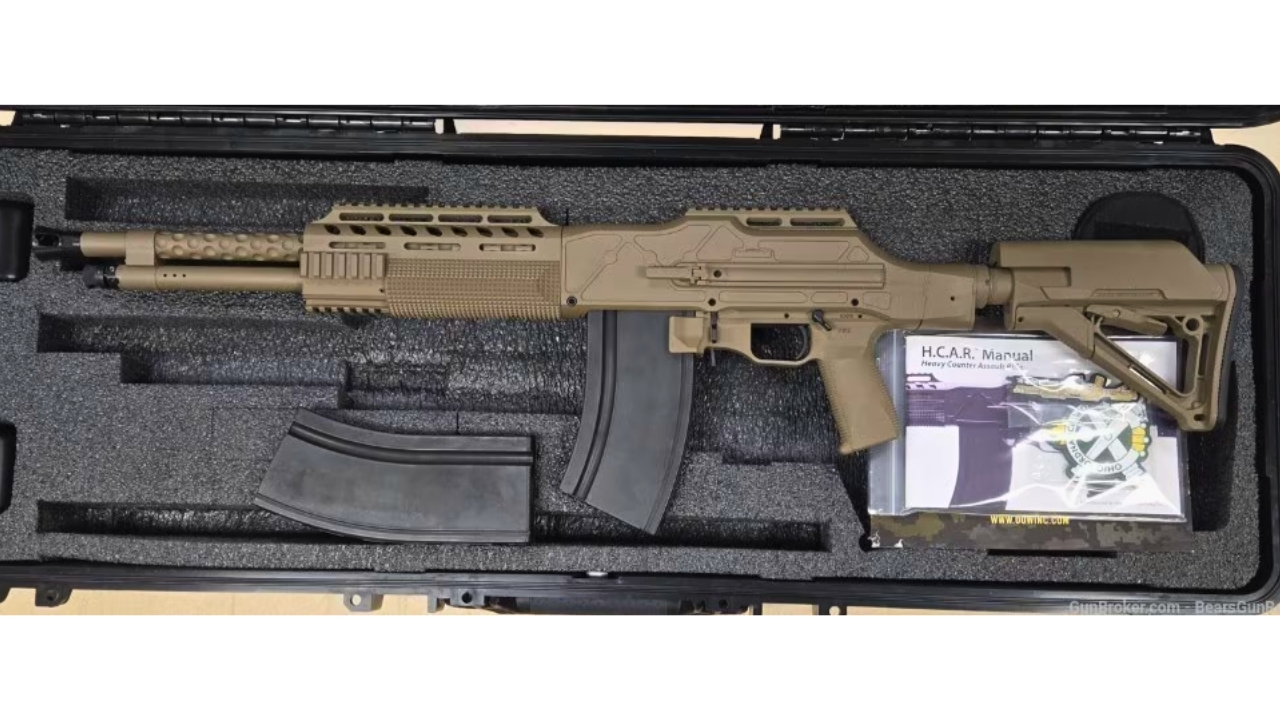
The HCAR is the kind of rifle that makes people fall in love before common sense ever gets a vote. It looks incredible, carries the weight of BAR-inspired history, and feels like the sort of firearm you buy because normal rifles stopped exciting you years ago. It is rare air stuff, and buyers know it. Nobody stumbles into an HCAR by accident. A purchase like that is deliberate, emotional, and usually wrapped in a long buildup of admiration.
That also means disappointment has nowhere comfortable to go if the rifle turns out to be more interesting than practical. It is big money, big image, and a big statement. Once somebody owns one, he is not likely to casually admit it is too much rifle, too much cost, or too specialized to really fit his life. He will usually tell you about craftsmanship, legacy, and uniqueness first. Sometimes that is honest appreciation. Sometimes it is a way to avoid saying the fantasy hit harder than the long-term enjoyment.
Desert Tech SRS A2
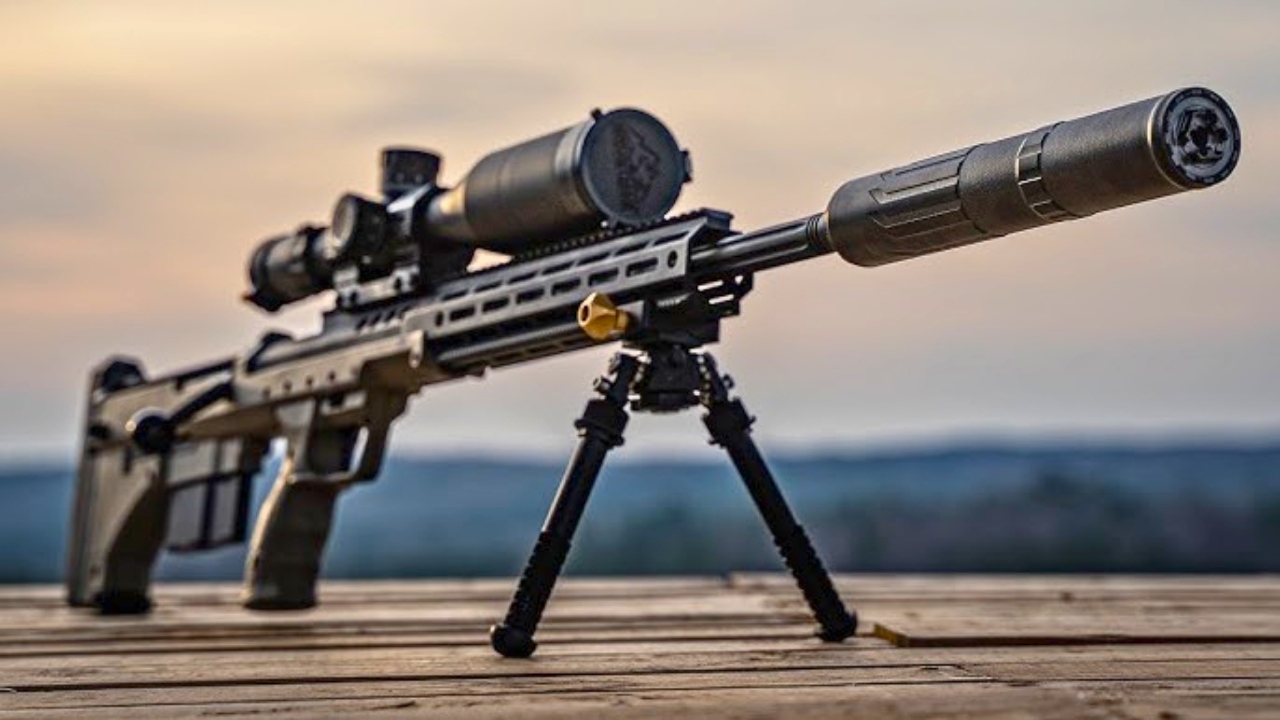
Bullpup bolt guns attract a very specific kind of buyer, and the SRS A2 is one of the clearest examples. It offers compact dimensions, caliber flexibility, and a very different feel from traditional precision rifles. For shooters who are bored with conventional layouts, that is a strong draw. The rifle looks advanced, handles differently, and gives the owner something most range benches will not have. That alone is enough to create deep attachment before the practical tradeoffs even get a fair hearing.
Those tradeoffs can become harder to ignore once the novelty wears off. Not everybody loves the ergonomics, balance, or overall feel compared to a more traditional long-range setup. But once someone has paid that much to be different, it becomes very hard to admit the difference may not have improved anything that matters to him. A lot of shooters would rather keep celebrating the uniqueness than say the rifle never quite became the answer they imagined.
Weatherby Mark V Backcountry
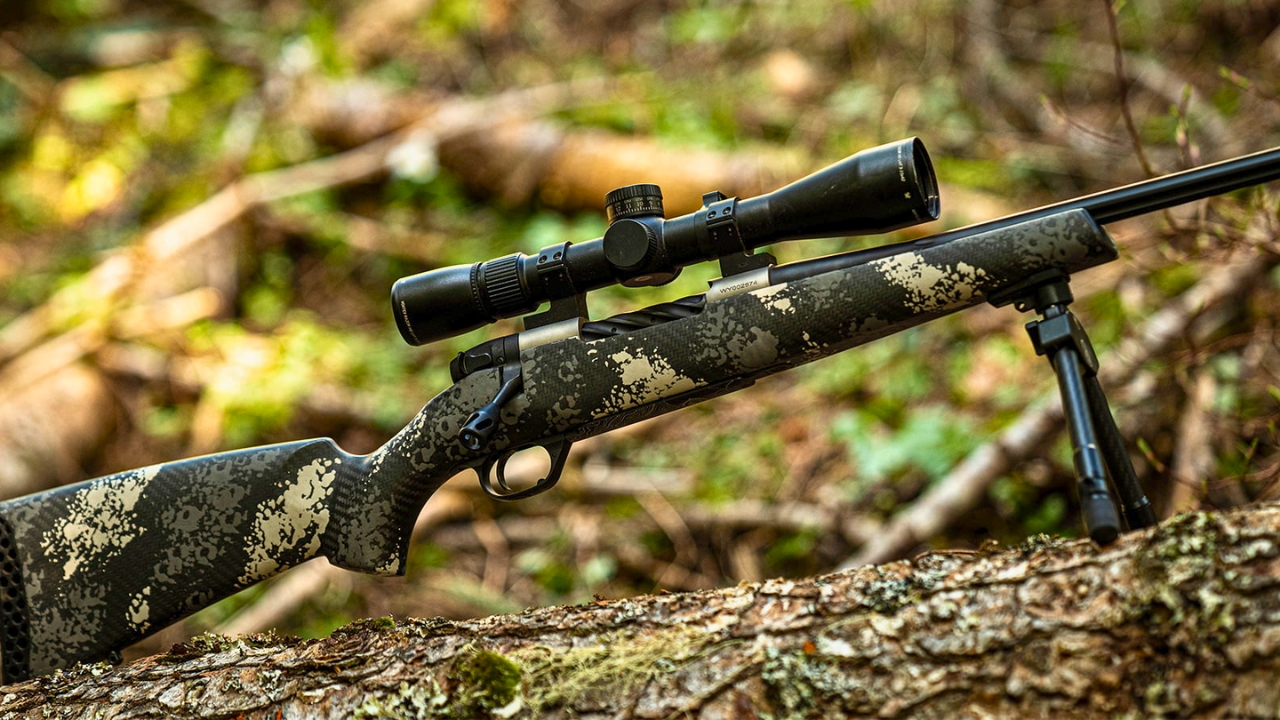
The Mark V Backcountry sells a dream that is easy to understand. It is the rifle for the hunter who wants to shave ounces, climb higher, and feel like every piece of gear is pulling its weight. Weatherby knows how to sell that vision, and the Mark V name already carries plenty of authority. When you combine that with a lightweight backcountry package, you get a rifle that feels like it belongs in serious hands, even before the first shot confirms anything.
But light rifles can be a mixed blessing, and that truth catches up to some owners after the honeymoon. Recoil can be sharp, range sessions can become less pleasant, and expectations can get out in front of the actual shooting experience. Once that happens, it is not always easy to admit the rifle is more admirable than enjoyable. Buyers who spent heavily for the mountain-rifle ideal do not love saying the reality turned out more punishing and less magical than the catalog suggested.
CZ 600 Range

The CZ 600 Range looks like the kind of rifle a careful, informed shooter is supposed to buy. It has weight where people want stability, styling that leans serious without going full tactical costume, and the kind of presentation that tells buyers they are choosing substance over noise. For the shooter who wants to feel deliberate and a little above brand-chasing, that is appealing. It gives off the impression that you are making a thoughtful rifle purchase instead of a trendy one.
That is why it can be so hard for owners to admit when the rifle does not move them the way they expected. Sometimes the issue is not outright failure. Sometimes it is worse than that. It is competence without excitement. A rifle can be good and still leave its owner oddly cold, especially when he expected something memorable. But after a certain spend level, few people want to say they bought a rifle that is respectable yet strangely unconvincing. So they keep defending it with the energy they wish the rifle had earned.
Proof Research Elevation

Proof has serious cachet among shooters who care about weight, barrels, and premium builds, so the Elevation enters the room with a lot already working in its favor. It is sold as a refined hunting rifle with modern materials, strong component quality, and the kind of overall package that should feel different from production guns in all the right ways. Buyers come in expecting separation. They are not paying for “good enough.” They are paying for the feeling that the rifle sits in a more serious class.
That expectation becomes the whole problem when the rifle fails to create clear emotional distance from cheaper options. Even if it performs well, some owners still reach that uncomfortable point where they realize they paid for a category jump that did not fully translate into a satisfaction jump. At that stage, the defense usually becomes philosophical. They start talking about materials, pedigree, and premium standards more than smiles per shot or confidence per hunt. That is what expensive disappointment often sounds like.
Savage Impulse Elite Precision

The Impulse Elite Precision gets attention because straight-pull rifles still feel novel to many American shooters, and anything novel with long-range styling can sell on curiosity alone. Add the chassis setup, premium look, and the promise of speed without giving up precision-rifle identity, and you have a rifle that almost demands a second look. Buyers talk themselves into them because they want something more interesting than another bolt gun, but not something so radical it stops feeling serious.
That gap between interesting and satisfying is where the trouble starts. Some owners enjoy the different feel. Others never really get over the sense that they paid a lot for a mechanism they respect more than they love. Admitting that is hard, because the whole purchase was built around choosing something more advanced than ordinary. Nobody wants to say he paid extra for a rifle that mainly delivered a conversation piece. So the defense stays loud even when the affection starts sounding forced.
Noveske N6
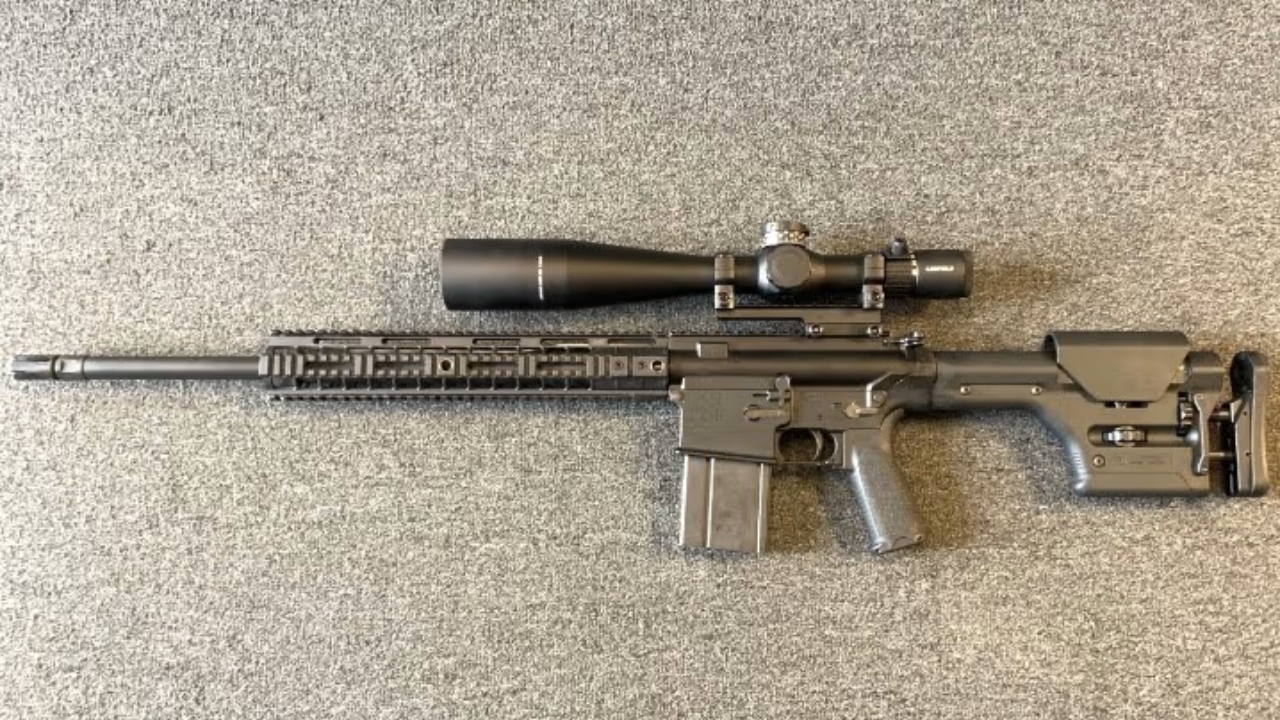
A rifle like the Noveske N6 gets bought by people who already believe they are stepping above normal AR-10 territory. The name carries weight, the branding is strong, and the expectation is that the rifle will feel tighter, smarter, and more refined than the average big-frame semi-auto. That expectation is part of the appeal. Buyers want to feel like they skipped the compromises and went straight to something more complete, more serious, and more worthy of the money.
But once the dust settles, some shooters realize they still own a heavy semi-auto .308 with all the familiar realities that come with that category. It may be well made, but that does not automatically mean it feels thrilling enough to justify the outlay. That is where the emotional defense begins. Owners start leaning on reputation, fit and finish, and resale talk because saying “it’s fine, but maybe not worth all this” feels like swallowing a very expensive truth.
Like The Avid Outdoorsman’s content? Subscribe to our newsletter so you never miss an article.
Here’s more from us: