
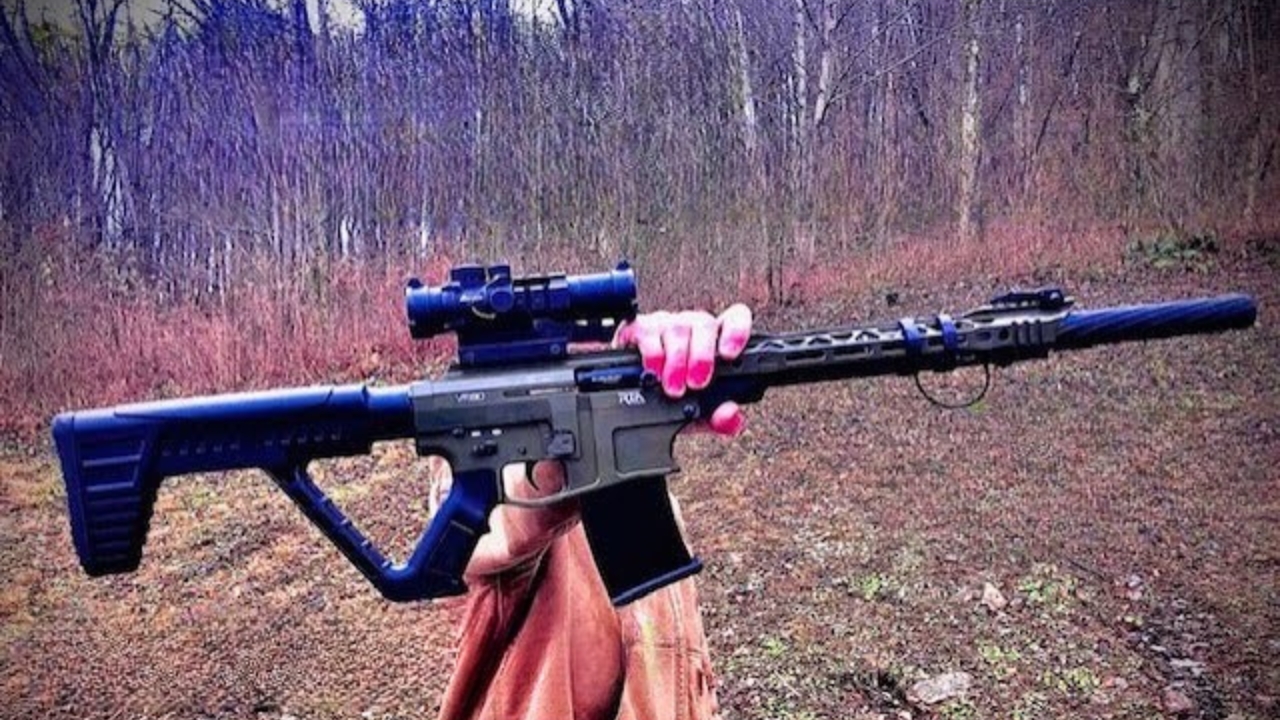
Photo credit: Hunt Shoot Live/YouTube
Buying a gun usually feels good in the moment. You talk yourself into the features, the price seems fair enough, and you picture how it will fit into your carry rotation, hunting setup, range bag, or safe. Then you actually live with it for a little while.
That is where regret shows up fast. Maybe the recoil is worse than expected. Maybe the magazines are expensive or hard to find. Maybe the trigger ruins practice, the rifle will not group, or the shotgun only runs loads it happens to like. Some guns are not total junk, but they still make buyers wonder why they did not slow down before handing over the money.
Kimber Solo
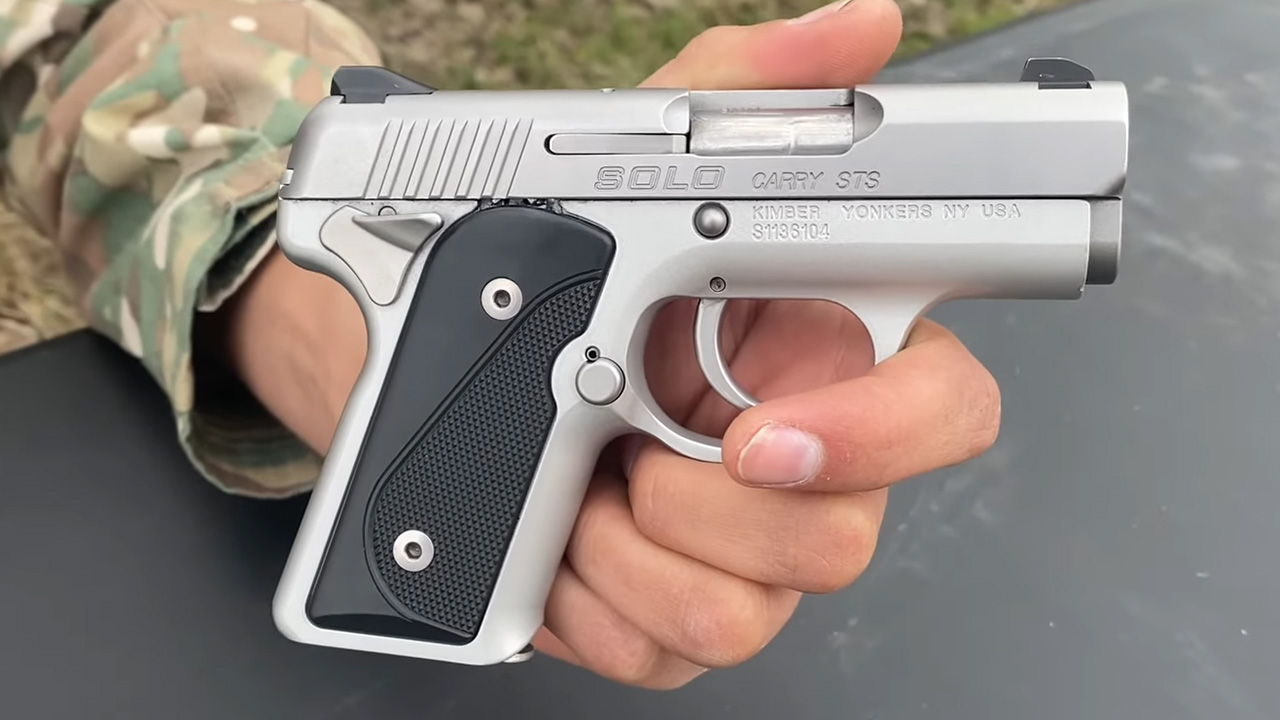
The Kimber Solo looked like the classy answer to small 9mm carry. It had clean lines, a premium name, and enough style to make cheaper pocket pistols look crude beside it. At the counter, it was easy to believe you were buying a refined defensive pistol instead of another plastic micro gun.
Then owners started running into the things that make a carry gun hard to trust. The Solo had a reputation for being picky with ammo, sensitive to grip, and less forgiving than its size suggested. When a pistol meant for defense starts making you test loads like a science project, regret does not take long.
Remington 770
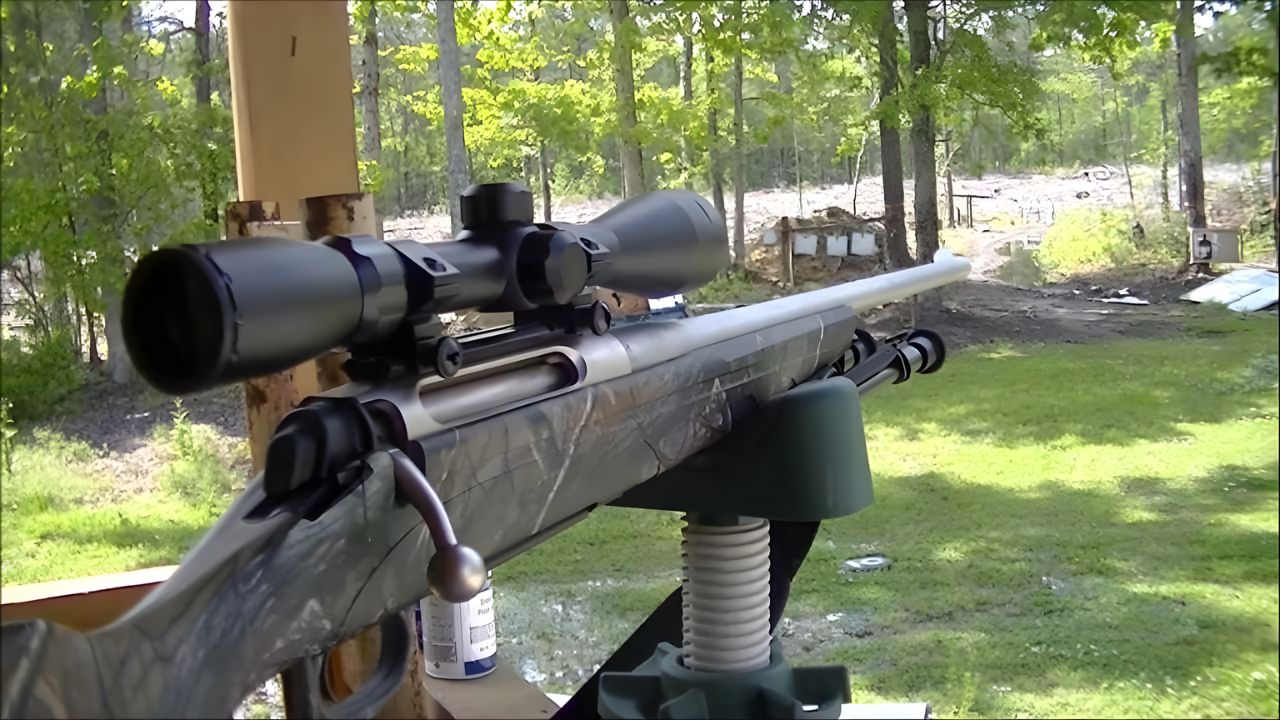
The Remington 770 tempted hunters because it was affordable and wore a familiar name. A rifle-and-scope package sitting on the rack can look like an easy way to get into deer season without spending much. For a new hunter, that pitch has power.
The regret usually came once the bolt got worked and the groups hit paper. The action often felt rough, the stock felt cheap, and the whole rifle struggled to feel confidence-building next to other budget guns. Cheap is only a win when the gun still feels trustworthy. The 770 made a lot of buyers wish they had saved a little longer.
Taurus Curve
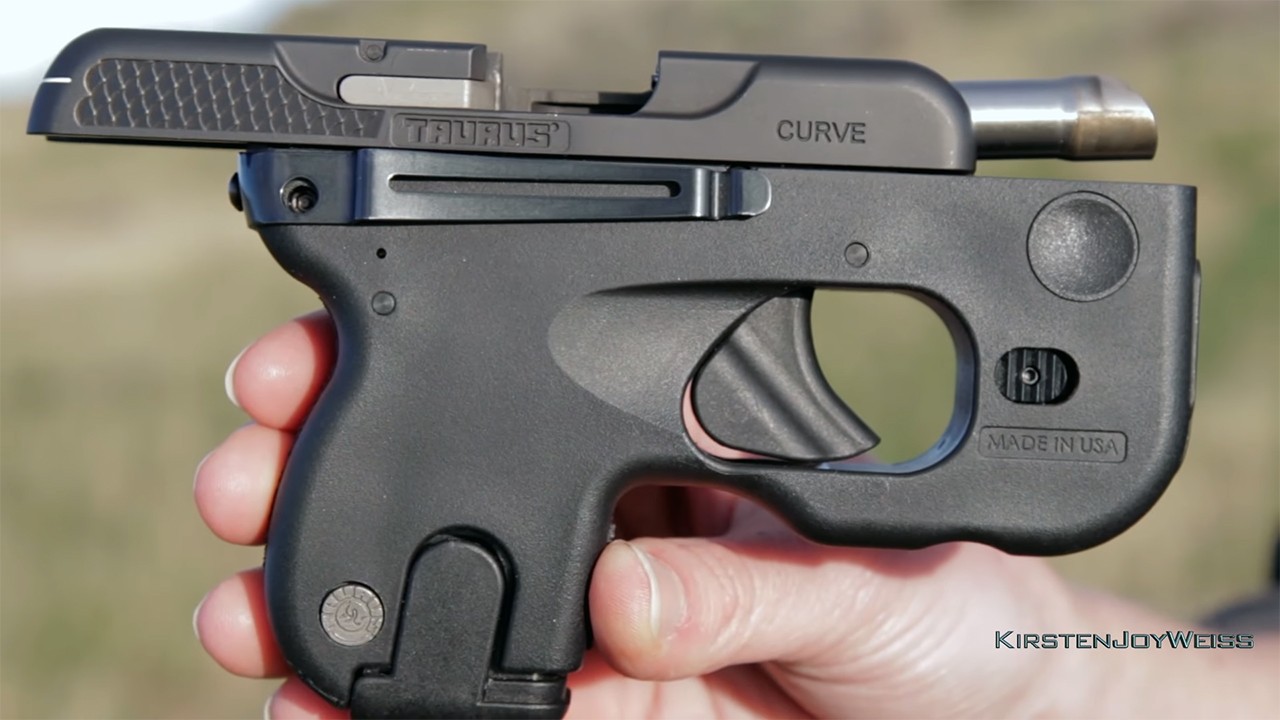
The Taurus Curve sold on the idea that concealed carry needed a totally different shape. The curved frame, built-in light and laser, and snag-free profile made it seem like a clever answer for people who wanted something easy to hide. It was strange, but strange can be tempting.
Shooting it made the regret show up quickly for many owners. The grip felt odd, traditional sights were missing, and the whole concept seemed better in a display case than on the firing line. A carry pistol still has to be shot well. Once buyers realized the Curve made that harder, the novelty wore off fast.
SIG Sauer Mosquito
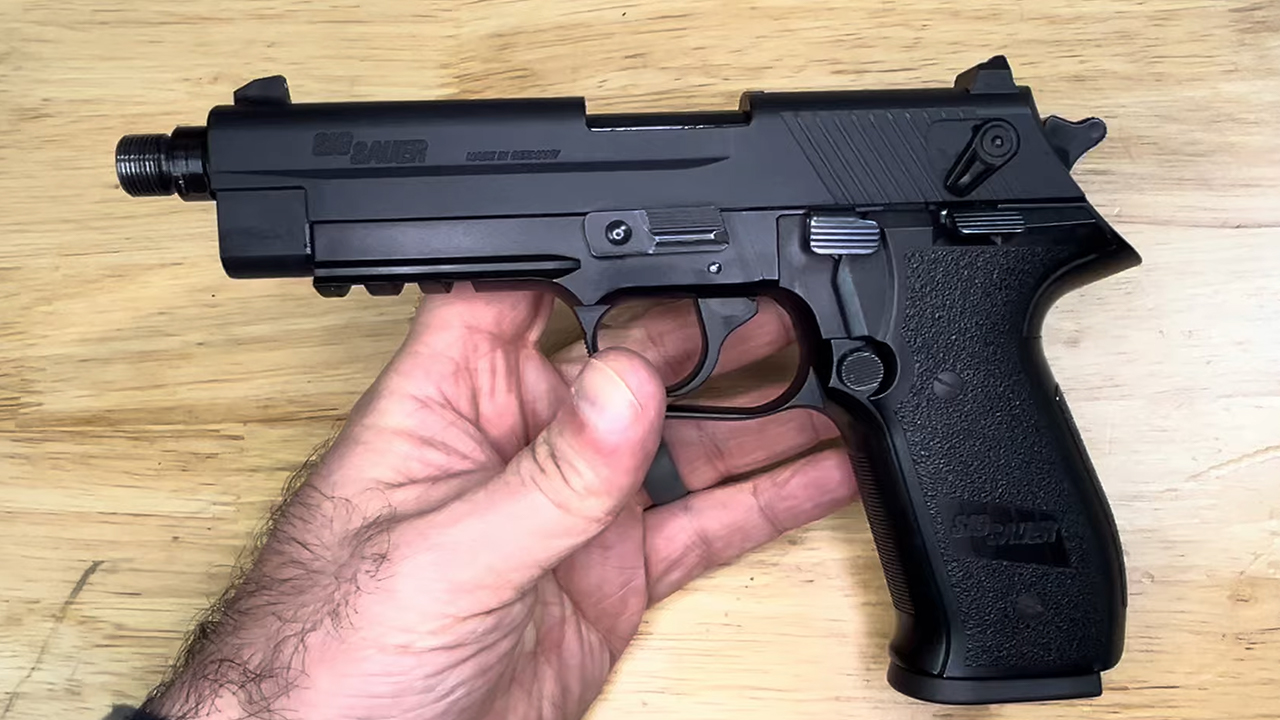
The SIG Mosquito sounded like a great idea. A rimfire pistol with SIG styling should have been an easy range favorite, especially for shooters wanting cheaper practice with a familiar control layout. It looked like the kind of .22 you could shoot all afternoon.
Instead, plenty of owners found themselves fighting ammunition sensitivity and reliability frustration. A .22 pistol is supposed to make practice cheap and relaxed, not turn every magazine into a question mark. When a rimfire trainer makes you bring a narrow list of approved ammo just to enjoy it, regret comes quickly.
SCCY CPX-2

The SCCY CPX-2 attracts buyers with a low price, compact size, and decent capacity. For someone wanting a basic 9mm defensive pistol without spending much, it can look like a practical solution. The warranty also helps make the gamble feel safer.
The range trip often changes the mood. The long double-action trigger, snappy recoil, and basic feel make it harder to shoot well than many buyers expect. Some examples run fine, but the pistol still asks a lot from the shooter. If your first few boxes of ammo feel like work instead of practice, buyer’s remorse starts creeping in.
Remington R51

The Remington R51 had a design story that made shooters curious. It was slim, low in the hand, and different from the usual striker-fired carry pistols. A lot of buyers wanted Remington to pull off something interesting and useful.
The problem was trust. Early guns developed a rough reputation for reliability and quality-control problems, and that reputation stuck hard. Even later versions had to fight the damage already done. A defensive pistol does not get much room for doubt. When buyers start wondering whether the gun will feed, extract, or run cleanly, regret is already there.
KelTec PF-9

The KelTec PF-9 made sense when thin 9mm carry guns were less common. It was light, flat, affordable, and easy to hide. For a while, that combination gave it a real lane, especially for people who cared more about carry comfort than range comfort.
Then shooters actually practiced with it. The recoil was sharp, the grip was small, and the trigger did not make fast, clean shooting easy. It was a gun people carried a lot and often avoided shooting much. Once better micro and slim 9mm pistols became common, many PF-9 buyers realized they had bought the hard version of the idea.
Rock Island VR80
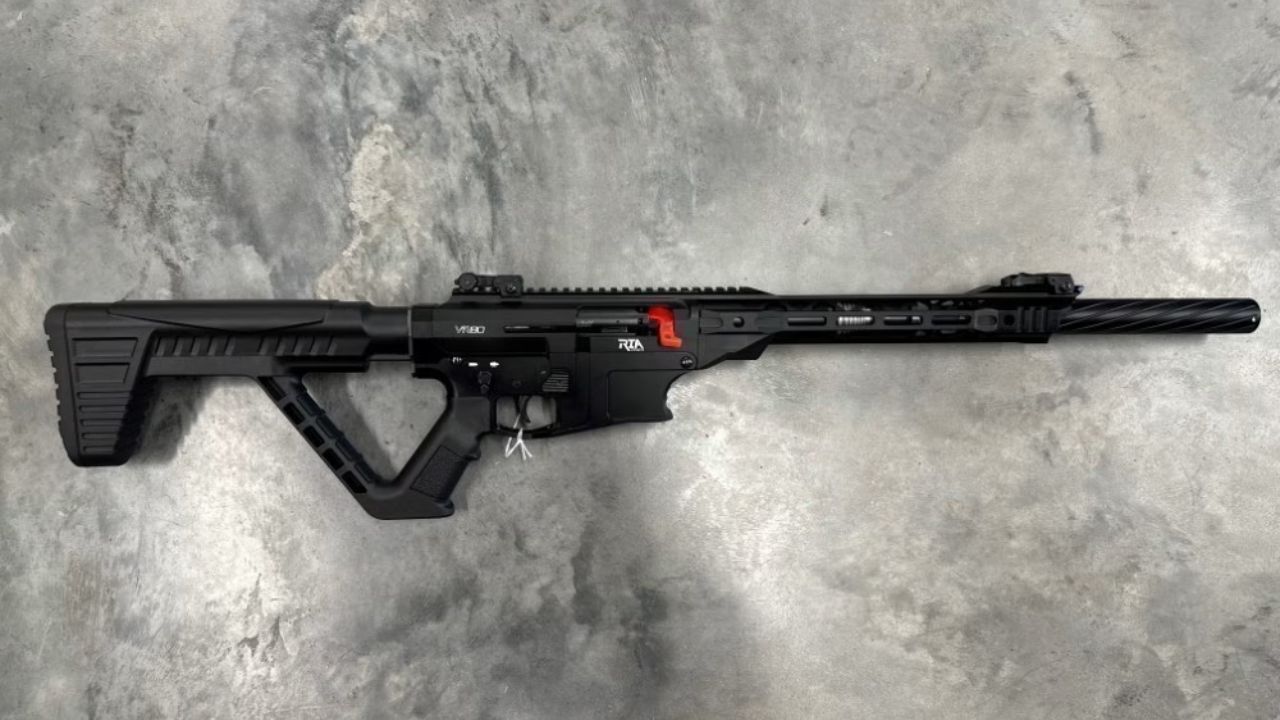
The Rock Island VR80 looks like a blast before you shoot it. A box-fed, AR-style 12-gauge has a way of grabbing attention immediately. It feels like something that should be fun, fast, and useful all at once, especially if you are tired of plain pump shotguns.
The regret can show up when the shotgun starts acting like a project. Magazine-fed shotguns can be picky about ammo, break-in, and magazines, and they are often bulkier than buyers expect. If it only runs the right loads after enough tinkering, that cheap thrill gets expensive. A basic pump starts looking pretty smart.
Kimber Micro 9
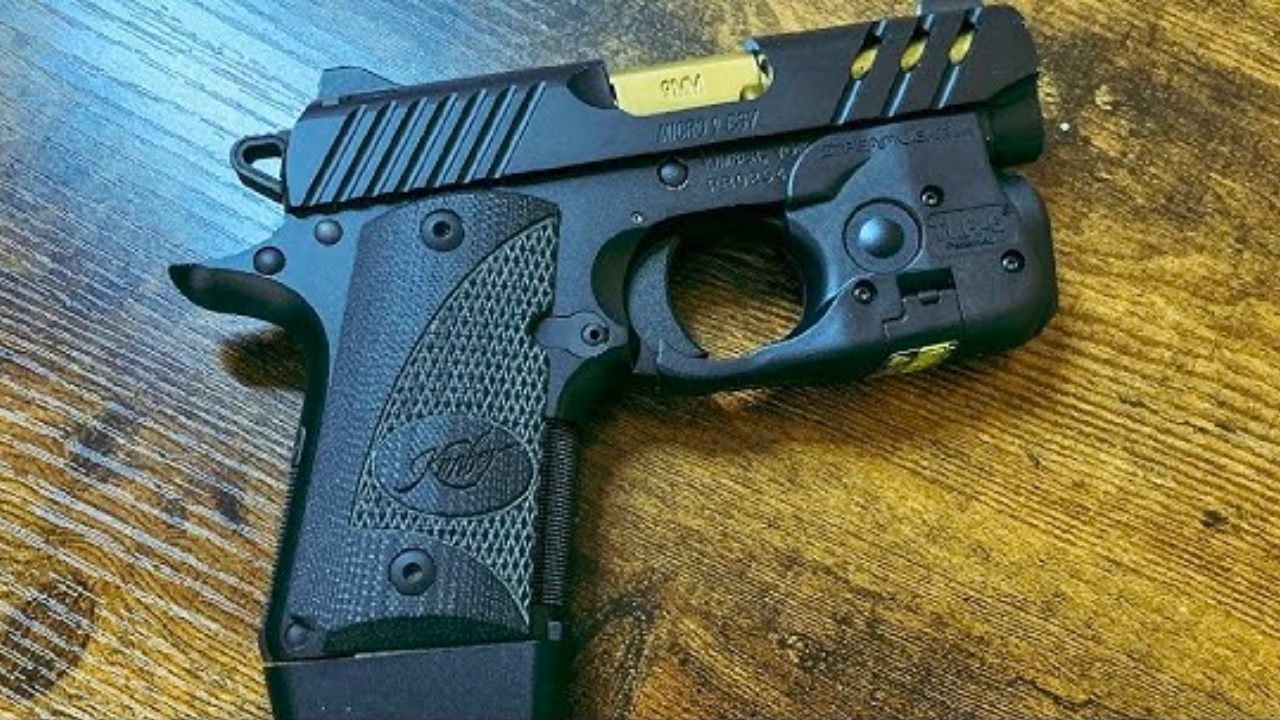
The Kimber Micro 9 is easy to want because it looks and feels more refined than most tiny carry guns. It has metal-frame charm, clean styling, and enough brand appeal to make buyers feel like they are getting something nicer than another polymer pistol.
The problem is that small guns do not become easy just because they look nice. The Micro 9 can feel snappy, cramped, and less forgiving than buyers expect. Some owners love theirs, but others quickly realize a cheaper Shield, Glock 43, or Ruger Max-9 is easier to shoot and trust. Pretty does not help much when practice feels frustrating.
Century Arms C308

The Century C308 appealed to shooters who wanted an HK-style .308 without paying HK money. It looked serious, sounded powerful, and gave buyers that roller-delayed battle-rifle feel at a much lower price than the real thing. On the rack, it had plenty of attitude.
At the range, the tradeoffs became harder to ignore. The rifle is heavy, the ergonomics feel dated, recoil can be rough, and quality confidence depends heavily on the individual gun. It can be fun, but it is not always practical or pleasant. Buyers who wanted a serious .308 often learned that cheap battle-rifle energy still comes with a bill.
Beretta Nano

The Beretta Nano seemed like a smart carry pistol when slim 9mms were taking over. It was snag-free, simple-looking, and backed by a trusted name. For buyers who wanted a clean concealed-carry gun without extra levers and sharp edges, it made sense.
Then some shooters found out it did not fit them well. The grip could feel blocky, the trigger was not especially friendly, and the pistol did not point naturally for everyone. A carry gun can be reliable and still be hard to like. When buyers shoot a cheaper pistol better, regret starts showing up pretty fast.
Mossberg 464 SPX
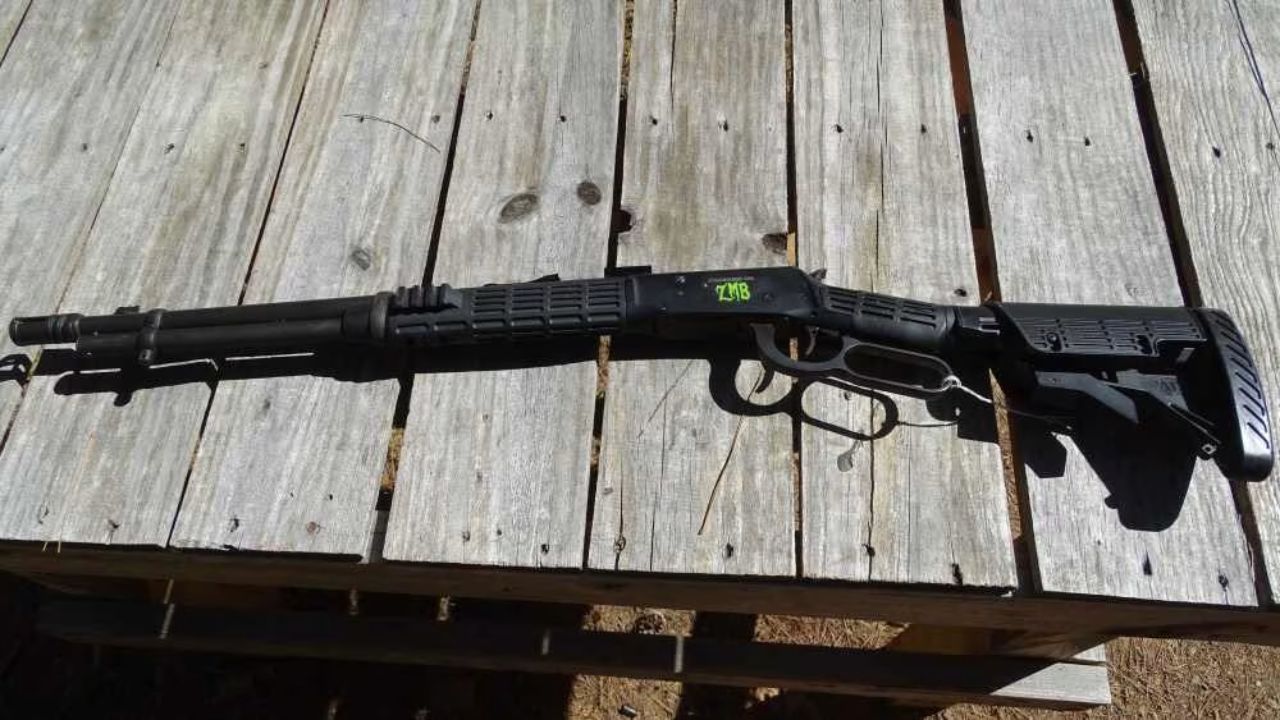
The Mossberg 464 SPX tried to turn a lever gun into something tactical. For some buyers, that sounded fun. A .30-30 with rails, black furniture, and modern styling looked like a way to make an old platform feel fresh.
The problem is that it did not really satisfy either crowd. Traditional lever-gun fans thought it looked awkward, while tactical rifle buyers had better options. Once the novelty faded, owners were left with a rifle that felt more like a conversation piece than a practical improvement. It is never a great sign when the joke lasts longer than the excitement.
Taurus 24/7
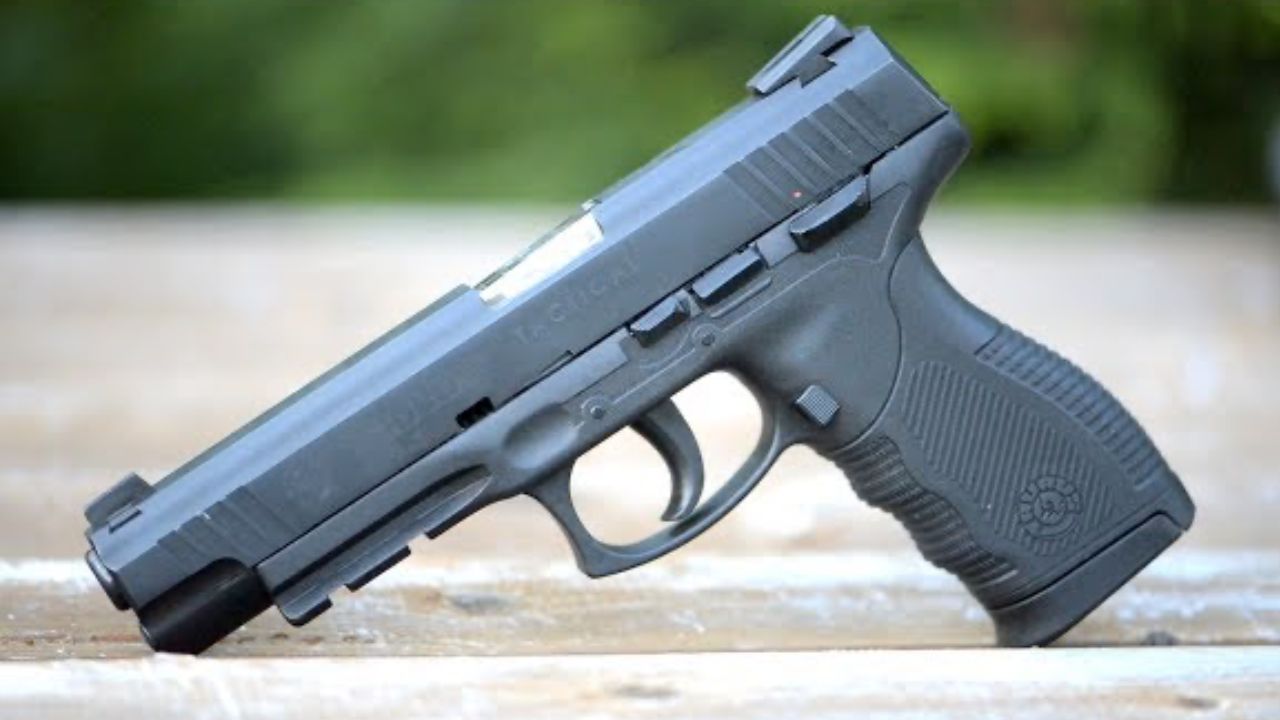
The Taurus 24/7 looked like Taurus was making a serious run at the modern service pistol market. The grip felt comfortable to many shooters, capacity was competitive, and the price made it easier to choose over bigger names. At first, it seemed like a value pick.
The regret came as the reputation got messy. Safety concerns, recalls, and inconsistent owner experiences made it harder to trust long-term. Even people who had working examples could not ignore the baggage. When later Taurus pistols gave buyers a cleaner path forward, the 24/7 started feeling like a gun from the wrong chapter.
Heizer PKO-45
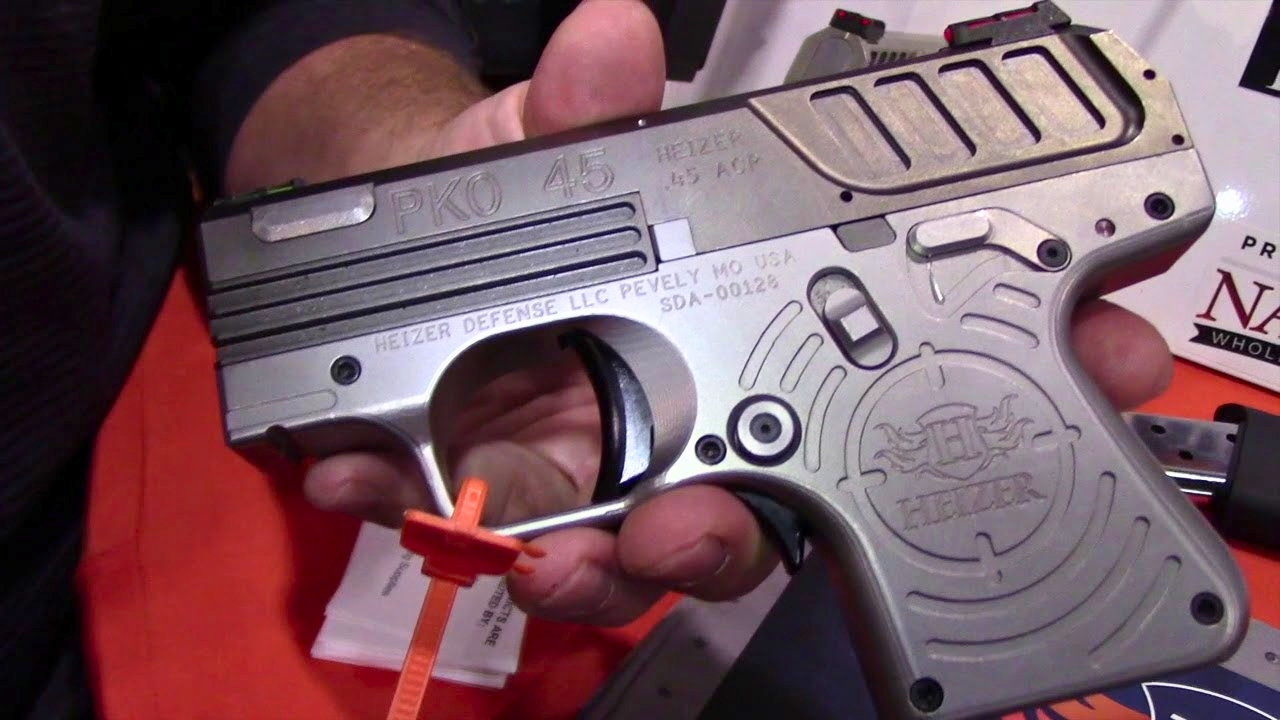
The Heizer PKO-45 gets attention because it is thin, compact, and chambered in .45 ACP. That sounds like a serious carry idea if you like big-bore pistols and want something different from the usual 9mm crowd. On paper, it has a hook.
The regret starts when you shoot enough to realize how much that small package asks from you. A thin .45 can be sharp, uncomfortable, and slow to control. Follow-up shots take work, and practice can feel more like punishment than training. A defensive handgun that makes you avoid range time is a hard purchase to defend.
I.O. Inc. AK Rifles

I.O. Inc. AK rifles tempted buyers because AK prices kept climbing and people wanted a cheaper way into the platform. The AK reputation for ruggedness helped sell the idea. A buyer could convince himself that even a budget AK would still be tough enough.
That confidence did not always survive ownership. Reports of poor build quality, questionable parts, and reliability concerns made the rifles risky compared with better options. An AK should not make you wonder if the basic build is right. When the whole appeal is durability and the gun makes you doubt that, regret shows up fast.
Like The Avid Outdoorsman’s content? Subscribe to our newsletter so you never miss an article.
Here’s more from us:


