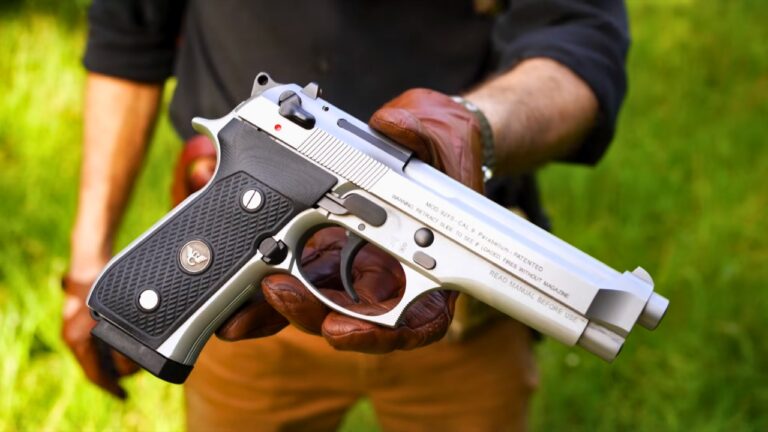
Photo credit: sootch00/YouTube
Some guns get instant praise before they have really proven much of anything. They launch with strong marketing, a hot name, or a wave of excitement that makes people act like the story is already finished. Other guns have to fight for their reputation. They start out doubted, overlooked, criticized, or simply stuck in a crowded market where nobody is eager to give them much credit. Then the years pile up, the rounds add up, and the truth gets harder to ignore.
That is the kind of respect that tends to last. A firearm that earns trust the hard way usually does it through repetition, not hype. It keeps working when the early opinions said it would not. It keeps showing up in safes, holsters, trucks, camps, and hunting blinds long after trendier options lost their shine. These are 15 firearms that earned trust the hard way.
CZ P-01

The CZ P-01 did not become respected because it was the loudest pistol in the room. For a long time, it sat in that category of handguns people liked once they shot them, but did not always rush to buy first. Some shooters thought it was too heavy for carry, others dismissed it because it was not as common as the usual polymer options, and plenty of buyers simply did not understand why a compact alloy-frame double-action pistol deserved much attention.
Then people started using them hard. The P-01 built trust by being controllable, durable, and reliable in the kind of real ownership that kills weak reputations fast. It shot softer than many compact pistols, carried better than critics expected, and kept winning over the people who actually spent time behind it. It did not earn loyalty through noise. It earned it by quietly becoming the pistol a lot of owners ended up trusting more than the one they bought first.
Ruger GP100

The GP100 had to earn its place in the long shadow of older Colt and Smith & Wesson revolvers. A lot of shooters respected Ruger wheelguns for strength, but not always with much romance attached. They were often seen as the practical alternative, not the revolver people bragged about owning. That left the GP100 in a strange spot for years, appreciated but not always fully admired.
Time did the rest. The GP100 kept proving it could handle hard use, steady magnum shooting, rough carry, and years of ownership without feeling fragile or overly delicate. That matters. A revolver that stands up to real use and keeps doing its job becomes hard to dismiss after a while. The GP100 earned trust the hard way because it never relied on polish or nostalgia to sell itself. It simply kept being one of the toughest and most dependable .357 revolvers a shooter could own.
Benelli Nova
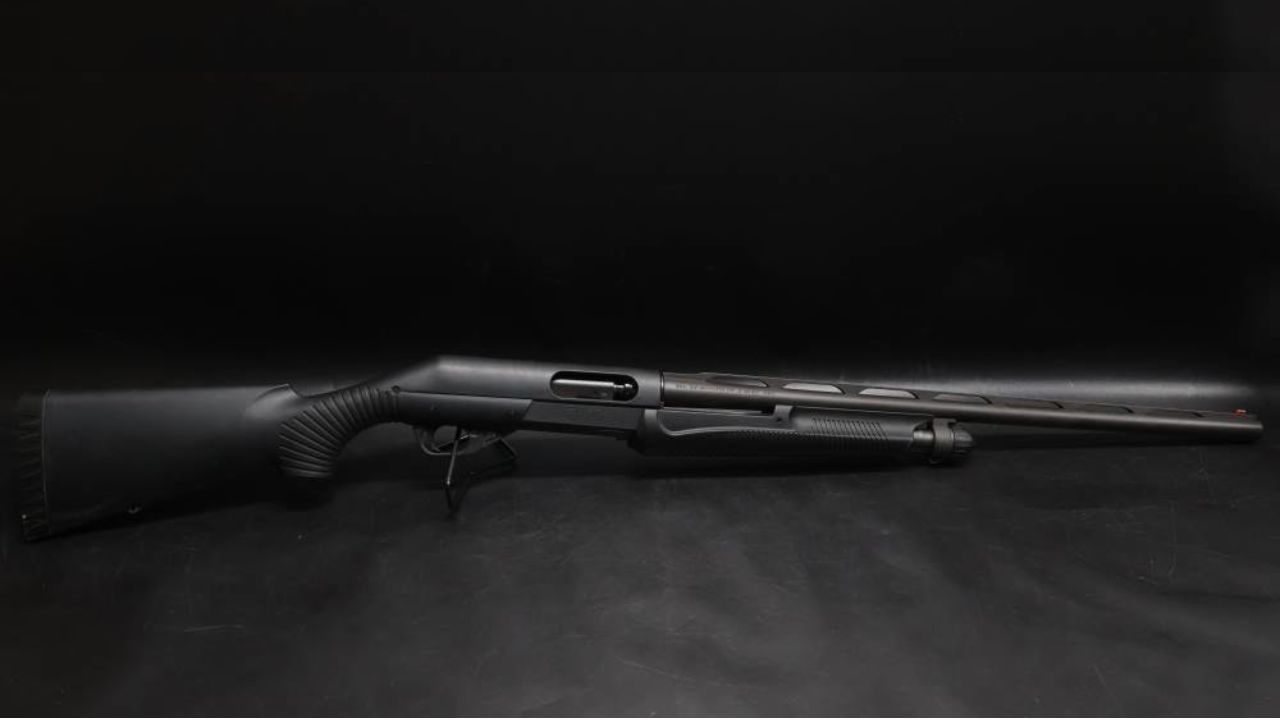
The Benelli Nova did not come into the shotgun world looking like a classic future heirloom. If anything, it looked too modern, too synthetic, and too stripped of old-school charm for some traditional hunters to take it seriously at first. There were people who saw it as a strange-looking pump built more around rugged utility than the sort of shotgun pride many buyers grew up with.
Then hunters started dragging them through weather, mud, cold, blinds, marshes, and truck floors. The Nova built its reputation the hard way by refusing to quit in ugly conditions where prettier shotguns start getting babied. It proved it could take abuse, keep cycling, and stay useful without needing much sympathy from the owner. That kind of track record changes minds. The Nova may not have won affection on looks alone, but it earned a level of trust that many shotguns with more charm never fully matched.
Smith & Wesson M&P 2.0

The original M&P had fans, but it also had enough critics that the platform never enjoyed the effortless respect some of its competitors got. Trigger complaints followed it for years, and a lot of shooters treated it like the almost-there alternative rather than a true top-tier choice. That made the M&P 2.0 important, because it had to do more than just improve. It had to change minds that were already half made up.
That is exactly what it did. The 2.0 took a platform with real promise and turned it into something firmer, more shootable, and more convincing under hard use. It became the kind of striker-fired pistol people stopped defending as a good option and started recommending with real confidence. That shift did not happen because of hype. It happened because enough shooters ran the guns hard and found out they delivered. The 2.0 earned its trust by fixing the weaknesses people would not stop talking about and then proving it could stand with the best.
Winchester Model 70
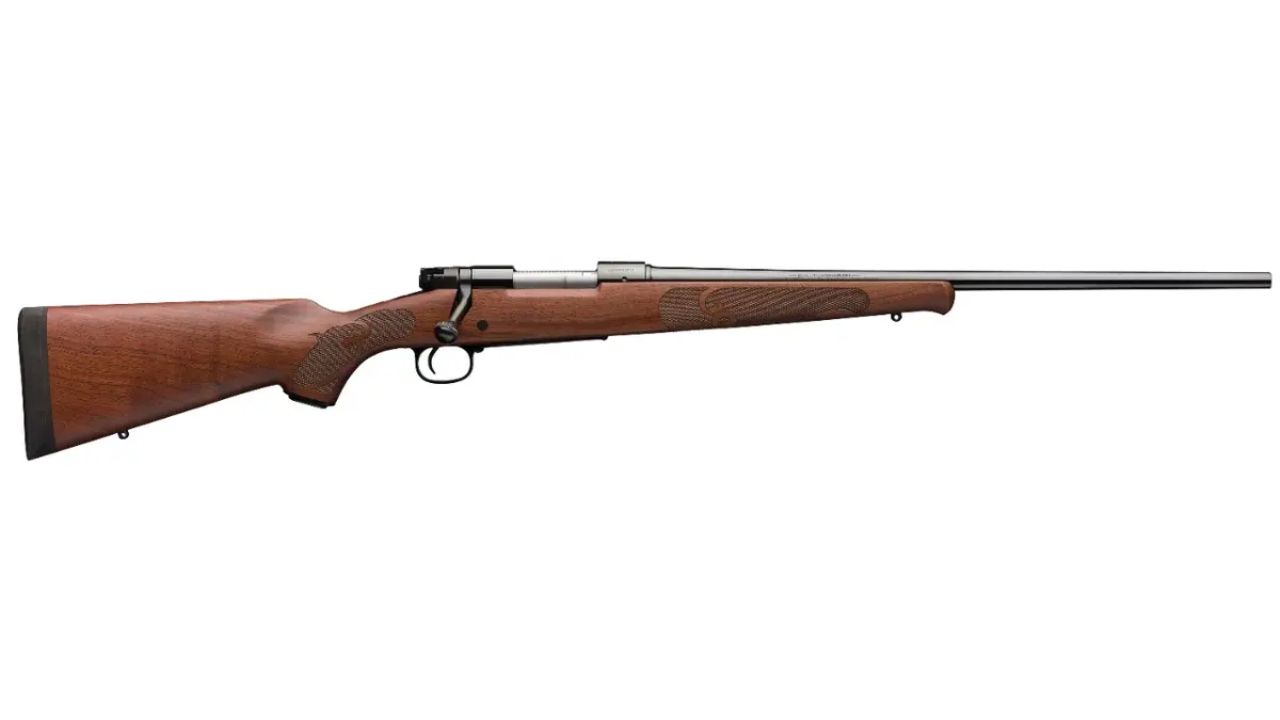
The Model 70 has been respected for a long time, but it also lived through enough production changes, ownership changes, and arguments about old versus new that it had to re-earn confidence more than once. Plenty of rifle designs become legends and then coast on the name. The Model 70 did not always have that luxury. Depending on the era, buyers could be skeptical, nostalgic, or openly divided over whether the rifle still deserved its old reputation.
What kept it alive was that the rifle never stopped making sense in the field. A good Model 70 still handled like a real hunting rifle, still carried the kind of safety and feeding system many hunters trusted, and still had the balance that matters once boots hit dirt. It earned trust the hard way because it had to prove, more than once, that the name still meant something beyond history. The reason it survived those tests is simple: when it was right, it was still very right.
Beretta PX4 Storm

The PX4 Storm spent years being one of those pistols people defended more than celebrated. It was reliable and different, but the styling kept some buyers away, and the rotating barrel system sounded more like an interesting talking point than a must-have feature. Plenty of shooters looked at it and saw a gun that made sense on paper while still never quite becoming the first pistol they wanted to buy.
Then range time changed the conversation. The PX4 started winning people over with soft recoil, dependable function, and a shootability that looked better the more rounds went through it. It did not become beloved because it was pretty. It became trusted because it kept showing owners that it was easier to shoot well and easier to rely on than many first impressions suggested. That kind of slow-building reputation is usually the real thing. The PX4 earned its place by outshooting the doubts people had about it.
Marlin 336
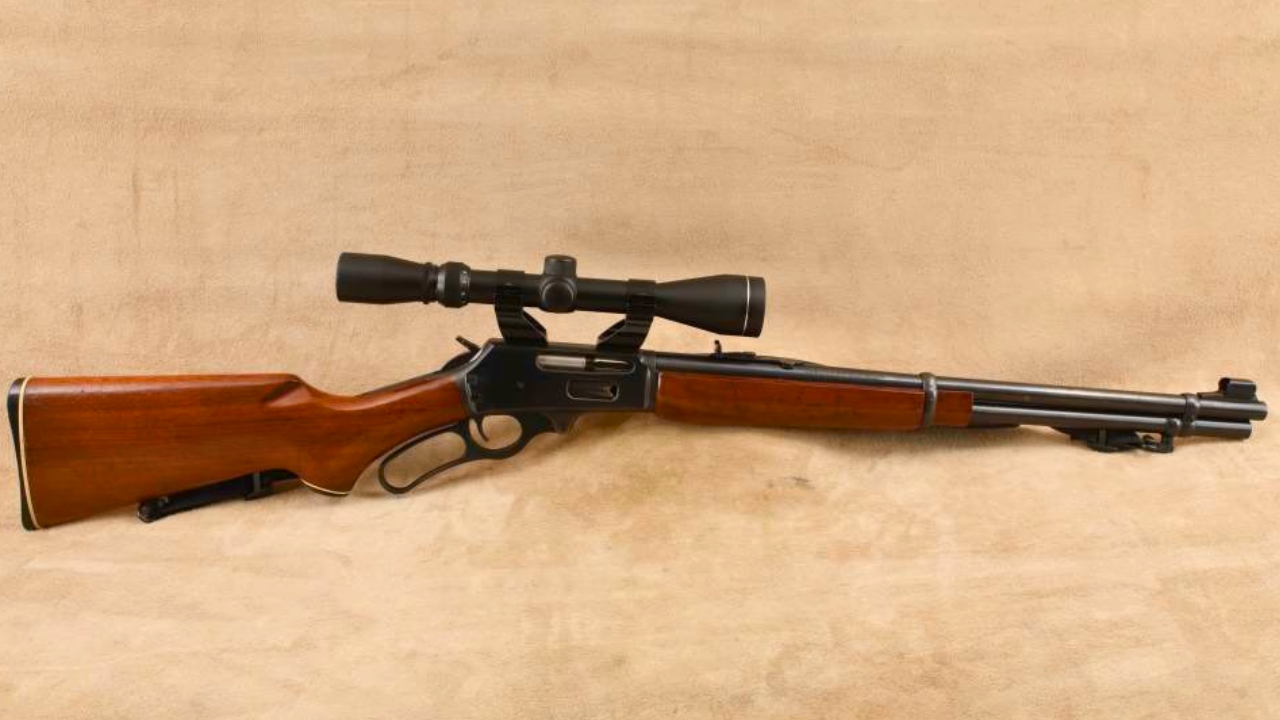
The Marlin 336 never needed flashy claims, but it still had to fight through long stretches where lever guns were treated as old news by people obsessed with whatever felt newer, faster, or more tactical. Plenty of hunters respected the 336, but there were also years when many buyers saw it as a sentimental rifle rather than a serious one, especially if they did most of their shopping by catalog trends instead of woods experience.
The 336 earned trust by staying useful where hunting actually happens. It carried easily, pointed naturally, and kept putting venison in the freezer in thick timber and moderate-range deer country where sleek ballistics talk does not matter much. The rifle also had a practical honesty that won people over with time. The more hunters used one, the more they understood why it had stayed around so long. It earned trust the hard way by continuing to work in real conditions while flashier rifles came and went.
SIG Sauer SP2022
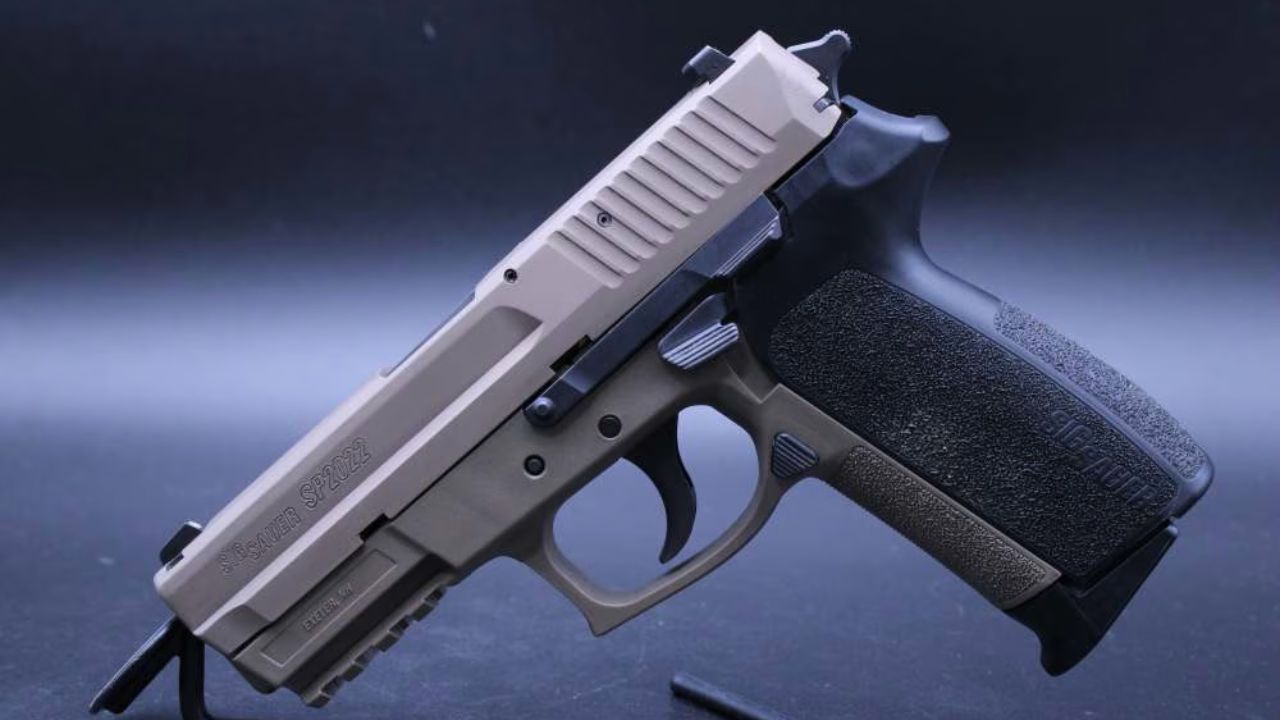
The SP2022 never got the same automatic admiration as the classic metal-frame SIGs or the more talked-about polymer stars in the market. Some shooters looked at it as the budget SIG, which can be a hard label for any firearm to shake. Others treated it like a pistol that might be fine, but not something they expected to grow attached to or trust deeply.
What gave the SP2022 staying power was that it kept running. Owners found a pistol that was durable, dependable, and a lot better than its lukewarm reputation suggested. It shot well, held up under use, and built a following among people who actually spent time with it instead of dismissing it from the counter. That is a classic hard-way path to respect. The SP2022 did not win by being glamorous. It won by outlasting the idea that it was merely a compromise option.
Mossberg 500

The Mossberg 500 had to earn respect in a world where a lot of shotgun buyers grew up hearing one name treated like the standard and everything else treated like the alternative. That meant the 500 was often judged through a lens that assumed it had something to prove. For some shooters, it was the working man’s shotgun, but not necessarily the one they thought of as the polished or traditional choice.
Then life happened. People hunted with them, defended homes with them, beat them up in trucks and duck blinds, and kept discovering the same thing: the shotgun worked. It kept working for ordinary owners, not just for a few lucky examples. That matters more than reputation. The 500 earned trust the hard way because it did not rely on prestige. It built its following through sheer repetition and field use, and now it sits in that category of shotguns nobody sensible dismisses lightly.
Springfield Armory TRP

The TRP had to navigate one of the toughest lanes in the handgun world: the serious 1911 market. That is a category full of strong opinions, hard standards, and buyers who can get skeptical very fast once prices rise. A lot of shooters looked at the TRP and saw a pistol with ambition, but not one they were instantly ready to crown. In that space, respect is expensive and suspicion comes standard.
Over time, the TRP built its reputation by doing the difficult part well. It ran, shot accurately, held up under use, and gave owners a production 1911 that felt more serious than casual. That mattered because 1911 trust is rarely given freely anymore. It has to be earned through performance and consistency, not nostalgia. The TRP earned it the hard way by proving it could live in a demanding category without hiding behind the platform’s history.
Ruger American Rifle

When the Ruger American Rifle showed up, plenty of shooters treated it like one more budget bolt gun in an already crowded market. That kind of label can bury a rifle fast. If a gun looks affordable and plain, many buyers assume they already know the whole story. The American did not arrive with elegant lines or a premium aura. It arrived looking like a practical answer, which is not always enough to win immediate respect.
Then hunters started shooting them. The rifle built trust by proving accurate, dependable, and far more useful than many buyers assumed from the price alone. It became the kind of rifle people bought with modest expectations and then kept because it flat-out worked. That is one of the hardest ways to earn a reputation, and often the strongest. The American did not build its following through image. It built it by outperforming its first impression in camp after camp and season after season.
Walther PDP
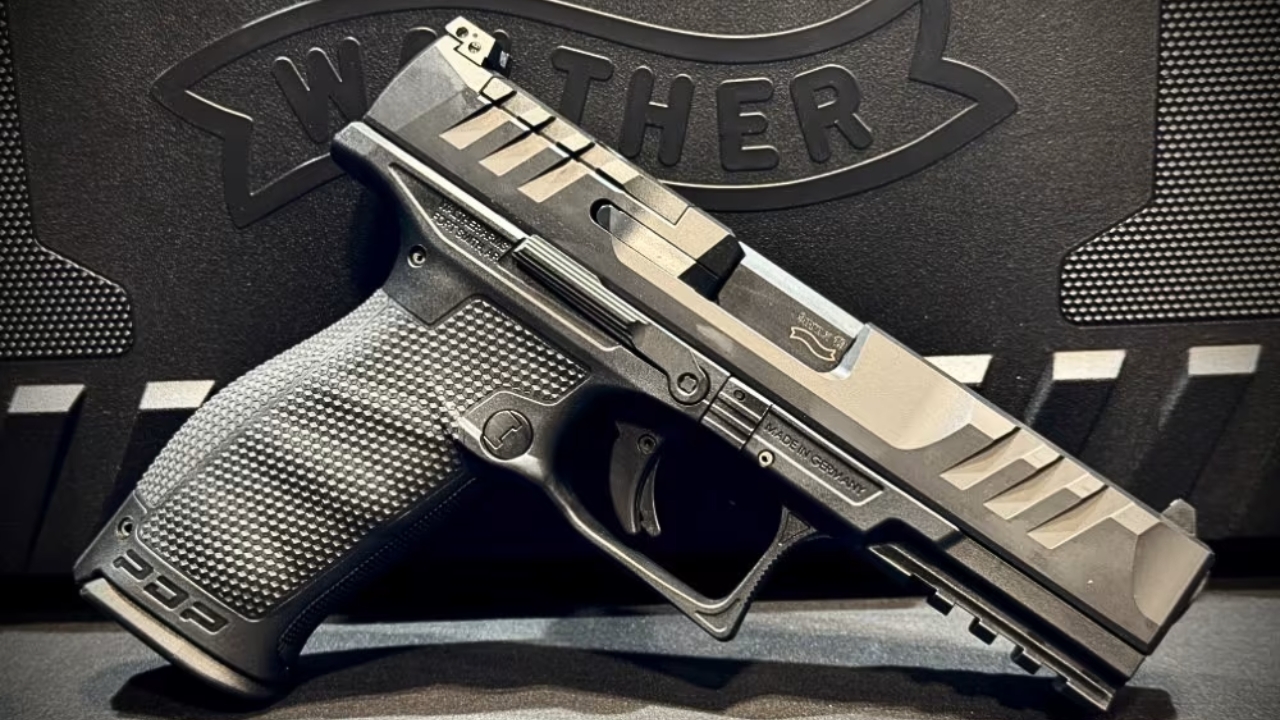
The PDP entered a market already packed with striker-fired pistols, and that alone made the road harder. It was not enough to be good. It had to be better in a way shooters would actually feel. A lot of people looked at it as just another polymer pistol trying to elbow its way into a crowded conversation, and that kind of skepticism is fair when the category is full of short-lived excitement.
What changed the tone was how well it shot. The PDP quickly built a name for being fast, controllable, and genuinely easy to run well, which is exactly what matters once the novelty wears off. Shooters who gave it time found that it was not merely another entry. It was one of the more shootable duty-style pistols on the market. That trust did not come from the launch. It came from people using the gun and realizing it deserved more than a quick comparison glance.
Remington 7600

The 7600 has long lived in a place many shooters misunderstand. To some, a pump rifle feels like an odd answer to a question they stopped asking years ago. That made it easy to treat the 7600 like a regional habit rather than a serious hunting firearm with real advantages. It never had the easy glamour of a classic bolt action, and it certainly never benefited from trend-driven admiration.
What it did have was usefulness. In thick cover, in deer camps that value fast follow-ups, and in places where hunters trust what works more than what impresses, the 7600 kept earning respect. It handled quickly, felt familiar to pump-shotgun users, and stayed effective in the kind of hunting where speed and confidence matter. It earned trust the hard way because it had to survive outside the spotlight. The rifle did that by remaining deeply practical for the hunters who actually used it.
Glock 26
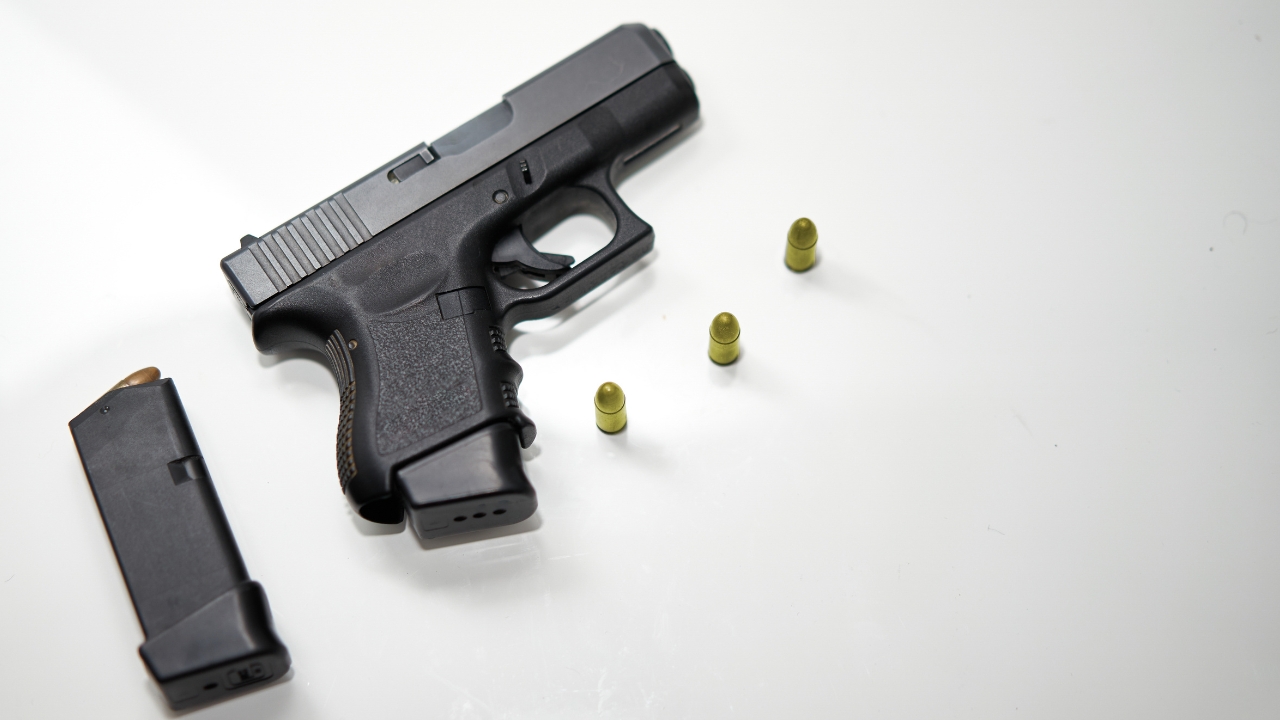
The Glock 26 had to work against one of the biggest problems a small handgun can have: it looked like a compromise. To many buyers, it seemed chunky for its size, less comfortable than larger pistols, and not especially elegant compared with whatever slim or pocketable option was fashionable at the time. It was easy to respect the concept and still doubt whether the gun itself would become something people truly trusted.
Then it kept showing up everywhere. The 26 built its reputation by being dependable, simple, and more shootable than many compact pistols had any right to be. It became the kind of small gun people actually carried, actually trained with, and actually trusted to function. That matters more than looking sleek in the case. The 26 earned trust the hard way because it had to overcome the assumption that small meant compromised. Instead, it became one of the subcompact pistols people bet on again and again.
Browning BPS

The BPS had to earn respect in a shotgun market where a lot of loyalty had already been spoken for. It was a good pump gun, but good is not always enough when buyers have strong habits and stronger opinions. The bottom-eject design, steel receiver, and smooth handling gave it real strengths, but it still had to work for years under the shadow of more loudly praised alternatives.
That shadow did not stop the gun from building real trust. Hunters found a pump shotgun that handled well, stayed dependable, and worked equally well for left-handed shooters and anybody tired of hulls flying across their face. The BPS earned its trust through long field use, not fashion. It became one of those shotguns owners rarely seem eager to get rid of because once it proves itself, there is not much left to argue about.
Like The Avid Outdoorsman’s content? Subscribe to our newsletter so you never miss an article.
Here’s more from us: