Photo credit: Treestand Man Outdoors/YouTube
The smartest rifle in the rack usually is not the one everybody is already crowding around. It is the one that still feels a little underappreciated, a little too plain, or a little too old-school for the guys chasing louder names. That is where a lot of good buying happens. While everyone else is paying collector-tax on the obvious stuff, the better move is often the rifle that still gives you real quality, real field usefulness, and just enough market neglect to keep the price from turning stupid.
That is the lane these rifles live in. They are the ones smart buyers started noticing before the wider market fully caught up. Some are discontinued. Some are simply overshadowed. Some were always good but never flashy enough to dominate the conversation. Either way, these are 15 rifles that quietly turned into some of the smartest pickups in the rack.
Browning A-Bolt II
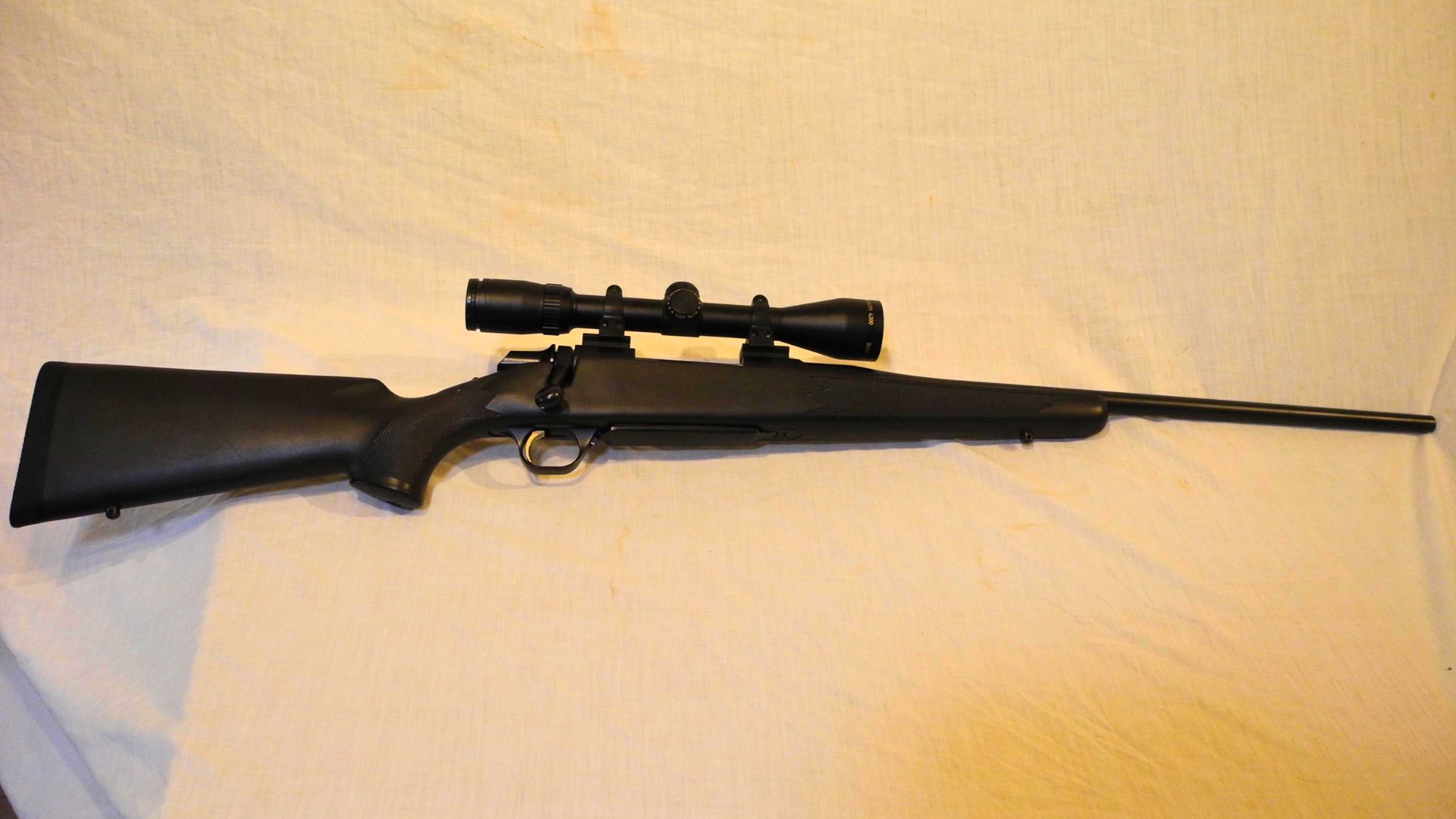
The A-Bolt II became a smart pickup because it spent years being respected without getting hyped to death. It was accurate, well-finished, and easy to like in the field, but it never turned into the sort of rifle that made every buyer panic-buy one. Browning now treats the A-Bolt line as limited-distribution and largely legacy-focused, which only makes the cleaner older rifles look smarter in hindsight.
That is exactly why they started standing out in used racks. A good A-Bolt often gives you a smoother, more complete feeling rifle than many newer “value” bolt guns, but it still does not always carry the same collector-tax as louder classics. That kind of gap is where smart pickups usually live.
Ruger M77 Mark II

The M77 Mark II quietly became one of those rifles buyers started appreciating harder once it was no longer the obvious current answer. Ruger moved away from the older M77 Mark II era, and used examples now show up in the secondary market at numbers that tell you people are no longer treating them like ordinary used hunting rifles.
What makes them such a smart pickup is that they still feel like real rifles. They are sturdy, familiar, and tied to an older Ruger personality a lot of hunters still prefer. While everyone else was chasing newer stock designs and louder marketing, the M77 Mark II kept aging into a much more satisfying rack find.
CZ 550

The CZ 550 became a smart rack pickup because it offered controlled-round-feed appeal, strong field credibility, and old-world bolt-gun feel without ever becoming the center of mainstream buying hype. Now that the 550 is no longer part of CZ’s current rifle direction, used examples carry a lot more gravity for buyers who know what they are looking at.
That makes the used rack a very different place than it was a few years ago. A CZ 550 still feels like the sort of rifle somebody bought to hunt with, not just compare on paper, and that practical seriousness is exactly why the better ones do not stay overlooked forever.
Winchester Model 100

The Model 100 became smart because collectors and hunters both ignored it just long enough for sharper buyers to get interested first. It never had the instant romance of a lever-action Winchester, and it never fit the usual bolt-gun comfort zone either. That left it sitting in an underappreciated middle lane longer than it should have.
Now it looks much more interesting. A clean traditional-stock Winchester semiauto with real field appeal is not something you trip over every day, and that is exactly why the rifles that once sat quietly started becoming much better buys than people expected.
Weatherby Vanguard

The Vanguard became a smart pickup because it never needed to be sexy to be useful. It was not the rifle buyers bragged about most, but it often shot well, held up well, and gave hunters a lot of practical confidence for the money. That sort of rifle always becomes more appealing once the buyer gets tired of paying for image.
What makes it smart in the rack is that it still tends to be judged like a sensible rifle instead of some inflated legacy piece. That leaves room for buyers to get a genuinely strong hunting rifle without overpaying just because the broader market is distracted by names with more collector theater attached.
Browning BLR

The BLR quietly turned into a very smart pickup because it spent too long being “interesting” instead of “must-have.” Buyers respected it, but they often did not rush it. That gave smart shoppers time to realize the rifle offered a lot: lever-gun handling, stronger chambering flexibility, and a real field role that never stopped mattering.
Once you notice that, the used-rack version of the BLR starts looking much sharper. It is not cheap in every case, but it still often feels smarter than chasing the more obvious classics everybody else already bid into the clouds.
Remington Model Seven

The Model Seven became a smart pickup because handy hunting rifles never actually stopped making sense, even when the market got obsessed with longer, heavier, louder setups. It stayed compact, useful, and familiar to hunters who cared more about carrying a rifle than staging one for a catalog photo.
That makes used examples very appealing now. A good Model Seven often gives you exactly what a practical field rifle should give you without the collector noise or tactical overbuild that surrounds so many modern alternatives.
Sako Forester
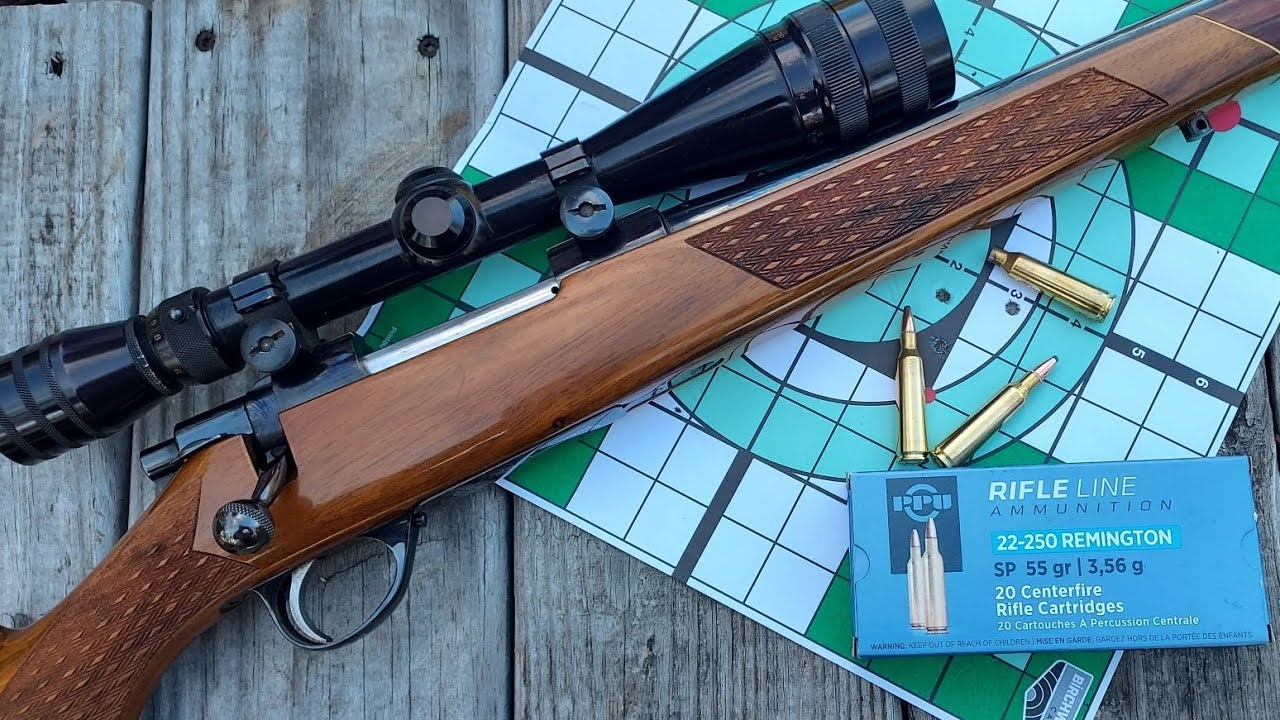
The Forester quietly became the kind of rifle smart buyers started grabbing once they realized older Sako sporting rifles were not going to stay modestly priced forever. It always had quality, but it lived for a while in that dangerous “nice old hunting rifle” category where plenty of buyers admired it without moving fast enough.
That is what made it such a smart pickup. For a while, the used rack was the place where you could still land a genuinely refined old-world sporting rifle before the wider market fully caught on. Once that happened, the tone around them changed fast.
Winchester Model 88
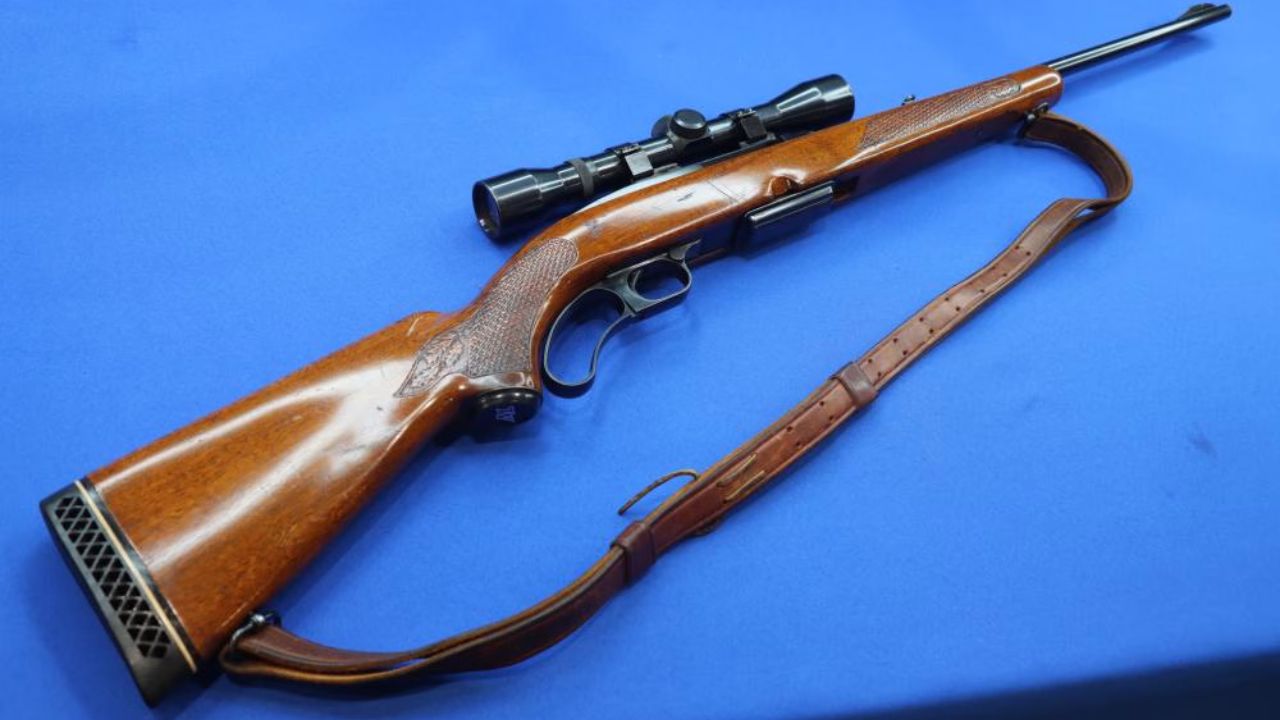
The Model 88 became a smart rack find because it sat outside the most obvious lanes. It was not the lever gun traditionalists daydreamed about first, and it was not the standard bolt rifle they bought by habit. That kept it a little quieter than it deserved to be.
Smart buyers figured out that the “different” part was the opportunity. A good Model 88 offers handling, character, and real field usefulness in a package that still feels a little more individual than many used rifles sitting beside it. That is usually where the smartest pickup lives.
Ruger 44 Carbine
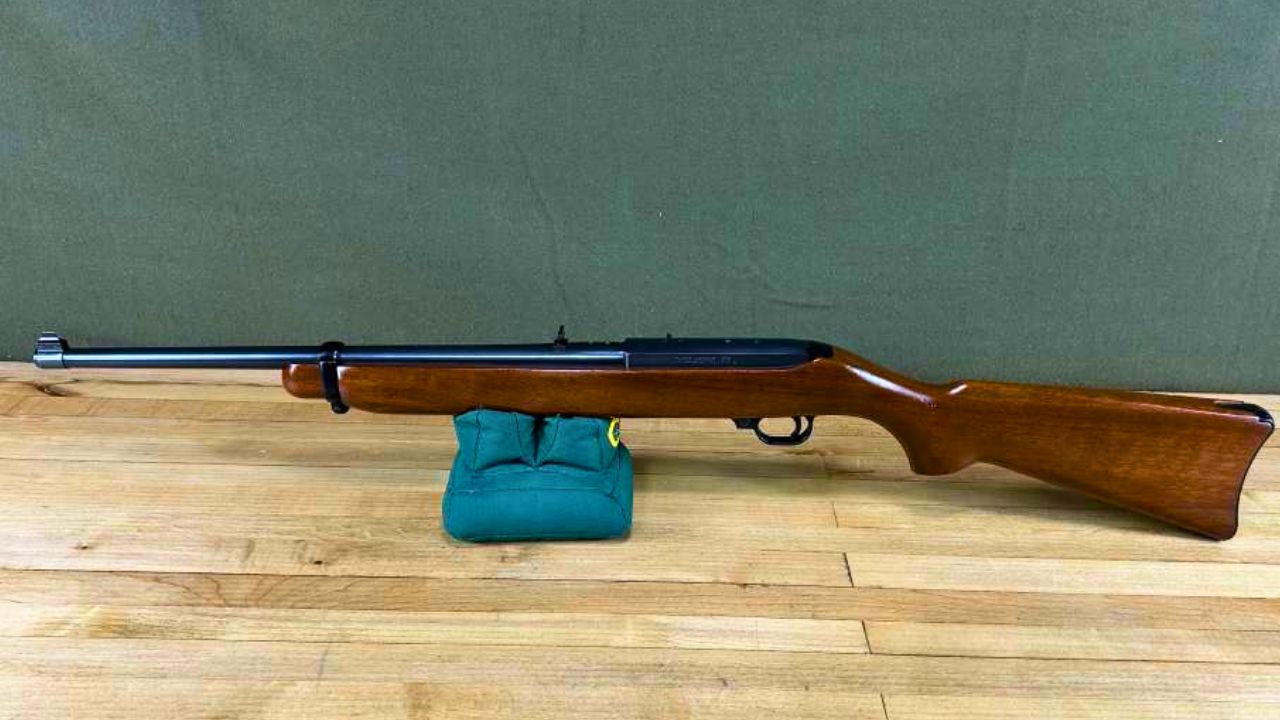
The old Ruger 44 Carbine became a smart pickup because buyers spent years treating it like a neat little oddball instead of recognizing what it really was: a practical, traditional-stock semiauto with real woods-rifle appeal. That underestimation created a very good buying window for people paying attention.
Once practical carbines and old-school semiautos started getting more love again, that window narrowed. A Ruger 44 in the rack now looks a lot less like a curiosity and a lot more like the sort of rifle a smart buyer should have grabbed before everyone else remembered it existed.
Savage 99
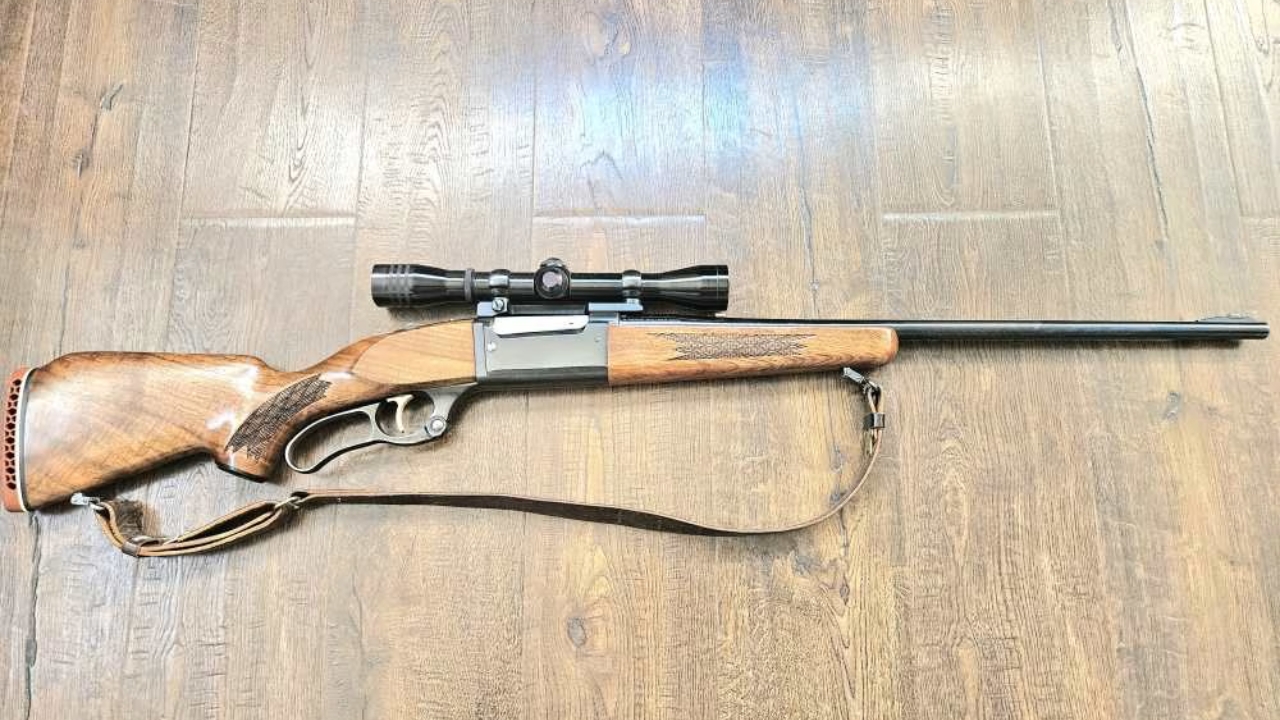
The Savage 99 quietly became a smart pickup because people took too long to decide whether it was weird or wonderful. That hesitation kept prices and urgency softer than they should have been. The rifle always had design interest, field value, and real collector depth, but the broader market did not always act like it.
That gap made the used rack a great place to find them before the correction hit. Once enough people remembered how good the 99 actually was, the idea of casually circling back for one got a lot more expensive.
Browning Safari Grade
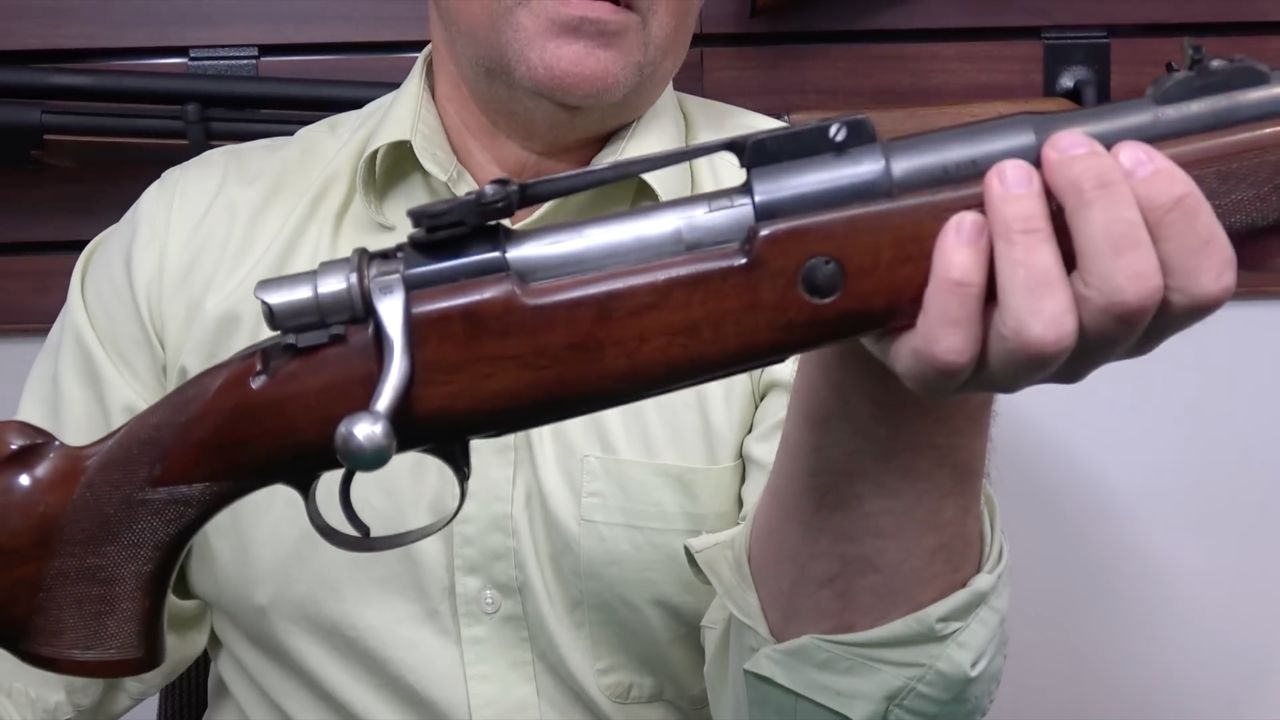
Safari Grades became smart pickups because they were too nice to stay ignored and too old-school to get truly cheap forever. Buyers admired them for a long time without always wanting to commit the money, which is exactly how quality rifles sit just long enough to become opportunities.
A clean Safari Grade in the rack still tends to feel like more rifle than many newer alternatives fighting for the same dollars. That is a very good sign. The smartest pickup is often the one with real class that the market has not fully turned into a performance yet.
CZ 527
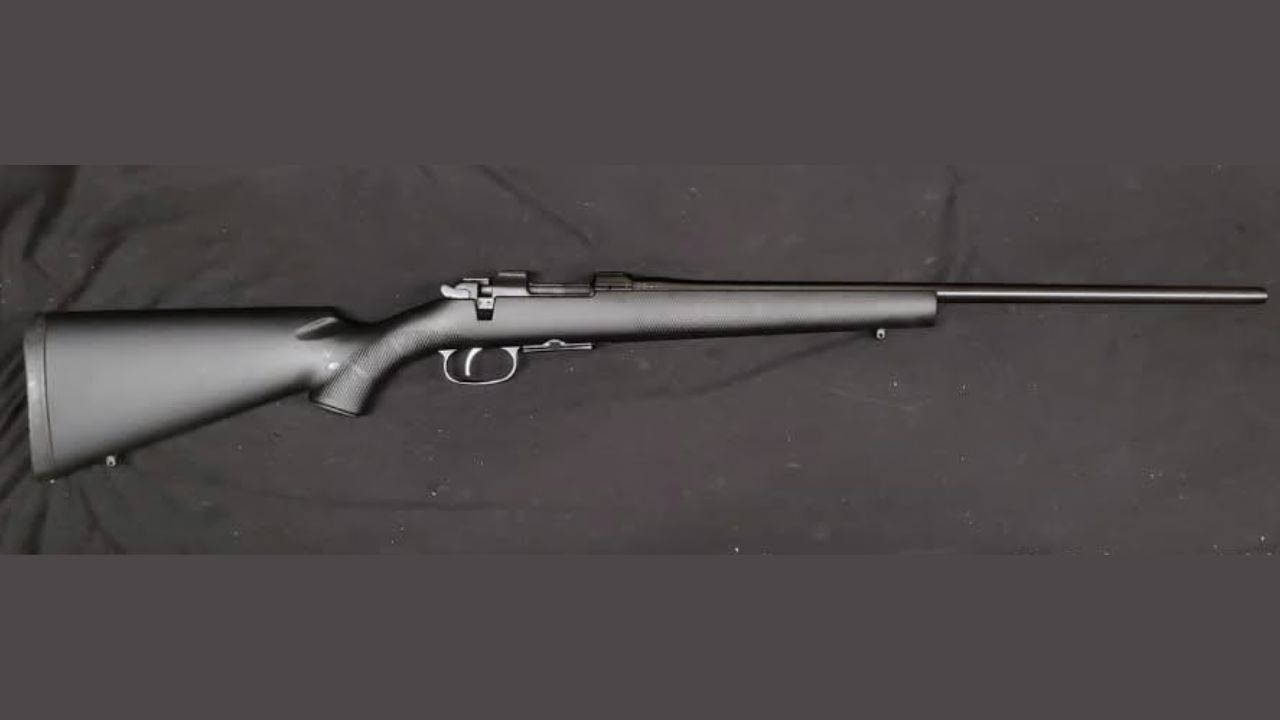
The CZ 527 became a smart pickup because it was one of those rifles knowledgeable shooters loved before the wider market really woke up. A trim little bolt gun with a lot of practical field charm was always going to matter more once it disappeared from regular production discussion.
That is what gave the used rack its moment. For a while, the 527 was still sitting there as a genuinely sharp small-action rifle while buyers were spending harder on more obvious names. That is the exact kind of mismatch smart shoppers should look for.
Winchester 70 Featherweight

The Featherweight quietly became smarter because it never stopped being the sort of rifle hunters actually want to carry. Winchester still offers the Model 70 Featherweight in current production, which reinforces how durable the idea is. But older ones and cleaner used examples often make even more sense for buyers who want the feel without paying new-rifle pricing.
That is the key here. A used Featherweight can still feel like a real hunting rifle instead of just another product. When the rack gives you that and saves you from the full retail version of the same idea, that is a smart pickup.
Ruger M77 All-Weather / stainless hunting rifles

The stainless M77 hunting rifles became smart pickups because they were built for actual use and then got left alone by the flash crowd just long enough to be attractive. Ruger’s older 77-series has gone through multiple shifts and discontinuation talk over the years, which only sharpened interest in the more practical stainless field rifles once buyers realized they were not always going to be easy to replace.
That makes them exactly the sort of rifle smart buyers should notice in a rack. They are not there to impress anybody. They are there to hunt, hold up, and keep making sense after trendier rifles have already started feeling stale.
Anschütz sporter rimfires
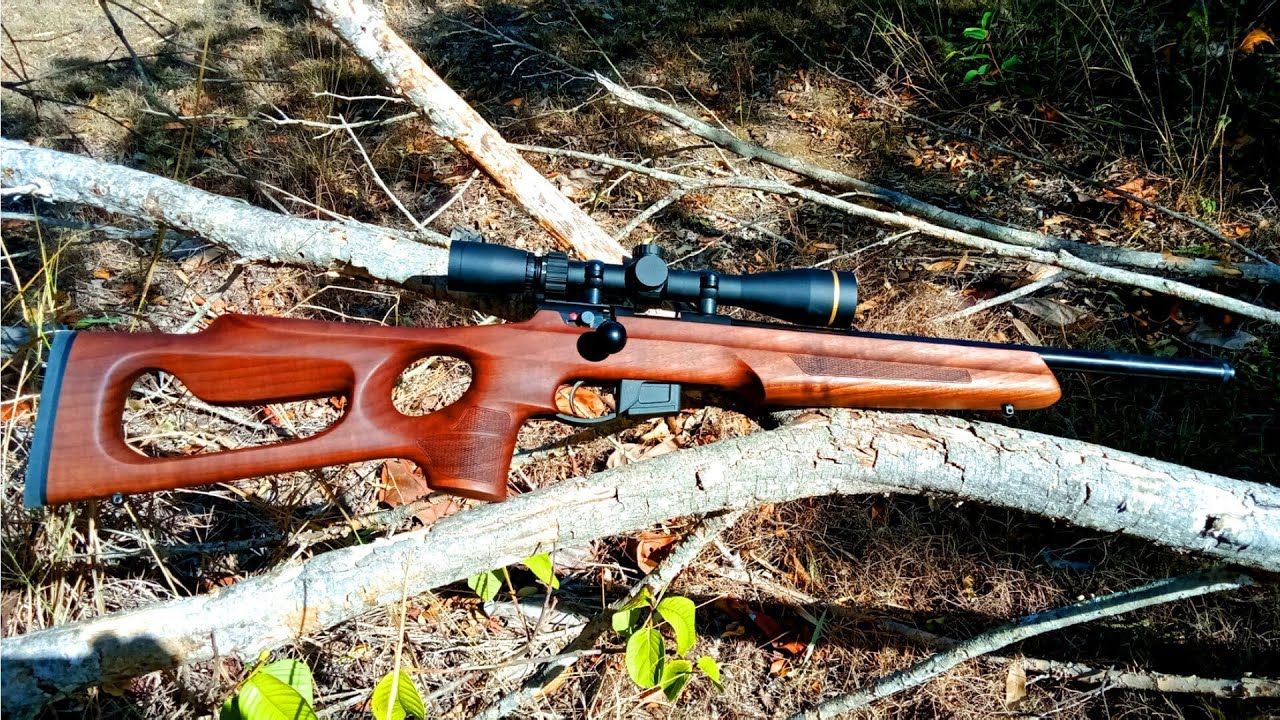
Anschütz sporters became smart pickups because too many buyers still treat rimfires like side purchases instead of serious rifles. That leaves room for quality. A truly good sporting .22 can still sit quietly while louder categories soak up the oxygen, and that is exactly the kind of market blind spot sharp buyers should exploit.
Once more people start taking fine rimfires seriously, those windows close fast. That is why the smart pickup is often the elegant little rifle in the rack that everybody else walked past because it did not look urgent enough at first glance.
Like The Avid Outdoorsman’s content? Be sure to follow us.
Here’s more from us: