Photo credit: Danita Delimont/Shutterstock.com
If you’ve ever spent time with a seasoned hunting guide, you know they’ve seen it all—guys showing up with cartridges that make them shake their head before the truck even leaves camp. A good guide doesn’t care what you shoot as long as it works, but certain calibers have earned reputations for wounding more than they kill or for being wildly impractical for the hunt at hand. Whether it’s too small, too big, or too flashy for the job, these rounds tend to raise eyebrows from the folks who actually track the blood trails.
.223 Remington for Elk

There’s always someone who swears their .223 is “plenty for elk” because they’ve seen videos of perfect shots online. Sure, it can kill an elk—with perfect shot placement and the right bullet—but that’s a risky bet when real-world variables kick in. Wind, brush, and imperfect angles don’t favor small, light bullets.
Guides see too many wounded elk from underpowered rounds like the .223. It simply doesn’t carry enough energy or penetration for the size of the animal. Ethical hunters know a caliber should offer margin for error, not barely scrape by when everything goes right. Showing up for elk camp with a .223 might save your shoulder, but it’ll cost you your guide’s respect.
.22-250 Remington for Deer
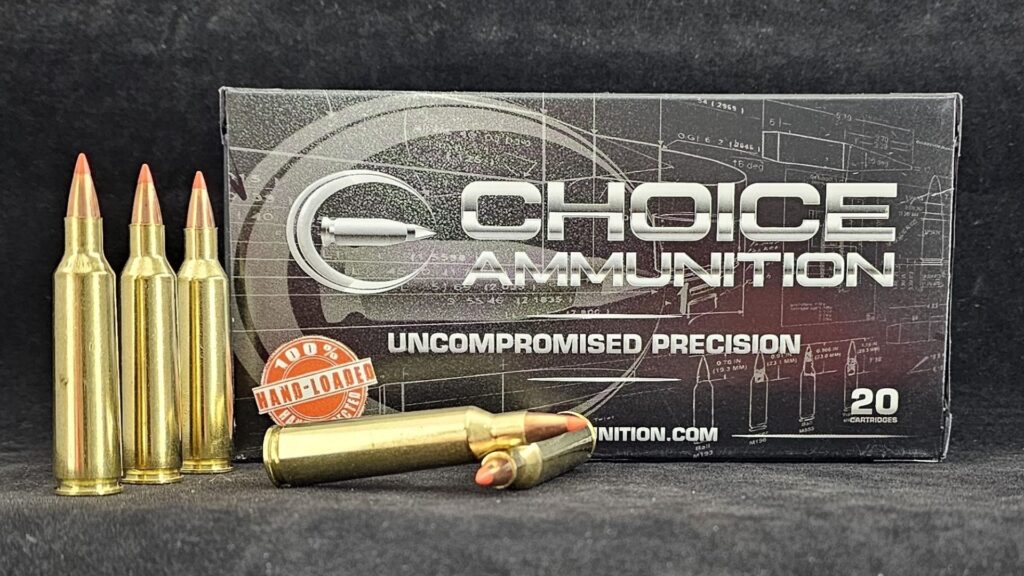
The .22-250 is a legendary varmint round—flat, fast, and fun. But once you move up to deer-sized game, it starts running out of steam. Some states even restrict its use for that reason. Sure, you can kill a deer with it, but the margin for error is razor-thin, and bullet selection becomes critical.
Guides tend to cringe when they see someone unpack a .22-250 in deer camp. It might group well on paper, but those lightweight bullets don’t hold together well when bone or muscle get involved. You’ll often hear, “It’ll kill if you hit it right,” but that’s not the same as “It’s a reliable deer rifle.” When the adrenaline hits and the shot isn’t perfect, the .22-250 is more likely to cause headaches than hero stories.
.17 HMR for Anything Bigger Than a Coyote
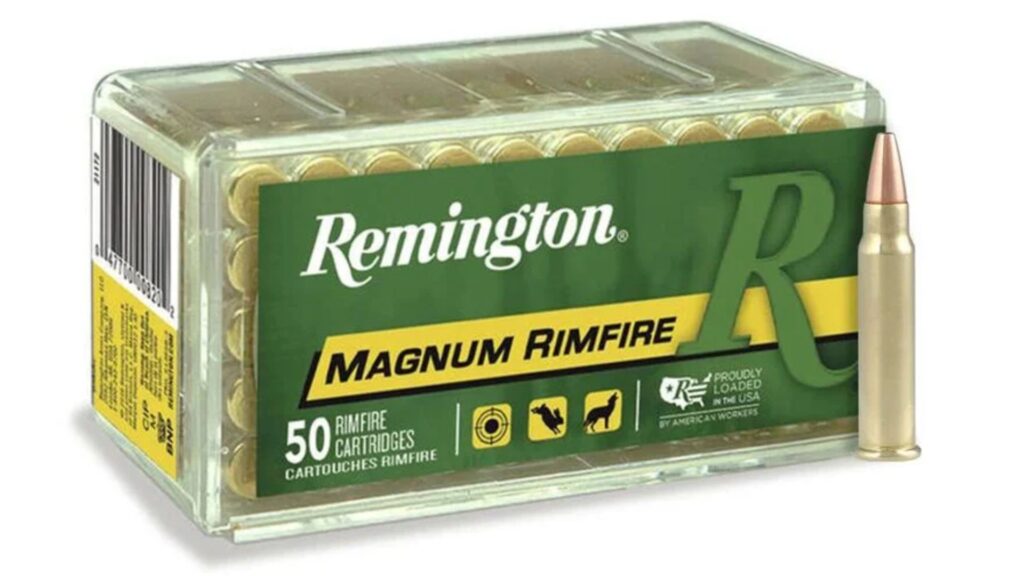
There’s no denying the .17 HMR is fun to shoot—fast, flat, and accurate out to a couple hundred yards. But too many hunters have tried to push it beyond its lane. For coyotes, it’s marginal. For anything bigger, it’s flat-out irresponsible. Those tiny, frangible bullets shed velocity quickly and don’t penetrate well on thick hide or bone.
Guides groan when someone pulls one out for a predator hunt that might include bobcats or hogs. It’s a rimfire designed for small varmints and target work, not something to bet a pelt—or a clean kill—on. They’ve seen too many runners, too many “we hit it but couldn’t find it” stories. The .17 HMR is a great tool when used right, but it’s not a miracle round.
6.5 Creedmoor for Moose
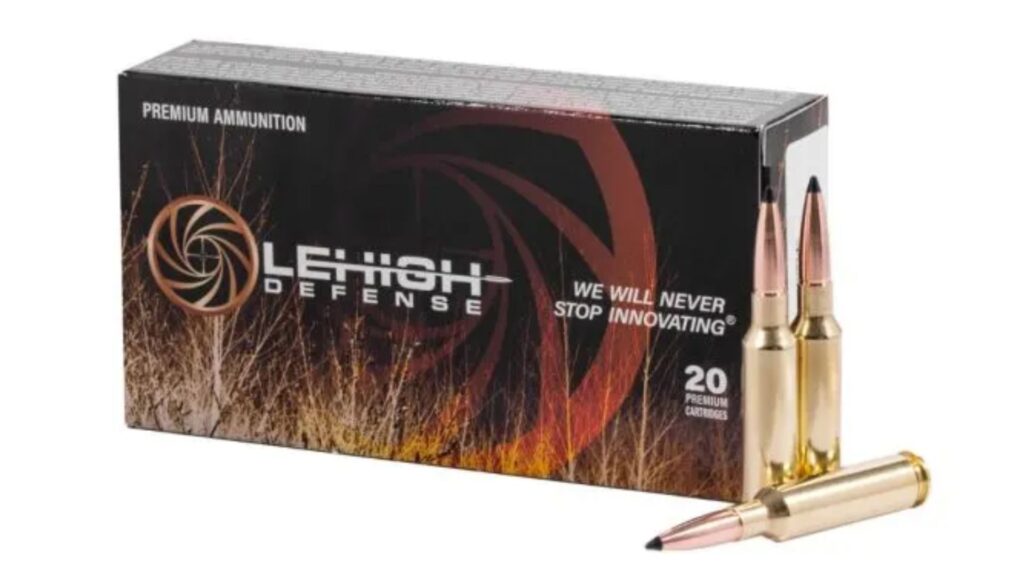
The 6.5 Creedmoor’s rise in popularity has made it the go-to for everything under the sun—but moose stretch its limits. Yes, with premium bullets and disciplined shot placement, it can kill moose. But guides know how unpredictable those hunts can be. Shots aren’t always broadside or under 200 yards, and big bones don’t forgive marginal energy.
Most guides would rather see you carrying a .30-06 or larger. The 6.5 might print tight groups on paper, but in the field, penetration and shock matter more. Hunters show up confident from range time, only to realize their “do-it-all” round struggles when a thousand-pound bull is quartering toward them. Guides don’t dislike the Creedmoor—they dislike seeing it used where heavier cartridges are the smarter call.
.300 Winchester Ultra Magnum for Whitetail
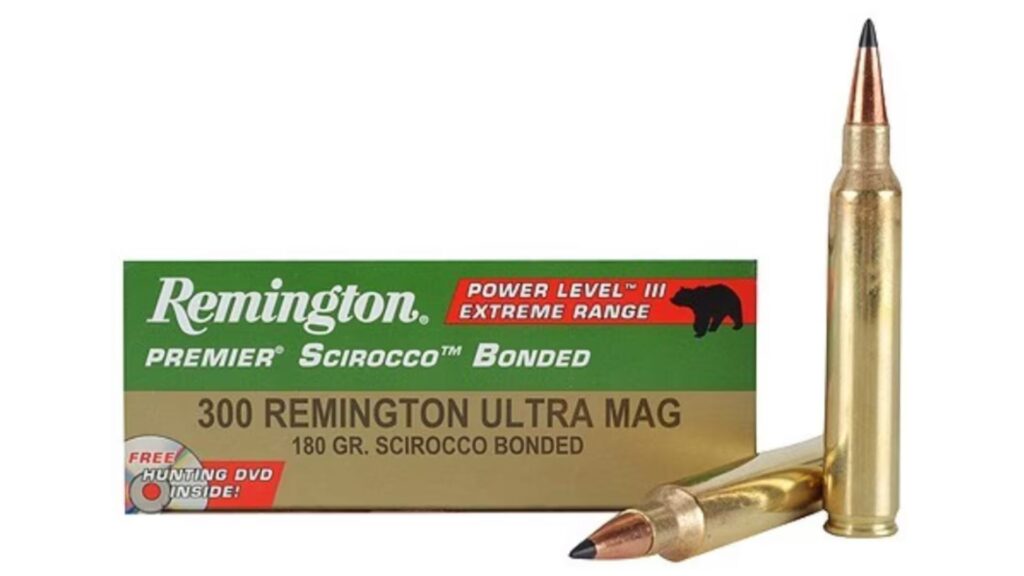
On paper, the .300 Ultra Mag looks like a hammer—and it is. But showing up with one for whitetail makes most guides wince. It’s overkill in every sense. The recoil alone makes flinching almost inevitable for most shooters, and the high velocities can ruin more meat than you’d care to admit.
Guides have seen countless deer shot with magnums that blew massive exit wounds or fragmented bullets beyond recovery. The animal still goes down, but so does half your shoulder roast. You don’t need a thousand-yard elk gun for a 150-yard deer. When someone shows up with one, guides know they’re chasing power over practicality—and that usually means follow-up shots, wasted meat, or missed opportunities.
.243 Winchester for Big Western Game

The .243 Winchester is a great deer and antelope round, but plenty of hunters have overestimated it in the mountains. When the target gets bigger—elk, black bear, or mule deer at longer ranges—it starts to run short on sectional density and retained energy.
Guides often hear, “It’s all about shot placement,” but the problem is, mountain shots aren’t perfect. Angled winds, long distances, and moving targets demand more horsepower. The .243 will drop an elk with perfect conditions, but it’s one of those cartridges that punishes imperfection. Most guides would rather you show up with something that carries confidence beyond 200 yards instead of banking on a small-bore miracle.
.45-70 Government for Open Country Hunts
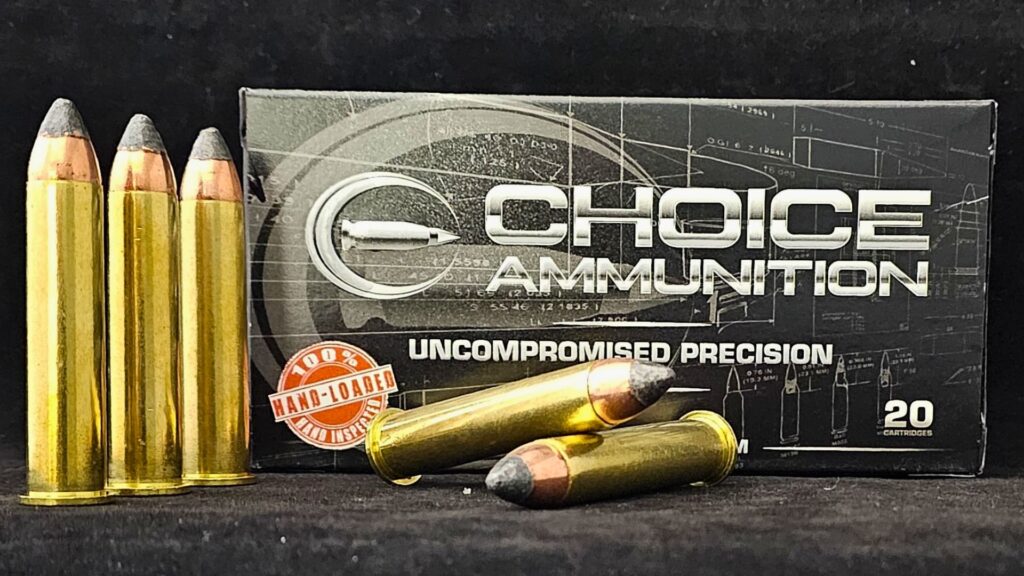
The .45-70 is a legend in the timber, but it’s the wrong tool once you step into open country. Big, slow bullets shed velocity fast and drop like bricks past 200 yards. Guides in elk and antelope country often watch hunters struggle to compensate for that steep trajectory.
Sure, it’ll put a bear down up close, but that same rifle becomes a handicap when your only shot is 300 yards across a canyon. Guides appreciate the nostalgia, but they’d rather see something that balances punch with reach. The .45-70 is a great brush gun—but it’s not a mountain rifle, no matter how confident the shooter is.
.25-06 Remington for Elk

The .25-06 Remington is fast and flat, and it’s a dream for deer and antelope. But elk are a different game. Even with premium bullets, that narrow projectile can’t match the penetration and energy you need for reliable results on big-bodied animals.
Guides have seen this one fail too often—perfectly placed shots that don’t reach the vitals, blood trails that vanish after 50 yards, and frustrated hunters who swear their rifle “always drops deer in their tracks.” The .25-06 is a sweetheart of a cartridge when used where it belongs, but on elk, it’s like bringing a fly rod to a tarpon fight—it’ll work in theory, but you won’t like how it ends.
.450 Bushmaster for Anything Past 150 Yards
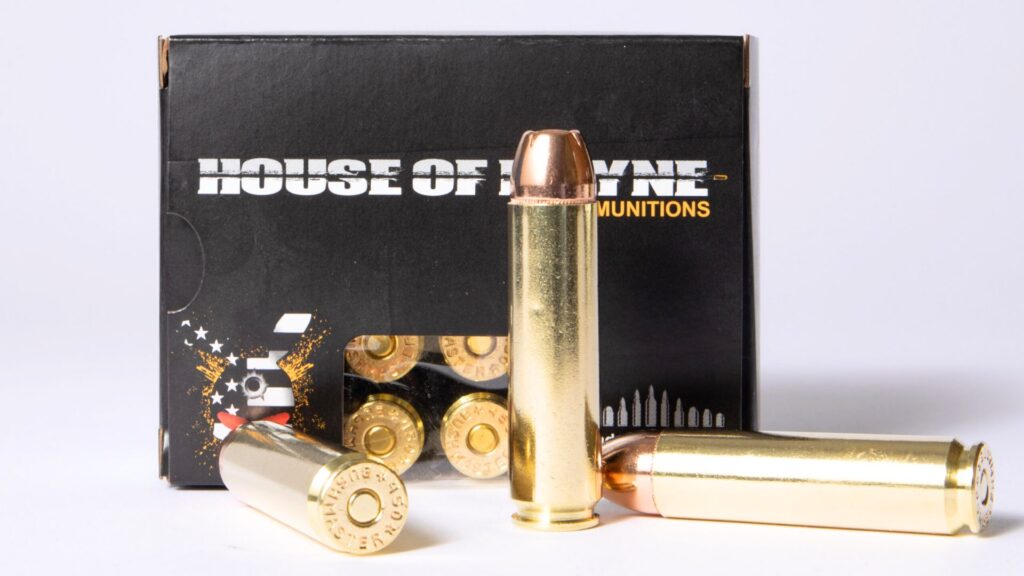
The .450 Bushmaster gained popularity in straight-wall cartridge states, but it’s often misunderstood. Within 150 yards, it’s a great brush or hog round. Past that, the bullet’s trajectory drops dramatically, and wind starts to push it all over the place.
Guides who hunt wide-open country roll their eyes when they see one come out of the case. Hunters often underestimate how fast those big slugs lose steam. A .450 might look powerful, but its energy drops off sharply, leaving marginal penetration at range. In the thick woods, it’s fine. On a windy hillside at 250 yards? It’s a bad choice that can turn into a long, frustrating blood trail.
7mm Remington Ultra Magnum for Short Hunts
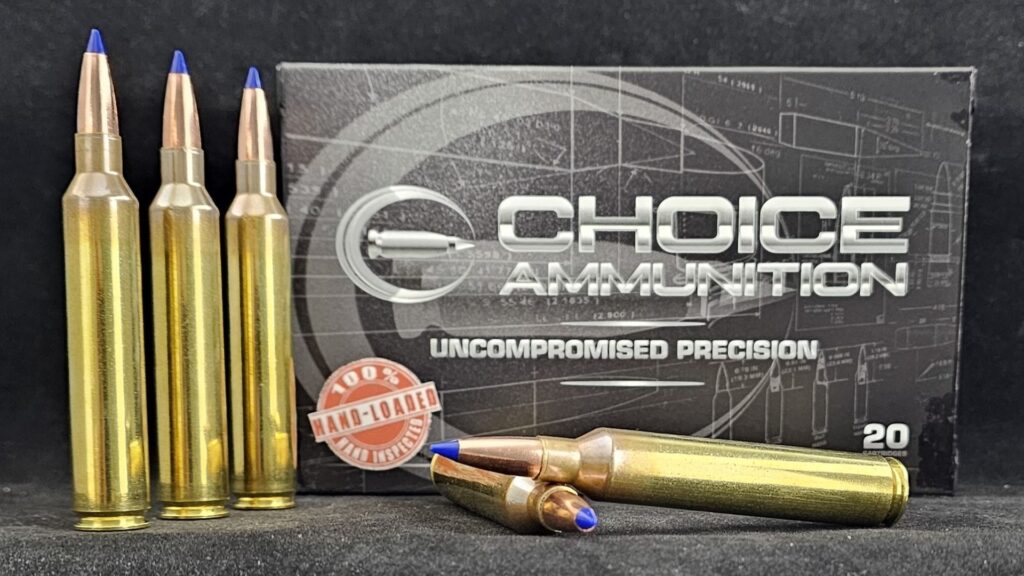
Guides don’t hate the 7mm Ultra Mag—they hate how it tempts shooters into overconfidence. The recoil is punishing, barrel life is short, and factory loads are hard to find. It’s a powerhouse, but it’s also unforgiving. Hunters often struggle to shoot it accurately under pressure, especially without regular practice.
When someone brings one to a short hunt after only sighting in twice, guides know what’s coming—missed shots and sore shoulders. The 7mm RUM shines in experienced hands, but in camp, it’s usually being toted by someone chasing ballistics charts instead of real-world results. Guides don’t question its power—they question whether you can control it when the shot counts.
.350 Legend for Big Game Out West
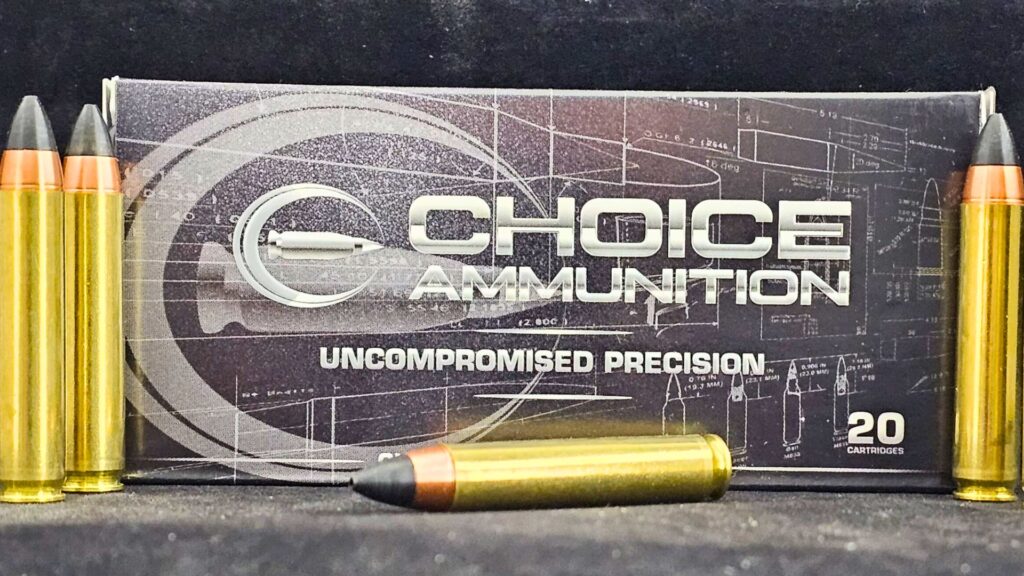
The .350 Legend was designed for straight-wall states, not western hunts. It’s efficient, light-kicking, and fine for whitetails in the woods—but it runs out of breath fast once ranges open up. Past 200 yards, you’re losing the energy and trajectory control you need for elk or mule deer.
Guides who’ve seen it in the field know it’s a deer cartridge, plain and simple. It’s not designed for long-range accuracy or heavy-boned animals. The problem is, hunters see its mild recoil and assume it’ll do double duty. It won’t. If you show up out west with a .350 Legend, your guide might be polite—but you’ll see the look in their eyes. It says, “We’re going to need to get close. Really close.”
*This article was developed with AI-powered tools and has been carefully reviewed by our editors.