Photo credit: Kit Badger/YouTube
Not every rifle earns its place by looking sharp on a rack or promising to reinvent the wheel. Some of the ones that last the longest are the plain, workmanlike models that never needed a big personality in the first place. They just kept feeding, firing, holding zero, and putting game on the ground while trendier rifles came and went. That kind of staying power usually comes from balance, not flash. Good weight, sensible chamberings, dependable actions, and the sort of handling that makes sense the longer you own one.
That is why so many of the most respected rifles are not the ones that caused the biggest stir when they came out. They are the ones people kept dragging into deer camps, truck cabs, tree stands, and bad weather because they knew what they were getting. These rifles did not need to feel new forever. They just needed to keep being useful, and that has always mattered more than excitement.
Remington 700 BDL
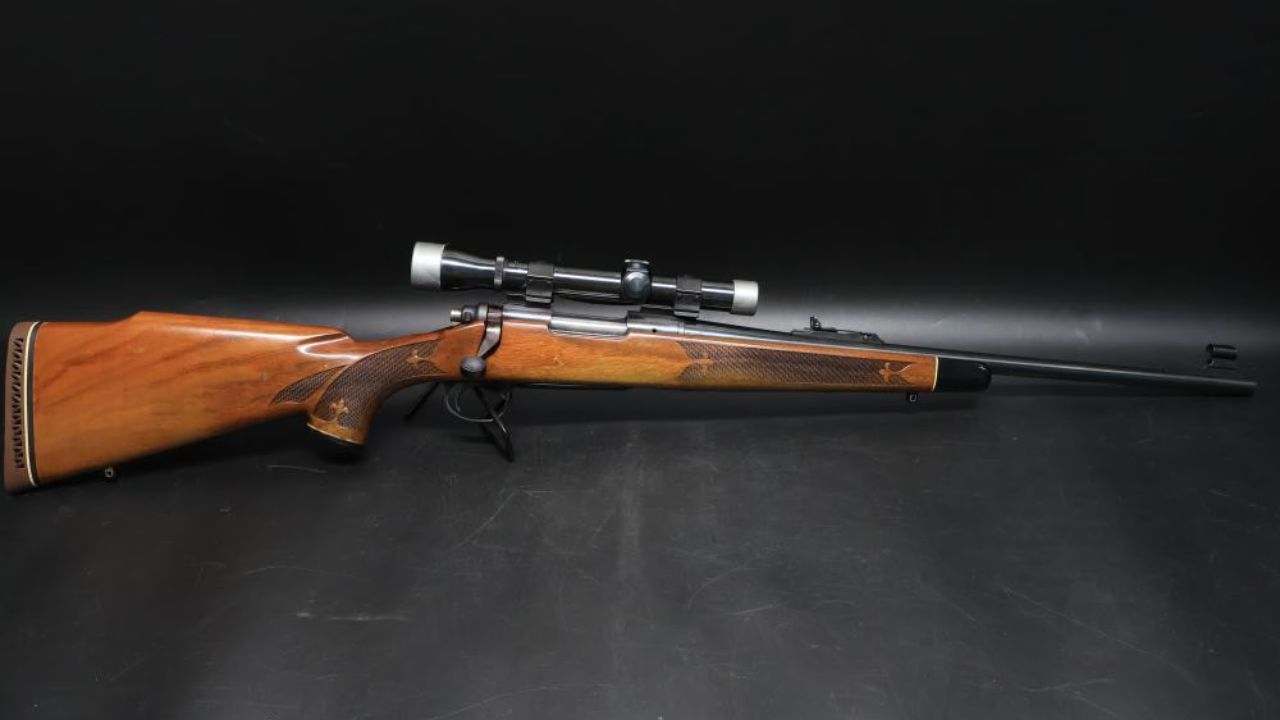
The Remington 700 BDL never had to act like a revolution to stay in the conversation. It was accurate enough, common enough, and familiar enough that generations of hunters ended up trusting it almost by default. That sounds dull until you remember how hard it is for any rifle to stay relevant across decades of changing tastes. The 700 did it by giving people a solid bolt action with good aftermarket support and a shape that still feels right in the hands.
What kept it alive was not glamour. It was the fact that you could actually do something with it. You could leave it alone and hunt with it as-is, or you could turn it into something more specialized later. That flexibility mattered. Even as newer rifles came along with louder selling points, the 700 BDL kept hanging around because it was honest about what it was and reliable enough to keep earning a place in camps and safes.
Winchester Model 70 Featherweight

The Model 70 Featherweight stayed relevant because it never forgot what a hunting rifle is supposed to feel like. It carries well, points naturally, and has the kind of controlled elegance that does not need explaining once you spend time with one. It was never about trying to look tactical or futuristic. It simply gave hunters a rifle that felt refined without becoming delicate, and that balance kept it useful long after flashier designs started aging badly.
A rifle like this survives because it makes sense where it counts. In the woods, on a mountain, or crossing a fence line, the Featherweight still feels like a rifle built for real movement and real use. That matters more than marketing language. Plenty of rifles have made bigger first impressions, but the Model 70 kept its standing by being easy to live with and easy to trust when the hunt actually started.
Ruger M77 Hawkeye

The Ruger M77 Hawkeye never had much interest in being trendy. It came across like a rifle for buyers who cared more about practical ownership than range-counter bragging. The controlled-round-feed action, solid construction, and straightforward handling made it the kind of rifle people bought when they wanted something that felt durable from day one. It did not need a huge personality because its appeal was always rooted in function rather than image.
That is exactly why it lasted. Hunters and riflemen kept finding that it held up, carried well enough, and gave them a dependable tool without any weird surprises. It was not the rifle people talked about like a dream machine, but it was the one plenty of them quietly kept. Over time, that kind of staying power says more than hype ever could. The Hawkeye remained relevant by refusing to become complicated or precious.
Savage 110

The Savage 110 built its relevance the slow way. It earned a reputation for accuracy, easy ownership, and plain usefulness without ever pretending to be something romantic. It did not need beautiful walnut or a big legacy story to stay alive. It just kept shooting better than people expected for the money, and that alone gave it a long runway. A lot of shooters came to respect the 110 because it worked harder than its looks suggested.
That kind of rifle tends to age well because it never depended on charm in the first place. Buyers could hunt with it, tinker with it, rebarrel it, or leave it alone and still get real use from it. It stayed in the picture because it solved practical problems instead of chasing excitement. Even now, the 110 still feels relevant for the same reason it always did: it gives you performance without making you pay for a personality.
Tikka T3x Lite

The Tikka T3x Lite is a good example of a rifle that stayed important by refusing to overcomplicate the job. It is not loaded with drama. It just gives you a smooth action, consistent accuracy, manageable weight, and the kind of clean function that keeps people coming back. A lot of rifles try to impress you in the store. The T3x tends to impress you more after a few seasons, which is a better place to earn loyalty anyway.
That is why it keeps showing up in the hands of hunters who actually spend time afield. It is light enough to carry, accurate enough to trust, and simple enough to own without feeling like you are managing some fragile system. The Tikka never needed to feel rugged in an exaggerated way because it already did what mattered. It stayed relevant by being exactly the sort of rifle real hunters keep wanting to pack.
Browning X-Bolt Hunter

The Browning X-Bolt Hunter never had to shout. It came into a crowded world of bolt guns and managed to hold its place by feeling polished, sensible, and easy to shoot well. The short bolt lift, good trigger, and generally clean handling gave it real value without turning it into some loud statement rifle. It felt like a modern hunting rifle for people who still wanted something grounded in practical field use.
That combination helped it age well. The X-Bolt Hunter did not depend on gimmicks that would feel stale a few years later. It stayed attractive because it kept doing normal rifle things well. That sounds simple, but simple is exactly what lasts. Plenty of shooters bought one, used it hard, and never felt much reason to move on. That is how a rifle remains relevant. It keeps solving the same problem without becoming tiresome along the way.
CZ 527 American
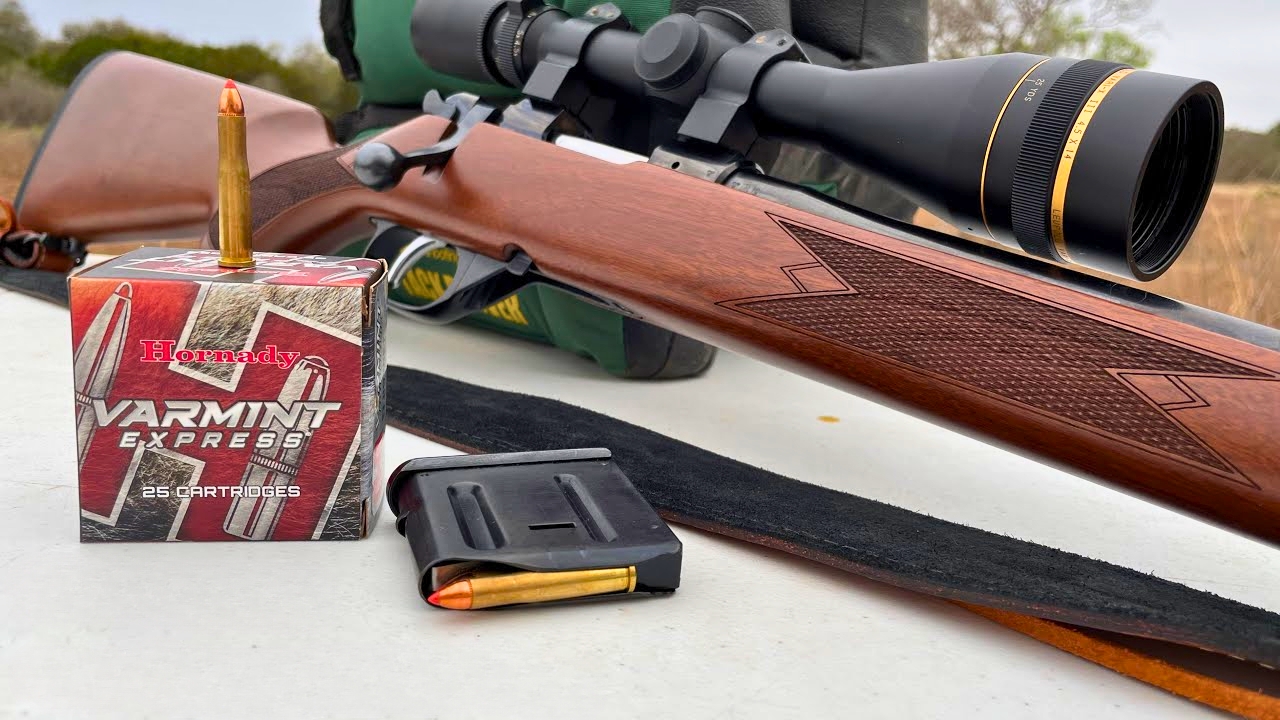
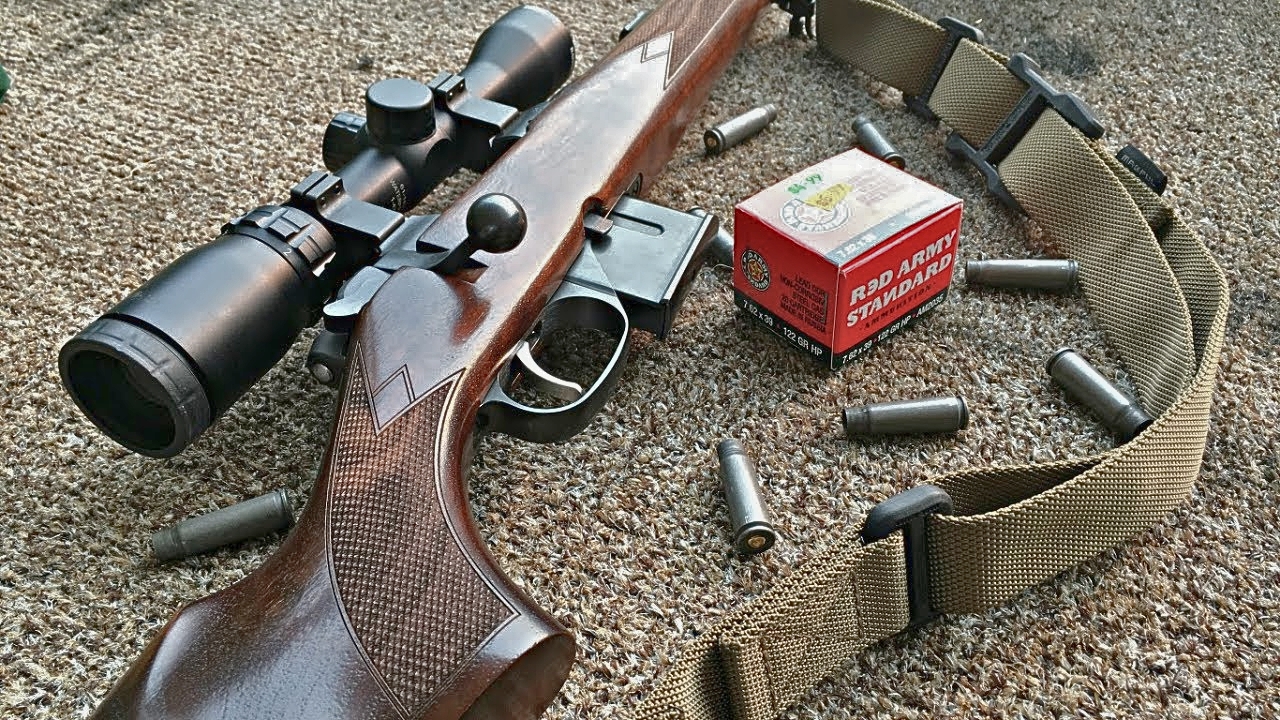
The CZ 527 American was never a rifle for people chasing noise or status. It appealed to the kind of shooter who liked trim proportions, old-school feel, and a mini Mauser-style action that actually gave the rifle some character without making it fussy. In smaller cartridges, it felt practical in a way that a lot of modern rifles forgot how to be. It was compact, efficient, and serious without acting like it needed attention.
That is why it kept such a loyal following. A rifle like the 527 American did not have to dominate sales charts to matter. It stayed relevant because it filled a useful lane really well. For varmints, predators, and general field use, it was the kind of rifle that felt right from the first afternoon. That kind of comfort has a long shelf life. It may never have been flashy, but it kept being worth owning.
Marlin XS7

The Marlin XS7 never got treated like a glamour rifle, but that is part of what made it stick in people’s minds. It was a plain, no-nonsense bolt gun that shot better than many expected and cost less than plenty of rifles wearing more prestigious names. Buyers who actually used one often came away with the same reaction: it was better than it had any right to be. That kind of surprise buys a rifle a lot of long-term respect.
What kept it relevant was the absence of nonsense. It was not trying to sell a fantasy. It was trying to give regular shooters a capable hunting rifle at a sensible price, and it did that well enough to stay remembered even after bigger names kept dominating the conversation. A rifle does not need an exciting story if owners keep having good seasons with it. The XS7 stayed meaningful because it handled the work without making a show of itself.
Howa 1500 Hogue

The Howa 1500 Hogue earned its place by being one of those rifles that quietly made sense once you stopped obsessing over brand prestige. The action was solid, the accuracy was there, and the rifle generally gave owners the feeling that they got real substance for their money. It was not designed to stir up emotion. It was designed to be dependable, and for a lot of hunters that matters a whole lot more after the first year of ownership.
That is why these rifles keep hanging around in deer camps and pickup racks. They are not bought for applause. They are bought because they shoot, hold up, and do not ask for much drama in return. The Howa 1500 Hogue stayed relevant by living in that practical middle ground where real hunters spend most of their time. It never needed to look special because being consistently useful is what actually keeps a rifle alive.
Weatherby Vanguard Series 2
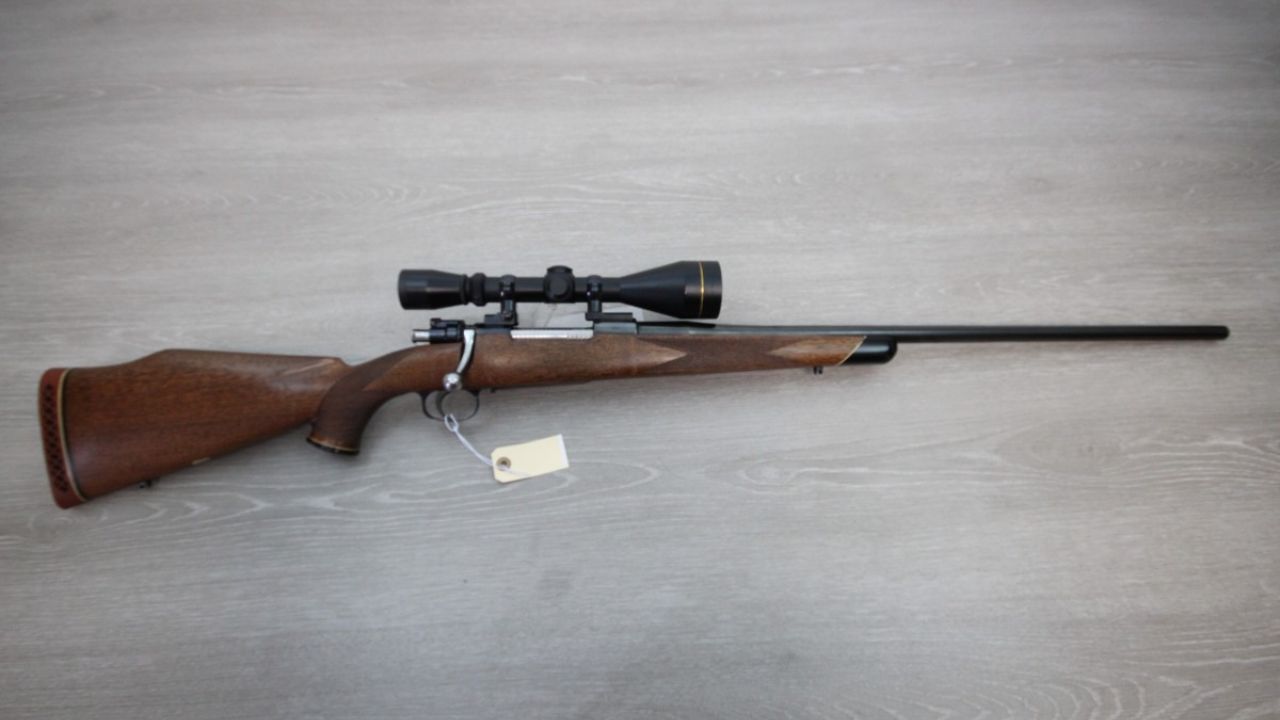
The Weatherby Vanguard Series 2 stayed important because it gave buyers a way into solid bolt-gun performance without demanding Weatherby-magnum drama. That mattered more than some people realize. Not everyone wanted a flashy speed machine. A lot of hunters just wanted a reliable, accurate rifle with decent build quality and a reputation for doing what it was supposed to do. The Vanguard fit that role without making excuses or needing a big sales pitch.
That helped it hold on while more attention-grabbing rifles came and went. It was practical, familiar, and usually shot well enough to make owners stop shopping and start hunting. A rifle like that does not need much flair to stay relevant. It just needs to deliver season after season. The Vanguard did exactly that, and its staying power came from being useful in ordinary ways, which is usually how lasting respect gets built.
Mossberg Patriot Walnut

The Mossberg Patriot Walnut did not arrive with some grand promise of changing the rifle world. It showed up as a straightforward hunting rifle with traditional looks, workable accuracy, and enough affordability to get regular hunters interested. That may not sound memorable, but plain competence travels far in the hunting world. A rifle does not have to become legendary to remain relevant. Sometimes it just has to be good enough in the places where owners actually use it.
The Patriot Walnut stayed in the mix because it kept offering a sensible answer for the buyer who wanted a classic-looking deer rifle without overspending. That is a real lane, and it is one that never fully disappears. It remained relevant by doing common things well and by feeling approachable rather than intimidating. Rifles like that matter because they keep ordinary hunters equipped, and that kind of usefulness lasts longer than excitement ever does.
Ruger American Rifle
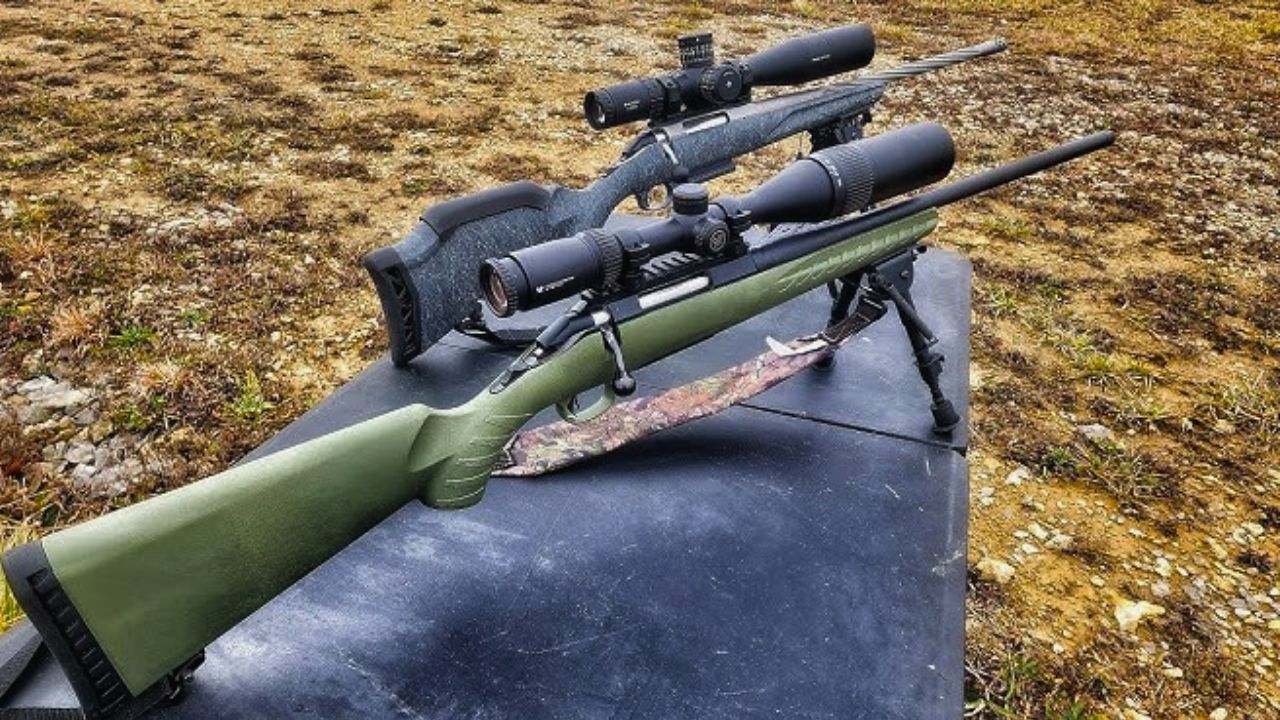
The Ruger American Rifle built its relevance the blunt, practical way. It gave buyers a lightweight, affordable bolt gun that usually shot well and did not require much romance to justify. It was not trying to be pretty. It was trying to be effective, and in a lot of cases that is exactly what owners needed. Many people bought one as a budget-conscious choice and ended up keeping it because it handled real work just fine.
That is the sort of rifle that quietly reshapes the market. It does not arrive as a dream gun. It arrives as a sensible purchase that keeps proving itself enough to stay around. The Ruger American became relevant because it lowered the barrier to entry while still being genuinely capable. Once hunters found out it would shoot straight and carry easily, the rest of the story took care of itself. Excitement was never really part of the equation.
Sako 85 Hunter

The Sako 85 Hunter stayed relevant from the opposite direction. It was more refined than a lot of everyday hunting rifles, but it still avoided the trap of becoming flashy for its own sake. It felt smooth, balanced, and carefully made, but in a way that served field use rather than vanity. Buyers who chose one were usually not trying to impress strangers. They wanted a quality bolt action that handled like a rifle should and kept doing so year after year.
That matters because refinement can age well when it is tied to function. The Sako 85 Hunter never needed gimmicks because its value was built into the way it operated and carried. It stayed relevant by being a genuinely satisfying rifle to own without turning itself into a complicated luxury object. In a field full of louder personalities, that sort of quiet quality can hold its place for a very long time.
Winchester XPR

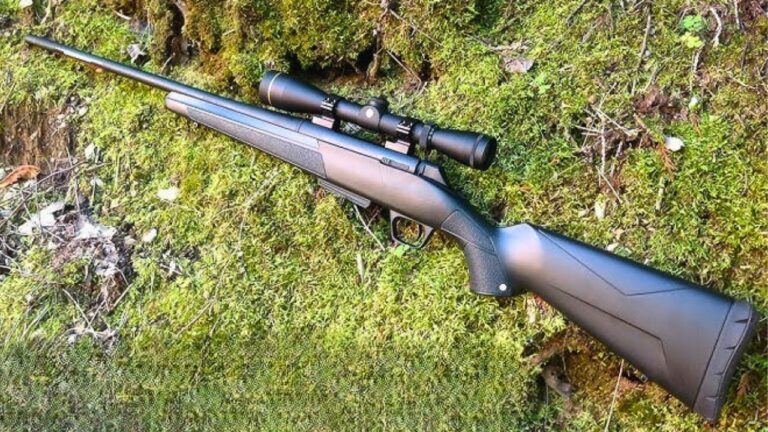
The Winchester XPR is one of those rifles that proves relevance does not have to come from romance. It is a practical, affordable bolt gun from a name people already recognize, and it gives buyers a straightforward path into modern hunting rifle ownership. It does not have much swagger, but it also does not waste much effort pretending to be something it is not. That honesty has helped it stay useful in a market packed with louder choices.
A lot of hunters want exactly that kind of rifle. They want something that feeds, shoots, carries, and survives bad weather without turning ownership into a project. The XPR kept itself relevant by fitting that demand cleanly. It is not a rifle people usually get poetic about, but that does not hurt it. Plenty of rifles get admired and then forgotten. The XPR keeps getting used, and that usually matters more.
Thompson Center Compass

The Thompson Center Compass came in with a simple mission and stuck to it. It aimed to give shooters a budget-friendly bolt action with workable accuracy and field-ready practicality, and that was enough to get real attention from people who cared more about hunting than about image. It was never a rifle for collectors or nostalgists. It was a rifle for buyers who wanted to spend their money carefully and still come away with something capable.
That kept it relevant because real-world value always has an audience. A rifle like the Compass does not need to be exciting when it helps fill freezers and knock down range targets without draining a bank account. It stayed meaningful by being usable, approachable, and better than many people expected at first glance. In the long run, that kind of reputation holds up surprisingly well. Practical rifles do not have to be glamorous to keep mattering.
Remington 7600

The Remington 7600 never had much interest in being fashionable, and that may be exactly why it lasted. In parts of the country where quick follow-up shots, brush-country handling, and familiar pump-gun rhythm mattered, it kept making practical sense even while a lot of shooters elsewhere overlooked it. The 7600 was not trying to win style points. It was trying to give hunters a reliable repeating rifle that felt intuitive under pressure and in rough country.
That kind of utility gave it staying power most outsiders underestimated. A rifle does not remain relevant just because people admire it on the internet. It stays relevant because certain hunters keep finding it useful enough to carry season after season. The 7600 did that by fitting a real hunting culture rather than chasing broader excitement. It never needed universal cool factor. It just needed to keep working where it counted, and it did.
Like The Avid Outdoorsman’s content? Subscribe to our newsletter so you never miss an article.
Here’s more from us: