Photo credit: Barkley Outdoor Adventures/YouTube
Some rifles get rediscovered every few years like they vanished and came back from the dead. That is not really how it works. The rifles that matter most usually never leave in the first place. They may fall out of fashion with people chasing chassis systems, new cartridges, flashy coatings, or whatever the internet is yelling about that month, but they never stop showing up where real shooting still happens. They stay in deer camps, truck racks, saddle scabbards, timber edges, and gun safes that belong to people who actually use what they own.
That is the difference between a rifle that needs a comeback and a rifle that never really gave up its seat. These are the guns that kept doing their job while trendier options took turns being the new thing. Some of them are old. Some are only old by internet standards. Either way, they never had to win people back because serious shooters and hunters never fully stopped trusting them.
Winchester Model 70

The Winchester Model 70 never really disappears for long because too many hunters still know exactly what it is when they pick one up. The controlled-round-feed versions built a reputation that did not depend on hype, and even people who argue endlessly about push-feed versus controlled feed usually speak about the Model 70 with at least a little respect. It balances well, carries like a real hunting rifle, and still feels right in the hands of someone who wants a rifle more than a platform.
That is why it never needed a comeback story. It stayed relevant because it kept being useful. Whether you are talking about classic walnut-stocked hunting rifles or later working versions people actually drag through bad weather, the Model 70 never stopped being a serious answer. Plenty of rifles have tried to replace it in people’s minds. Very few have managed to replace it in their camps.
Remington 700 BDL

The Remington 700 BDL has been dragged through more arguments than almost any bolt gun in America, and yet it still refuses to leave the conversation. Part of that is tradition, sure, but a lot of it is because generations of hunters actually used these rifles and got results with them. The action became a standard for a reason, and even people who moved on to customs, clones, or more modern factory rifles still understand why the 700 stayed everywhere for so long.
The BDL in particular carries that old-school hunting-rifle feel people still want even when they pretend they do not. Gloss blue, checkered walnut, and a shape that looks like a rifle should look still carry weight. It never needed a dramatic return because the rifle kept living on in hunting culture, in gunsmith shops, and in the habits of shooters who trusted what had already worked.
Ruger M77 Hawkeye

The Ruger M77 Hawkeye has always been one of those rifles that serious hunters keep around even when it is not the hottest thing on the shelf. It is not usually the rifle that gets talked up by people obsessed with trends, but it is exactly the sort of rifle that survives those trends without caring. Strong action, dependable build quality, and a practical hunting layout gave it the kind of staying power that does not depend on online excitement.
It also helps that the Hawkeye feels like Ruger understood the difference between a rifle that sounds impressive and a rifle that actually holds up in the field. These rifles kept riding in trucks, showing up at camp, and putting meat down while more fashionable rifles came and went. That is not a comeback story. That is what it looks like when a rifle stays useful the whole time.
Tikka T3x Lite

The Tikka T3x Lite may seem too modern for a list like this, but it belongs because it never really gave shooters a reason to leave it behind. It came in as a practical, accurate, lightweight hunting rifle and then just kept doing that job so well that it never needed to be rediscovered. A lot of rifles arrive with attention. The T3x stayed because people kept shooting them, carrying them, and trusting them without needing much drama around the process.
It earned that spot by being honest about what it is. Good out-of-the-box accuracy, smooth bolt travel, manageable weight, and a layout that works in real hunting conditions gave it staying power fast. Even as newer rifles tried to look more advanced, the T3x Lite kept being the rifle people quietly recommended when they were done pretending looks mattered more than results.
Browning X-Bolt Hunter

The Browning X-Bolt Hunter never had to stage some big return because it stayed parked right where a lot of hunters wanted it all along. It has enough refinement to feel better than bargain-rack rifles, but it still understands the job. It is trim, practical, and made for people who want a field rifle that shoots well without turning every hunt into a gear experiment. Browning got that formula right, and the rifle kept earning its place the simple way.
A lot of hunters who buy one end up hanging onto it because there is not much to apologize for. It shoulders well, carries nicely, and gives you the sense that somebody actually designed it for time outdoors instead of for catalog language. That is why it never left. The X-Bolt Hunter stayed in use because it kept feeling like a smart rifle after the sales pitch wore off.
Marlin 336

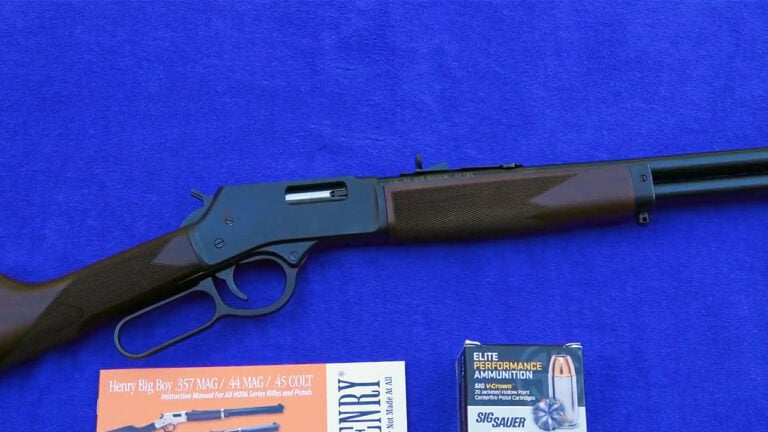
The Marlin 336 never really goes away because the kind of hunting it suits never goes away either. Brush country, timber edges, short-to-medium ranges, and practical deer camps still exist, and the 336 still makes sense in all of them. Lever guns have had their trendy moments lately, but the 336 was already established long before that. People did not need to rediscover it. They just needed to remember why it kept riding along in the first place.
There is also something about the 336 that stays honest. It does not pretend to be a 600-yard solution or a tactical statement. It is a fast-handling woods rifle that keeps fitting real conditions. Plenty of hunters never stopped trusting it, even when bolt guns dominated the conversation. That is why it never needed a comeback. It never stopped being useful to people who actually hunt the kind of ground it was made for.
Savage 110 Classic

The Savage 110 Classic belongs here because Savage has spent decades making rifles people sometimes underestimate until the shooting starts. The 110 platform stayed alive through multiple eras because it kept offering accuracy and dependability to people who cared more about results than prestige. The Classic version, with its more traditional lines, gave that reputation a form a lot of hunters still wanted. It was not flashy, but it did not need to be.
This is the kind of rifle that avoids the comeback label because shooters never fully stopped buying, using, or handing them down. Savage rifles have long had a way of making people shut up once targets or game are involved. The 110 Classic held onto that role by staying practical and effective. While people chased newer branding and fancier packaging, it kept proving that a rifle can stay relevant by simply doing its job well.
CZ 557 American

The CZ 557 American never flooded the market the way some big-name rifles did, but the people who paid attention to it usually understood what they had. It offered a clean, traditional look with the kind of fit, feel, and controlled handling that makes a rifle more enjoyable to own than the usual plastic-stocked crowd. It was not trying to become a viral hunting rifle. It was trying to be a good rifle, which is often the better long-term strategy.
That is why it did not really leave, even if it was never the loudest name in the room. Rifles like this keep mattering because the shooters who appreciate them tend to actually use them and keep them. Good wood, sensible proportions, and a reputation for shootability gave the 557 American a quiet kind of staying power. It stayed relevant without needing a loud public rediscovery.
Ruger 10/22 Carbine

The Ruger 10/22 Carbine is one of the clearest examples of a rifle that never needed a comeback because it never stopped being everywhere. It has lived in barns, closets, camps, pickups, and range bags for generations. Kids learned on them. Adults still keep them around because they remain useful. You do not need to rediscover a rifle that has never stopped doing squirrel duty, plinking duty, teaching duty, and general good-time duty all at once.
It also survives because it keeps adapting without losing what made it popular. You can leave one plain and enjoy it exactly as it is, or you can turn it into something completely different if that is your thing. Either way, the basic rifle never left. The 10/22 stayed in the culture because it kept making sense for too many kinds of shooters to ever fade for very long.
Henry Long Ranger
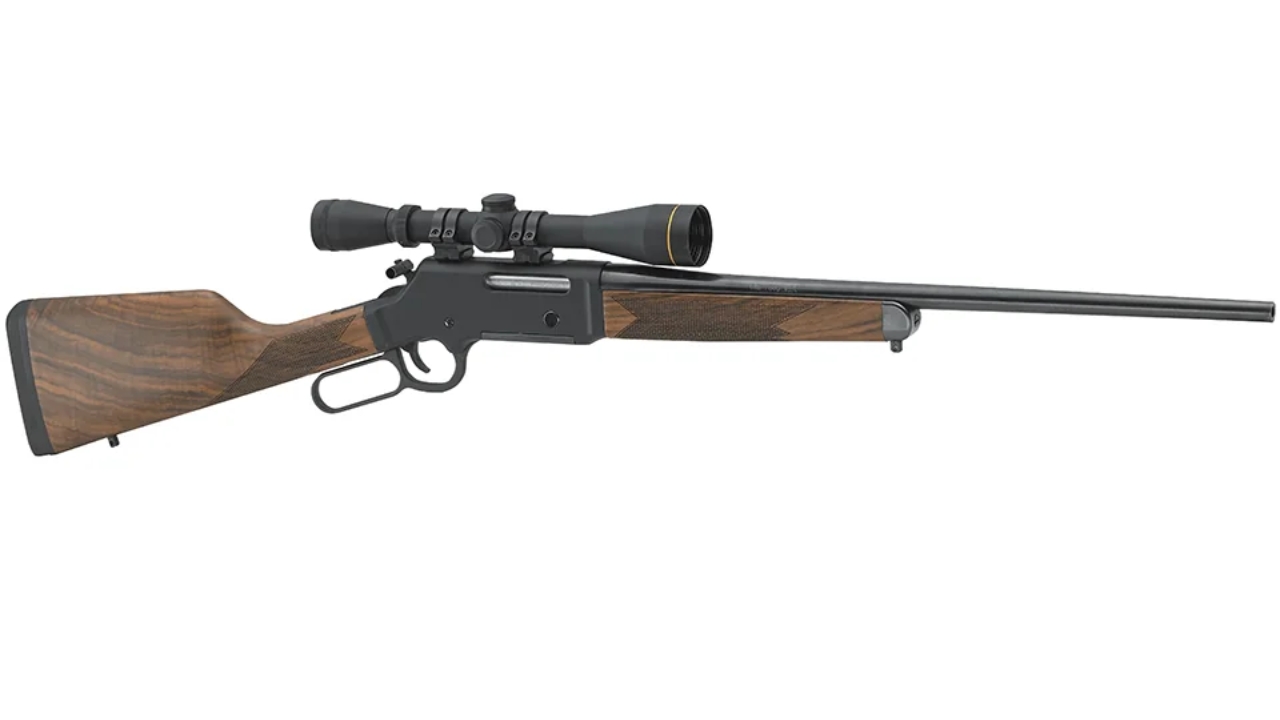
The Henry Long Ranger is proof that a rifle can feel modern enough to stay relevant and traditional enough to avoid ever seeming temporary. It gave lever-gun fans something that stretched beyond the old limitations without turning into a gimmick. Detachable magazine, stronger lockup, and centerfire chamberings that made real hunting sense helped it fit into a useful space rather than just a nostalgic one.
That usefulness is why it never needed a dramatic revival. It kept appealing to hunters who wanted lever-gun handling without giving up too much reach or practicality. While some rifles rely on image, the Long Ranger built value by fitting real needs. It stayed present because it was more than a novelty. Hunters found reasons to keep one around, and that is usually what keeps a rifle from ever truly leaving.
Sako 85 Hunter

The Sako 85 Hunter never needed a comeback because rifles like it do not survive on hype cycles in the first place. It has the kind of quality that keeps owners loyal long after cheaper or louder rifles steal short-term attention. The action is smooth, the handling is excellent, and the whole rifle feels like it was built by people who cared how it would actually feel in the field instead of just how it would photograph in a catalog.
That kind of rifle may not dominate every conversation, but it stays in the hands of people who know what they are carrying. A good Sako has a way of sticking with someone once they spend enough time with it. The 85 Hunter stayed relevant because it gave people reasons to keep it for the long haul. Rifles like that do not need rebranding campaigns. They live on through use.
Weatherby Mark V Deluxe

The Weatherby Mark V Deluxe has always had more presence than most rifles, but it stayed relevant for more than looks. Underneath the shine and the signature Weatherby style, it remained a serious hunting rifle with real performance backing up the name. Roy Weatherby built an identity that was easy to notice, but the reason the Mark V never really left is that hunters still trusted it when power, reach, and reliability actually mattered.
Even people who do not personally prefer the flashy side of the rifle usually respect what it represents. It never needed a comeback because it kept holding its lane. The Mark V Deluxe remained one of those rifles people remembered, bought, hunted with, and passed down. Plenty of guns get noticed. Far fewer stay important across generations, and this one managed exactly that.
Mossberg Patriot Walnut

The Mossberg Patriot Walnut is the kind of rifle some people overlook because it does not carry the swagger of higher-priced names. That is part of why it fits here. It never needed to disappear and return because it kept doing what many hunters actually need. It gave buyers a straightforward, useful bolt rifle with traditional styling and enough practicality to stay in circulation without much fuss. That matters more than some shooters want to admit.
It also helps that the Patriot Walnut feels grounded. It does not try too hard, and it does not need an elaborate identity. Hunters who bought one for honest reasons often found it did exactly what they asked of it. While the internet tends to fixate on rifles with stronger status appeal, rifles like this stick around in the real world because they continue making sense season after season.
Winchester Model 94

The Winchester Model 94 has been around so long that talking about it making a comeback almost sounds silly. It never really left American rifle culture in the first place. Even when other rifles dominated the market, the 94 remained tied to the kind of hunting and rifle ownership that people still value. It is quick, familiar, and packed with more real-world history than most rifles could ever dream of carrying.
That matters because usefulness is not always measured in the same way by every generation. The Model 94 stayed alive because enough hunters still wanted a light, handy lever gun that felt natural in the woods. It never had to win people back from scratch. There were always too many people still carrying one, hanging one over a fireplace, or reaching for one in November for it to truly leave.
Kimber 84M Classic

The Kimber 84M Classic stayed relevant because it offered something many rifles claim and few really deliver: a light, trim hunting rifle that still feels refined instead of stripped down. It has the kind of proportions that remind you how good a mountain-capable sporting rifle can feel when the design is done right. That kept it from ever being just a momentary favorite among hunters who care about weight and handling.
It never needed a comeback because the people drawn to rifles like this do not cycle through gear the same way trend-chasers do. Once someone gets used to carrying a well-balanced 84M in steep country or rough terrain, it tends to leave a mark. It kept mattering because it stayed useful to the exact kind of hunter who values a rifle that carries easily and still feels like a serious sporting arm.
Browning BAR MK 3 DBM

The Browning BAR MK 3 DBM is another rifle that never really left because the role it fills never disappeared. Hunters who want a dependable sporting semi-auto with more practical field use than tactical baggage still exist, and Browning never forgot that. The BAR platform stayed alive by doing something a lot of rifles do not do well enough: offering semi-auto speed and follow-up potential in a package that still feels like a real hunting rifle.
That makes it easy to overlook until you remember how many hunters quietly keep using them. The DBM version adds a little extra practicality, but the bigger point is that the rifle never needed to be revived in the first place. It stayed in camps and blinds because it kept answering a real need. When a rifle still makes sense in the field, it usually does not need a comeback story at all.
Like The Avid Outdoorsman’s content? Subscribe to our newsletter so you never miss an article.
Here’s more from us: