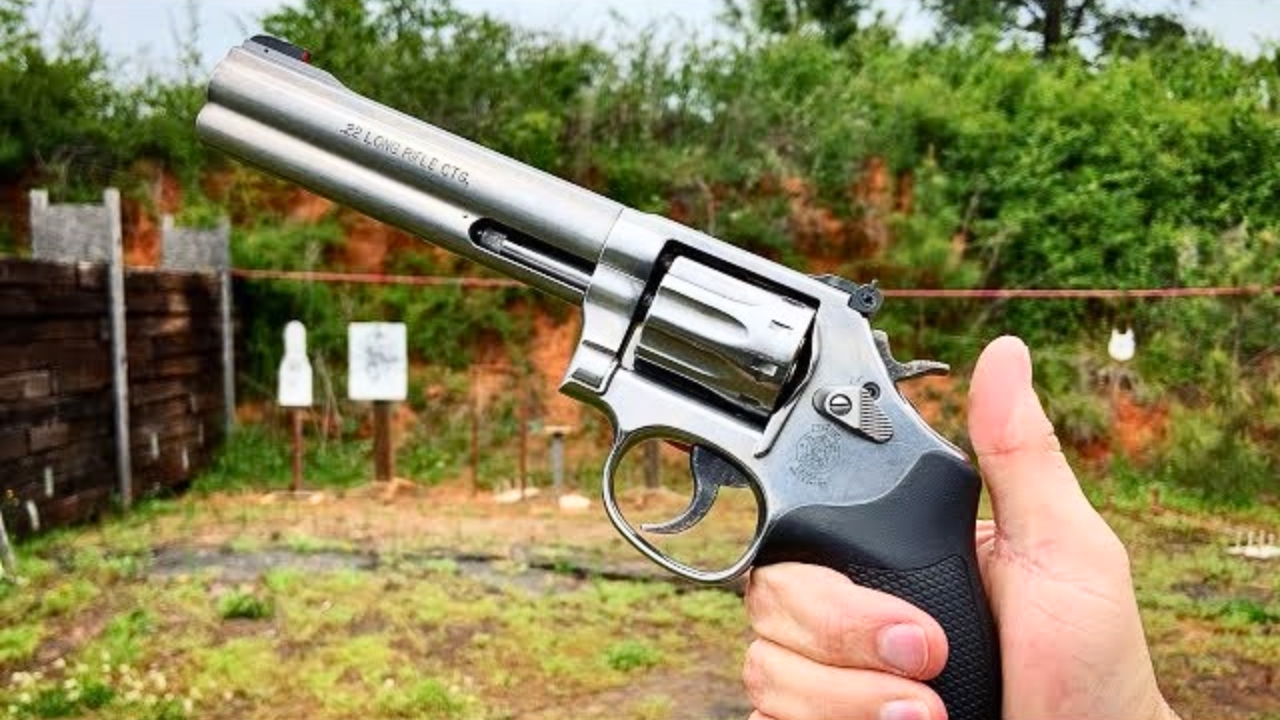
Photo credit: 704 TACTICAL/YouTube
Hard-hitting revolvers don’t have to feel like a punishment. Most of the “beats you up” problem comes from light frames, short barrels, and grips that don’t fit your hands. When you put real power into a revolver that has enough weight, a longer barrel to tame muzzle rise, and a grip that spreads recoil instead of concentrating it, the whole experience changes. You still get authority on target, but you don’t leave the range with a sore palm and a flinch you have to unlearn.
The trick is choosing revolvers that make power usable. That usually means medium-to-large frames, sensible barrel lengths, and the willingness to shoot the right load for the job. You can carry some of these. You can hunt with some of these. And you can practice with all of them without feeling like you’re paying for every trigger press.
Smith & Wesson 686 (4-inch)
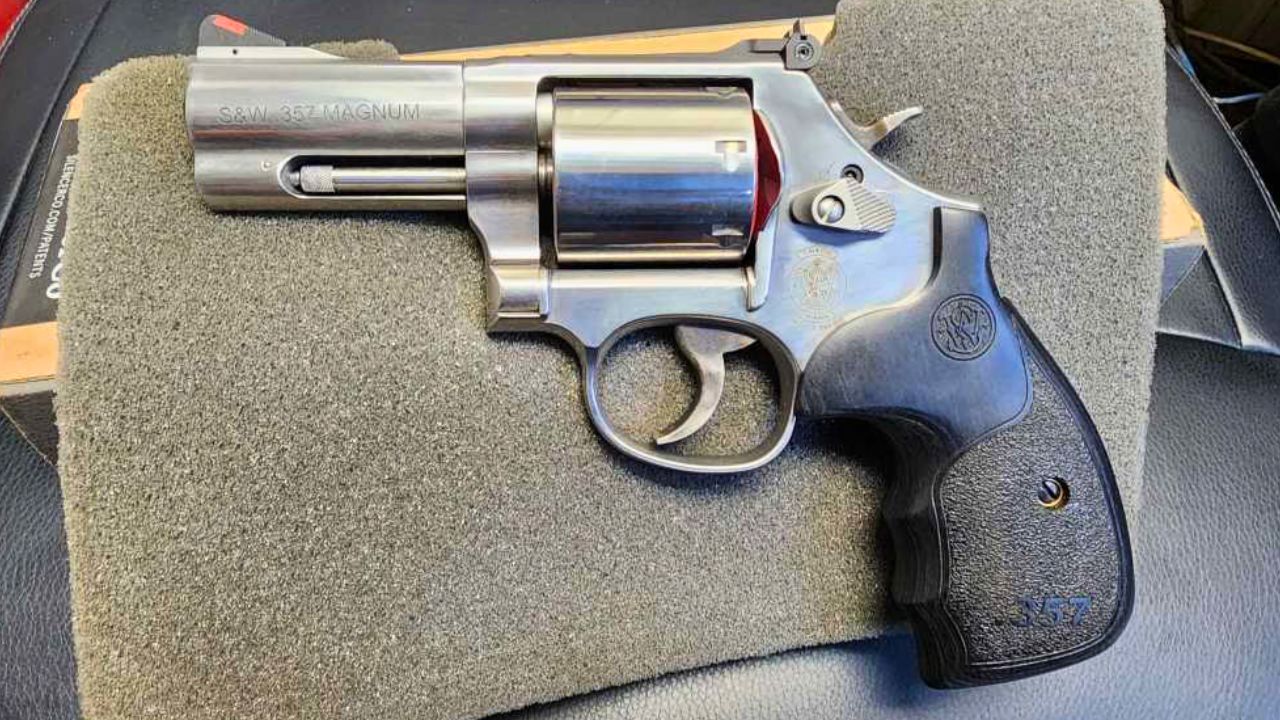
A 4-inch 686 is one of the easiest ways to enjoy .357 Magnum without hating your hands. The L-frame gives you enough steel to soak up recoil, and the balance keeps muzzle rise controlled. You still get full .357 performance, but it feels like a firm push instead of a sharp slap.
It’s also flexible. You can practice with .38 Special all day, then step up to .357 for serious work without changing guns. That matters because shooting well is more important than shooting “the hottest load.” The 686’s size and grip options let you tailor the feel to your hands, and that’s a big part of why it doesn’t beat you up. It hits hard, but it stays civilized.
Ruger GP100 (4-inch)

The GP100 is built like it expects you to shoot it a lot, and that’s exactly why it works for hard-hitting loads without turning your range day into misery. The weight and frame strength help tame .357 Magnum recoil, and the gun’s balance makes follow-up shots feel more controllable than you’d expect.
Where it really shines is comfort over volume. You can run .38s for practice, work up to heavier .357 loads, and the gun stays steady in your hands. The factory grip shape also does a good job of spreading recoil, and there are plenty of options if you want a different feel. If you want a revolver that can take power seriously but still let you enjoy shooting, the GP100 has earned its reputation the hard way.
Smith & Wesson Model 27 (6-inch)

The Model 27 is a classic .357 that shows you what “shootable power” looks like. The longer barrel adds weight out front, the frame has substance, and the recoil impulse feels smoother because the gun isn’t trying to jump out of your grip.
This is the revolver that makes .357 feel refined instead of rowdy. It’s not a pocket gun, and it’s not pretending to be. It’s a revolver you can actually practice with, and that makes the cartridge more effective because you’ll shoot it better. If you’ve only experienced .357 out of lighter guns, a Model 27 can feel like a different caliber. It still hits hard, but it lets you stay relaxed enough to keep your sights honest.
Smith & Wesson 629 (4-inch)

A 4-inch 629 is one of the best ways to run .44 without turning into a flinch machine. It’s a stainless N-frame with enough weight to soak up recoil, and it gives you the option of shooting .44 Special for a softer, highly practical load.
That flexibility is the point. You can tailor your “hard-hitting” level to what you actually need. For many real-world uses, .44 Special in a 629 hits hard and stays comfortable. Step up to .44 Magnum when the job calls for it, and you still have a revolver that’s controllable if your grip is solid. The 629 is also easy to fit with grips that spread recoil across the palm. Done right, it hits with authority without feeling like it’s trying to punish you.
Ruger Redhawk (5.5-inch)

The Redhawk is a big, serious revolver that makes heavy loads feel more manageable because it has the weight and frame strength to keep recoil from getting sharp. With a 5.5-inch barrel, you get a good blend of balance and control, and the gun stays steady when you’re shooting heavier bullets.
This is the revolver for the guy who wants power he can actually use. It’s not light, and that’s the whole advantage. Weight tames recoil, and the Redhawk’s design helps the gun roll in a predictable way instead of snapping back violently. You can shoot it with purpose, not fear. If you want a revolver that’s comfortable enough to practice with but strong enough for serious loads, the Redhawk is a great example of hitting hard without getting beat up.
Ruger Super Redhawk (7.5-inch)

The Super Redhawk in a longer barrel is one of the most comfortable ways to shoot powerful revolver cartridges because it adds mass and length where it matters. That extra weight out front helps reduce muzzle rise and makes recoil feel more like a controlled roll than a slam.
It’s also a hunting-minded revolver. The longer sight radius helps accuracy, and the platform is stable enough that you can shoot heavier loads without feeling like you’re hanging on for dear life. You still need good technique, but the gun isn’t working against you. If you want to shoot hard-hitting loads and still enjoy the session, a longer Super Redhawk makes a lot of sense. It’s not a casual carry gun, but it’s an excellent “power you can practice with” revolver.
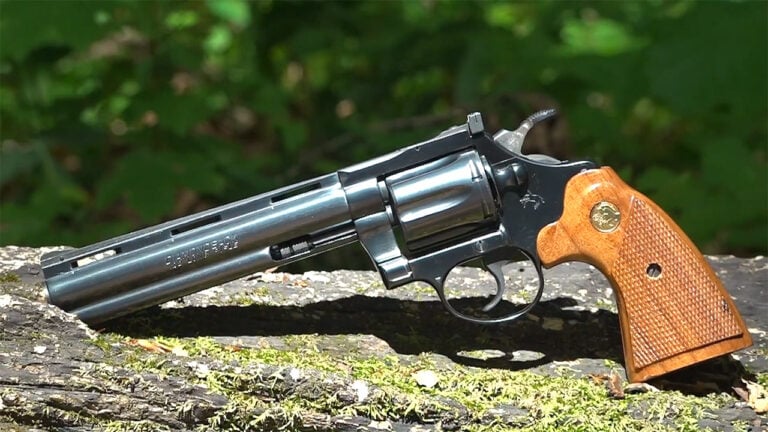
Colt Anaconda (6-inch)

The Anaconda is a big-frame revolver that makes .44 Magnum feel more manageable simply because it has the size and weight to tame the cartridge. In a 6-inch configuration, it balances well and gives you enough barrel to calm the muzzle rise that makes lighter .44s feel nasty.
It also shines with sensible loads. You can run .44 Special for a very shootable, hard-hitting setup, then step up when you want more. The grip shape and overall feel can make recoil feel smoother than people expect, especially if the revolver fits your hand well. The Anaconda hits hard, but it doesn’t have that “tiny grip, huge blast” vibe that creates bad habits. It’s a revolver you can actually spend time with without regretting it.
Smith & Wesson 610 (6.5-inch)

The 610 is a hard-hitting revolver in a different way. In 10mm Auto, you get serious performance without the same level of recoil shock you feel from the big magnums. The N-frame weight helps, and the longer barrel keeps the gun steady and predictable.
The result is a revolver that hits with real authority while staying comfortable enough for long practice sessions. You can shoot full-power 10mm when you want it, or back down to softer loads and keep the same platform. Moon clips also keep handling and reloads straightforward, which makes the gun easy to live with. If you want a revolver that delivers real punch without punishing you, the 610 is a smart pick. It’s powerful, shootable, and very honest about what it can do.
Smith & Wesson Model 57 (6-inch)

The Model 57 in .41 Magnum is one of the most underrated answers to “hits hard but doesn’t beat you up.” The cartridge offers serious power, but many shooters find it more controllable than .44 Magnum in comparable loads. In an N-frame with a 6-inch barrel, the recoil feels like a strong push instead of a violent slap.
This is a revolver that rewards the hunter who wants authority without unnecessary punishment. It’s steady in the hand, accurate, and the longer barrel helps keep muzzle rise reasonable. If you’ve only ever shot .44 and assumed that was the only way to get real revolver power, the .41 can surprise you. It hits hard, it penetrates well with the right bullets, and it often feels more pleasant to shoot. That’s exactly the balance you want.
Ruger Blackhawk (6.5-inch)

A single-action like the Blackhawk manages recoil differently, and that’s why it belongs here. The grip shape encourages the revolver to roll in the hand instead of slamming straight back, which can make powerful loads feel more manageable. With a longer barrel, the gun stays stable and less jumpy.
This is a revolver you shoot with technique, not brute force. When you let it roll naturally, the recoil feels controlled, and you can keep shooting without feeling battered. The Blackhawk also gives you access to serious hunting cartridges, but the platform makes them more usable than you’d expect. It’s not fast like a double-action, but it’s comfortable and steady. If you want hard-hitting performance and a shooting experience that doesn’t feel punishing, the Blackhawk is a classic way to get there.
Ruger Super Blackhawk (7.5-inch)
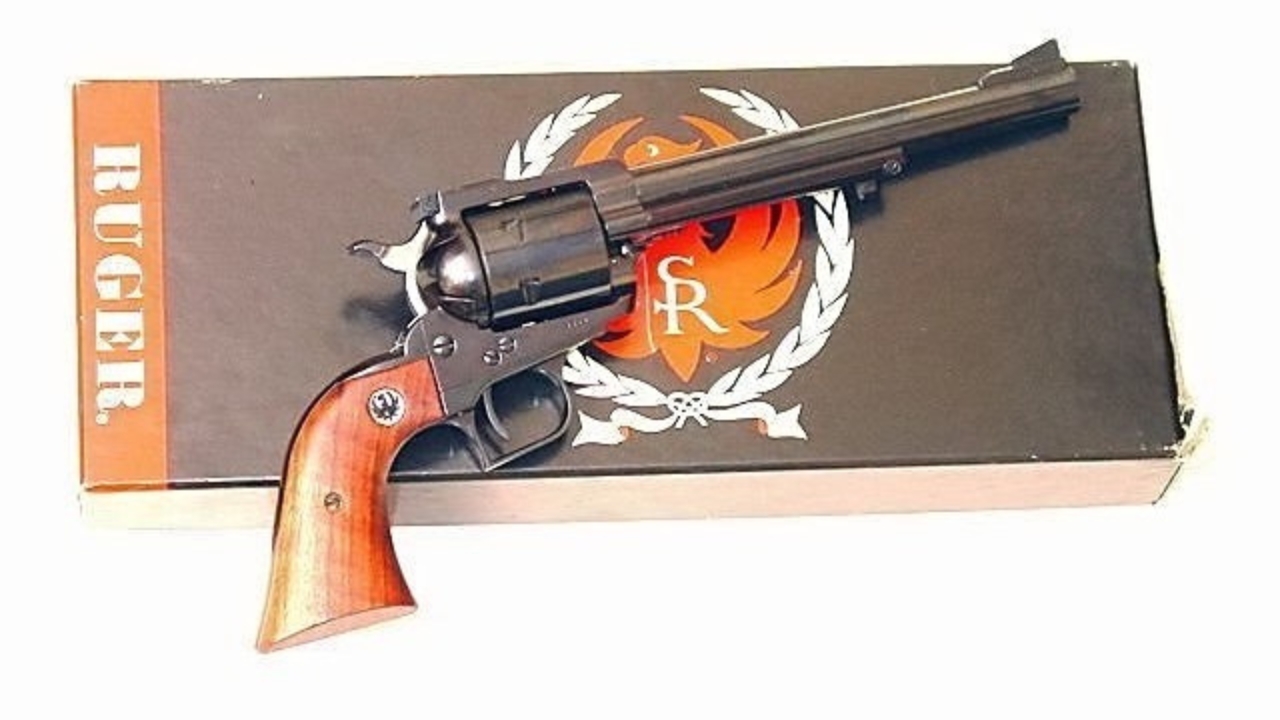
The Super Blackhawk is one of the best examples of a revolver that can handle serious power while staying shootable, especially in longer barrel lengths. The weight out front helps control muzzle rise, and the single-action grip lets the gun roll instead of hammering your palm.
That doesn’t mean it’s gentle, but it’s far more manageable than lightweight magnum revolvers. It’s also a revolver you can actually practice with if you’re disciplined about load choice and technique. Many shooters find that the longer Super Blackhawk makes heavy loads feel predictable instead of sharp. That predictability is what keeps you from flinching. If you want a revolver that can do real hunting work and still be enjoyable to shoot, this one earns its place.
Smith & Wesson 617 (6-inch)

This one hits hard in a different sense: it hits targets all day without beating you up at all. The 617 in .22 LR lets you practice fundamentals endlessly, and it’s one of the best revolvers for building the skills that make your magnum shooting cleaner. If you can press a double-action trigger smoothly here, you’ll shoot everything else better.
It also teaches you recoil management without recoil. That sounds backwards until you realize most flinching starts before the gun ever fires. The 617 lets you run your trigger, manage your sights, and build confidence without pain or noise. If your goal is to shoot “hard hitters” well, this revolver is part of the solution. It’s the training partner that keeps you sharp, so your heavy revolvers feel less brutal when it matters.
Smith & Wesson 625

The 625 in .45 ACP is a hard-hitting revolver that stays comfortable because the recoil impulse is more push than snap, especially in an N-frame. You get a big bullet, solid performance, and a shooting experience that doesn’t feel abusive. It’s one of the easiest “serious” revolvers to shoot well.
Moon clips also make it easy to run, which encourages practice. You can shoot it a lot, reload quickly, and keep your rhythm without fighting the gun. For defensive use, field carry, or just enjoying a powerful revolver without magnum blast, the 625 is a strong choice. It hits with authority, penetrates well with the right loads, and doesn’t demand you grit your teeth for every cylinder. If you want a revolver you’ll actually practice with, it checks the box.
Ruger SP101 (3-inch)

The SP101 is smaller than most revolvers on this list, but in a 3-inch configuration it can still deliver real .357 capability without being a miserable experience—if you’re smart about grips and loads. The extra barrel length helps control muzzle rise, and the gun has enough weight to be more comfortable than ultra-light snubs.
The key is how you run it. Full-house .357 is still spicy, but the SP101 handles mid-range .357 loads and .38 +P very well, and those loads hit hard enough for a lot of real-world needs. With a grip that fits your hand, the recoil becomes manageable instead of punishing. It’s a practical revolver that gives you real authority in a carryable size, without automatically turning every range trip into a sore-hand session.
Colt King Cobra (3-inch)

The 3-inch King Cobra hits a nice balance: compact enough to carry, heavy enough to shoot. In .357 Magnum, the extra weight and barrel length help control recoil, and the gun feels steadier than most small revolvers when you start running quicker strings.
It also shines with sensible loads. If you run quality .38 +P or mid-level .357, you get a hard-hitting setup that’s still comfortable enough to practice with regularly. That’s the whole point. A revolver you don’t want to shoot is a revolver you won’t shoot well. The King Cobra encourages practice because it doesn’t punish you the way lighter snubs do. It gives you real capability, real control, and a shooting experience that keeps you honest without beating you up.
Like The Avid Outdoorsman’s content? Subscribe to our newsletter so you never miss an article.
Here’s more from us: