Photo credit: Vaclav Matous/Shutterstock.com
Pelts and meat damage usually come from using the wrong load for the job, not bad shooting. Too much velocity, excessive expansion, or the wrong bullet construction can tear up hides and turn usable meat into bloodshot waste. If you’re hunting for fur or planning to put meat in the freezer, you’ve got to match the cartridge and bullet to the animal and range. Here are the loads that tend to cause the most destruction, even when you make a clean hit.
.243 Winchester with Light Varmint Bullets
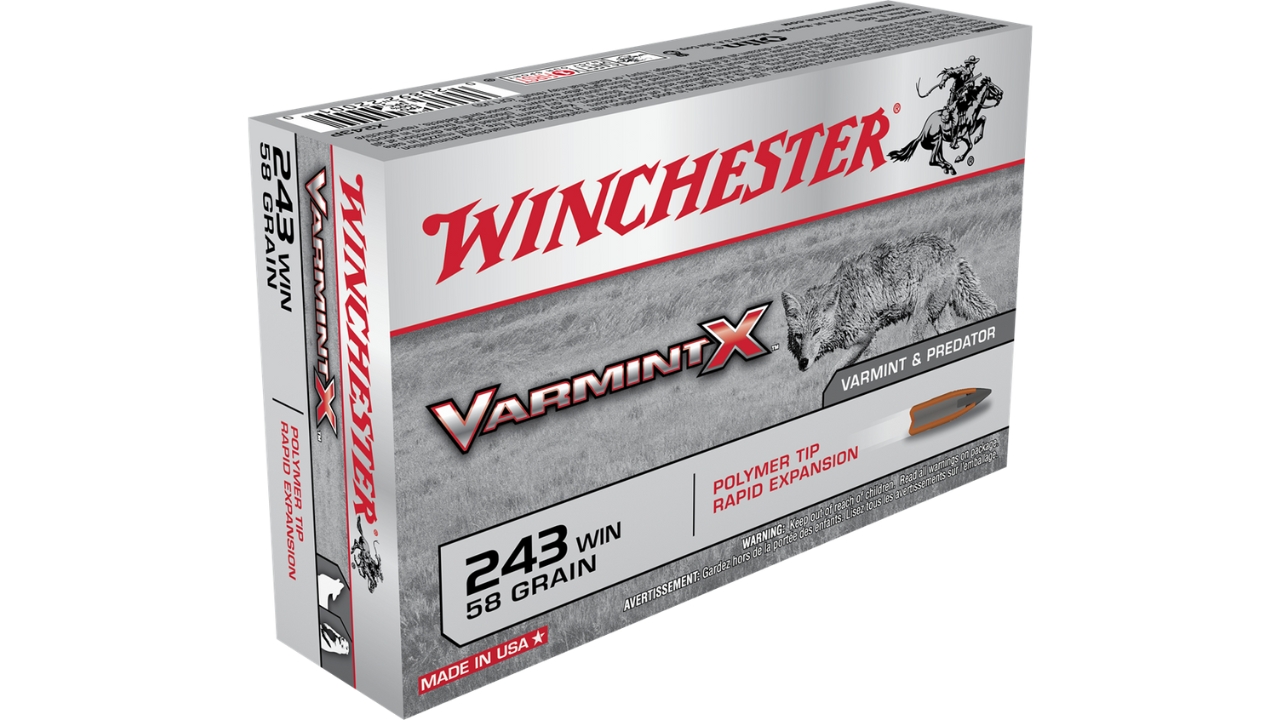
The .243 can drop predators cleanly, but light varmint bullets in the 55–70 grain range hit like a grenade. At high velocities, they fragment on impact, blowing large exit holes and tearing fur beyond repair. These bullets are built for quick expansion on small varmints, not preserving pelts. If you’re calling coyotes and want to keep the hide, switch to a heavier, controlled-expansion bullet that will punch through without turning the pelt into patchwork.
.22-250 Remington with Thin-Jacketed Loads

The .22-250’s speed is a double-edged sword. Thin-jacketed bullets moving over 3,800 fps explode on contact with soft tissue, causing massive surface damage and bloodshot meat. While this makes for instant kills, it’s rough on fur-bearing animals. The cartridge can be fur-friendly with tougher bullets, but those hot varmint loads are best left for prairie dogs where pelt damage isn’t a concern. Keep your bullet choice in check if you don’t want to waste hides.
.220 Swift with V-Max or Ballistic Tip Bullets
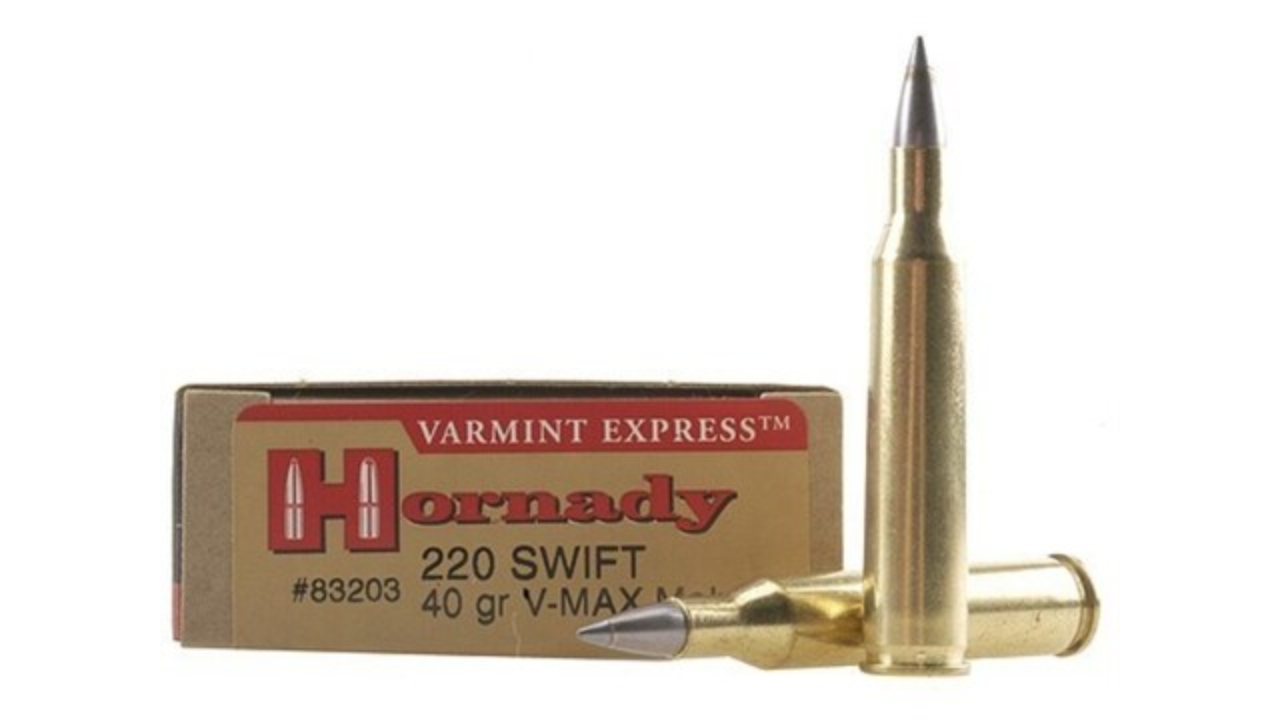
The .220 Swift is the definition of fast, but pair it with highly frangible bullets and you’re asking for hide damage. V-Max and similar ballistic tip designs expand violently at Swift velocities, leaving softball-sized exits on coyotes and foxes. If you insist on using the Swift for fur, slow it down with a heavier, bonded bullet. Otherwise, the combination of speed and fragility will shred pelts beyond repair.
6.5 Creedmoor with Hunting Ballistic Tips

While the 6.5 Creedmoor is praised for accuracy, certain hunting ballistic tips can ruin meat on lighter game. These bullets open quickly, and when they’re moving at full velocity inside 150 yards, they can liquefy shoulders or rib meat. This isn’t an issue on large deer, but for smaller game where you’re saving as much meat as possible, the damage can be excessive. Go with a tougher bullet to avoid waste.
.270 Winchester with Rapid-Expanding Loads
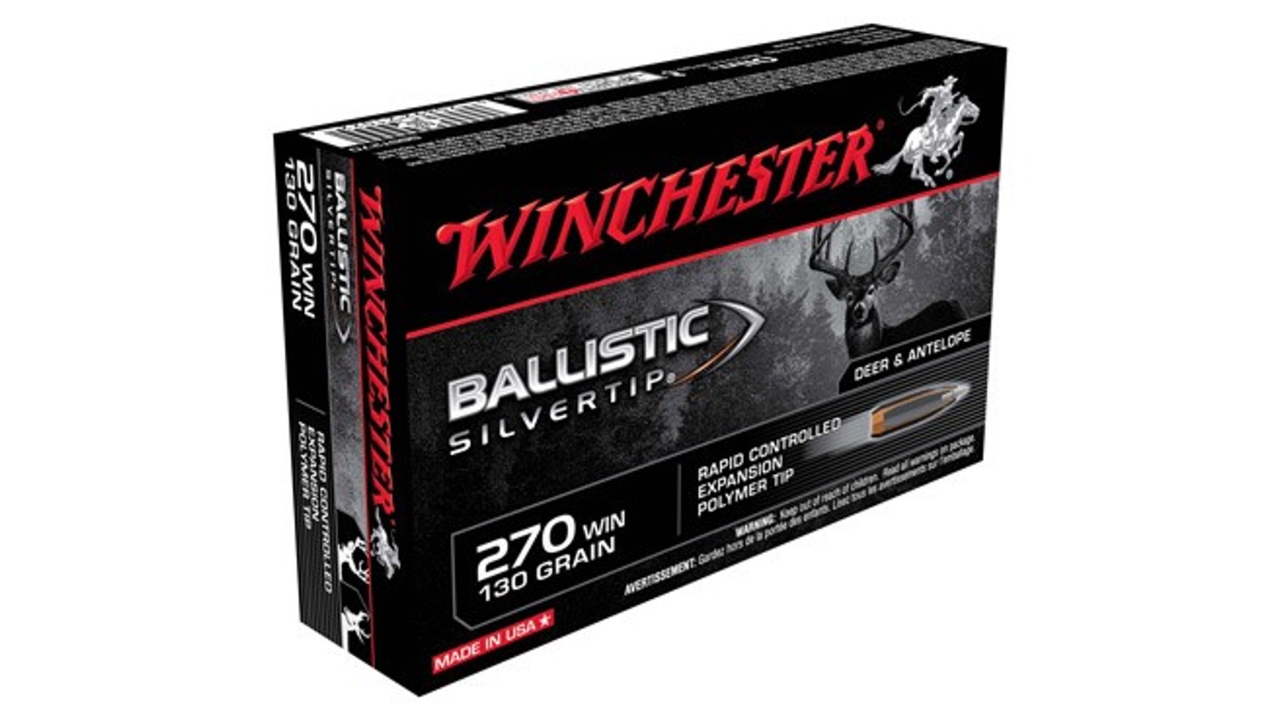
The .270 Win hits hard, and rapid-expanding bullets only make it more destructive on thin-skinned game. On smaller deer or antelope, you might see bloodshot areas extending far from the wound channel. Pelts can be torn badly if you’re hunting for hides. Heavier, controlled-expansion bullets will still put animals down quickly without turning prime cuts into scrap.
.300 Win Mag with Soft-Point Bullets at Close Range
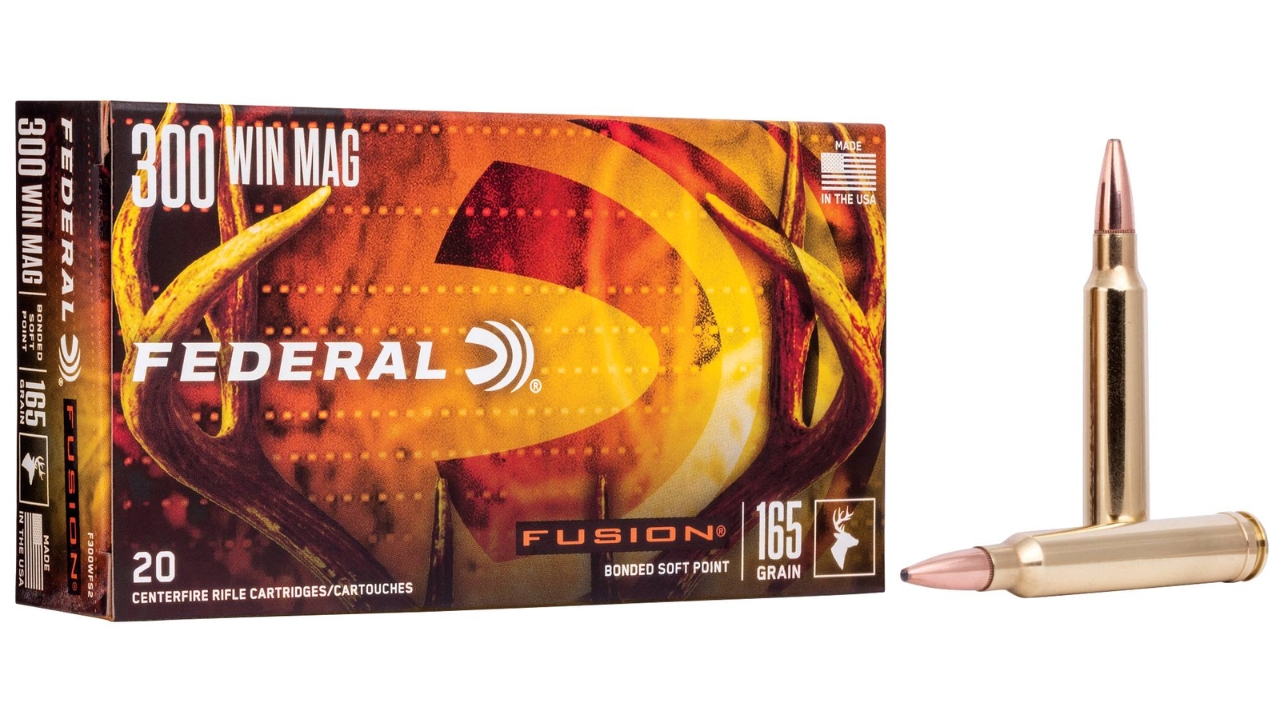
The .300 Win Mag packs plenty of power for large game, but using soft-point bullets inside 100 yards can be overkill on medium game. The energy dump and rapid expansion blow through tissue, leaving big entry and exit wounds. Meat loss around the shoulders is almost guaranteed. If you’re hunting at closer ranges, consider a tougher bullet that won’t break apart so easily under magnum speeds.
.223 Remington with Lightweight Varmint Bullets

Light varmint bullets in the .223 work well on small pests, but on fur-bearing animals like coyotes or foxes, they can tear the hide apart. The high-velocity impact causes rapid expansion, leaving large, messy holes. If pelt preservation is the goal, use a heavier bullet built for penetration. The .223 can be fur-friendly, but not with the wrong projectile.
7mm Rem Mag with Rapid-Expansion Hunting Loads
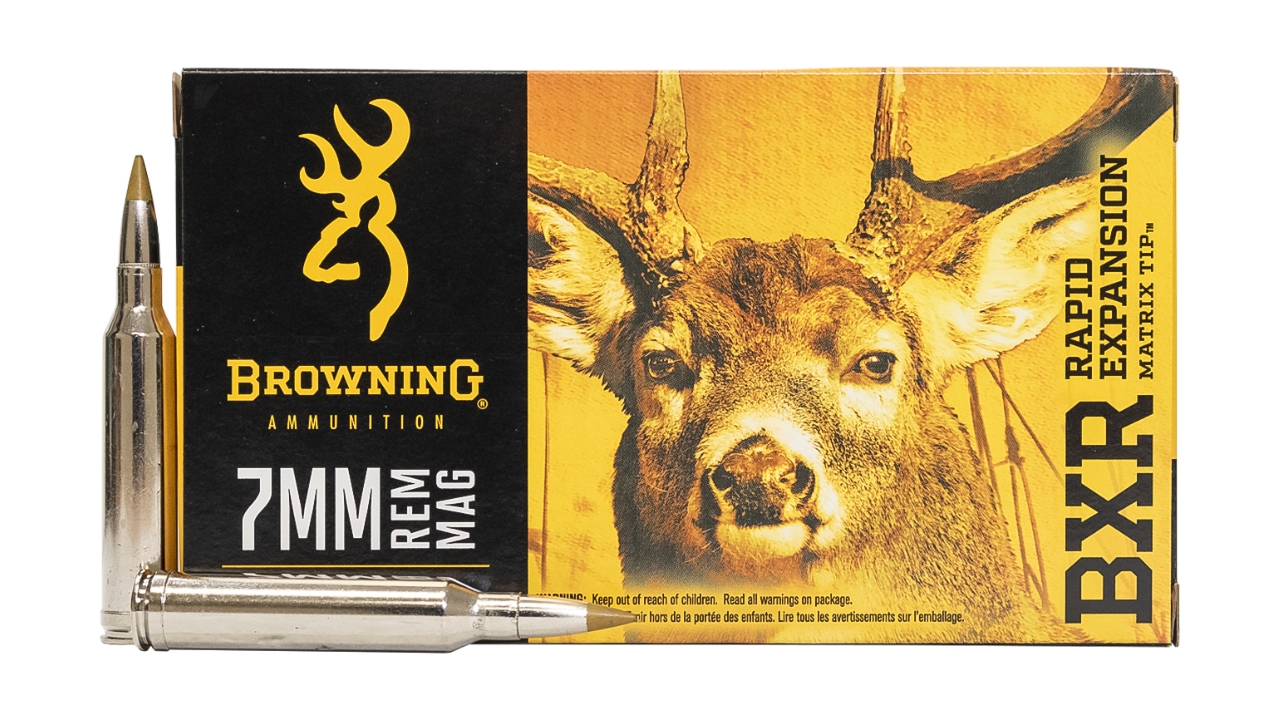
The 7mm Rem Mag has a reputation for flat shooting and strong terminal performance, but with rapid-expansion bullets, it can be destructive on smaller game. At close range, the hydrostatic shock and fragmentation can ruin both hide and meat. It’s great for elk and large deer, but if you’re hunting for pelts or smaller animals, you’ll save more meat with a tougher, slower-expanding bullet.
.308 Winchester with Light Ballistic Tips

The .308 is versatile, but when paired with light ballistic tip bullets, it can cause unnecessary damage on small- to medium-sized game. At short distances, these bullets open too fast, leaving big exit wounds and wasted meat. Switching to a heavier, controlled-expansion bullet not only keeps the pelt intact but also gives more reliable penetration without explosive fragmentation.
Shotgun Slugs on Thin-Skinned Game

A shotgun slug hits with a huge amount of energy, which is perfect for big game at close range. But on thin-skinned game, that energy transfer destroys meat and leaves mangled hides. Even with a well-placed shot, you’re looking at massive bruising and wasted cuts. If pelts or meat are the priority, a smaller caliber rifle with a proper bullet will do the job cleaner.
*This article was developed with AI-powered tools and has been carefully reviewed by our editors.