Photo credit: Bergara
When it comes to hunting, caliber choice isn’t just about hitting your target—it’s about doing it ethically and effectively. The wrong caliber can lead to wounded animals, missed opportunities, or a downright miserable day in the woods. Some rounds are better left for the range, not the treestand. Here’s a rundown of calibers that just don’t cut it for hunting, no matter what the hype says.
.22 LR for Deer

The .22 LR might be a favorite for plinking and small game, but it doesn’t belong in deer country. It just doesn’t have the energy or penetration to ensure a clean, ethical kill.
Even with perfect shot placement, the chances of wounding a deer and never recovering it are too high. It’s great for squirrels and rabbits—leave it at that.
.17 HMR for Anything Bigger Than a Fox

The .17 HMR is flat-shooting and fun to use, but it’s not made for medium or large game. It lacks the weight and power needed to punch through bone or hit vital organs reliably.
It’ll drop varmints like prairie dogs, but you’re asking for trouble if you use it on coyotes or anything larger. Don’t let its speed fool you—it’s still a tiny projectile.
.410 Bore for Turkey

The .410 shotgun is often called “cute,” but that’s not what you want in the turkey woods. Its limited shot spread and light payload make clean kills tricky unless you’re right on top of the bird.
Sure, it can be done with precision and the right load, but you’re better off using a 20 or 12 gauge to make sure that gobbler goes down and stays down.
.30 Carbine for Deer

The .30 Carbine was built for military use, not for taking deer in the woods. It doesn’t carry enough punch beyond short ranges, and its ballistics are closer to a hot pistol round than a proper rifle cartridge.
You might see folks trying it out of curiosity, but it’s not a reliable choice. Plenty of better mid-power options are out there that don’t leave you second-guessing your shot.
5.7x28mm for Game

The 5.7x28mm might seem slick in a pistol or carbine, but it’s just not suited for hunting. It was designed to defeat soft body armor, not drop a hog or whitetail.
It lacks the energy transfer and wound channel size to bring down most game animals humanely. It’s fun to shoot, but that doesn’t mean it’s right for the field.
.223 Remington for Elk

The .223 is a popular round—and yes, it’s legal for deer in some states—but elk are a whole different story. You’re dealing with a thick-skinned, heavy-boned animal that can soak up a lot of punishment.
Even with premium bullets, the margin for error is razor thin. A poorly placed shot can mean a long tracking job—or worse, a lost animal. Step up to a bigger round if you’re chasing elk.
.45 ACP for Hogs
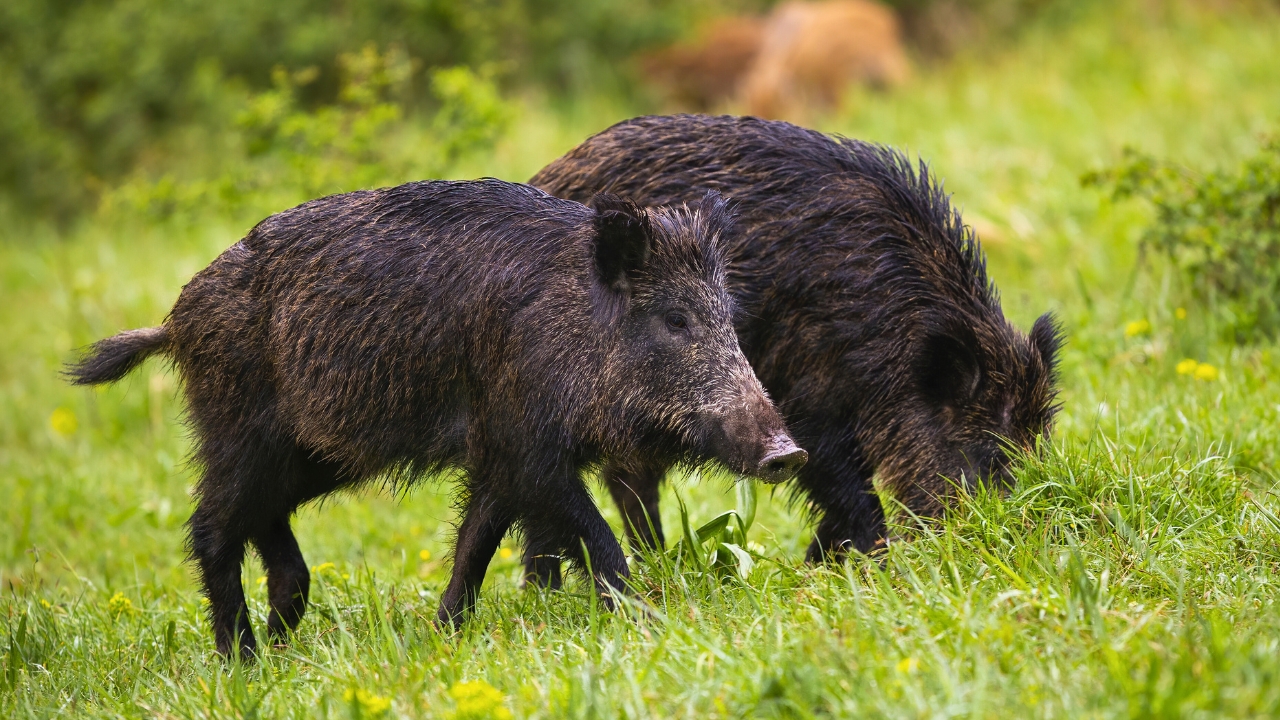
The .45 ACP is a classic, no doubt. But when it comes to hunting hogs, it’s not enough. These animals are tough, mean, and often on the move. You need deep penetration and reliable expansion.
A pistol-caliber carbine in .45 ACP might give you better control, but the round itself just doesn’t cut it unless you’re using it up close and with perfect placement—which is rarely guaranteed in the field.
.30-30 for Moose

Yes, the .30-30 has taken just about every North American game animal at some point—but moose are in a different weight class. It can work in a pinch, but it’s far from ideal.
Moose are massive and demand more power, especially if you’re not getting a perfect broadside shot. Go with something that offers more reach and energy, like a .30-06 or a .338 if you’re serious about doing it right.
.300 Blackout for Long-Range Hunting
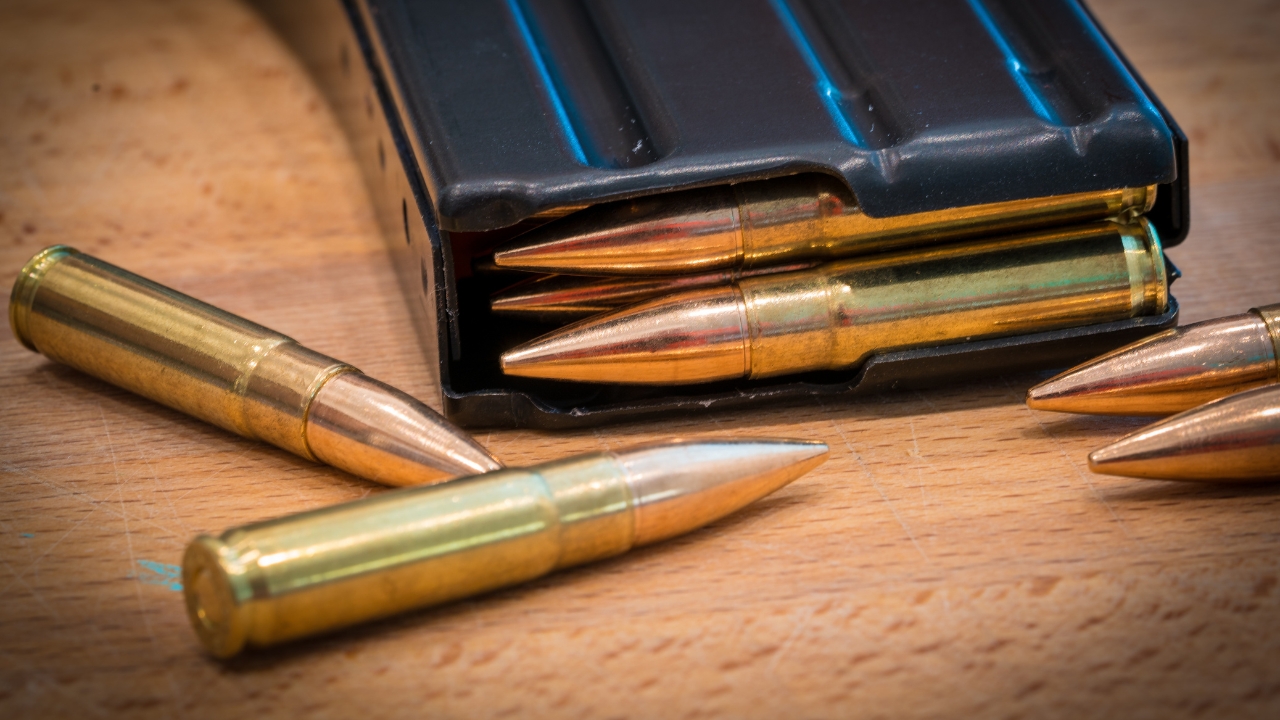
The .300 Blackout does well in short barrels and suppressed setups, but it runs out of steam fast. Beyond 150 yards, it starts to struggle with both trajectory and terminal performance.
It’s decent for close-range deer hunting in tight brush, but don’t stretch it further than it’s meant to go. If you need range, look elsewhere.
9mm for Deer

Using a 9mm on deer is a gamble at best. It may be a staple for handguns and carbines, but it’s underpowered for anything bigger than varmints. There’s just not enough velocity or energy behind it.
Even if it’s technically legal where you live, it’s a poor choice. Deer deserve better—and so do you. Save the 9mm for the range or your carry gun, not your hunting kit.
*This article was developed with AI-powered tools and has been carefully reviewed by our editors.