Photo credit: ZoranOrcik/Shutterstock.com
Lever-actions and bolt-actions have both earned their keep over the years, but they serve different kinds of shooters. Whether you’re hunting, plinking, or thinking about a rifle for the homestead, the action type changes more than just how you chamber the next round. It can affect everything from accuracy to ammo choices to how fast you can make that second shot. Here’s what you’re really trading when you pick one over the other.
Speed vs. Precision

Lever-actions are quicker to run, especially when you need a follow-up shot without breaking your sight picture. That’s one reason they’ve stuck around in the deer woods for so long. You can keep the rifle shouldered and cycle the lever without much movement.
Bolt-actions slow things down, but in a good way if you’re after precision. They lock up tighter and typically handle higher-pressure rounds better. That can mean more consistent accuracy at longer distances. You’re giving up speed, but you’re gaining confidence in that first shot.
Ammo Flexibility

Lever-actions often rely on flat- or round-nosed bullets, especially in tubular magazines. That limits your ammo selection a bit if you’re looking for high-performance rounds or want to reload with pointed projectiles. It’s a real consideration if you’re trying to get every ounce of ballistic efficiency.
Bolt-actions don’t care what bullet shape you’re feeding them. They can handle pointy spitzer rounds all day long, and most are built with box mags or internal magazines that allow more freedom. If you’re a handloader or chasing down-range performance, that extra flexibility matters.
Capacity and Reloading

Most lever-actions have tubular magazines, which means loading rounds one at a time through a side gate or under the barrel. It’s slower and not as smooth if you need to reload under pressure. You might get six or seven shots, but topping it off takes a minute.
Bolt-actions usually have fewer rounds in the mag, but they’re easier to reload with stripper clips or detachable mags. You won’t find many bolt guns with high capacity, but when it comes time to reload, it’s faster and simpler to slam in a new mag and keep moving.
Optic Options

Mounting a scope on a lever gun can be a headache, especially on traditional top-eject models. Some modern ones fix that with side ejection and better rail systems, but it’s still not as straightforward as a bolt-action. If you’re not into irons, this might be a dealbreaker.
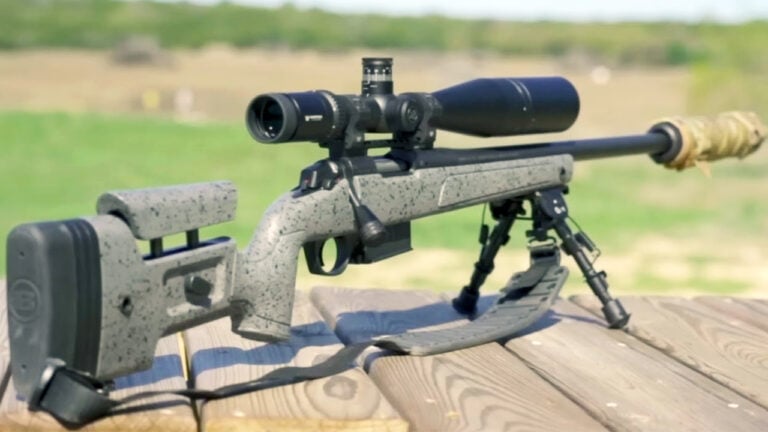
Bolt-actions are built for optics. Most come drilled and tapped from the factory, and mounting a scope is as simple as picking your rings. If you’re trying to stretch your range, bolt-actions make it easier to run glass without jumping through hoops.
Weight and Size

Lever-actions tend to be lighter and more compact, especially with shorter barrels. That makes them easy to carry all day and quick to shoulder in thick brush. If you’re walking miles through the woods, that weight difference adds up.
Bolt-actions are usually a little heavier, especially when you factor in longer barrels and larger scopes. The extra weight can help with recoil, but it’s not doing you any favors if you’re lugging it uphill. You’re trading off portability for performance.
Action Strength

When it comes to raw strength, bolt-actions win. They’re designed to handle high-pressure cartridges and can take a beating without flinching. That’s why you’ll find most long-range and big-game rifles using a bolt design—it just holds up better.
Lever-actions are sturdy, but they do have limits. Most are chambered in lower-pressure rounds, and you’re not going to find one comfortably shooting something like .300 Win Mag. If you need to reach way out or punch through thick bone, bolt guns are better suited.
Tradition vs. Modern Utility

Lever guns feel nostalgic for a reason. They’ve got that old-school, saddle-ready charm, and they’re still practical, especially for brush hunting and home defense in rural areas. They just feel right in the hands of someone used to working outside.
Bolt-actions have that more “modern rifleman” feel. They’re built for customization and precision. If you like tweaking triggers, upgrading stocks, or tuning your rifle for long range, a bolt gun opens more doors. You’re giving up some character for versatility.
Maintenance and Simplicity
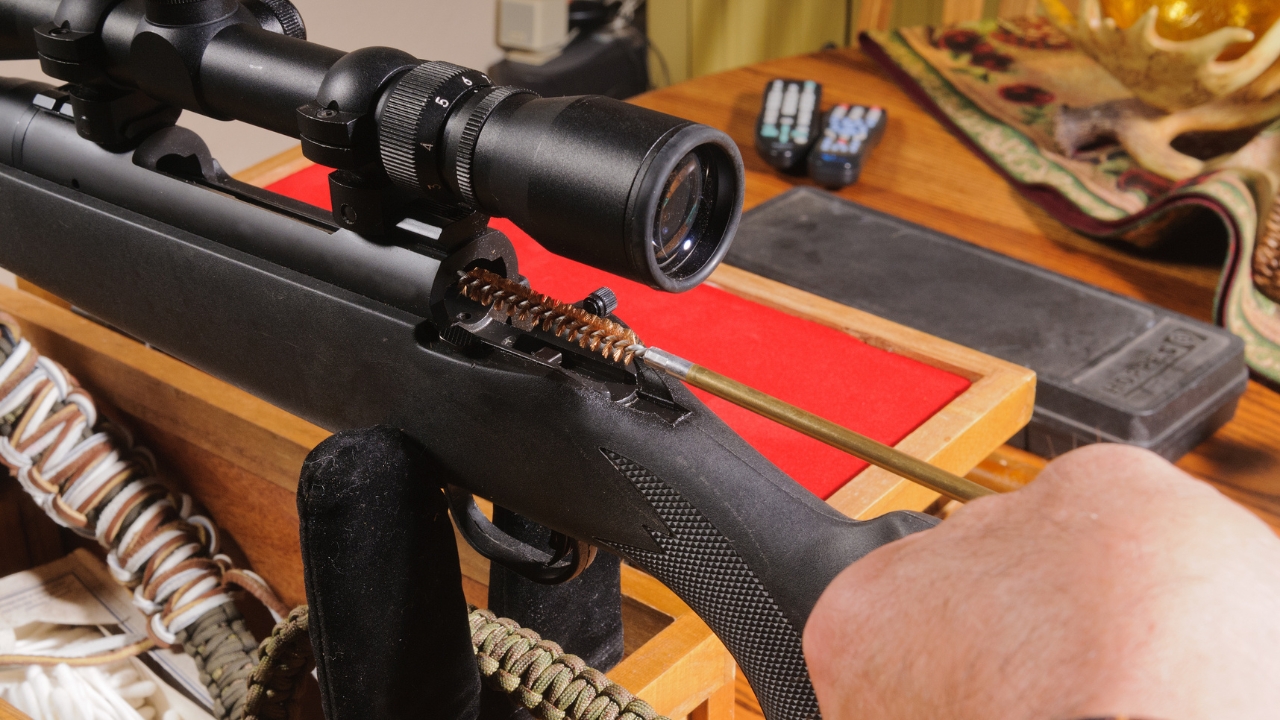
Lever-actions have more moving parts and linkages inside. That can make them trickier to clean and a little more finicky over time. They’re not fragile, but they do require a bit more attention if you’re running them hard.
Bolt-actions are simpler. Fewer parts, easier access, and less to go wrong. Pull the bolt, scrub the bore, and you’re mostly good to go. If you like low-maintenance gear, bolt guns are easier to live with in the long haul.
Lefties and Ergonomics

Lever-actions are ambidextrous by design. Doesn’t matter if you’re a lefty or righty—working the lever feels natural either way. That’s a nice perk for southpaws who’ve always had to work around bolt guns built for right-handed shooters.
Most bolt-actions eject to the right and are built with right-handers in mind. Left-handed models exist, but they’re not always easy to find. If you’re a lefty and don’t want to deal with custom orders or compromises, a lever gun just works.
*This article was developed with AI-powered tools and has been carefully reviewed by our editors.