Photo credit: Savage Arms
Every deer hunter has recovered a buck and winced at how much meat was lost because of the wrong caliber paired with the wrong bullet. While shot placement and bullet construction matter more than anything, some cartridges make it harder to keep clean, usable venison—especially at close ranges where velocity spikes and expansion gets out of control. The problem isn’t always power; sometimes it’s speed, fragmentation, or bullets designed for different game altogether. When a cartridge tears up shoulders, bruises rib sections, or liquifies the entry and exit areas, you feel it when you start quartering. These calibers can absolutely kill deer cleanly, but they also destroy more meat than most hunters want to see. If your goal is to fill the freezer without losing half the front end, these are the chamberings that demand more caution.
.243 Winchester (with varmint bullets)
The .243 Winchester can be an excellent deer cartridge, but it can also ruin huge portions of the shoulder if you use varmint bullets instead of proper deer bullets. Lightweight 55- to 75-grain loads explode at high velocity and are designed to fragment rapidly on coyotes or woodchucks. When those same bullets hit a deer at close range, they can produce violent splash damage and shallow penetration, tearing up large areas of meat you’d rather keep.
With proper deer bullets—like bonded or controlled-expansion designs—the .243 behaves much better. But when hunters grab “whatever’s on the shelf,” the wrong bullet paired with the high speed of the .243 is a recipe for waste. If you hunt thick cover or expect close shots, choosing the right projectile is the only way this caliber doesn’t destroy shoulders and rib sections.
.22-250 Remington

The .22-250 Remington is one of the fastest commercial cartridges ever designed for small game, and its sheer speed is the problem when hunters try to use it on deer. Even with heavier-for-caliber bullets, the velocity often causes fragmentation before the round reaches the vitals, leading to massive tissue damage in the near-side shoulder. At close range, the impact can look more like a varmint hit than a clean deer wound channel.
It can work with specialized bullets made for medium game, but even then, it’s unforgiving. Shots beyond 150 yards sometimes perform better simply because velocity drops. Still, most hunters who’ve tried it learn quickly that a deer-sized animal needs more controlled expansion than this hot little round naturally provides. If you care about keeping meat intact, the .22-250 is one of the riskiest choices.
.300 Winchester Magnum
The .300 Win. Mag. has plenty of fans for big-game hunting, but at close whitetail distances, it hits with so much speed and energy that it can ruin whole shoulders or rib sections. Even bonded bullets can open violently when they impact at 3,000 feet per second, and traditional cup-and-core bullets sometimes break apart entirely. When you drop a big northern whitetail at 40 yards with this cartridge, you should expect bloodshot meat that needs trimming.
Used responsibly—longer shots, heavier bullets, or monolithic designs—the .300 Win. Mag. works beautifully. But most deer hunts don’t offer long-range scenarios. In thick timber or mixed terrain, this cartridge is often more power than you need, and your freezer pays the price for it.
7mm Remington Magnum
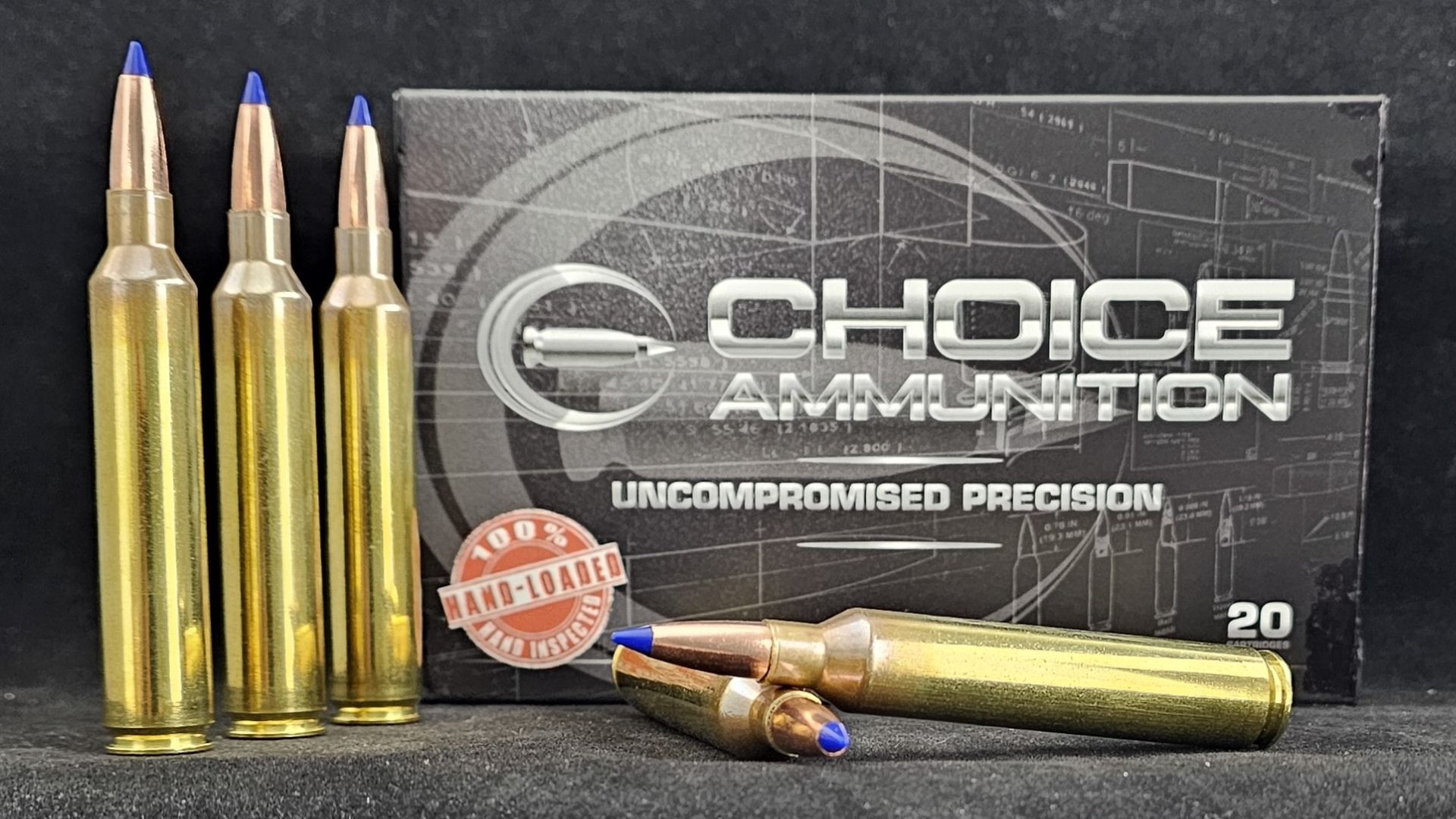
The 7mm Rem. Mag. is known for flat trajectories and excellent downrange performance, but close-range deer shots can get messy fast. High-speed 139- to 150-grain bullets tend to open aggressively on impact, and many traditional designs simply aren’t built to stay together when hitting at 2,900–3,100 fps. The result is widespread bruising and blown-out entry zones that cost you a lot of good venison.
If most of your deer hunting happens in open country where shots stretch past 200 yards, the 7mm Rem. Mag. makes more sense. But in hardwood ridges, swamps, or brushy draws, it’s overkill. You’ll still drop deer cleanly, but you’ll often shave away far more meat than with a more moderate cartridge.
.270 Winchester (with rapid-expansion bullets)
The .270 Winchester, when paired with fast-opening bullets, can create surprisingly severe meat damage at close ranges. The classic 130-grain soft points drop deer quickly, but they also expand almost instantly, sometimes shedding petals and tearing up the shoulder zone. At 20–60 yards, the impact velocity is high enough to bloodshot front quarters and bruise rib meat.
Switching to tougher bullets helps, but many hunters stick with traditional loads. While the .270 is beloved for a reason, it’s also one of the sneakiest offenders when it comes to losing meat on short-range shots. If your terrain keeps most encounters under 100 yards, you’ll see the damage firsthand.
.223 Remington (with fragile bullets)

The .223 Remington can kill deer cleanly with proper bullets, but with thin-jacketed or varmint-style projectiles, it produces explosive wound cavities that shred shoulder meat. Many .223 loads are designed specifically to fragment on small game, and when they hit deer-sized bone or muscle, they create excessive bruising and wide areas of bloodshot tissue.
When used with bonded soft points or monolithic bullets, the .223 behaves far better. But the margin for error is extremely small. If the wrong load is chosen—or if the shot hits heavy bone—you’ll lose more meat than you’d expect from such a small caliber. It’s a cartridge that demands very careful bullet selection.
.45-70 Government (with hot loads)
The .45-70 Government is a legend for big-game power, but modern high-pressure loads can tear enormous channels through deer at close range. Ammunition like hot 300-grain hollowpoints or rapid-expanding polymer-tip bullets can behave almost explosively at woods distances. You’ll get deep penetration, but you may also lose large portions of the exit-side shoulder.
With traditional hard-cast or heavier controlled-expansion bullets, the .45-70 becomes much more meat-friendly. But many hunters buy the hottest loads available, especially for short-barreled lever guns. When those loads hit a whitetail at 30 yards, the result can be excessive damage that has nothing to do with clean kills and everything to do with blunt-force velocity.
.308 Winchester (with lightweight, fast bullets)

The .308 Winchester itself doesn’t typically destroy large amounts of meat, but lightweight, high-velocity bullets—especially 125- to 130-grain soft points—can create problems at short ranges. These loads expand rapidly and sometimes fragment, producing bloodshot meat around the entry and exit. While they drop deer quickly, they aren’t ideal for hunters who want clean quarters.
Heavier 150- to 165-grain bullets keep meat loss to a minimum, but hunters who buy bargain ammo or lighter loads often see more bruising than expected. The .308 is an excellent deer cartridge, but it’s also one of the easiest to misuse when bullet selection is ignored.
6.5 Creedmoor (with thin-jacketed match bullets)
Most 6.5 Creedmoor hunting loads behave well on deer, but match bullets—which aren’t designed for hunting—can cause excessive fragmentation and shallow wound channels. Hunters who use match ammo sometimes assume accuracy translates to clean kills, but these bullets often break apart on impact, ruining the near-side shoulder and causing messy damage that’s hard to trim cleanly.
With proper hunting bullets, the Creedmoor is extremely meat-friendly. But with match bullets, it’s a different story entirely. The combination of sharp jackets and high impact velocity is a recipe for venison destruction that surprises hunters who thought they were simply choosing the “most accurate” round.
.300 AAC Blackout (with frangible or over-expanding bullets)
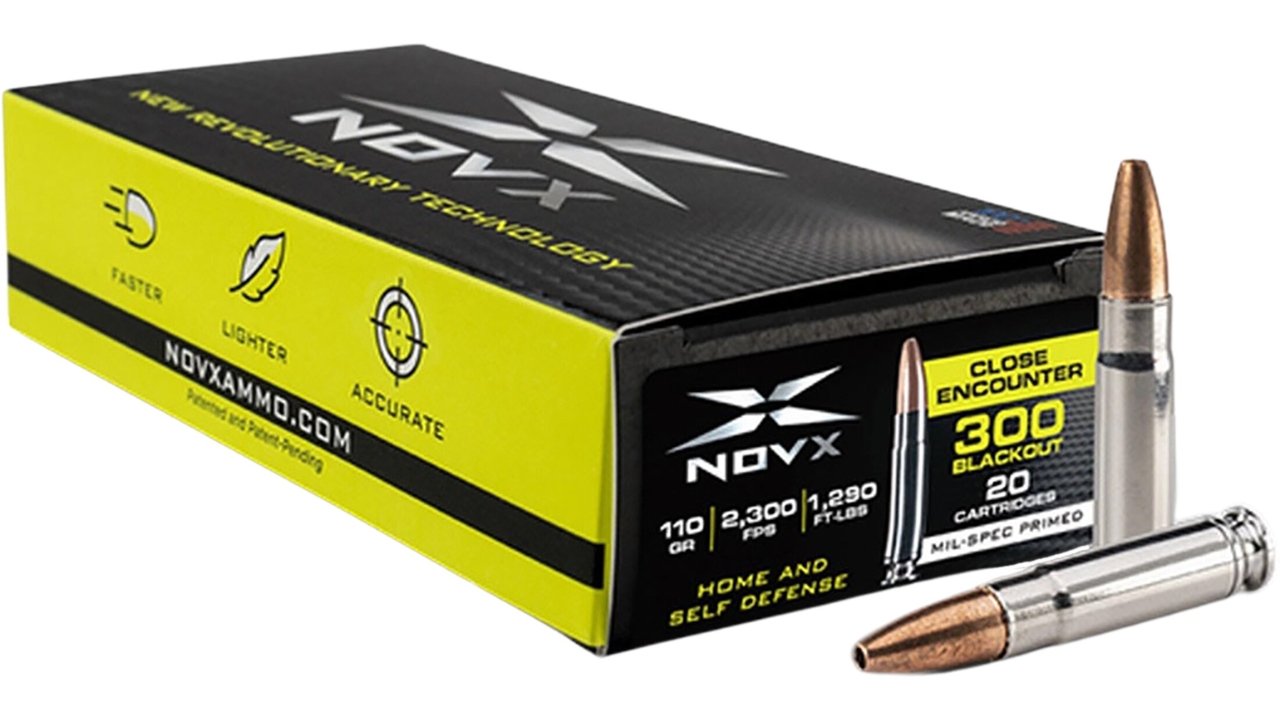
The .300 Blackout is capable in the deer woods, but certain loads—particularly frangible bullets or lightweight hollowpoints—tend to blow up on impact. At 50 yards, these bullets can fragment violently, ruining shoulder meat and creating shallow—but wide—wound cavities that waste a surprising amount of venison.
Supersonic expanding bullets built for medium game perform much better and make the Blackout a solid short-range deer round. But if you pick the wrong ammo or try to use lightweight defensive bullets, you’ll see meat loss that outweighs the cartridge’s advantages. It’s another caliber that works only when the ammo is chosen carefully.
Like The Avid Outdoorsman’s content? Be sure to follow us.
Here’s more from us:
The worst deer rifles money can buy
Sidearms That Belong in the Safe — Not Your Belt
*This article was developed with AI-powered tools and has been carefully reviewed by our editors.