Photo credit: CGA/YouTube
Some firearms just don’t hold up like you’d hope. Maybe it’s a weak internal part, a poor choice of material, or just corners cut in manufacturing. Whatever the reason, these guns tend to wear out faster than expected—whether it’s a slide that gets loose, a trigger that goes mushy, or a barrel that won’t stay accurate. If you’re planning to shoot often, these are the ones to think twice about.
Remington 597

On paper, the 597 looked like a solid .22 semi-auto. But many owners found themselves constantly clearing jams and replacing worn-out extractors.
Even when they ran, they never quite had the longevity of a Ruger 10/22. Reliability just wasn’t where it needed to be for high-volume shooting.
Taurus PT709 Slim

This little 9mm was popular for concealed carry, but it had a habit of wearing out early. Feed ramp wear, weak springs, and inconsistent triggers were all common.
Many shooters reported malfunctions after just a few hundred rounds. It’s not a range workhorse—and never was.
SIG Sauer Mosquito

Plenty of people bought the Mosquito hoping for a reliable .22 with SIG ergonomics. What they got was a picky, ammo-sensitive pistol that often needed constant tuning.
The zinc alloy slide and fussy internals didn’t help with longevity. Most folks moved on to better rimfire options.
KelTec Sub2000 Gen 1

Folding carbines are fun, but the early Sub2000s weren’t built for the long haul. Plastic parts cracked, hinges loosened, and the charging handle assembly wore out fast.
Later models improved a bit, but the first-gen guns often didn’t last through a few thousand rounds without hiccups.
Walther P22
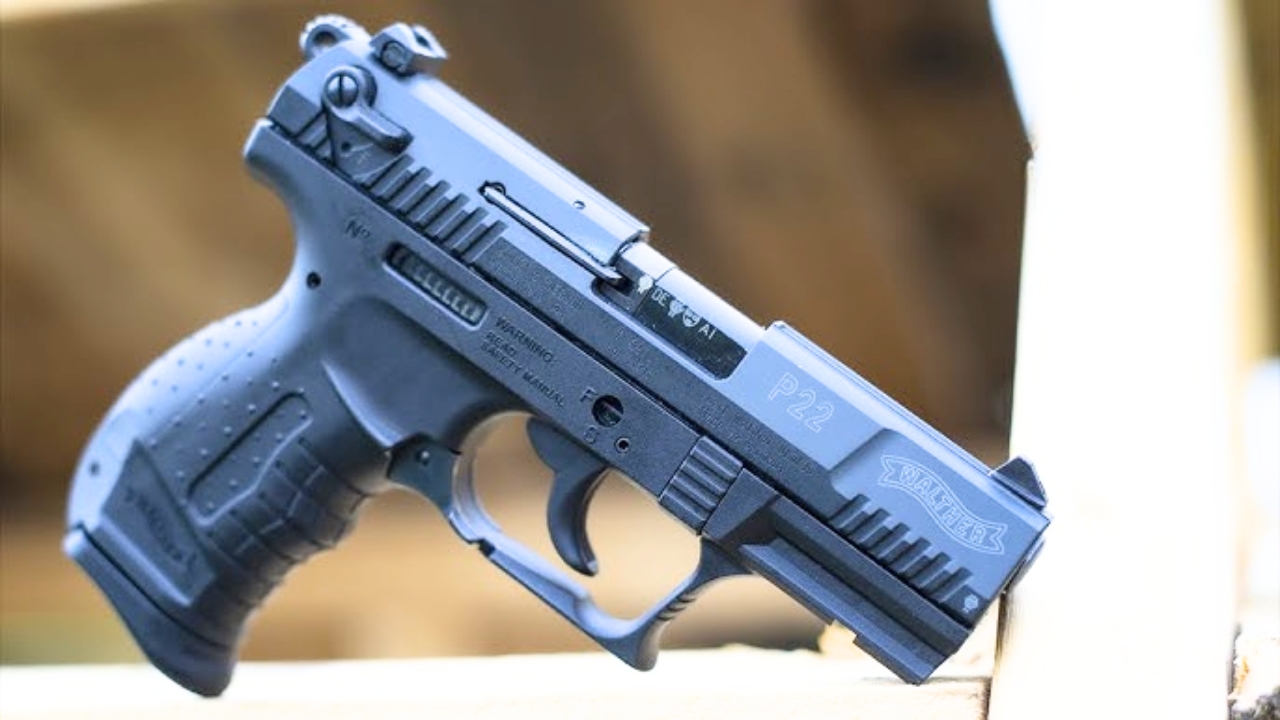
It’s a lightweight .22 that’s fun when it runs, but it tends to wear down with regular use. The slide material and internal parts don’t inspire long-term confidence.
Add in sensitivity to ammo and extractor issues, and it becomes a gun that gets retired early in a lot of collections.
Kimber Solo Carry

The Solo was sleek and compact, but it didn’t handle wear very well. Slide lock issues, frame peening, and sensitivity to ammo all stacked up against it.
Even when maintained, many of them just didn’t stay reliable over time. It’s a carry gun that didn’t age well.
AR-15s With Cast or Polymer Lowers

Budget ARs with cast or polymer lowers can look tempting, but they often crack around the buffer tube or pivot pins after a few thousand rounds.
They might be fine for light use, but hard training or rough handling exposes their weaknesses pretty quick.
Desert Eagle .50 AE

Yes, they’re cool. But if you actually shoot a Desert Eagle a lot, expect wear on the recoil springs, bolt, and slide rails.
That giant action takes a beating, and it shows. They’re more for showing off at the range than running hard.
Beretta U22 Neos
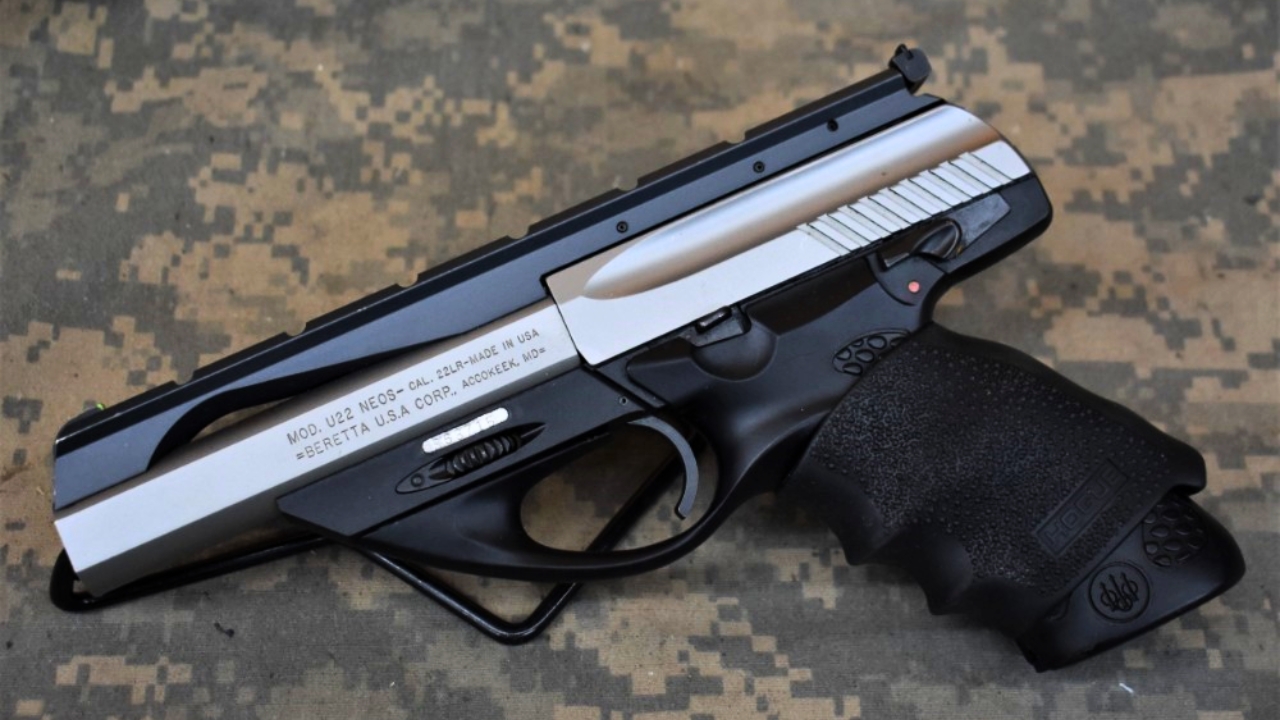
This futuristic-looking .22 had a unique design, but wear on the frame and bolt started showing up early for frequent shooters.
Accuracy would degrade, and reliability would drop if the gun wasn’t kept clean and lubed constantly. It never built a reputation for durability.
Hi-Point C9

Say what you want about Hi-Points—they work when new. But the zinc-alloy slide, chunky parts, and weak pins can’t take sustained abuse.
If you’re expecting a gun that’ll go 10,000 rounds, this isn’t it. It’s built to be cheap, not long-lasting.
M1 Carbine Reproductions (Low-End)

Some of the cheaper reproductions out there just don’t hold up like the originals. Bolt fitment, soft parts, and poor quality control lead to early failures.
If you want a shooter, stick with original surplus or quality commercial builds. The budget clones wear out quick.
SCCY CPX-2

The CPX-2 is affordable and light, but internal parts like the trigger return spring and firing pin tend to wear fast.
It’s not built for high-volume shooting. After a few hundred rounds, you’ll start to feel the roughness and see parts start to loosen up.
Remington R51
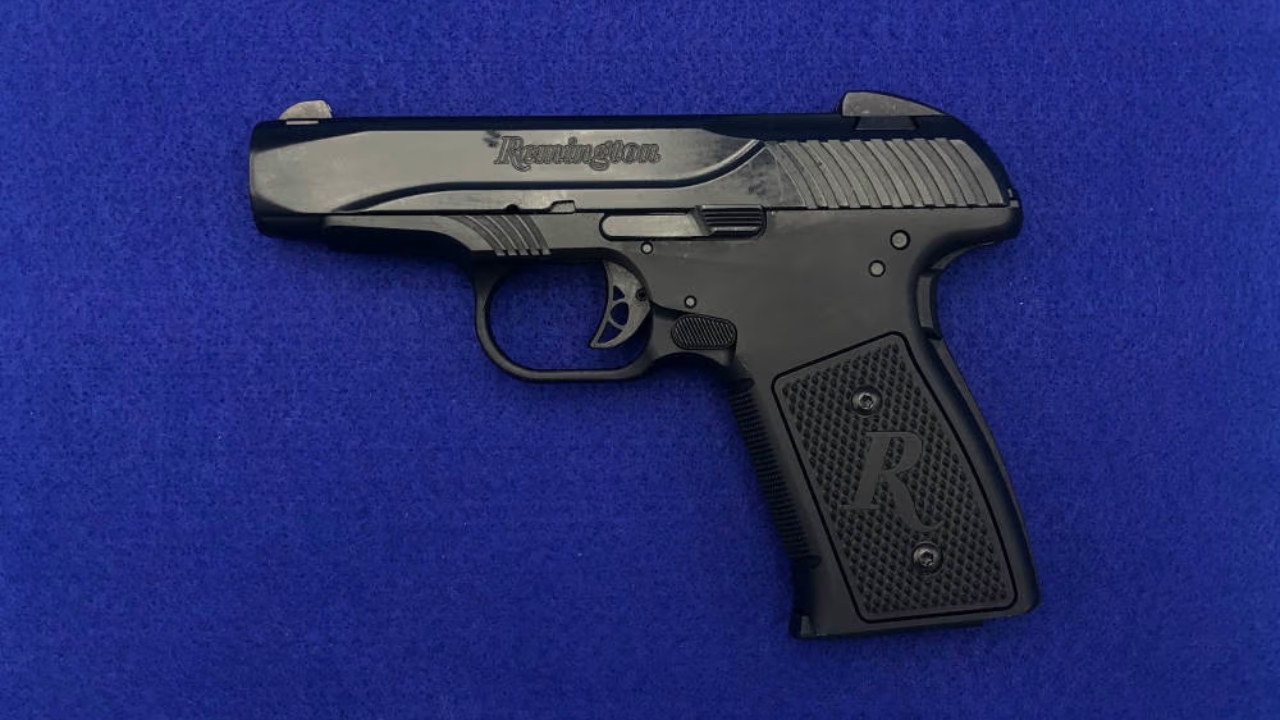
This one had a rough launch and never really recovered. Poor fit, odd recoil system, and soft metal parts meant it wore out fast—even if it ran at all.
Most people gave up on it after too many trips back to the factory. It’s a shelf gun at best now.
Winchester 190
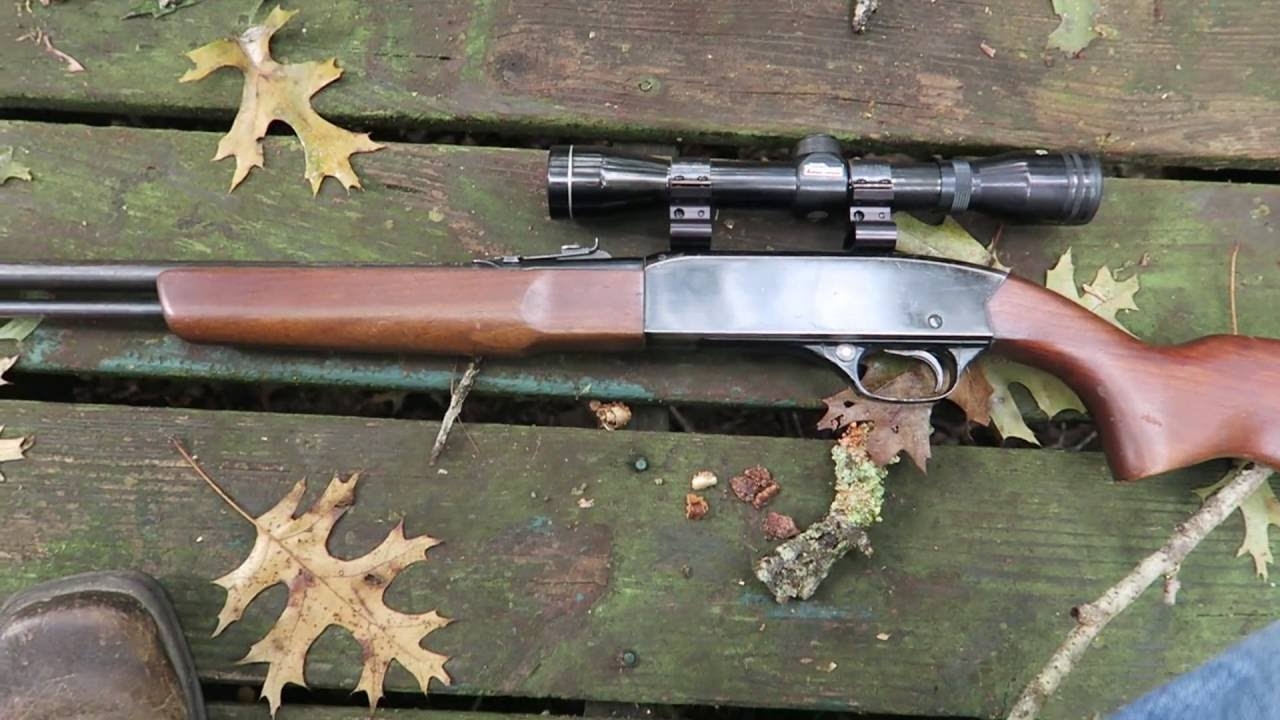
These older .22s are everywhere, but they weren’t made for longevity. Soft parts and dated designs make them a headache when they start to fail.
Extractor issues and worn chambers are common, and parts are tough to find. They’re usually more trouble than they’re worth after a while.
ATI GSG 1911-22

This rimfire 1911 clone looks cool but doesn’t hold up like a full-size centerfire model. The zinc alloy slide and small springs just don’t last.
Many shooters experience cracked parts or worn triggers after a few bricks of ammo. They’re fun—but not forever.
Springfield Armory XD Subcompact

The original XD subs were snappy and solid at first, but wear around the locking block and slide stop often showed up sooner than expected.
They’re still reliable, but longevity compared to other striker-fired pistols hasn’t always been great, especially under hard use.
Rossi Circuit Judge
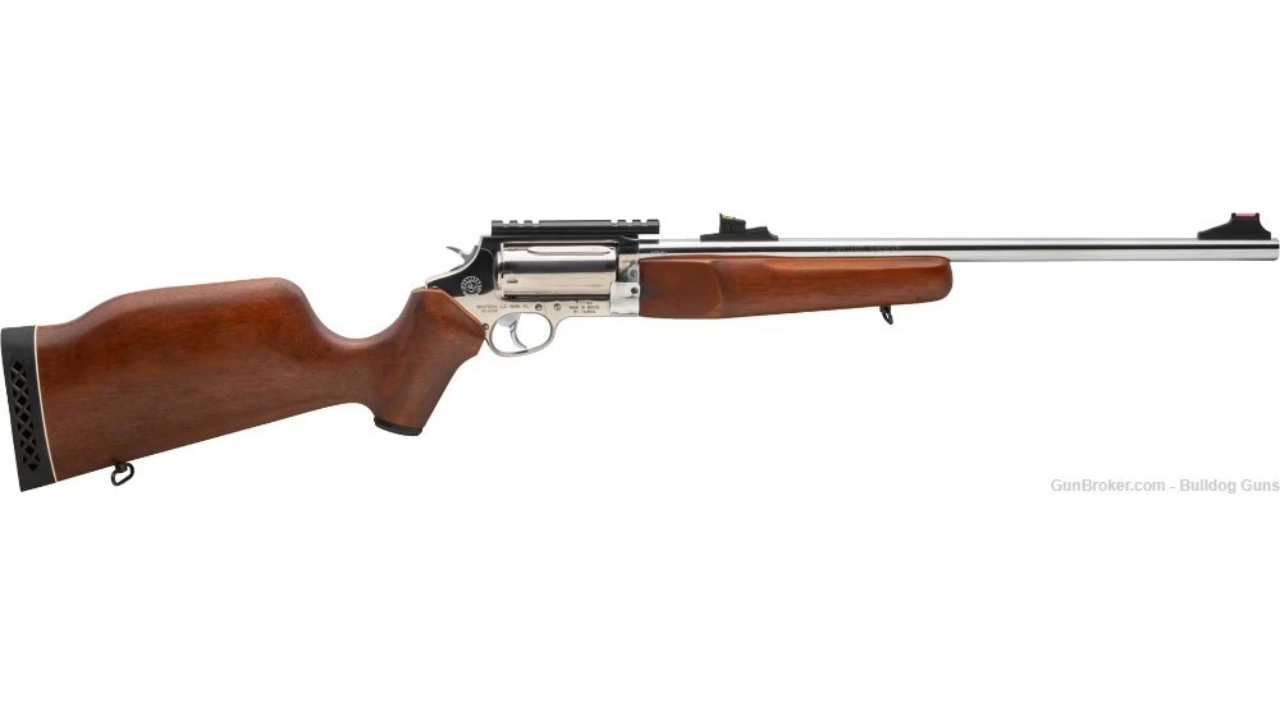
Shotgun shells and .45 Colt in a revolving carbine? Sounds great—until the forcing cone erosion and timing issues start cropping up.
The novelty wears off fast once you see the wear patterns. It’s a neat idea that just isn’t built for sustained range time.
SIG P320 Early Models

Before the upgrades and lawsuits, early P320s had some issues—not just with drop safety but also with wear on rails and striker components.
They’ve come a long way, but if you have an early unit, it may not stand up to the abuse newer ones can handle.
Norinco SKS Copies
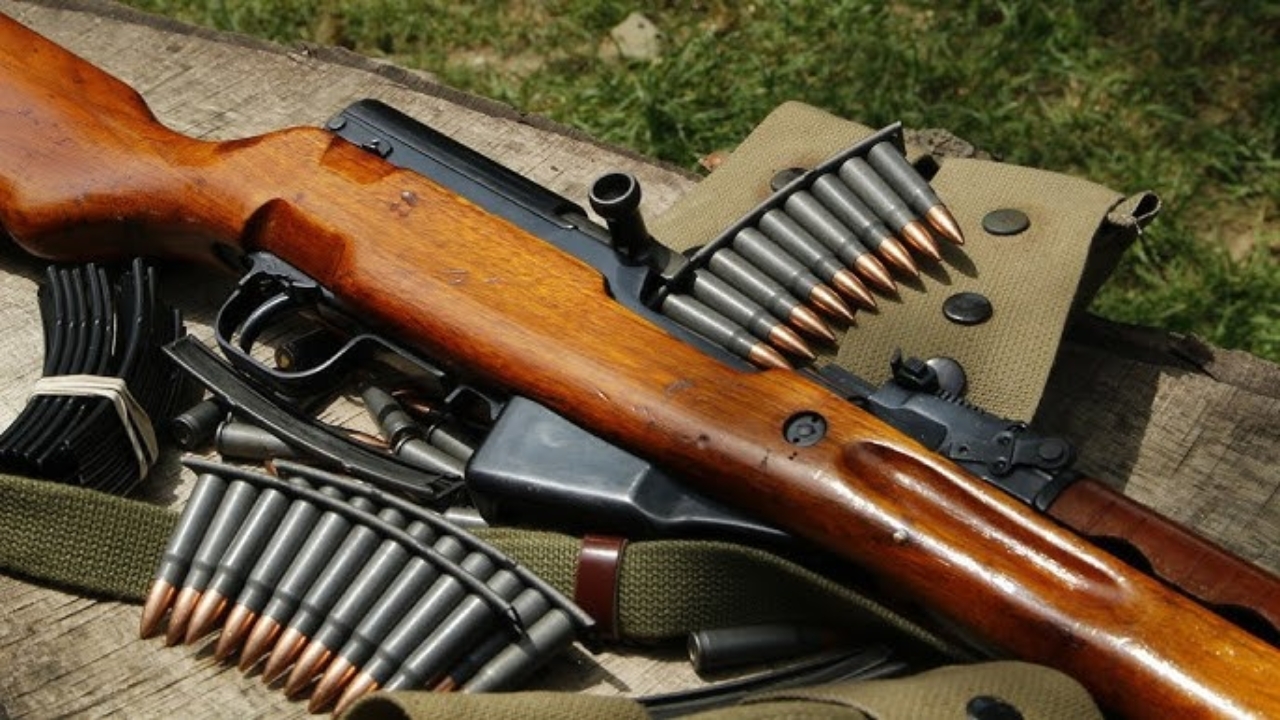
Some of the cheaper imports, especially the later Norinco batches, came in with soft parts and poor finish. They worked for a while but didn’t take long to show wear.
Loose stocks, worn gas pistons, and poor tolerances showed up faster than on older military models. They’re not all built the same.
Charter Arms .38 Revolvers

These revolvers are light, but that comes at a cost. The timing and lockup tend to get sloppy after a few hundred rounds of .38 +P.
They’re fine as carry guns, but if you shoot them a lot, expect the action to loosen and accuracy to fall off over time.
*This article was developed with AI-powered tools and has been carefully reviewed by our editors.