Photo credit: GunBroker
When everything’s on the line, the last thing you want is a pistol that hesitates. But not every handgun earns its keep under pressure. Some guns jam more than they should, especially when pushed hard or fed common ammo. Whether it’s a design flaw, bad magazine geometry, or just cheap internals, these pistols have a reputation for letting you down when it matters most.
KelTec P11

The P11 is compact and budget-friendly, but it’s not known for smooth function. Light strikes, feed issues, and stovepipes aren’t uncommon—especially with hollow points.
It’s a pistol that needs constant attention to run halfway reliably. For something marketed as a carry option, that’s a tough pill to swallow.
Remington R51

Remington had big plans for the R51, but the first batch was plagued with problems. Failures to feed and eject were constant complaints from early users.
Even after revisions, trust in the design never fully bounced back. It looks sleek, but it often sputters when it should shine.
Taurus PT140 Millennium
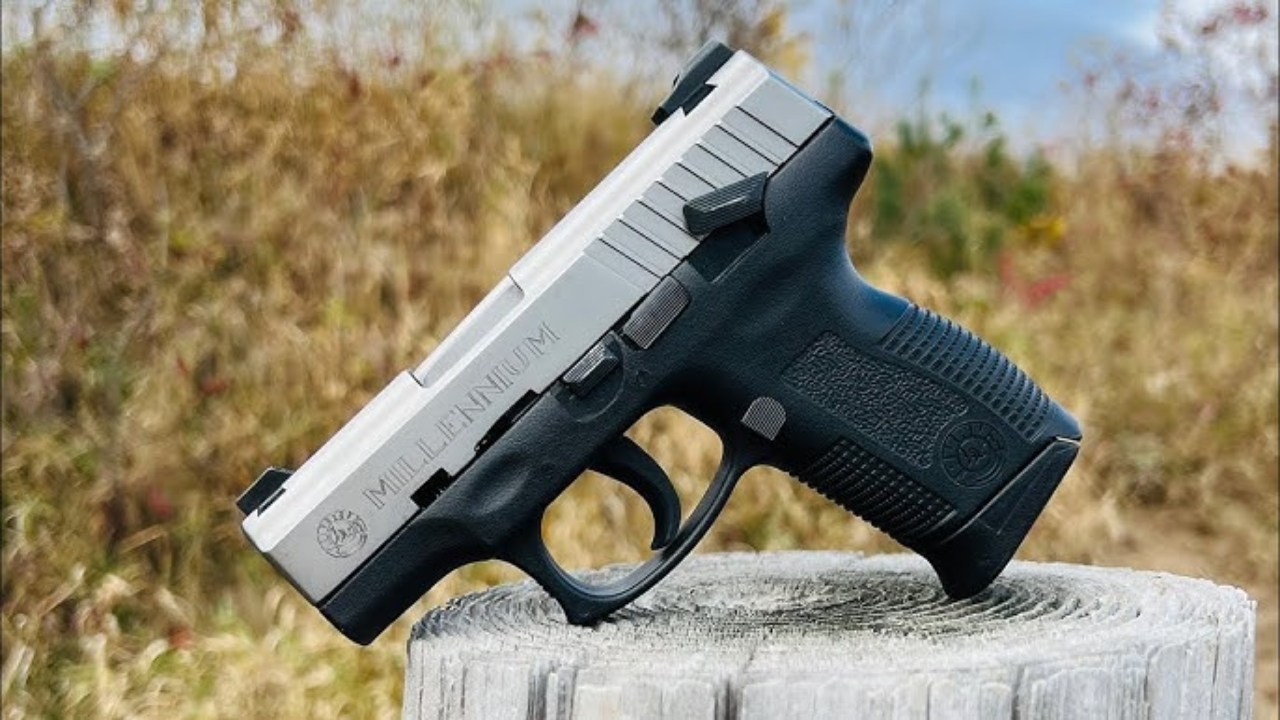
Taurus made this .40 compact to compete in the CCW world, but early generations struggled with feeding issues and frame durability.
Magazines can rattle, and certain loads won’t cycle right. It’s a gamble, and that’s not what you want from your everyday carry gun.
Kimber Solo Carry

This little 9mm looks high-end, but it’s picky—especially with ammo. It tends to choke on anything that’s not premium, high-velocity, and name-brand.
It’s not uncommon for it to jam right out of the box. When you’re betting your life on a subcompact, “ammo sensitive” isn’t a great trait.
SCCY CPX-2

A budget pistol that’s accessible, but not always dependable. Feed issues, weak ejection, and stiff triggers all stack up under stress.
You might get a good one—or not. It’s that kind of inconsistency that makes people leave it at home when they need real reliability.
SIG Sauer Mosquito

It’s a .22, sure, but even by rimfire standards, the Mosquito is jam-prone. It needs very specific ammo and constant cleaning to stay functional.
Plinking is one thing, but if you’re teaching or training, frequent stoppages ruin the experience. It just doesn’t handle pressure well.
Desert Eagle .50 AE

It’s a movie star, but not exactly a workhorse. The big bore and gas system can jam up with certain loads, and limp-wristing makes it worse.
Most folks don’t train seriously with it, and when they do, malfunctions are part of the deal. It’s powerful, but not reliable under stress.
Hi-Point C9
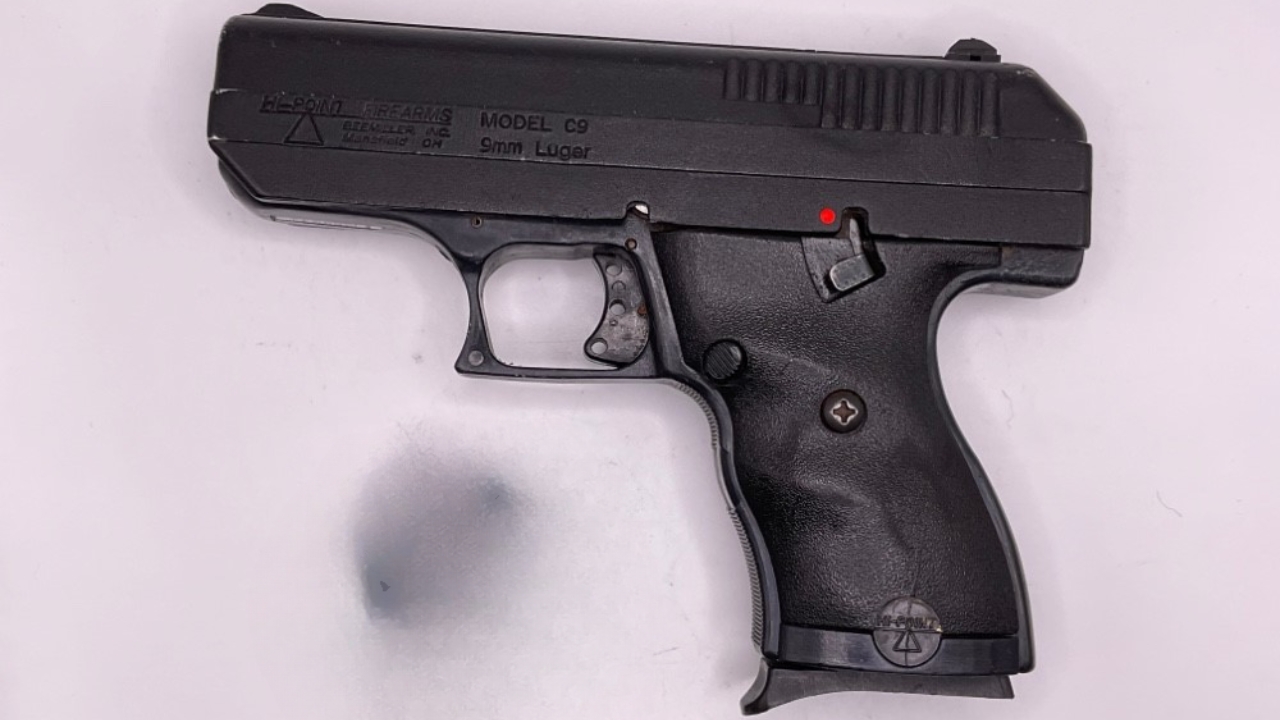
Hi-Points are often described as “functionally ugly,” but the C9 sometimes struggles even with basic function. Magazine fitment issues are common.
They can work with careful ammo and technique—but when the pressure’s on, that margin of error is a real liability.
AMT Backup .380

Small, stainless, and snappy—but not dependable. This pocket gun is known for being hard to shoot well and prone to jams, especially with anything other than FMJ.
It’s the kind of pistol that might fire the first shot, but you’re left wondering if it’ll handle the second.
Walther P22

Another .22 plagued by light strikes and feeding trouble. The P22 gets dirty fast, and that alone causes issues during extended shooting sessions.
It’s fun when it works, but under any kind of stress—cold, dust, or rapid fire—it tends to come apart at the seams.
Beretta Bobcat 21A
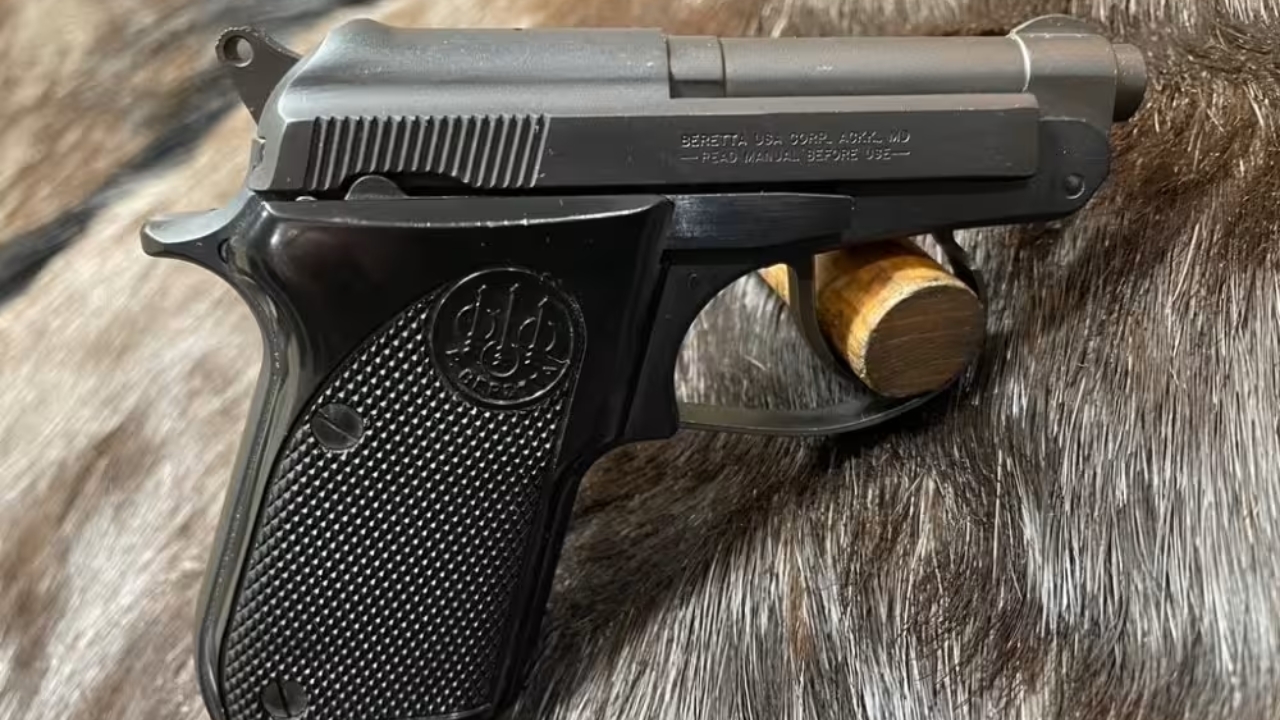
This tiny .22 or .25 ACP pistol is more of a novelty than a go-to sidearm. Jams are frequent, especially if the mag spring or ammo isn’t just right.
It’s cool-looking and compact, but not the kind of gun you count on in real-world situations.
Taurus Spectrum

This compact .380 has soft edges and a futuristic look, but its performance hasn’t wowed anyone. Feed problems and short-stroking show up often.
It’s also got one of the mushier triggers out there. All flash and no backbone when things get serious.
Colt 2000 All American
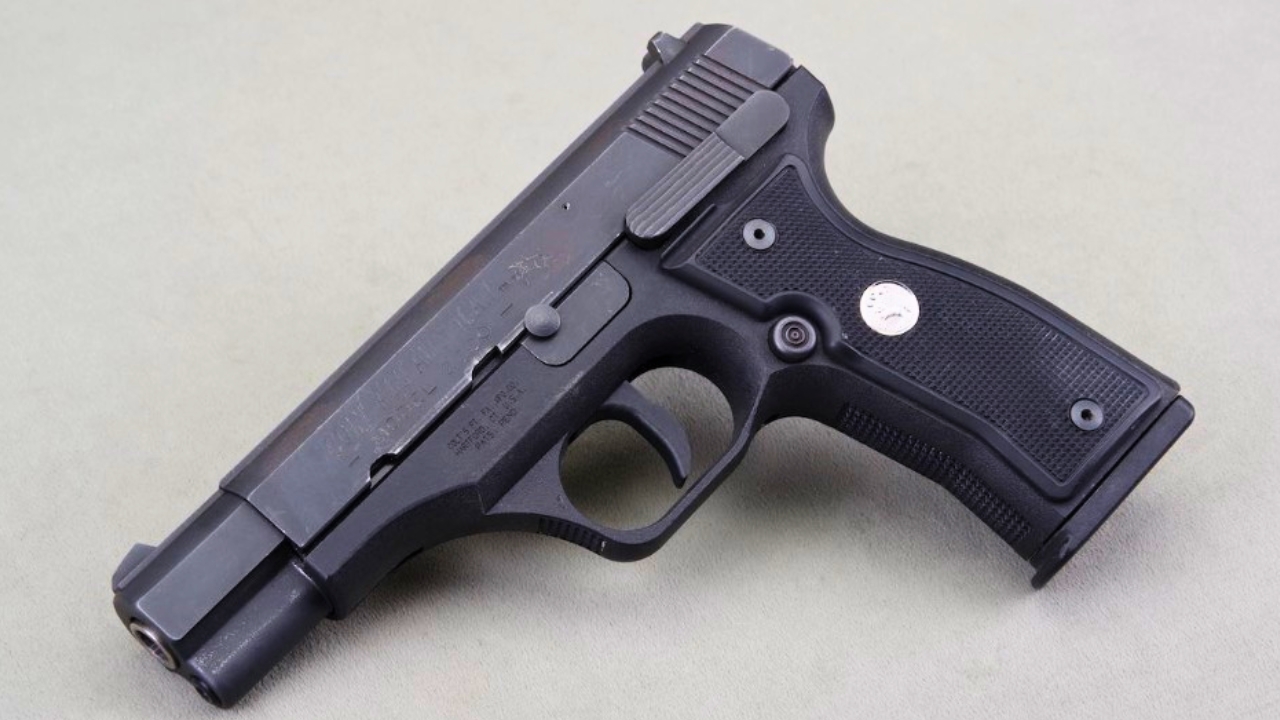
Colt’s polymer pistol experiment went sideways fast. Accuracy wasn’t great, and reliability was worse. FTFs and stovepipes plagued it during testing.
It’s a collector’s oddity now, but it was never trusted when it was supposed to matter most.
Kahr CT380
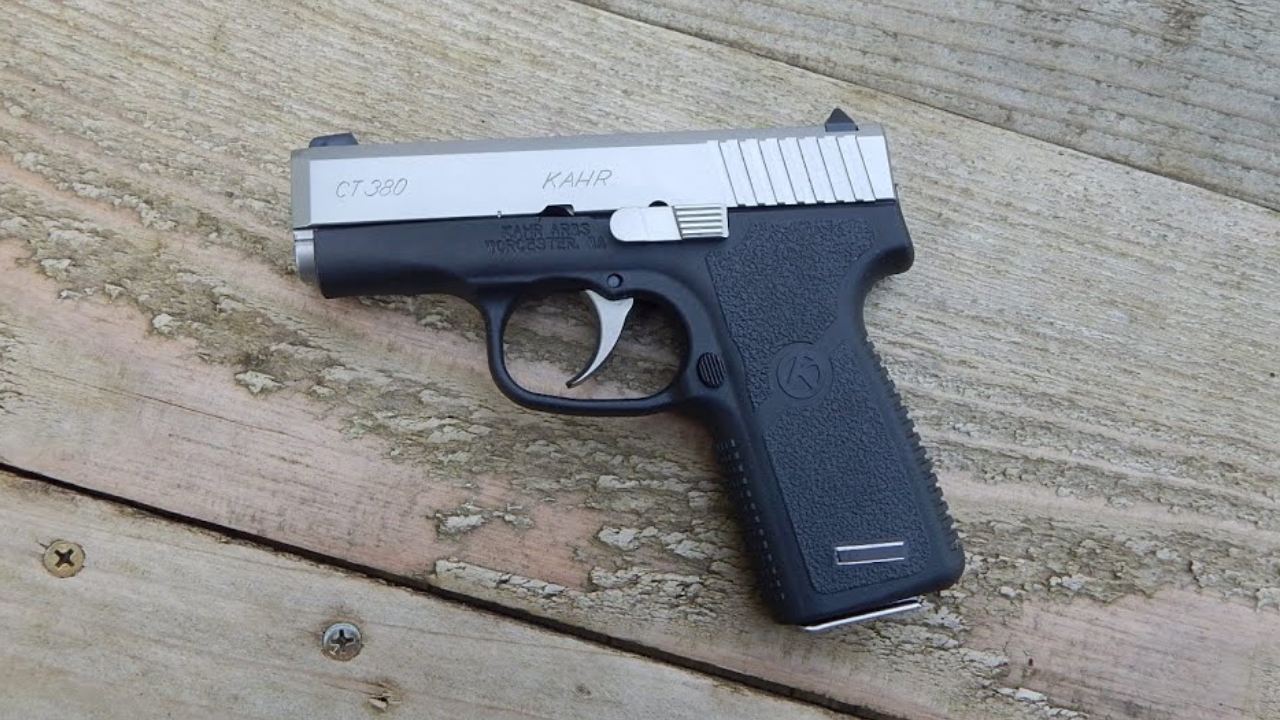
Kahr makes solid guns, but the CT380 can be finicky. It’s small and easy to carry, but many users report feeding issues right out of the gate.
It might smooth out with a long break-in period—but again, why risk it when better pocket pistols exist?
Llama Mini Max

This 1911-style compact had potential, but the execution was rough. Inconsistent machining led to reliability problems—especially with hollow points.
If you’re going to shrink a 1911, everything needs to be right. In this case, it wasn’t.
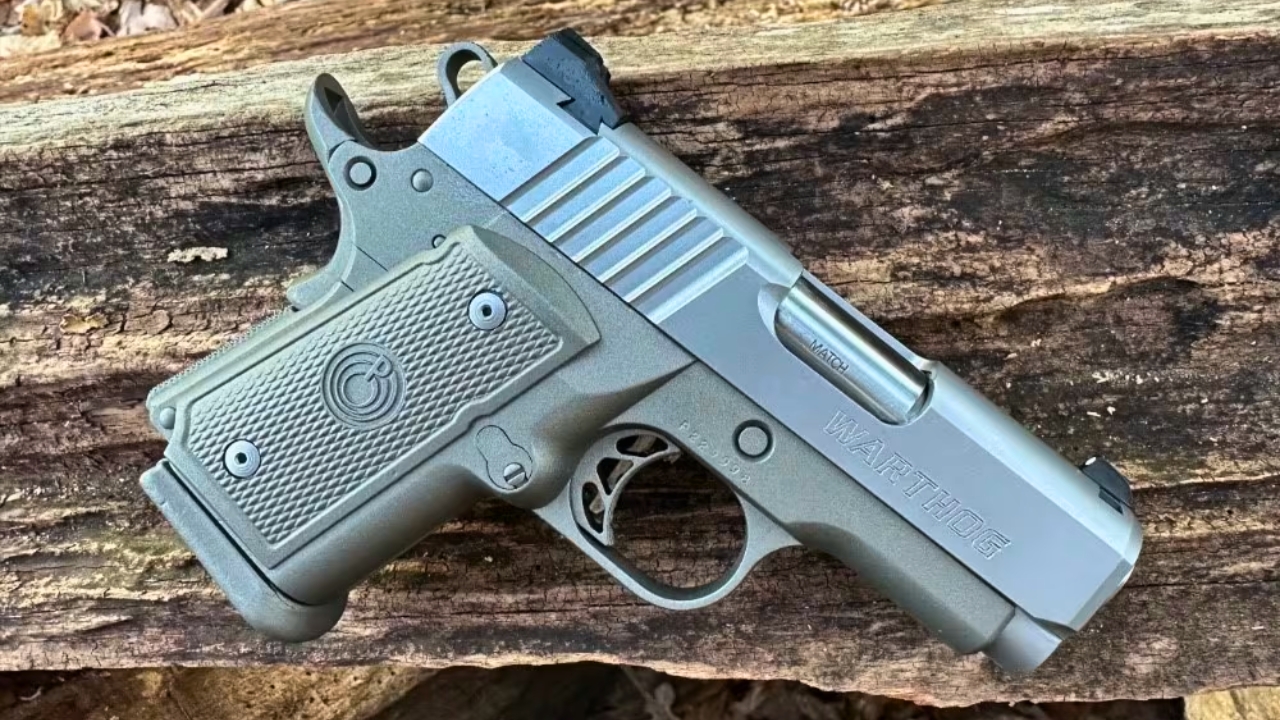
Para Ordnance Warthog

The Warthog was a cool idea—a double-stack mini 1911. But many didn’t run well. Short slides and tight tolerances created frequent hiccups.
It feels great in the hand, but when it jams every few magazines, that confidence fades fast.
Bersa Thunder .380 (Certain Batches)

Some early or heavily used Bersa Thunders have been known to fail under pressure. Weak springs or rough feed ramps can create issues.
Many run fine, but it’s not unheard of for one to choke during high round counts or rapid fire.
Raven MP25

An ultra-budget pocket pistol with a rough reputation. Misfeeds, failures to extract, and general sketchy behavior make it more of a paperweight than a protector.
They’re cheap and available—but they’ve earned their spot on the list of guns not to trust.
Jennings J22

This little rimfire pistol is legendary—for the wrong reasons. It jams constantly, doesn’t like most ammo, and wears down fast.
It’s been passed around gun shows for decades, but few folks would ever count on it in a real situation.
Cobra FS380

Heavy for its size and not exactly polished, the FS380 is known for being unreliable. Stovepipes and feed issues are common right out of the box.
It may have an appealing price tag, but reliability often costs more than people think. And this one shows it.
*This article was developed with AI-powered tools and has been carefully reviewed by our editors.