
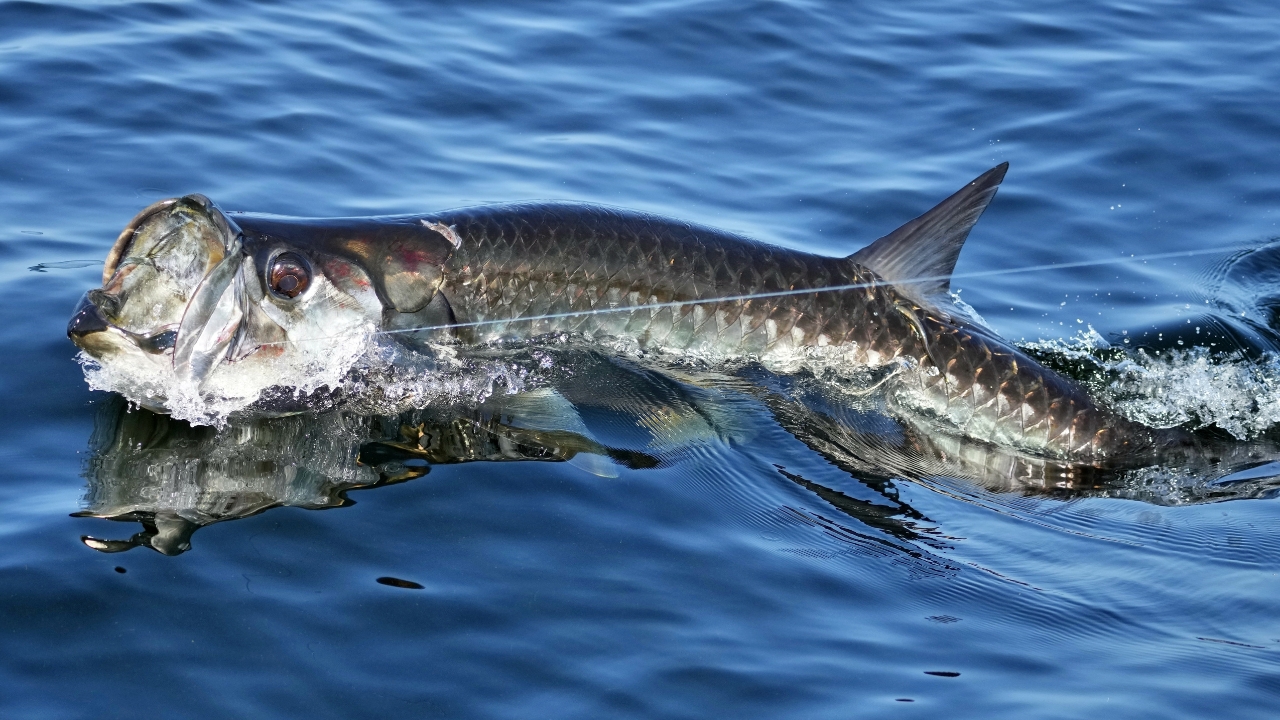
Image Credit: Daniel Y Smith/ Shutterstock.
Catching tarpon without a guide isn’t impossible—but it’s not something you stumble into, either. These fish are big, smart, and flat-out powerful. If you’re trying to hook one solo, you need to know when and where to look, what gear to bring, and how to actually land the thing once it’s in the air doing flips. It takes prep and patience, but when it comes together, it’s one of the most satisfying catches you’ll ever make.
Learn the Migration Patterns

Tarpon don’t stick around all year in most places. If you want a shot without hiring a guide, you’ve got to follow their seasonal movement. In general, they migrate north from the Keys in spring, then head back south in the fall. Timing is everything.
Start with known migration hotspots like Boca Grande, Homosassa, or the Panhandle in late spring. Watch for signs—rolling fish, bait getting pushed, or locals talking. If you’re not seeing life, you’re not going to see tarpon either.
Fish Early or Late

You’re not going to outsmart a pressured tarpon at noon on a weekend. Your best chances come when the light is low and the water is quiet. Early mornings and evenings are prime—less wind, fewer boats, and fish that are actually feeding.
Look for rolling tarpon in the calm. They’ll break the surface slow and steady, usually in groups. Once you find them, get set up and make your cast count. You won’t get many chances, and blowing the first one can shut things down fast.
Use the Right Gear

This isn’t the time to bring your inshore trout setup. Tarpon will smoke your drag and snap your line if you’re undergunned. You’ll want a 7’6″ to 8′ heavy rod, a high-capacity reel with a smooth drag, and at least 50 lb braid with a strong leader.
For fly fishing, go with a 10- to 12-weight and get comfortable double-hauling. Keep in mind: the gear doesn’t have to be expensive, but it does need to hold up when a 100 lb fish jumps six feet in the air.
Master the Hook Set

Most people miss their first tarpon because they don’t set the hook right. These fish have rock-hard mouths, and a half-hearted hook set won’t cut it. When that fish eats, drive the hook home with a few hard strip sets if you’re fly fishing—or a solid sideways sweep if you’re using bait or lures.
Then bow to the king. When the tarpon jumps, drop the rod tip and give slack. If you don’t, it’ll throw the hook faster than you can curse. It takes practice, but getting this right makes all the difference.
Pick the Right Bait or Lure

If you’re spin fishing, live bait is your best bet—pilchards, mullet, crabs, or pinfish. Free-line them in front of rolling fish or around bridges, passes, or backcountry channels. If the current’s moving, so will the bait—and the tarpon will be close behind.
For artificial lures, go with swimbaits, DOA baitbusters, or large soft plastics on strong hooks. Stick to natural colors. Tarpon can be picky, but if the bait looks alive and you keep it in the zone, you’ve got a shot.
Don’t Ignore the Bridges

If you want a DIY shot at tarpon, bridges and passes are some of the best places to fish without a guide. They hold bait, current, and structure—everything tarpon love. Bridges like the 7 Mile in the Keys or Bahia Honda are known spots, but plenty of smaller ones produce too.
Fish the up-current side during moving tides. Anchor up or drift and pitch baits back naturally. These areas are public, accessible, and full of opportunity. Just be ready—you’re fishing heavy current with heavy fish, and landing one takes muscle.
Scout on Google Earth

Before you even hit the water, spend time scouting online. Google Earth is your friend. Look for passes, creek mouths, channels, and sandbars near deeper cuts. Tarpon love transition zones where bait moves and water funnels.
Check for areas with boat ramps nearby, foot access, or calm water you can reach by kayak. Mark a few promising spots, and once you’re there, look for rolling fish or bait movement. The more time you spend planning, the better your odds of connecting.
Fish From a Kayak or Paddleboard

You don’t need a flats boat to catch tarpon. A kayak or paddleboard can get you into shallow spots most guides skip once they load up with clients. Quiet approach matters, especially in calm backwaters where tarpon roll but spook easy.
You’ll want to keep gear simple and uncluttered—these fish will tow you around, so being mobile helps. Anchor pins or drift socks are smart to bring, and always wear a PFD. Hooking a 100 lb tarpon from a kayak is chaos—in the best way.
Stay Calm When It Hits

This might be the hardest part. Tarpon hit hard, and the second you feel it, your brain goes haywire. Don’t panic. Don’t crank down or try to horse it in. Let the fish run. Keep the pressure steady and wait for your shot to turn its head.
The fight is going to last. You’ll get jumps, long runs, and plenty of doubt. Keep your cool, follow the fish if you can, and don’t rush it at the boat. Most tarpon are lost in the last few feet—stay patient and stay tight.
*This article was developed with AI-powered tools and has been carefully reviewed by our editors.


