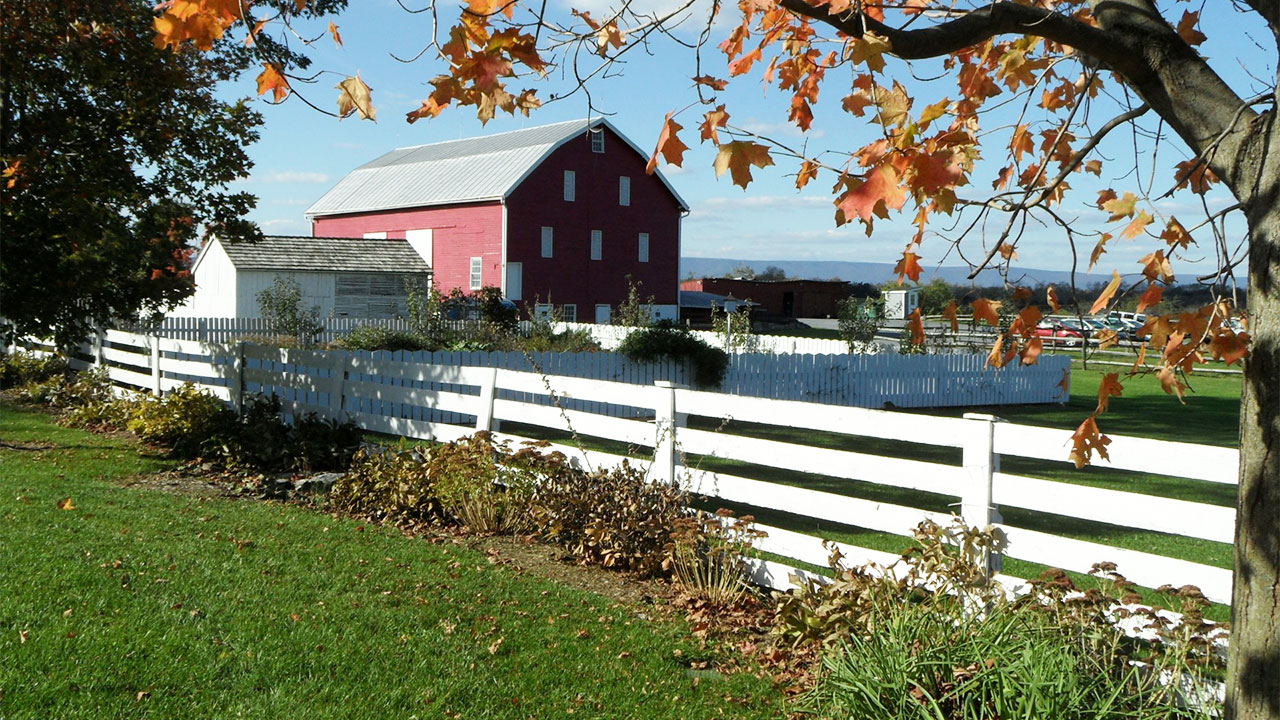
Photo credit: Pieter van de Sande/Unsplash.com
There’s a big difference between liking the idea of land and actually living on it. I’ve heard plenty of guys talk like they’ve got it all figured out—what they’d do, how they’d run it, how peaceful it would be. Then they spend one real day dealing with it, and you can see the shift. Land doesn’t care what you pictured. It shows you what you don’t know real fast.
If you’ve spent any time actually managing a piece of ground, you start to notice patterns in people. The ones who’ve lived it don’t say much—they just handle things. The ones who haven’t tend to talk more than they work. Here are the things that make it obvious which one you’re dealing with.
You talk big about land… but don’t know what it takes to keep it
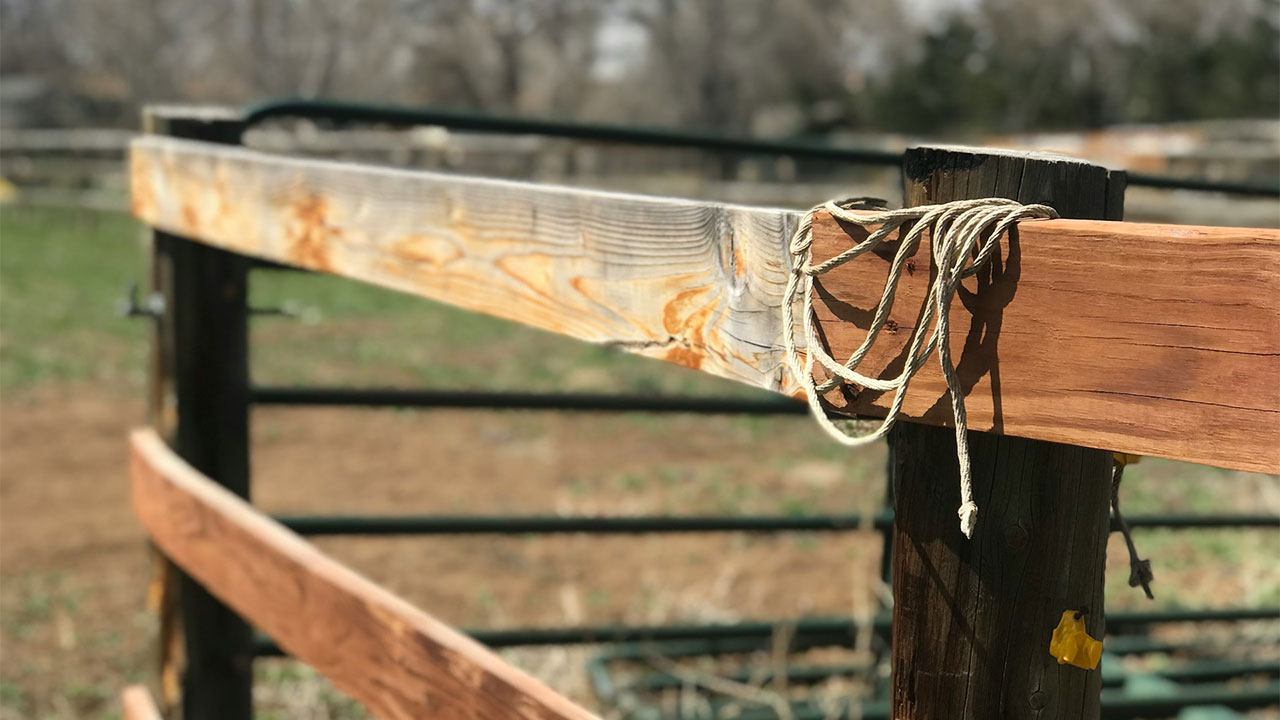
There’s always a guy who can lay out a full plan for a property he doesn’t own. He’ll talk about fencing, animals, gardens, and how he’d “run things right.” Then you hand him something simple, like fixing a sagging gate or figuring out why water’s pooling where it shouldn’t, and he’s stuck. That gap between talking and doing shows up fast when there’s actual work in front of you.
Owning land isn’t one big project—it’s a steady stream of small problems that don’t wait their turn. Something always needs attention. If you’ve never had to juggle multiple things at once while still getting something finished by the end of the day, it shows in how quickly you get overwhelmed when it’s not going smoothly.
You think mowing is the whole job
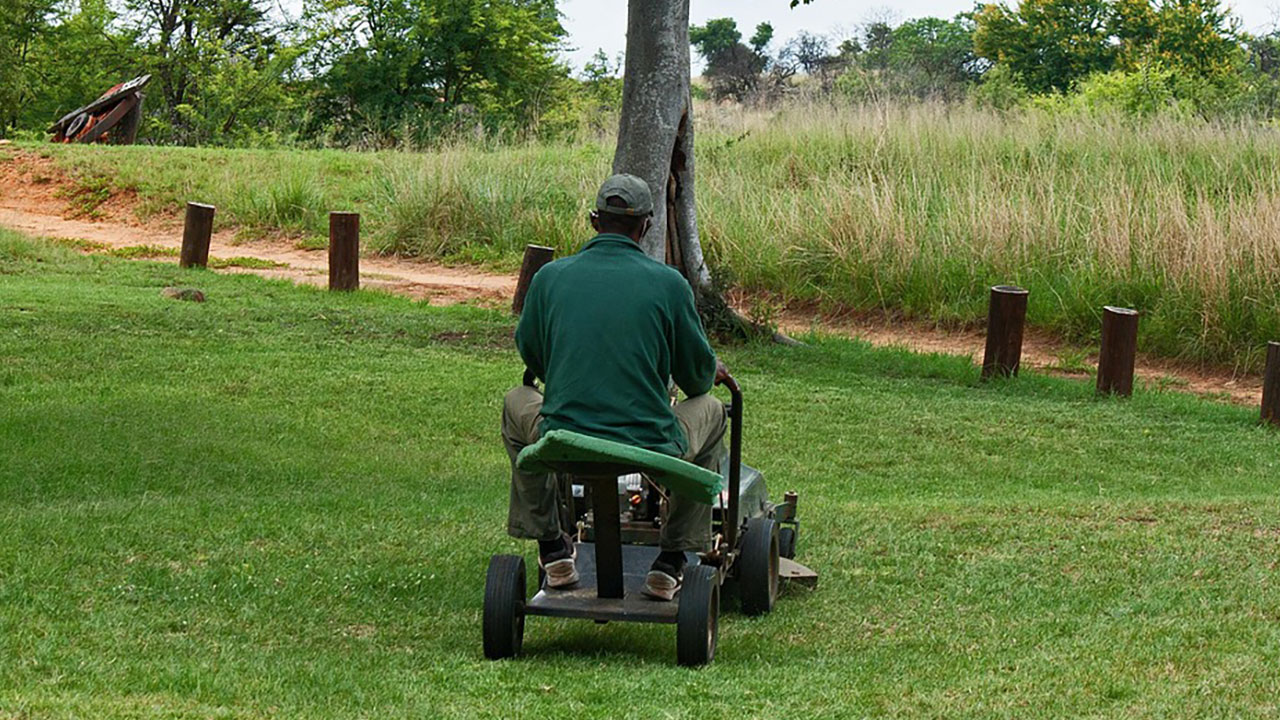
Mowing is what people see. It’s the clean lines, the finished look, the part that makes it feel like you’ve got things under control. But that’s surface-level. The real work is everything underneath that—soil issues, drainage problems, weeds that don’t die easy, and areas that won’t grow right no matter what you do.
If mowing is all someone talks about, they haven’t spent much time dealing with what actually keeps land in shape. The truth is, mowing is usually the easiest part of the week. It’s everything around it that takes time, thought, and a whole lot more effort than people expect going in.
You underestimate how fast things get out of hand
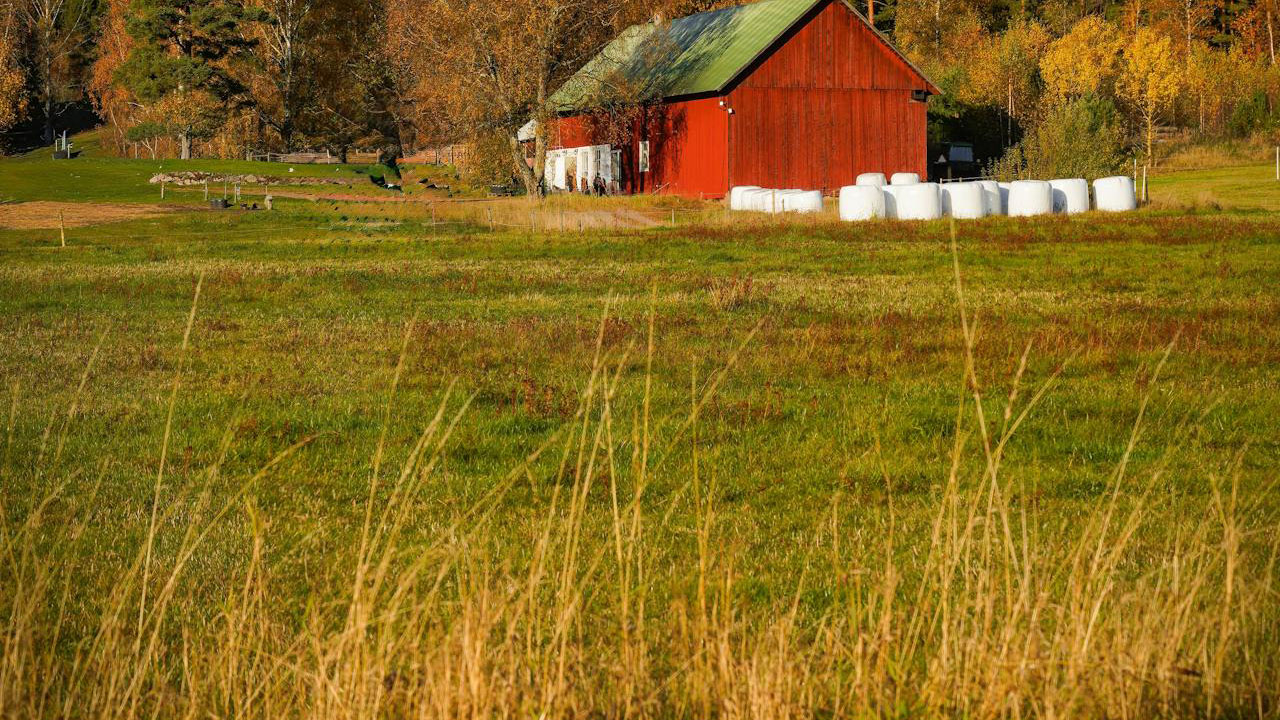
Leave land alone for a few days, and it starts moving without you. Grass jumps up, weeds spread, something breaks, and you come back to more work than you left. It doesn’t stay paused just because you weren’t there to deal with it.
Guys who haven’t owned land think things stay about the same if you step away for a bit. They don’t realize how quickly it stacks up. Then they try to catch up in one day and wonder why it feels like they didn’t make a dent. That’s just how it goes if you’re not staying ahead of it.
You don’t notice the small problems early
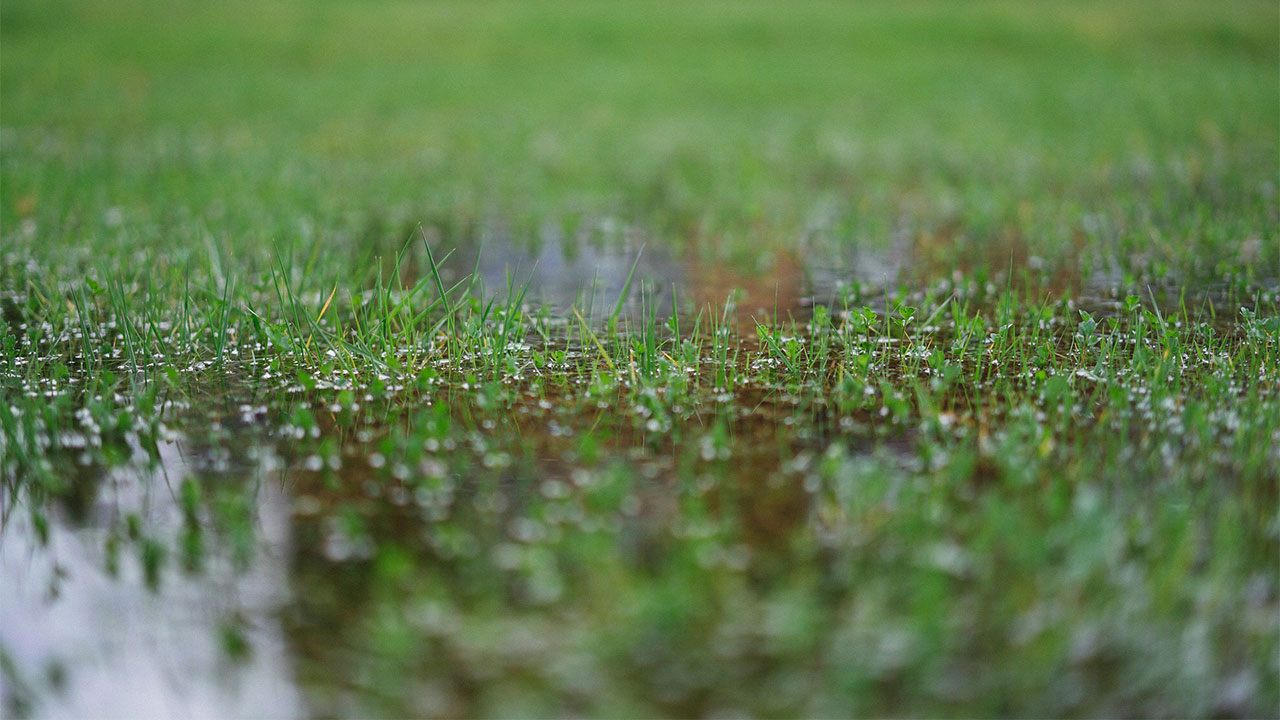
People who’ve lived on land for a while notice things most others miss. A soft spot where it shouldn’t be. A fence leaning just enough to matter. Water starting to collect in a place that used to stay dry. Those small signs are usually the start of something bigger.
If someone walks right past those things without even seeing them, it tells me they haven’t had to deal with the consequences yet. Land teaches you to pay attention, because ignoring something small now usually means dealing with something big later—and that’s always harder.
You think tools are optional until something breaks
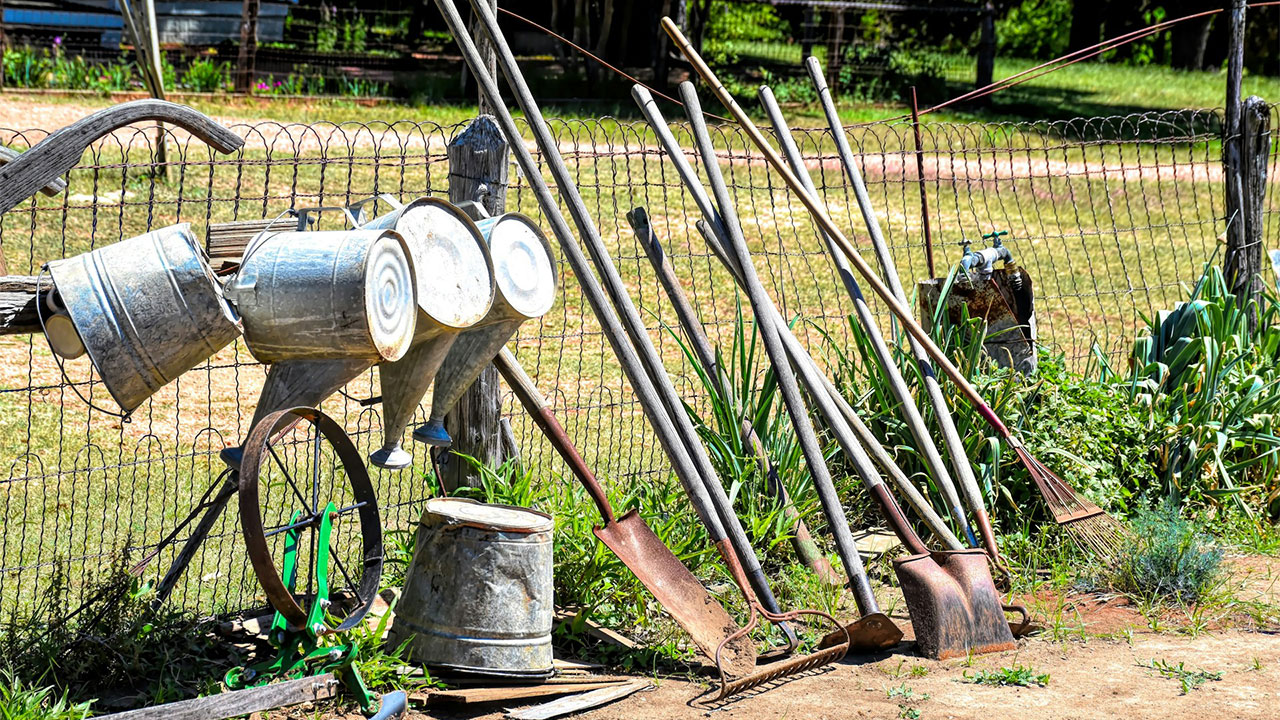
You can spot this one quick. A guy shows up with nothing he needs, then starts asking around when something goes wrong. Out here, if you don’t have the right tools on hand, the work doesn’t get done—it just waits while the problem gets worse.
Owning land means thinking ahead. You don’t wait until something breaks to figure out what you need. You keep what matters close, because when something goes wrong, it usually happens in the middle of another job.
You assume everything will go according to plan
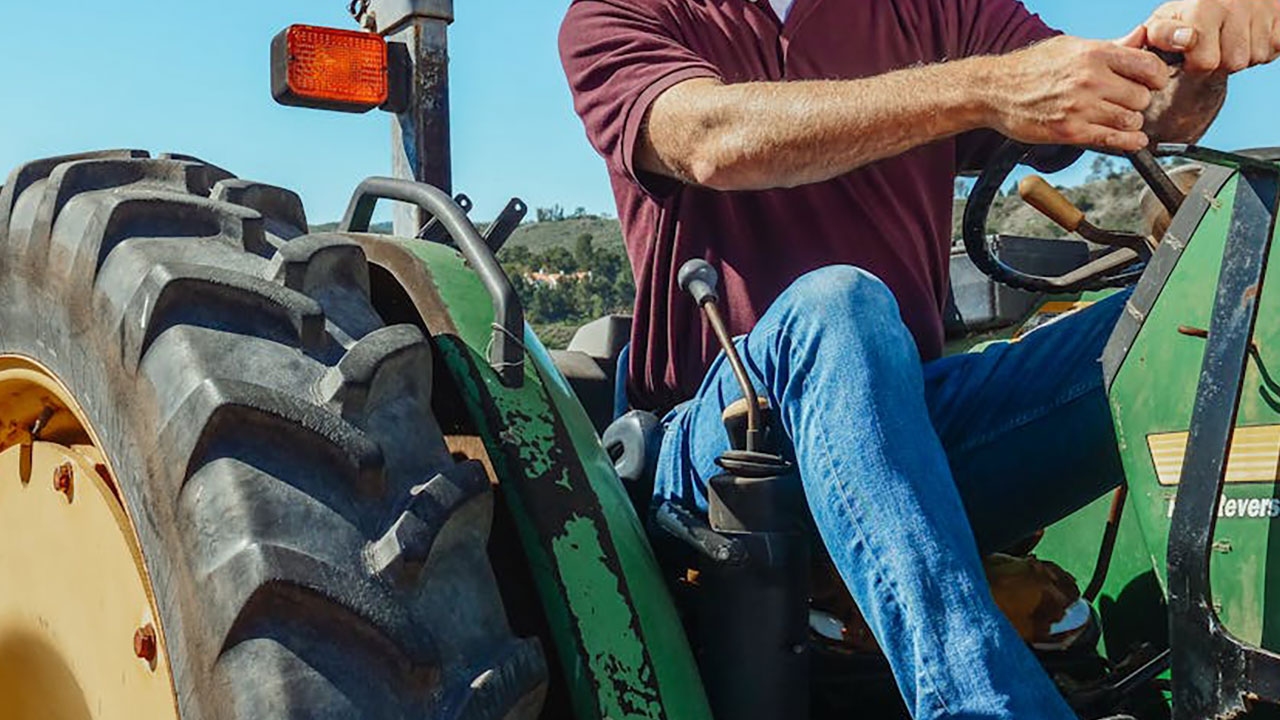
Plans are fine until the ground’s too wet, the equipment won’t start, or you realize halfway through you’re missing something you needed from the start. That’s normal. The work doesn’t stop—it just changes.
If someone gets frustrated the second things don’t line up the way they pictured, it shows they haven’t dealt with enough real work yet. You learn to adjust, change direction, and still get something done by the end of the day, even if it’s not what you planned.
You treat weather like a suggestion
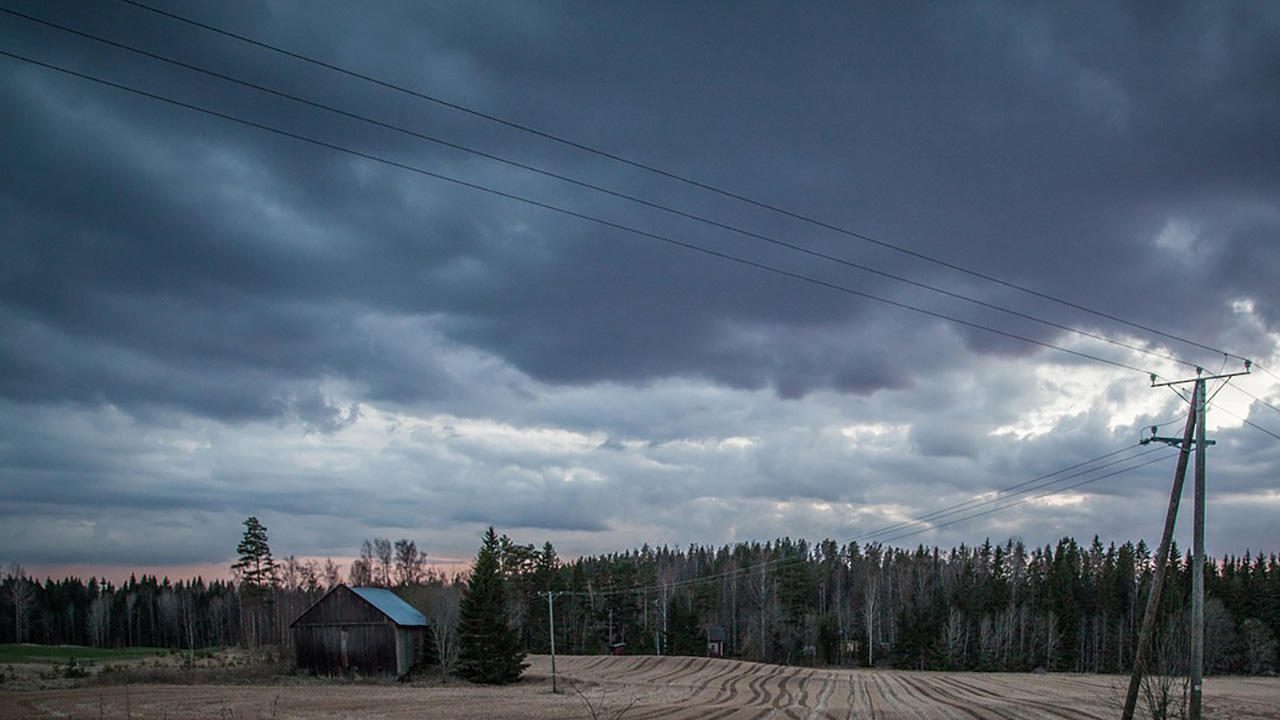
Weather isn’t background noise when you’re working land—it decides what happens and when. Too much rain, and you’re stuck. Not enough, and things don’t grow right. Wind, heat, cold—it all plays a role in how the day goes.
If someone’s planning work without even thinking about the weather, I know they haven’t had it mess up their timing yet. Once it does, you start paying attention real quick, because bad timing can cost you a whole lot more than just one day.
You don’t understand how equipment actually gets used
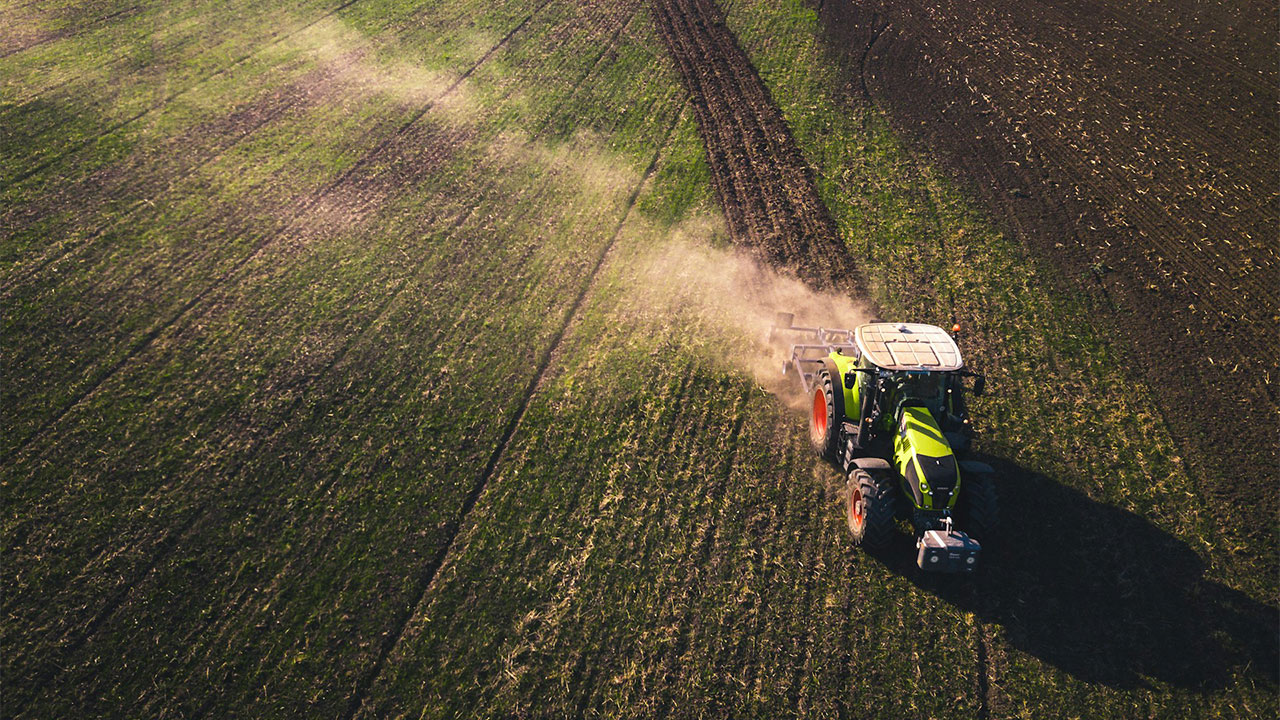
Owning equipment sounds good until you actually rely on it. When a mower, tractor, or trailer goes down mid-job, everything slows down with it. It’s not just about having it—it’s about keeping it running when you need it.
People without experience don’t think about maintenance or what happens when something quits halfway through. They assume it’ll work when they need it. That assumption doesn’t last long once you’ve been out there depending on it.
You think living on land is peaceful all the time

There are quiet days, no doubt. But there are just as many where everything takes longer than it should and nothing cooperates. Animals get into things, equipment acts up, and you’re still working when you thought you’d be done hours ago.
If someone only talks about the peaceful side, they haven’t seen enough of the other side yet. Living on land isn’t just calm—it’s work, and some days it’ll push you harder than you expected.
You expect quick fixes to actually hold
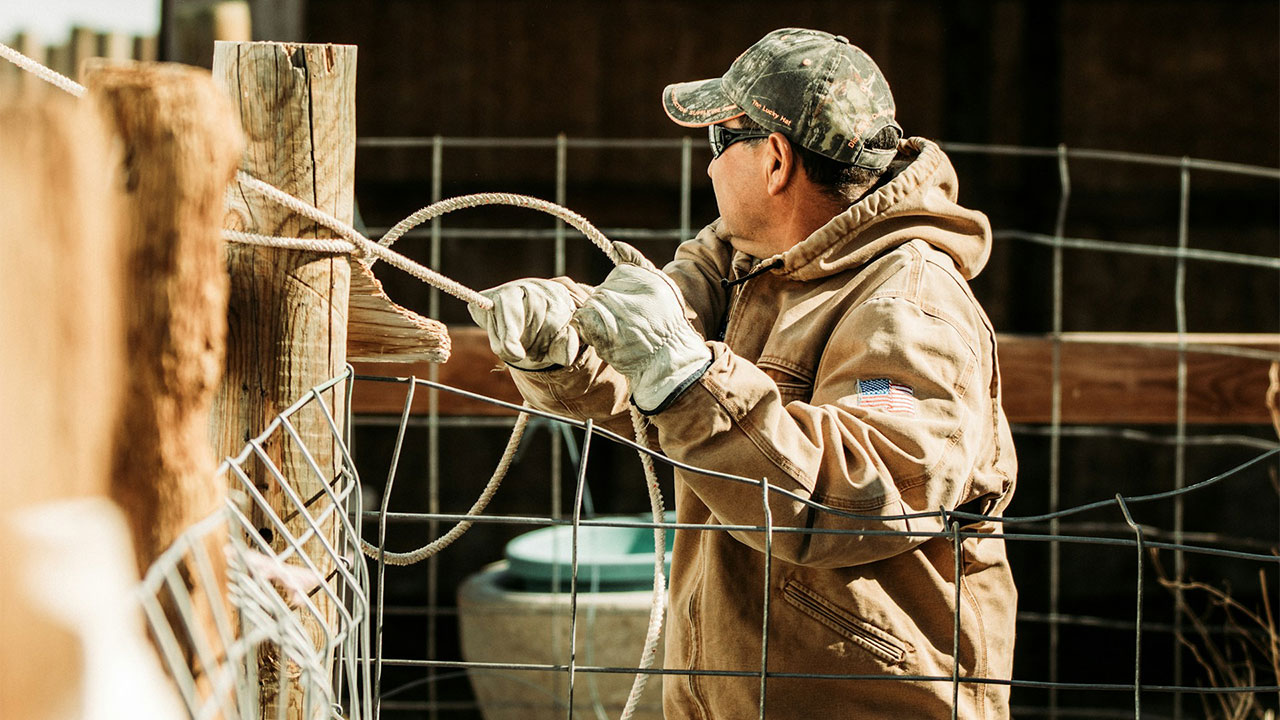
Temporary fixes have a way of sticking around longer than they should. You patch something just to get by, then it turns into a bigger issue because it wasn’t handled right the first time.
People who’ve been at it a while know when something needs to be done properly. Shortcuts might save time in the moment, but they usually cost you more later—and land has a way of reminding you of that.
You don’t plan ahead for simple things
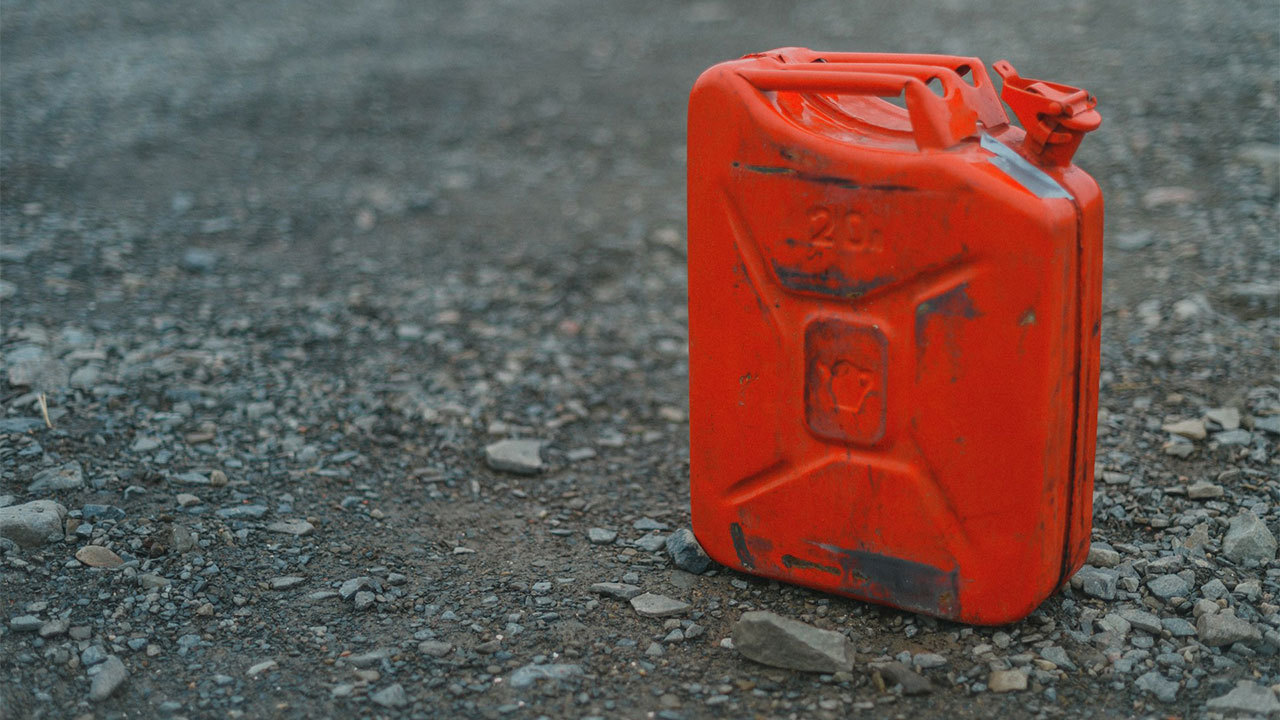
Running out of fuel, missing parts, not having what you need to finish a job—that kind of stuff can waste an entire day. Most of the time, the work itself isn’t the problem—it’s being unprepared for it.
If someone keeps getting caught off guard by basic things, it shows they’re not thinking far enough ahead. Planning isn’t complicated, but it makes a huge difference in how the day goes.
You treat it like a weekend hobby instead of a responsibility
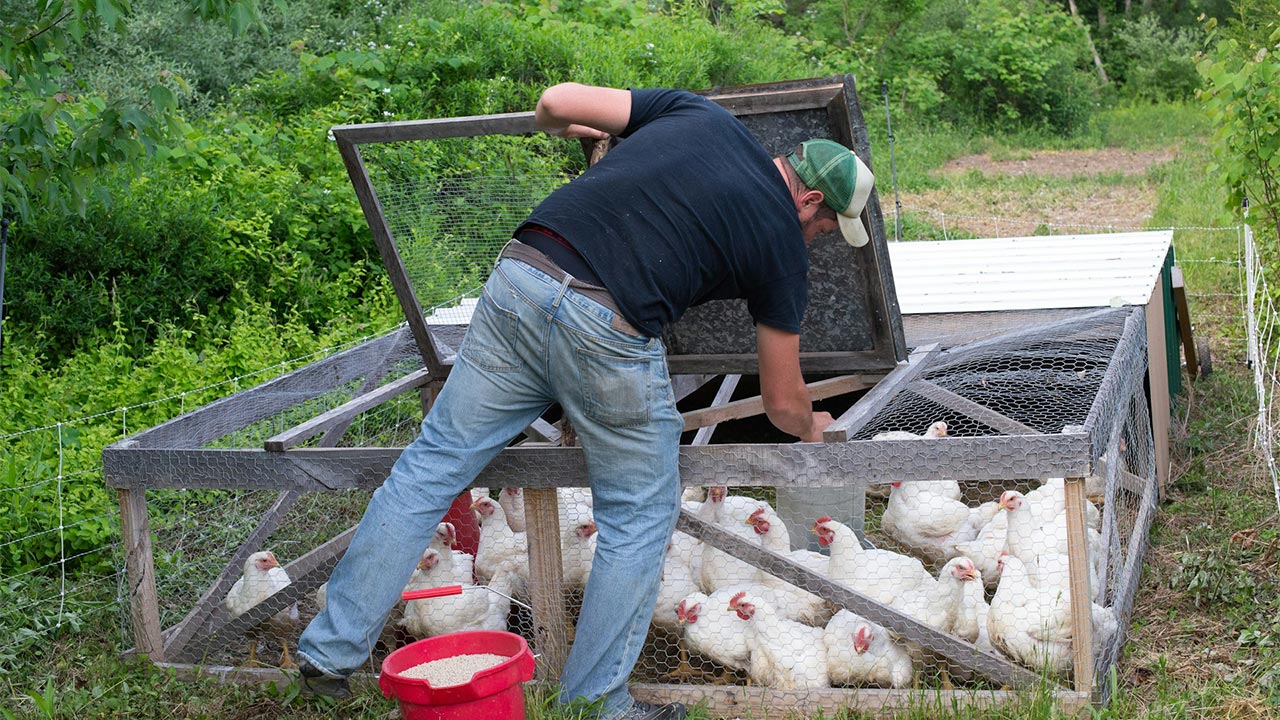
Land doesn’t wait for the weekend. It’s there every day, needing something whether you feel like dealing with it or not. Treat it like a hobby, and it’ll start piling up problems faster than you can handle them.
The people who’ve lived it don’t wait until they’re in the mood. They get up, handle what needs handling, and move on. That’s the difference between owning land and just liking the idea of it.
You don’t know what your land is actually doing
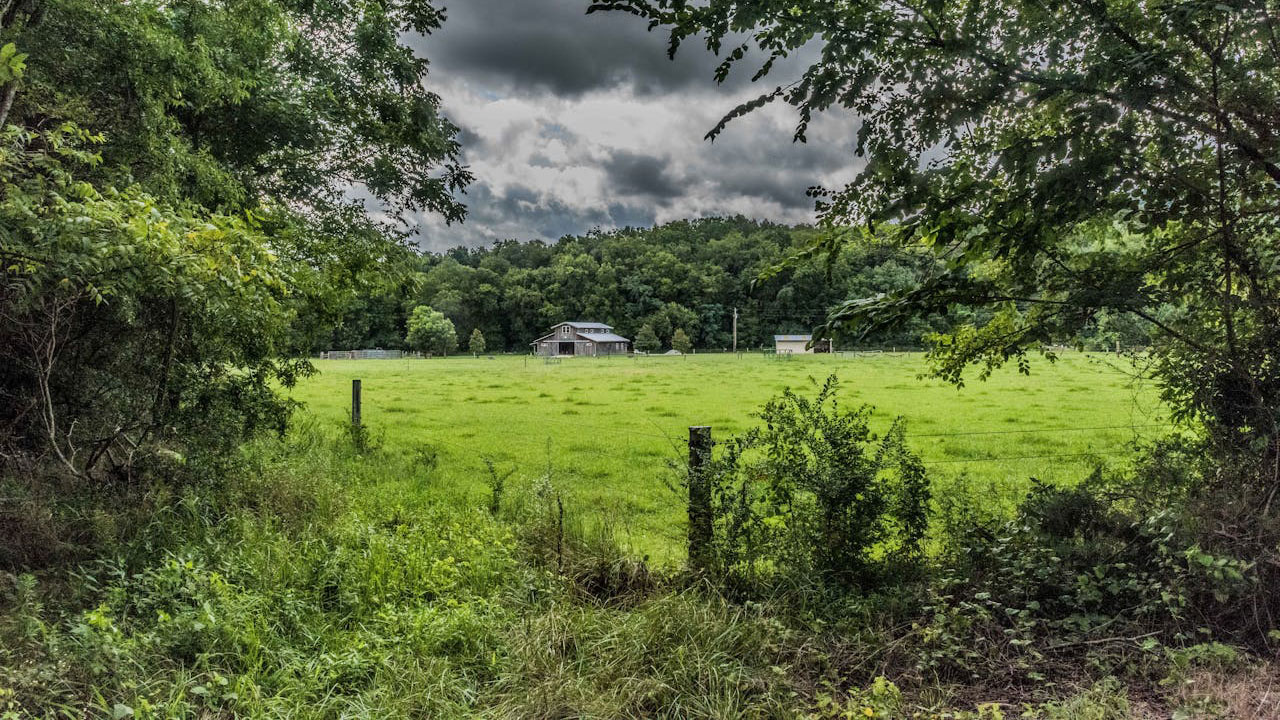
Every piece of land has patterns—how water moves, where things grow, what areas stay soft, what dries out too fast. If you don’t know those patterns, you’re always reacting instead of staying ahead.
That kind of understanding only comes from time spent paying attention. You don’t figure it out in a weekend—you learn it by being out there consistently.
You think buying land is the hard part
Buying it is the easy part. The real work starts after that. That’s when you find out what it actually takes to keep everything running the way it should.
If someone talks like the purchase was the big challenge, they haven’t gotten into the day-to-day yet. That’s where the real work shows up.
You talk more about land than you actually work on it

This one’s simple. The guys who’ve done it don’t usually talk about it much—they’re too busy dealing with it. The ones who haven’t tend to have a lot more to say.
At a certain point, it shows. And once you’ve seen both sides of it, it’s pretty easy to tell the difference.
Like The Avid Outdoorsman’s content? Subscribe to our newsletter so you never miss an article.
Here’s more from us: