Photo credit: LivingFlyLegacy/Pixabay.com
Trout get treated like a simple category a lot of the time, but they’re not nearly that tidy. Say “trout” and one guy pictures a little brookie in a mountain stream, another thinks about stocked rainbows in a pond, and somebody else jumps straight to steelhead making a run upriver. That’s part of what makes trout so interesting. They show up in cold creeks, deep lakes, tailwaters, and even the ocean in some forms, and the more you dig into them, the less they feel like one basic fish with a few paint jobs. There’s a lot more going on here than most anglers realize.
Trout are not all one neat, simple thing
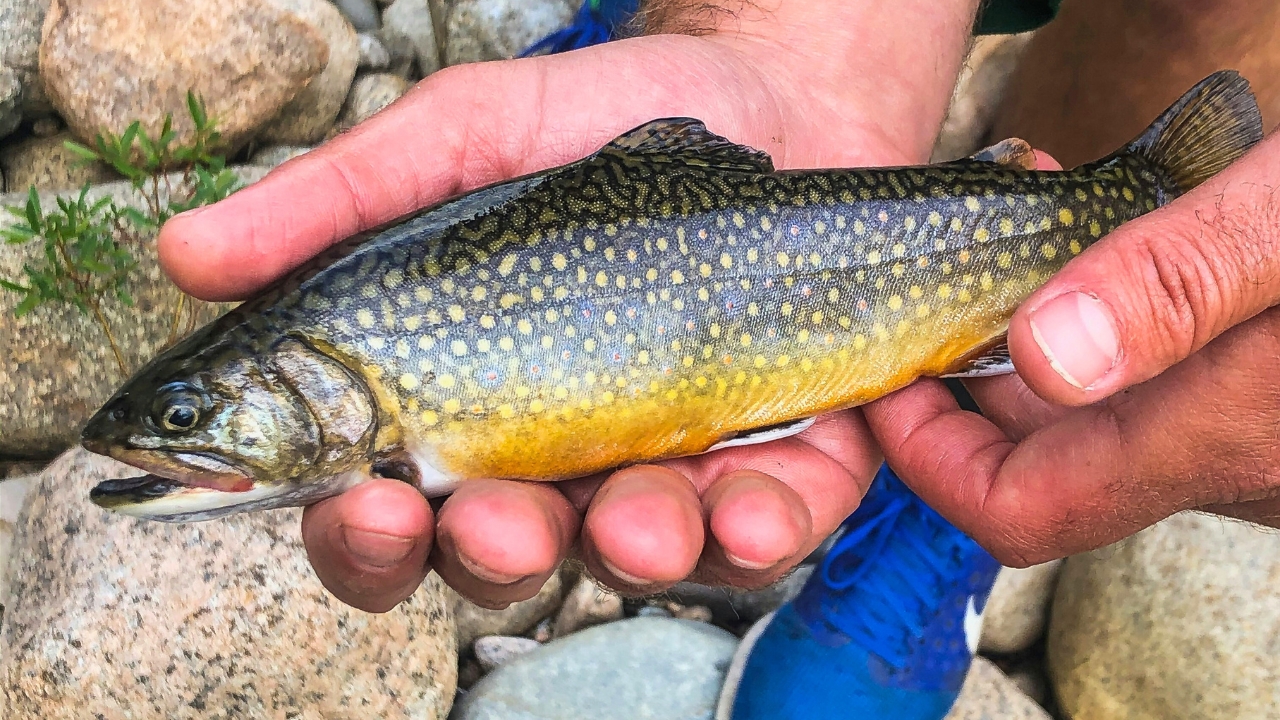
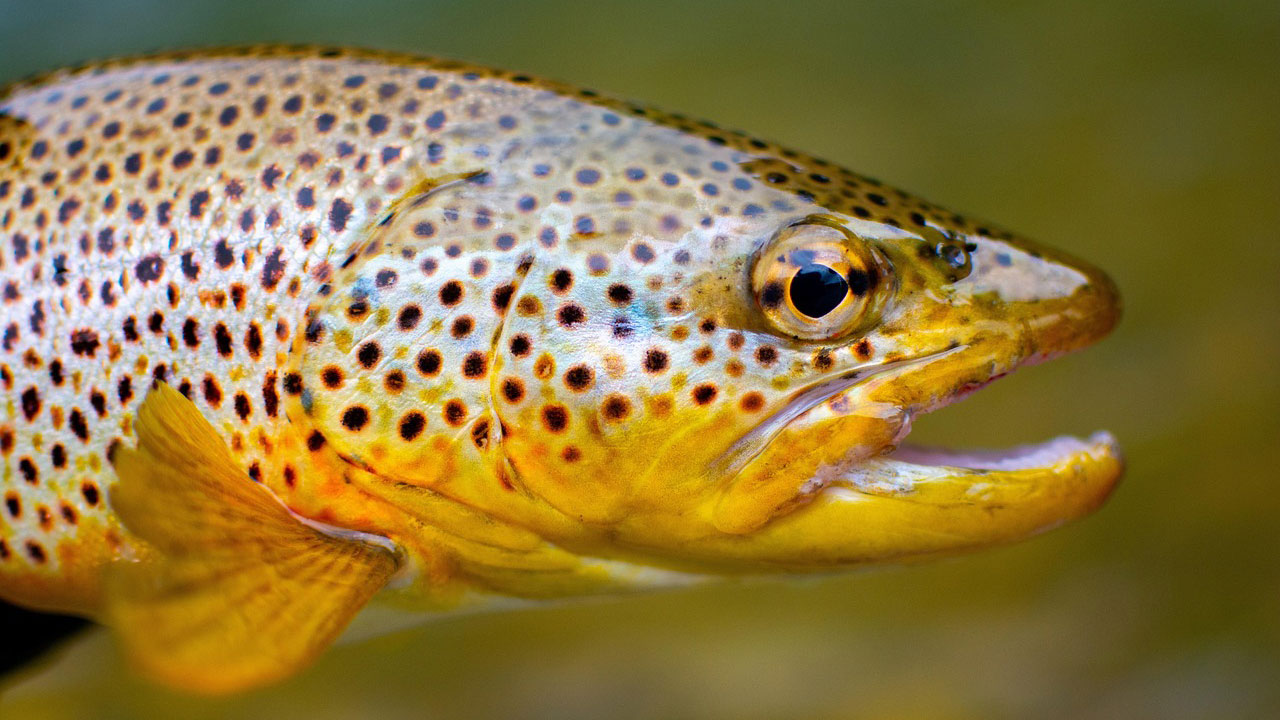
A lot of people talk about trout like they’re one clearly defined fish group, but that breaks down pretty fast once you start looking closer. Britannica notes that “trout” refers to several prized game and food fishes in the salmon family, Salmonidae, and not all of them sit in the same genus. That’s why the trout lineup feels a little messy in the best possible way. Rainbow trout, brown trout, cutthroat trout, brook trout, lake trout, and bull trout do not all fit under one clean little box the way a lot of anglers assume. “Trout” is more of a practical name than a perfectly tidy biological one, which is a big part of why the category surprises people once they start paying attention.
Some trout spend part of their lives in the ocean

A lot of folks think of trout as strictly freshwater fish, but that is not always true. NOAA and the U.S. Fish and Wildlife Service both note that steelhead are migratory rainbow trout. They hatch in freshwater, move to the ocean for part of their adult lives, then come back upriver to spawn. That means one of the most famous “trout” out there is living a life cycle that sounds a lot more like salmon than what most people picture when they hear the word trout. It also helps explain why steelhead often grow larger and hit so much harder than their freshwater-only counterparts. Same species, different life history, and that throws a lot of people the first time they learn it.
Steelhead and rainbow trout are the same species
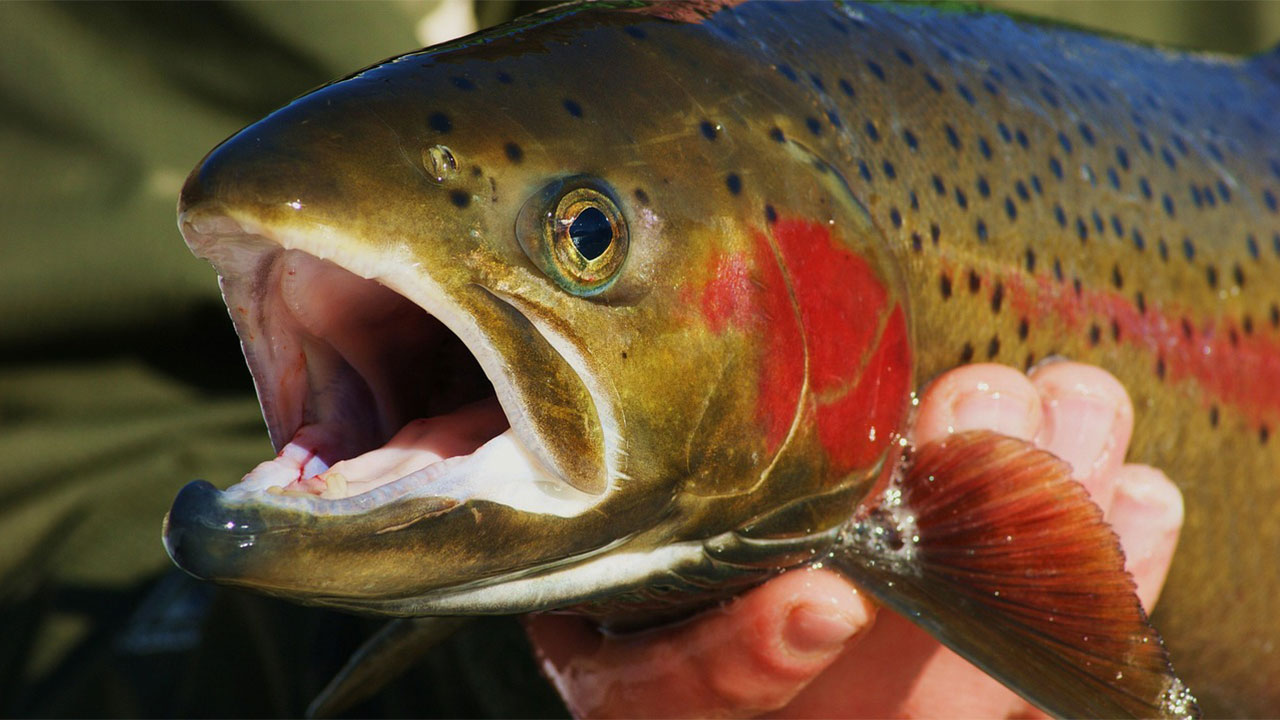
This one catches a lot of anglers off guard, especially if they grew up treating them like completely separate fish. According to NOAA and FWS, steelhead are just the anadromous form of rainbow trout, both belonging to Oncorhynchus mykiss. In plain English, that means environment helps shape the path they take. Some stay in freshwater all their lives and live as rainbow trout. Others head to sea and return as steelhead. Even more interesting, the offspring are not locked into one route forever. FWS notes that two steelhead can produce offspring that remain in freshwater, and resident rainbow trout can also produce fish that go migratory. That makes trout a whole lot more flexible than most people assume.
Brook trout are not technically true trout
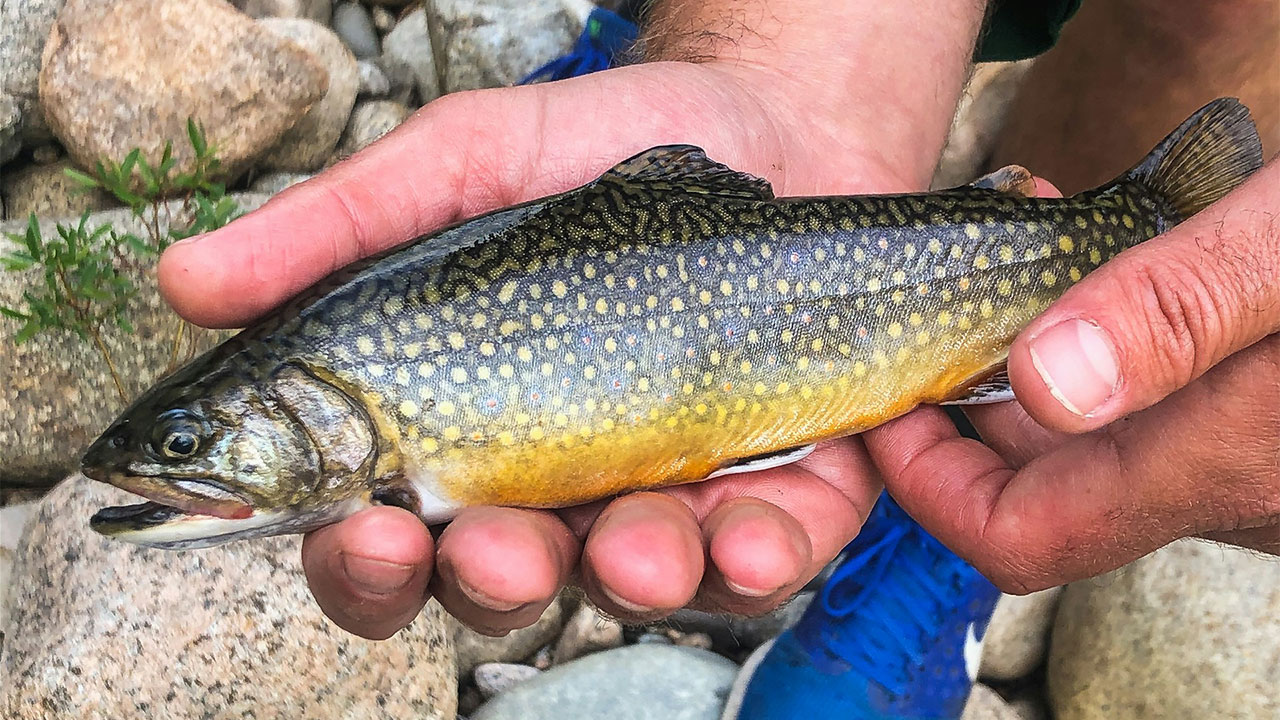
Brook trout are one of the prettiest fish swimming, but biologically they are actually char, not “true trout” in the way a lot of people assume. Britannica identifies brook trout as a variety of char, and lake trout fall into that same char category too. That sounds like a nerdy detail until you realize how many anglers talk about brook trout as the classic trout of the woods and never once hear that they’re in a different branch of the family than browns and rainbows. It does explain some of the differences in look and feel, though. Brookies have that wild color, those light wormlike markings on the back, and a different kind of appeal that stands apart once you know what you’re looking at.
Trout are built for cold water, not comfort

Trout can survive a range of conditions, but they are at their best in cold water, and that’s not just angler talk. National Park Service says trout are most successful in water temperatures ranging from 0 to 20 degrees Celsius. They can survive in warmer water for a while, but they do not truly thrive there. That cold-water dependence is one reason trout are such a strong symbol of clean, healthy streams. When water warms up too much, oxygen levels become more of a problem and the fish have to work harder just to get by. That’s also why summer heat, low flows, and damaged stream habitat hit trout hard. They are not built for hot, sluggish, low-oxygen water the way some rougher fish are.
Trout tell you a lot about stream health
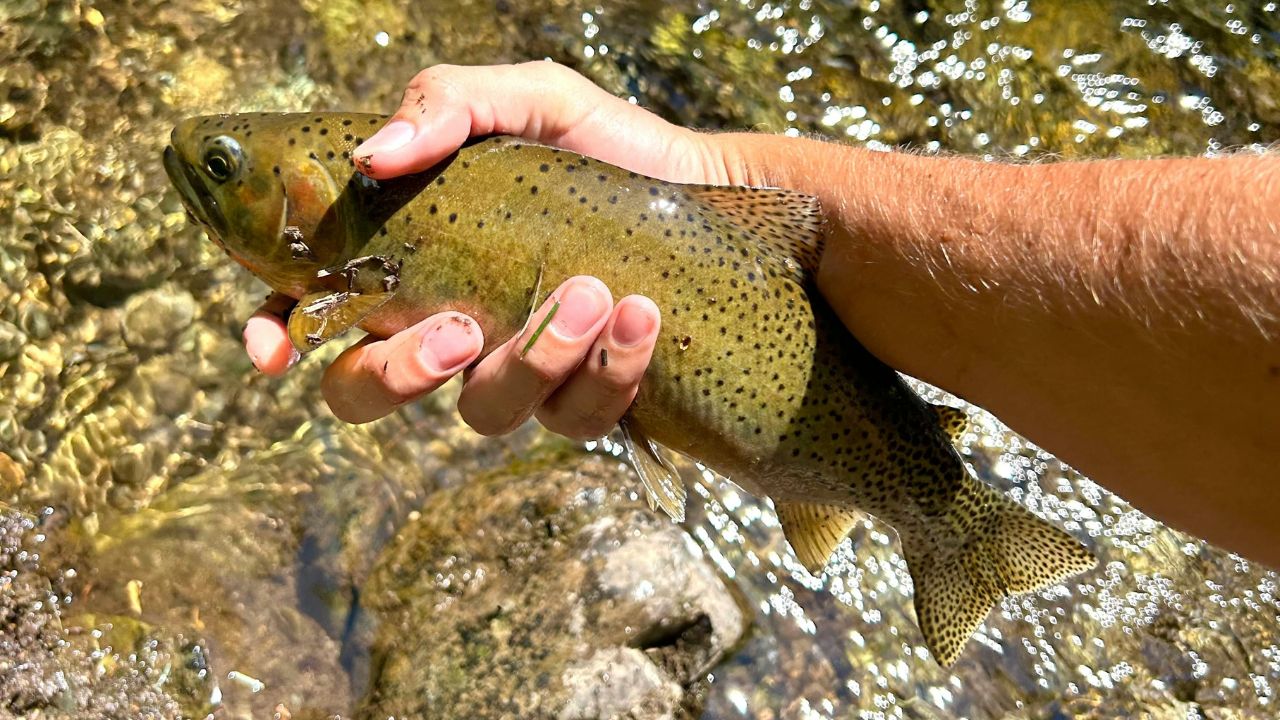
Because trout depend so heavily on clean, cold, well-oxygenated water, they can act like warning signs when things start slipping in a river or stream. National Park Service describes brook trout as indicators for environmental changes, especially in cold-water streams. That makes sense when you think about how narrow their comfort zone really is. A stream that still holds solid trout numbers is often doing a lot of things right, at least compared to one that has warmed up, silted in, or lost cover and flow. People like to talk about trout mainly as sport fish, and they absolutely are that, but they also tell you something bigger about the condition of the place they live. That’s part of why they matter beyond just catching them.
Some trout live surprisingly short lives

Because trout are so admired, people sometimes assume they all grow old and wise in every stream they occupy. That is not how it works. Great Smoky Mountains National Park says brook and rainbow trout there often live only about 3 to 4 years, max out around 9 to 12 inches, and face adult mortality rates between 55% and 70% in those low-productivity streams. That kind of life is a lot more fragile and fast-moving than many anglers picture. A fish can be wild, beautiful, and highly respected without living some long dramatic life in a backcountry pool for a decade. In many small streams, trout are living quick, hard lives shaped by limited food, warm summers, predators, and the constant demand of current.
Other trout can live for decades

Now swing to the other end of the scale. While some stream trout live short lives, lake trout can hang around an awfully long time. FWS says lake trout are the largest of the freshwater char and have been reported to live up to 70 years in some Canadian lakes. That’s a wild contrast when you compare them to short-lived brookies and rainbows in tiny mountain streams. Same general family, totally different pace of life. Deep, cold lake environments allow for a slower story, and that helps give lake trout their own feel among anglers. They’re not just bigger. They seem built for patience, depth, and age in a way that surprises people who mostly know trout from freestone streams and stocked creeks.
Rainbow trout became famous far beyond their native home

A lot of anglers think of rainbow trout as a standard, almost universal fish, but their widespread presence is not because they were naturally everywhere. Britannica says rainbow trout were introduced from western North America to many other countries. FWS also notes they have long been tied to clear North American mountain waters and became one of the top sport fishes on the continent. That tells you two things at once. First, rainbows earned their reputation honestly through fight, adaptability, and broad appeal. Second, many places that now seem “normal” for rainbow trout only have them because people put them there. That long history of stocking and introduction changed fisheries all over the place and shaped what generations of anglers came to think trout fishing looks like.
Brook trout can get much bigger than stream anglers expect
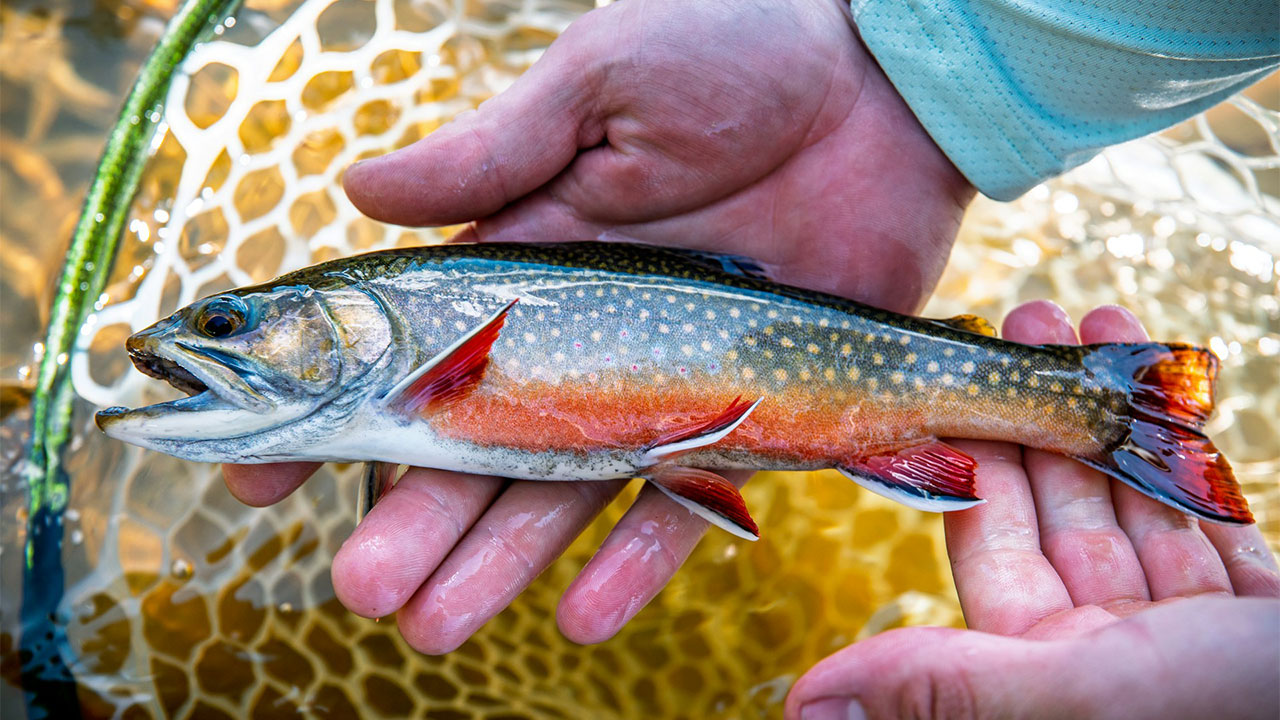
A lot of people think of brook trout as little jewels from tiny streams, and in many places that’s exactly what they are. But FWS says brook trout can grow to over 2 feet and up to 15 pounds in the Great Lakes, while stream fish are typically much smaller at 6 to 15 inches. That size gap surprises people because most of us meet brook trout in skinny water, not in big lake systems that let them really pack on weight. It’s a good reminder that habitat changes everything. The same species that feels like a small, delicate backwoods fish in one place can turn into a serious fish somewhere else. Trout size is often less about the species label and more about what kind of water is raising them.
Cutthroat trout have lost a huge amount of their old range

Cutthroat trout are iconic in the West, but in some places their footprint is a shadow of what it used to be. National Park Service says westslope cutthroat trout now occupy less than 5% of their former range in the upper Missouri River drainage. That is a brutal number, and it says a lot about how vulnerable native trout can be when habitat changes, nonnative fish get introduced, and waterways get carved up over time. People often think of trout as timeless fixtures in mountain country, but native trout can lose ground fast and quietly. Once that happens, it is not easy to undo. The fish may still be around, but the map they once owned can get a lot smaller than most people realize.
Not all “trout” sold in markets tell the same story
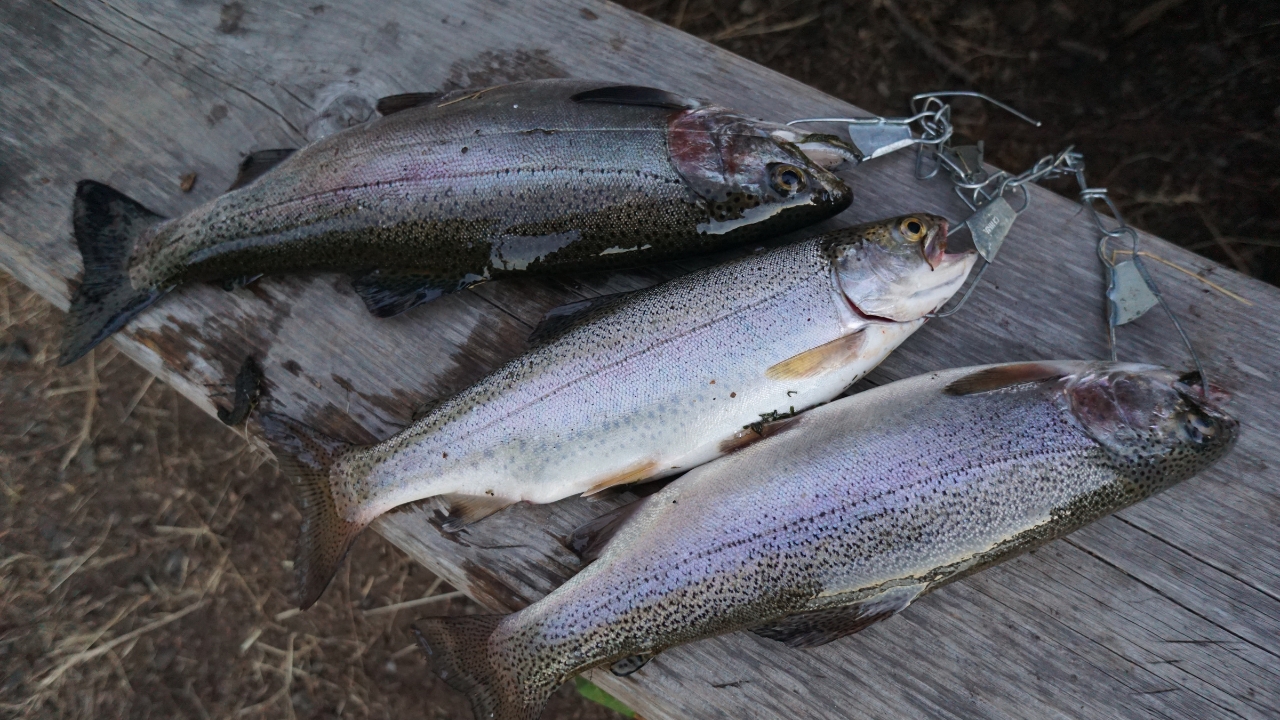
This is one of those things most people never think about unless they start digging into fisheries or seafood labeling. NOAA says all Atlantic salmon in the U.S. public market is cultured and commercially grown, not wild-caught. While salmon are not trout, they’re close family, and that broader Salmonidae connection matters because it shows how different the wild-versus-market story can be across fish people often lump together mentally. A lot of trout stocked for fishing also come from hatcheries, which means the fish on a menu, the fish in a grocery case, and the fish in a mountain creek may all belong to related groups while coming from very different systems. The “trout world” people picture is often much more managed and engineered than they think.
Trout are cold-blooded in a way that really changes everything

It sounds basic to say trout are cold-blooded, but it matters more than people realize. National Park Service explains that trout body temperature matches the environment around them. That means their energy use, feeding, stress, movement, and survival are all tightly tied to water temperature. They are not buffering against bad conditions the way mammals do. If the water heats up, they feel it directly. If flow drops and oxygen goes down, they feel that too. This is why trout fishing changes so much across seasons and why certain streams feel alive one month and nearly empty the next. The trout did not suddenly get stubborn. The water shifted, and for a fish built this closely around its environment, that changes everything in a hurry.
Trout need more oxygen than a lot of tougher fish

National Park Service notes that trout breathe through gills filled with blood vessels that exchange oxygen and carbon dioxide as water passes over them. That may sound like standard fish anatomy, but with trout it ties directly into why they choose the water they do. Fast-moving, clear, cold water usually carries more oxygen, and that is exactly the kind of place trout tend to do best. They are not built like rough fish that can hang in hot, murky, oxygen-poor backwaters without much complaint. This is a big reason riffles, runs, springs, tailwaters, and cold inflows matter so much in trout country. The shape of the water is only part of the story. The oxygen riding through it is a big piece too.
Rainbow trout earned their reputation as fighters for a reason

The “fight” of a trout is not just romantic fishing language people toss around to sound outdoorsy. Britannica specifically notes rainbow trout are known for spectacular leaps and hard fighting when hooked, and FWS says they rank among the top sport fishes in North America. Anybody who has tangled with a good rainbow in current already knows this, but it still surprises people who think of trout as soft, delicate little fish. A quality rainbow can be all attitude. They jump, twist, use current well, and turn a modest fish into a better scrap than some larger species give you. That combination of beauty and fight is a huge part of why rainbows got so widely spread and so deeply loved by anglers.
Like The Avid Outdoorsman’s content? Subscribe to our newsletter so you never miss an article.
Here’s more from us: