

Photo credit: marymarkevich/Freepik.com
You spend enough time around camps, back roads, trails, boats, hunting spots, and work sites, and you start meeting a certain kind of man who somehow keeps making it through the day in spite of himself. He’s not calm, not prepared, not especially aware, and definitely not helping his own odds much. But there he is, still standing, still talking, still acting like the latest stupid decision was just one more normal part of being outdoors. After a while, you quit being impressed and start getting genuinely curious how he’s made it this far without getting humbled a whole lot harder.
It usually isn’t one huge reckless move either. It’s the steady pattern that gets you. Bad judgment stacked on top of poor timing, weak awareness, lazy habits, and a confidence level that has never once been forced to answer for itself properly. That combination can carry a man farther than it should if luck keeps showing up on time. But from the outside, it makes you watch him work and think the same thing over and over: I do not understand how you are still here acting like this hasn’t caught up with you yet.
You treat every sharp tool like it knows not to bite you

You can tell a lot about a man by the way he handles knives, hatchets, broadheads, hooks, and anything else that gets real expensive real fast when you stop respecting it. The guy who waves a knife around while talking, tosses sharp gear into crowded bags, reaches blind into tackle piles, or starts cutting toward his own body like the edge has some personal loyalty to him is hard to watch. He moves like he believes tools are only dangerous for other people, and that kind of confidence usually means he has gotten lucky far more than he has gotten careful.
What makes this even worse is how casual he tends to be about close calls. Slip the blade, bury a hook, nick a finger, drop a hatchet near a boot, and somehow none of it seems to leave a mark on how he behaves next time. He treats sharp tools like household clutter instead of things that demand attention every single time. At a certain point, it stops looking rugged and starts looking like a man who has built his whole survival record on timing, luck, and the patience of everybody around him.
You walk around camp in the dark like the ground signed a peace treaty

There are men who step carefully once the light is gone and men who move through camp at night like they have some private agreement with roots, tent lines, loose gear, fire rings, coolers, and holes in the ground. The second kind is always one blind step away from eating dirt, kicking coals, blowing out somebody’s setup, or folding an ankle because they decided a flashlight was optional and caution was for nervous people. They seem to believe that because they have walked through camp before, the camp has now become a paved hallway.
That kind of movement tells me a man still has not learned one of the easiest outdoor truths there is: darkness changes everything. Familiar ground is less familiar. Small mistakes get bigger. Minor clutter becomes real hazard. The man who keeps drifting around in low light with no real care for footing or layout is usually counting on good luck to keep doing the work that awareness ought to be doing instead. Watching somebody move like that makes you wonder how many close calls he has already forgotten because none of them were quite bad enough to finally teach him.
You handle fire like it exists mainly for decoration

A little campfire has a way of making some men lose all respect for cause and effect. They stand too close in loose gear, leave sparks to chance, throw on wood without thinking about where embers are flying, move around the ring carelessly, and act like the whole thing is just a cozy background piece instead of open heat that can turn stupid in a hurry. Then if something pops, tips, flares, or rolls where it shouldn’t, they react surprised, like fire broke character and started acting unreasonable for no reason at all.
That kind of carelessness is hard to watch because fire only stays forgiving until it doesn’t. Men with any sense understand that good fire habits are not uptight habits. They are the reason camp stays comfortable instead of chaotic. The guy who leaves chairs too close, piles flammables in dumb spots, reaches over flames without thinking, or treats hot cookware like an afterthought is often one small mistake away from learning the hard way. If he has somehow made it years behaving like that, then luck deserves more credit than he does.
You trust every sketchy crossing like momentum is a safety feature
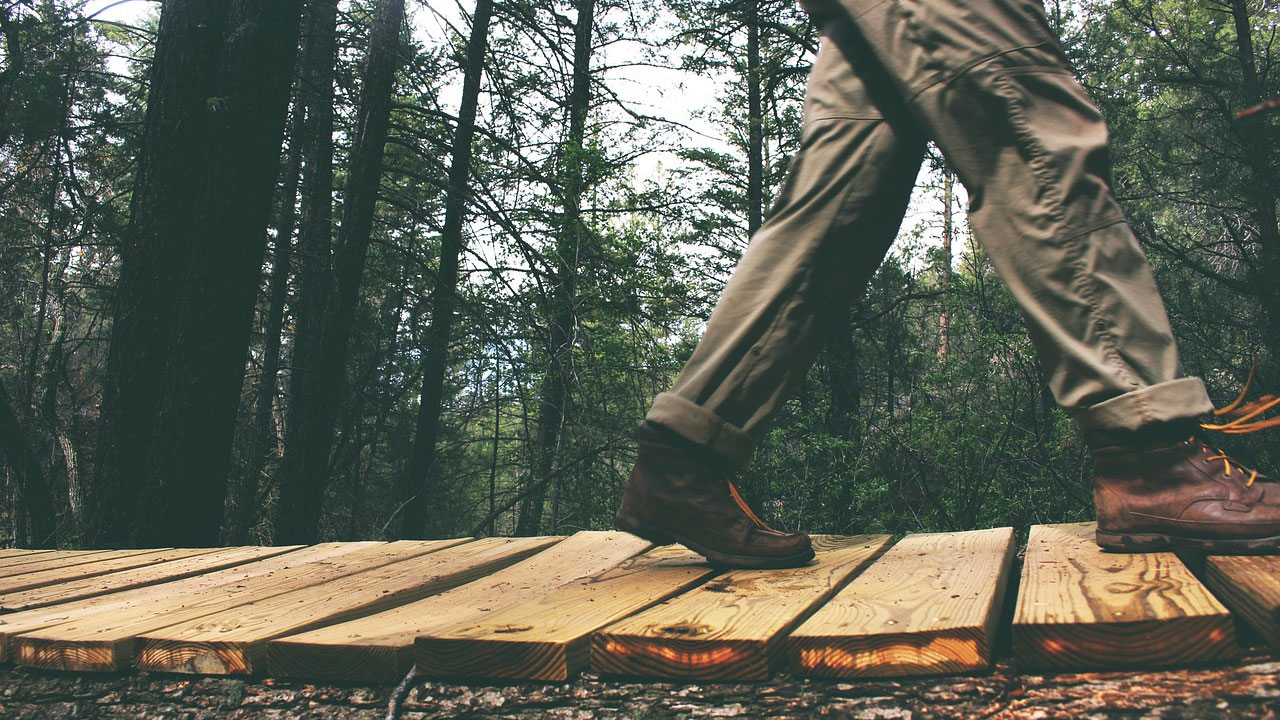
Mud hole, creek crossing, rotten footbridge, slick bank, steep cut, washed-out path, overloaded trailer spot, questionable slope—it does not really matter what the obstacle is. There is always a guy who sees something unstable and decides confidence is the missing ingredient. He does not slow down enough, check enough, or think through what happens if the first bad sign turns into the second one. He just commits because backing off would bruise the version of himself he likes to imagine is always built for rough country.
That mindset is exactly how avoidable trouble gets promoted into story-worthy trouble. Men who have done this stuff long enough know crossings are where small pride problems turn into expensive, wet, bent, broken headaches. Sometimes the smart move is to get out and look longer. Sometimes it is to unload weight, take another route, or skip it entirely. The man who treats every shaky crossing like a personal challenge instead of a decision point is often surviving on timing more than judgment. Watching him commit to bad surfaces on pure nerve can make you genuinely question what all he has already gotten away with.
You point guns around like the muzzle has good manners
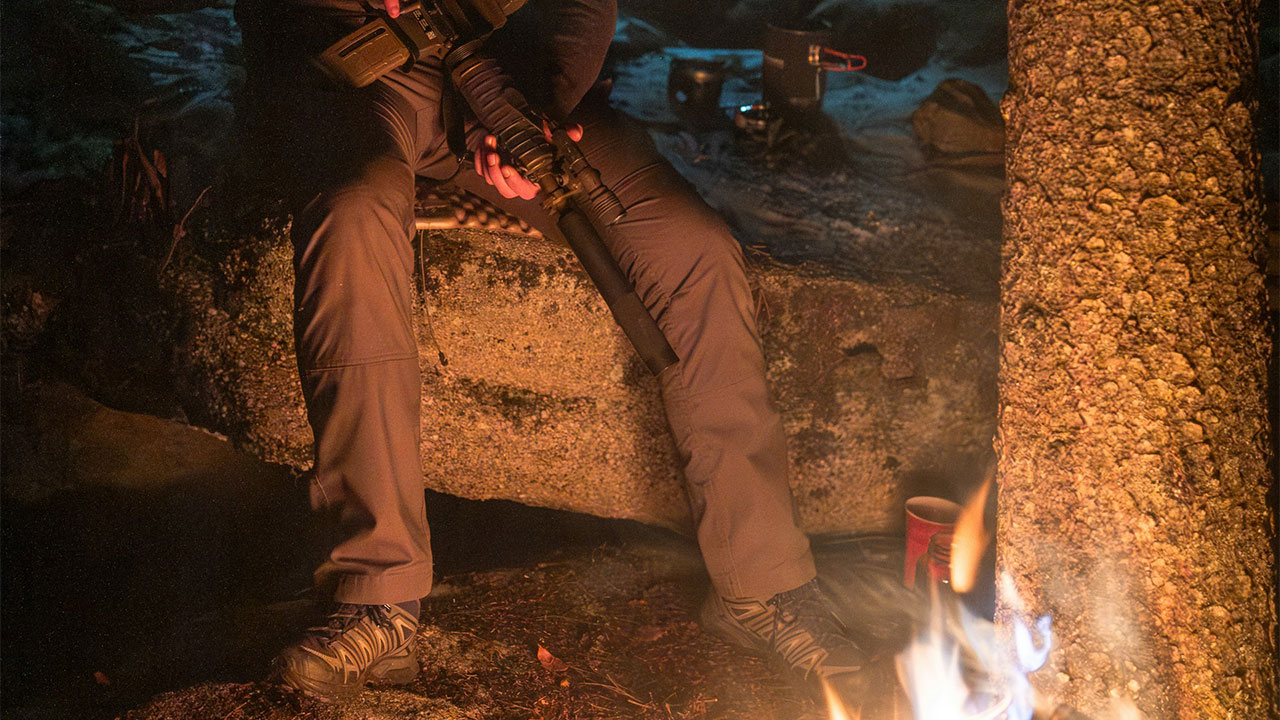
Nothing makes me wonder harder how a man has made it this far than sloppy gun handling paired with total emotional comfort. Muzzle drifting across people, finger hanging where it should not, careless movement around vehicles, casual handling during loading and unloading, and that whole relaxed, chatty attitude that says he thinks the firearm understands context on its own. It is one thing to be new and cautious. It is another thing entirely to be loose with something that demands habits precise enough to keep everyone else safe too.
The problem with this kind of man is he usually thinks familiarity has replaced discipline. He has been around firearms enough that he stopped feeling the seriousness of every repetition, and that is exactly when bad habits start settling in. Men who stay sharp never assume the basics are beneath them. They check, control, point safe, think clear, and do it the same way every time because they know one lazy moment is all it takes. The guy who handles a firearm like it is just another accessory in the flow of the day always leaves me thinking he has survived more on grace than on process.
You climb, reach, and lean on things like gravity is just a rumor

Tailgates, ladders, wet logs, fence lines, ATV racks, boat edges, truck beds, stands, slick rocks, rotten boards—some men treat all of it like stable flooring until the exact second it proves otherwise. They climb with poor footing, lean too far, brace on weak spots, and shift weight in ways that make everyone watching tense up before they even know why. The odd part is how relaxed they stay while doing it. There is no sign of calculation, no testing, no backup thought at all. Just movement based on the assumption that whatever is holding them now will keep holding them because it already has for the last three seconds.
That habit tells me a man has had too many near misses without paying enough for them. Gravity teaches hard lessons, but sometimes it sends warnings first, and not everybody listens. Men who have done enough outdoor work learn to test footing, respect height, and notice what kind of surface they are trusting. The man who treats every raised edge or unstable perch like a casual extension of flat ground has probably spent years letting luck quietly catch him where judgment should have been doing the job. That is not skill. That is a good streak waiting on bad timing.
You never seem to know where the emergency stuff actually is
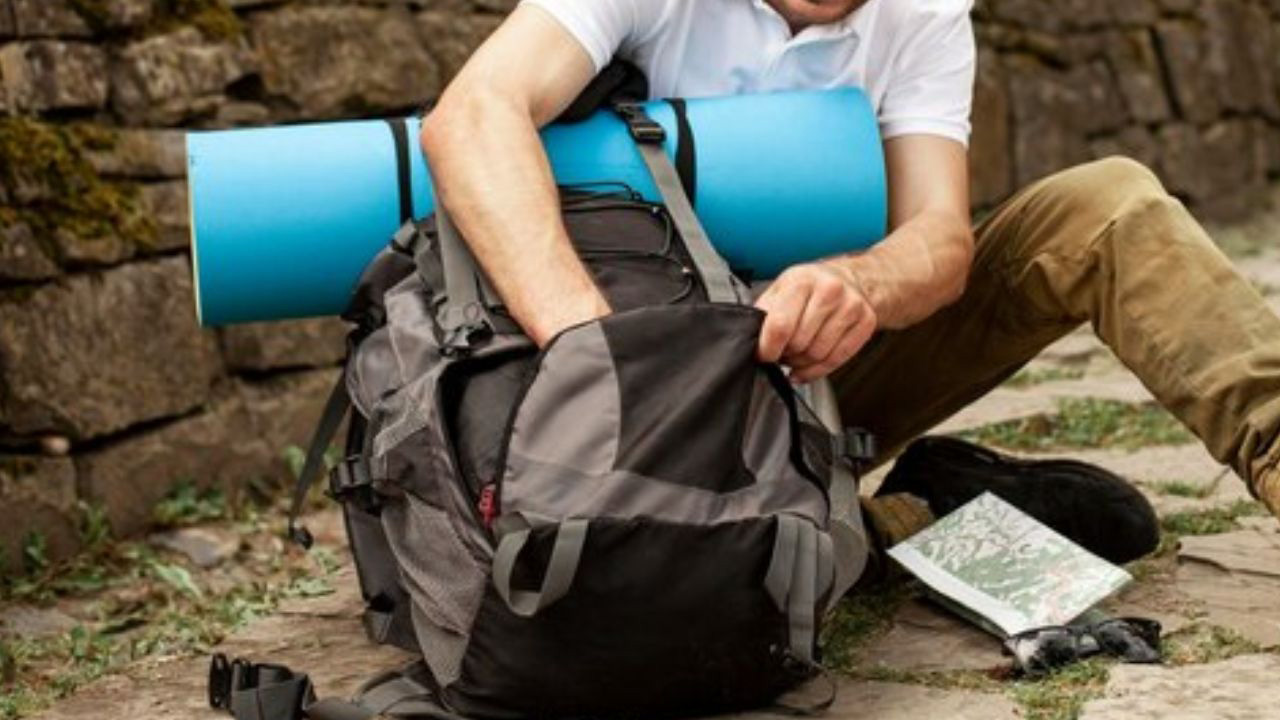
It is always interesting to watch the man who claims he is ready for anything until somebody needs a first-aid kit, a fire extinguisher, a tow strap, a headlamp, dry clothes, extra water, or any of the actual items that separate inconvenience from a bigger problem. Suddenly he is digging through three bags, checking the truck, asking other people, and trying to remember where he “thought” he put it. That tells me all I need to know. He likes the identity of preparedness way more than the practice of it.
That kind of gap is dangerous because it only shows up when timing matters. Plenty of men look squared away when nothing is urgent. The real difference comes when a problem lands and people need an answer now. If a man cannot produce the basics without turning the whole scene into a search party, then whatever confidence he carries is not attached to a real system. Watching somebody move through outdoor spaces with no idea where his backup plans actually live makes you wonder how many situations stayed small purely because someone else nearby had their act together.
You act shocked every time weather behaves like weather
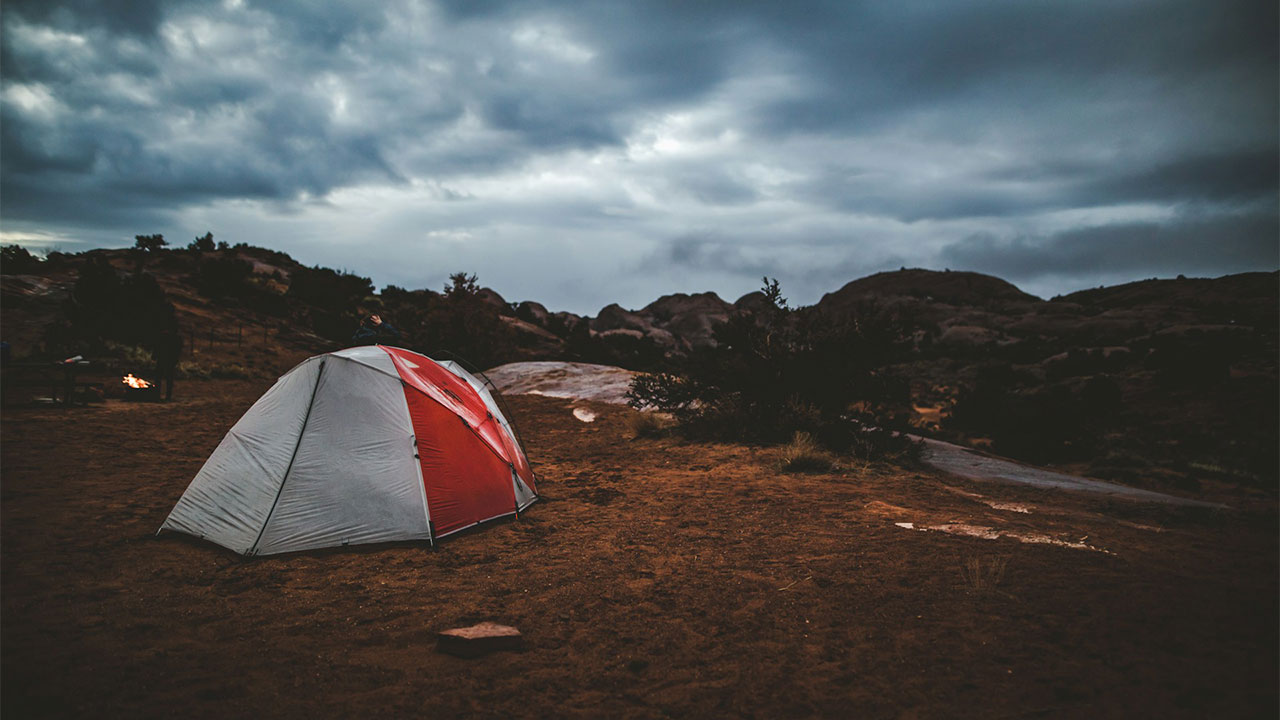
You would think after enough mornings outside, a man would stop being personally offended by rain, wind, heat, mud, cold, shifting light, and every other thing the outdoors have done since the beginning of time. But some men still move through every change like it is a betrayal. They did not pack for it, did not stage for it, did not adjust for it, and now the whole mood is collapsing because reality refused to hold still around their preference. That level of shock gets harder to excuse the more often you see it.
It makes me wonder how the man has survived because weather punishes the same kind of denial over and over. It does not care if you are tired of being cold or annoyed that the ground got slick. If you keep acting surprised by normal conditions, you will keep putting yourself in weak positions when they show up. Men with field sense are not immune to weather. They just stopped expecting it to behave politely a long time ago. The guy who still plans like the day owes him consistency seems to be living on borrowed mercy.
You move vehicles and equipment like there is no second chance built into mistakes

Some men drive trucks, trailers, boats, UTVs, and other equipment with the kind of casual looseness that makes you feel like they have never really pictured the downside of a bad decision. Too fast in tight areas, too casual near people, poor visibility ignored, loads not checked, blind backing without enough care, and the kind of overconfidence that makes every correction later than it should be. They handle heavy things like they are still operating in a no-consequence practice environment, even when the margin for error is already thin.
What gets me is not just the risk. It is the comfort inside the risk. The man is not tense, not cautious, not checking enough. He is just rolling through the motions like the machine will somehow help him out if he gets lazy. That mindset is why I keep coming back to the same question. How exactly have you stayed in one piece this long? Because once a man gets too familiar with equipment, he can start trusting habit in places where active attention still matters, and that is where luck starts quietly doing work he never notices.
You touch everything hot, live, sharp, or unstable like you’re in a hurry to prove something
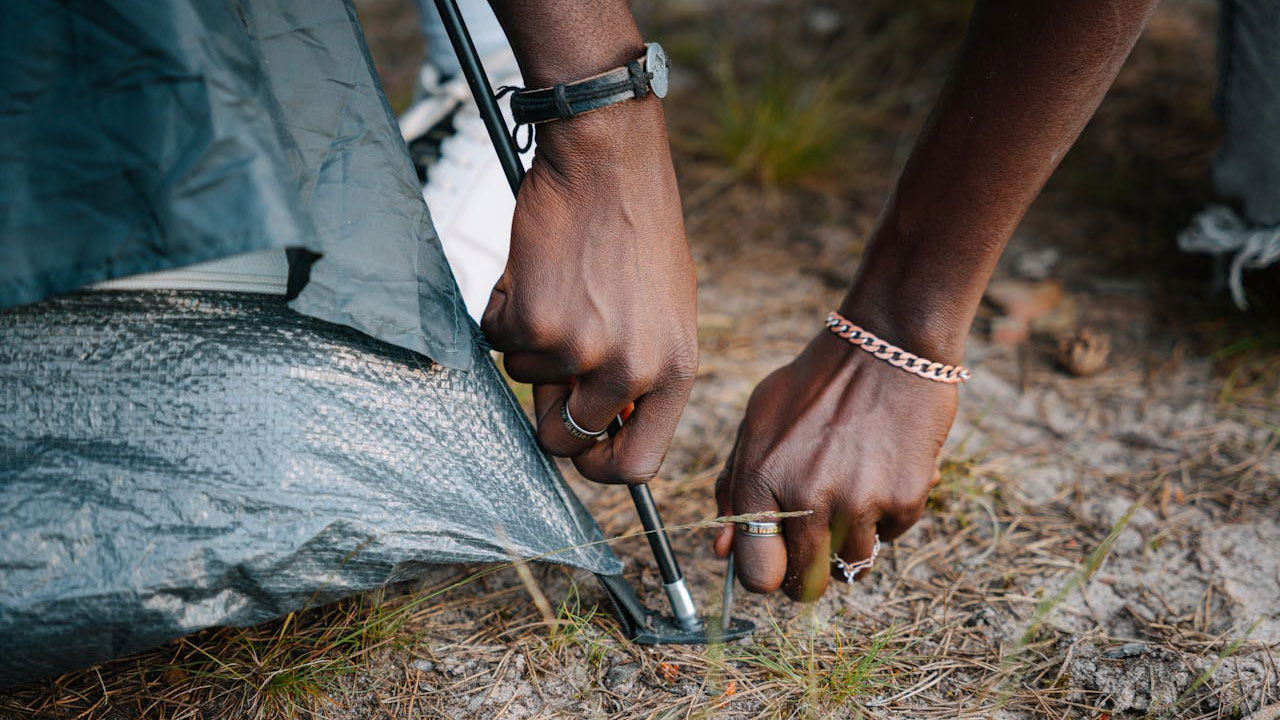
There is always a man who cannot just leave dangerous things alone long enough to handle them properly. He grabs hot metal too soon, steps near moving parts carelessly, messes with lines under tension, checks things with bare hands he ought to test another way, and generally behaves like the shortest route between him and the task is always the right one. It is not that he never gets nicked, burned, pinched, or surprised. It is that none of those little lessons seem to accumulate into wiser habits.
That is what really makes a person hard to understand. Most men get bit a few times by carelessness and begin slowing down in the right places. The guy who keeps speed-running contact with anything that can hurt him seems to believe consequences are random instead of related. Watching him work around hot stoves, spinning gear, taut straps, sharp edges, or awkward loads makes you feel like you are observing someone who has somehow mistaken urgency for competence for half his life and just happened not to cash the full bill yet.
You rely on “it’ll probably be fine” like it’s a real decision-making process
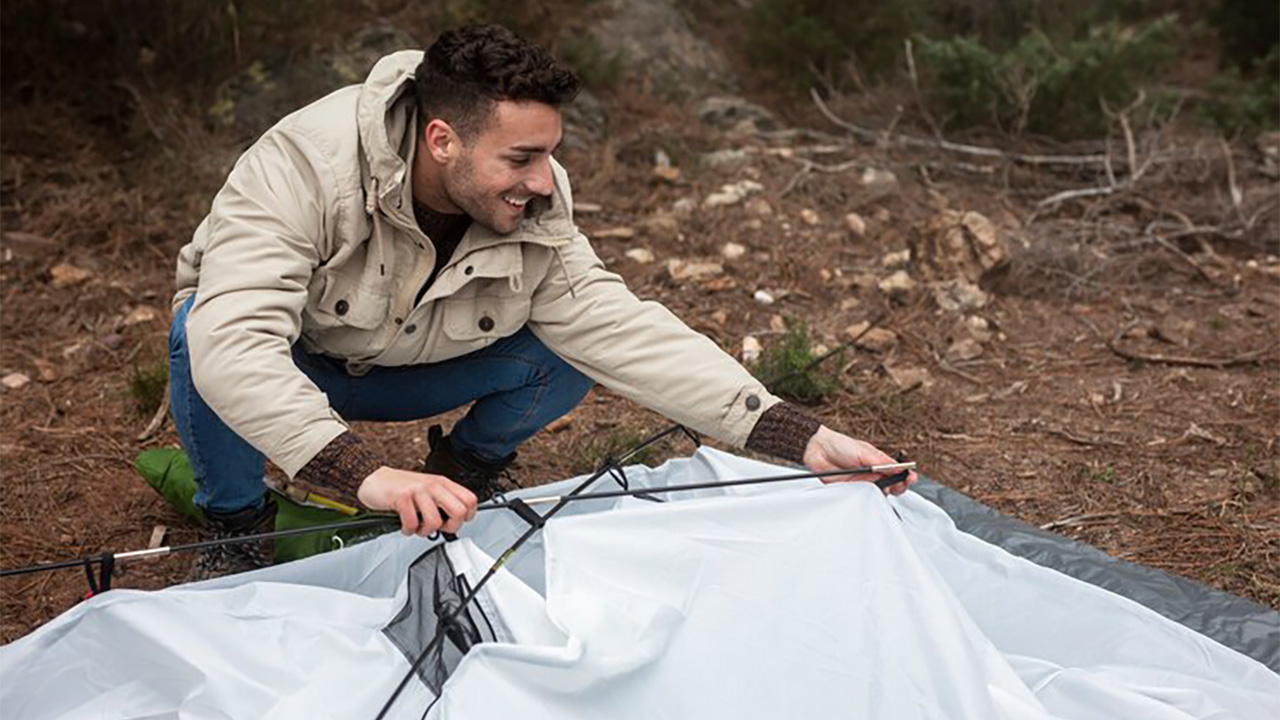
There is a kind of man whose entire outdoor strategy seems built on giving uncertainty the benefit of the doubt every single time. That gate will probably hold. That rope is probably strong enough. That weather will probably miss us. That fuel will probably last. That route probably goes through. That noise probably is nothing. That wound probably is not a big deal. It is always some version of probably, and somehow he keeps moving forward like loose optimism is the same thing as judgment.
That habit is one of the most dangerous because it feels harmless in the moment. It does not look dramatic. It just looks casual. But enough casual guesses stacked together create a very fragile day. Men who stay safe and useful outdoors do not eliminate uncertainty. They just stop handing it wins by default. They check what can be checked and build margin where they can. The man who keeps surviving on “probably” feels less like a seasoned outdoorsman and more like a guy who has been accidentally right just often enough to keep trusting a system that should have failed him harder by now.
You don’t seem to notice when everyone else is adjusting around you

One of the strangest types is the man who keeps making avoidable decisions while everyone around him quietly compensates. Somebody else picks up the hot pan safely. Somebody else clears the muzzle issue. Somebody else spots the trip hazard, catches the missed strap, remembers the first-aid kit, checks the trailer plug, notices the weather turn, or corrects the route before things get worse. He keeps moving through the day thinking everything is going fine, never really noticing how much of his record is being protected by more alert people nearby.
That makes me wonder the most, honestly. Because if a man keeps surviving not by his own awareness but by the awareness of the group, he can go a long time without realizing how exposed he actually is. The world feels forgiving when somebody else keeps quietly shaving the danger off your mistakes before they become your problem. But that is not competence. That is borrowed safety. And once you start seeing that pattern, you cannot help but wonder what would happen if one day he was finally the only one there to rely on.
Like The Avid Outdoorsman’s content? Subscribe to our newsletter so you never miss an article.
Here’s more from us:


