

Photo credit: Tim Malek/Shutterstock.com
When it comes to bison, you need a cartridge that punches way above average. These animals can weigh more than a ton, and their thick hide, heavy bone, and muscle make them harder to drop than most North American game. This isn’t the time to experiment with borderline calibers or try to prove a point. If you go in underpowered, you risk wounding the animal and creating a long, miserable tracking job. Some cartridges might be fine on deer or elk—but they fall short when a bison’s on the line.
.243 Winchester

The .243 has its place, but that place isn’t in front of a thousand-pound bison. It’s known for flat shooting and low recoil, which is why a lot of folks start out using it. But its energy at impact is too low, even with a well-placed shot. You might get lucky at close range, but that’s not a chance worth taking. It’s better left to varmints and medium game where precision matters more than raw stopping power.
6.5 Creedmoor
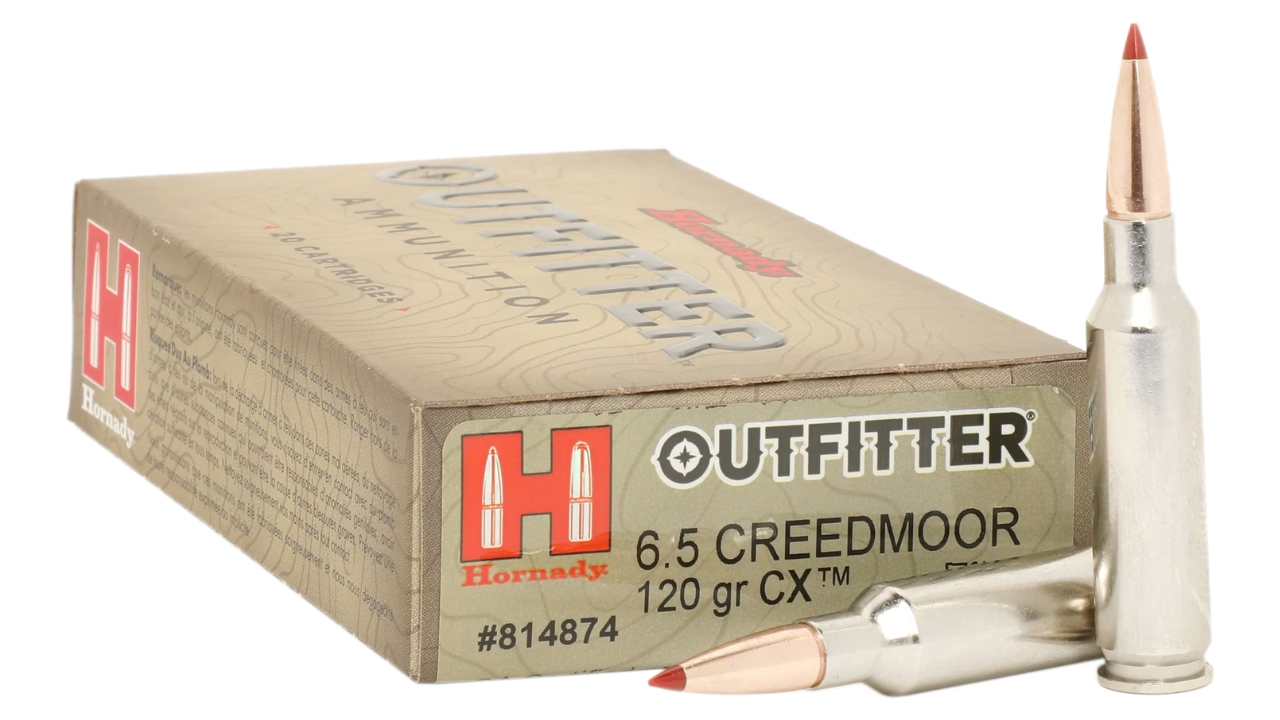
The 6.5 Creedmoor has built up a fan base over the years, but it’s not cut out for big game like bison. You’ll hear arguments about sectional density and penetration, but it’s still not delivering enough energy to be reliable. Even with a premium bullet, the margin for error is too small. You’re better off stepping up to something with more punch if you want a clean kill and a short recovery.
.30-30 Winchester

The .30-30 is a classic, no doubt, but it doesn’t belong anywhere near a bison hunt. It’s a solid brush gun and does well for close-range deer or hogs, but it lacks the velocity and energy needed to reach vitals on a thick-bodied animal. The trajectory drops off fast, and even with good shot placement, the risk of a poor outcome is high. It’s underpowered for the job.
.270 Winchester

Plenty of folks have taken elk with a .270, so it gets thrown into the bison conversation. But elk aren’t bison. A 130- to 150-grain bullet doesn’t offer enough penetration when you’re dealing with heavy bone and thick tissue. You might hit the lungs, but if you hit a shoulder first, it’s not going to end well. The .270 walks the line between “maybe” and “not enough”—and that’s a bad line to walk with a bison.
7mm-08 Remington

This round performs well on medium game and is easy to shoot, which makes it popular. But when you’re talking about something the size of a small car, the 7mm-08 comes up short. It’s accurate and efficient, but energy on target matters more here than anything else. A big bull isn’t going to care about your MOA groups if the bullet can’t break through to the vitals.
.25-06 Remington

This cartridge hits hard for its size, but its size is the problem. It’s built for deer and antelope, not animals with hides as thick as a bison’s. Even with high-velocity rounds, the bullet weight is too light to penetrate deeply. You might punch through ribs on a whitetail, but that won’t cut it here. The .25-06 just doesn’t carry the authority you need.
.223 Remington / 5.56 NATO

This one really shouldn’t need to be said, but it’s worth mentioning. The .223 was designed for varmints and military applications—not giant plains animals. It’s underpowered and lacks the bullet weight, energy, and penetration to do the job cleanly. Even with a perfectly placed shot, you’re more likely to wound the animal than kill it. Leave it at home.
.30 Carbine

The .30 Carbine has a lot of history behind it, but that doesn’t make it a big-game cartridge. It was designed for light rifles and short-range use during WWII. It doesn’t generate the kind of muzzle energy you need for a clean bison harvest. It’s low recoil and fun to shoot, but you’re not doing yourself—or the animal—any favors by using it.
6mm Creedmoor

This is another cartridge that shines in competition and for small- to medium-game hunting. But when you move into bison territory, it’s out of its league. Even with high BC bullets and great accuracy, it doesn’t have the penetration to punch through heavy muscle and bone. You’ll need a lot more energy to do the job right.
.30-06 Springfield with Light Bullets

The .30-06 can absolutely take bison—but not every load is up to the task. If you’re using light 150-grain bullets, you’re missing out on the cartridge’s full potential. Go too light, and you’ll lack penetration and risk poor expansion. The caliber’s fine, but the load matters. For bison, you need to be thinking 180 grains or heavier, and a bonded or solid bullet that can drive deep.
*This article was developed with AI-powered tools and has been carefully reviewed by our editors.


