
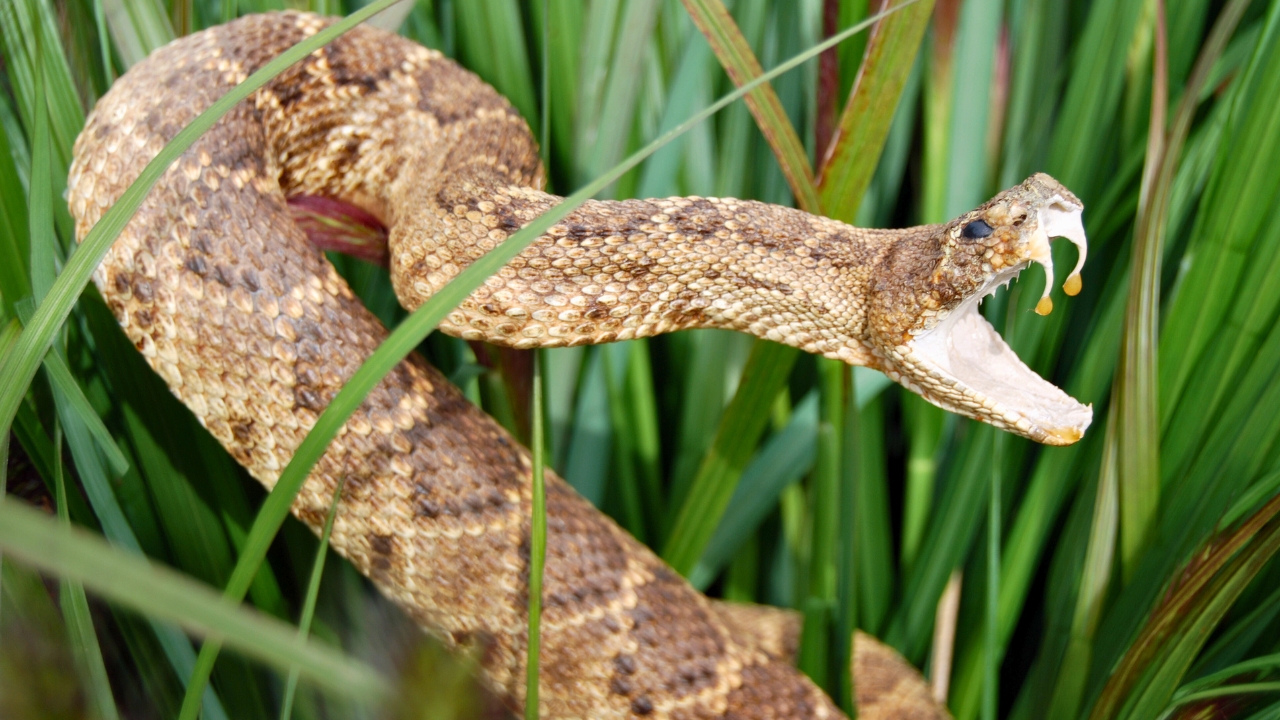
Photo credit: Maria Dryfhout/Shutterstock.com
As someone who spends countless hours in the wilderness, I know the thrill of adventuring into untamed terrain comes with its risks. Venomous snakes, while often minding their own business, can pose a serious threat if you cross their path. In North America, the big names to watch out for are rattlesnakes, copperheads, cottonmouths (also called water moccasins), and coral snakes. You’ll find these in nearly every state except Maine, Hawaii, and Alaska.
Each year, about 7,000 to 8,000 people in the U.S. are bitten by venomous snakes, but only a handful of those bites are fatal, according to the CDC. Knowing how to respond can make all the difference. Trust me, the wilderness doesn’t offer a lot of second chances, so preparation is key.
Stay Calm, Stay Smart
Let me tell you, the first rule of survival is to stay calm. If you get bitten, resisting the urge to panic is crucial—your heart pumping faster only spreads the venom quicker. From my experience hunting and hiking, a calm head has gotten me out of more than one sticky situation.
If you have your phone, take a quick picture of the snake from a safe distance. This will help medical professionals identify the species and administer the right treatment. Don’t try to handle the snake or chase after it. I’ve seen folks get bitten again trying to “capture the culprit,” which is a surefire way to make things worse.
Could It Be a Dry Bite?
Here’s a bit of good news: not every venomous snake bite injects venom. These are called dry bites, and they happen more often than you’d think. If the bite was venomous, you’ll typically notice symptoms within about 15 minutes—tingling, swelling, or intense pain are common signs.
When I was teaching a wilderness survival course, someone asked me about sucking venom out of a bite, like you see in movies. Don’t do it. Not only does it waste valuable time, but it can also make the wound worse. The best course of action is to focus on getting professional medical help as soon as possible.
When Help Is Far Away
If you’re deep in the backcountry, getting to a hospital can take some time. Call 911 if you have service, and let them know your exact location. While waiting for help, stay as still as possible to keep the venom from spreading. Immobilize the affected limb, keep it lower than your heart, and avoid walking unless absolutely necessary.
One thing I always carry is a personal locator beacon (PLB) or satellite communicator. These gadgets can be a lifesaver when cell service is spotty. In survival situations, it’s not just about reacting—it’s about planning ahead.
Every outdoorsman knows that part of the thrill of being in nature is accepting the risks. Venomous snake bites can be scary, but with the right approach, they’re manageable. So gear up, stay sharp, and remember: it’s not about avoiding risks entirely—it’s about knowing how to handle them when they come slithering your way.
Like The Avid Outdoorsman’s content? Subscribe to our newsletter so you never miss an article.
Here’s more from us:
*This article was created with the assistance of AI.


