Photo credit: Oxford shot/Shutterstock.com
A lot of landowners do not catch unauthorized use because they are looking for one big, obvious sign when the truth usually shows up in smaller ones first. Most people using your land without permission are not going to leave a giant note behind telling you what they are doing. They are going to slip in where access is easy, use the same routes that feel quiet and convenient, and count on the fact that most owners are busy enough not to notice every little change. That is why this kind of problem tends to build slowly. It starts with something that seems minor — a track where you did not expect one, a gate sitting a little differently than you left it, a path that looks more worn than it should — and only later turns into the kind of discovery that makes you realize somebody has been treating your place like it was partly theirs for a while. If you want to catch this kind of thing early, you have to pay attention to patterns, not just major events.
The other reason people miss it is because they talk themselves out of what they are seeing. They assume the tracks are old, the noise came from somewhere else, the camera or stand must belong to a neighbor, or the cut in the fence line was already there. Sometimes that is true. But sometimes those small excuses are exactly what give somebody enough time to keep using the property until the problem gets harder to ignore. The land usually tells the story before the trespasser ever does. The trick is knowing what to pay attention to and not brushing off the signs just because you do not yet have the full picture. Once you start noticing repeated changes in how your property looks, feels, or gets used, you are usually better off assuming there is something worth checking than waiting for proof to land in your lap.
You keep finding the same kind of access sign in the same places
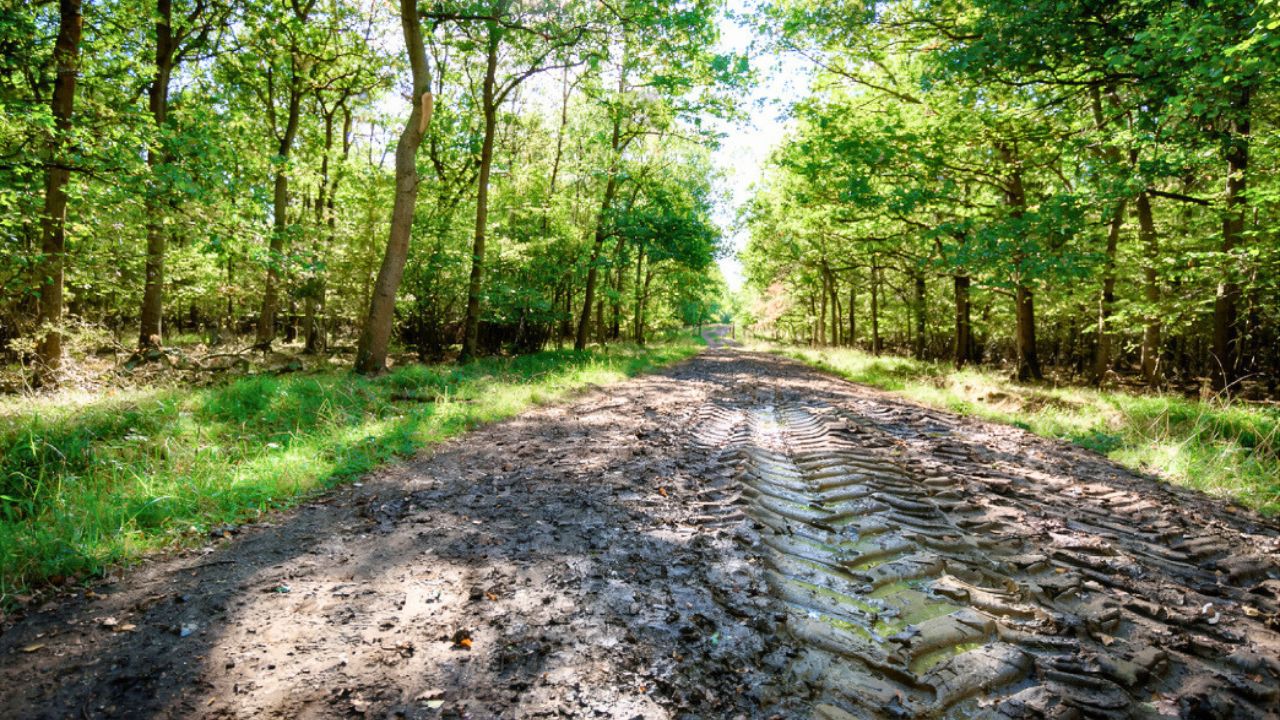
One of the clearest signs somebody is using your land without permission is repetition. Maybe it is boot tracks crossing at the same fence gap. Maybe it is tire marks near the back gate, a two-track through the grass, or a worn trail through timber that seems to be getting more defined instead of fading out. One track by itself can be nothing. The same kind of sign showing up in the same place over and over usually means somebody has found a route that works and feels safe to use. That is how a lot of unauthorized access starts. People do not wander randomly forever. They settle into the easiest entry and exit points, and once that happens, the property starts showing you exactly where the weak spots are.
What matters here is not only that the sign exists, but that it keeps returning in a way that suggests habit. A hunter or trespasser who is slipping in regularly is not thinking about your whole property. He is thinking about the route that gets him where he wants to go with the least friction. That means crossings, corners, creek beds, old roads, and hidden edges matter more than the obvious places near the house or main entrance. A lot of landowners focus too much on what they can see quickly and not enough on what the land is quietly repeating. If the same access clues keep showing up in the same spots, your property is telling you there is a pattern there whether you have seen the person yet or not.
Things on the property are not staying the way you left them
Another strong sign is when you start noticing small changes that do not make sense unless somebody else has been moving through. A gate that was latched differently. A feeder lid sitting crooked. A trail-camera angle changed. A stand, blind, salt site, or crossing area that looks disturbed even though you have not touched it. A lot of unauthorized use reveals itself this way first. The person may not leave obvious gear behind, but he leaves a trail of little disruptions that feel off to the owner because the owner knows what normal looks like. That is one of your biggest advantages. You know how your place usually sits. So when it starts feeling just slightly out of place in multiple spots, that feeling is worth listening to.
The mistake a lot of people make is treating each change as too small to matter. They tell themselves they must have forgotten how they left something, or maybe wind, animals, or routine wear did the job. Again, sometimes that is true. But if enough of those changes keep happening, especially around access routes, hunting spots, crossings, or equipment, it starts adding up to something more than coincidence. Unauthorized users count on that hesitation. They know most owners will second-guess themselves before they accuse anybody of anything. That is why the little changes matter so much. They are often the first proof that your place is being interacted with by somebody who has no business being there and expects not to be noticed.
You start finding gear, setup clues, or signs of planned return use
This is where suspicion usually starts turning into something more solid. If you find a trail camera that is not yours, a stand you did not hang, cut shooting lanes, flagging tape, bait containers, shell hulls, cigarette packs, or even a fresh spot cleared out where somebody has obviously been sitting, you are no longer dealing with a random pass-through. You are dealing with someone who expected to come back. That matters because it changes the problem from possible wandering to intentional use. A person who plans return use has already decided your land is a place he can work into his routine, and that kind of comfort is exactly what you want to break as early as possible.
A lot of landowners wait until they find something this obvious before taking the issue seriously, and by then the person has often already spent a good amount of time figuring out the place. He may know travel corridors, access routes, and safe times better than you realize. That is why these clues matter so much. They tell you the person is not only entering, but building a pattern around your property. Once you see return-use signs, you should stop thinking in terms of “maybe somebody was here” and start thinking in terms of “somebody has already gotten too comfortable.” That shift in mindset is important because it changes how seriously you take the weak spots that allowed it to happen.
Wildlife movement and pressure start feeling off in ways that do not add up
Sometimes the sign is not human gear at all. Sometimes it is the way the property starts hunting differently. Deer stop using a corridor the way they used to. A bedding area feels jumpier than normal. Birds flush from places where nobody in your family has been. Trail-camera patterns change in ways that seem strange until you start thinking about pressure from another person moving through. This one is easier to miss because there are a lot of reasons wildlife movement changes. Weather, mast, crop shifts, predators, and season all affect what animals do. But if the ground itself also starts showing some of the other signs, then changed animal behavior can become one more clue that somebody is slipping in and adding pressure where there should not be any.
Experienced landowners tend to notice this before others do because they know how their place usually hunts under normal pressure. They can feel when movement patterns start looking more like the property is being touched from another angle. This is not the kind of sign you want to use by itself, but it matters when it lines up with physical clues. If your deer seem more nocturnal near a quiet entry point, or a secluded corner starts feeling educated even though you have hardly been in there, it may not be random. The land and the animals often react before you get the clean human evidence, and paying attention to that can help you catch a problem sooner rather than later.
The real giveaway is usually a pattern, not one smoking gun
Most unauthorized use is not exposed by one dramatic discovery. It is exposed by enough small signs lining up that the explanation becomes hard to ignore. Repeated access marks, things being moved, return-use gear, and sudden pressure changes all point in the same direction when they show up together. That is why the best thing a landowner can do is stop waiting for the one perfect piece of proof and start reading the property more honestly. People using your land without permission usually do not get caught because they made one huge mistake. They get caught because they repeated smaller ones until the pattern became visible.
If you start seeing those signs, the smartest response is not to panic or go looking for a showdown. It is to get clear. Figure out where the access is happening, where the pressure is showing up, and what on the property is making that use easy. Once you see the pattern, you can start closing the doors that let it build in the first place. That is usually how this gets solved. Not by one dramatic confrontation, but by paying close enough attention that the land stops being easy for somebody else to borrow without asking.
Like The Avid Outdoorsman’s content? Subscribe to our newsletter so you never miss an article.
Here’s more from us: