

Photo credit: prostooleh/Freepik.com
You can usually tell the difference between a man who’s actually spent time outdoors and a man who wants very badly to be mistaken for one. The real one is usually easier to be around. He doesn’t need to announce much, doesn’t seem overly concerned with how he comes across, and tends to focus more on what needs doing than on what image he’s putting out. The other kind is different. He’s performing a version of experience instead of simply leaning on the real thing. That performance can hold together for a little while, especially around people who don’t know better, but the cracks always start showing once the day gets long or something doesn’t go according to plan.
This isn’t really about beginners, either. Everybody starts somewhere, and there’s nothing wrong with learning, asking questions, or figuring things out as you go. What gets old is when a man tries to skip that whole honest middle part and jump straight to looking seasoned. That’s where you get the forced habits, the borrowed opinions, and the kind of behavior that feels more like theater than competence. These are the ways guys act when they’re trying real hard to look experienced, even though the act usually gives them away faster than they realize.
He Talks Like Every Ordinary Task Is a Skill Demonstration
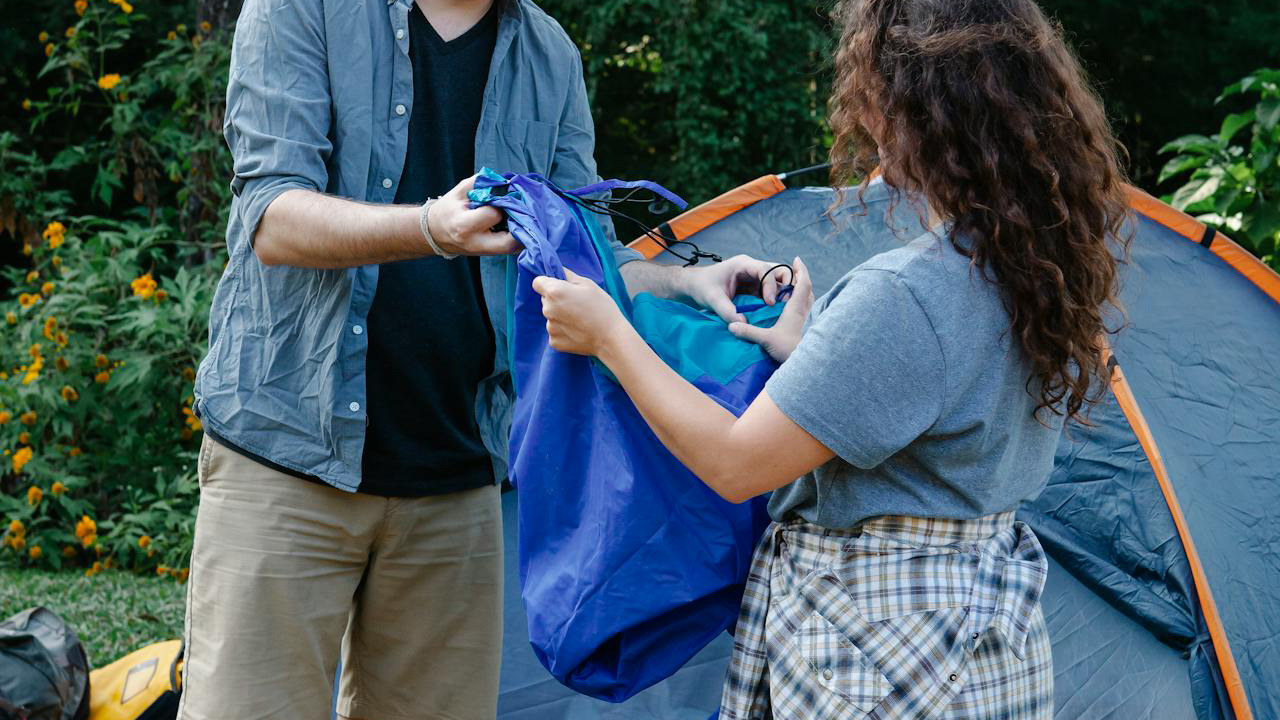
You can hand some men a simple camp chore and they’ll just do it. Others somehow turn the same basic job into a chance to show the group how much they know. Splitting wood becomes a statement. Tying down gear becomes a lesson. Even making coffee can sound like a demonstration if a man is determined enough to turn it into one. He explains too much, narrates too often, and carries himself like everyone nearby ought to be quietly taking notes. That’s usually the first clue that he’s more focused on being seen as capable than on simply being useful.
Real experience tends to make a man calmer around ordinary work, not more dramatic. He doesn’t need routine things to prove anything for him because the routine is already familiar. The performative guy is different. He needs each little moment to pull some weight for his image, so everything gets a little more theatrical than it needs to be. The trouble is that experienced men recognize that kind of effort immediately. When someone keeps turning simple work into a personal showcase, it usually says more about insecurity than competence.
He Uses Other People’s Opinions Like They’re His Own

One of the cleaner tells is when a man talks in strong, polished conclusions about gear, methods, dogs, trucks, camp setups, or hunting habits, but none of it sounds earned. It sounds collected. He’s repeating opinions that came from podcasts, videos, forums, or the loudest guy at the last campfire, and he’s wearing them like they were built from his own hard lessons. Ask a follow-up question, though, and sometimes the whole thing starts sounding thinner. He knows the line, but he doesn’t have much underneath it once the conversation moves past the quote level.
Guys with real experience usually speak a little rougher around the edges because their opinions come from lived use, not perfect wording. They may not always say it pretty, but they can usually tell you exactly why they think what they think. The poser tends to sound cleaner at first and shakier later. He wants the authority of firm opinions without the slower work of arriving at them honestly. That’s why he borrows the conclusion before he’s earned the perspective.
He Acts Like Admitting Uncertainty Would Kill Him

A man trying too hard to look seasoned almost never wants to say, “I’m not sure,” even when that would be the most normal and respectable answer in the world. He’ll guess, hedge with confidence, half-answer, or steer the conversation sideways before he’ll just admit he doesn’t know something yet. The problem with that habit is that outdoors experience is built on a thousand moments of learning, and learning usually requires a man to be honest about where his knowledge actually stops.
Experienced outdoorsmen are often much less dramatic about uncertainty because they’ve had enough things go sideways to know nobody knows everything. They’ve misread weather, fought bad gear, taken wrong turns, blown setups, and learned from it. That tends to humble a man in a useful way. The one still pretending all the time, though, thinks uncertainty will cost him status. So he protects the image instead of protecting the truth, and that makes him a lot easier to read than he realizes.
He Dresses Like a Character Instead of a Man Going Outside
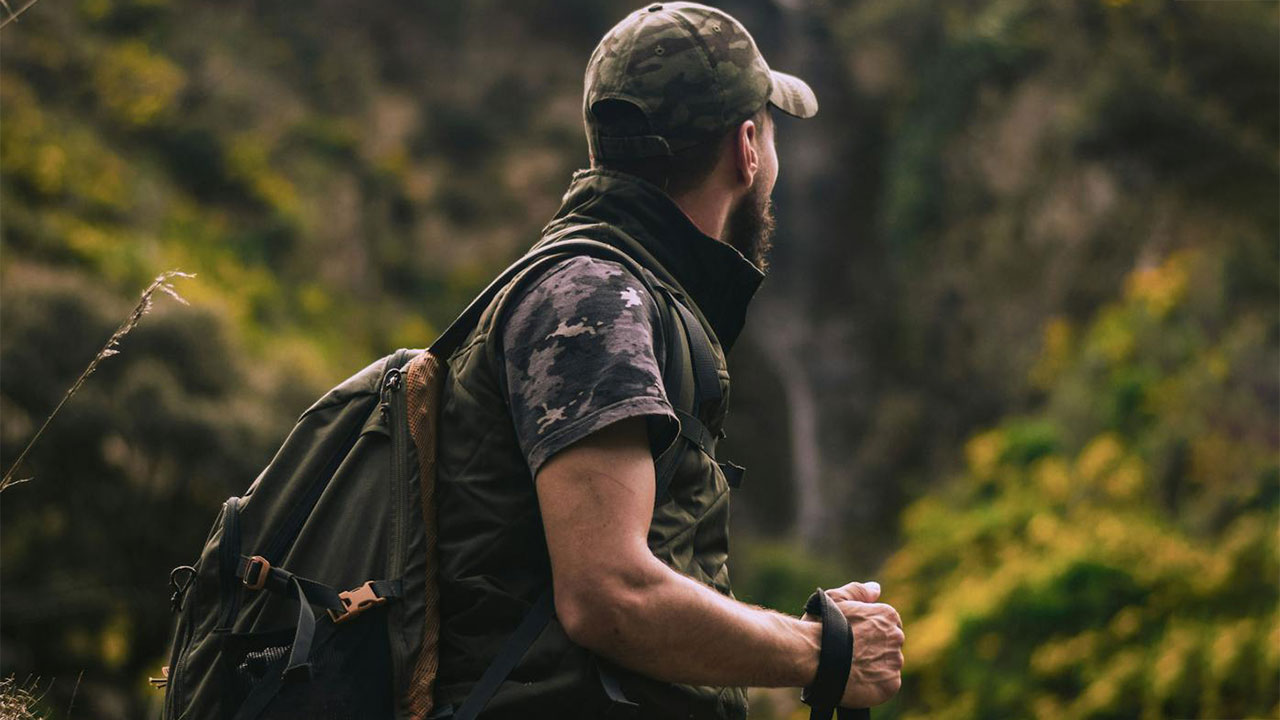
There’s a difference between wearing clothes that work and wearing a costume built out of somebody else’s idea of the outdoors. Some guys step out looking like every item was chosen to send a message first and handle conditions second. Everything matches too hard. Everything feels a little too curated. The whole setup seems built around how it photographs in a truck mirror instead of how it performs after six hours of mud, sweat, brush, weather, and real movement. You can usually spot that kind of effort from a distance.
Men who’ve been out enough times tend to dress with more purpose and less vanity. Their stuff may look worn, mismatched, practical, or plain because they’ve already learned what stays comfortable and what starts annoying them by midday. The man trying to look experienced often hasn’t had enough miserable afternoons yet to trim the nonsense out of his clothing choices. He’s still dressing for the idea of the day, not the full day itself, and that tends to show once the weather and ground start having opinions.
He Touches Everything Like He’s Supposed to Be in Charge of It
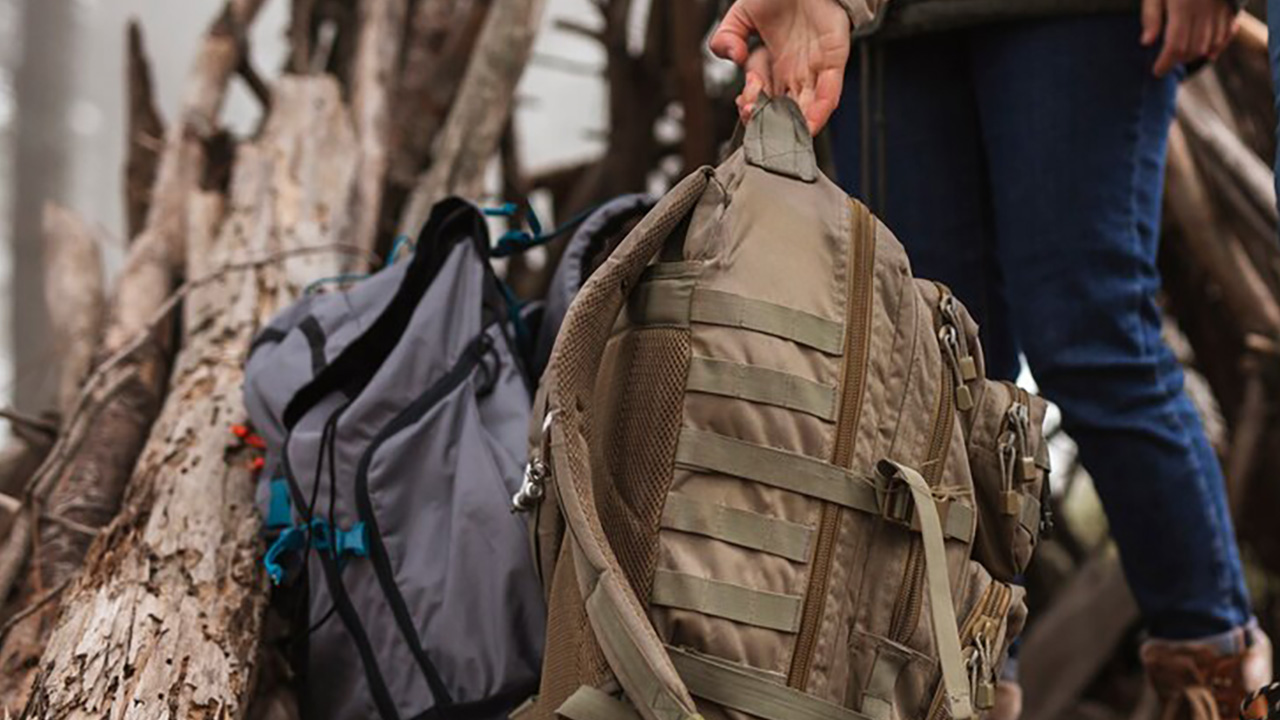
You ever notice how some men can’t leave camp, gear, or shared spaces alone once they’re in them? They move things, adjust things, “improve” things, pick things up, set them down somewhere else, and generally act like authority over the setup should settle onto them naturally. It’s rarely as helpful as they think it is. Most of the time it just creates confusion because the camp already had a rhythm and now one man is rearranging it so he can look like the kind of person who naturally takes command.
That habit is often less about leadership and more about appearance. Real leaders in camp or in the field usually pay attention first. They figure out what already works before they start inserting themselves into every corner of it. The man straining to look experienced often skips that part. He wants the visual of being “the guy who knows” more than he wants the slower job of actually understanding the setup. So he starts touching things before he starts understanding them, and that’s when the act gets easier to spot.
He Talks Big Before Anything Difficult Happens
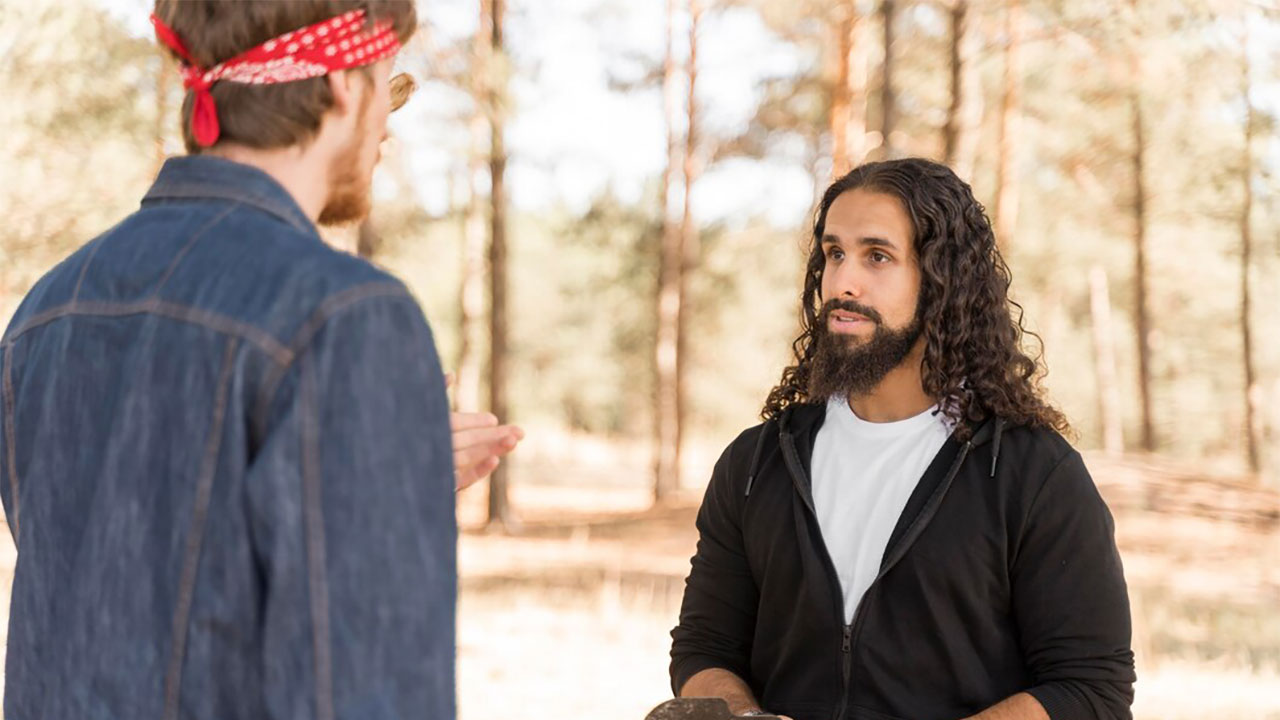
It’s always interesting how many bold statements disappear the minute a trip gets uncomfortable. Before the weather turns, before the drag of the hike sets in, before the truck has a problem, before camp needs a real fix, and before the day gets longer than people expected, the image-conscious guy is full of strong opinions and smooth confidence. He sounds rock solid while everything is still easy. But so do a lot of men. Easy conditions make confidence cheap.
The seasoned men usually don’t front-load all their credibility into the first hour. They conserve it because they know the day itself will do enough sorting without their help. The poser is different. He wants to establish his reputation early, before reality has a chance to ask for receipts. So he talks big while the pressure is low and hopes that memory carries him later. Problem is, once the day actually gets demanding, everybody gets to compare the speech to the behavior. That’s not usually where the act holds up best.
He Makes Every Story Sound Like a Resume

Some guys can tell a simple story without trying to turn it into proof of their identity. Others can’t help themselves. A missed fish becomes evidence of how often they’re on the water. A rough night at camp becomes a statement about their toughness. A half-interesting scouting story somehow ends up sounding like a speech about who they are as outdoorsmen. They don’t just tell the story. They shape it to make sure the takeaway lands in their favor.
That’s usually a sign a man is still working too hard to control what other people think of him. Experienced men often tell stories with more ease because they don’t need every one of them to reinforce a personal brand. Sometimes they were wrong, sometimes they got outworked, sometimes they made a dumb call, and none of that feels fatal to admit. The man trying too hard to look experienced can’t afford that looseness. He needs the story to do more than entertain. He needs it to defend an image he hasn’t fully relaxed into yet.
He Tries to Be First Into Everything

Whether it’s walking in, taking the lead, choosing the route, handling the trailer, starting the fire, or stepping into a problem before anybody asked him to, there’s a certain type of guy who always wants to be first. Sometimes it comes from eagerness. More often in this case, it comes from image management. He thinks visible initiative will read as experience, so he lunges for the lead on anything that might make him look capable in front of other men. It’s not always malicious. It’s just pretty transparent after a while.
Men who know what they’re doing are usually less obsessed with being first and more concerned with being effective. They’ll lead if it makes sense. They’ll hang back if someone else has the better angle. They don’t need the symbolic position all the time because their confidence isn’t starving for proof every fifteen minutes. The guy trying too hard, though, often grabs the front spot before he’s earned it, and that’s exactly why everyone notices him wobble once the job gets a little less ceremonial.
He Treats Comfort Like a Moral Failure
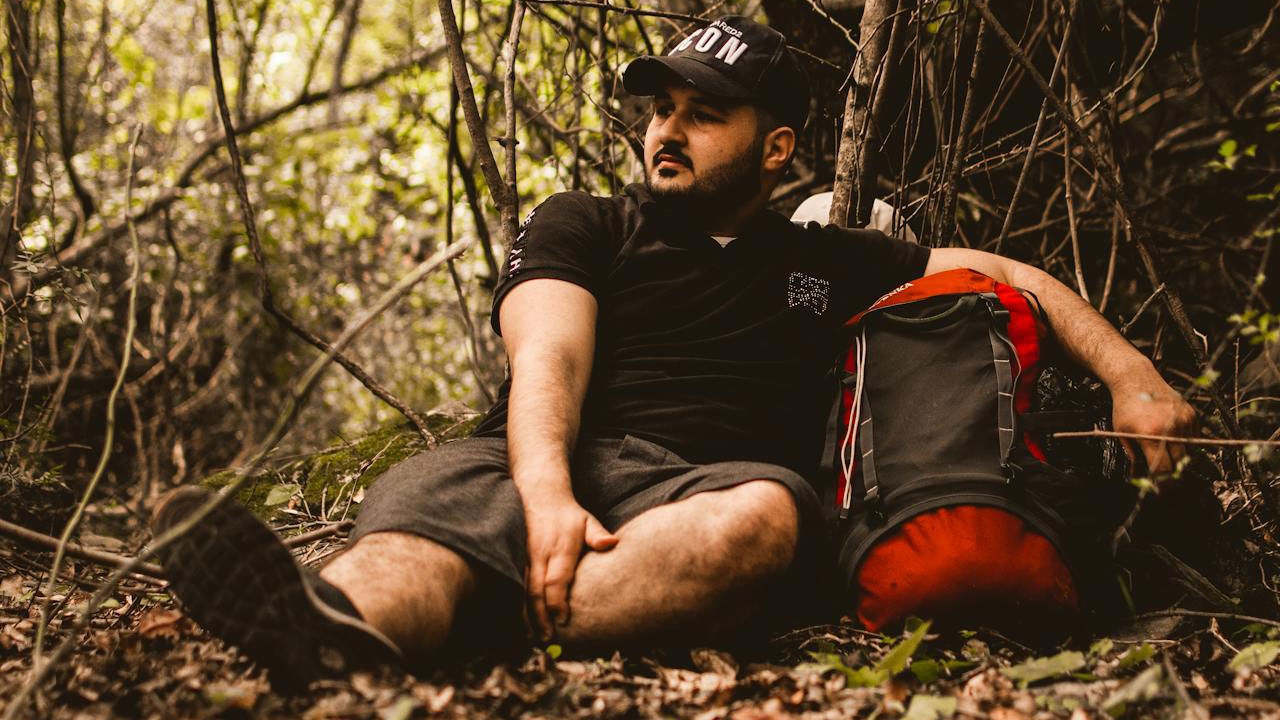
One thing insecure men love to do is act like reasonable comfort is somehow soft. So now he’s weird about layers, sleep setups, food, chairs, dry socks, rain protection, shelter choices, and anything else that makes a long outdoor day or night more manageable. He wants to signal that he’s above needing those things, or that his standards are so rugged he can shrug off discomfort without even noticing it. At first, that can fool people who are still impressed by performative toughness. By the second or third day, it usually just makes him look dumb.
The men who’ve done enough outdoors living usually know the opposite is true. Staying dry, warm, rested, fed, and reasonably comfortable often keeps a man more useful, more alert, and less miserable to be around. It’s not softness. It’s smart management. The fellow still trying to build his image around hardship usually hasn’t suffered enough from his own silly choices yet. So he keeps pretending discomfort proves character, right up until it proves he packed badly or thought poorly.
He Copies the Mannerisms Before He Understands the Work

Sometimes it isn’t the opinions or the gear that give a man away. It’s the performance in his body language. He stands like he thinks seasoned outdoorsmen stand. He pauses before answering simple questions because he believes that looks knowledgeable. He adopts the tone, the little phrases, the half-amused attitude, the deliberate pace, all of it. None of that is automatically fake, but when it shows up without the work underneath it, you can feel the mismatch. It’s like he studied the surface behavior before he built the substance behind it.
That’s one reason truly experienced men often feel more relaxed and specific. They’re not aiming for a type. They’re just being themselves inside something they’ve done enough times to know. The man trying to wear the mannerisms before he’s earned the habits will often come across just a little too arranged. He’s impersonating the outer shell of confidence while still scrambling internally on the smaller practical stuff. That gap becomes hard to ignore once you spend enough hours around him.
He Wants Credit for Common Sense

There are some men who act like every basic decent decision deserves applause. He packed a rain layer. He brought enough water. He checked straps before leaving. He put dry clothes in a bag. He remembered a light. All good things, sure, but not exactly wilderness genius. Yet he carries himself like those ordinary acts should immediately place him among the seasoned and wise because he remembered what a functioning adult ought to remember on a trip outdoors.
That usually tells me a man is still very aware of his own performance. He’s keeping internal score and hoping others are too. Experienced people tend to treat common sense as the entry fee, not a trophy category. They’re glad they did the basics right, but they don’t need a parade over it. The fellow desperate to look experienced often clings to basic competence as if it should purchase him more status than it does. It won’t. It just makes him look like he’s still keeping his own résumé open in another tab.
He Gets Strange About Being Corrected

Nothing exposes insecurity faster than how a man handles a small correction. If someone says, “Actually, that gate’s over this way,” or “Those straps will rub if you leave them like that,” or “You’ll want to pitch that tighter before the rain comes,” the truly experienced man usually just takes the note, adjusts, and moves on. The image-conscious guy reacts differently. He stiffens up, explains too much, gets defensive, or tries to reframe the moment so it doesn’t look like he was actually helped by another man.
That’s because he’s not just solving the task. He’s protecting an identity while he does it. So even useful correction feels threatening, because it interrupts the version of himself he’s trying to project. Outdoors competence gets a lot easier once a man stops treating every minor adjustment like a public challenge to his manhood. The ones who haven’t gotten there yet always seem to be fighting for status in moments where everyone else is just trying to get through the day smoothly.
He Chooses the Look of Experience Over the Work of Being Useful
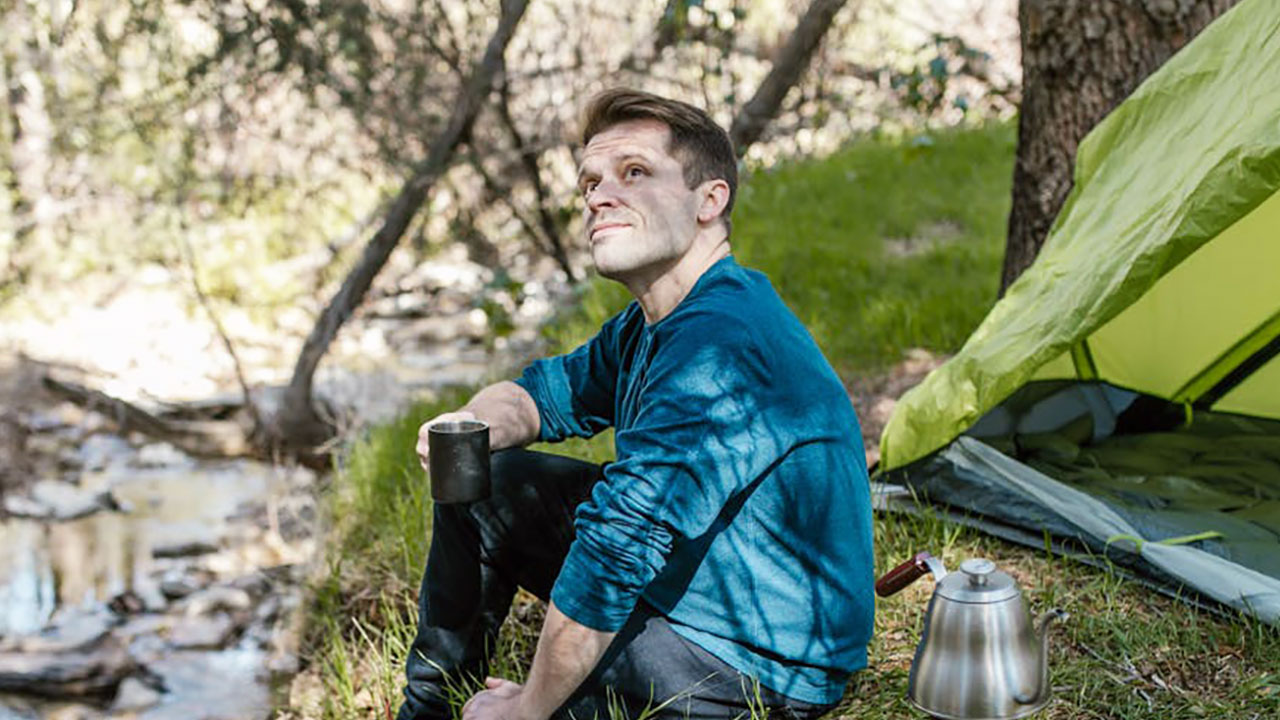
At the end of all this, that’s really what most of these habits come down to. A man can look partway experienced for a while if he borrows enough signals—gear, tone, language, posture, opinions, timing, confidence. But usefulness is harder to fake over a full day. Can he notice what needs doing without a speech? Can he stay steady when the plan gets messy? Can he solve small problems, handle discomfort, take correction, and keep other people’s lives easier instead of harder? That’s the real test, and there’s no shortcut to it.
Men who’ve done enough outdoors living usually settle into that truth whether they ever say it out loud or not. They stop chasing the image because the work matters more, and because the work eventually builds a confidence that doesn’t need to be advertised so hard. The man still trying real hard to look experienced usually hasn’t spent enough time being quietly useful yet. That’s why the act shows up in so many little ways. He’s reaching for the appearance of something before the actual substance has fully caught up.
Like The Avid Outdoorsman’s content? Subscribe to our newsletter so you never miss an article.
Here’s more from us:


