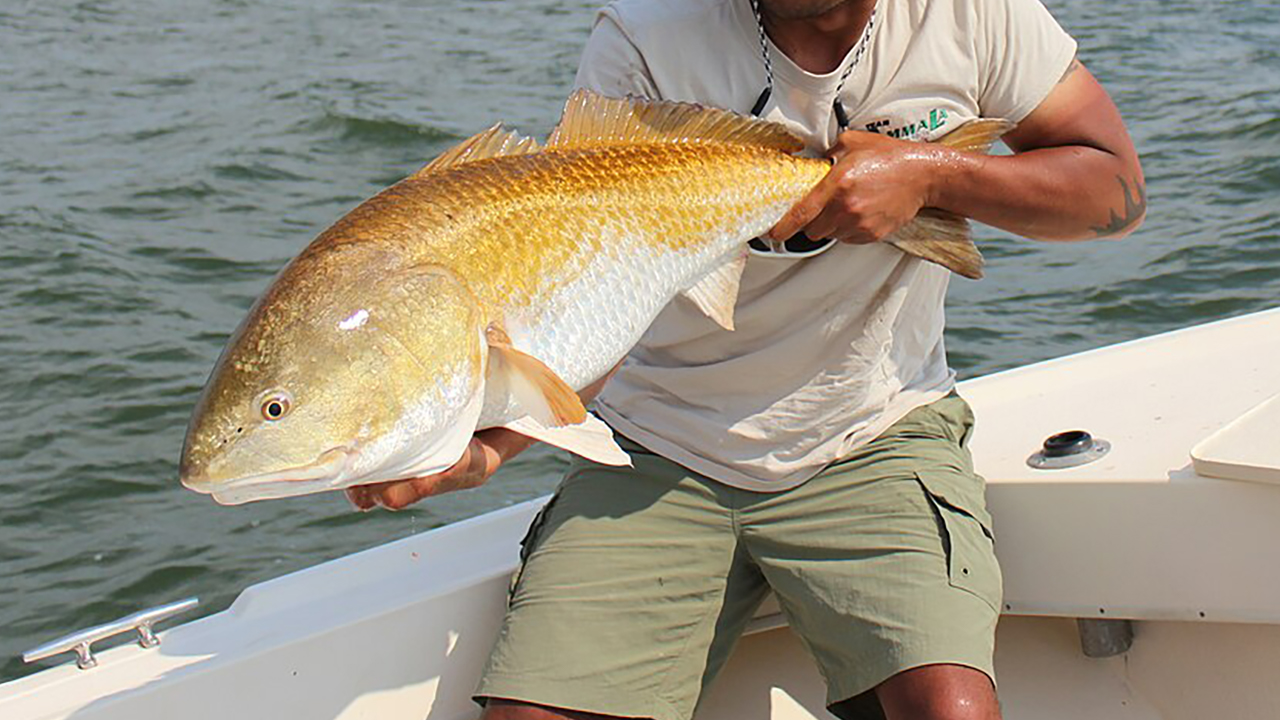
Photo credit: AMMALA-Sports, CC BY-SA 3.0/Wiki Commons
Redfish get talked about so often in coastal fishing that it’s easy to assume there’s nothing left to learn about them. Big mistake. The fish most people call redfish is the red drum, and it’s one of those species that seems simple until you start looking closer. Between the tail spot, the way they use estuaries, the size gap between inshore fish and big bulls, and how heavily they shaped Southern fishing culture, there’s a lot more going on here than the average angler gives them credit for.
Redfish and red drum are the same fish
A lot of anglers use “redfish” and “red drum” like they’re different, but they’re the same species: Sciaenops ocellatus. “Redfish” is the common nickname, while “red drum” is the formal common name used by fish and wildlife agencies. That mix of names is part of why new anglers sometimes get turned around when they start reading regulations or agency material. The fish did not change. The name just depends on who is talking and where they’re from. Texas Parks and Wildlife uses both names openly, which tells you how normal that overlap is in the Gulf.
That black tail spot is real, but it is not always just one
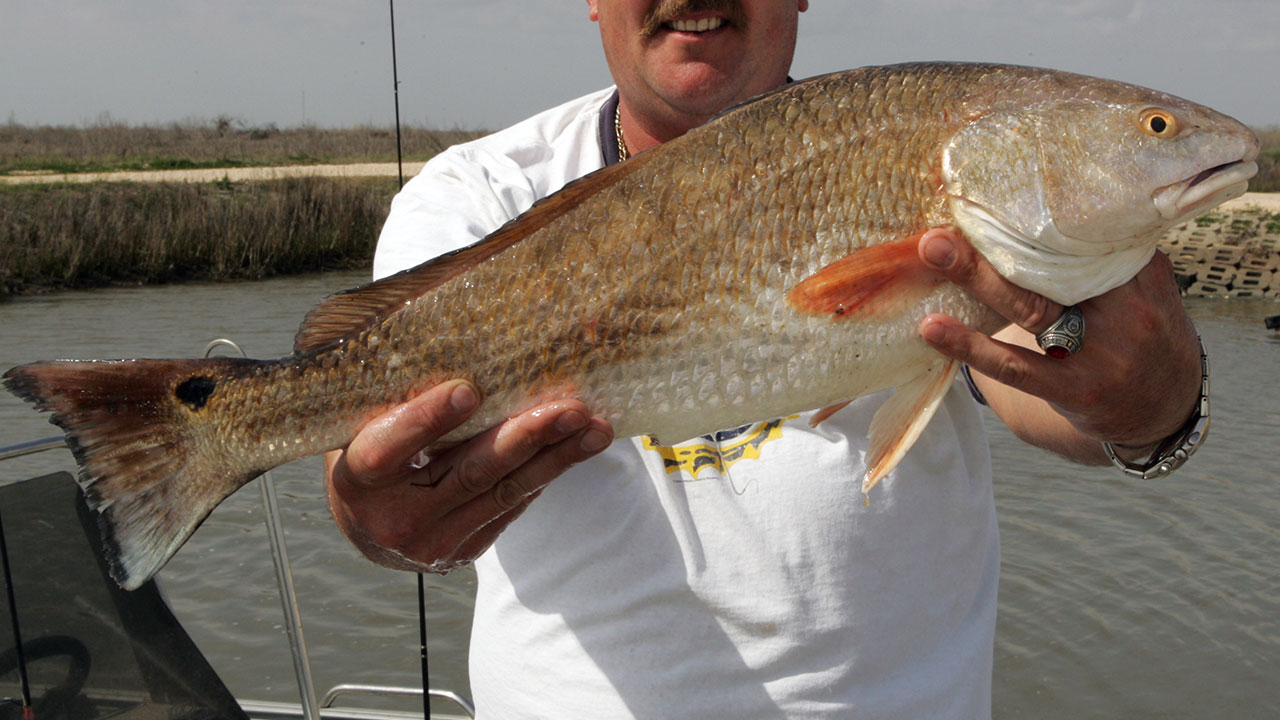
The classic redfish look is that bronze body with a black spot near the base of the tail, and yes, that spot is one of the easiest ways to identify them. But plenty of redfish have more than one spot. Texas Parks and Wildlife notes that multiple spots are not uncommon, while fish with no spots at all are very rare. That throws people because a lot of us grow up hearing about “the spot” like there’s only supposed to be one. Nature did not get that memo. Some fish carry several, and occasionally a whole bunch, which makes them even easier to remember when one shows up boatside.
Nobody knows for sure why the spot exists
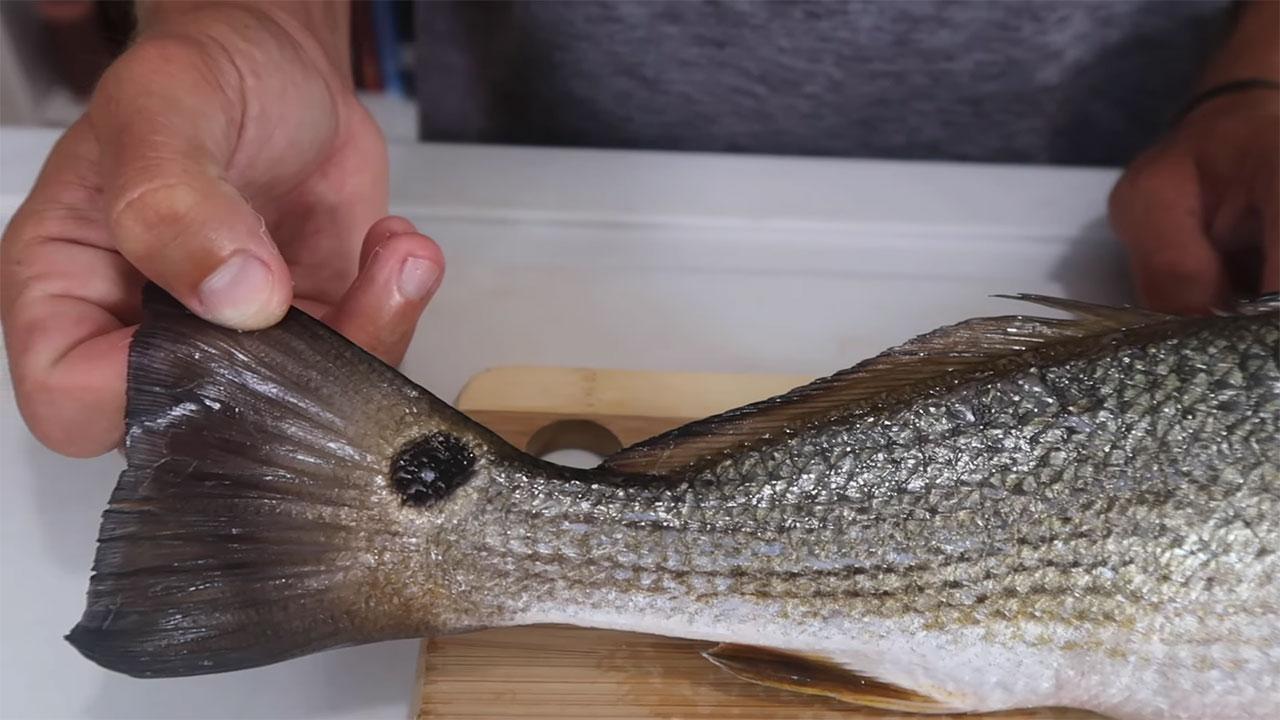
One of the funnier things about redfish is that their most famous marking still comes with some uncertainty. Agencies commonly describe the black tail spot, but the exact evolutionary reason is still treated more as an informed theory than settled fact. A common explanation is that the spot helps misdirect predators toward the tail instead of the head, giving the fish a better chance to escape. That idea makes sense, especially for juveniles in shallow grass and marsh habitat, but it’s still one of those reminders that even very familiar game fish carry some mystery with them. The most recognizable thing about a redfish may also be one of the least fully settled.
Young redfish spend a lot of time in estuaries
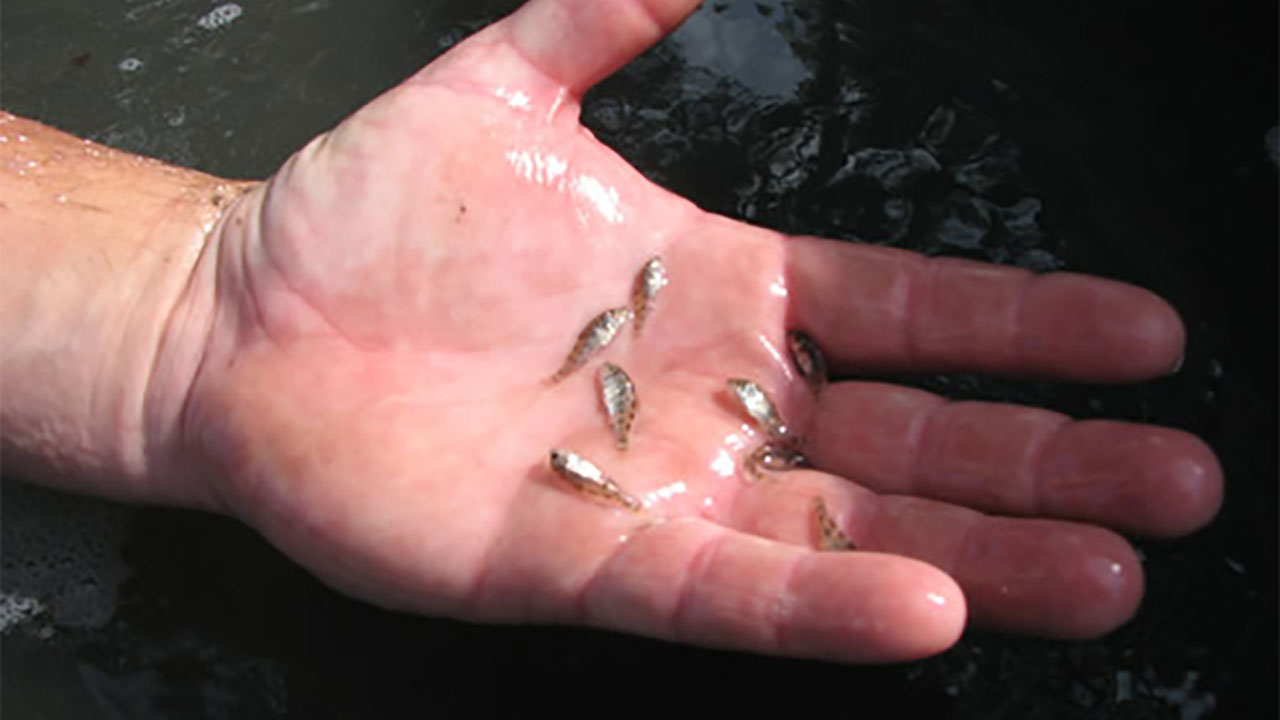
Redfish are strongly tied to estuaries, especially when they’re young. NOAA’s estuary species profile says young red drum up to about 30 inches and roughly 4 years old are found in shallow estuarine waters, while adults are more common in shallow ocean areas, surf, and around jetties. That’s a big reason marshes, bays, tidal creeks, and grass flats matter so much. They’re not just nice places to sight-fish. They’re nursery habitat. When anglers talk about how alive a healthy marsh feels, redfish are a huge part of that picture. Those shallow systems are where a lot of reds get their start before moving into a broader coastal life.
Big bull reds and shallow “puppy drum” are the same species living different stages
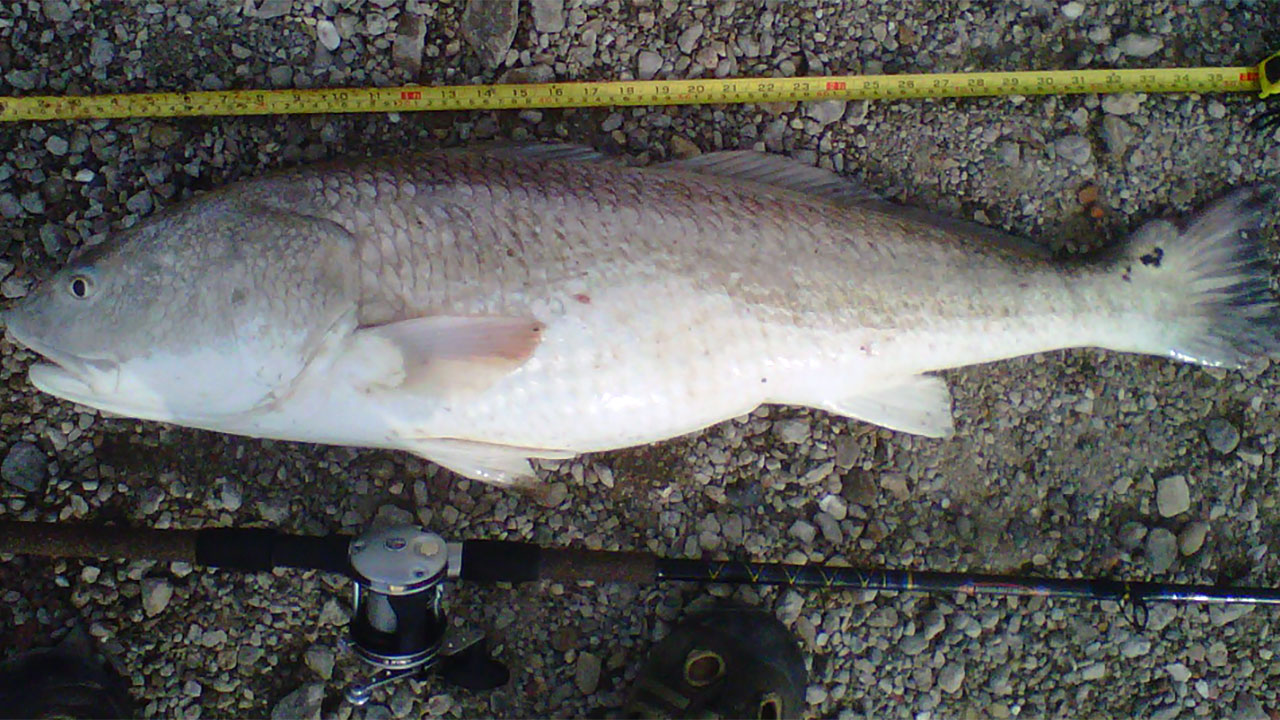
This catches a lot of people early on. The slot-sized redfish cruising a grass flat and the oversized bull red pushing through surf or hanging near passes are the same fish at different stages of life. NOAA’s estuary profile notes that younger fish stay in shallower estuarine water, while adults occur in shallow ocean areas and spawn in late summer. That split helps explain why the fishery can feel like two different games depending on where you fish. Inshore reds may tail in inches of water. Bigger adults may school offshore or around passes and jetties. Same species, different age class, different behavior, totally different feel.
Redfish grow fast
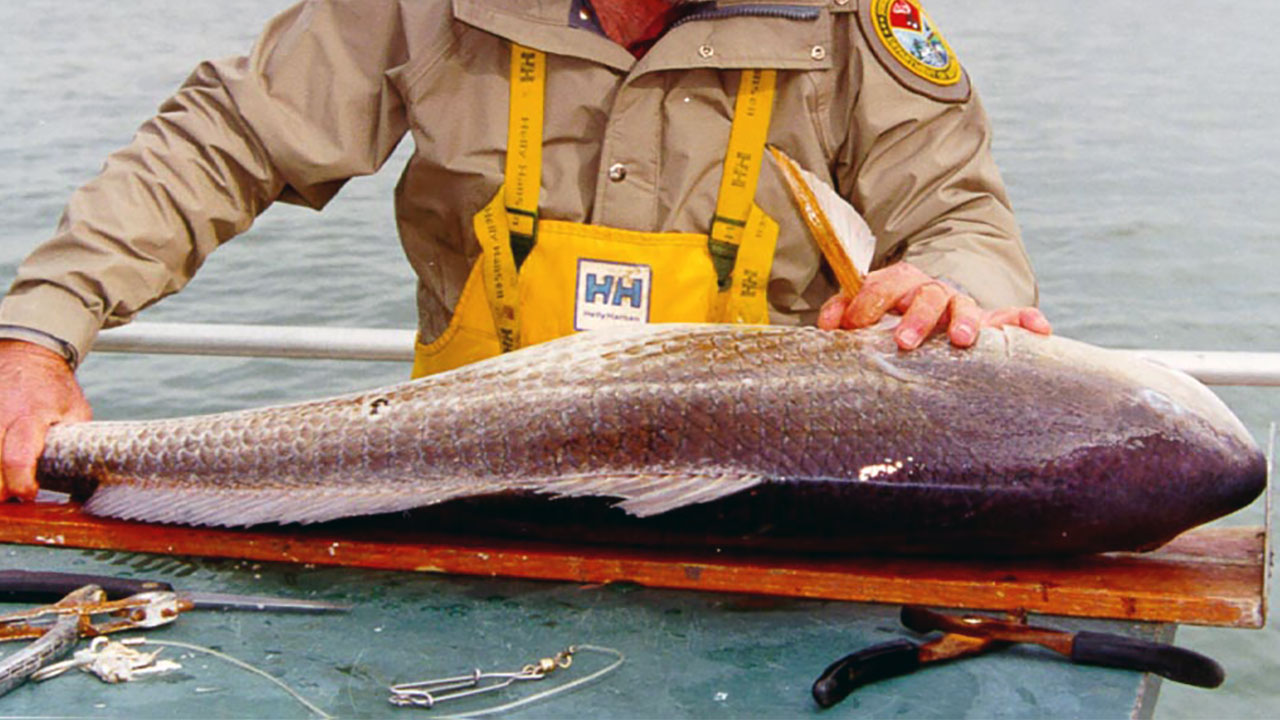
Red drum are not slow, pokey fish that take forever to amount to anything. Texas Parks and Wildlife says they grow quickly, reaching about 11 inches and roughly a pound in the first year, then 17 to 22 inches and around 3.5 pounds in two years, and about 22 to 24 inches and 6 to 8 pounds in three years. That fast early growth is one reason estuary habitat matters so much. Give these fish food, cover, and decent conditions, and they put size on in a hurry. It also helps explain why strong year classes can become such a visible part of a fishery not all that long after a good spawn.
They feed with their heads down and tails up
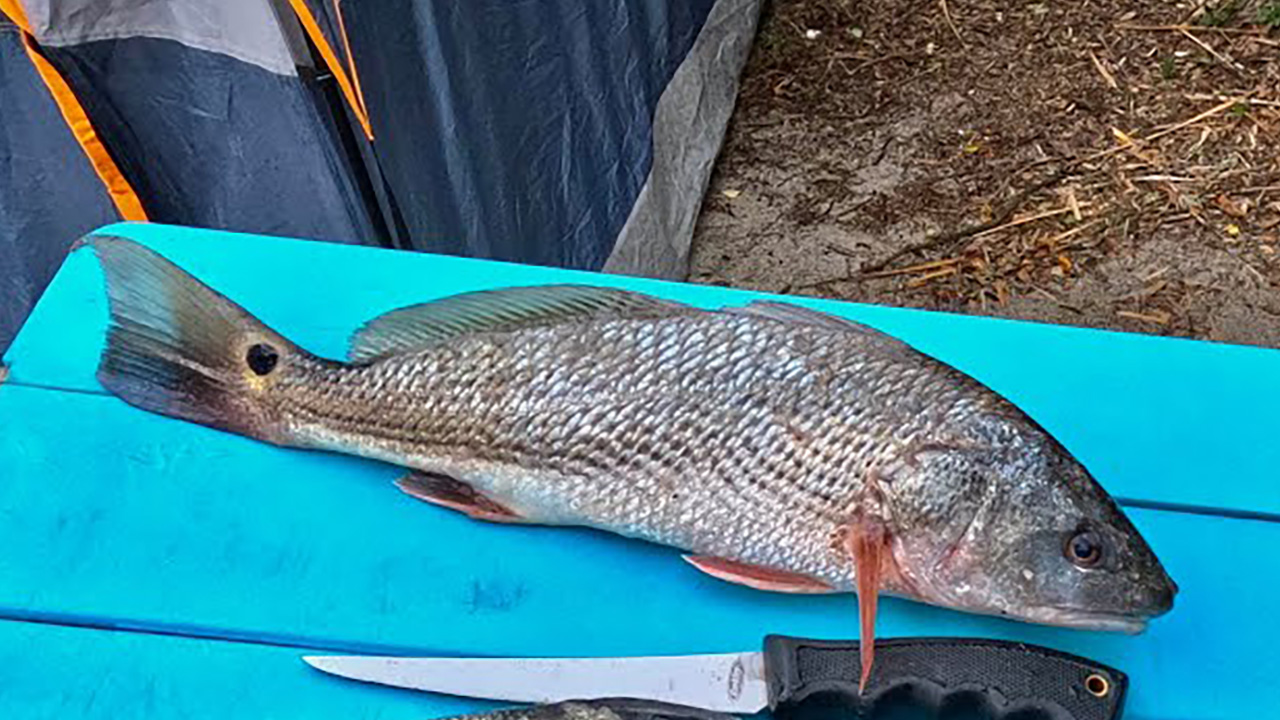
If you’ve ever seen a redfish tailing, you already know one of the cooler facts about them. Texas Parks and Wildlife notes that red drum often feed heads-down and tails-up while searching the bottom for crabs, shrimp, marine worms, and small fish. That feeding posture is one reason sight-fishing for reds is so addictive. You are not always looking for a whole fish. Sometimes you’re looking for a waving tail, a nervous push, a back breaking the surface, or a muddy puff where one just nosed down into the bottom. Their feeding style makes them feel alive in a flat in a way some other fish just don’t.
They can get a lot bigger than many inshore anglers ever see
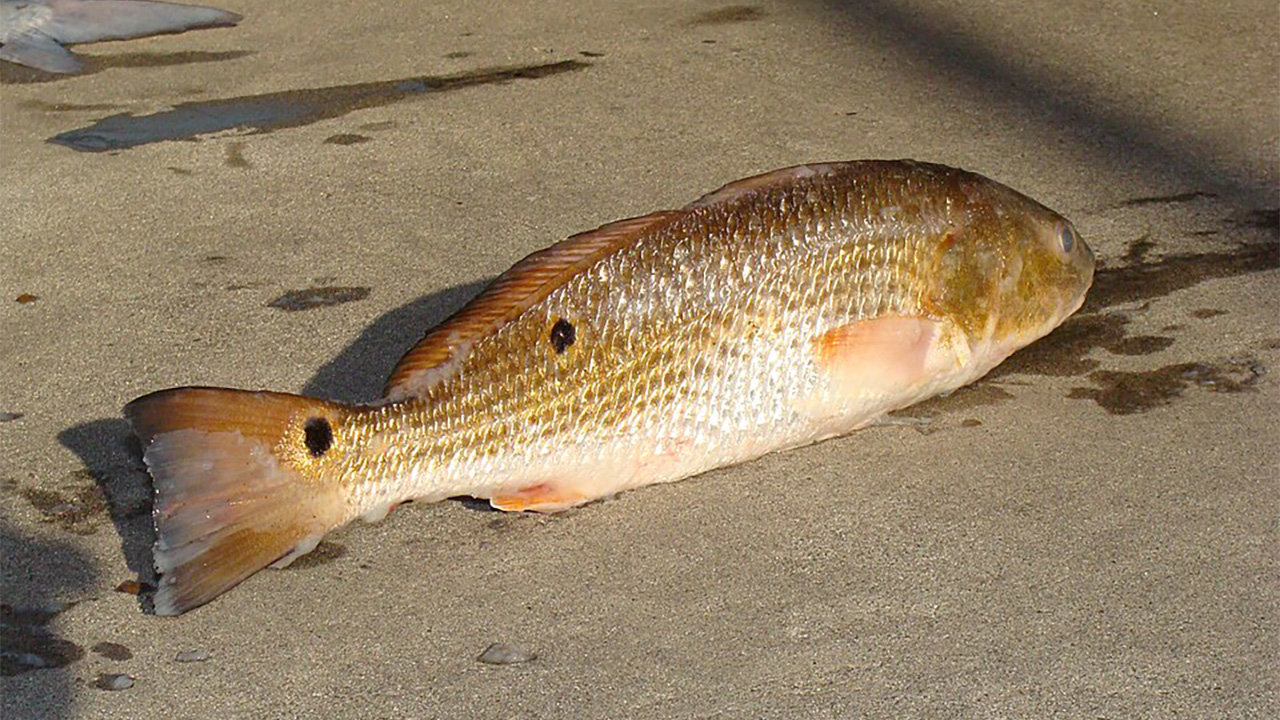
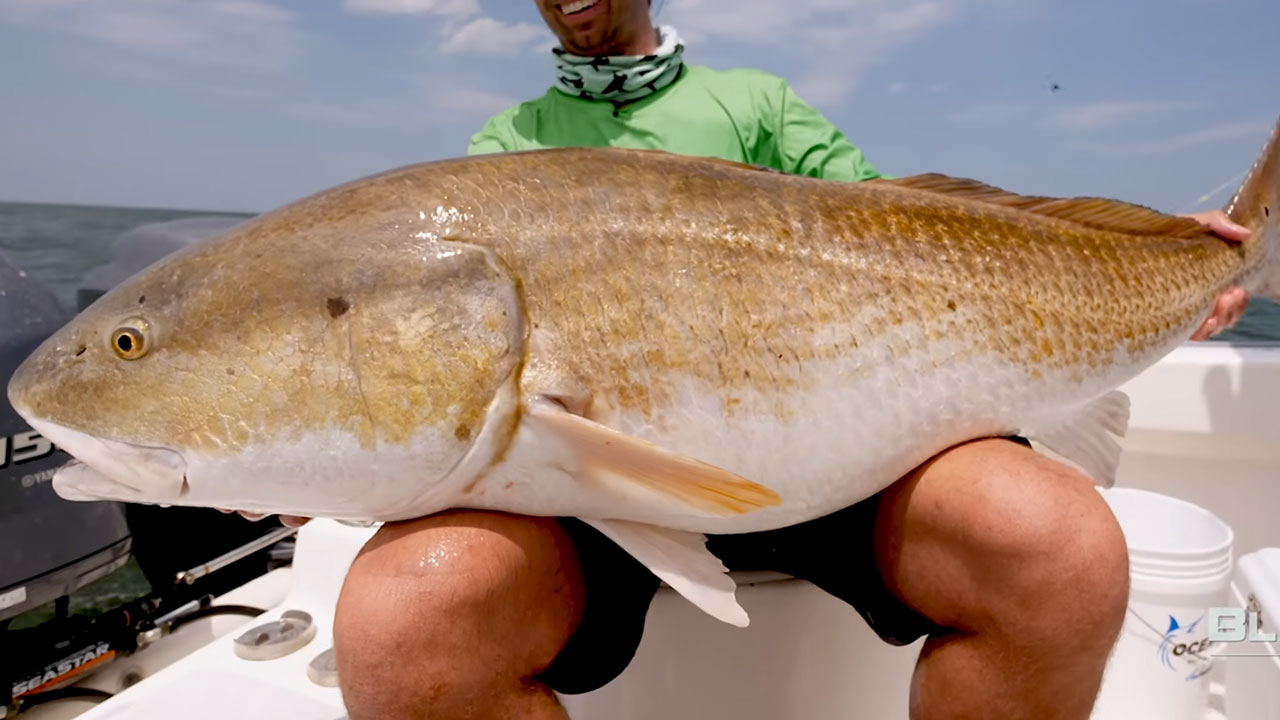
A lot of casual anglers meet redfish in the slot range and never fully appreciate how big they can get. Texas Parks and Wildlife says red drum may weigh 50 pounds, and their broader red drum material makes clear the species keeps growing well beyond the sizes many bay anglers regularly handle. That’s part of why bull reds have such a reputation. When a fish people associate with shallow tailing behavior suddenly shows up at a size that can really lean on tackle, it changes how you think about the species. Redfish are not only a finesse marsh fish. Given time, they turn into powerful, heavy coastal fish with serious size behind them.
Adults usually spawn near passes, jetties, and surf zones
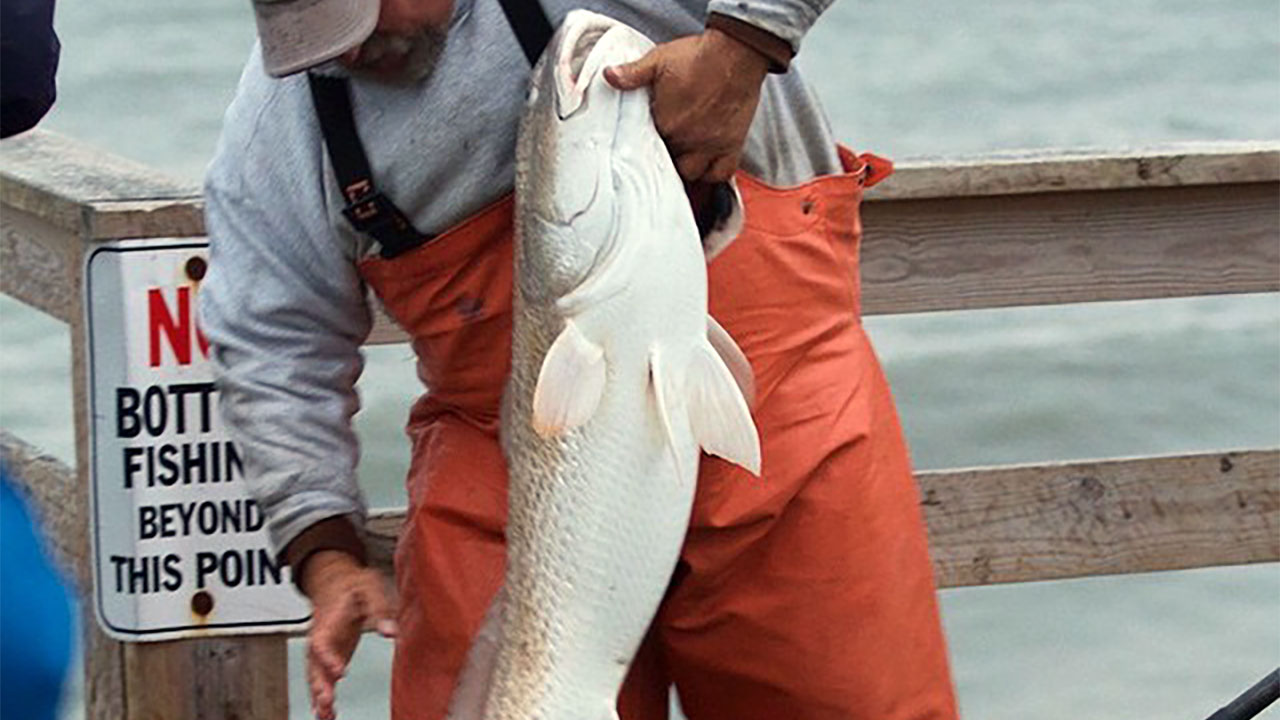
A lot of anglers spend most of their time chasing redfish in the backwater and never think much about where the larger fish spawn. NOAA’s estuary profile says adults occur in shallow ocean areas and around surf and jetties, where they spawn in late summer. That matters because it ties the whole fish’s life together. Estuaries raise the young fish, then older fish move into coastal areas where reproduction happens. It is a good reminder that a redfish fishery is not just about one marsh or one bay. The offshore edge, passes, nearshore coastal water, and connected estuaries all matter if you want the whole cycle to keep working.
Redfish helped create one of the biggest fish-cooking crazes in the South
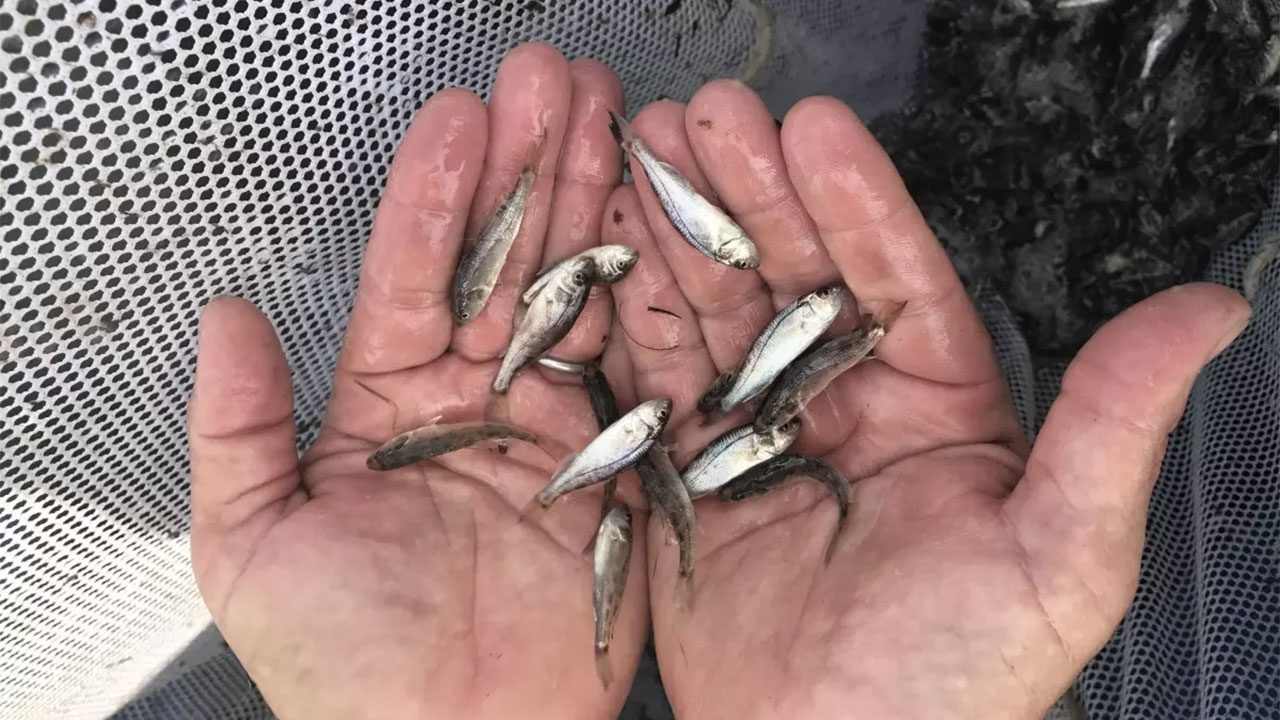
Red drum were heavily popularized in the early 1980s by Chef Paul Prudhomme’s blackened redfish recipe, according to Texas Parks and Wildlife. That wasn’t some tiny food trend either. It helped push redfish even harder into public attention and made them a bigger target on the table as well as on the water. A lot of fish earn fame because they fight hard or look good in a photo. Redfish managed to become a full culture fish in the Gulf South because they also crossed into restaurants and home kitchens in a big way. That food popularity became part of the species’ identity, not just a side note.
They’re one of the most popular coastal game fish in Texas
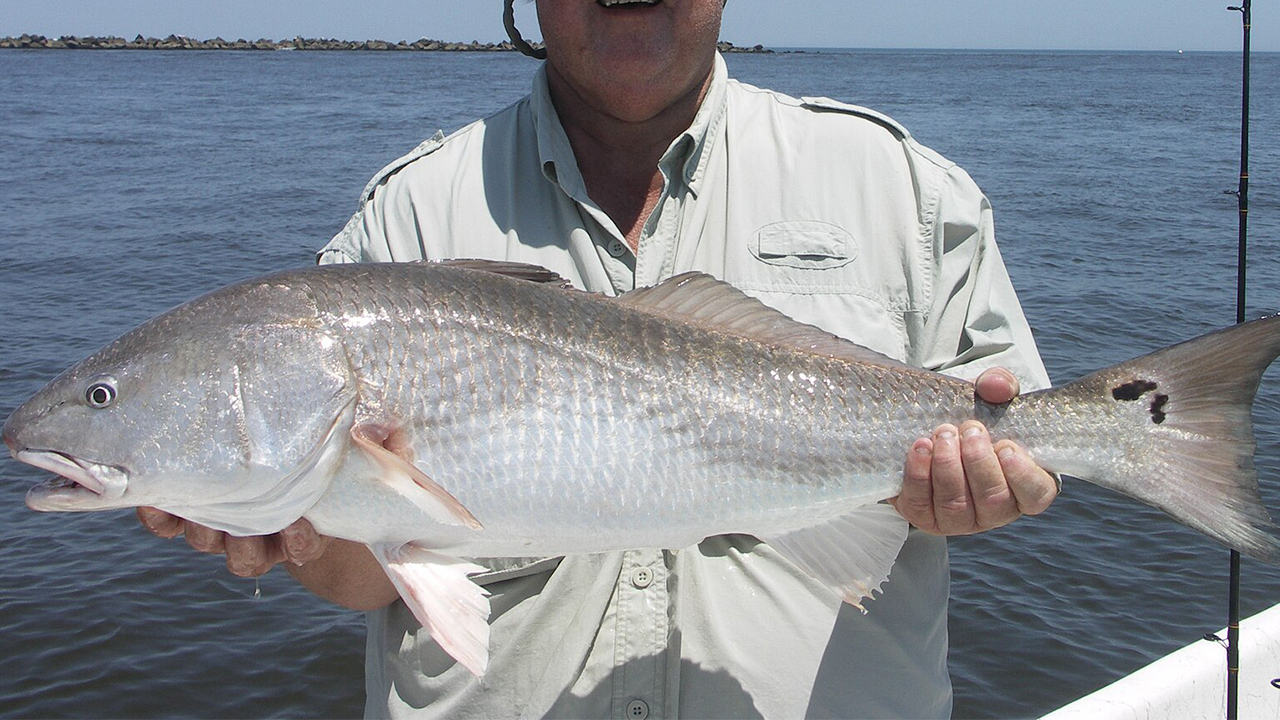
Texas Parks and Wildlife describes red drum as one of the most popular game fish in Texas marine waters and notes they became the second-most popular sport fish on the Texas coast after spotted seatrout. That kind of popularity does not happen by accident. Redfish are accessible enough for regular anglers, strong enough to stay exciting, and common enough in the right habitat to build a real following. They also show up across a bunch of styles of fishing, from bait under corks to sight-casting artificials to surf setups for bulls. When a fish works for beginners and still hooks experienced anglers hard, it tends to earn a permanent place. Redfish absolutely have.
They use tides in smart ways from the time they’re tiny
/Youtube
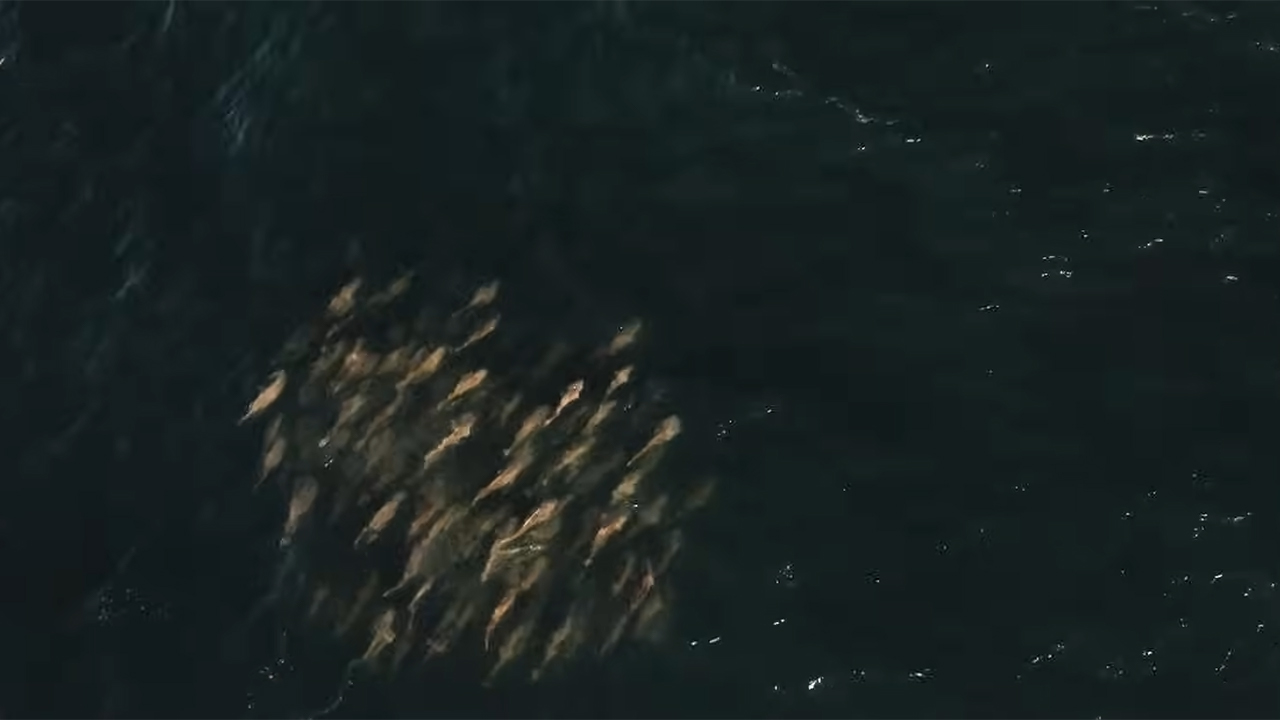
NOAA’s estuary profile notes that larval red drum use vertical migrations to ride high-salinity tidal currents into tidal creeks and shallow salt marsh nursery habitat. That is a pretty incredible detail for a fish a lot of people think of mainly as a simple inshore bruiser. Even at the earliest stage, the species is working with the rhythm of the coast. The tide is not just something adult anglers care about for finding fish. It is built into the fish’s life from the start. That dependence on moving water, marsh access, and estuary structure is part of what makes healthy coastal habitat so important for redfish recruitment.
“Puppy drum” and “channel bass” are redfish too
/Youtube
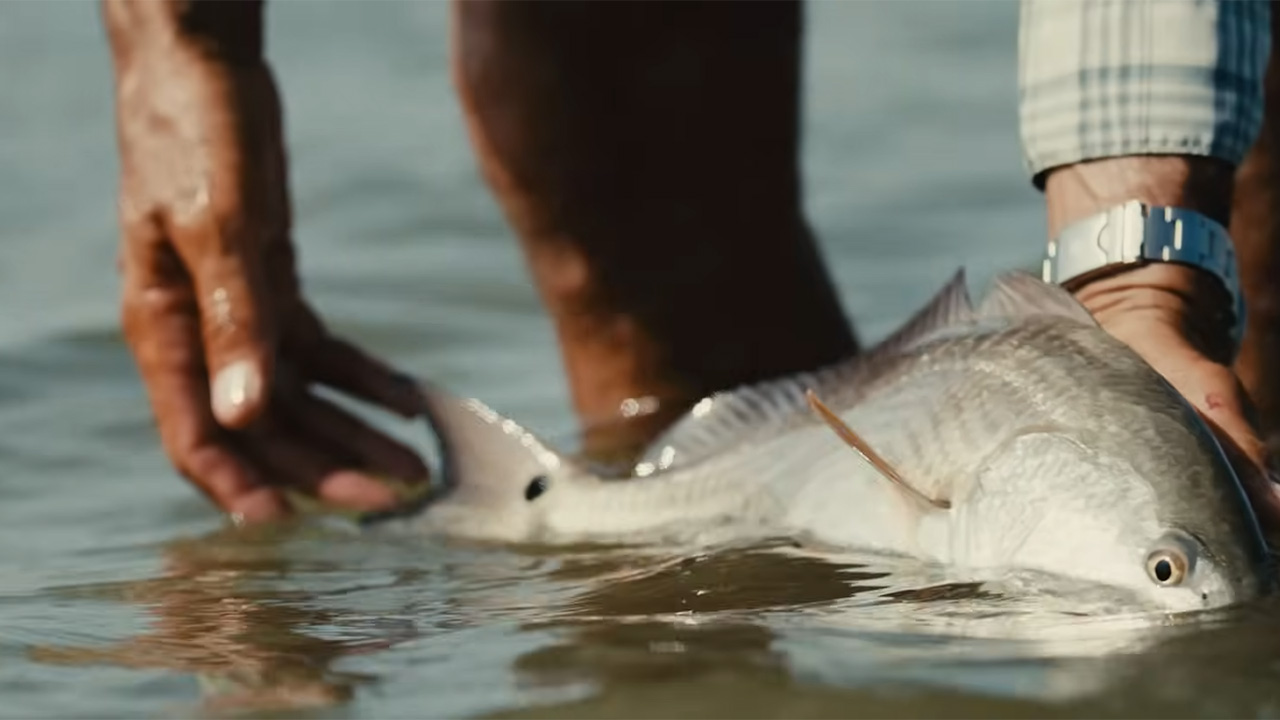
Depending on where you fish, people may call them redfish, red drum, puppy drum, spottail bass, or channel bass. NOAA’s estuary profile lists several of those alternate names. That wide set of nicknames says a lot about how rooted this fish is in coastal culture. A fish does not pick up that many names unless it has been important to a lot of local people for a long time. It also helps explain why out-of-state anglers can get confused hearing locals talk. Sometimes it sounds like they’re discussing different fish entirely. Usually they’re not. They’re just speaking a regional dialect of the same redfish obsession.
Redfish are coastal fish, but they’re deeply tied to marsh life
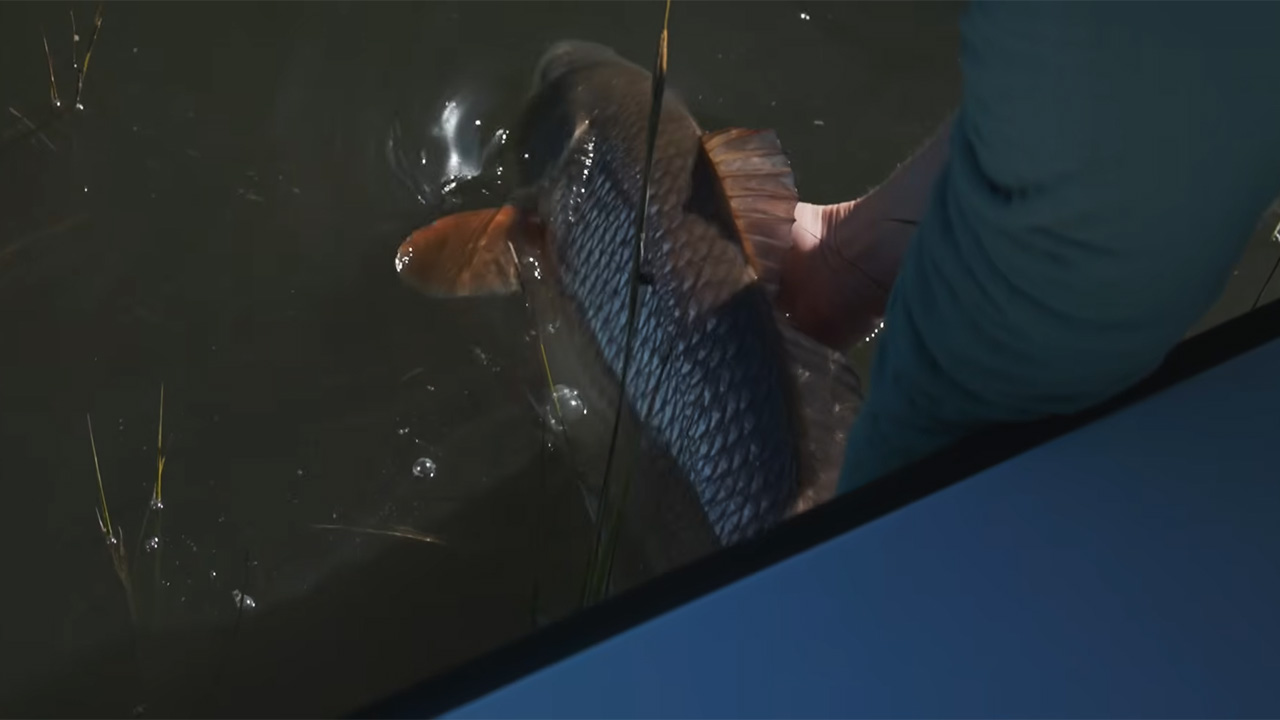
Even though adult reds can be found around jetties, beaches, and nearshore water, the species still feels most at home in people’s minds when tied to marshes, creeks, bays, and grass. That impression tracks with the science. NOAA’s estuary profile and Texas Parks and Wildlife both emphasize the species’ strong use of shallow estuarine habitat, especially when young, and their feeding habits fit perfectly with marsh systems rich in shrimp and crabs. That’s why damage to marsh edges, grass flats, or tidal nursery habitat matters so much. You can catch redfish in a lot of places, but their life story still runs straight through the estuary.
Like The Avid Outdoorsman’s content? Subscribe to our newsletter so you never miss an article.
Here’s more from us: