
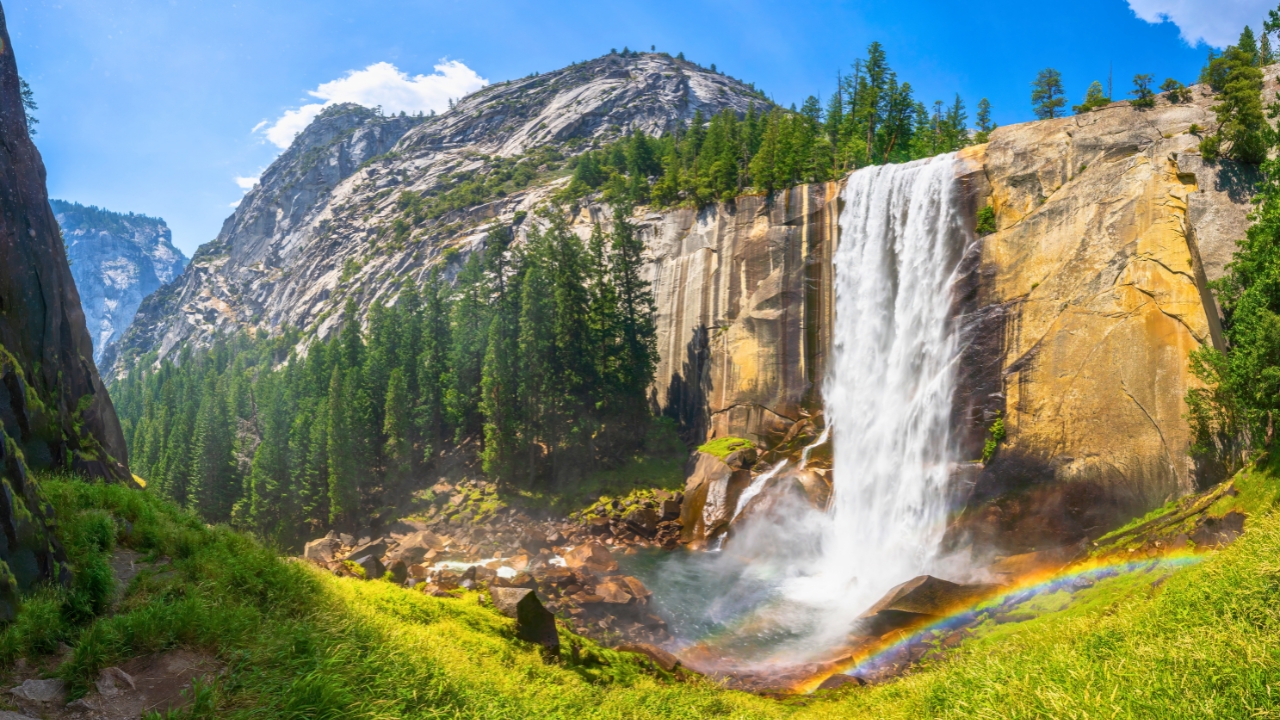
Photo credit: cb_travel/Shutterstock.com
Waterfalls are one of the easiest ways to remember why you like being outside. You can hike for hours through quiet timber and then hear that low roar before you see anything. And when you finally hit the overlook, it doesn’t matter if you’re tired or muddy—you’re locked in.
A quick heads-up that’ll make your trip better: flow changes everything. Snowmelt, recent rain, and even summer drought can turn a famous waterfall into a trickle. If you want the full show, aim for spring and early summer in mountain country, and winter or early spring in the Southeast. Wear shoes with real traction, keep back from slick edges, and don’t be the person who climbs onto wet rock for a photo.
Niagara Falls (New York)
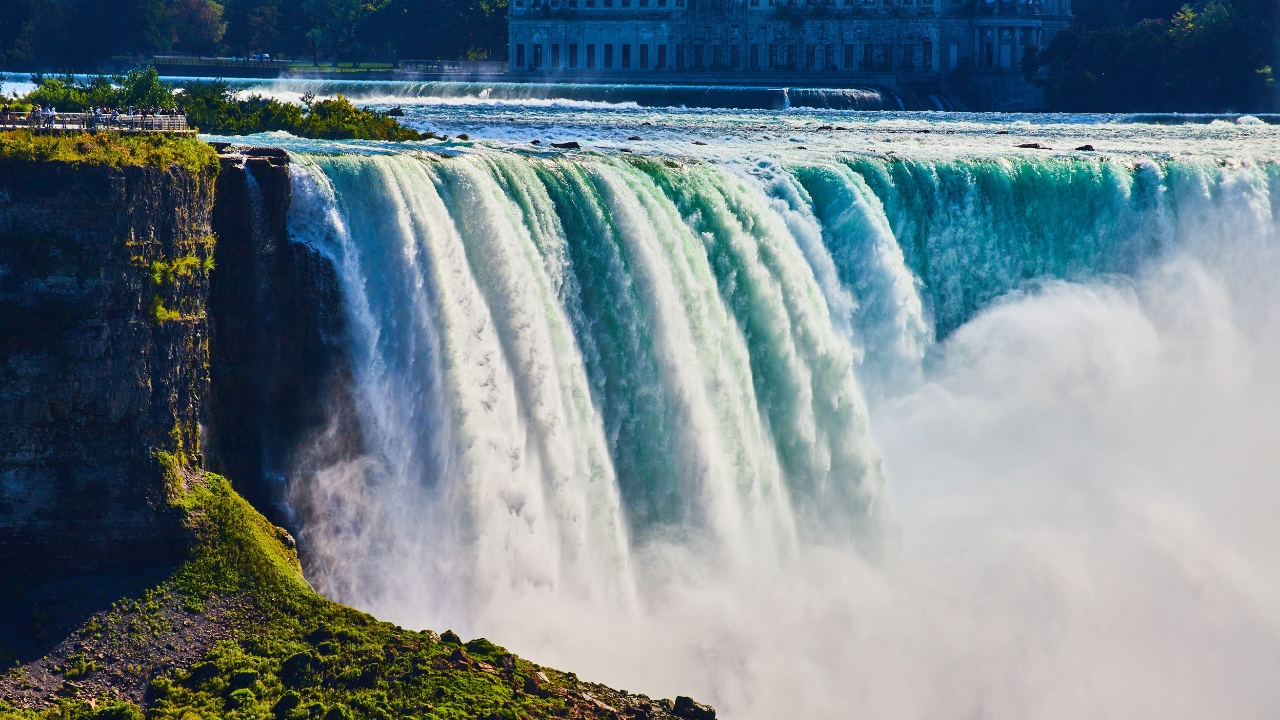
Niagara is the big-name waterfall, and it earns that status the second you feel the vibration in your chest. It’s not a backcountry hike kind of place—it’s a full-on experience with walkways, viewpoints, and that constant sound that never lets you forget what’s happening over the edge. Even if you’ve seen it a hundred times in photos, standing there changes the scale in your head.
If you want a better visit, go early or go in the shoulder season when crowds thin out. You can still find quieter moments on Goat Island and along the river walk. Mist is part of the deal, so bring a light rain jacket and protect your camera. Take time at night too—seeing the falls lit up gives the whole scene a different mood.
Yosemite Falls (California)
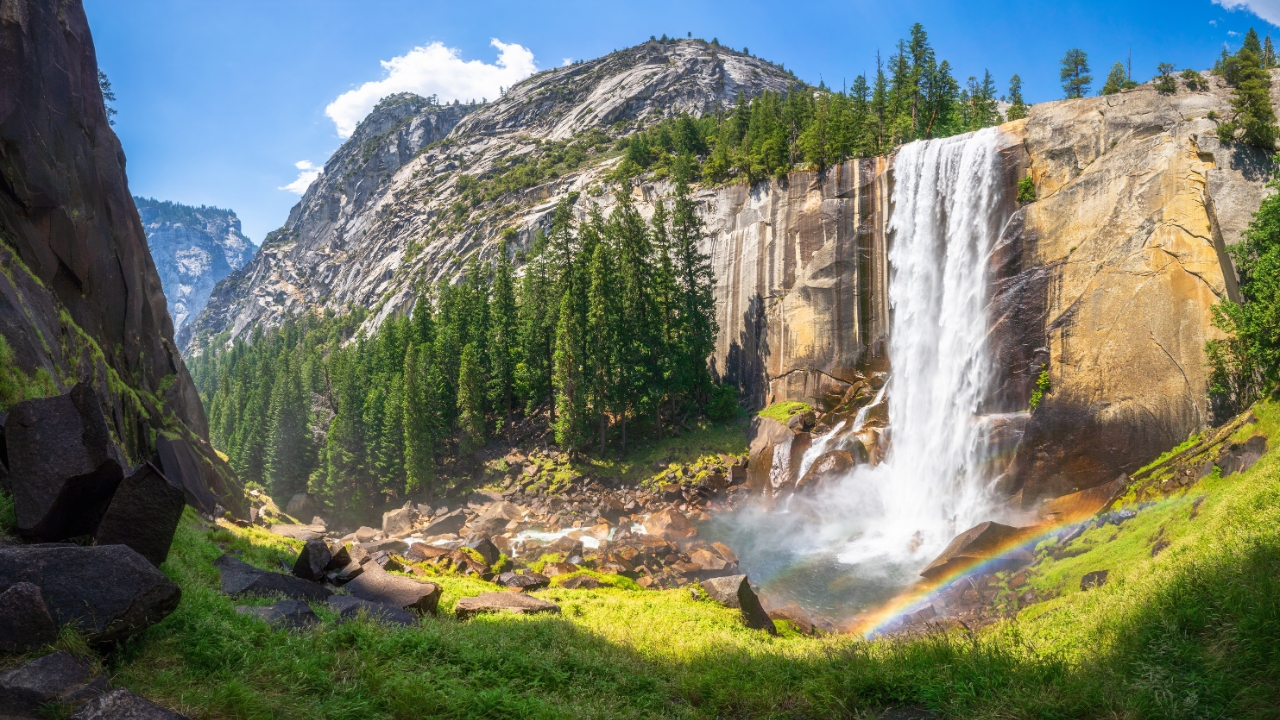
Yosemite Falls is the kind of waterfall that makes you stop talking mid-sentence. You’re in a granite bowl with huge walls around you, and the water is cutting through that landscape like it owns the place. In peak runoff, you don’t need to be close to feel it. Even from the valley floor, it pulls your attention the way a campfire does.
Timing matters here more than people realize. Late spring is usually when the flow looks the most alive, while late summer can be a lot thinner. If you hike up toward the falls, start early and carry more water than you think you’ll need. The mist near the base can make rocks slick, and that granite doesn’t forgive mistakes. Slow down, take the long view, and let the sound do what it does.
Multnomah Falls (Oregon)
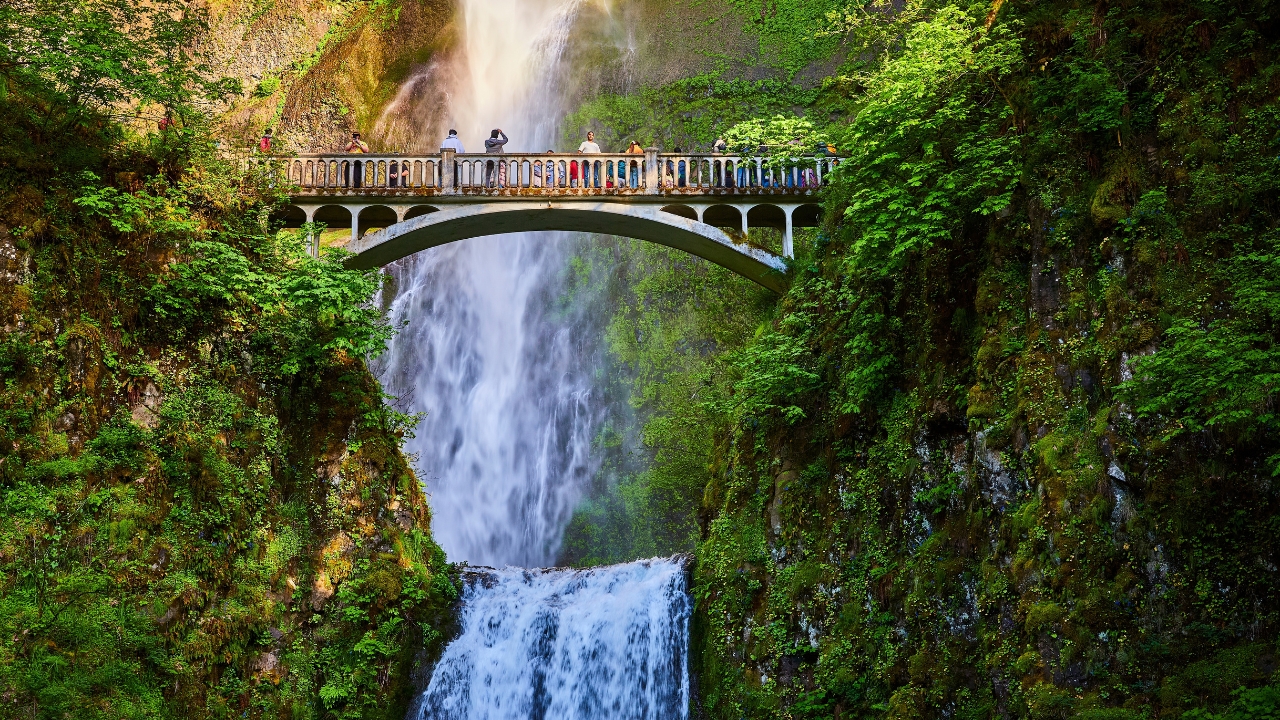
Multnomah Falls is one of those places that looks like it was built for a postcard, except it’s real and it’s right off the road. You get that tall, split drop framed by moss, basalt, and big trees, and it somehow still feels wild even with the crowds. The footbridge halfway up gives you a perspective that makes you appreciate how much water is moving through that narrow chute.
If you want it quieter, show up early or pick a weekday. The hike beyond the main viewpoint is worth your time, especially when you want to stretch your legs and get away from the roadside buzz. Rain is common, so plan on damp everything and slippery steps. Keep your traction in mind and don’t rush. In the Pacific Northwest, waterfalls feel like part of the forest’s heartbeat, and Multnomah shows you why.
Havasu Falls (Arizona)
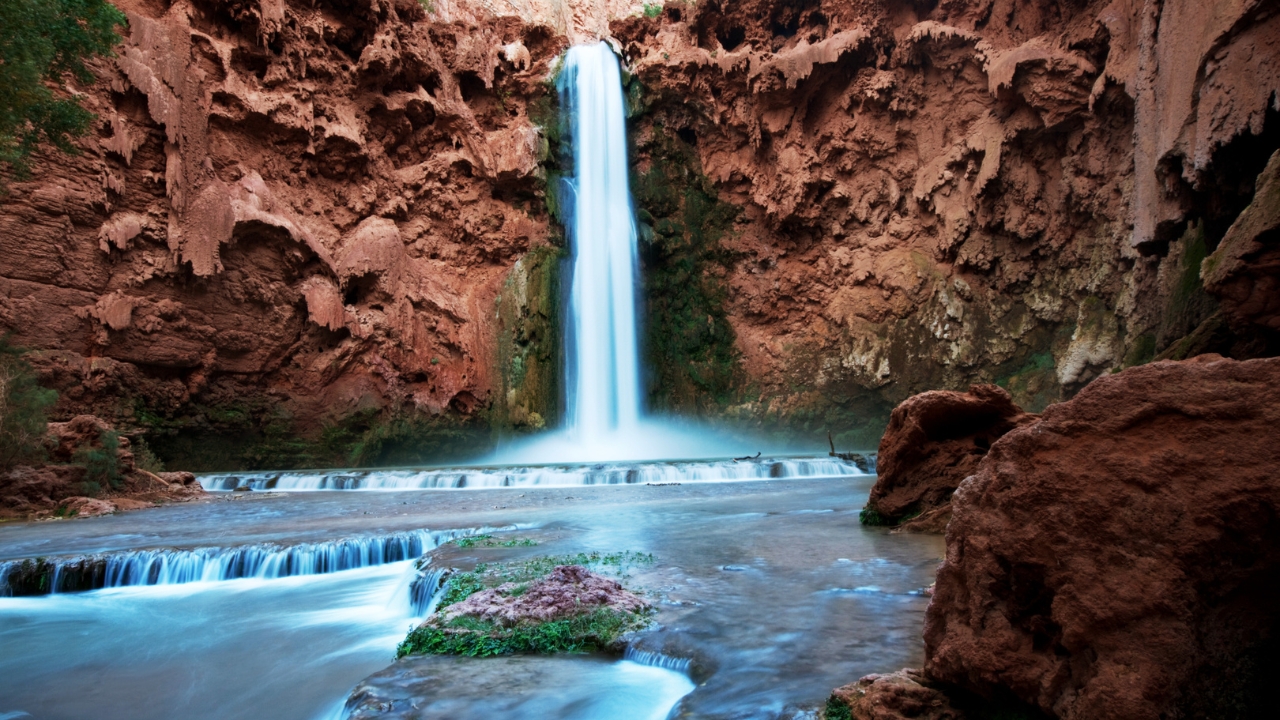
Havasu Falls feels like a mirage that decided to stick around. You’re in red rock canyon country, and then there’s that blue-green water dropping into a pool that looks almost unreal. The color comes from minerals in the water, and it’s one of the rare places where the photos don’t exaggerate as much as you’d think. The setting makes it feel remote even though it’s a well-known destination.
This one takes planning. Access is controlled, and you’ll need permits and logistics lined up well ahead of time. The hike in and out can be demanding, especially with heat, so treat it like a serious backcountry trip. Carry what you need, respect the rules, and keep your footing around wet rock. If you go, take your time and treat the place like it’s borrowed, because it is.
Lower Falls of the Yellowstone River (Wyoming)
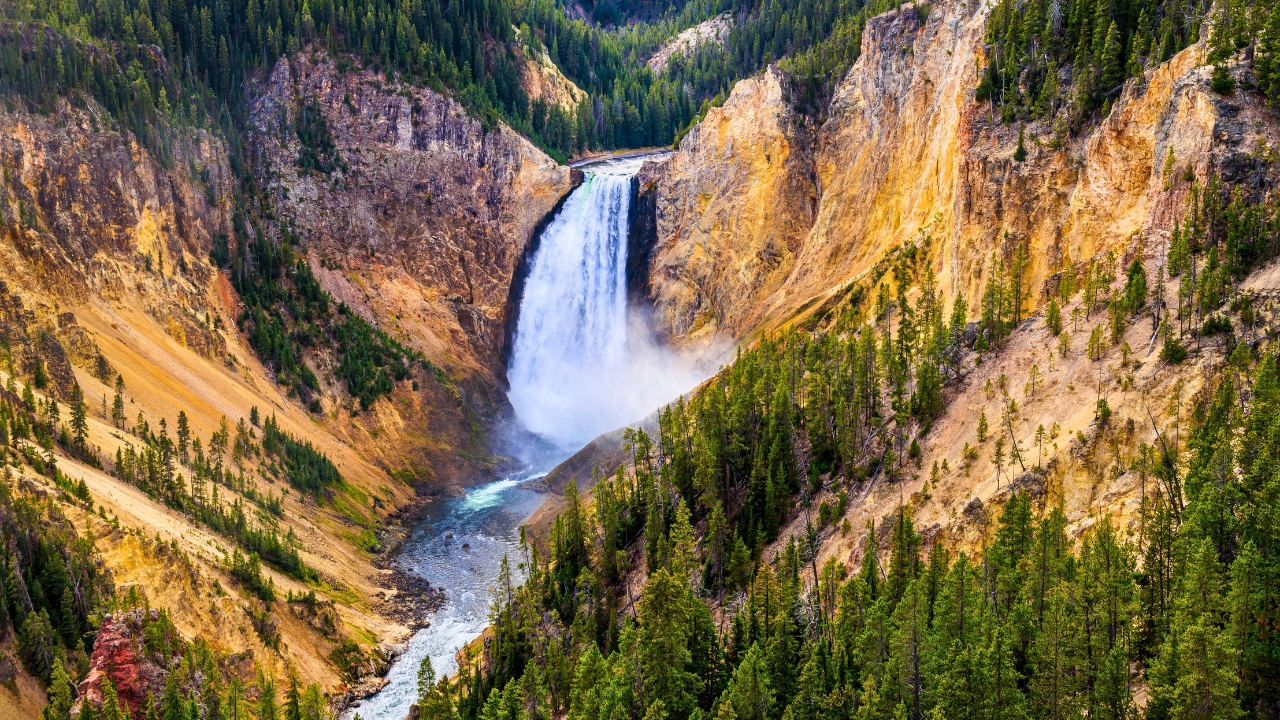
Lower Falls in Yellowstone hits hard because the whole canyon is part of the scene. You’re not looking at a waterfall in isolation—you’re watching a river drop into a deep, colorful gorge that feels carved with intent. The water looks heavy and powerful, and the mist rises up like smoke on cold mornings. It’s one of those viewpoints where you end up standing longer than you planned.
The classic view is from Artist Point, and it’s popular for a reason. If you want different angles, take the time to explore other overlooks and trails, but stay on them. Yellowstone terrain can be unstable near edges, and shortcuts are how people get hurt. Bring binoculars for wildlife while you’re there, because you’re in prime country. If you hit it during early season flow, the whole canyon feels alive.
Shoshone Falls (Idaho)
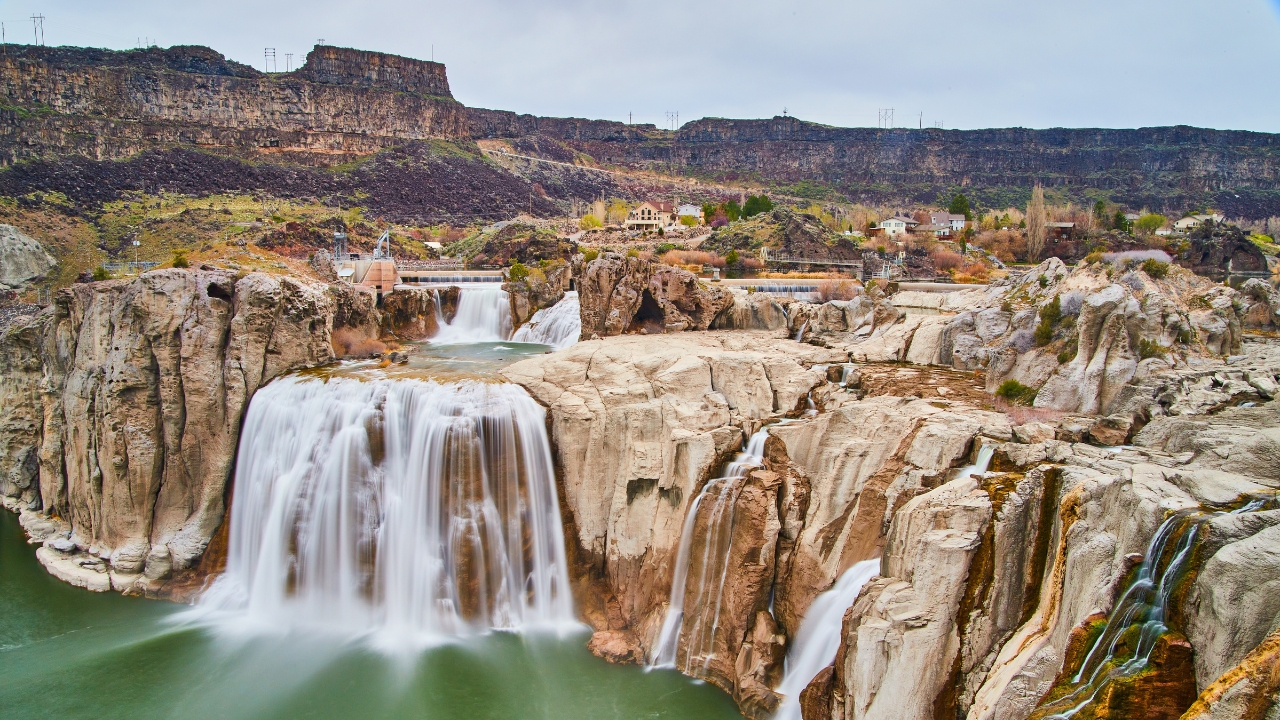
Shoshone Falls surprises people because it’s big, loud, and not hiding from anyone. You’re near Twin Falls, and suddenly there’s a wide curtain of water dropping into a rocky canyon. It’s a classic river waterfall where you can watch the current gather speed, commit, and then crash into the basin below. When the flow is strong, it’s a full-bodied roar that carries across the rim.
Spring is the sweet spot, especially when snowmelt is feeding the river. Later in the year, flow can drop depending on irrigation and seasonal conditions, so don’t assume it will look the same every month. The viewpoints are easy to access, which makes it a great stop even if you’re not in full hiking mode. Bring a windbreaker—mist can drift farther than you expect when the breeze shifts.
Palouse Falls (Washington)
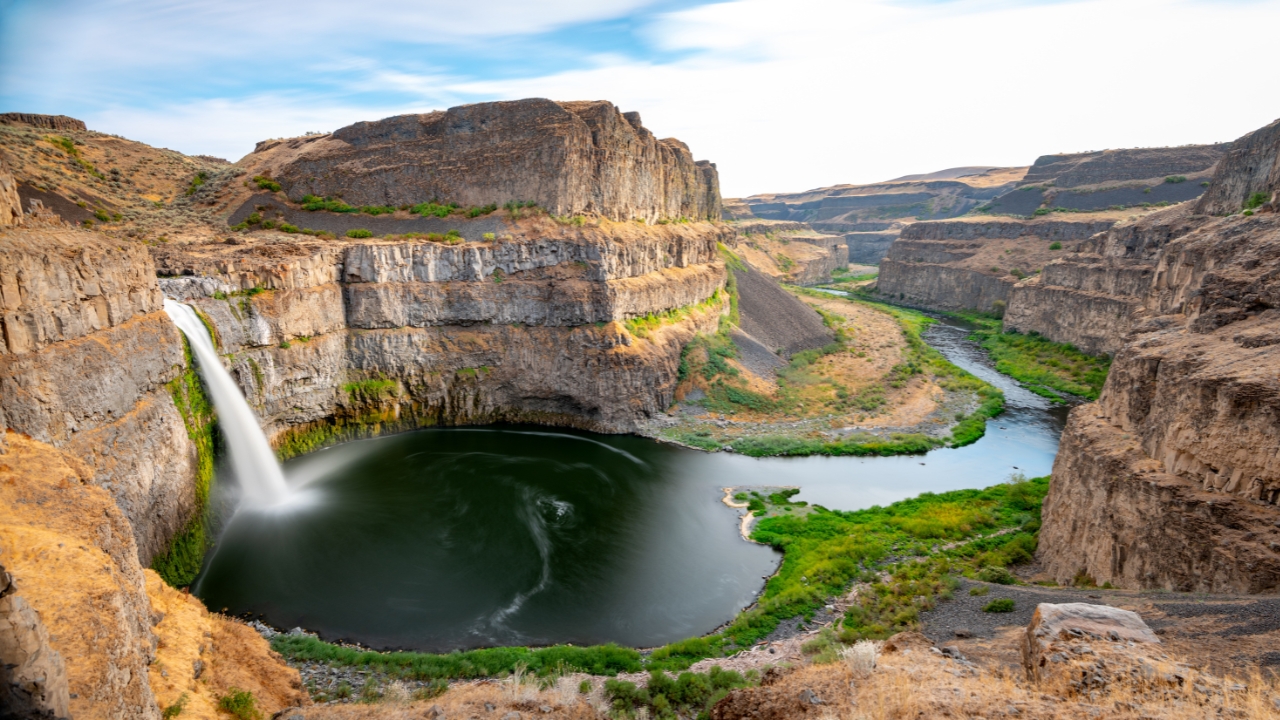
Palouse Falls is all about drama in a wide-open landscape. You’re in rolling, dry country, and then the river drops into a rugged amphitheater that looks like it was ripped open. The falls have a clean, powerful plunge, and the canyon walls hold the sound so it feels louder than it should. It’s a strong reminder that water shapes land even in places that don’t look watery at first glance.
This is a great spot for sunset light, but plan your footing if you’re moving around for photos. The ground can be dusty, loose, and uneven near viewpoints. Stay back from crumbling edges because that basalt can break without warning. You don’t need a long hike to get a big payoff here, which makes it an easy win on a road trip. Pack out your trash—this place deserves better than windblown wrappers.
McWay Falls (California)
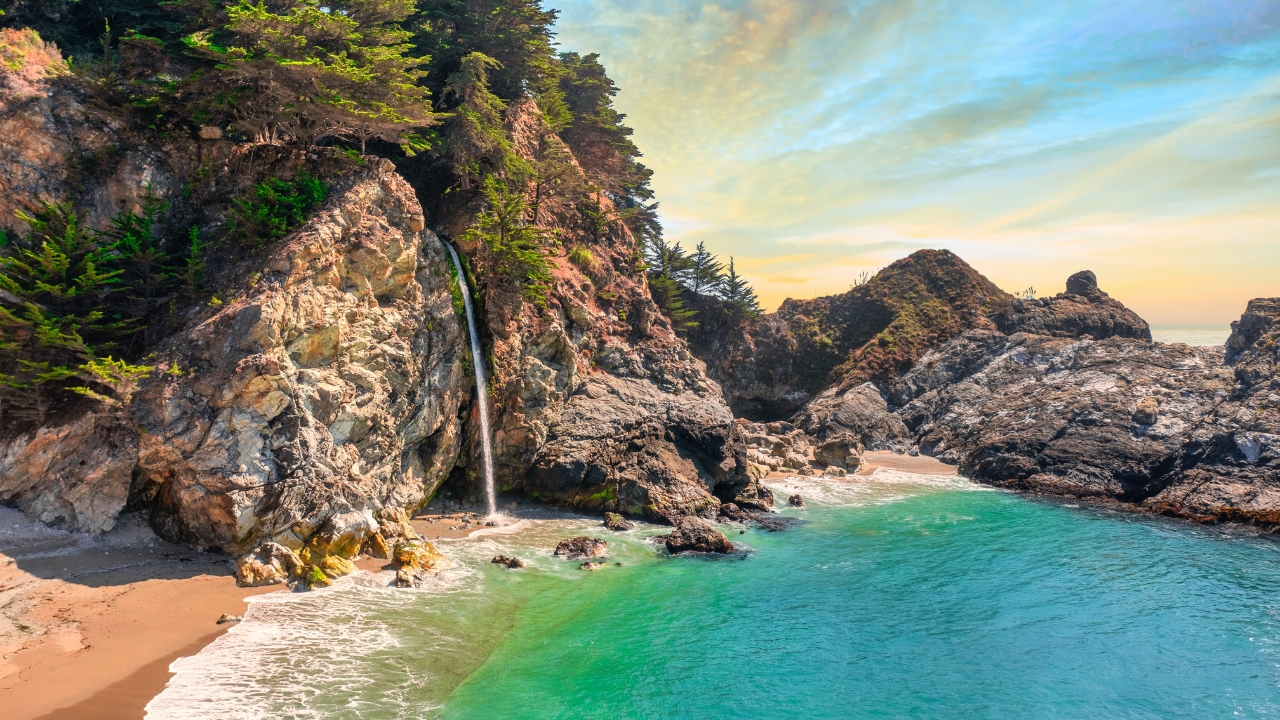
McWay Falls is the coastal waterfall people don’t stop talking about, and once you see it, you’ll get why. It drops onto a small beach in Big Sur, with turquoise water and steep cliffs framing the scene. It’s not a roaring, chest-thumping waterfall most of the time. It’s more of a clean ribbon spilling into the ocean, which makes it feel calm even when the surf is loud.
You view it from an overlook on the trail, and that’s part of the charm—it stays protected and you’re forced to take it in from a respectful distance. Go early if you can, because parking and crowds can get hectic. Fog can roll in fast on the coast, so bring a layer even if it’s warm inland. McWay is proof that a waterfall doesn’t have to be huge to stick with you.
Cumberland Falls (Kentucky)
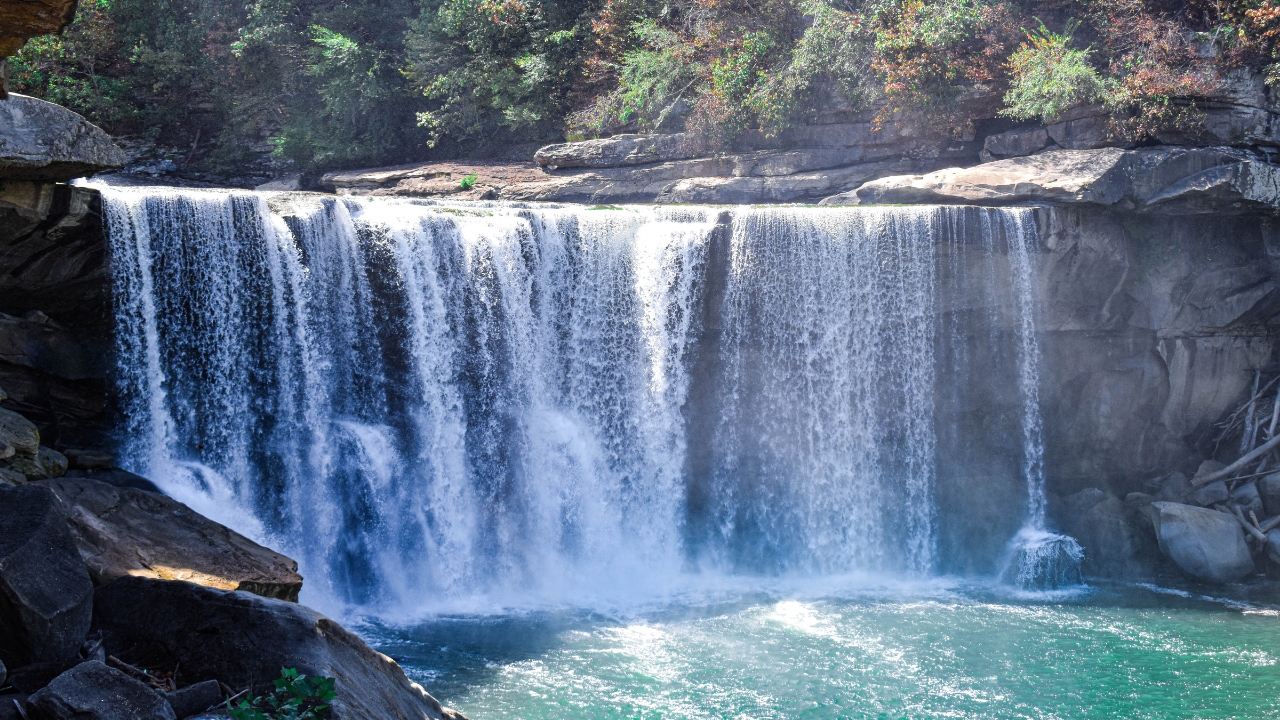
Cumberland Falls is a classic Eastern waterfall with a wide, powerful drop and a river that looks like it means business. The surrounding forest gives it that deep-green backdrop that makes the white water pop. It’s the kind of place where you can feel the spray on your face and hear the water before you see it. The park setup makes it approachable, but the falls still feel raw.
A cool twist here is the “moonbow,” a nighttime rainbow that can show up under the right conditions around a full moon. It doesn’t happen every night, and clouds can ruin your plan, but it’s worth timing a trip if you’re nearby. During wetter seasons, the flow can be impressive. Watch the rocks near the edge—they can be slick and undercut. Take your time, find a good viewpoint, and let the sound settle your brain.
Taughannock Falls (New York)
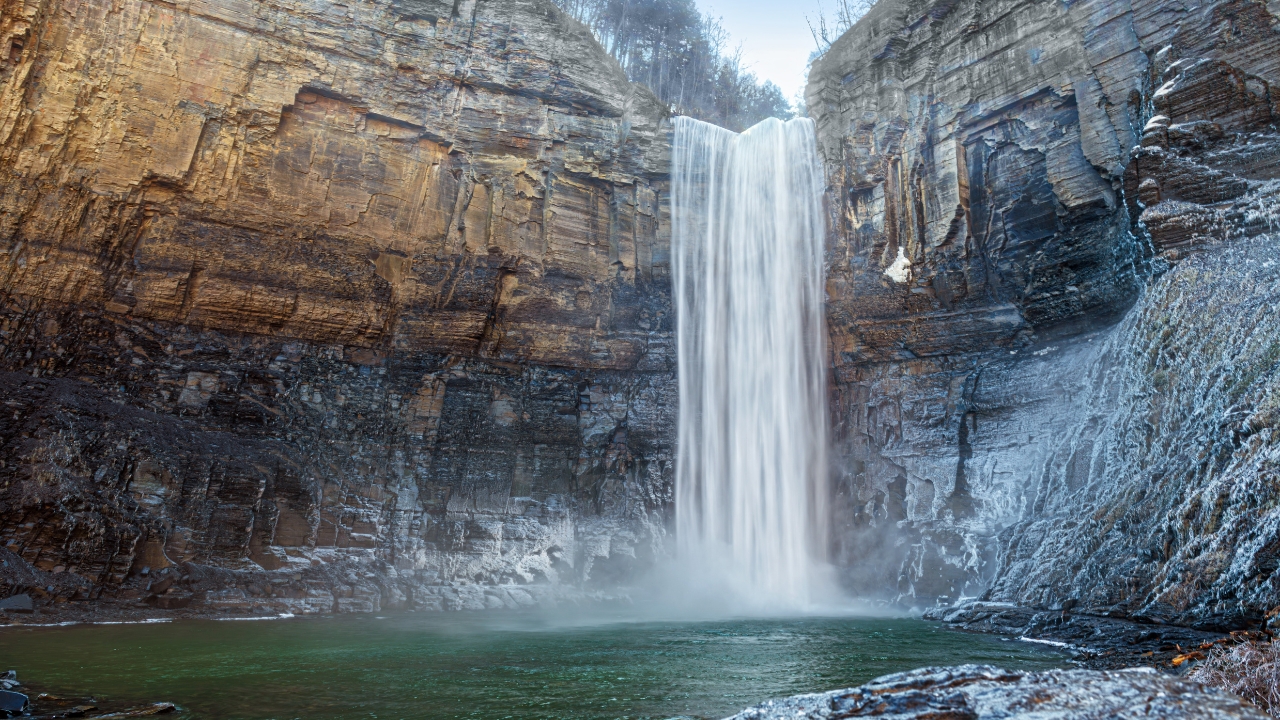
Taughannock Falls brings that tall, clean drop into a narrow gorge that feels like a secret, even though it’s easy to reach. The waterfall plunges down a cliff face into a rocky amphitheater, and the gorge walls guide your eyes right to the action. In cooler months, the water can thin out, but the rock setting still gives it a serious presence. When flow is strong, the mist hangs in the gorge like weather.
You’ve got options here: an overlook view if you’re short on time, or a trail that follows the creek into the gorge where you feel enclosed by high walls. If you take the gorge route, pay attention to seasonal closures and icy conditions. The trail can get slick, and a fall on wet stone is a bad way to end a day. This is a great stop if you’re in the Finger Lakes and want a waterfall that feels bigger than you expected.
Fall Creek Falls (Tennessee)

Fall Creek Falls is a full-on waterfall destination, not a quick roadside stop. The main drop is broad and impressive, spilling over a cliff into a deep, rocky bowl surrounded by forest. The park has multiple waterfalls and trails, which means you can make a whole weekend out of it without repeating the same view twice. The air near the base feels cooler, and the sound of the water echoes off the rock walls in a way that sticks with you.
Spring and early summer usually give you the best flow, especially after rain. Trails can be muddy, and the rocks near the falls can stay wet even on sunny days. Bring footwear you trust and keep your pace under control. If you’re hunting for a waterfall trip that feels like a real outing, not a quick photo stop, this place delivers. Give yourself time, because it’s easy to rush and miss half of what’s there.
Whitewater Falls (North Carolina)
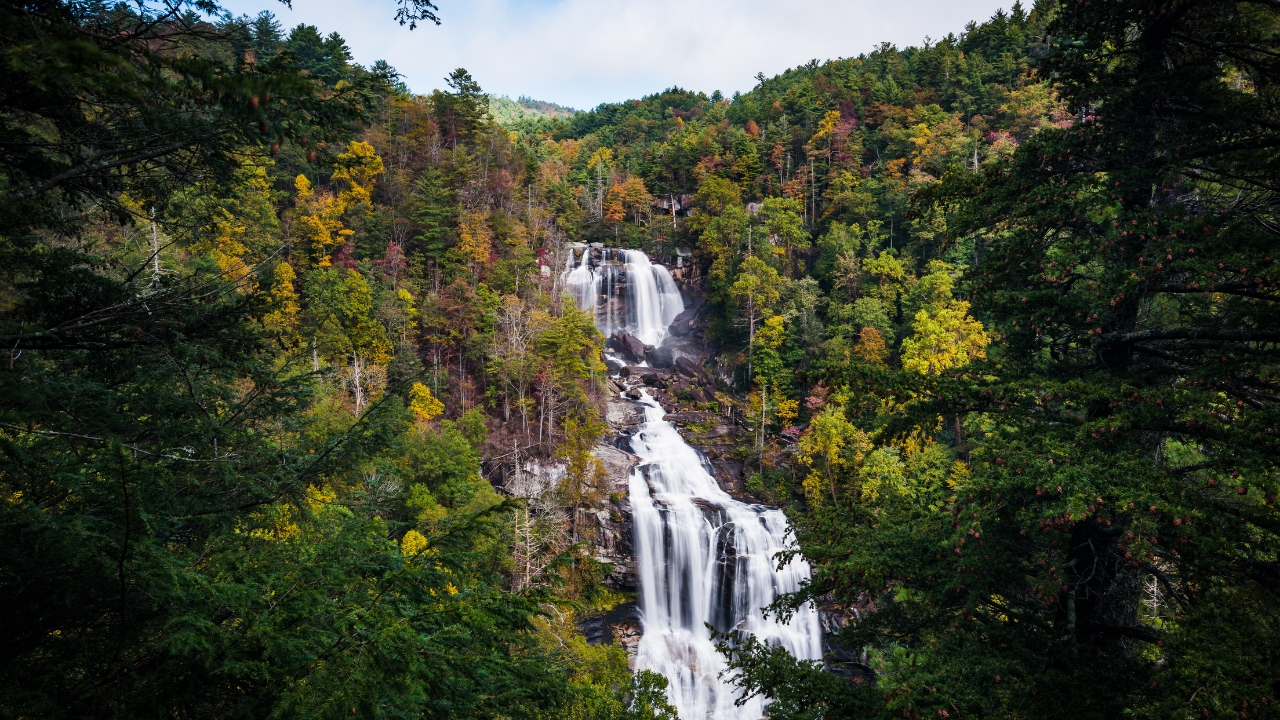
Whitewater Falls sits in the southern Appalachians where everything is green, steep, and damp in the best way. The waterfall drops in tiers, and the viewpoints give you a look at how the water steps down through rock and forest. It feels like mountain water should feel—cold, fast, and loud enough to fill the whole valley. Even when you’re standing at the platform, you’re still surrounded by hardwoods and rhododendron, which keeps the scene feeling wild.
It’s a good stop if you want a big payoff without a brutal hike. You can walk to an overlook and still get an impressive view. If you hike farther down for a lower angle, take it slow on the way back up. Humidity and steep grades can wear you down quicker than you think. This is a great shoulder-season spot too, when leaves change or the air gets crisp and the falls keep moving.
Bridal Veil Falls (Utah)

Bridal Veil Falls in Provo Canyon is one of the most accessible waterfalls that still feels like a real mountain feature. The water fans out over rock in a way that gives it that veil look, especially when the flow is strong. It’s framed by steep canyon walls and tall trees, and it makes a great stop when you want a quick dose of cold air and loud water without committing to a long hike.
Winter is where this one gets interesting. The falls can freeze into a big ice formation, and the whole canyon feels different when everything is locked up. In warmer months, snowmelt feeds the flow and the mist can drift across the trail. Stay off wet rock near the base and keep an eye on footing around spray zones. If you’re road-tripping through Utah and want a waterfall that’s easy to see and hard to forget, this one checks the box.
Lower Calf Creek Falls (Utah)
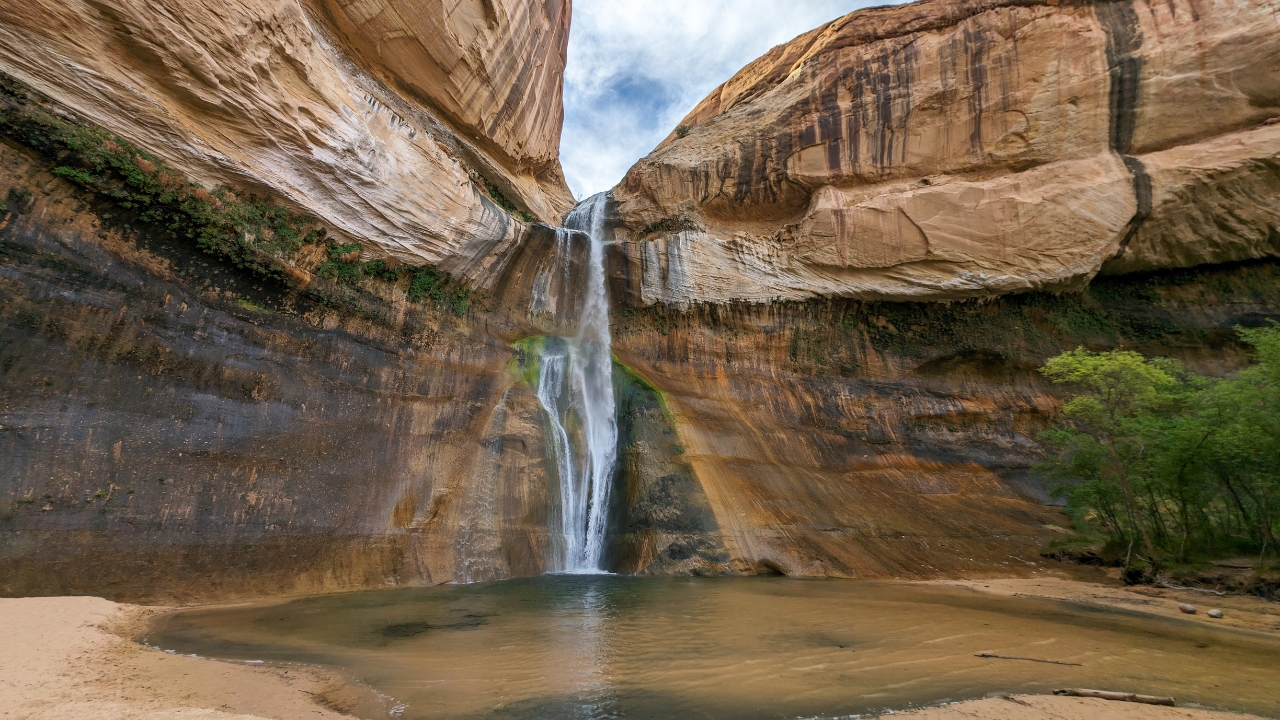
Lower Calf Creek Falls is the kind of hike that proves desert country can be lush if you know where to look. You walk through slickrock, cottonwoods, and creek crossings, and then the trail opens up to a tall waterfall pouring into a pool backed by rock walls. The contrast is what makes it hit: sun-baked canyon, then cold water and shade. When you arrive, you’ll probably see people sitting quietly because the place does that to you.
The hike is not technical, but it can feel longer on the way back, especially in heat. Start early, carry plenty of water, and don’t count on shade the whole time. Watch your footing near the pool—wet rock is slick, and the creek edges can crumble. If you want a waterfall that feels earned but still doable, this is a strong pick. Take a snack, sit a while, and let the canyon calm you down.
Akaka Falls (Hawaii)
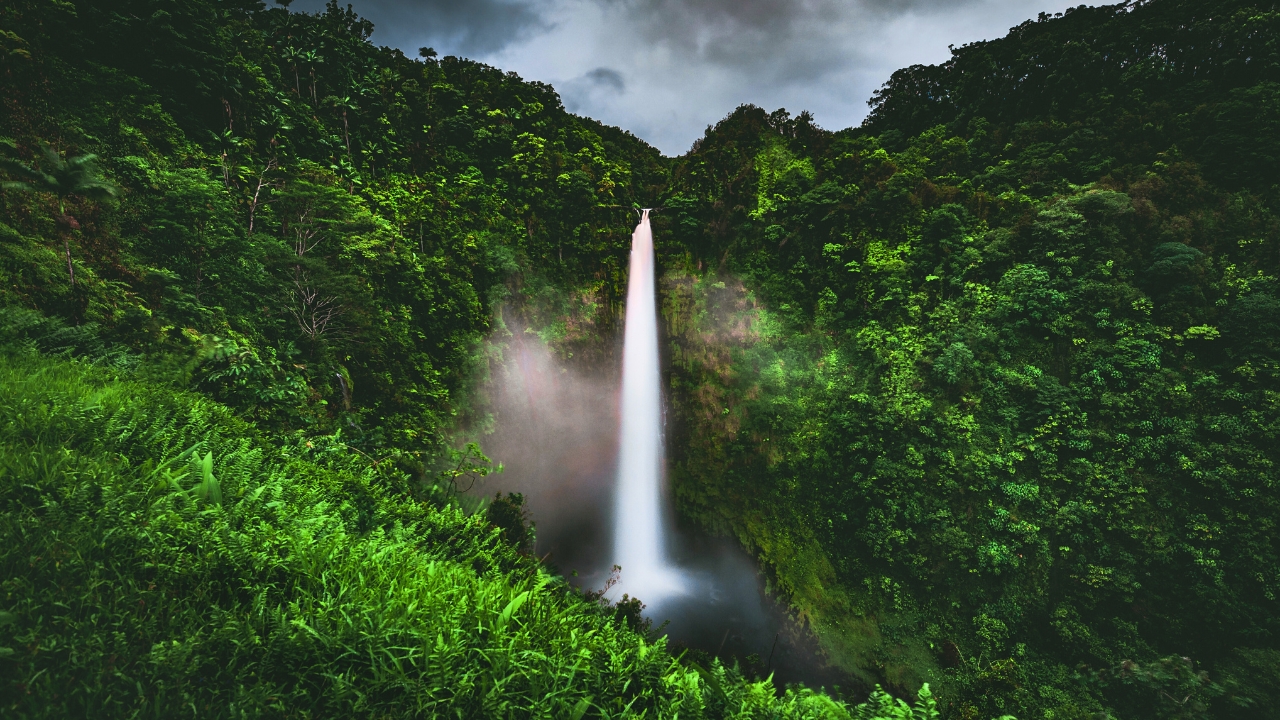
Akaka Falls is pure rainforest energy. You’re walking through thick green vegetation, hearing birds, and then the waterfall drops hard into a gorge surrounded by jungle. The air is humid, the plants look oversized, and the whole place feels alive. It’s a different kind of waterfall experience compared to mainland mountain falls, and it’s worth seeing if you want to understand how water and tropical landscape play together.
The loop trail is short and well-maintained, but it can be slick after rain, which is common on the Big Island. Wear shoes with grip and don’t rush the steps. Because it’s accessible, it can get busy, so earlier is better if you want a quieter moment. Akaka isn’t the kind of place you “conquer.” You walk in, you take it in, and you leave with your shirt damp and your mind reset. If you’re chasing waterfalls across America, Hawaii belongs on the list.
Like The Avid Outdoorsman’s content? Subscribe to our newsletter so you never miss an article.
Here’s more from us:


