
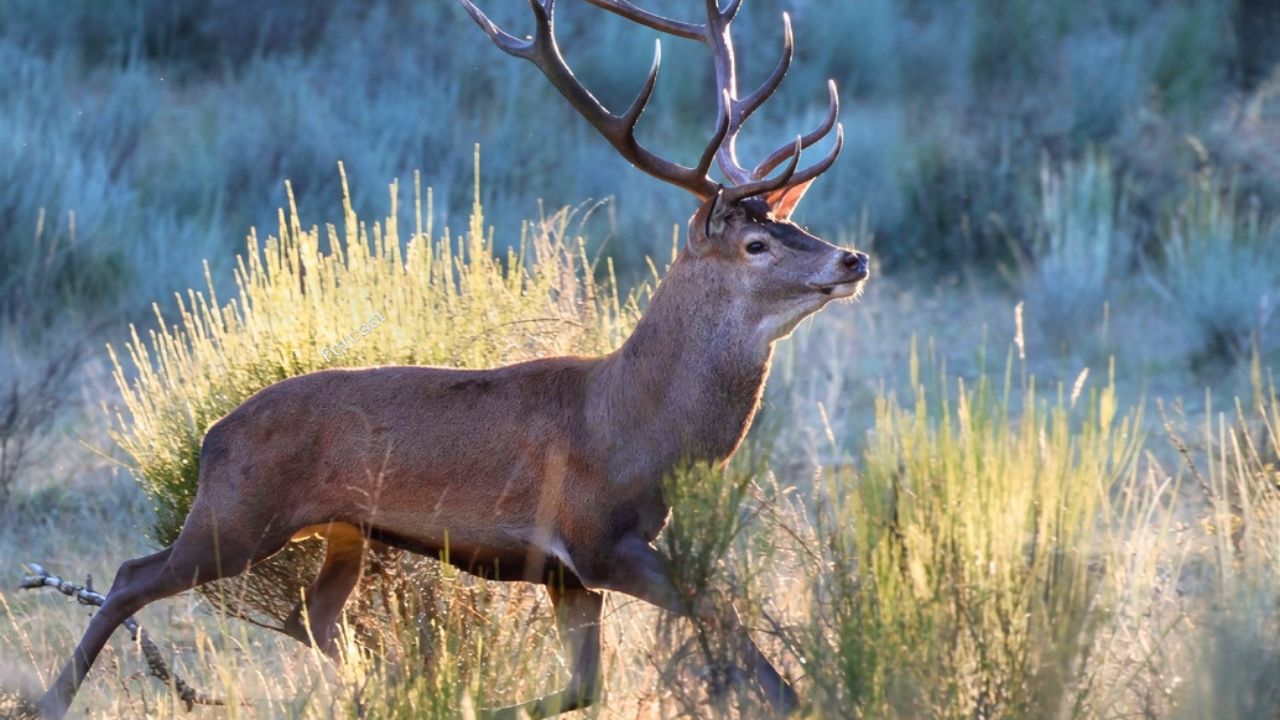
Photo credit: Fercast/Shutterstock.com
This is where a lot of clean hunts turn into messy situations fast. You make the shot, the animal takes off, and then it crosses onto land you do not have permission to enter. At that point, the problem is no longer only about tracking. It becomes a private-property issue, and in many states the shot itself does not give you the right to cross the line and recover the animal. Texas Parks and Wildlife says you may not enter property to pursue wounded game without the landowner’s consent, and New York’s DEC says the same thing.
You usually have to stop at the property line
That is the part hunters hate, but it is the practical reality. If the animal runs onto private land, the safest and smartest move is usually to stop, mark the last blood or last place you saw it, and start trying to contact the landowner. In New York, DEC says plainly that if permission is refused, the hunter may not enter the property in pursuit, and the agency cannot force the landowner to allow access.
Going anyway can turn a legal hunt into a trespass problem
A lot of people still think recovering wounded game is some kind of automatic exception. In plenty of places, it is not. Texas specifically says entering land to retrieve wounded game without consent can expose you to trespass consequences, and TPWD has reminded hunters that if a deer crosses multiple properties, permission is needed for each one before entering.
If the landowner says yes, keep it respectful and simple
If you do get permission, that does not mean charge in like you own the place. Go straight to the recovery, keep communication clear, and do not wander around the property doing extra scouting while you are there. Agencies and hunter-ed materials consistently stress that permission and respectful landowner relationships matter because private-land access depends on trust.
The real lesson starts before the shot
Most of the trouble here can be reduced by thinking ahead. Know where the boundaries are, avoid risky shots near the line, and have a sense of where a wounded animal is likely to run. What happens after game crosses onto private property is usually pretty simple: recovery stops being fully up to you. From there, it depends on permission, and sometimes on whether the neighbor is willing to help at all.
Like The Avid Outdoorsman’s content? Be sure to follow us.
Here’s more from us:


