Photo credit: 2 Bro’s Media/Unsplash.com
The survival-knife market is full of blades that look like they were designed for the end of the world and then somehow forgot they still have to do normal knife work. That is the whole problem. A lot of these models lean hard into coatings, serrations, skull-crusher pommels, tactical sheaths, tantos, hollow handles, or overbuilt blade stock that sounds impressive in product copy but gets annoying the second you ask the knife to clean fish, slice food, process game, or handle basic camp chores. Gerber’s LMF II, for example, is sold as a 10.59-inch survival-oriented fixed blade with a sharpener-integrated sheath, while SOG’s SEAL Pup Elite is openly framed as a tactical fixed blade with a spine rasp and TiNi coating. Those details tell you what lane these knives were built to sell.
That does not always mean the knife is junk. Some of these are durable. Some have loyal fans. Some do exactly what they were built to do. The issue is fit. A knife can absolutely look like a “survival” tool and still be a lousy choice for everyday cutting. This list is about real knives that project survival toughness but often make ordinary chores harder than they should be.
Gerber LMF II Infantry
The LMF II Infantry is one of the cleanest examples of this whole category. Gerber sells it as a serious fixed blade with a combo edge, integrated sharpener in the sheath, and a large overall footprint. On a belt, it absolutely looks like the kind of knife that can handle anything. In real use, that much blade, that much handle, and that much survival packaging gets bulky fast.
The problem is not toughness. The problem is that normal chores do not need this much drama. Once you are slicing food, trimming cord, cleaning an animal, or doing detail work around camp, the big survival profile starts feeling clumsy. It is the kind of knife that makes a stronger statement than it makes a slicer. That is a pattern you will see over and over in this category.
KA-BAR Becker BK2 Campanion
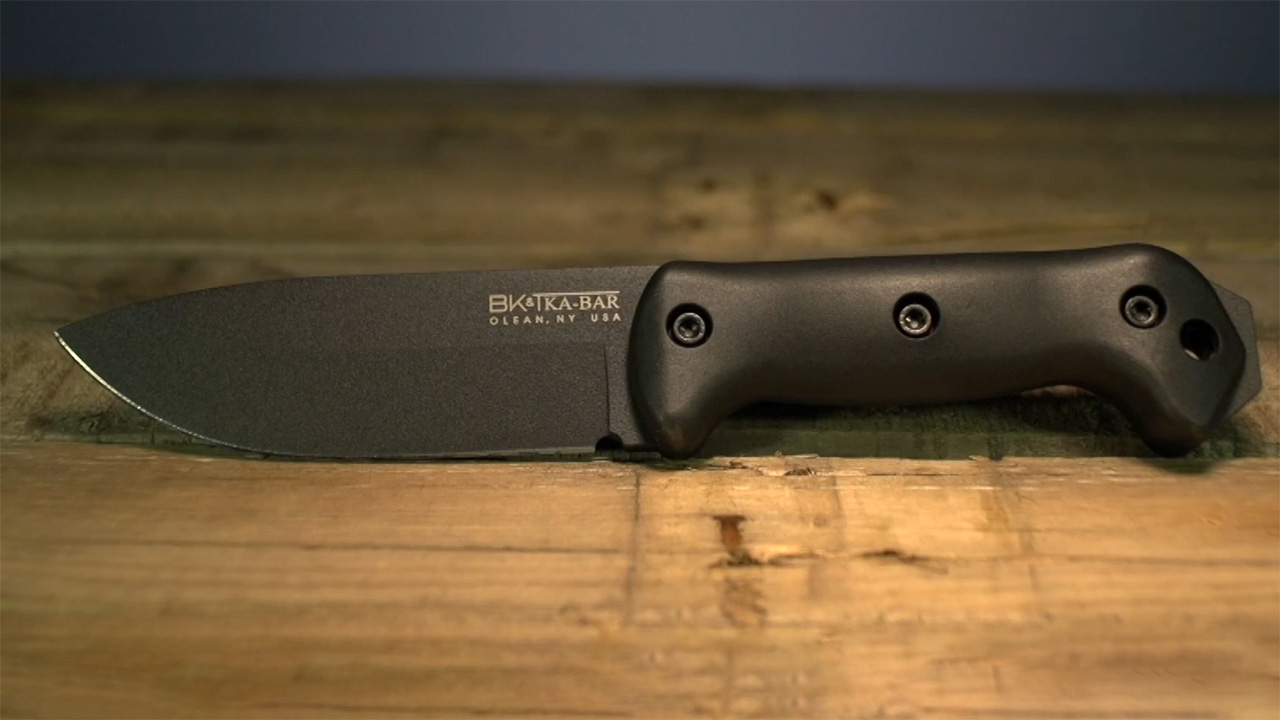
The BK2 Campanion has a real reputation, and it earned that as a hard-use beast. KA-BAR describes it as a fixed blade for camping and field use, and the big thing everybody already knows about it is that it is thick. That thickness is exactly why it lands here.
A thick knife can survive abuse, but that does not mean it handles chores gracefully. The BK2 is one of those blades that can make basic cutting feel heavier and wedgier than it should. People buy it thinking they are getting the one knife to rule everything. Then they actually use it on food, hide, wood shavings, and little camp tasks and realize it acts more like a sharpened pry bar than a knife that wants to cut cleanly.
SOG SEAL Pup Elite

SOG does not pretend the SEAL Pup Elite is some quiet little camp knife. It is marketed as a tactical fixed blade with a spine rasp, coated blade, finger grooves, and a hard-use image. That tells you exactly where the design priorities went.
For actual chores, a lot of that starts working against you. The handle shape is aggressive, the blade styling leans tactical, and the whole knife feels more like gear for a role than a tool for ordinary cutting. It looks great strapped on. That is different from being the knife you enjoy using for an hour. A lot of survival-looking knives lose that second test.
Gear Aid Kotu Tanto
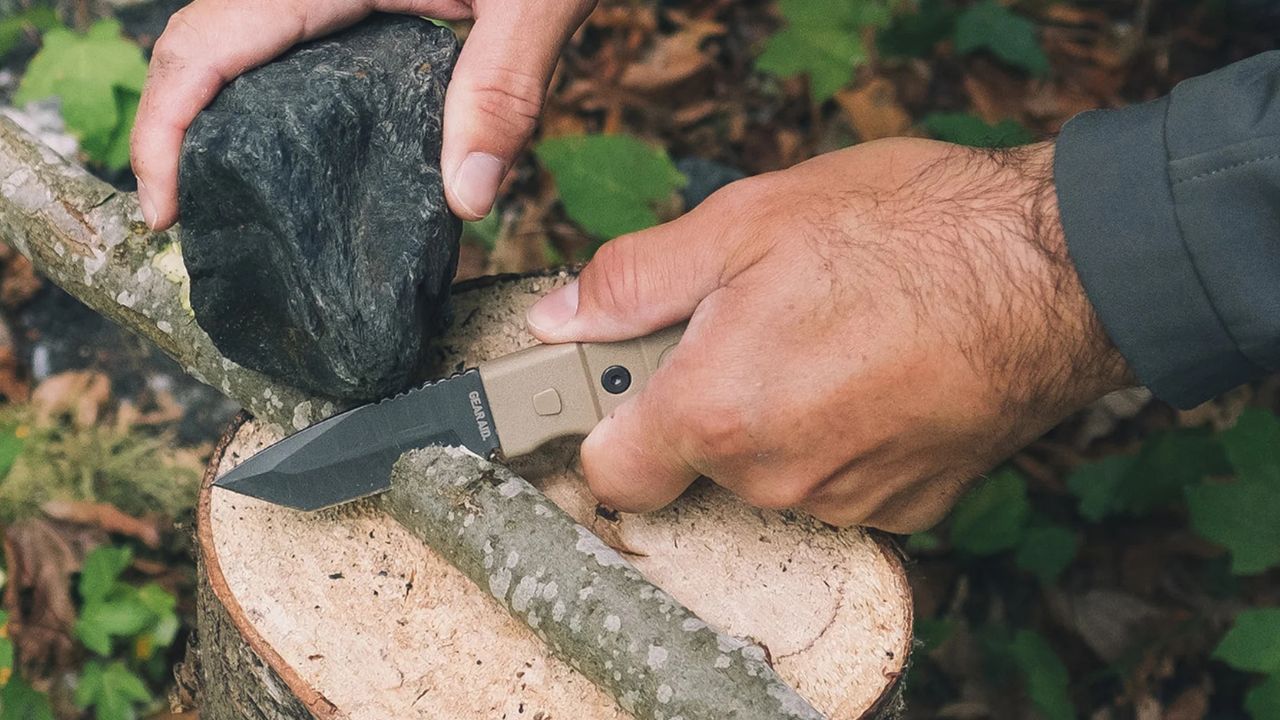
The Kotu is almost a perfect article knife because the product description stacks up all the things that sound exciting and often age badly in use: tanto blade, partial serrations, titanium coating, glass breaker, bottle opener, and a removable belt clip system. That is a lot of features for a knife with a 3-inch blade.
That feature pile is exactly the problem. Every extra survival or tactical flourish takes the knife a little farther from simply being good at cutting. The tanto profile is already not ideal for a lot of basic slicing chores, and the rest of the package pushes it even harder toward “cool little emergency gadget” instead of “knife I actually want for camp work.”
Smith & Wesson SW910TAM
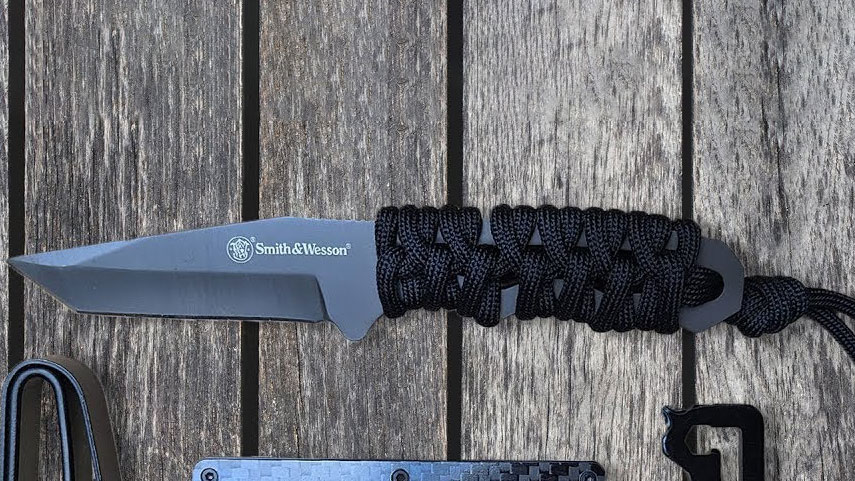
The SW910TAM is a textbook example of the budget survival-tactical style. Midway’s listing describes it as a fixed-blade tanto with a skeletonized handle wrapped in 550 paracord and a molded polymer sheath. That sounds rugged and stripped-down in the ad.
In real use, you are dealing with a tanto edge and a cord-wrapped skeleton handle at the same time. That is a bad combo for comfort and all-around usefulness. A handle like that usually feels better in theory than in your hand after repeated cuts, and the blade shape is still working against smooth slicing chores. It looks survival-ready. It also looks a lot more fun than it actually is.
Survivor Striker Paracord Handle Knife
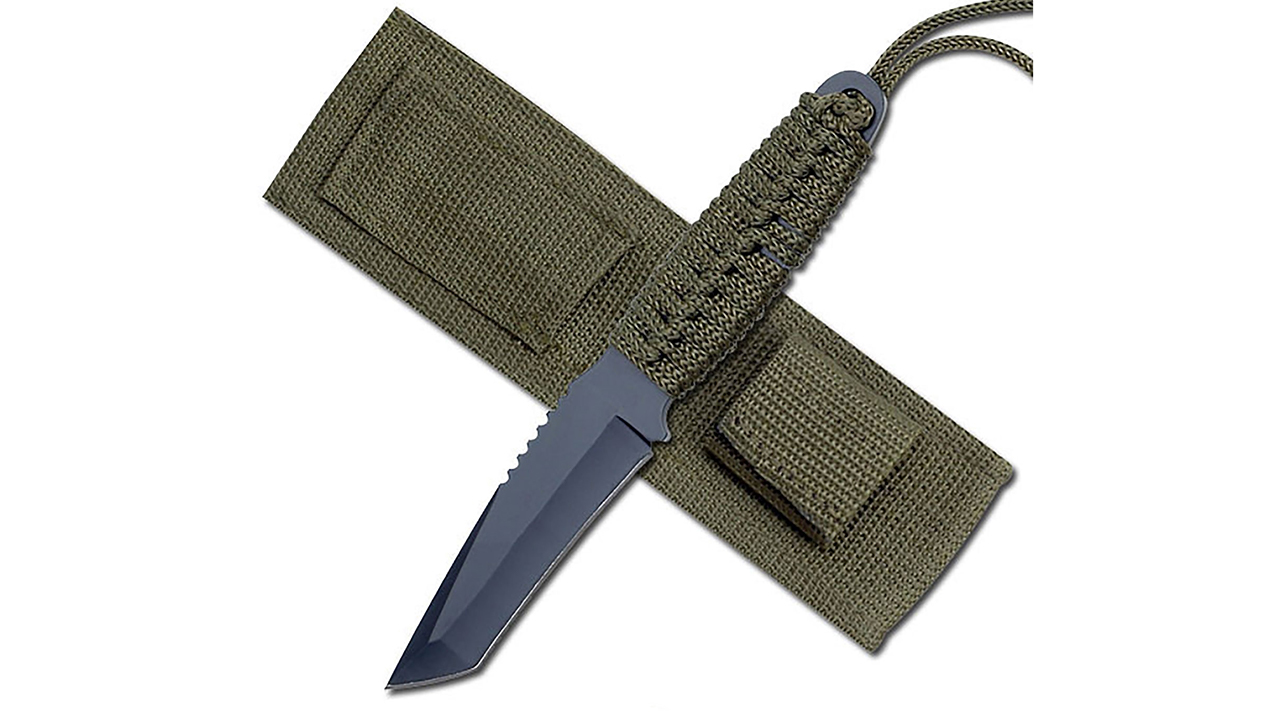
The Survivor Striker pushes the same idea even harder. The listing describes a black-finished stainless tanto blade, a stainless handle wrapped in paracord, and even a fire starter rod built into the package. It is basically the budget survival-knife formula in one shot.
That is great if your goal is checking every “survival” box on one cheap knife. It is not great if your goal is comfortable, reliable cutting. Cord-wrapped metal handles are rarely fun for longer use, and adding a fire starter does not suddenly make the blade shape or cutting feel better. This is one of those knives that sells the concept much more effectively than the actual experience.
Cold Steel Tanto Spike
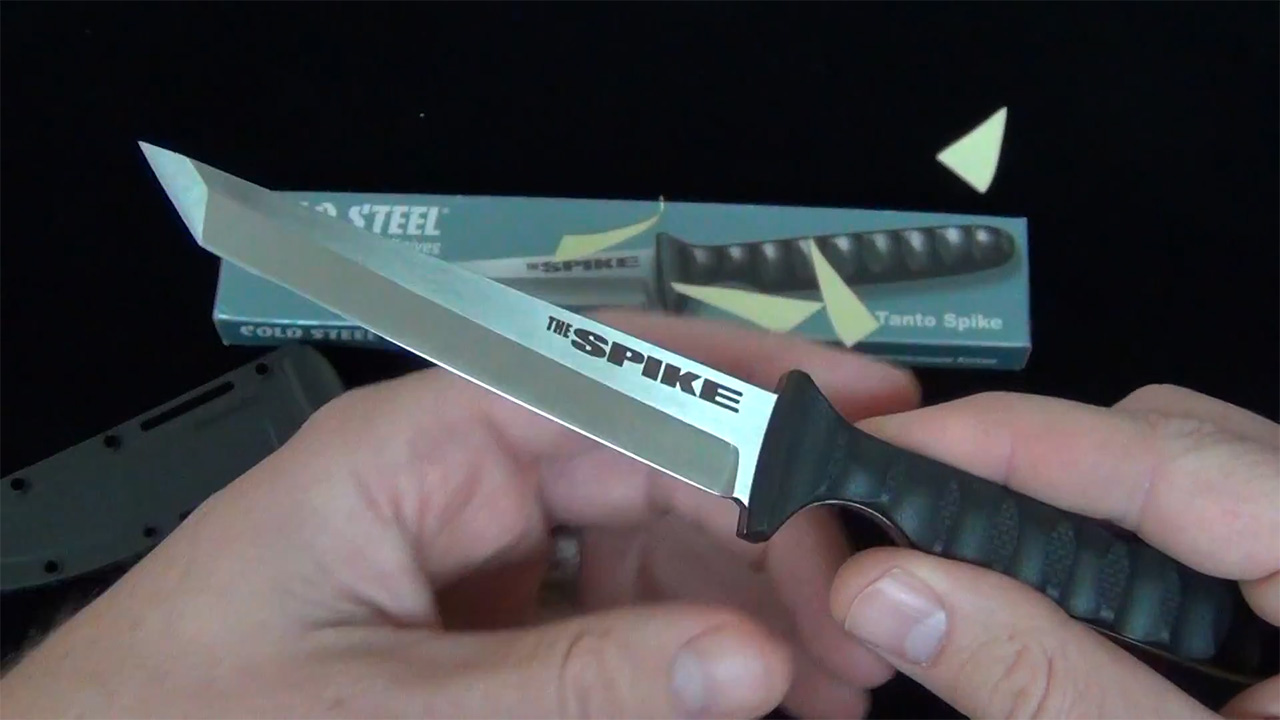
Cold Steel’s Tanto Spike is light, compact, and aggressively styled, with a tanto blade and a neck-knife carry format. The listing emphasizes its toughness, zero-ground blade, and strong one-piece construction. That all sounds serious.
The issue is still the same old tanto problem. That shape is not what most people want for basic camp chores, food prep, easy slicing, or field work. Add the very small format and narrow grip, and the knife becomes even more specialized than it first looks. It may be tough for its size, but tough and handy are not the same thing.
CRKT Shrill
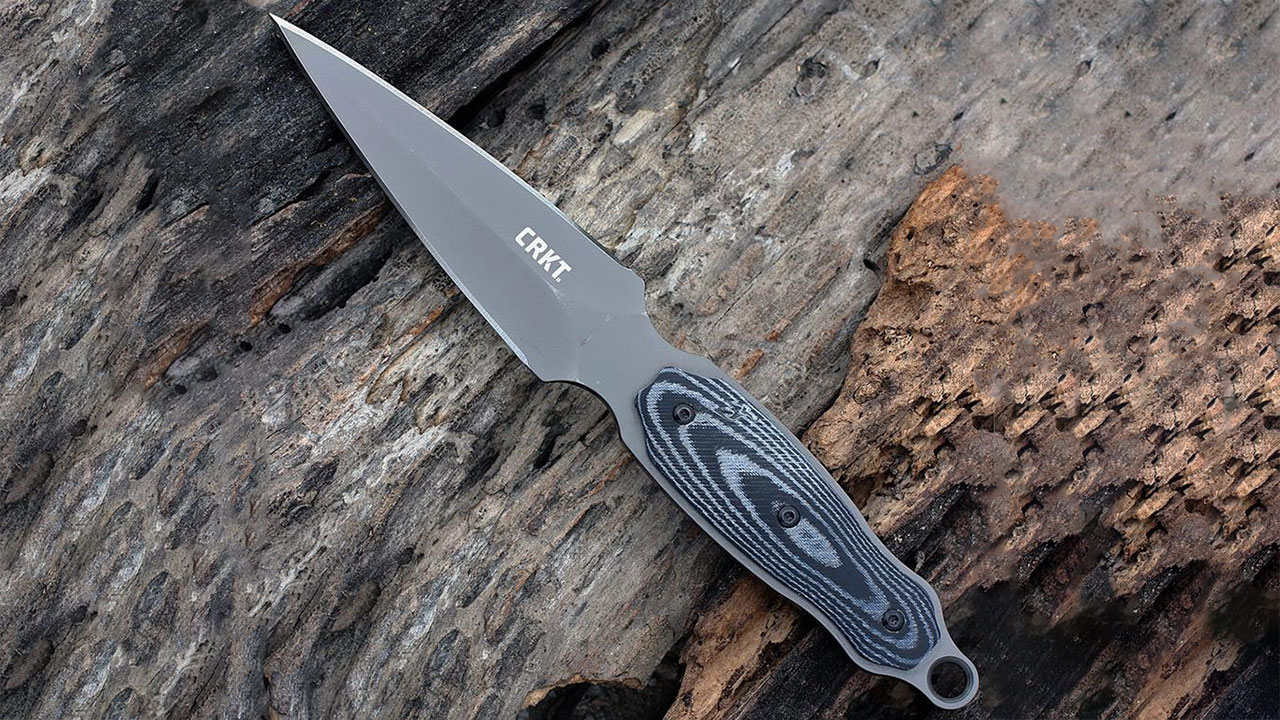
CRKT’s own description of the Shrill says the quiet part out loud: it is a tactical boot knife with a dual-edged design that “seems to pierce anything in sight.” That is about as clear as product identity gets.
That dual-edge profile is exactly why it fails basic chores. Daggers and boot knives can be cool, but they are not general camp tools. You lose easy thumb placement, lose comfortable choke-up control, and lose the practical simplicity of having one edge meant to work. A knife like this looks dangerous and mission-ready, which is not the same thing as being useful around camp.
Cold Steel Safe Maker II
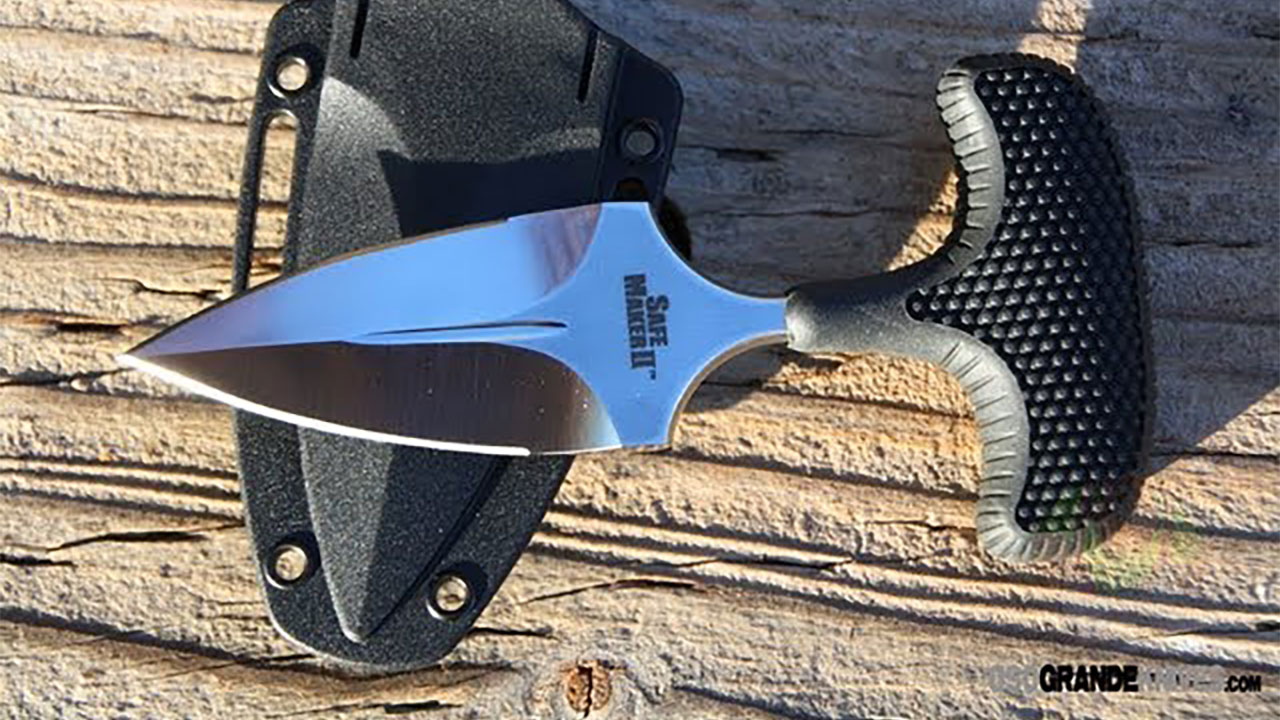
The Safe Maker II follows the same basic logic. It is a small double-edged dagger with a Kray-Ex handle and belt sheath. Again, very cool if you want a defensive blade profile. Not very convincing if you want a knife for chores.
Basic camp work rewards control. Dagger profiles make control more awkward than it needs to be. The Safe Maker II is a great example of a knife that might absolutely do what it was designed to do, but what it was designed to do is not what most hunters and campers mean when they say they want a survival knife.
Jungle Ranger Survival Knife
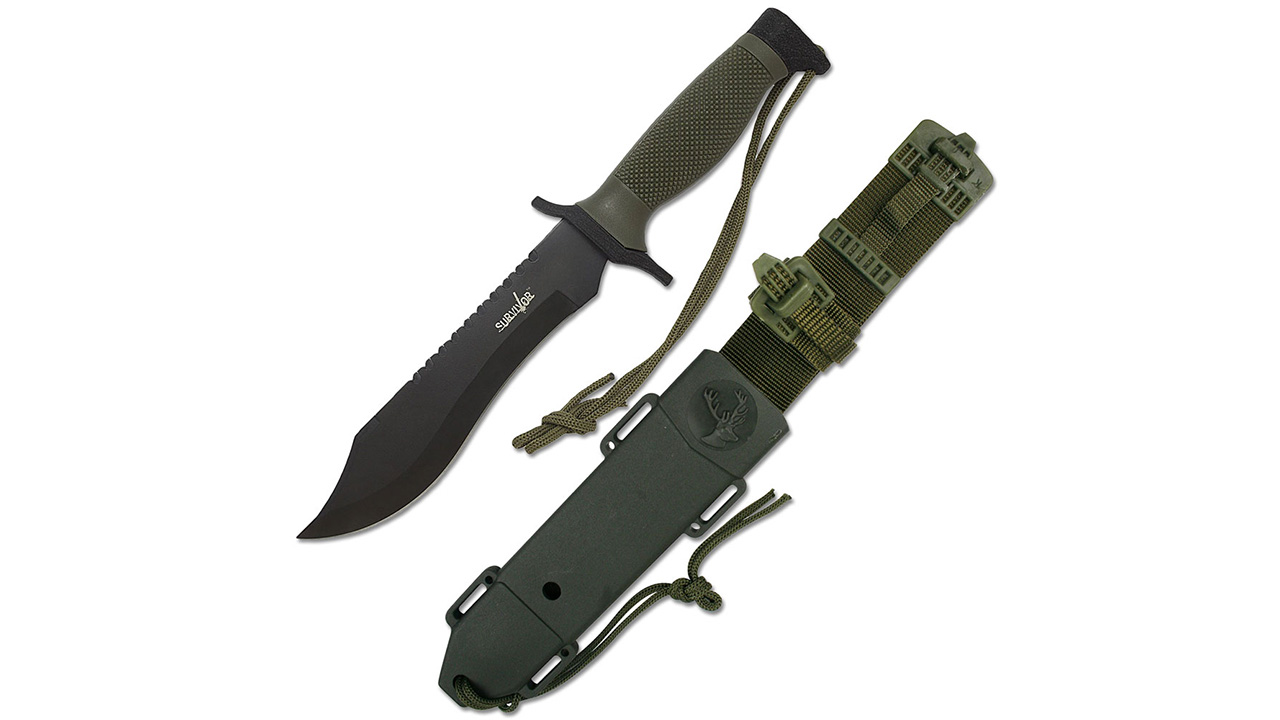
The Jungle Ranger is about as classic a fantasy-survival knife as you will find. Even the name sounds like it came out of an old action-movie aisle. It is marketed directly as a survival knife, and that kind of branding usually tells you what matters most before you ever see the blade.
Knives like this usually win on visual intensity and lose on boring real-life work. Oversized blade, loud styling, and “survival” branding do not make food prep, carving, trimming, or skinning more pleasant. They usually make those things feel more awkward. This is exactly the type of knife that looks incredible to somebody imagining survival and underwhelming to somebody actually trying to use it like a knife.
MTech MT-676TC First Recon/Search & Destroy
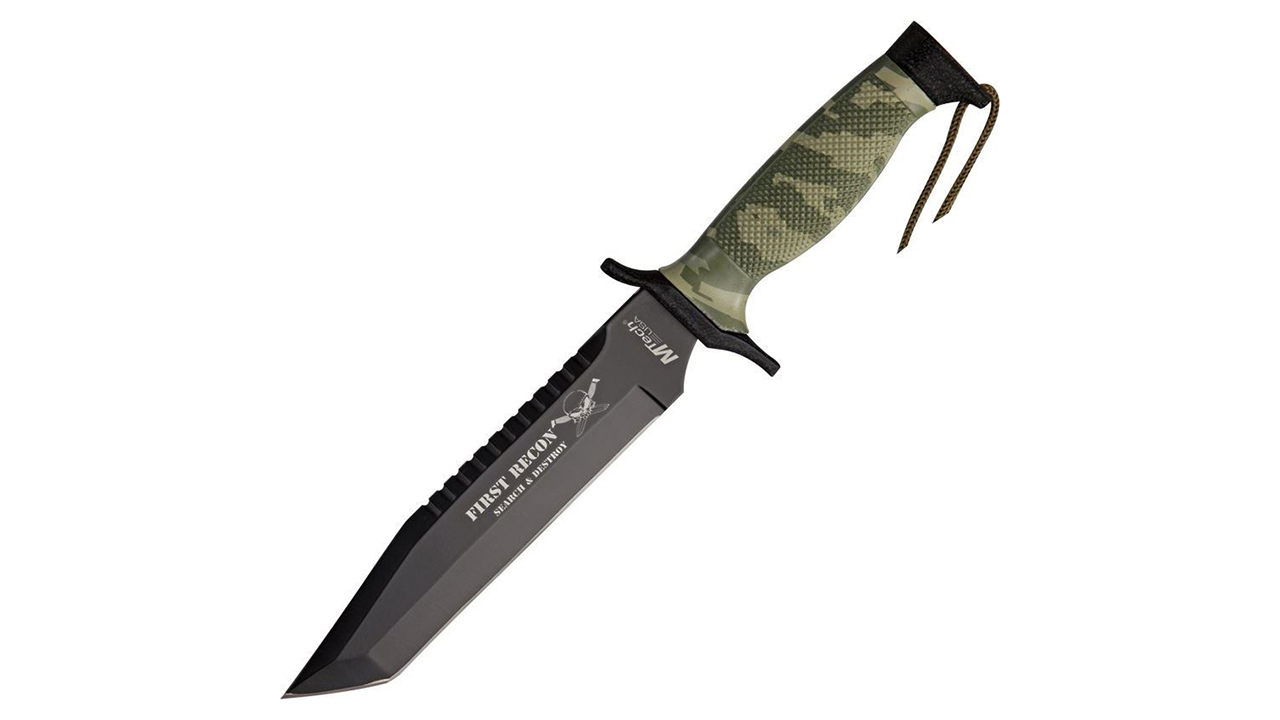
This one almost writes itself. The listing literally describes it as a wilderness survival knife with a 12-inch overall length, 7-inch blade, and “First Recon / Search & Destroy” stamped into it. That is not subtle.
A knife like this is built to sell mood before function. A giant blade with that kind of branding may feel exciting in hand, but it is a terrible recipe for most ordinary chores. It is too much knife for too many simple tasks, and the whole package screams “mall survival fantasy” more than thoughtful outdoors tool. You can make something like this work, but that does not mean it was the smart choice.
Smith & Wesson Special Ops Fixed Blade
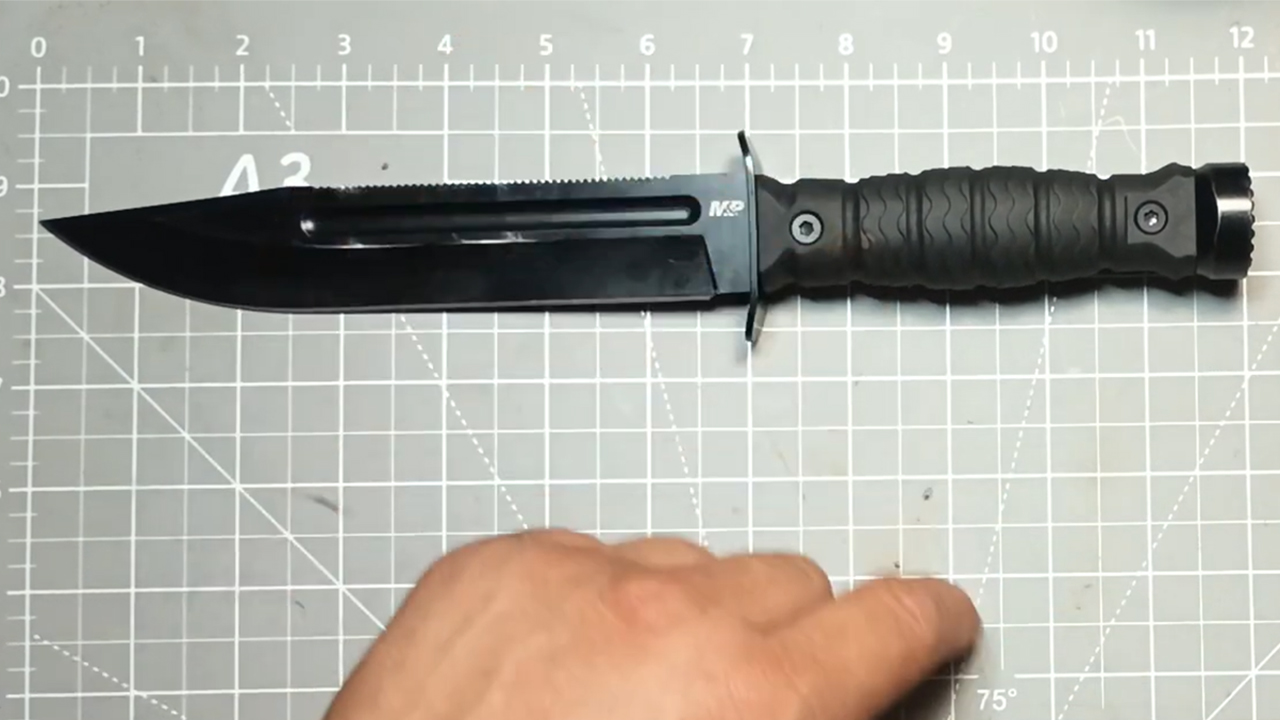
The Smith & Wesson Special Ops fixed blade follows the same lane with a rubber-coated handgun-style grip, titanium-coated blade, and flat pommel striking surface. That is a lot of tactical and impact-minded language wrapped around a fixed blade.
The problem with designs like this is that they keep pushing the knife toward combat-survival imagery and away from simple cutting efficiency. A knife does not get better at chores because the handle sounds like a pistol grip or the pommel sounds like a striking surface. If anything, the more that identity dominates the design, the more likely the basic knife work becomes secondary.
Boker Magnum M-Spec Survival Knife
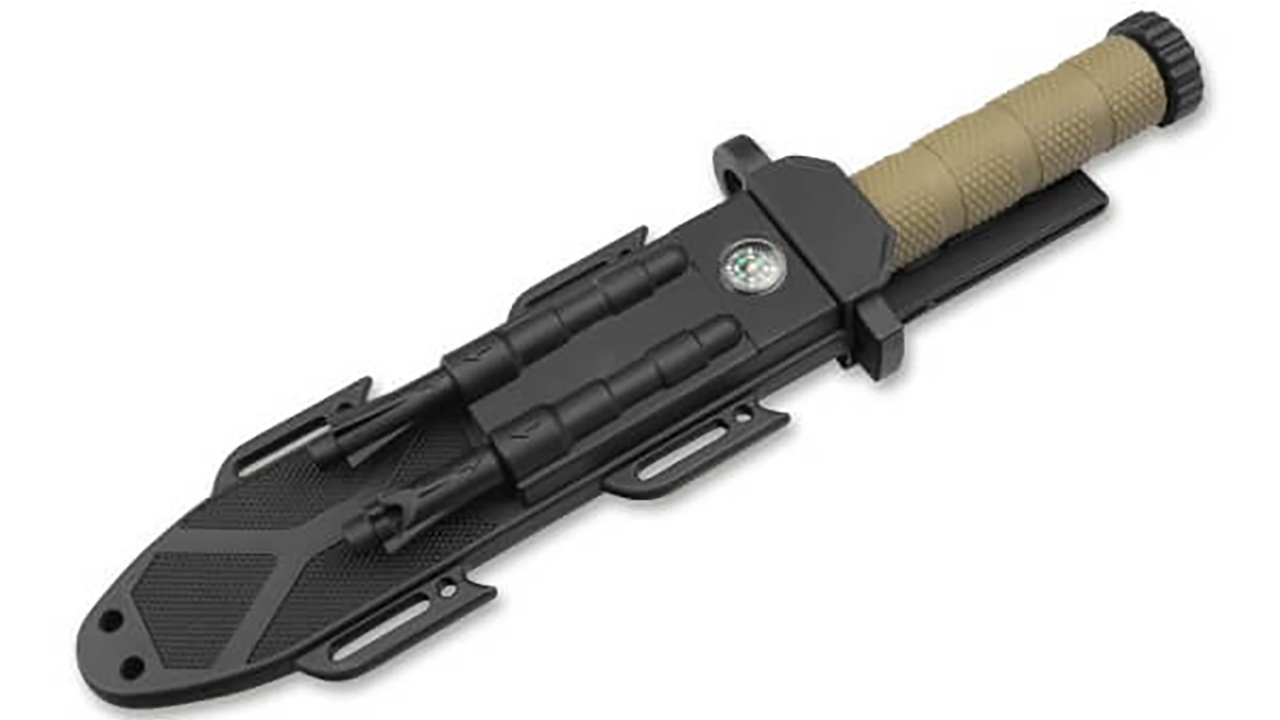
The Magnum M-Spec even names the lane directly: survival. That usually means the knife is trying to look ready for every emergency rather than simply doing normal chores well. Retail listings and user feedback around this model also suggest it has never exactly earned universal love as a practical user.
That matters because survival-branded knives often promise one-tool-for-everything utility. In reality, they tend to be compromise machines. They get too thick, too gimmicky, too feature-loaded, or too style-driven to feel truly good at everyday work. The Boker lands here for the same reason a lot of survival knives do: the pitch is bigger than the performance.
APOC Survival Tanto
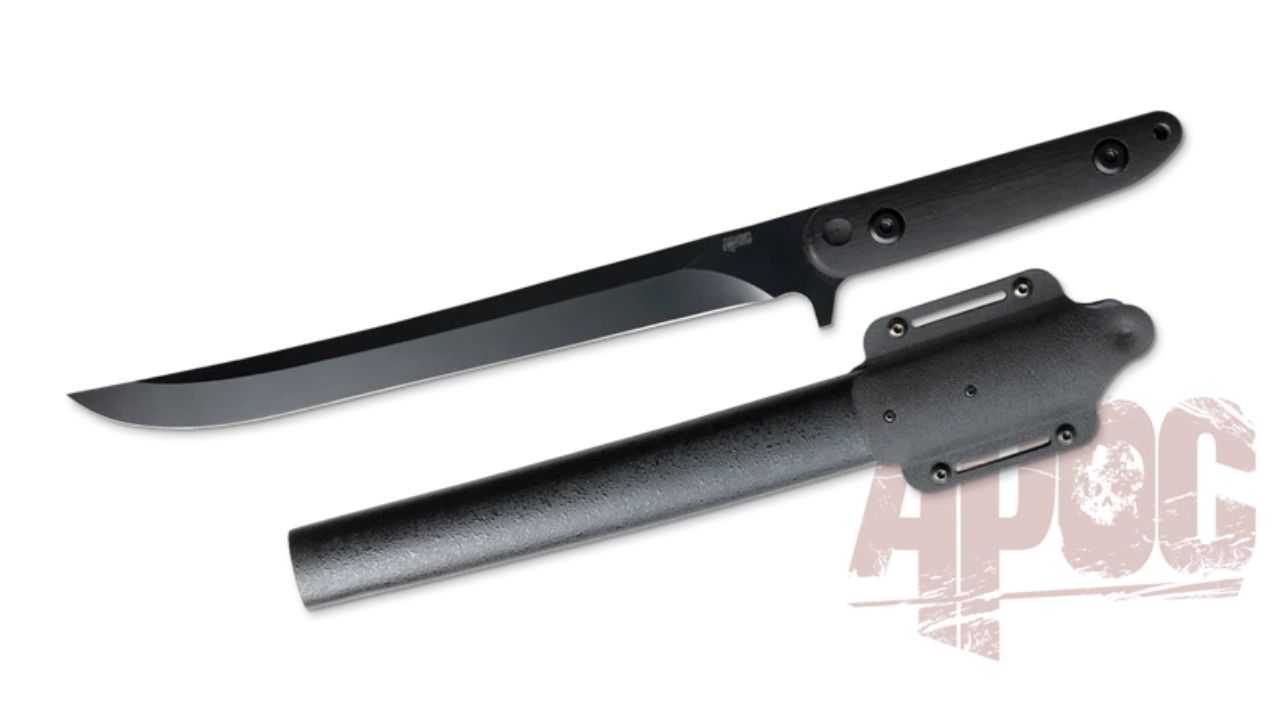
The APOC Survival Tanto is actually a short sword, which almost proves the point by itself. The listing pitches it as an apocalypse-oriented modern tanto with fiberglass sheath and darker tactical styling. It is a neat item. It is also wildly outside what most people need from a survival knife for basic chores.
Once a blade gets that long and that committed to the tactical-apocalypse idea, the question becomes obvious: what basic task is this actually making easier? Not many. It is one of the clearest examples of survival marketing escalating so far that practicality just leaves the room entirely.
Linton Cord-Wrapped Fixed Blades
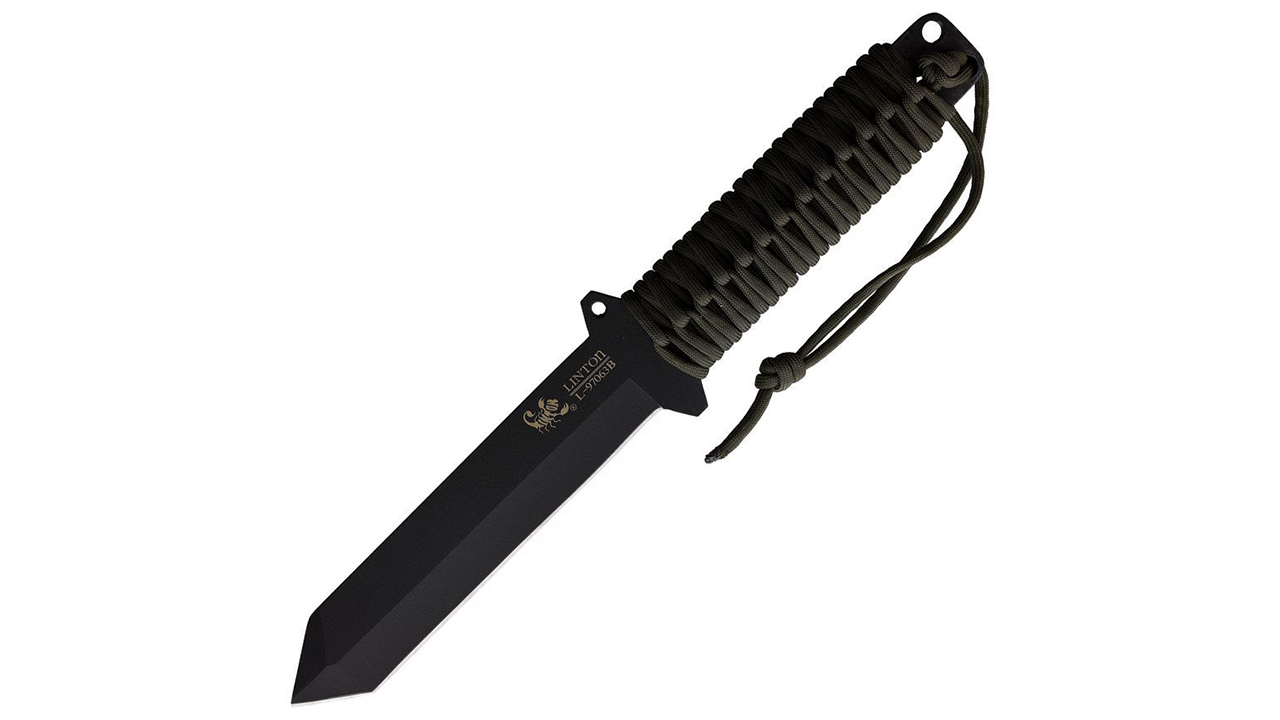
These Linton cord-wrapped fixed blades fit the low-cost survival style perfectly. They are skeletonized, wrapped, and sold in a way that suggests stripped-down ruggedness.
That stripped-down feel usually becomes stripped-down comfort too. Cord-wrap handles can feel okay at first, but they rarely stay enjoyable under longer use, especially when wet, dirty, or pressed hard. They are one of the easiest survival-knife trends to buy into and one of the fastest to get tired of in actual use.
Like The Avid Outdoorsman’s content? Subscribe to our newsletter so you never miss an article.
Here’s more from us: