
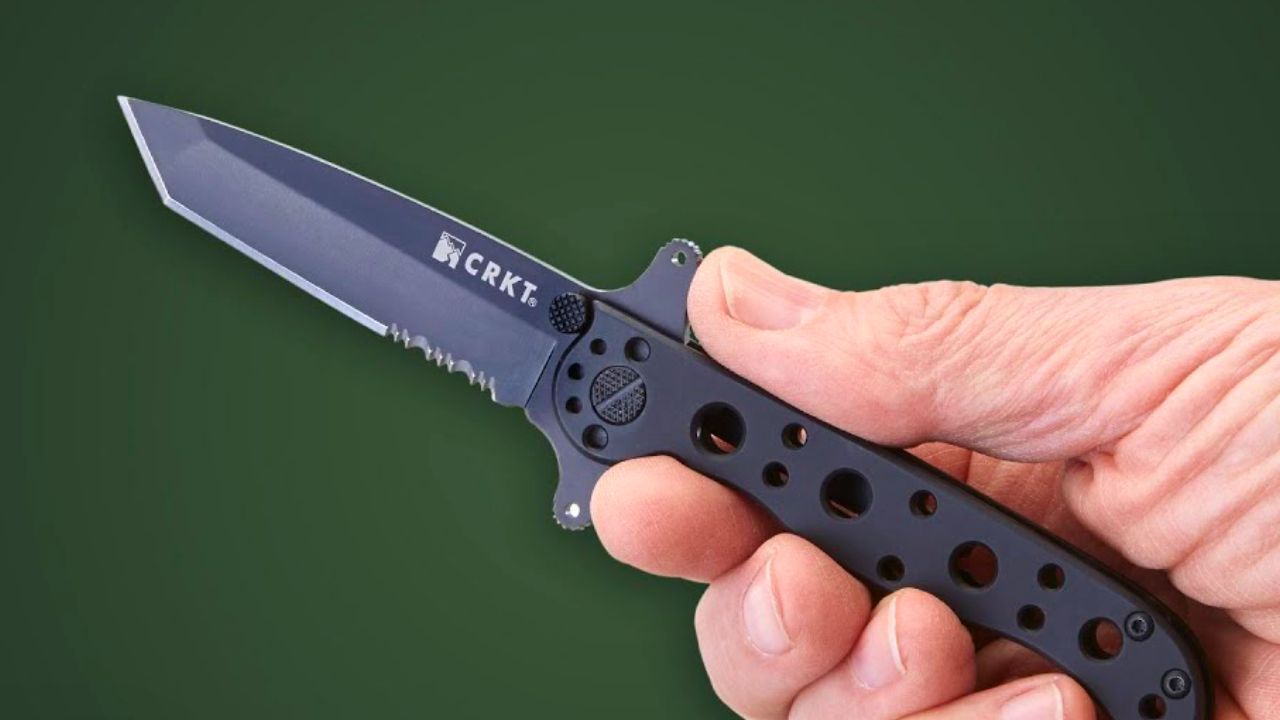
Photo credit: CRKT OFFICIAL/YouTube
A knife can feel perfect in your hand and still let you down the minute you put it to work. That’s usually not an ergonomics problem—it’s an edge-retention problem. Most of the time, it comes down to steel choice, heat treat, and edge geometry. Softer, budget-friendly steels sharpen fast and can take a keen edge, but they also roll or lose bite sooner when you’re breaking down cardboard, trimming rope, cutting dirty hide, or hitting wood that isn’t as clean as it looks.
None of these knives are “bad.” A lot of them are popular because they carry well, grip well, and cut well for a while. The catch is you’re going to maintain them more often than you expected. If you don’t mind quick touch-ups, you can run these knives for years. If you want long edge life without constant sharpening, you’ll start wishing you bought something with more wear resistance.
Spyderco Tenacious (8Cr13MoV versions)

The Tenacious fits a lot of hands like it was designed off your palm. The finger choil, the hump, the overall shape—it’s easy to control and hard to drop. That’s why it’s such a common “first real folder” for people who actually use their knife instead of babying it.
The tradeoff on the common 8Cr13MoV versions is edge retention. It takes a sharp edge quickly, but it can lose that toothy bite fast when you’re living in cardboard, zip ties, and gritty tasks. You’ll notice it goes from slicing clean to needing extra pressure sooner than steels like S30V, S35VN, or even good D2. The upside is you can bring it back with a few minutes on a stone or a strop.
CRKT Pilar (8Cr13MoV versions)
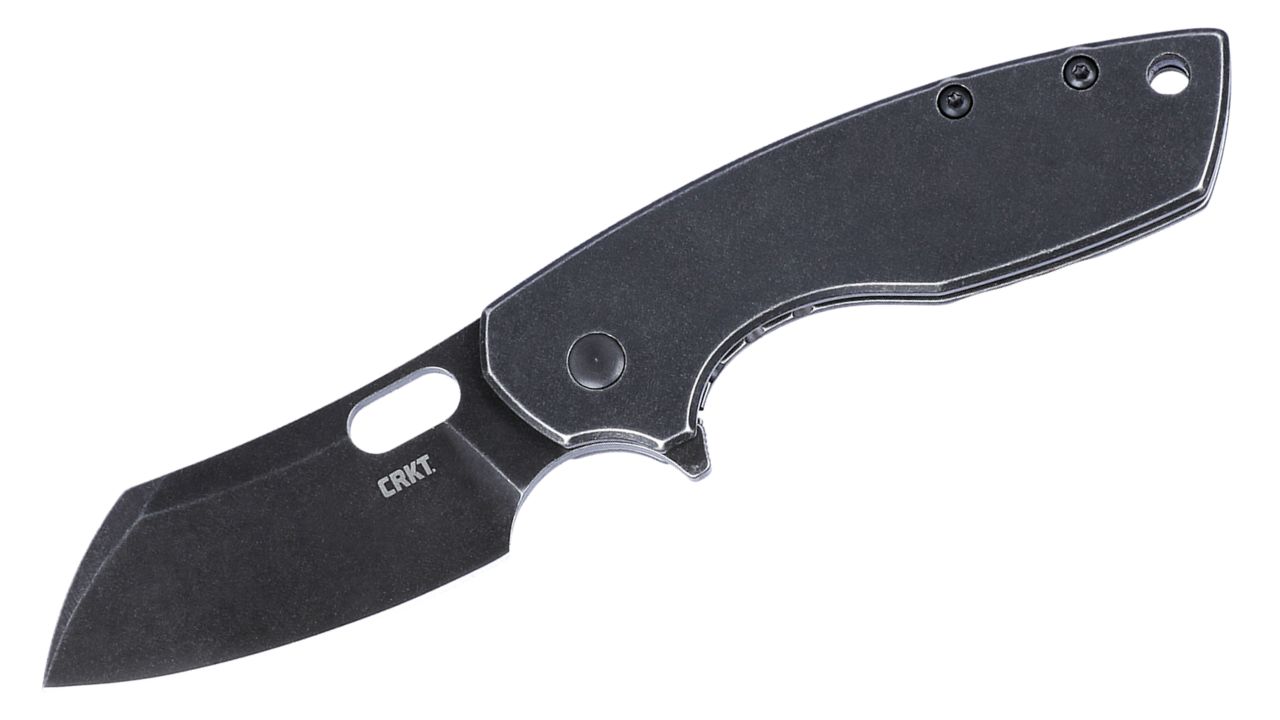
The Pilar is one of those knives that feels locked-in the moment you grab it. The handle fills your hand, the blade sits low and controlled, and it’s easy to do precise cuts without feeling like the knife wants to twist. For a compact folder, it carries more “work knife” feel than you’d expect.
Many Pilar variants use 8Cr13MoV, and that’s where the dulling story shows up. The edge can lose its bite quickly if you’re cutting abrasive stuff—cardboard, feed bags, plastic strapping, even dirty rope. You’ll find yourself touching up more often than you want, especially if you like a thin, slicey edge. The good news is it sharpens easily, and it responds well to quick maintenance. Treat it like a knife you tune often, and it stays enjoyable.
Ontario RAT 2 (AUS-8 versions)
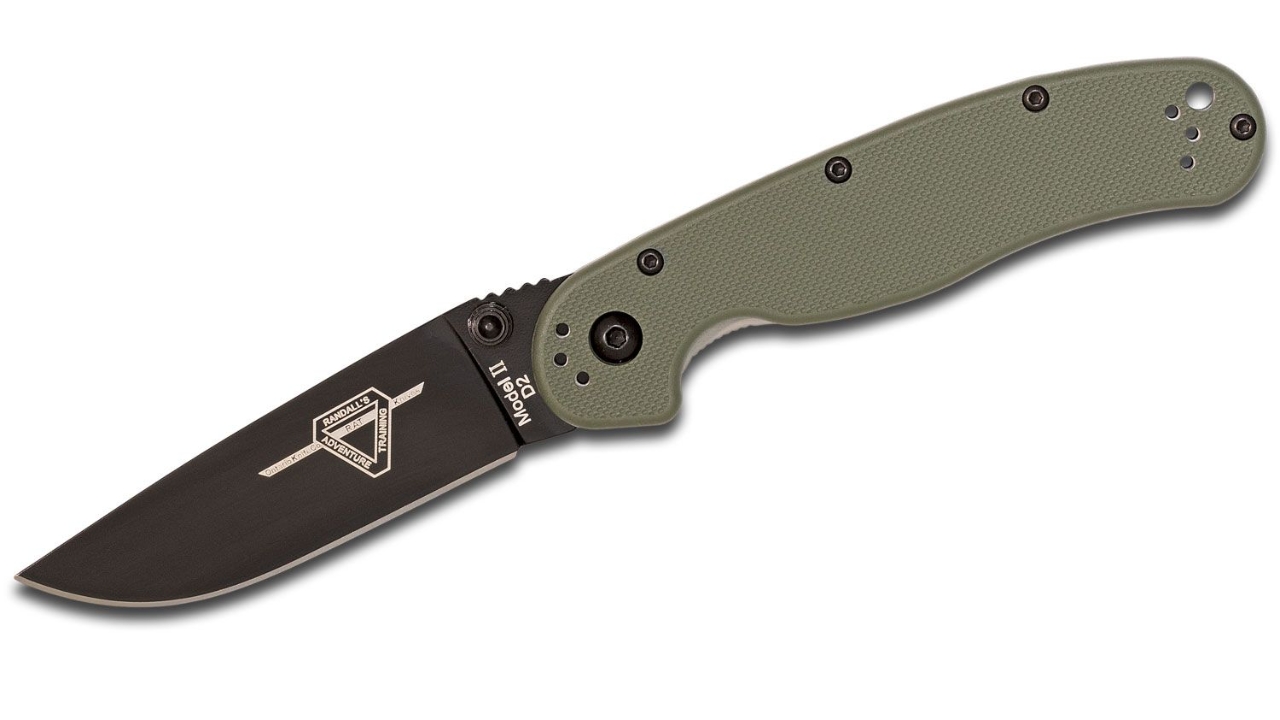
The RAT 2 is comfortable in a way that sneaks up on you. The scales sit right, the grip is predictable, and it feels natural doing everyday work. It’s also one of those knives you can hand to a buddy without giving a speech about how to hold it.
On the AUS-8 versions, edge life is the limiting factor. AUS-8 can take a clean edge, but it tends to roll or lose bite sooner than higher-wear steels when you’re doing lots of slicing. If you’re opening boxes all week or cutting gritty material, you’ll feel it go dull faster than you think it should. The bright side is AUS-8 sharpens without drama. A few passes on a pocket stone or ceramic rod gets you back in business, which is why people still love these knives as users.
Ka-Bar Dozier Folding Hunter (AUS-8A)

The Dozier is a classic for a reason: it disappears in the pocket, locks up well, and the handle shape works for long cuts without hot spots. It’s not flashy. It’s the kind of knife you end up grabbing daily because it feels right and does what you ask.
AUS-8A is easy to maintain, but it’s not a long-haul edge holder. If you cut a lot of abrasive stuff—cardboard, carpet, heavy plastic—you’ll be sharpening more often than you’d like. The edge tends to lose that “grabby” bite and turn slick. That can make the knife feel dull even when it still looks fine. The fix is frequent light touch-ups instead of waiting until it’s butter-knife dull. Keep a strop or a small stone nearby and the Dozier stays dependable.
SOG Flash II (AUS-8 variants)

The Flash II feels great when you’re actually using it fast. The handle shape is secure, the grip is confident, and it’s easy to index without looking. It’s a knife that encourages one-handed work, which is exactly why people carry it for daily chores.
Many versions ran AUS-8, and that steel can go from sharp to “why is this dragging?” quicker than you expect if you cut abrasive material. The Flash II also gets used for a lot of rough tasks—strapping, zip ties, dirty packaging—because it’s convenient. That’s a recipe for losing bite fast. AUS-8 isn’t a disaster; it’s a maintenance steel. If you’re willing to touch it up regularly, you’ll like it. If you want to go weeks without sharpening, it can start feeling like it’s always on the edge of dull.
Gerber Gator (420HC)

The Gator handle is famous for a reason. That rubberized texture and palm swell make it feel planted, even with wet hands or cold fingers. It’s one of those knives you can grip hard for a long time without feeling like the handle is fighting you.
A lot of Gator models use 420HC, and while that steel sharpens easily, it doesn’t hang onto a working edge like modern wear-resistant steels. If you’re cutting cardboard, trimming rope, or doing camp chores where you hit grit and sap, the edge can roll or lose bite sooner. You’ll notice the knife still “cuts,” but it stops slicing cleanly and starts pushing. The upside is you can bring it back quickly. Treat it like a knife you maintain often and the Gator stays a solid user.
Buck 110 Folding Hunter (420HC)

The Buck 110 feels like it was made for real hands. The handle fills your grip, the balance is steady, and the lockup feels reassuring when you’re bearing down on a cut. It’s also a knife you can use all day without feeling like you’re holding a toy.
Buck’s 420HC heat treat is respected, but it’s still 420HC. Compared to modern steels, edge retention is modest, especially if you’re doing a lot of slicing in abrasive material. The 110 can go from shaving sharp to “needs a touch-up” quicker than you’d expect if you’re used to premium steels. Where it shines is how easy it is to sharpen back to life. A little work on a stone and it’s ready again. If you don’t mind maintenance, it’s a great-feeling knife that keeps earning its spot.
Buck 119 Special (420HC)
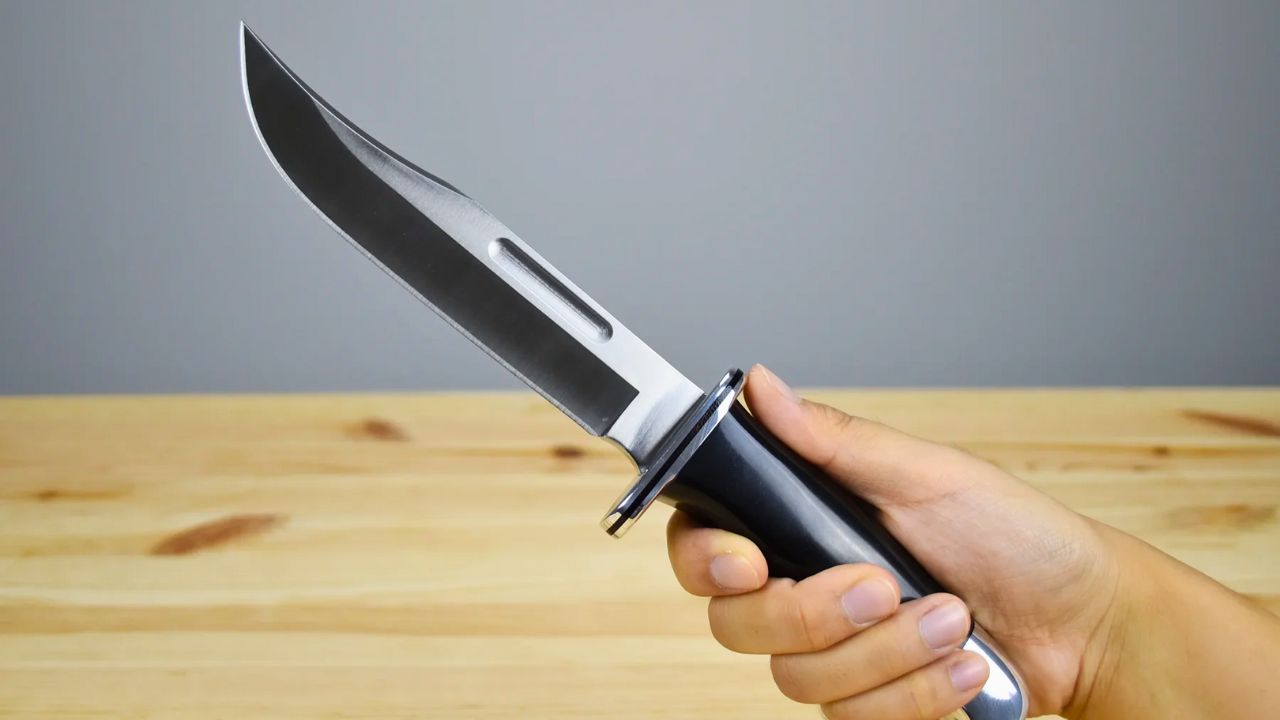
The Buck 119 is comfortable in that old-school hunting-knife way. The handle shape is friendly, the guard gives you control, and it’s easy to run for field dressing without fatigue. It’s a knife that feels natural when you’re working around hide and tissue.
The common complaint is edge life when you hit hair, cartilage, and grit. 420HC can lose bite during long sessions, especially if you’re processing more than one animal or you’re cutting through dirty hide. You’ll feel it start to drag, and that’s when people blame the knife instead of the steel choice. The good news is it sharpens fast, even in camp. If you carry a small stone or strop, you can keep it cutting well. It’s a great-handling knife that rewards steady maintenance.
Victorinox Swiss Army Knife

A Swiss Army Knife blade feels better than it has any right to. The thin grind slices well, it’s easy to control, and the handle shape works for a surprising range of tasks. For daily cutting—food, packages, cord, little camp chores—it’s hard not to like how it runs.
That stainless is built for corrosion resistance and easy sharpening, not long edge life. If you cut a lot of cardboard or abrasive material, the edge can lose its bite fast. The thin blade helps it slice, but it also means you notice dullness sooner because there’s less “spare” edge supporting the cut. The fix is a quick touch-up habit. A few light passes on a ceramic rod or strop keeps it lively. If you expect it to stay sharp through hard use without maintenance, you’ll be disappointed.
Schrade Old Timer 8OT (current production stainless versions)
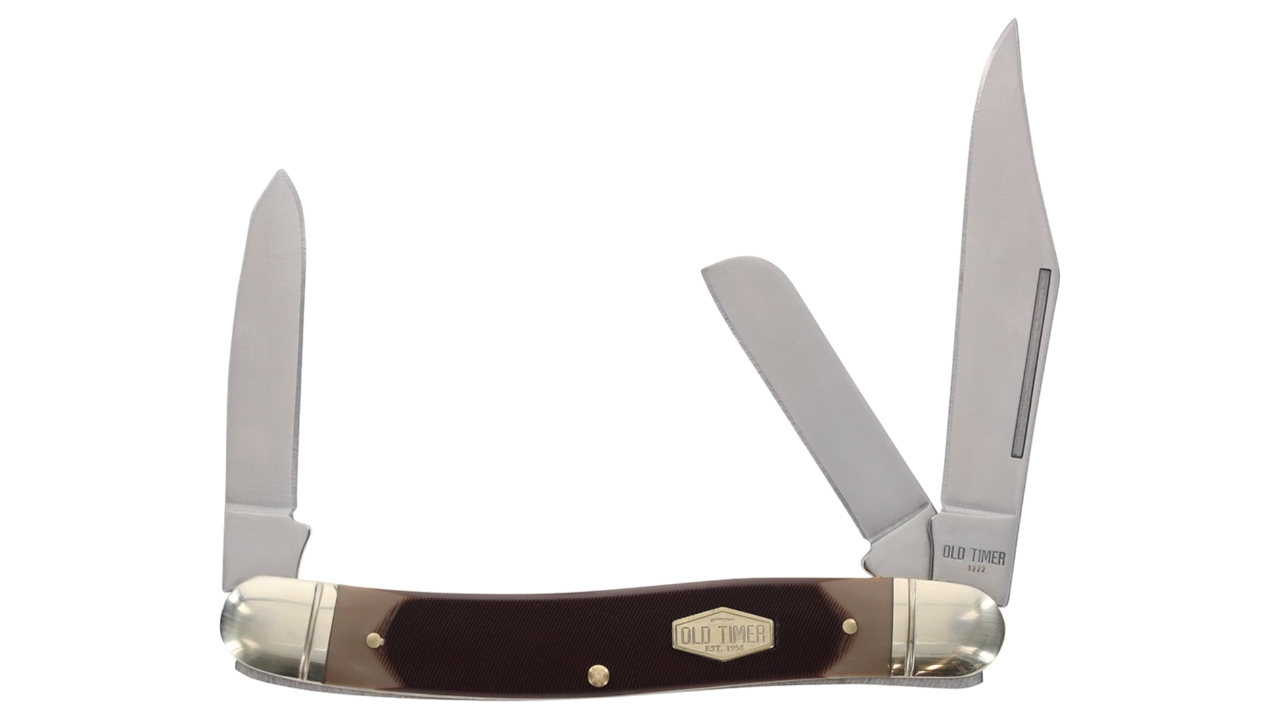
The Old Timer pattern feels right in hand—rounded scales, friendly profile, and that classic carry comfort. It’s the kind of knife that disappears in your pocket and shows up when you need it, which is why so many people still buy them for everyday use.
On many modern stainless versions, edge retention can be underwhelming if you cut anything abrasive. You’ll get a sharp edge quickly, but it can roll or lose bite faster than you’d expect from a “work knife.” That doesn’t mean it’s useless. It means you treat it like a traditional user that needs frequent touch-ups. These knives do well when you keep the edge maintained instead of waiting for it to get dull. If you want long edge life without thinking about it, you’ll want a different steel. If you want comfort and easy sharpening, it still has a place.
Kershaw Clash (8Cr13MoV versions)
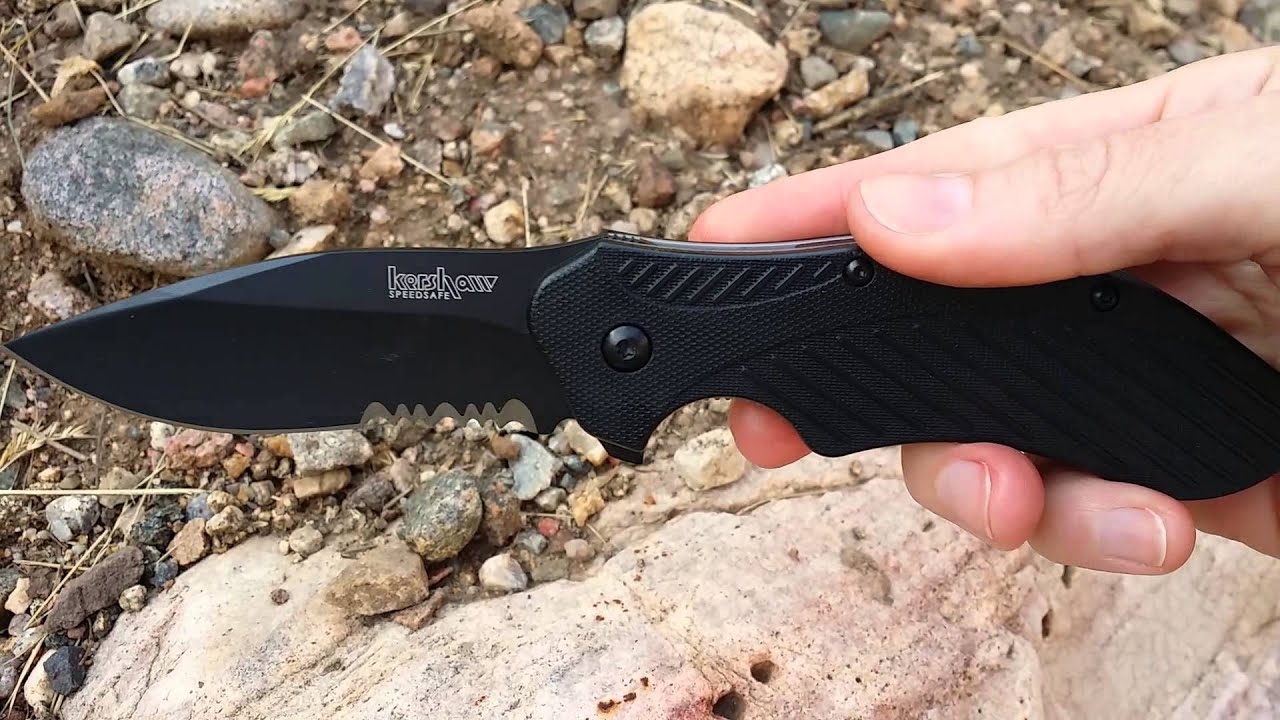
The Clash has one of those handles that encourages hard use. It locks into your grip, it’s easy to index, and it feels stable when you’re bearing down on a cut. It’s also a popular knife for people who want a solid working folder without spending a lot.
Many Clash models use 8Cr13MoV, and that steel tends to lose bite sooner than people expect once the knife sees real daily cutting. Cardboard and plastic packaging will make it feel dull quickly, even if the edge looks okay. You’ll notice more slipping and more pressure needed, which is how people start making messy cuts. The bright side is sharpening is easy and fast. If you carry a small sharpener or strop, you can keep it cutting clean. Without that habit, it can feel like it’s always headed toward dull.
Smith & Wesson Extreme Ops (7Cr17MoV)

The Extreme Ops often surprises people with how comfortable it feels. The handle shape is secure, the grip texture helps, and it gives you a confident hold for rough tasks. It’s a knife that invites you to use it hard, which is part of why it gets carried.
The common steel on these is 7Cr17MoV, and edge retention is not the strong point. It can take a usable edge, but it tends to roll and lose bite quickly when you’re cutting abrasive material. That means you’ll be sharpening more than you want if it’s your daily cutter. A lot of owners don’t mind because it’s affordable and easy to touch up. The problem shows up when you expect it to behave like a higher-end steel. If you treat it as a budget knife that needs regular maintenance, it makes more sense.
Gerber Paraframe (7Cr17MoV)
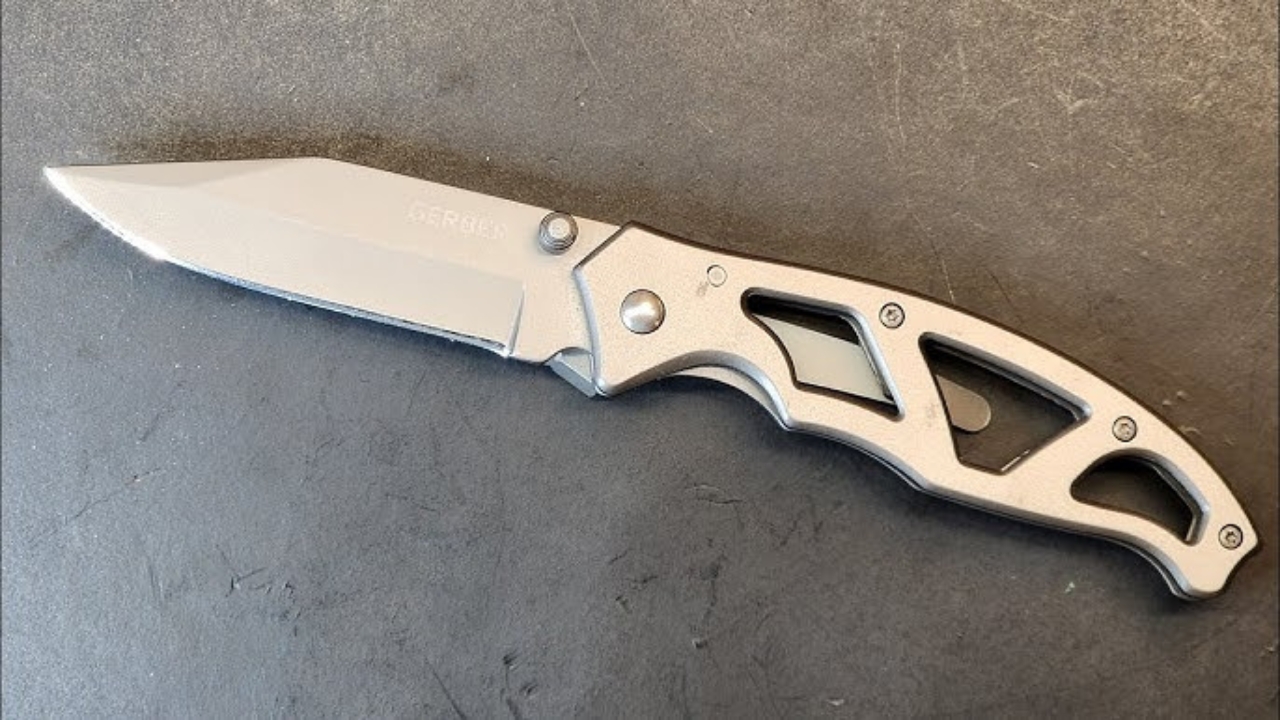
The Paraframe feels great in hand for a light knife. The open frame sits well, it’s easy to carry, and the ergonomics are better than you’d guess from the price. It often ends up as a “grab it and go” knife because it’s comfortable and doesn’t feel bulky.
Edge retention is where it can disappoint. The common steel is 7Cr17MoV, and it tends to lose bite quickly with cardboard, plastic, and gritty tasks. You’ll feel the knife go from slicing to tearing sooner than you’d like. Because it’s so easy to carry, it also gets used for everything, which makes the dulling show up faster. The upside is you can sharpen it quickly. A few minutes of touch-up brings it back. If you want a knife that stays sharp through hard use, you’ll want something else. If you want comfort and easy maintenance, it can still fit.
CRKT CEO (8Cr13MoV versions)

The CEO is one of those knives that feels surprisingly good despite being slim. The handle shape and light weight make it easy to hold, and it rides in the pocket like it’s not even there. For office carry, light tasks, and quick cuts, it often feels like the perfect companion.
On the common 8Cr13MoV versions, edge life can be short if you use it beyond light duty. Thin blades slice well, but they can lose bite faster when you’re cutting abrasive material or pushing into tougher cuts. You’ll also notice that a slick edge makes a thin knife feel dull sooner, because you don’t have handle mass to power through. If you keep it to its lane and touch it up often, it stays pleasant. If you ask it to do heavy work, you’ll be sharpening more than you want.
Cold Steel Finn Wolf (AUS-8A versions)

The Finn Wolf handle is outstanding for control. It feels secure, it doesn’t create hot spots, and it’s easy to keep indexed when your hands are cold or wet. It’s a knife that makes you want to keep cutting because it stays comfortable longer than most folders in its price range.
Many versions used AUS-8A, and that steel has a predictable weakness: edge retention is moderate. If you’re breaking down boxes or cutting abrasive material, the edge can roll and lose bite quicker than you’d like. It’s not a “falls apart” edge, but it stops feeling crisp and starts feeling slippery. The good news is you can refresh it fast. AUS-8A responds well to light touch-ups, and the Finn Wolf is easy to maintain. If you want comfort with low-effort sharpening, it’s a strong pick. If you want long edge life, it’s not the best match.
Byrd Cara Cara 2 (8Cr13MoV)
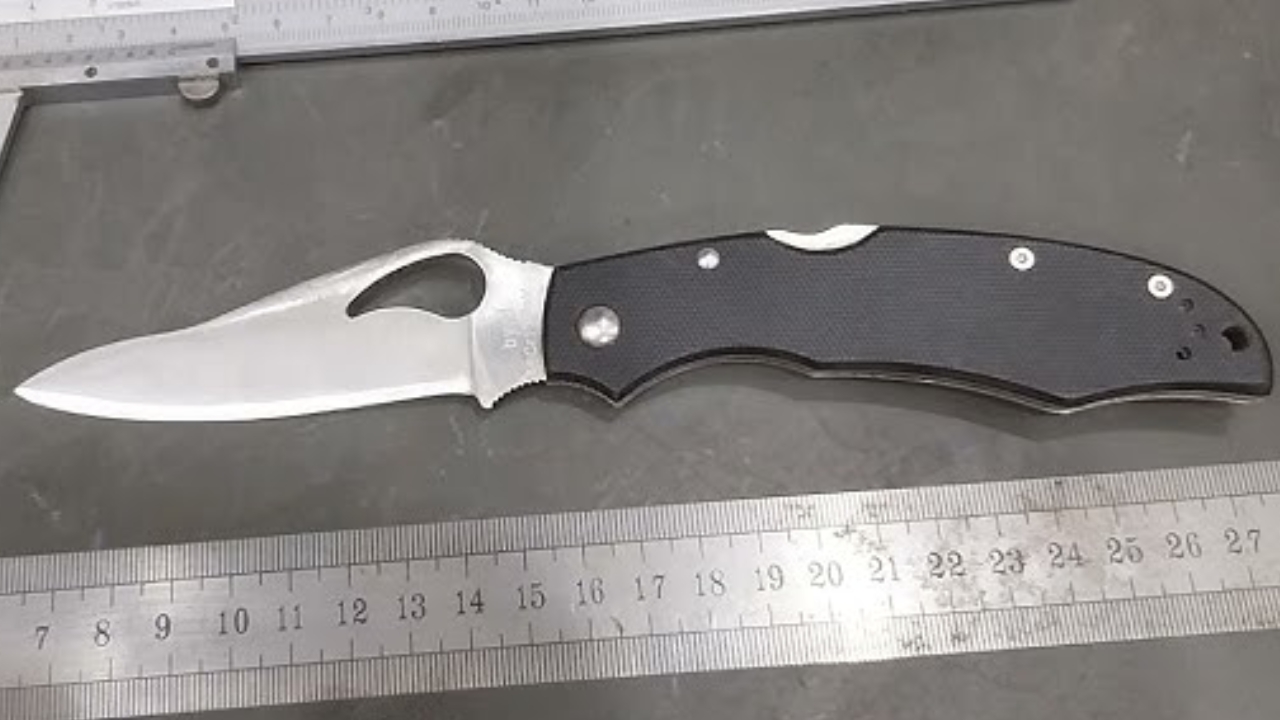
The Cara Cara 2 feels like a work knife. The grip is secure, the ergonomics are friendly, and the blade shape is easy to control for long cuts. It’s one of those knives that fits a wide range of hands without feeling awkward, which is a big part of why people stick with it.
Most versions use 8Cr13MoV, and it’s a steel that can feel dull sooner than you expect when you’re cutting abrasive stuff day after day. The edge takes a keen finish, but it can lose bite and start sliding on cardboard or rope. The nice part is you don’t need fancy gear to sharpen it. A basic stone, a ceramic rod, or a strop gets it back quickly. If you’re willing to maintain your edge often, the Cara Cara 2 stays a comfortable, effective tool. If you want long edge life without touching it up, you’ll start wanting a different steel.
CRKT M16 (8Cr13MoV / AUS-8 versions)

The M16 line has been carried hard for years because it feels good in hand. The handle shape gives you control, the grip is secure, and it’s easy to work with gloves or sweaty hands. It’s the kind of knife that feels ready for real use, not delicate carry.
Many common versions have used 8Cr13MoV or AUS-8, and those steels can dull faster than you’d like when the knife sees daily abuse. Cardboard, plastic, and gritty tasks will pull the bite out of the edge, and you’ll notice it starts requiring extra pressure to cut cleanly. That’s when a knife that felt great begins to feel annoying. The upside is that these steels are easy to sharpen. If you build a habit of quick touch-ups—especially a strop after use—the M16 stays sharp enough to keep earning pocket time. Without that, it can feel like it’s always fading.
Like The Avid Outdoorsman’s content? Subscribe to our newsletter so you never miss an article.
Here’s more from us:


