Photo credit: Pew Pew Tactical/Youtube
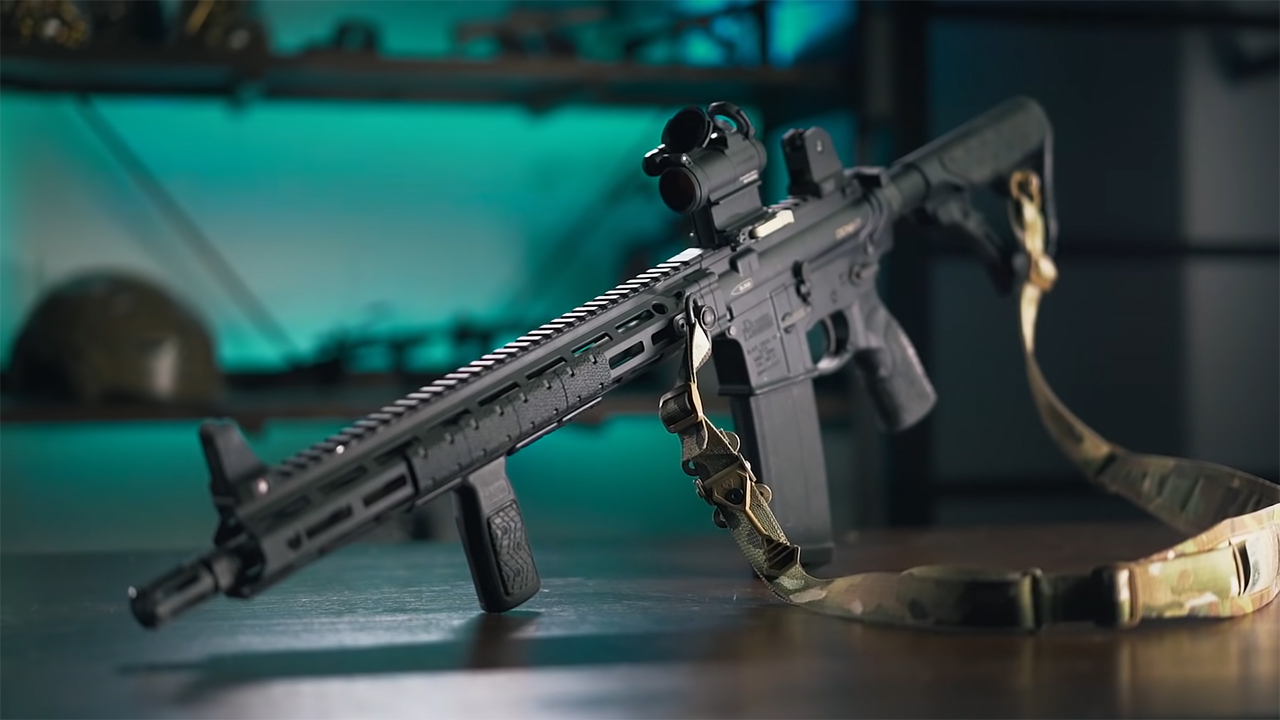
The Daniel Defense DDM4 is one of those rifle lines that a lot of shooters recognize immediately, even if they do not always know the backstory. To some people, it is simply the “premium factory AR” they see on ranges, in training classes, and all over the modern sporting-rifle market. But the DDM4 matters because it helped turn Daniel Defense from a respected parts-and-rail company into a full-on rifle maker with its own identity. Daniel Defense’s company history says the original DDM4 firearm, the V1, was introduced in 2009, while the company’s earlier rise was tied heavily to rail systems and the RIS II contract work that came before it.
That is what makes the DDM4 more interesting than just “another AR.” It was built on a company culture that had already become known for hard-use components, and then it grew into a whole rifle family with multiple barrel lengths, calibers, rail systems, and roles. The line eventually stretched from full-length 5.56 rifles to short suppressed-focused guns and compact .300 Blackout defensive models. Daniel Defense’s own rifle-family overview says the DDM4 line spans several configurations and calibers, while American Rifleman and Shooting Illustrated coverage over the years show how quickly the family expanded once the first rifle proved itself.
1. The first DDM4 rifle was introduced in 2009
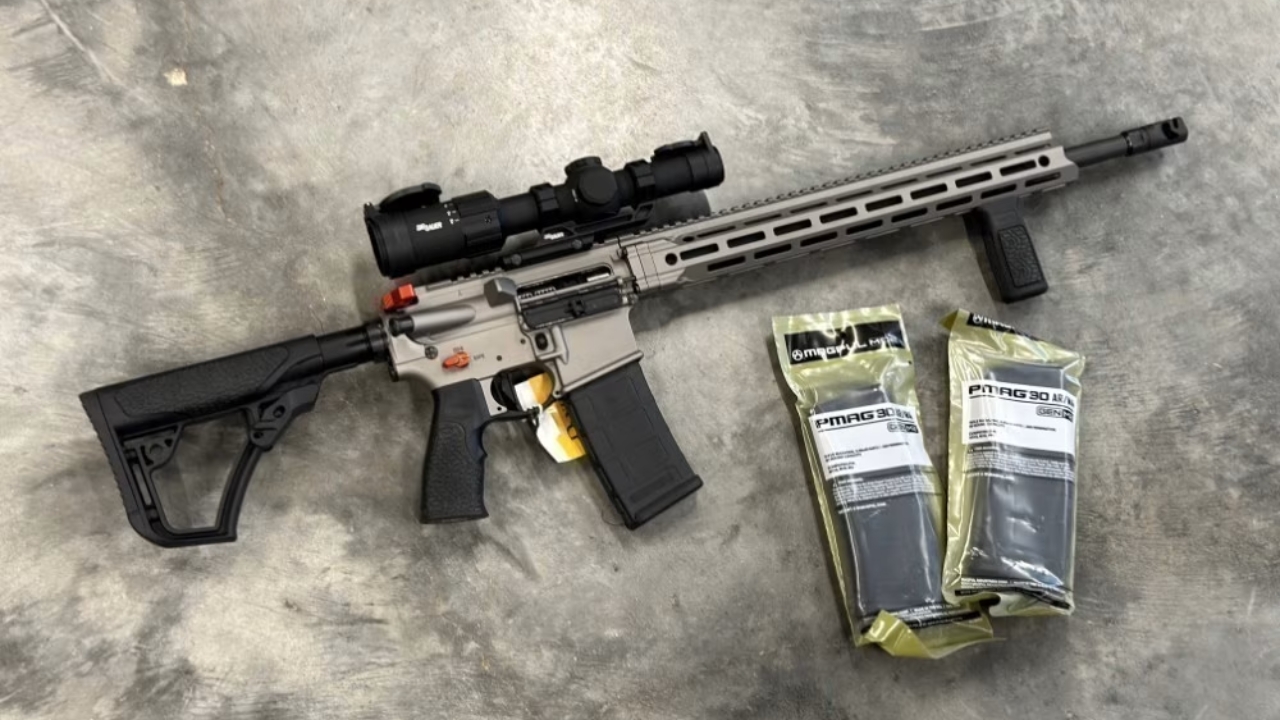
A lot of shooters think of the DDM4 line as if it has always been part of the Daniel Defense catalog, but the company’s own “20 Years Strong” history says the first DDM4 firearm was introduced in 2009. That rifle was the DDM4 V1, and Daniel Defense describes it as the original rifle that launched the family.
That date matters because it shows how relatively modern the line really is. The DDM4 is not some long-running 1990s AR legacy gun that just kept evolving. It is a 21st-century rifle family that grew out of Daniel Defense’s earlier success making rails and components rather than complete firearms.
2. Daniel Defense was known for rails before it was known for full rifles
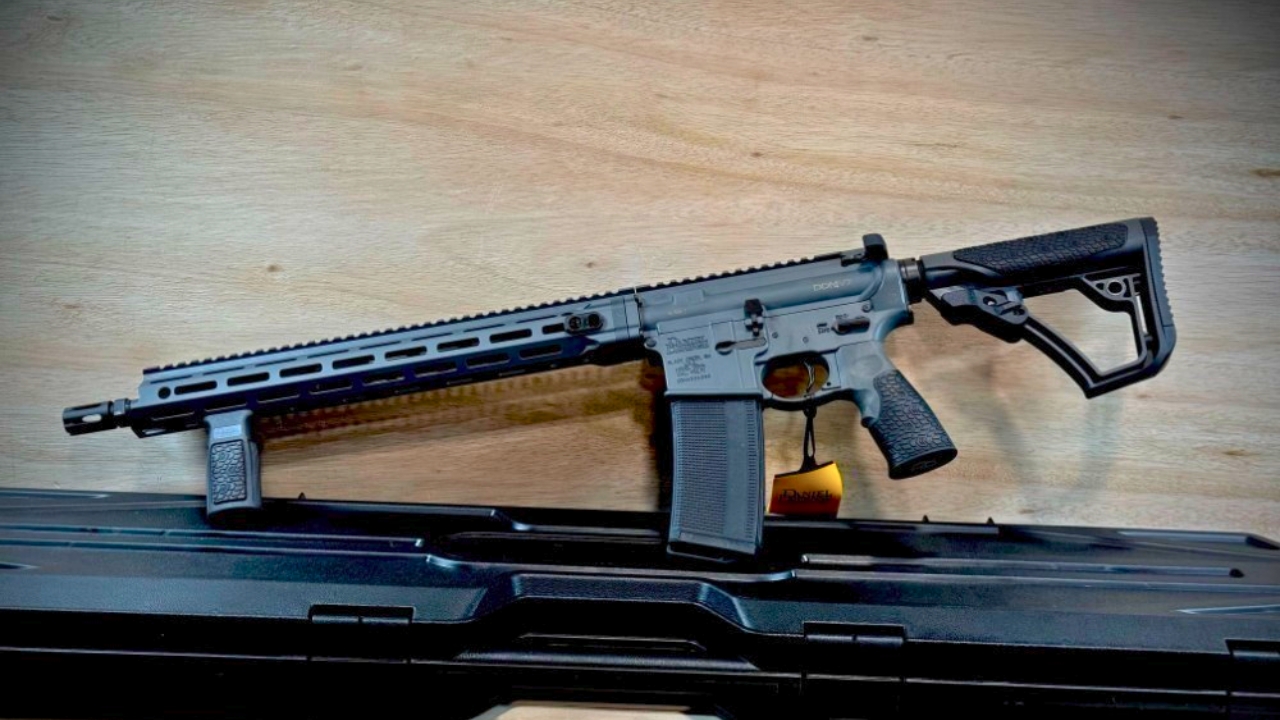
This is one of the biggest context pieces people miss. Daniel Defense’s company history says Marty Daniel originally started the business around accessories, and the company’s timeline highlights the RIS II SOCOM contract in 2005 as one of the major turning points before the first DDM4 rifle was launched in 2009.
That matters because it explains why the DDM4 line felt a little different from the start. Daniel Defense did not jump into rifles as a totally unknown builder. It already had credibility in rail systems and components, which gave the first DDM4 more legitimacy with serious shooters than a brand-new rifle maker might normally get.
3. The original DDM4 was the V1, and it was a 16-inch rifle
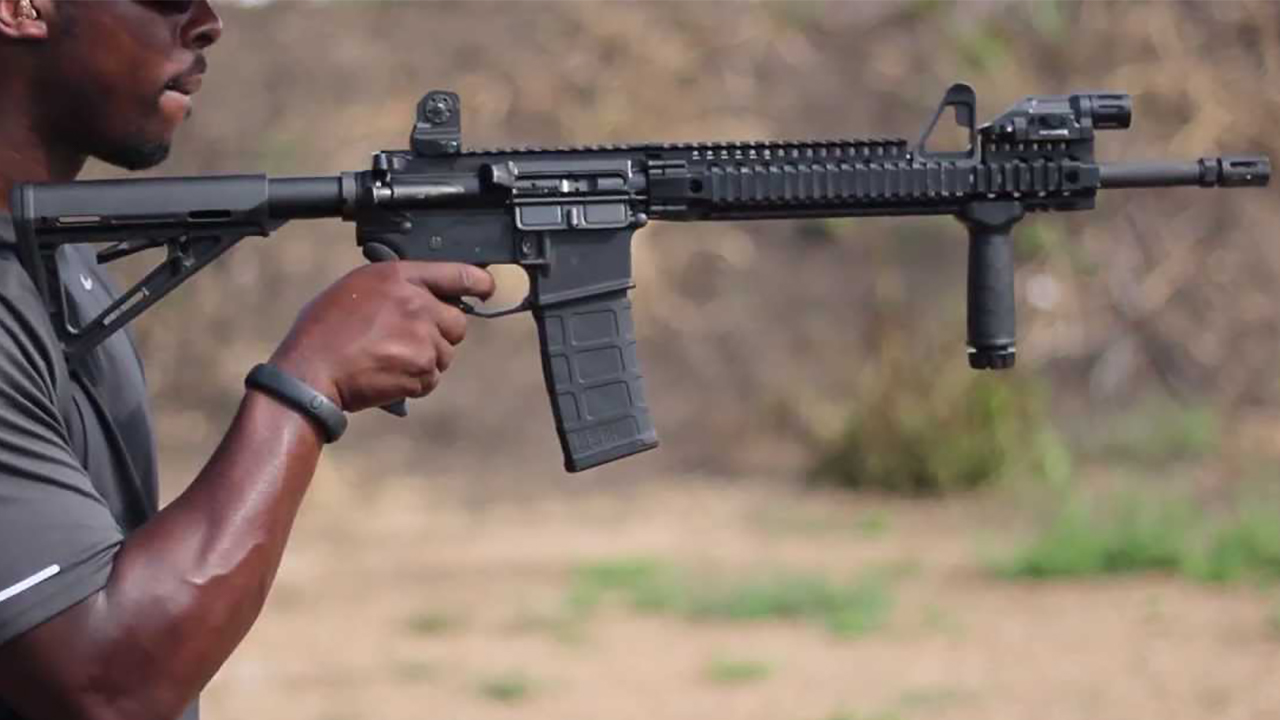
Daniel Defense’s own 20-year history says the original rifle was the DDM4 V1, built with a 16-inch barrel and a Magpul buttstock. The current archived V1 product page also describes the rifle with a 16-inch cold hammer forged barrel and a carbine gas system.
That is useful because the DDM4 line is now so broad that people can forget it started with a very recognizable “classic premium AR” formula. It was not born as a PDW, SBR or special-purpose oddball. It started as a full-size 5.56 rifle meant to establish the family in a straightforward way.
4. Cold hammer forged barrels are a core part of the DDM4 identity

Daniel Defense’s product pages and company materials repeatedly emphasize cold hammer forged barrels, and the archived DDM4 V1 page specifically lists a cold hammer forged 16-inch M4 profile barrel. American Rifleman’s 2014 “Making of Daniel Defense” piece also treated the barrel and build quality as central to the line’s reputation.
That matters because for a lot of buyers, the barrel is one of the key reasons a DDM4 feels like a “step-up” factory AR. Premium rifles often have to justify their price through parts and construction details, and Daniel Defense has long made the hammer-forged barrel one of the biggest pieces of that argument.
5. The DDM4 line did not stay locked to one rail style
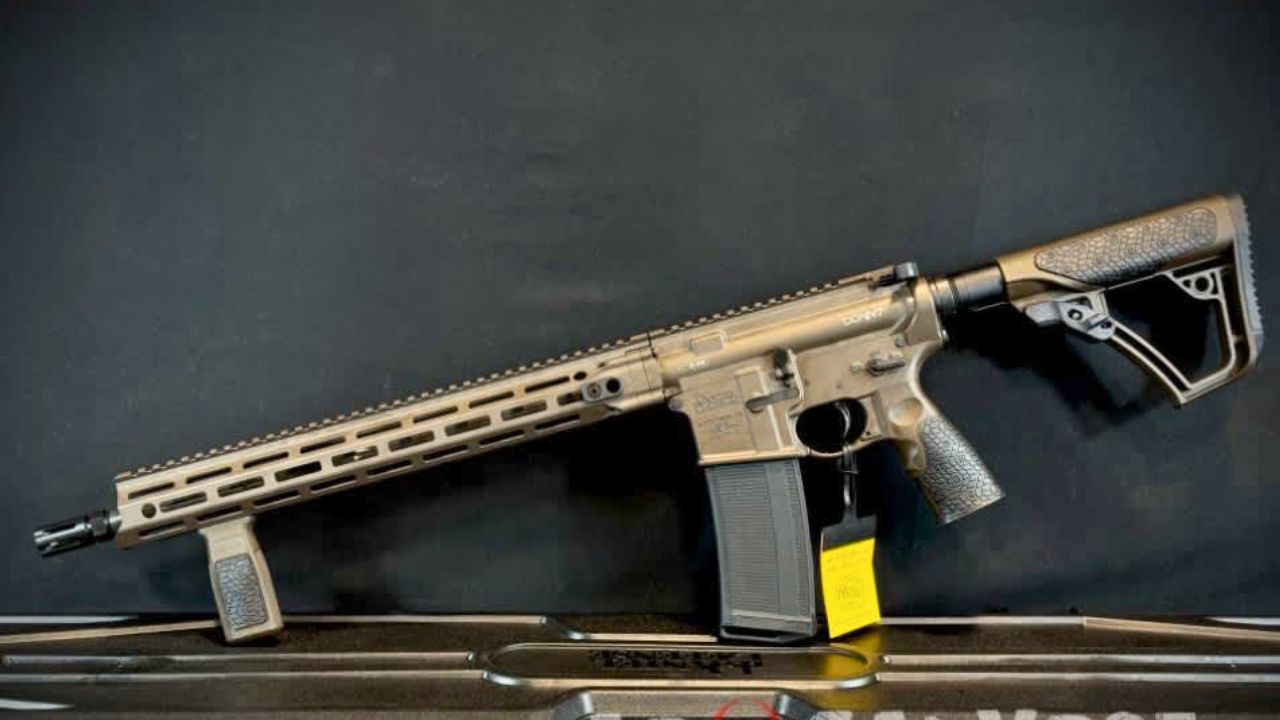
The line evolved a lot over time in how it handled handguards and mounting systems. The original V1 leaned into a 12-inch Picatinny quad rail, but later rifles like the V7S and V7P use M-LOK rail systems, reflecting how the market moved. The archived V1 page shows the quad-rail roots, while Shooting Illustrated’s V7S review and Daniel Defense’s V7P page show the later M-LOK direction clearly.
That is a good example of how the DDM4 family kept up with shooter preferences instead of freezing in one era. A lot of premium AR buyers care deeply about rail style, weight and accessory mounting, and the DDM4 line evolved alongside those expectations.
6. Daniel Defense moved into short-barreled commercial rifles later than some people think

A lot of shooters now associate the DDM4 line with short configurations, but Shooting Illustrated’s 2017 V7S coverage says Daniel Defense had long supplied 11.5-inch barrels to military and law enforcement while only adding an 11.5-inch rifle to the standard commercial line in 2017. American Rifleman’s V7S SHOT Show piece makes the same point.
That matters because it shows the DDM4 line did not begin as a “compact AR” family. Those shorter commercial offerings came after the line had already established itself in more traditional rifle formats.
7. The DDM4 line spread beyond 5.56 relatively early
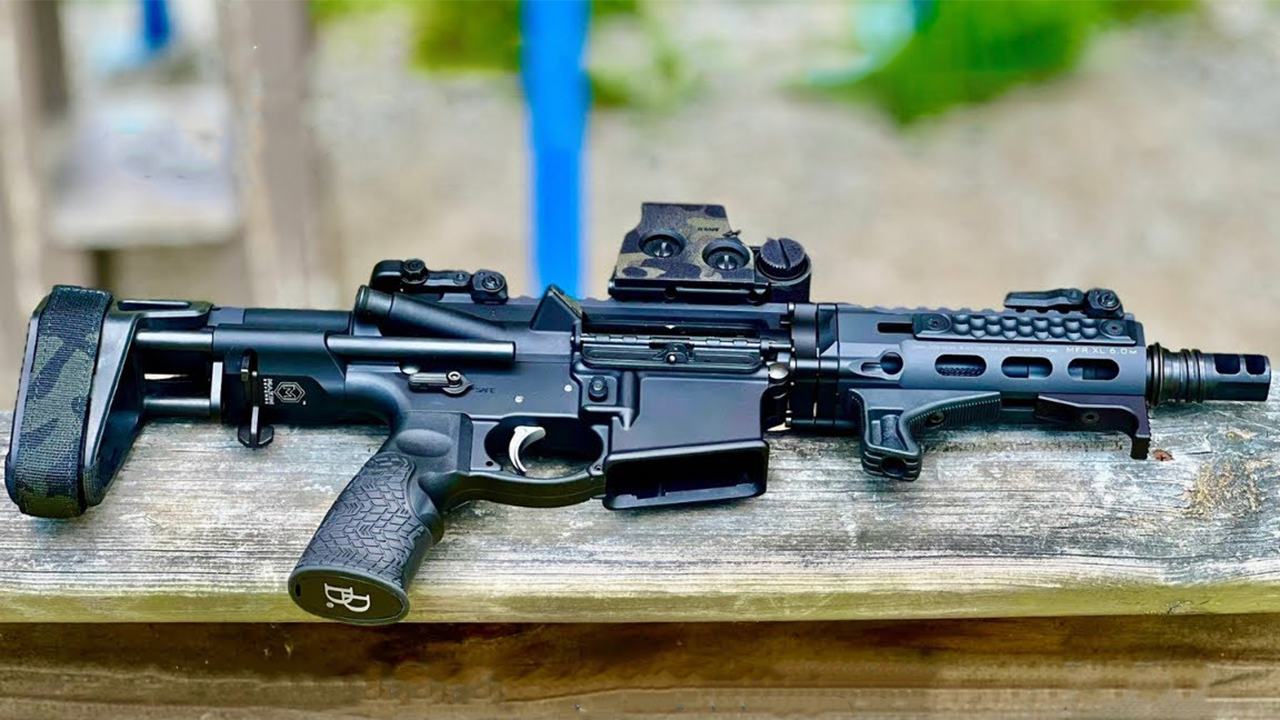
Daniel Defense’s rifle-family overview says DDM4 rifles are available in 5.56 NATO, .300 AAC Blackout, and 6.8 SPC, which is a bigger caliber spread than some casual buyers realize.
That matters because it shows the DDM4 was always meant to be a family, not just one 5.56 rifle with slightly different rails. Once the brand had traction, Daniel Defense clearly saw room to push the same premium-AR identity into other cartridge roles.
8. The DDM4 PDW helped give the family a very different identity
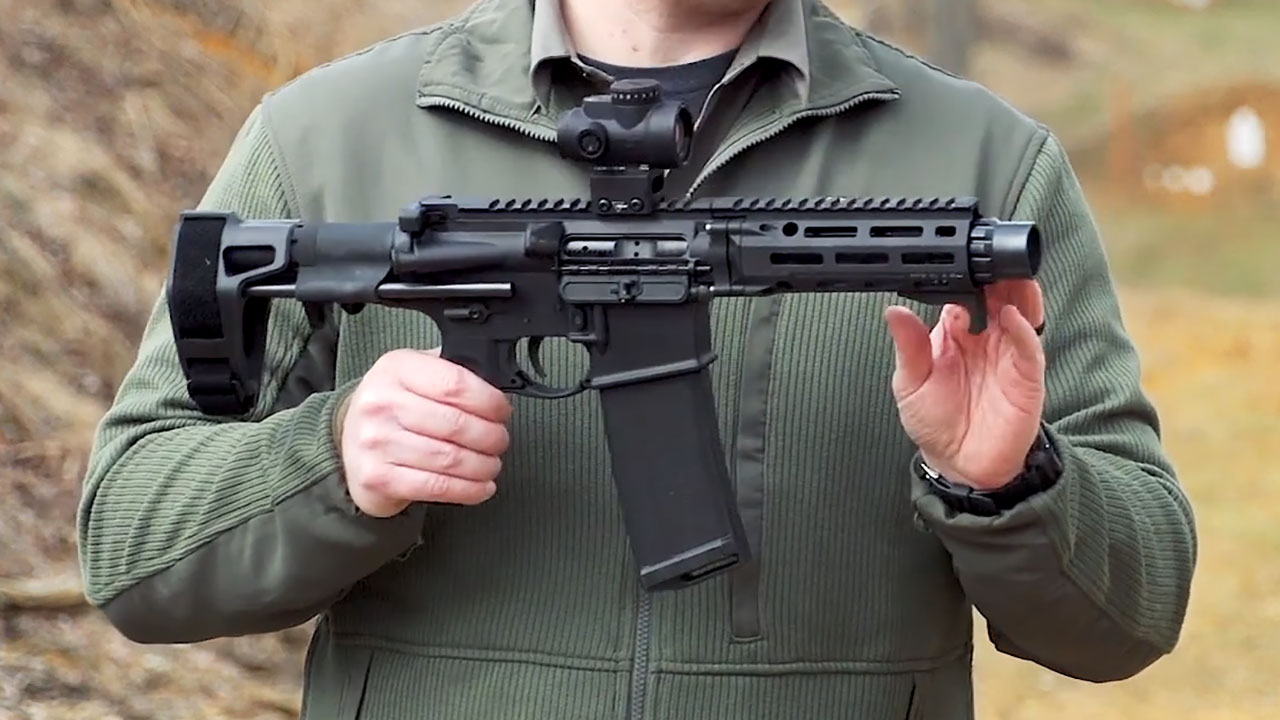
The DDM4 PDW is one of the clearest signs that the line grew far beyond a standard rifle formula. Daniel Defense’s own PDW page says it is an ultra-compact AR15-style pistol chambered in .300 Blackout with a 7-inch barrel, while American Rifleman’s range test said it was under 6 pounds and shorter than 21 inches with the brace collapsed.
That matters because the PDW was not just “another DDM4.” It pulled the family into the compact personal-defense lane in a much more dramatic way than the original V1 ever suggested. It also shows how much trust Daniel Defense had in the DDM4 name by the time it launched something that different.
9. The PDW was important enough that Marty Daniel called it a groundbreaking product
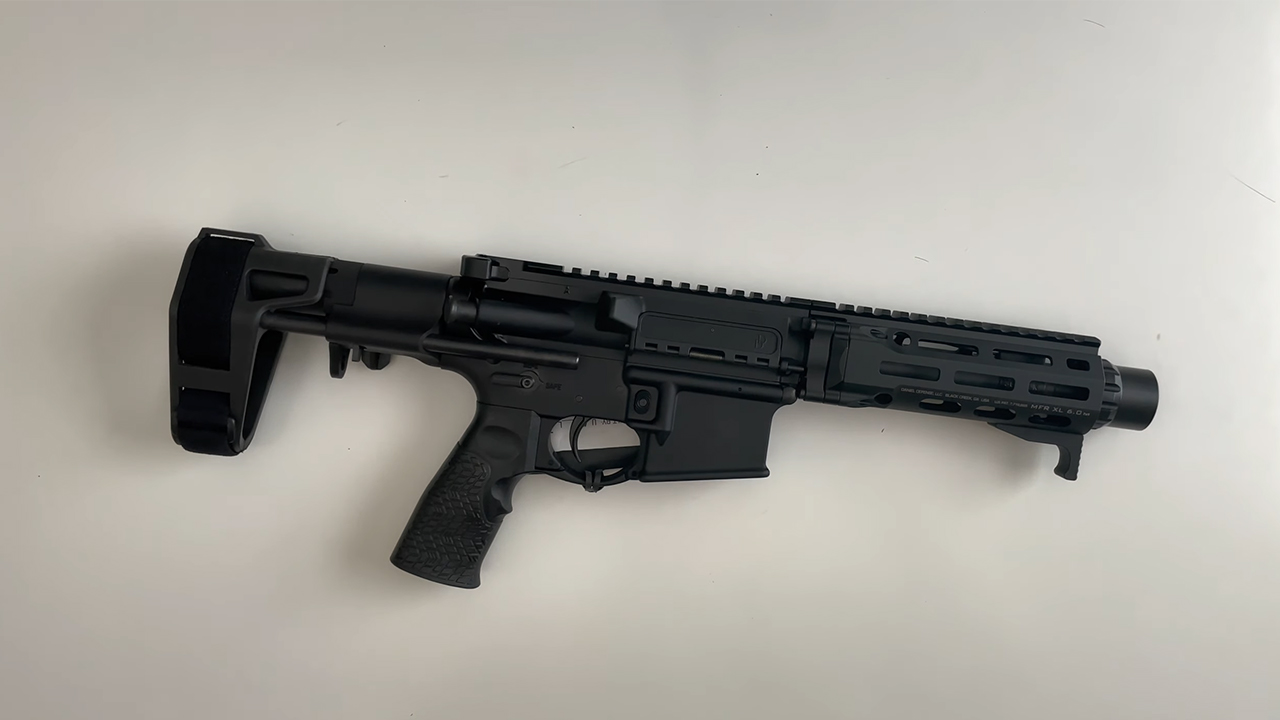
Daniel Defense’s history page quotes founder Marty Daniel calling the DDM4 PDW a “groundbreaking product” and saying he was especially proud of it as a compact defensive tool for protecting the home and family.
That is worth noticing because it shows which rifles the company itself saw as major milestones. The DDM4 line did not only grow by adding minor variations. Certain models, like the PDW, were clearly treated by Daniel Defense as major statements about where the family was going.
10. The V7 line helped modernize the public face of the DDM4 family
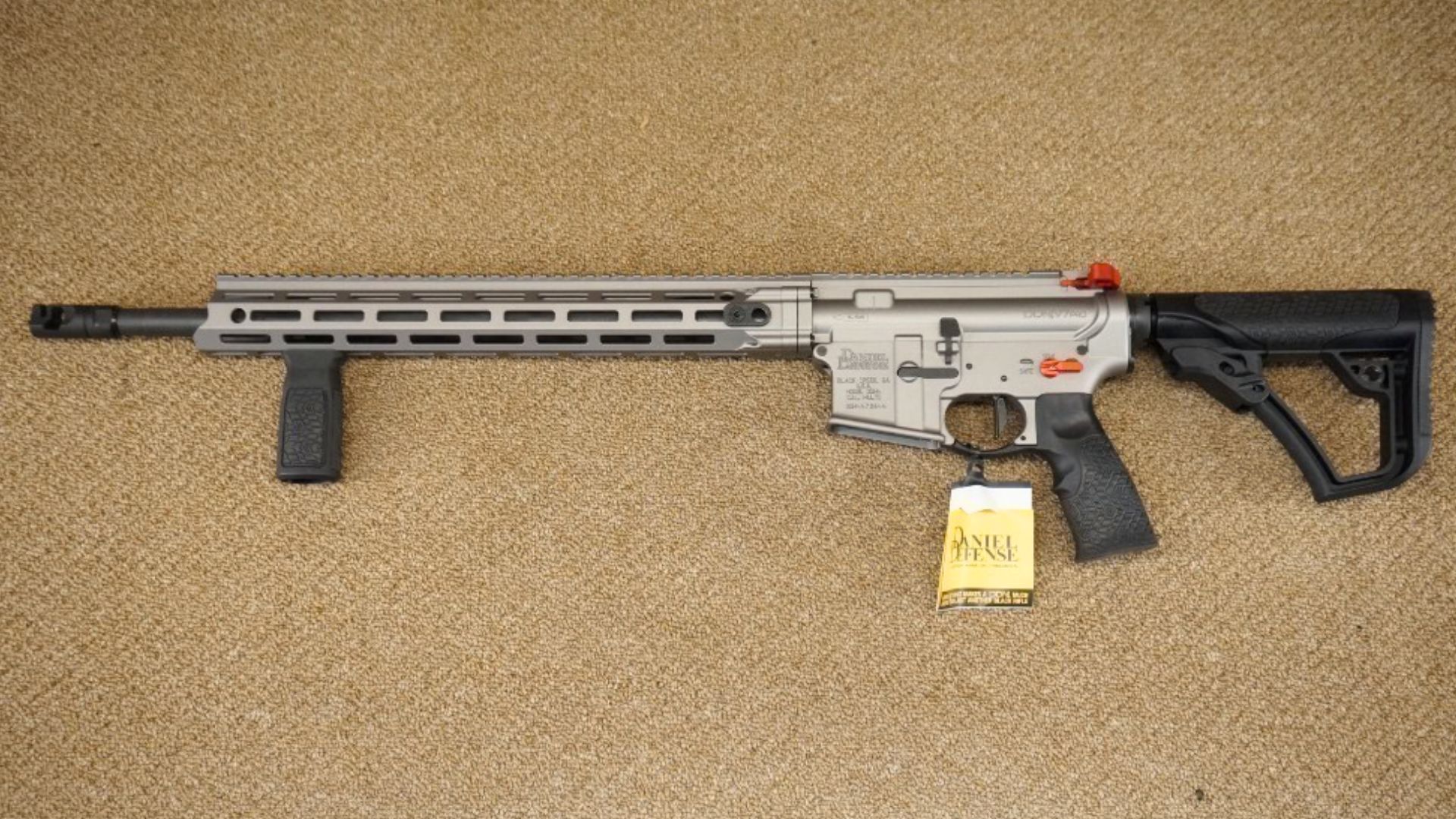
The V7 family is a big part of why many modern shooters think of DDM4 rifles in terms of sleek rails, lighter handling and modern furniture instead of just quad rails. Shooting Illustrated’s DDM4v11 article and V7S coverage both show how Daniel Defense was rolling visible product development into the line by the mid-2010s, including new rail treatments and updated accessory interfaces.
That matters because a rifle line can survive for years and still feel stale if it does not visually and functionally evolve. The V7-style rifles helped keep the DDM4 family looking current rather than trapped in the early-2010s premium-AR mold.
11. The DDM4 family expanded into competition too

A lot of people mainly think of DDM4 rifles as defensive or duty-style guns, but Daniel Defense also pushed the line into competition. Shooting Illustrated’s DDM4V7 Pro piece says it was designed for shooters looking to compete seriously in 3-Gun, with an 18-inch barrel, rifle-length gas system and Geissele trigger. America’s 1st Freedom’s later review echoed the same “competition-ready” identity.
That matters because it shows Daniel Defense was not content to let the DDM4 line live only in one niche. Once the family was established, the company stretched it into match-oriented use where recoil control, speed and accuracy were being judged a little differently than in a defensive rifle.
12. The company eventually had enough DDM4 variation to offer “Build Your DDM4”
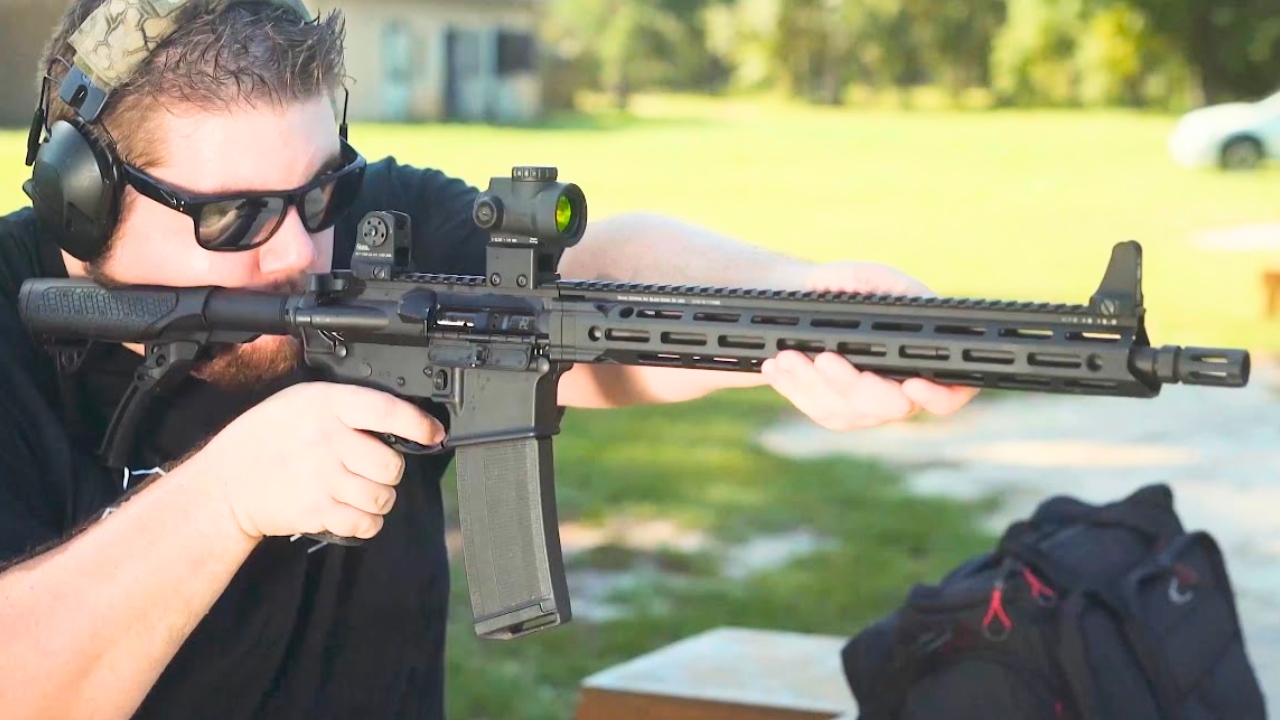
One of the more telling little facts about the line’s growth is that by 2012, outside coverage was already talking about Daniel Defense launching a “Build Your DDM4” section on its website. That says a lot about how configurable and established the line had already become only a few years after the first V1 appeared.
That matters because rifle lines do not usually get that kind of builder-style consumer treatment unless the company believes the family is big enough and distinct enough to support real buyer customization interest.
13. The DDM4 line is now important enough that Daniel Defense separates it from the DD4 family

Daniel Defense’s 2025 “Get to Know the Family” overview says the DD4 and DDM4 are built on the same trusted AR-15 foundation, but still positions them as distinct product families aimed at different shooter needs.
That is a big clue about how far the DDM4 line has come. It is no longer just one group of rifles sitting under a broad AR heading. It is a mature enough identity that Daniel Defense distinguishes it from other current AR-family offerings.
14. The DDM4 reputation is tied as much to consistency as to one individual model
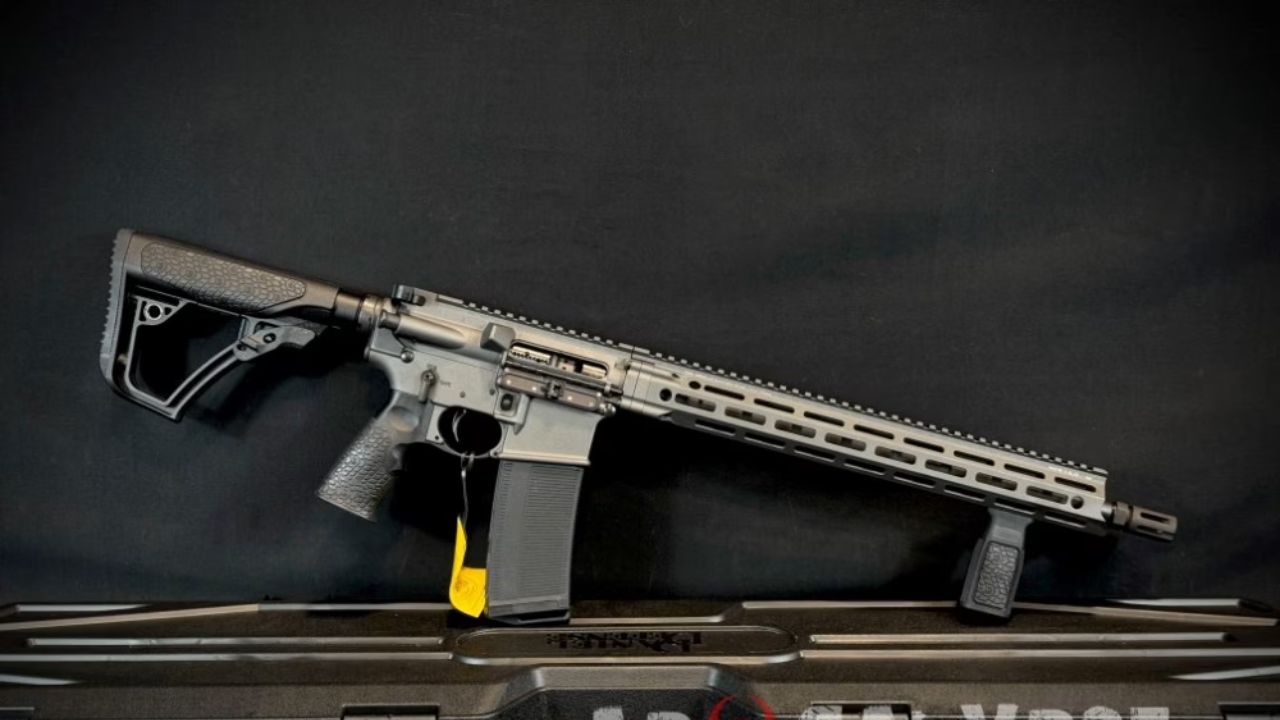
A lot of AR brands get famous because of one breakout rifle. The DDM4 line built its name partly through that, but also through repeated consistency across models. American Rifleman’s 2014 “Making of Daniel Defense” piece treated the V9 LW as one more example of the company’s broader specialty-parts and feature set working well in a production gun, and later reviews of PDW and V7 models kept hitting the same themes of accuracy, handling and quality.
That matters because it helps explain why the DDM4 name has staying power. It is not resting on one single rifle’s reputation. It is resting on a family-wide expectation that the guns will be well-built and thoughtfully spec’d.
15. The biggest surprise may be that the DDM4 became a rifle family only after Daniel Defense first became famous for something else
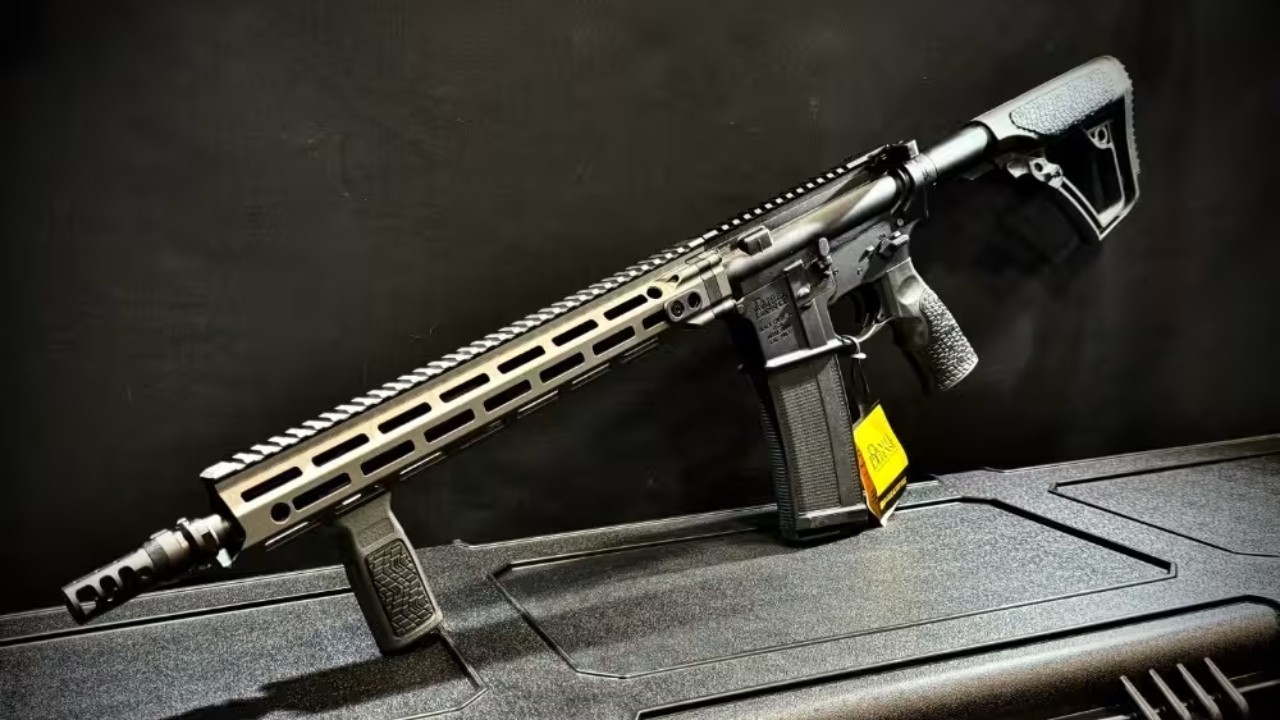
This is probably the best way to understand the DDM4 as a whole. The line did not start with Daniel Defense trying to invent a premium AR brand from thin air. It started after the company had already built a name on rails, accessories and contract credibility, then translated that reputation into full rifles starting with the V1 in 2009.
That is why the DDM4 matters more than just “nice ARs cost money.” It represents a company successfully moving from respected components into respected complete rifles, then turning that move into one of the stronger premium AR families in the market.
Like The Avid Outdoorsman’s content? Subscribe to our newsletter so you never miss an article.
Here’s more from us: