Photo credit: Chris Parkin Shooting Sports/YouTube
The Ruger American is one of those rifles that can get dismissed too quickly because of where it lives in the market. People hear “budget bolt gun” and think they already know the whole story. But the Ruger American mattered because it showed just how much rifle you could build into an affordable package without making it feel disposable. Ruger introduced the American Rifle in 2011, and by early 2012 the rifle was hitting the market as the company’s serious entry into the modern value-priced bolt-action hunting category. American Rifleman said the rifle arrived as part of the growing trend toward economical bolt guns, while Ruger’s own history around the platform makes clear it quickly became one of the company’s core hunting-rifle lines.
What makes the Ruger American interesting is that it was never just “cheap and good enough.” It was built around a handful of genuinely smart design choices—its bedding system, Marksman trigger, short bolt lift, and later broad model expansion—that let it punch harder than people expected for the price. Then Ruger doubled down with the Generation II line in 2023, showing the platform had become too important to leave alone. Here are 15 surprising facts about the Ruger American that most shooters either never learned or do not think about enough.
1. The Ruger American was introduced in 2011, but most shooters really met it in 2012

Ruger’s own news archive shows the rifle being introduced in 2011, while both American Rifleman and RifleShooter were reviewing it as a new-market rifle in 2012. That split matters because it helps explain why some people remember it as a 2011 gun and others think of it as a 2012 rifle. Both are basically right depending on whether they are talking about announcement or real market presence.
That is a useful little historical detail because it places the rifle right at the front edge of the modern “value bolt gun” wave. The Ruger American did not appear after that category was already exhausted. It arrived when the category still felt like a very active fight.
2. It was Ruger’s answer to the growing low-cost bolt-action market

American Rifleman’s early 2012 coverage says the rifle reflected the growing trend toward economical bolt-action hunting rifles, naming guns like the Savage Axis as part of the same broader movement. The Ruger American was not trying to be a deluxe walnut-and-blue heirloom rifle. It was Ruger stepping directly into one of the hottest practical hunting-rifle categories in the business.
That matters because it explains the whole personality of the rifle. The Ruger American was built to be affordable, practical, weather-tolerant, and accurate enough to earn serious trust without needing a premium price tag to justify itself.
3. The original rifle succeeded because it felt better than people expected for the money

A lot of rifles in this price lane survive by being merely acceptable. RifleShooter’s 2012 review said the Ruger American was accurate, fed reliably, handled well, and was kind to the shoulder both in shooting and carrying. American Rifleman made a similar point in early coverage by noting that Ruger was applying its reputation for high-feature, working-man pricing to the bolt-rifle market.
That is a big reason the rifle stuck. Buyers were not just getting “cheap.” They were getting a rifle that felt like Ruger had put real thought into how much value it could squeeze into a lower-cost hunting package.
4. The Power Bedding system was one of the rifle’s key design tricks

The Ruger American was not just a plain budget action dropped in a cheap stock. Early coverage from Petersen’s Hunting and other sources highlighted Ruger’s Power Bedding system as one of the rifle’s defining features. That bedding arrangement was part of how Ruger tried to build repeatable accuracy into the platform without forcing buyers into a much higher price class.
That matters because accuracy is the thing that saves or sinks a value rifle. If the rifle will not shoot, none of the price talk matters. Ruger clearly understood that and made the bedding system one of the core selling points from the very beginning.
5. The Marksman Adjustable trigger was part of the appeal from early on

Another reason the American stood out was the Marksman Adjustable trigger. Petersen’s Hunting’s early coverage specifically tied the rifle’s value proposition to features like Power Bedding and the adjustable trigger, which helped it feel less stripped-down than some rivals.
That is important because trigger quality is one of the first places a budget rifle can feel obviously compromised. Ruger did not completely ignore that area, and the rifle benefited from it. A hunter could buy an American and not immediately feel like the first order of business was replacing half the gun.
6. The action uses a short bolt lift, and that became a quiet selling point

The Gen II review from Petersen’s Hunting says both the original and Generation II American rifles use a three-lug action that gives them a short bolt lift. That may not sound dramatic to casual buyers, but it is a very real handling advantage in practical use, especially with optics mounted low.
That kind of detail is part of why the rifle felt better than some buyers expected. Budget rifles can get away with being clunky if the price is low enough, but the Ruger American earned goodwill because the action and handling did not feel as bargain-basement as the category label might suggest.
7. The original rifle was built as an American-made hunting rifle on purpose

Ruger leaned hard into the “American” identity from the beginning. The name was not subtle, and the rifle was clearly positioned as an American-made working rifle for the mainstream hunter. That identity still shows up in how Ruger markets the platform today and how American Rifleman described it when it first hit the market.
That mattered in this category because buyers were not only shopping on pure specs. They were also buying into a basic idea: dependable, domestic, practical, no-nonsense hunting rifle. The American fit that idea very well.
8. The rifle family expanded fast because the base concept worked

The original American Rifle did not stay one plain hunting rifle for long. Later offshoots like the Ranch Rifle show how quickly Ruger began adapting the platform into shorter, handier and more specialized forms. Shooting Illustrated’s 2017 Ranch Rifle coverage described it as a compact option based on the already popular and affordable American lineup.
That tells you the platform had already proven itself. Companies do not start branching a budget rifle into multiple sub-variants unless the original has enough traction to justify a real family around it.
9. The Ranch models helped make the rifle more than just a standard deer gun

The Ranch versions are a big part of why the Ruger American became more interesting than a plain entry-level hunting rifle. Shooting Illustrated’s Ranch Rifle coverage points to a 16.1-inch cold-hammer-forged barrel and a more compact setup that made it useful for a different kind of buyer than the standard long-action deer-rifle crowd.
That matters because it shows Ruger understood the platform could serve multiple jobs. The American could be a basic hunting rifle, but it could also be trimmed into a more compact utility rifle that appealed to shooters wanting something handy, simple and still affordable.
10. It became one of Ruger’s most important modern rifle platforms

This is easy to miss because the rifle is so unflashy. But Ruger’s own 2023 and current Gen II pages talk about the American as a benchmark in bolt-action rifles and as “America’s favorite hunting rifle” in the next-generation rollout language. Even allowing for some marketing polish, that tells you how central the platform became to the company.
That is a big shift from how the rifle may have looked at launch. What started as a strong entry into the value-bolt market became one of Ruger’s core long-gun identities.
11. The Generation II rifle did not appear until late 2023
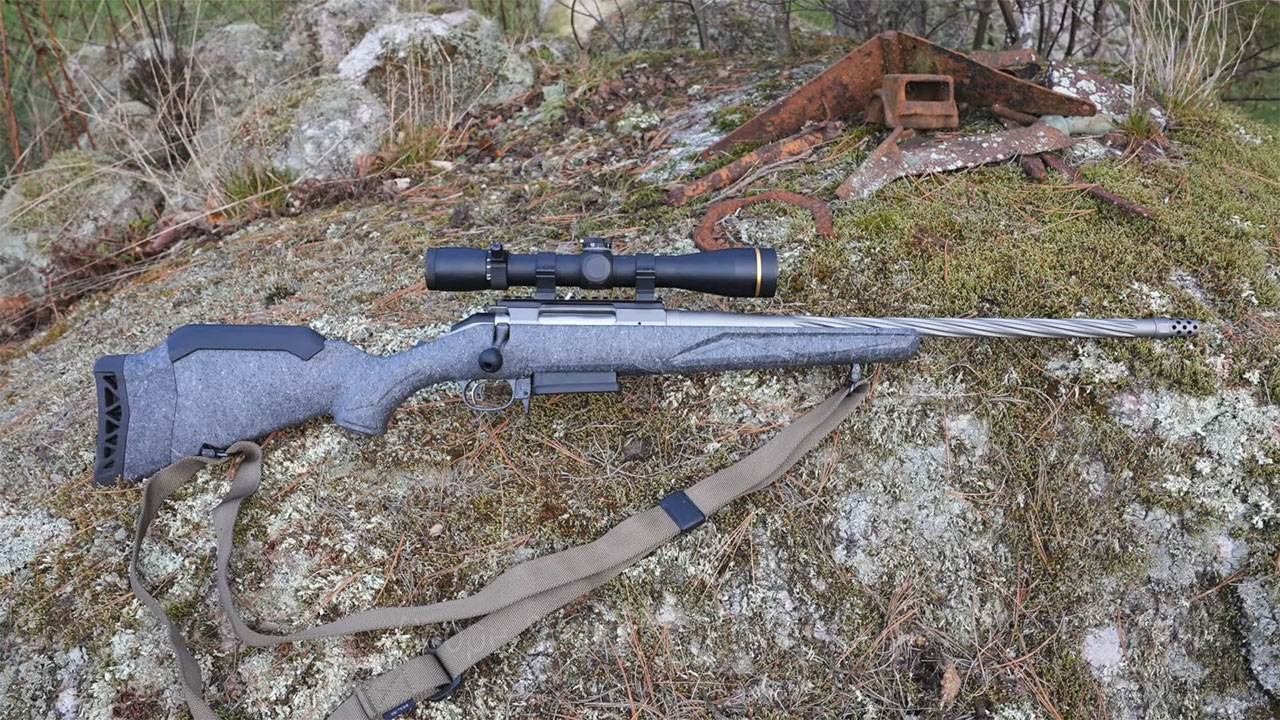
The Ruger American Rifle Generation II was introduced on December 18, 2023, according to Ruger’s official announcement. That means the original platform had more than a decade to establish itself before Ruger decided it was time for a major refresh.
That is useful context because it tells you Ruger was not treating the original rifle like a quick disposable design. The company gave it a long, serious run, then came back with a next-generation version built around accumulated customer feedback.
12. Generation II shows Ruger thought the original was good, but not finished
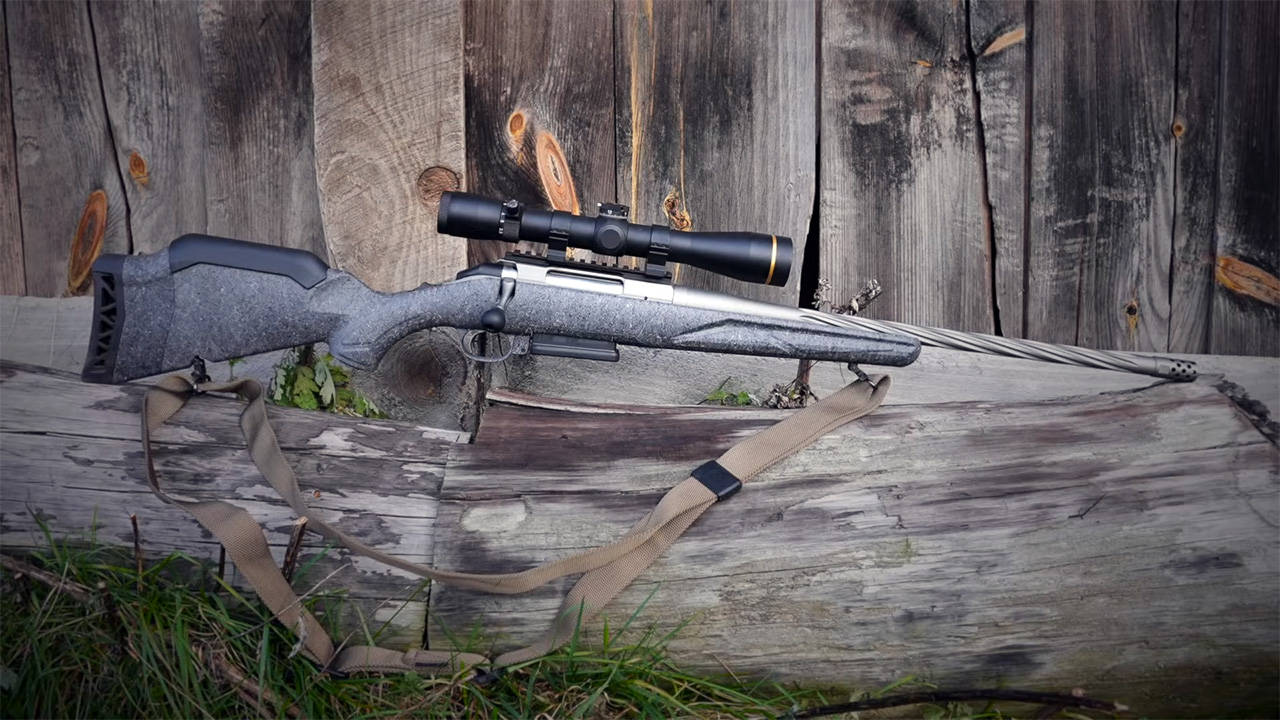
American Rifleman’s 2024 Gen II review quotes Ruger’s own innovation leadership saying the original American Rifle was successful, but that there was still room for improvement. That is a pretty revealing line because it frames the Gen II not as a desperate rescue, but as a refinement of an already winning idea.
That matters because it is the healthiest kind of update a rifle can get. The original American had already earned respect. Gen II was Ruger trying to sharpen a successful concept rather than reinventing a failed one.
13. The Gen II rifle changed more than just the finish

A casual glance at the Gen II can make it look like a simple refresh, but the 2024 and 2025 reviews show it brought a meaningful collection of updates. Ruger’s own announcement and American Rifleman’s review describe changes like Cerakote finishes, updated stock texture, different stock ergonomics, and broader configuration improvements built around user feedback.
That is why the Gen II mattered. It was not just the original rifle painted a different color. Ruger was clearly trying to lift the whole feel of the platform while keeping the core affordability-and-practicality identity that made the first one work.
14. The Gen II also shifted more clearly toward detachable-box-magazine practicality

The 2024 American Rifleman Gen II Standard specs list it with an AICS-style detachable box magazine, which is a good example of how modern bolt-gun expectations continue to influence the platform.
That matters because it shows how far the American has moved from being only a simple budget deer rifle. The platform still lives in that world, but it has also adapted to what modern shooters expect in terms of magazine systems, optics use and general handling.
15. The biggest surprise may be that the Ruger American became a standard, not just a bargain

This is probably the best way to understand the rifle now. The Ruger American launched as an affordable bolt-action hunting rifle in a crowded value market. But over time it stopped feeling like “Ruger’s cheap rifle” and started feeling like one of the standard answers in the category. The original rifle earned strong reviews for accuracy and handling, and the Gen II launch proves Ruger now treats it as one of its cornerstone bolt-action platforms.
That is what makes the rifle more interesting than its price tag suggests. The Ruger American did not survive by being cheap alone. It survived by being good enough that a whole lot of shooters stopped talking about it like a compromise and started talking about it like the obvious choice.
Like The Avid Outdoorsman’s content? Subscribe to our newsletter so you never miss an article.
Here’s more from us: