Photo credit: Markus Schroth/istock.com
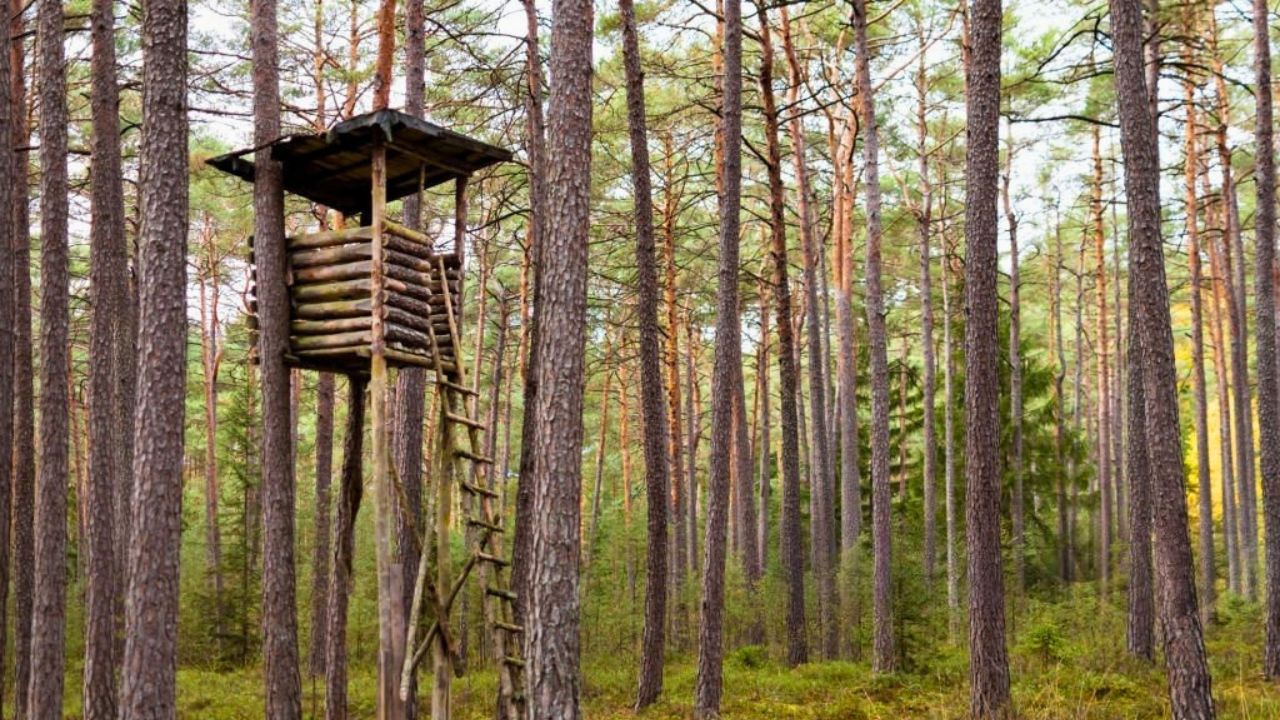
There’s a point where a stand goes from being reliable to being overused, and most hunters don’t notice exactly when that shift happens. It just starts feeling off. The movement you counted on isn’t there. The timing feels wrong. You sit longer, try harder, maybe even convince yourself it’s just a slow day. But when you keep going back to the same stand over and over, the problem usually isn’t the deer disappearing. It’s that the stand has stopped being low-pressure, and now everything around it is reacting to you being there more than you realize.
A good stand earns your trust for a reason. Maybe it’s location, maybe it’s access, maybe it’s history. But that same confidence is what makes it easy to overhunt. You go back because it worked before. Then you go again because it should still work. Before long, you’re not choosing the stand based on current conditions—you’re choosing it based on memory. And that’s when things start slipping without you fully seeing it yet.
Movement doesn’t stop—it shifts around you
One of the biggest mistakes hunters make is thinking a stand has “gone dead.” In most cases, that’s not what’s happening. Movement is still there, but it’s no longer happening where or when you expect it. Animals adjust to repeated pressure fast, especially in areas that were once predictable. They may start skirting just out of range, moving earlier, or avoiding the exact line that made that stand so good in the first place.
That’s what makes it tricky. You can still see sign in the area. You might even catch glimpses of activity. But it’s just enough to keep you coming back without actually producing the way it used to. The stand didn’t lose value completely—it just changed shape, and you didn’t adjust with it.
Your entry is doing more damage than the sit
A lot of hunters focus on how often they’re sitting a stand, but the real pressure often comes from how often they’re entering it. Every walk in leaves scent, noise, and disturbance behind, even if it feels quiet and controlled. When you repeat that same route multiple times a week, you start creating a pattern that animals pick up on quickly.
This is especially true for stands that feel easy to access. The convenience makes it tempting to use them more often, which ends up being exactly what burns them out. The stand itself may still be solid, but the path to it is now carrying pressure that changes how the entire area behaves.
Confidence turns into overuse without you noticing
Confidence is a good thing in hunting—until it turns into habit. When a stand has produced for you, it’s easy to default back to it instead of exploring other options. You trust it. You feel comfortable there. And because of that, you start using it more than you should.
The problem is, animals don’t care about your history with that spot. They respond to what’s happening now. If that stand keeps getting used, they adjust accordingly. What once felt like your best option slowly becomes your most overworked one, and by the time you realize it, the damage has already been done.
Other hunters pick up on it too
If you’re hunting shared land or anywhere with multiple people, your favorite stand likely isn’t a secret. Even if nobody knows exactly where you’re sitting, patterns get noticed. Trucks in the same spot. Repeated movement in the same direction. Activity that tells others something is happening there.
Once that starts, pressure increases from more than just your own use. Now you’ve got overlapping interest, and that compounds the issue. A stand that might have held up under careful use starts breaking down faster because it’s drawing attention from more than one direction.
Rest is what keeps a stand valuable
The hardest part for most hunters is knowing when not to go back. It feels wrong to leave a good spot alone, especially when you believe it still has potential. But rest is what keeps a stand productive over time. Without it, even the best locations lose their edge.
Letting a stand sit for a while allows pressure to fade and patterns to settle back into something more natural. It doesn’t guarantee it will bounce back exactly the same, but it gives it a chance. Without that break, you’re just stacking more pressure on top of a spot that’s already telling you it needs a reset.
A stand isn’t bad—it’s just being used wrong
When a stand stops producing, it’s easy to write it off or blame the area. But most of the time, the issue isn’t the location itself. It’s how often and how predictably it’s being used. A good stand can stay good for a long time if it’s handled carefully. It just can’t handle being leaned on every time you head out.
If you keep hunting the same stand, the question isn’t whether it will eventually slow down—it’s when. And once it does, the only way to bring it back is to step away long enough for the pressure you created to fade.
Like The Avid Outdoorsman’s content? Subscribe to our newsletter so you never miss an article.
Here’s more from us: