Photo credit: Shakirov Albert/ Shutterstock.com
The old boys didn’t have fancy gear or smartphone apps. What they had was hard-earned knowledge, passed down from fathers, uncles, and long days in the field. Somewhere along the way, a lot of that got replaced by shortcuts and gear obsession. But the truth is, most of them hunted better, moved quieter, and lived closer to the land than a lot of folks do now. Here’s a reminder of what they knew—and why it still matters today.
They Read Sign Like a Book

Old-timers didn’t need trail cams or GPS—they knew how to read a trail like it told a story. They’d spot a fresh track, note how the leaves were pushed, and tell you exactly how long ago that deer passed through.
They paid attention to broken twigs, droppings, and how fresh they looked. They could tell if a buck was cruising, feeding, or chasing. That level of awareness didn’t come from gear—it came from slowing down and actually watching the woods.
They Knew How to Sit Still

These days, a lot of folks get antsy in the stand after an hour. But the old guys? They’d sit sunup to sundown if they needed to. They understood that patience kills more game than running around ever will.
They didn’t scroll phones or mess with gadgets—they watched, listened, and waited. Game moves when it moves, not when it’s convenient. If you want to see more, sometimes you’ve just got to sit still and shut up.
They Trusted Iron Sights

Before red dots and scopes took over, most hunters learned to shoot with open sights—and they could do it well. They practiced with what they had and didn’t rely on magnification to make the shot count.
Being able to shoot accurately with irons teaches you good habits: proper cheek weld, breathing, trigger control. It’s something we’ve moved away from, but it’s still worth learning. You might not always have batteries or a clean lens when it matters most.
They Used Every Part of the Animal

Old-timers didn’t waste much. They used the meat, the hide, the bones—even the fat. Deer fat was rendered for cooking or waterproofing. Sinew got used in crafts or repairs.
It wasn’t just about being thrifty—it was about respect. They valued the animal and made sure nothing went to waste. These days, a lot of that’s forgotten in the rush to get back to town and post a photo. There’s something to be said for using what you take.
They Hunted by the Weather, Not the Calendar

Instead of setting their schedule by opening day alone, the old guys watched the sky, tracked fronts, and knew how critters acted when the pressure dropped. They moved when animals moved, not just when the season said go.
They paid attention to wind shifts, temperature swings, and moon phases—because they had to. That kind of awareness made them deadly. Today, too many folks rely on forecasts instead of going out and reading what’s happening right in front of them.
They Carried Less but Knew More
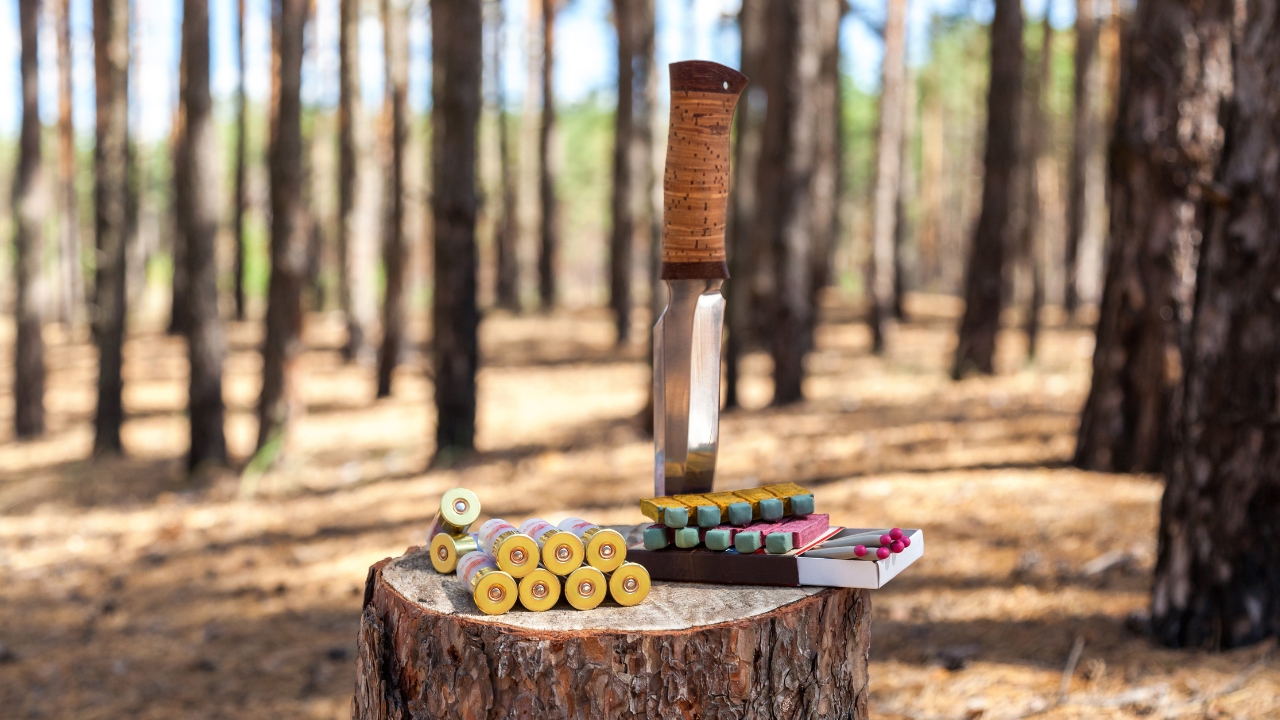
You wouldn’t see an old-timer dragging in five gadgets and a pack full of gadgets. They kept it simple—knife, rope, maybe a sandwich—and they got it done.
They knew the terrain, understood the animals, and relied on skill over stuff. Today’s gear has its place, but it shouldn’t be a crutch. You’re better off learning woodsmanship than buying another toy you don’t know how to use when things get tough.
They Practiced Woodsmanship, Not Just Marksmanship

The old-timers could walk into a new patch of woods and figure it out in a day. They knew how animals moved, where they bedded, and what they ate. It wasn’t guesswork—it was observation.
Too many hunters today focus only on the shot and forget the hunt starts long before you pull the trigger. Scouting, reading terrain, and staying hidden used to be common knowledge. We’d all be better hunters if we brought that back.
They Knew How to Fix Things on the Spot

Old-school hunters didn’t panic when something broke—they fixed it. Sling tore? They tied it off. Scope got bumped? They re-zeroed without a bench. They knew how to adapt because they had to.
Now, folks run back to the truck or head home if their gear fails. That’s fine if you’re close to camp, but not if you’re 4 miles deep. Learn to problem-solve with what you’ve got—it’ll save your hunt someday.
They Taught the Next Generation in the Field

You didn’t learn to hunt from YouTube back then. You learned it in the woods, beside someone who knew what they were doing. The old guys explained things while gutting a deer or walking a trail.
They weren’t always polished, but they passed on the good stuff: patience, respect for the land, and real-world skill. If you were lucky enough to learn that way, pass it on. That kind of teaching’s getting rare.
They Didn’t Care About Trendy Gear

Brand names didn’t mean much to them. They wore flannel because it worked, not because it looked “vintage.” Their rifles had scratches and dings—and those told stories.
They didn’t upgrade every season or chase the latest fad. If something worked, they used it for decades. It’s easy to get caught up in the new-and-shiny mindset, but the truth is, skill always matters more than gear. The old-timers never forgot that.
*This article was developed with AI-powered tools and has been carefully reviewed by our editors.